





How to Maintain Electric Dirt Bike Style E-Bikes
Learn how to maintain electric dirt bike-style e-bikes with this simple guide covering batteries, tires, brakes, chains, and more to keep your ride running strong.
Introduction
Maintaining an electric dirt bike-style e-bike doesn't have to be complicated. The short answer is this: keep the battery healthy, check your tires and brakes regularly, clean the bike after rides, and stay on top of small issues before they turn into big ones. Unlike gas-powered dirt bikes, electric models have far fewer moving parts, which actually makes maintenance simpler and less expensive over time. Whether you ride on pavement, gravel, or mixed terrain, a consistent routine will keep your bike running reliably for years.
Why Maintenance Matters More Than You Think
A lot of riders buy an electric bike, enjoy it for a few months, and then start noticing problems, such as sluggish acceleration, squeaky brakes, and faster battery drain. In most cases, these issues aren't signs of a defective bike. They're signs of a bike that hasn't been looked after.
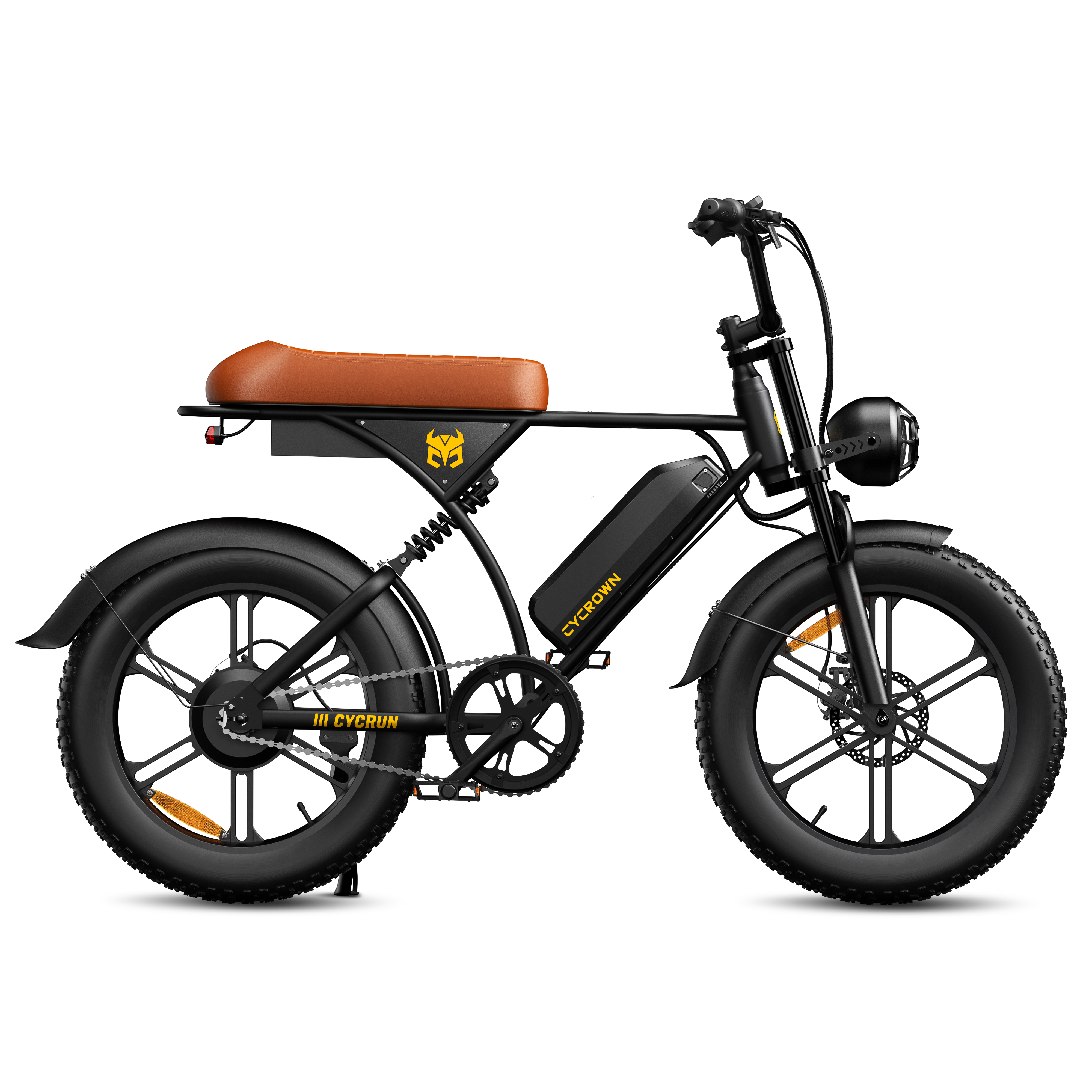
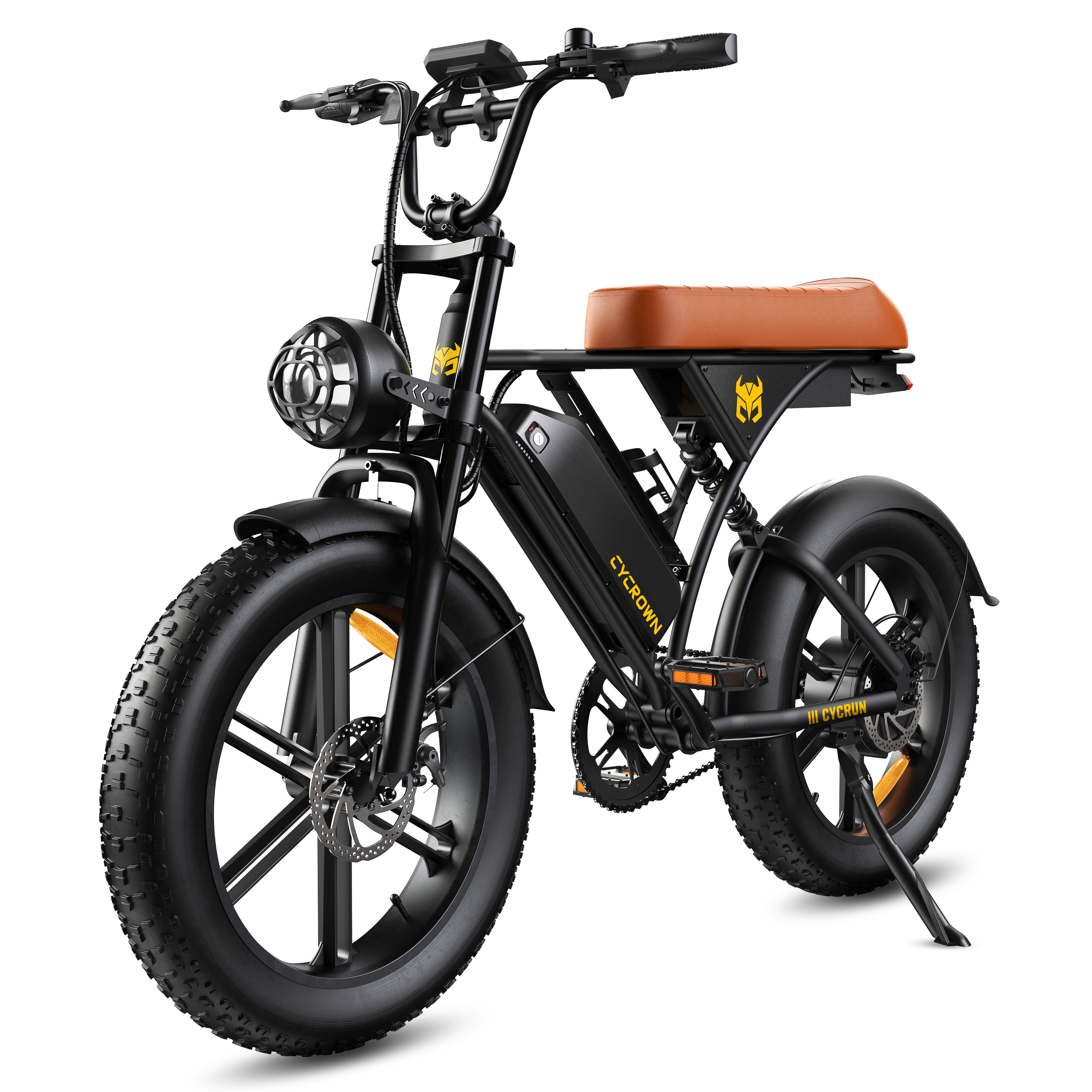
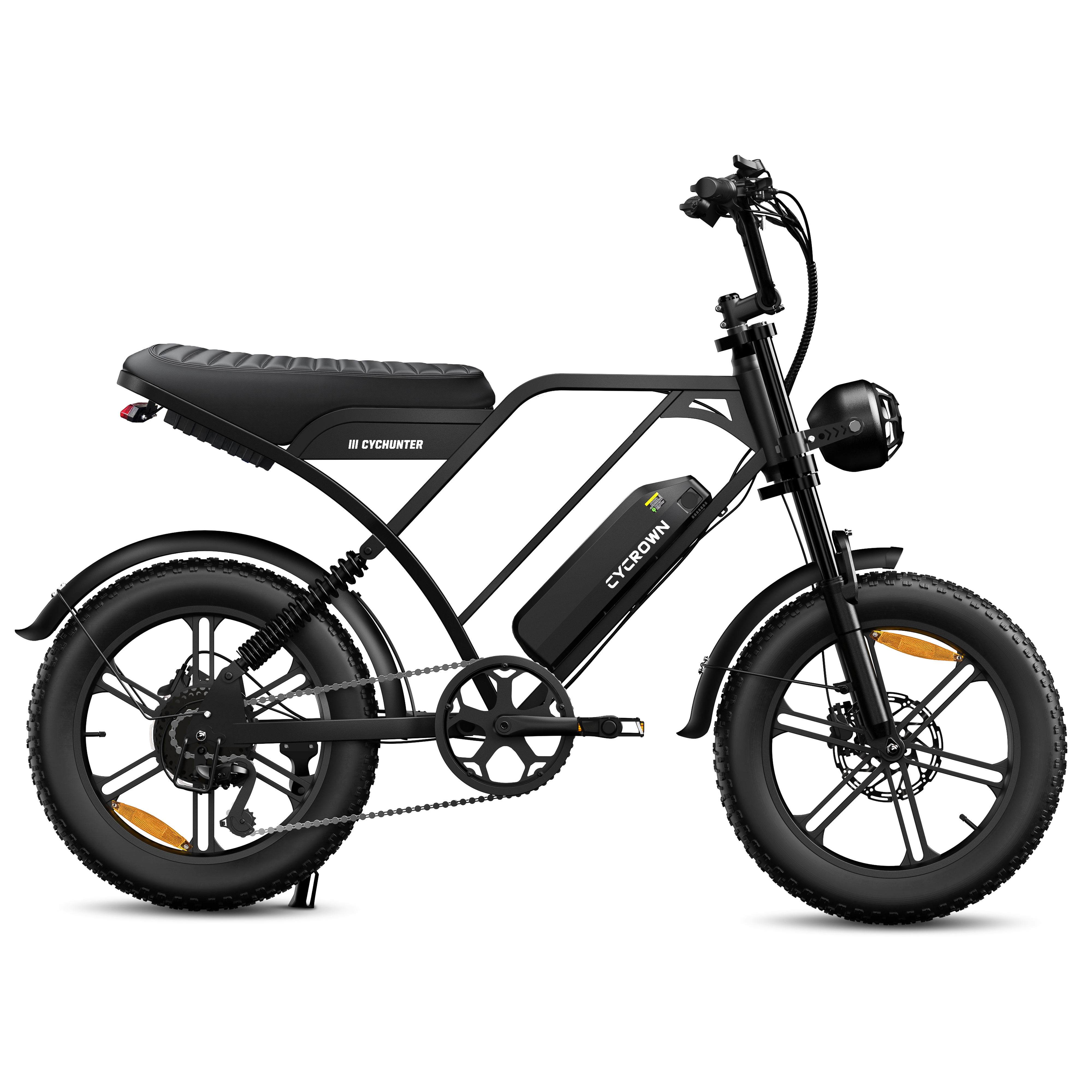
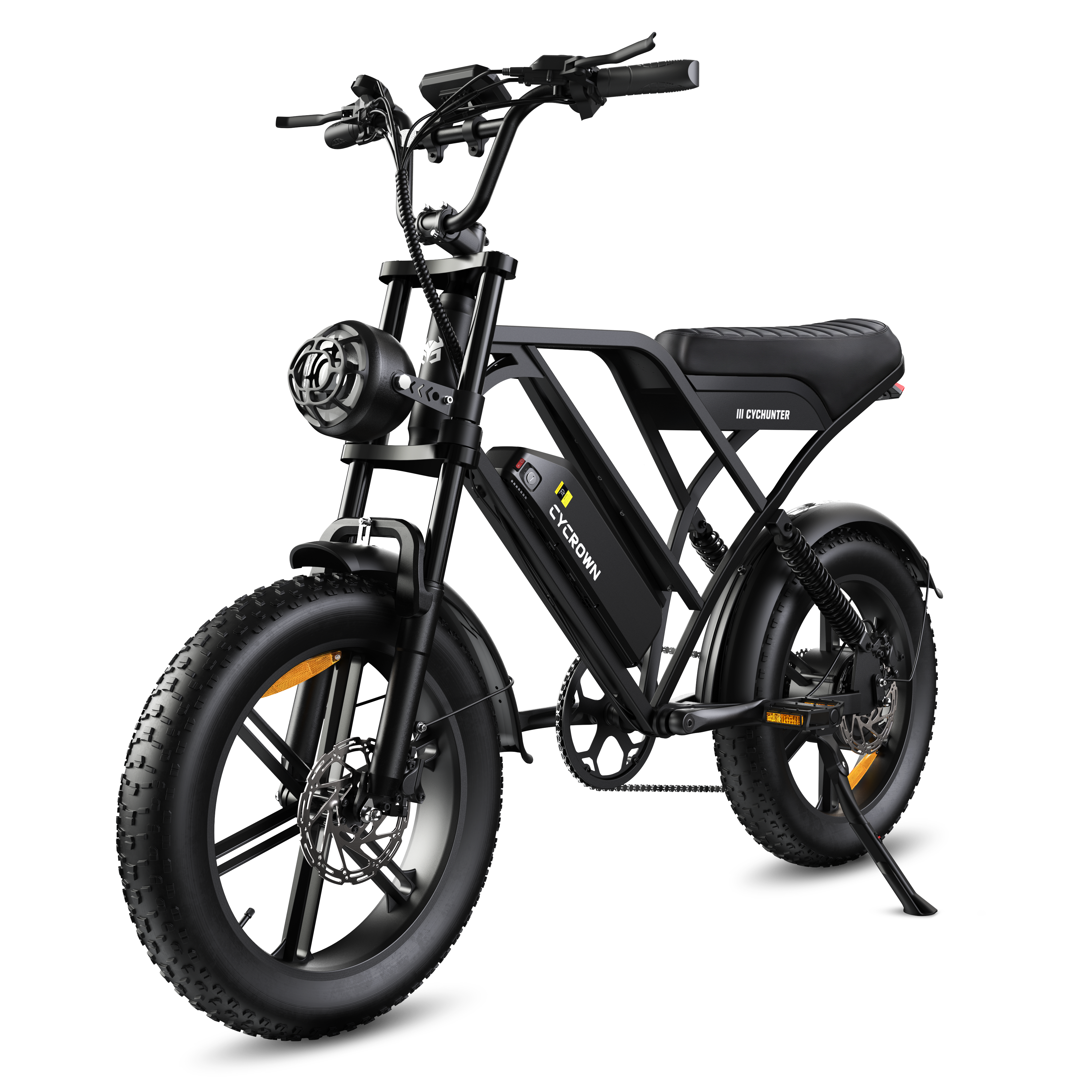
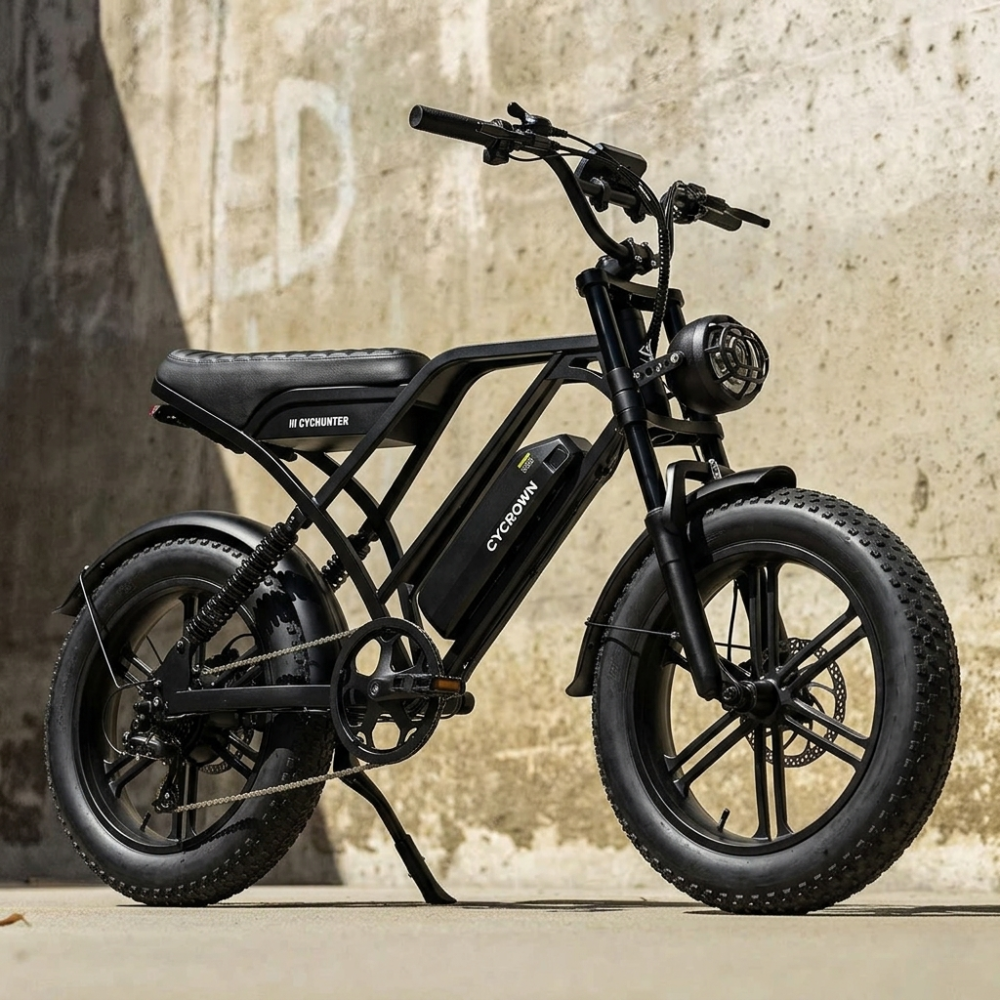
Electric dirt bike-style e-bikes, including moped-style models built for mixed terrain, are designed to be durable. But "durable" doesn't mean "maintenance-free." Dirt, moisture, and regular wear all take a toll over time. A simple routine that takes 15-20 minutes every few weeks can prevent the most common problems and extend the life of your bike significantly.
The good news is that electric drivetrains are genuinely easier to maintain than combustion engines. No oil changes, no fuel filters, no spark plugs. The list of things that need regular attention is actually quite short.
Battery Maintenance: The Most Important Thing You Can Do

The battery is the most expensive component on your e-bike and the one most affected by how you treat it. Taking care of it properly is the single biggest thing you can do to protect your investment.
Charge It the Right Way
Don't let it fully drain. Lithium-ion batteries, or the type used in most e-bikes, typically last longer when you keep them between 20% and 80% charged for everyday use. Regularly draining to 0% accelerates cell degradation.
Don't leave it at 100% for long periods. If you're storing the bike for a week or more, charge it to around 50-60% rather than leaving it fully topped off.
Use the original charger. Third-party chargers may not regulate voltage correctly and can shorten battery life or cause safety issues.
Charge at room temperature. Charging in extreme heat or cold stresses the battery cells. If the battery is very cold from outdoor storage, let it warm up before plugging it in.
Store It Properly
If you're not riding for an extended period, remove the battery from the bike if possible and store it indoors at a moderate temperature. A garage that drops below freezing is not ideal for battery storage. Check the charge level every month or so and top it up slightly if it's dropped below 30%.
Watch for Warning Signs
A battery that drains significantly faster than it used to, runs warm to the touch during normal use, or won't hold a charge consistently may be reaching the end of its useful life or have a developing issue. Address these signs early rather than ignoring them.
Tire Care for Mixed Terrain Riding
Moped-style e-bikes built for off-road use put more stress on tires than standard road bikes. Keeping your tires in good shape directly affects your safety, handling, and ride comfort.
Check Tire Pressure Regularly
Tire pressure affects everything, from traction to range, rolling resistance, and puncture resistance. Remember to check pressure at least once a week if you're riding regularly. Most moped-style e-bikes with wider tires run between 20-35 PSI, but always follow the range printed on the tire sidewall.
Low pressure on dirt or gravel can actually improve grip, but running consistently underinflated tires wears them unevenly and risks pinch flats. Overinflation reduces grip and makes the ride harsher than it needs to be.
Inspect Tires Before Every Ride
Take 30 seconds before each ride to visually check your tires. Look for:
-
Embedded debris (small rocks, glass, thorns)
-
Cuts or cracks in the tread or sidewall
-
Uneven wear patterns
-
Bulges, which can indicate internal damage
Catching a small cut early can save you from a blowout mid-ride.
Know When to Replace Them
Most tires have wear indicators that usually appear as small raised dots or lines in the tread that disappear as the rubber wears down. When the tread is shallow or the wear indicators are gone, it's time for new tires. Here’s a rip: Don't push it, because worn tires on loose terrain are a genuine safety risk.
Brake Maintenance
Good brakes are non-negotiable, especially if you ride on uneven terrain or at higher speeds. Most electric dirt bike-style e-bikes use either disc brakes or drum brakes, with disc brakes being more common on performance-oriented models.
Check Brake Pads
Brake pads wear down with use. If you hear a metallic scraping or grinding sound when braking, your pads are likely worn through and need immediate replacement. Check pad thickness visually every month; most pads have a wear line that tells you when they're getting thin.
Adjust Brake Cables
If your brakes feel spongy or require you to pull the lever almost all the way before they engage, the cable tension may need adjustment. Don’t worry, though. This is a simple fix. A lot of bikes have a barrel adjuster at the lever or caliper that lets you dial in the tension without tools.
Keep Rotors Clean
For disc brakes, keep the rotors free of oil, grease, and dirt. Even a small amount of contamination can significantly reduce braking power. If your rotors get contaminated, clean them with isopropyl alcohol and a clean cloth. Avoid touching the rotor surface with bare hands.
Chain and Drivetrain Care
Not all moped-style e-bikes use a chain; some use a belt drive or direct drive. However, if yours has a chain, it needs regular attention.
Clean and Lubricate the Chain
A dirty, dry chain wears out faster and makes pedaling or power transfer less efficient. Clean the chain every 100-200 miles or after any ride in wet or muddy conditions. Use a degreaser to remove old lubricant and grime, let it dry, then apply a fresh coat of chain-specific lubricant. Wipe off any excess to prevent attracting more dirt.
Check Chain Tension
A chain that's too loose can skip or derail. Most single-speed e-bikes have a simple horizontal dropout that lets you adjust chain tension by moving the rear wheel. Check that the chain has roughly 1 to 1.5 cm of vertical play when lightly pressed in the middle.
Inspect the Sprockets
Worn sprockets have a distinctive "shark fin" appearance on the teeth. Commonly, they look pointed rather than symmetrical. If you replace a worn chain but keep old sprockets, the new chain will wear out much faster. Replace them together when needed.
General Cleaning and Frame Care
 (CycHunter)
Keeping your bike clean isn't just cosmetic. What a lot of people don’t know is that this helps to spot problems early and prevents corrosion.
After any ride on dirt, gravel, or wet roads, wipe down the frame, forks, and components with a damp cloth. Pay attention to joints, pivot points, and anywhere mud tends to accumulate. Avoid spraying water directly into the motor, battery housing, or display unit. Unfortunately, most e-bikes have water resistance ratings but aren't fully waterproof.
Periodically check all bolts, fasteners, handlebars, stem, seat post, and brake mounts, and tighten anything that's worked loose. Vibration from off-road riding can loosen hardware over time.
Apply a light coat of bike-specific frame protectant or wax to painted surfaces a few times a year to protect against UV fading and minor scratches.
For a broader look at how to keep any e-bike in top shape through different seasons, this guide on e-bike maintenance could help.
Motor and Electrical System Checks
The motor on a quality e-bike is largely sealed and doesn't require hands-on maintenance. What you can and should do is monitor how it performs.
-
If the motor starts making unusual sounds, such as clicking, grinding, or high-pitched whining, stop riding and investigate before continuing.
-
Check that all electrical connections (battery contacts, display cables, throttle connections) are seated firmly and free of corrosion.
-
Keep the motor housing clean and free of packed mud or debris, which can cause overheating on long rides.
-
If your bike has a display or control unit, keep the firmware updated if the manufacturer releases updates.
Seasonal and Long-Term Maintenance
A few bigger-picture tasks don't need to happen every week, but shouldn't be ignored either:
Every 6 months: Inspect brake cables for fraying, check wheel bearings for play, and re-grease any pivot points on the suspension.
Annually: Have a bike mechanic do a general inspection if you're not confident handling everything yourself. A professional once a year is often worth the cost.
Before long storage: Clean the bike thoroughly, lubricate moving parts, charge the battery to around 50–60%, and store indoors if possible.
Conclusion
Maintaining an electric dirt bike-style e-bike is genuinely manageable for most riders; you don't need a workshop or specialist knowledge to keep your bike in great shape. The core habits are simple: take care of the battery, keep the tires properly inflated, maintain your brakes, clean the bike regularly, and pay attention to how it performs. Address small issues early, and you'll avoid the bigger, more expensive problems that come from neglect.
Moped-style e-bikes in particular are well-suited to this kind of ownership experience. Their electric drivetrains are far less demanding than combustion engines, and their rugged builds are designed to handle regular use. With a little routine care, there's no reason a quality bike shouldn't serve you reliably for many years.
Frequently Asked Questions
How often should I service my electric dirt bike-style e-bike?
For regular riders, a basic check of their tires, brakes, chain, and battery every two to four weeks is a good habit. A more thorough inspection every three to six months covers components like cables, bearings, and electrical connections. Annual professional servicing is a good idea if you ride frequently or in demanding conditions.
Can I wash my e-bike with a hose?
You can rinse it with a gentle stream of water, but avoid high-pressure washing. Directing strong water pressure at the motor, battery port, display, or electrical connectors can force water into seals and cause damage. A damp cloth and a bucket of soapy water are usually more than enough for a thorough clean.
How long do e-bike batteries last?
Most lithium-ion e-bike batteries are rated for 500–800 full charge cycles before capacity begins to drop noticeably. Many batteries last 3–5 years or more with a reasonable range, with good charging habits.
What should I do if my motor makes a strange noise?
Stop riding and inspect the bike. Check that nothing is caught in the motor housing or wheel, and that all mounting bolts are tight. If the noise persists with no obvious cause, contact the manufacturer or a qualified e-bike mechanic. Continuing to ride with a noisy motor can turn a minor issue into a more serious one.
Do moped-style e-bikes require the same maintenance as traditional dirt bikes?
No, they're simpler. There's no engine oil, no fuel system, no exhaust, and no combustion components to maintain. The main areas of focus are the battery, tires, brakes, chain (if applicable), and general frame condition. This makes them significantly easier and cheaper to maintain than gas-powered dirt bikes over time.


