







Find the best commuter electric bike for beginners in 2026 with simple tips on range, comfort, safety, fit, storage, and daily city riding needs.
Start With the Ride You Actually Need
The best commuter electric bike for beginners in 2026 is one that matches your daily distance, road conditions, comfort needs, storage space, and confidence level. New riders should look for a commuter e-bike with reliable range, predictable pedal assist, good brakes, practical tires, visible lights, and a frame style that feels easy to use every day.
That sounds simple, but it is where many first-time buyers get pulled off course. A big motor and long spec sheet can look exciting, yet the bike still needs to fit your actual commute. Riding 4 miles to work in Austin is different from taking a 15-mile round trip through Seattle hills, a college campus in Ann Arbor, or a mixed bike-lane route in New York City.
CYCROWN’s electric bikes include commuter, moped-style, fat tire, and all-terrain e-bikes. For beginners, the smartest choice starts with the route, not the flashiest feature.
Range Should Match Your Round Trip

Range is one of the first specs beginners compare, and for good reason. Nobody wants to wonder whether the battery will make it home. But range should be judged against your real round trip, not just the distance one way.
If your commute is 6 miles to work, that is 12 miles per day before errands, lunch stops, or detours. A beginner-friendly commuter e-bike should leave a healthy battery buffer after your normal ride. This helps when wind, hills, rider weight, assist level, and stop-and-go riding reduce real-world range.
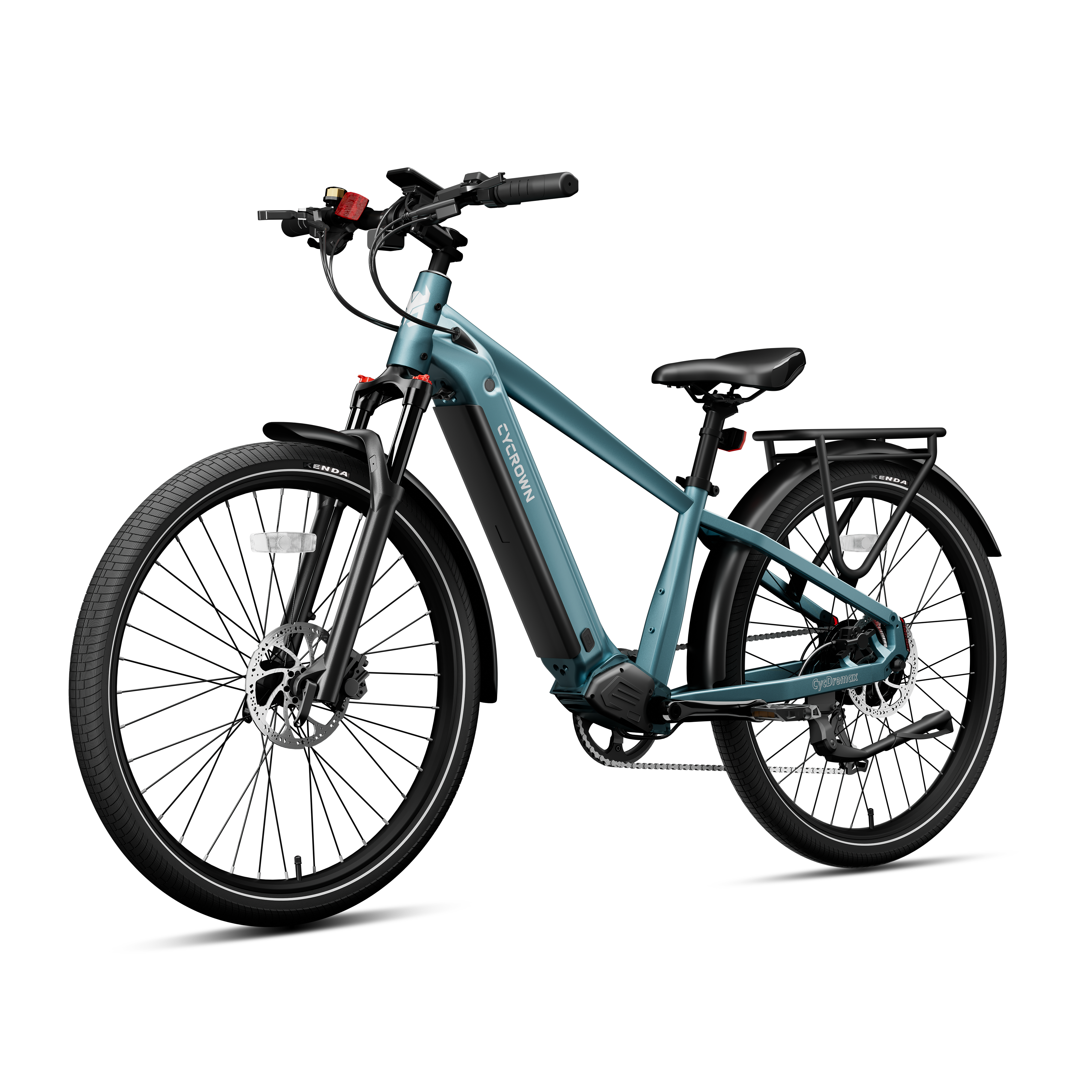
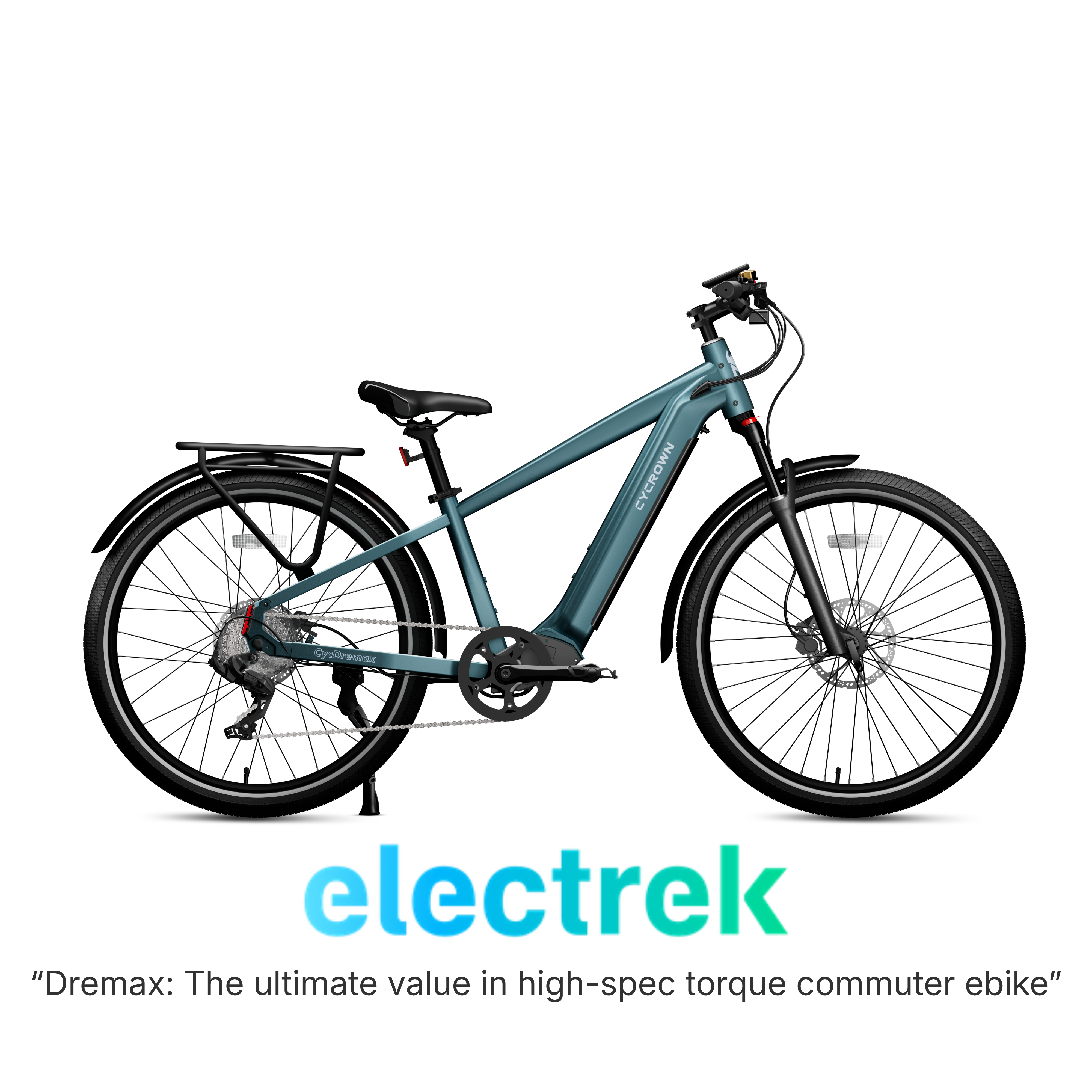
The CYCROWN Dremax Commuter Ebike is a practical commuter example. It lists an 852W peak motor, 720Wh Samsung battery, 65-mile range, and 28 mph top speed. For many daily riders, that gives enough room for weekday commuting without charging anxiety after every short trip.
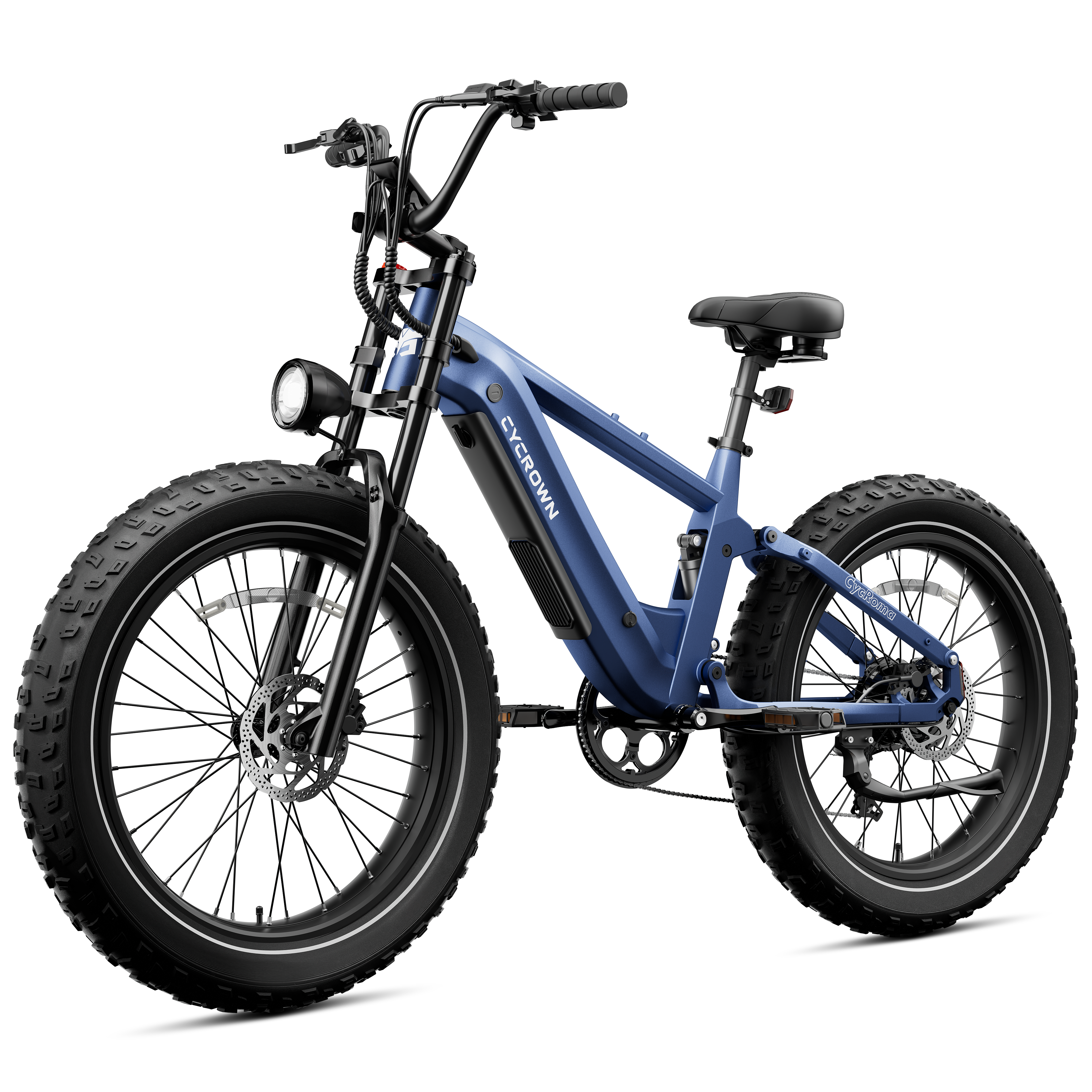
For riders who want a stronger mixed-use option, the CYCROWN Roma All-Terrain Ebike lists 1500W peak power, a 960Wh Samsung battery, 90 miles of range, and 28 mph top speed. It is more than a basic commuter, but it can make sense if your route includes rough pavement, gravel paths, or weekend riding.
Comfort Matters More Than Speed
A commuter e-bike has to be comfortable enough that you want to ride it again tomorrow. Speed may get attention, but comfort is what builds the habit.
New riders should pay attention to riding posture, seat feel, handlebar position, pedal assist smoothness, tire size, and frame style. If mounting the bike feels awkward or the ride feels too harsh, the bike may end up sitting in the garage.
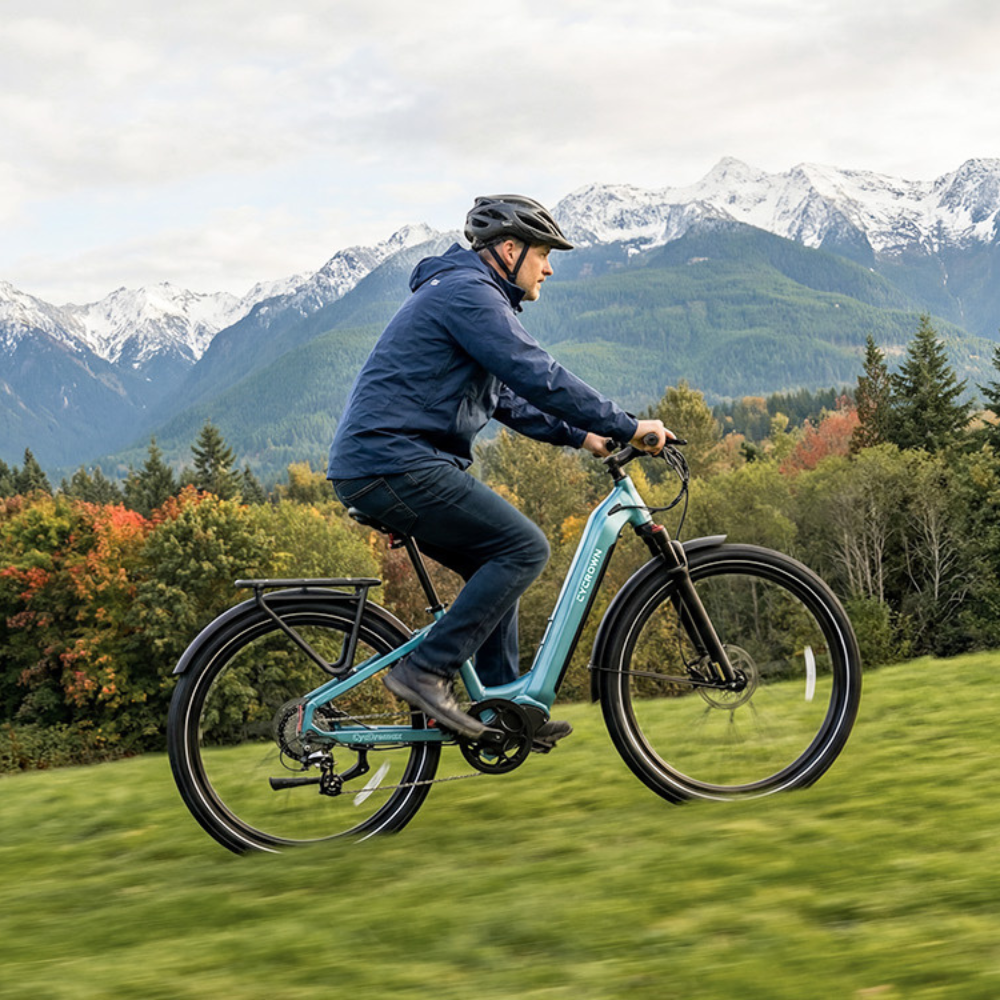
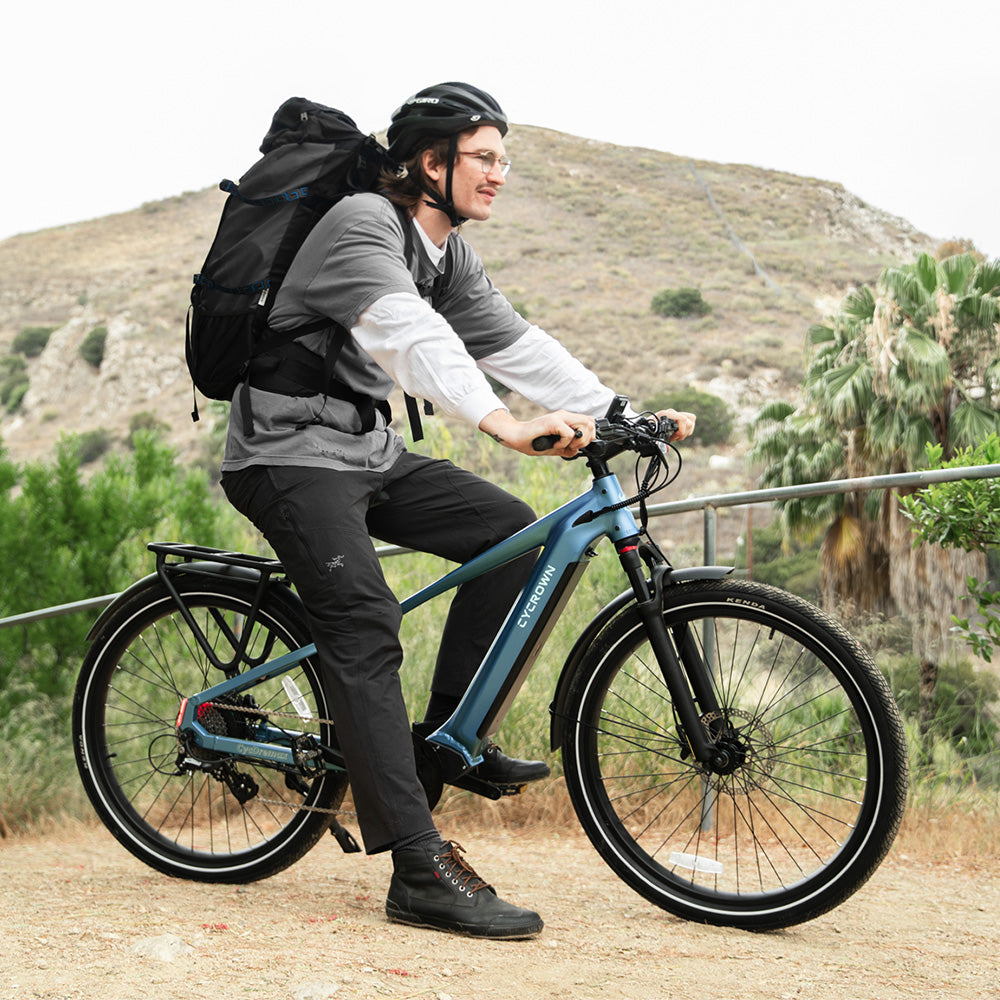
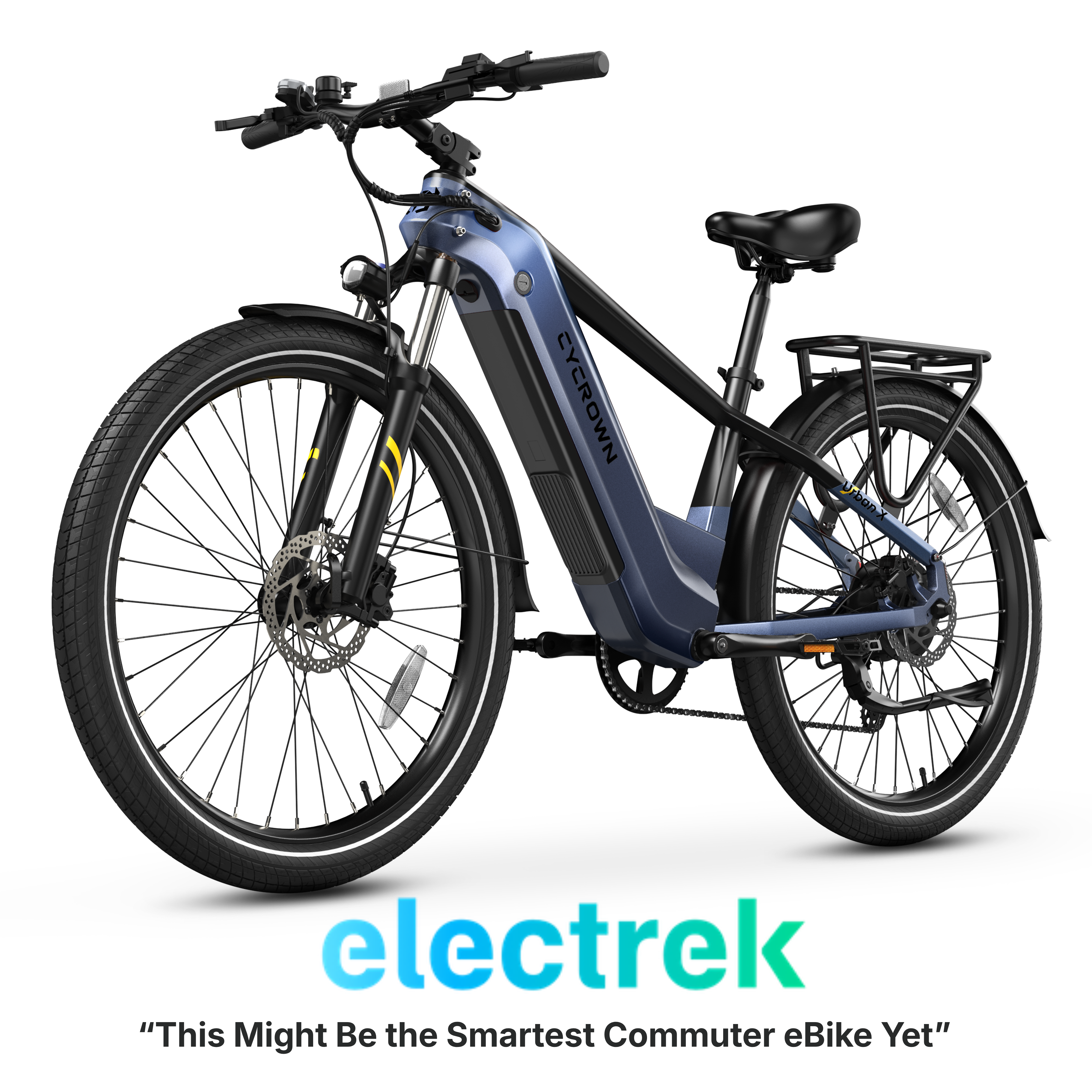
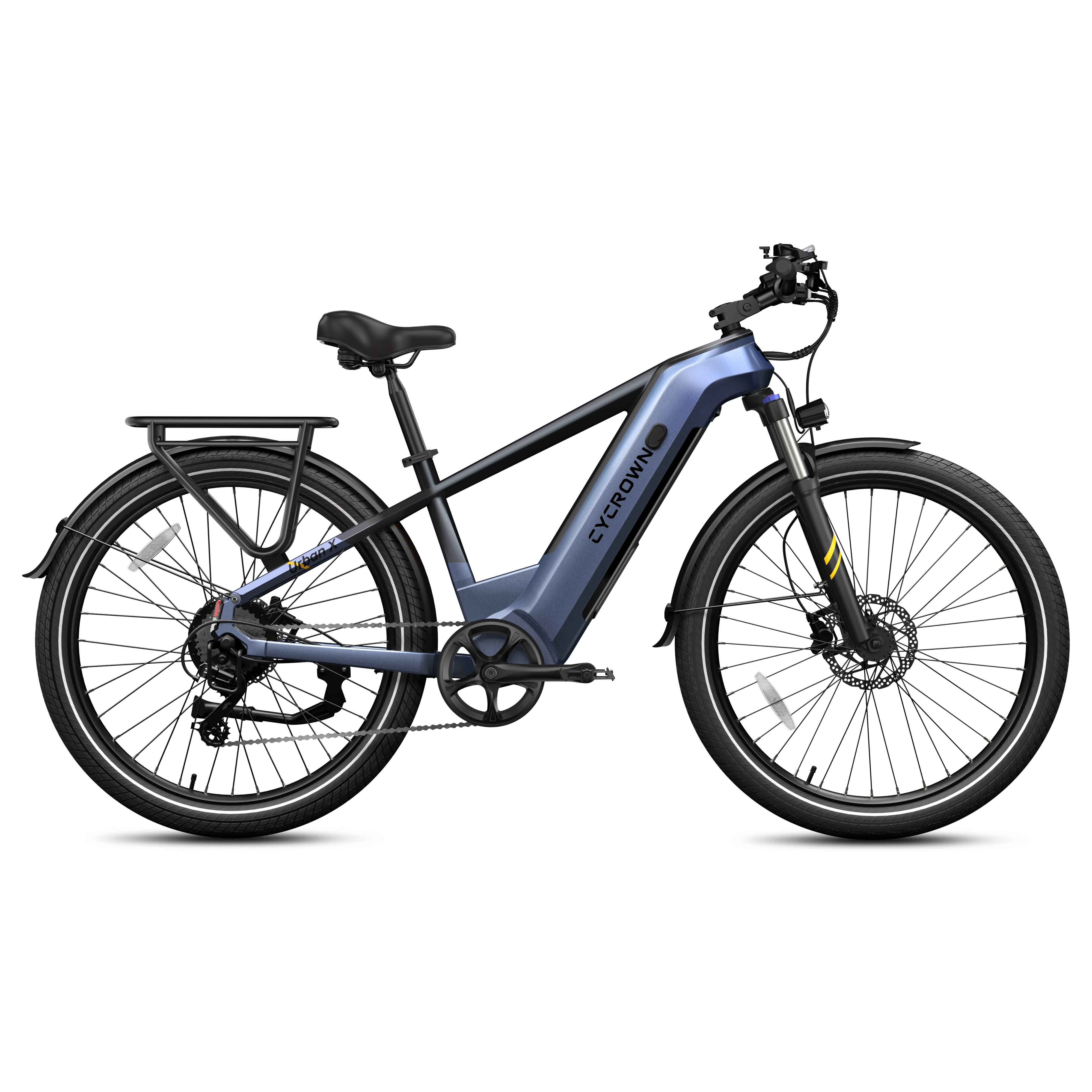
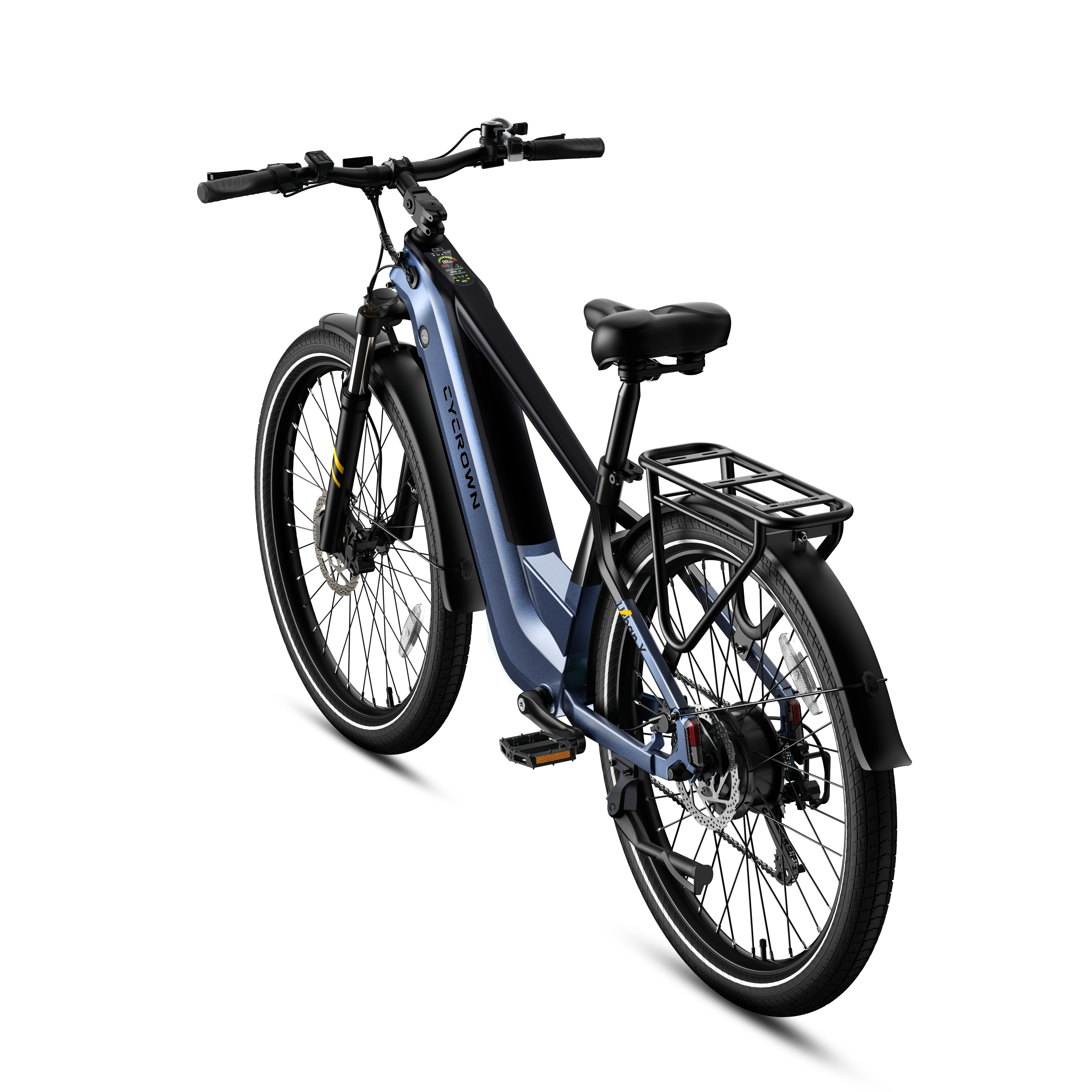
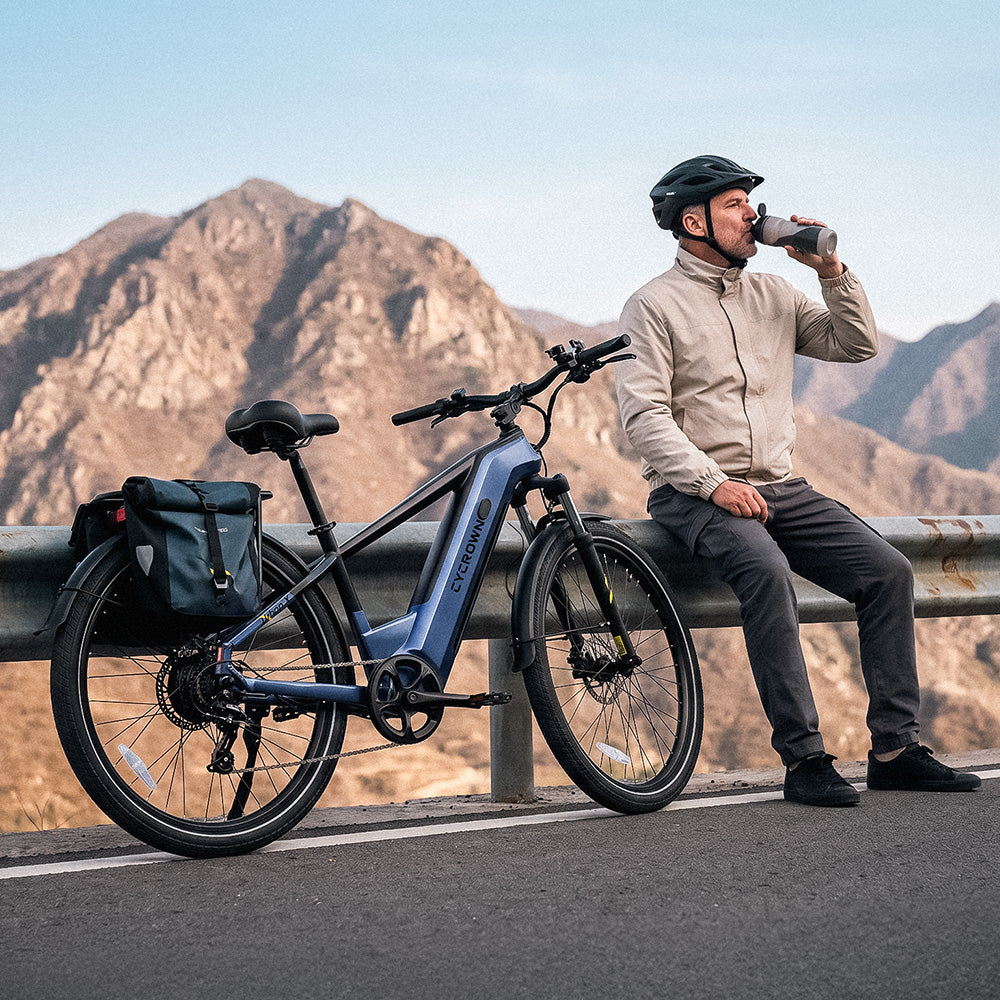
CYCROWN’s article on 3 core features of the perfect commuter e-bike is useful because it looks beyond raw speed and focuses on the features that make daily riding enjoyable. For those looking for a comfortable commuter e-bike, the Urban X is worth considering.
A commuter in Chicago may want a stable ride over rough streets. A student in Tempe may care more about easy campus parking. A rider in San Francisco may need stronger hill support and brakes. The right bike should feel natural in the place where you ride most.
Think About Frame Style and Storage
Beginners often underestimate storage. A bike can have excellent specs but still be wrong if it is hard to park, lift, or store.
If you live in an apartment, check where the bike will go at night. If you commute to an office, think about whether there is a bike room, rack, or indoor storage space. If you need to carry the bike up stairs, weight becomes a bigger issue.
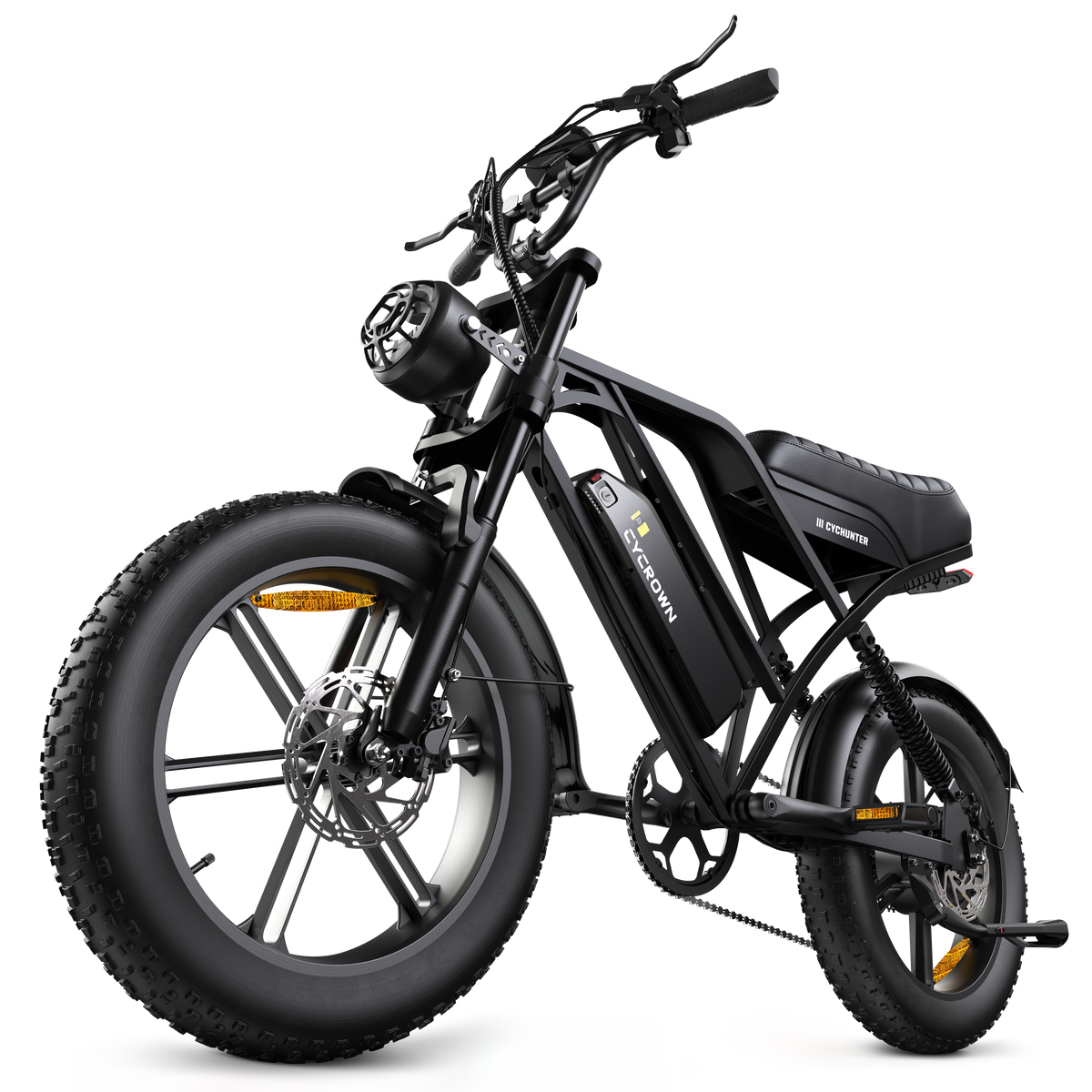
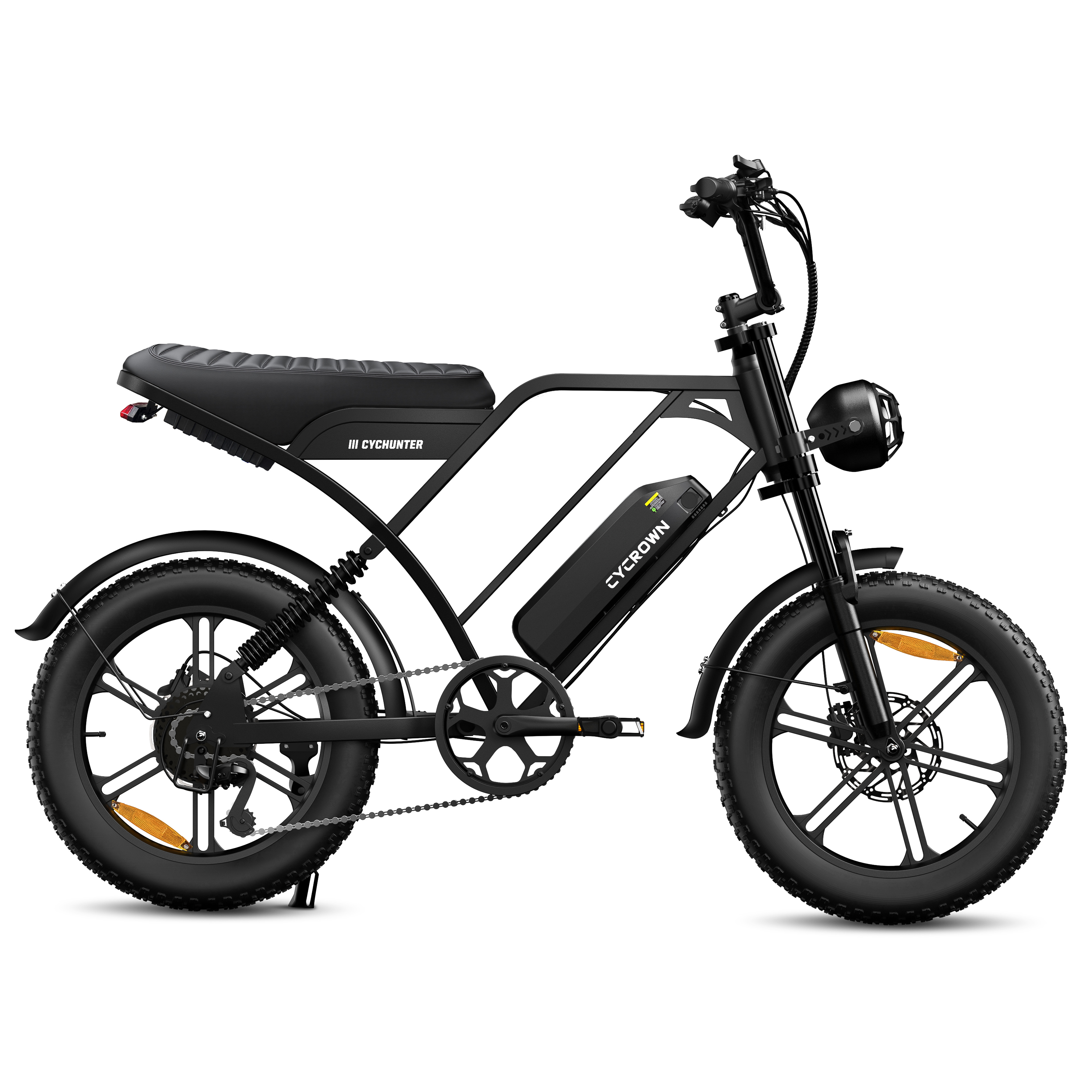
Step-through frames can feel easier for riders who want a lower entry point. Step-over frames may feel more familiar to traditional cyclists. Moped-style e-bikes can be comfortable and fun, but they may be heavier and less convenient for tight storage.
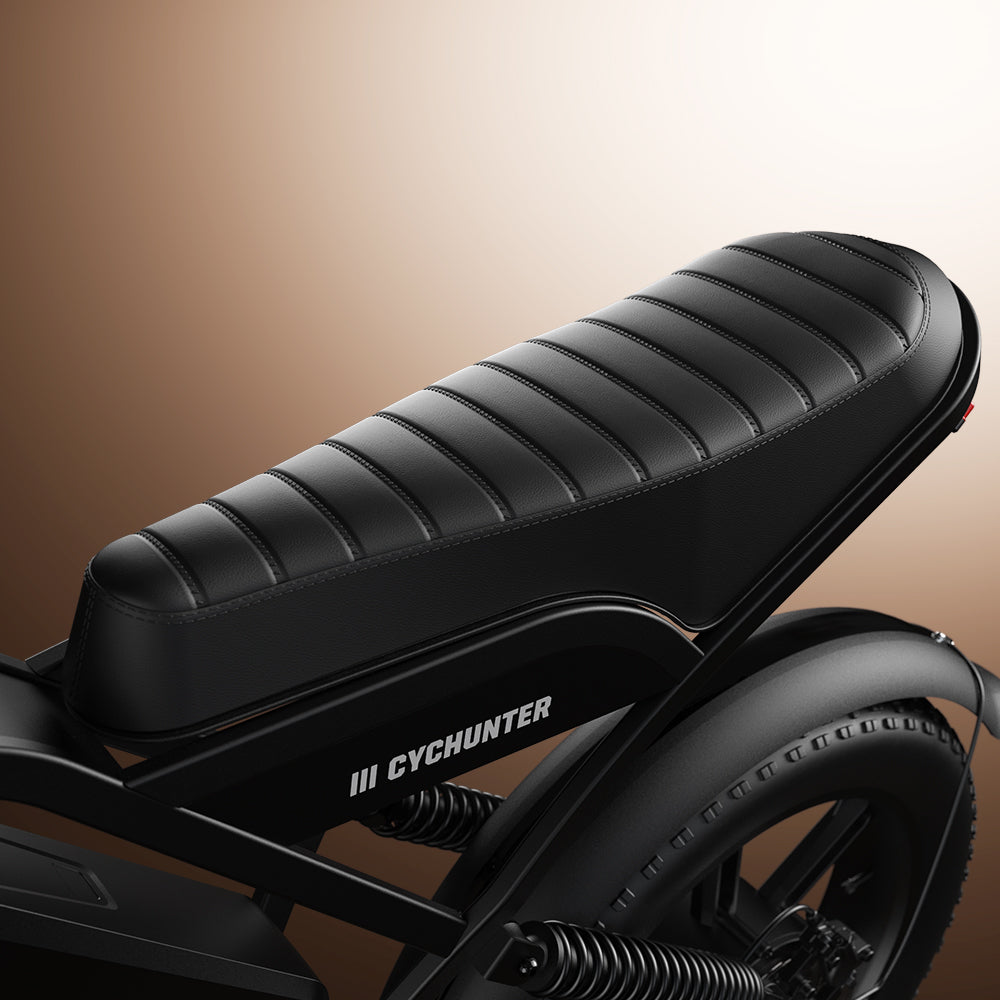
The CYCROWN CycHunter 2.0 Moped-Style Ebike lists 1500W peak power, a 1248Wh battery, 120-mile range, and 32 mph top speed. It is a strong long-range option, but beginners should consider where they will store it and whether local e-bike rules match how they plan to ride.
Match the Bike to Your Roads
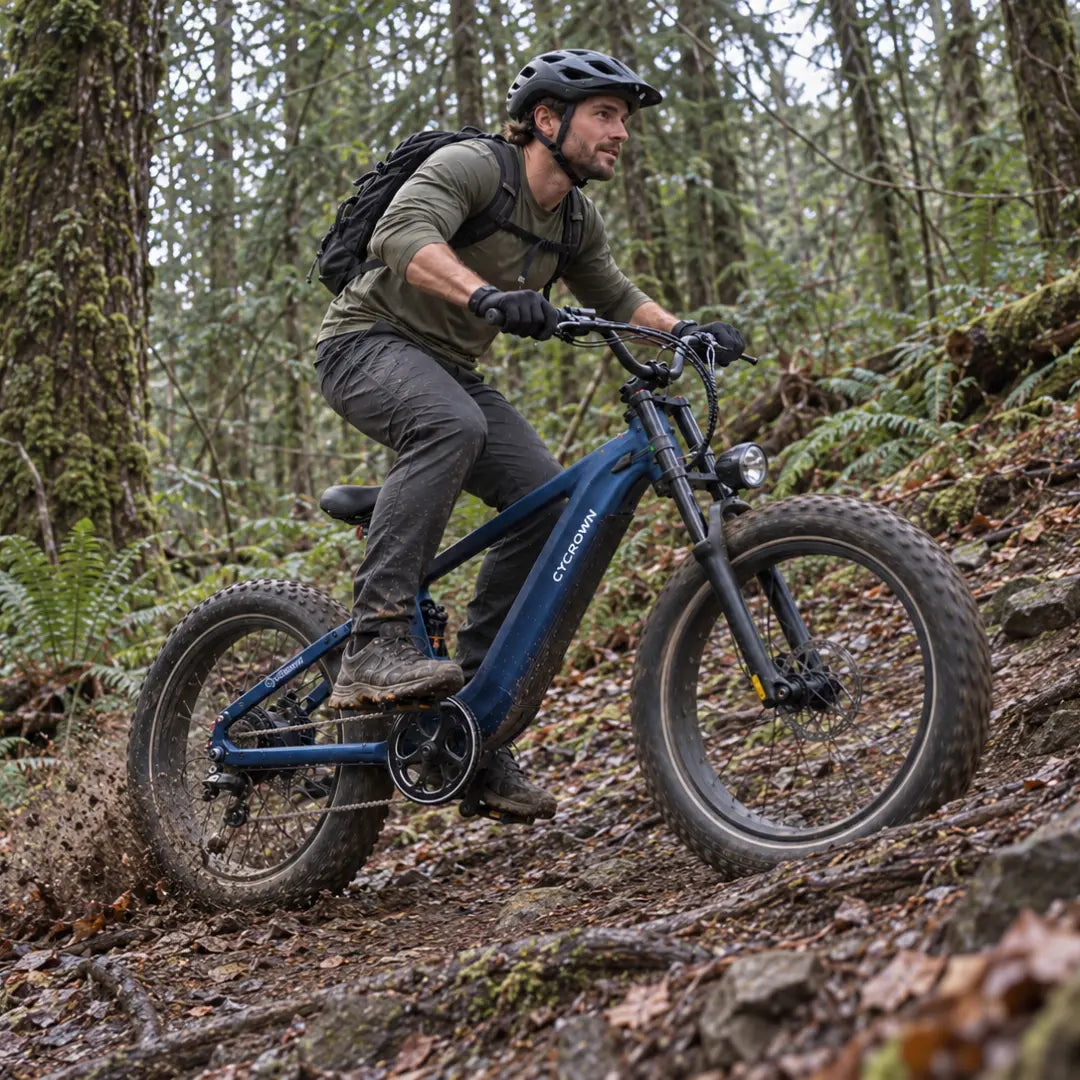
Commuting is not always smooth pavement. Many riders deal with potholes, cracked bike lanes, rough shoulders, gravel cut-throughs, and wet roads. That is where tires and suspension start to matter.
If your route is mostly smooth city pavement, a commuter model may be enough. If your route includes rougher roads or weekend trails, an all-terrain or fat tire model may feel more stable.
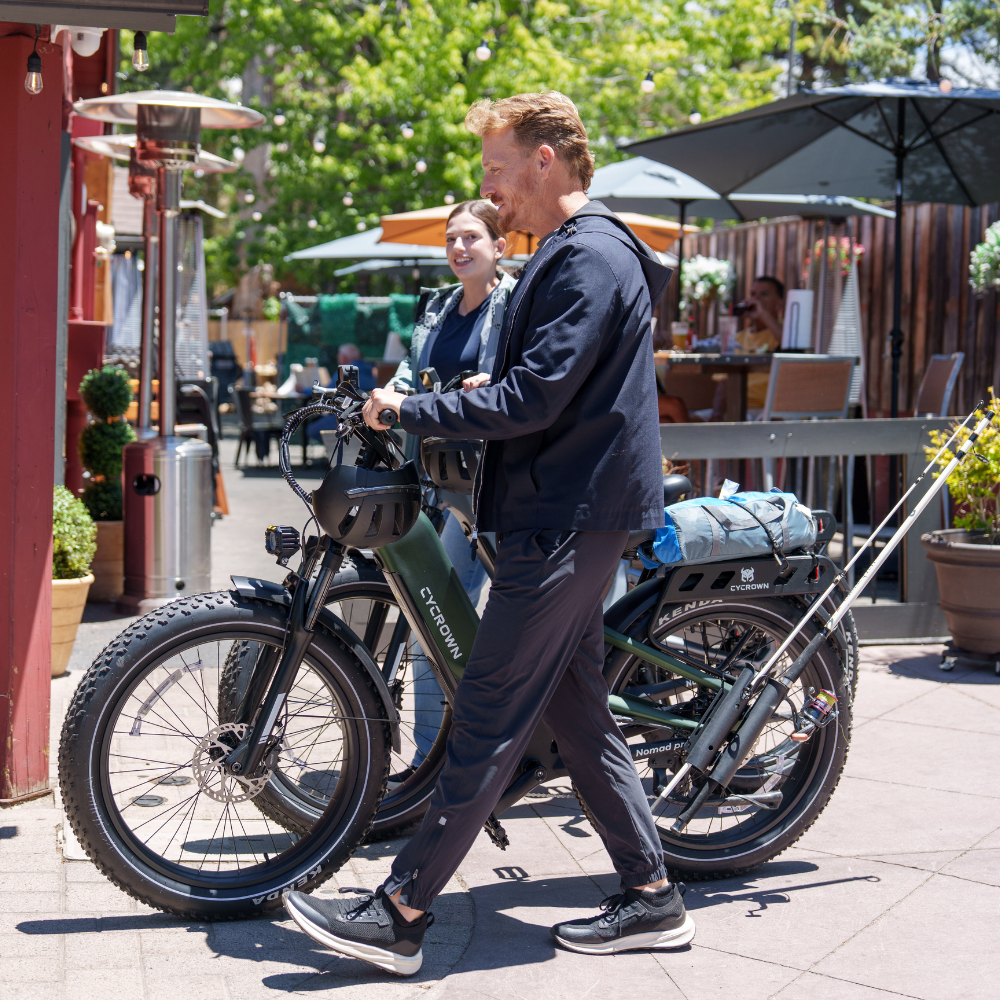
The CYCROWN Nomad Pro Fat Tire Ebike lists 1000W peak power, a 960Wh battery, 90 miles of range, and 28 mph top speed. Fat tire e-bikes can feel more planted on rough surfaces, though they may feel larger than a slimmer commuter setup.
CYCROWN’s Best All-Terrain eBikes of 2026 is a helpful guide for riders deciding whether they need a commuter-only bike or something more versatile.
Safety Features Should Be Non-Negotiable

A beginner commuter e-bike should help you ride visibly and stop confidently. Look for dependable brakes, bright lights, reflectors, a stable frame, and tires that match your roads.
Before the first commute, practice away from traffic. Find an empty parking lot or quiet neighborhood street. Get used to starting, stopping, turning, shifting, and changing pedal-assist levels. Your first busy morning commute should not also be your first real test ride.
A simple beginner check before each ride is enough:
-
The battery has enough charge for the full trip.
-
Brakes respond smoothly.
-
Tires look properly inflated and undamaged.
-
Lights work.
-
The route is safe for bikes and e-bikes.
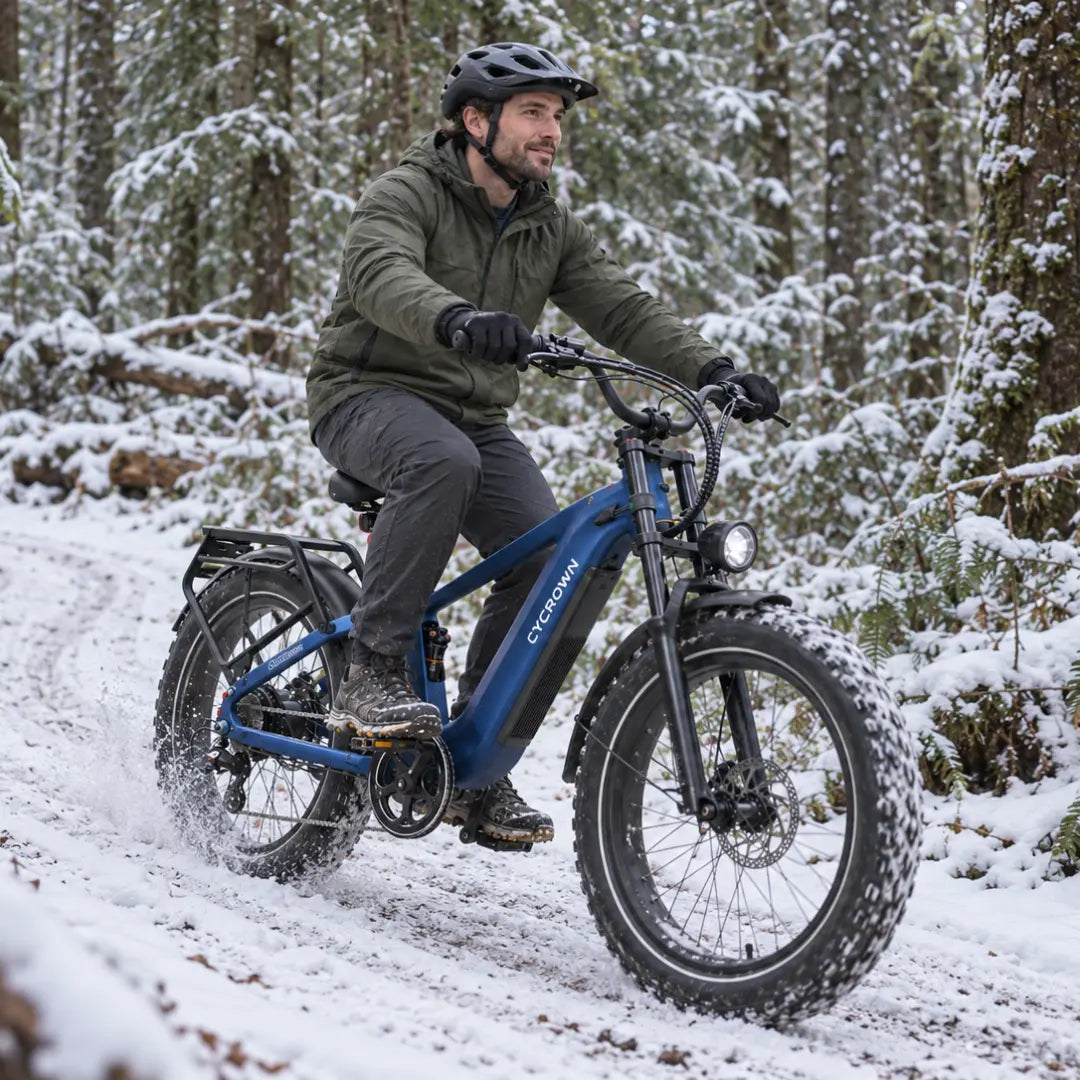
If you ride in colder weather, CYCROWN’s winter riding tips for e-bike riders can help with visibility, traction, and battery expectations.
Do Not Ignore Battery Care
Battery habits affect range and long-term reliability. For daily commuting, charge the bike in a dry indoor space when possible and avoid letting the battery sit empty for long periods.
Cold weather, high assist levels, hills, and frequent stops can reduce range. If your commute is close to the bike’s maximum range, choose a longer-range model or plan a charging routine at work.
For beginners, battery care is not complicated. It just needs to become part of the routine, like checking your phone charge before leaving home.
Choosing a First Commuter E-Bike That Actually Gets Used
The best commuter electric bike for beginners is the one that makes your daily trip easier without adding new stress. For many riders, that means a comfortable frame, enough range, smooth assist, reliable brakes, and a size that fits home and work storage.
The Dremax and Urban X are the most direct CYCROWN commuter fit, while the Roma and Nomad Pro make sense for riders who want more all-terrain comfort. Moped-style models like the CycHunter can be great for long-range cruising, but beginners should consider weight, storage, and local rules before choosing that style.
Start with your route. Then choose the bike that makes that route feel simple.
What New Commuters Usually Ask
What is the best commuter electric bike for beginners?
The best beginner commuter e-bike is easy to control, comfortable for daily rides, has enough range for your round trip, and includes reliable brakes and lights.
How much range do I need for commuting?
Choose more range than your exact commute requires. If your round trip is 15 miles, a bike with 50 to 65 miles of listed range gives a more useful buffer.
Is a fat tire e-bike good for commuting?
Yes, especially if your route has rough pavement, gravel, or uneven roads. It may feel larger than a standard commuter bike, but many riders like the added stability.
Should beginners choose speed or comfort first?
Comfort first. A bike that feels natural and predictable is better for beginners than one chosen mainly for speed.
Can I commute by e-bike in winter?
Yes, if conditions are safe and you prepare properly. Ride slower, use lights, dress warmly, and expect battery range to drop in cold weather.


