







Learn about California e-bike laws, including the three e-bike classes, when bike lights are legally required, and the equipment every rider should double-check before heading out.
Riding Smart: What California's E-Bike Rules Actually Require
California e-bike laws sort electric bikes into three classes, define e-bikes as having a motor of less than 750 watts, and require specific lights any time you ride after dark. Whether you're commuting through downtown Los Angeles or cruising a bike path near the coast, knowing these rules helps you avoid fines, ride more safely, and choose an e-bike that's actually built to match how and where you plan to use it. Below, we break down the classes, the equipment checks, and the lighting rule riders ask about most.
California E-Bike Laws at a Glance
Before getting into the details, here's the short version of California e-bike laws:
E-bikes fall into Class 1, Class 2, or Class 3, based on motor type and top speed.
A California e-bike must have a motor of less than 750 watts and fully working pedals.
No driver's license, registration, insurance, or license plate is required for a compliant e-bike.
Class 3 riders must be at least 16 and must wear a helmet.
Riders under 18 must wear a helmet on any class of e-bike.
As of 2026, e-bikes must have a rear red reflector or qualifying red light visible from 500 feet during all hours.
Keeping these basics in mind makes it much easier to shop for a compliant bike and ride without surprises.
What Are the California E-Bike Classes?
California e-bike classes are defined under Vehicle Code Section 312.5, and understanding them is the first step to riding legally.
Class 1 - Pedal-assist only, with no throttle, and motor assistance stops at 20 mph.
Class 2 - The motor can propel the bicycle without pedaling, with assistance stopping at 20 mph.
Class 3 - Pedal-assist up to 28 mph and equipped with a speedometer. Like other California e-bikes, it must have the required permanent classification label.
There's no statewide minimum age for Class 1 or Class 2 e-bikes, but Class 3 riders must be at least 16 years old and must wear a helmet, regardless of age.
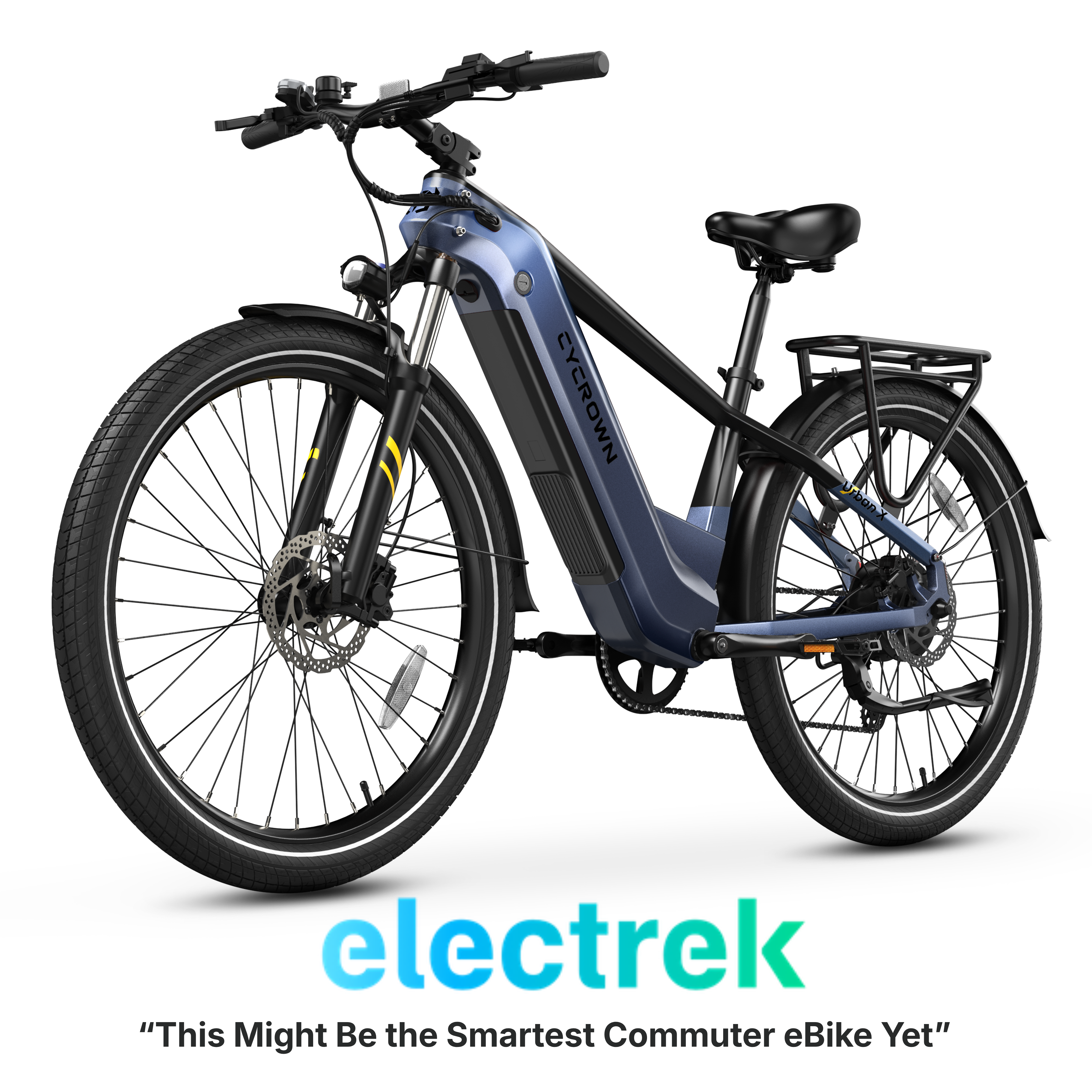
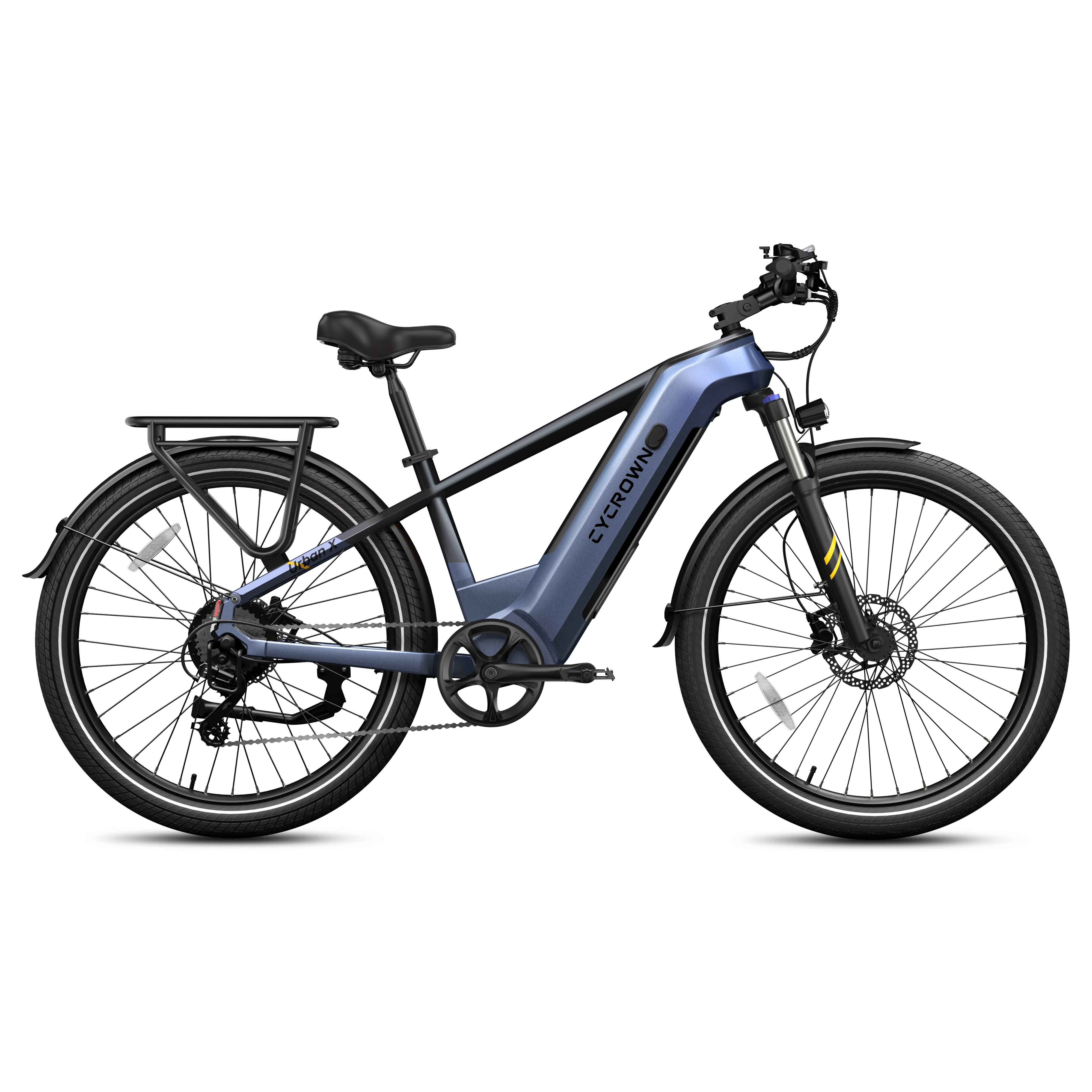
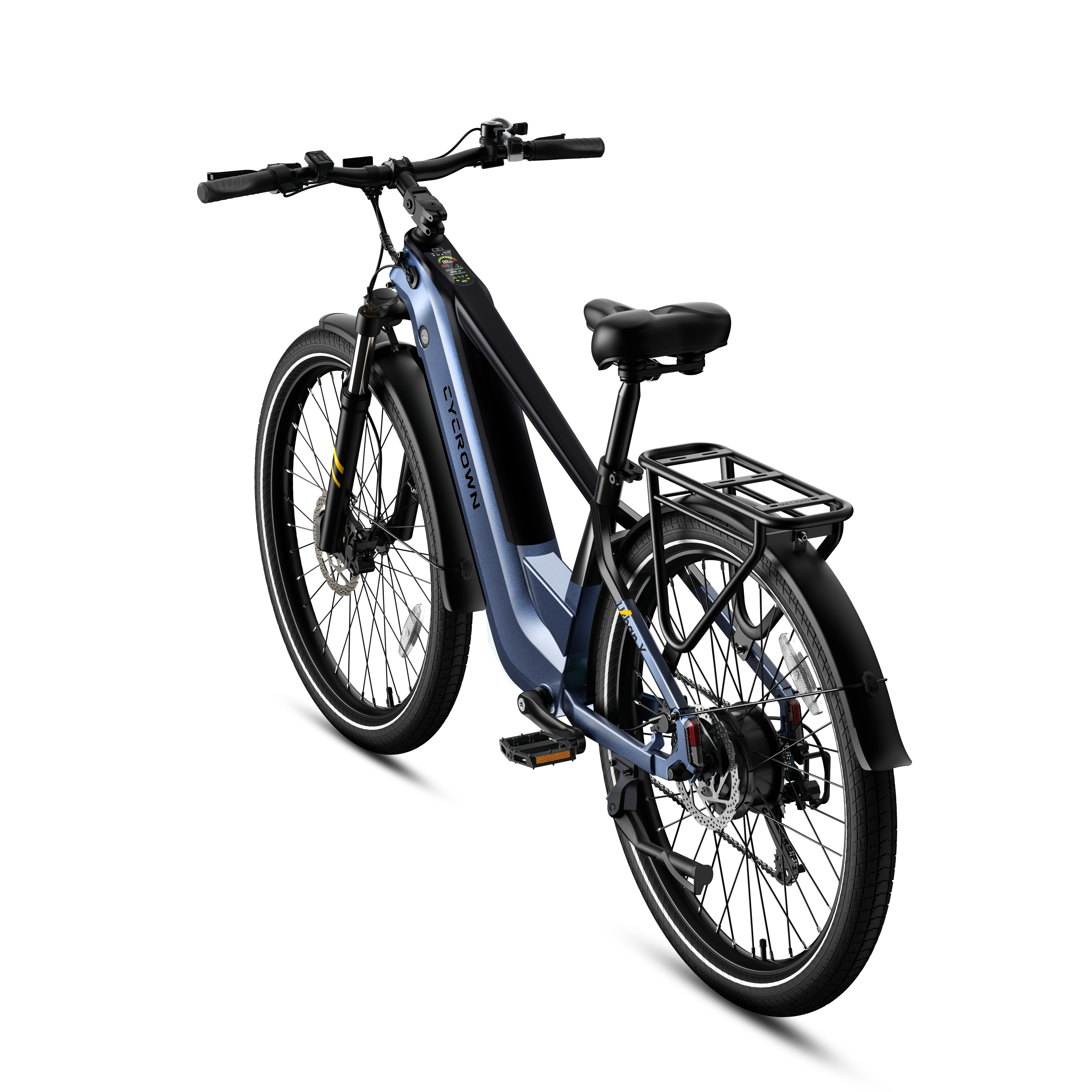
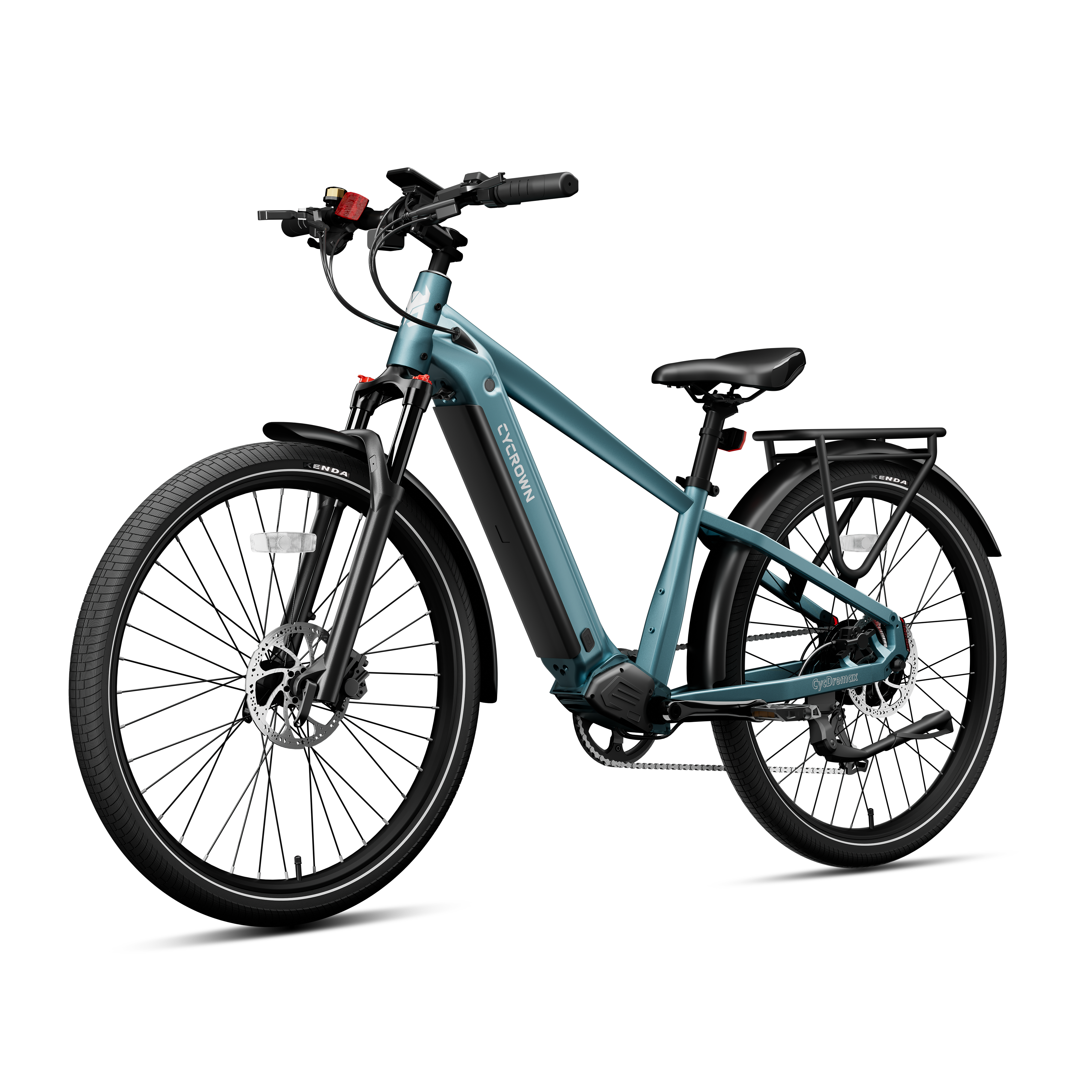
If you're comparing options, the Urban X Commuter E-bike stands out for its comfortable, long-range design, making it a strong choice for riders who want a smooth and relaxed experience on longer commutes. The Dremax Commuter E-bike, meanwhile, offers a more responsive riding experience with features suited to riders who enjoy a more active feel on the road.

Do You Need a Light on a Bike in California?
Yes. California bike light requirements apply to any bicycle, including e-bikes, ridden during darkness on a highway, sidewalk, or bikeway. Under Vehicle Code Section 21201, you need a white front light visible from 300 feet and a red rear reflector or light visible from 500 feet.
Here's where e-bike lighting requirements get a little stricter: as of 2026, e-bikes in California must have a rear red reflector or qualifying red light visible from 500 feet during all hours, not just after sunset. So even a quick daytime errand calls for having the required rear reflector or qualifying red light in place..
A few points worth remembering about bike lights in California:
Front and rear bike lights aren't optional once it's dark. They're required by law.
Reflectors alone aren't a substitute for an actual light on your e-bike.
Nighttime e-bike riding without a working front light is one of the more common (and easily avoidable) violations.
Pedal, wheel, and side reflectors are also required unless your tires are already reflectorized.
If you only remember one thing from this section, remember this: lights required for riding at night aren't a suggestion — they're the law, and they're an important part of staying compliant when riding after dark.
What E-Bike Equipment Should California Riders Check?
Beyond lighting, a few equipment checks help confirm your e-bike actually meets California e-bike laws:
Pedals - must be fully operable; an e-bike without working pedals doesn't qualify as an e-bike under state law.
Motor power - less than 750 watts, based on continuous rated power, not peak marketing numbers.
Class label - a permanent, accurate label showing the e-bike's class, top assisted speed, and motor wattage.
Speedometer - required on Class 3 e-bikes.
Brakes - must be able to make one wheel skid on dry, clean pavement.
Lights and reflectors - front white light, rear red reflector or light (on at all times), plus pedal and side reflectors.
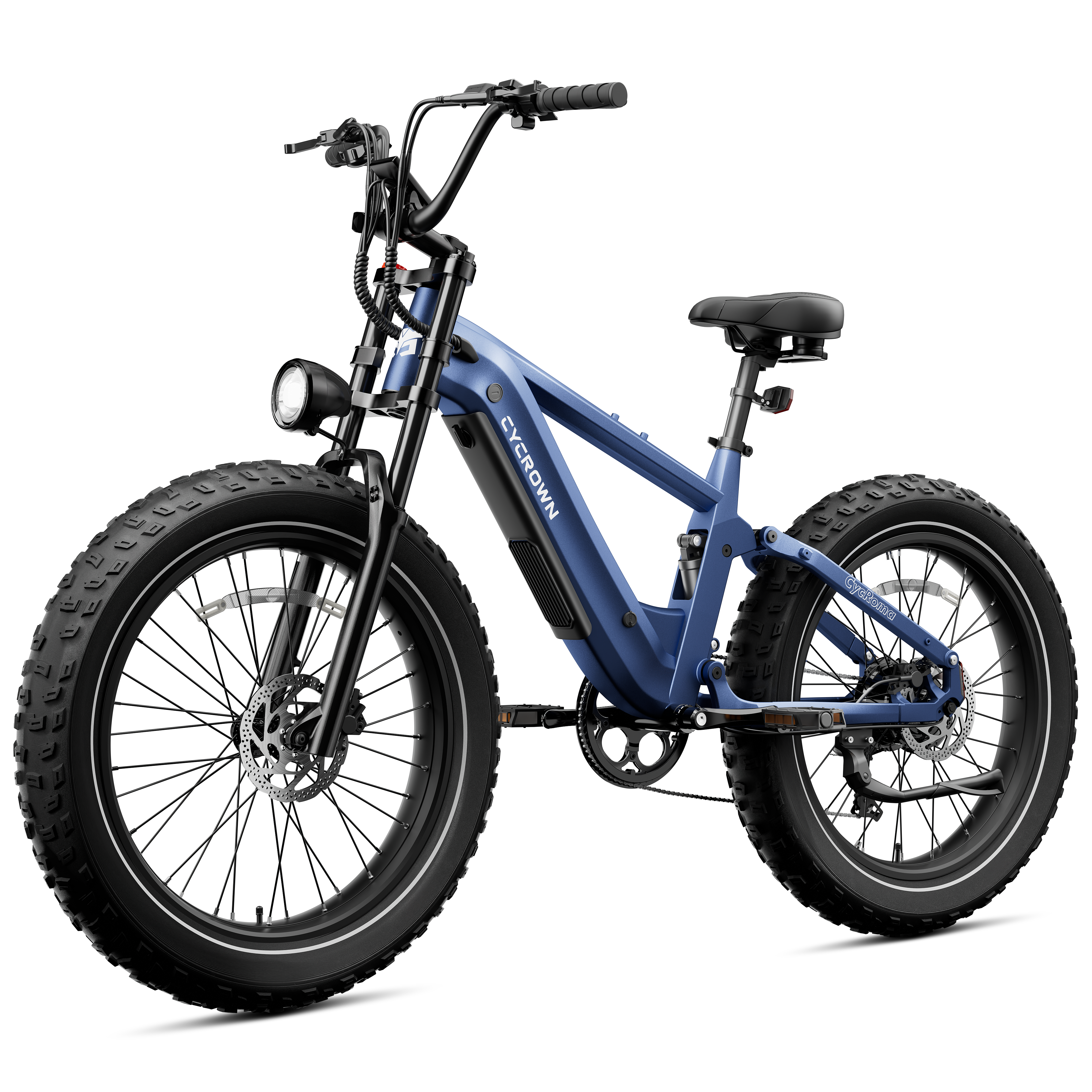
An all-terrain option like the Roma All-Terrain E-bike is worth a look if you split your riding between streets and trails, but again, check the listed class, motor rating, and included lighting against these requirements for your specific state and local rules before you buy.
Common California E-Bike Riding Mistakes
Even experienced riders slip up on a few details:
Skipping lights during "just a short ride." Darkness falls fast, and a missing required light can result in a citation.
Assuming a faster top speed means Class 3. Unlocking a Class 2 e-bike's throttle to go faster doesn't make it a legal Class 3. It can push the bike outside California's e-bike definition entirely.
Forgetting the helmet on a Class 3 e-bike. Helmets are required for all Class 3 riders and passengers, regardless of age.
Ignoring trail and path restrictions. California allows local authorities and certain agencies to restrict or prohibit e-bike use on specific trails and paths, so check the rules for the location where you plan to ride.
Modifying the motor or speed settings. Modifying the motor, speed settings, or other components in a way that causes the e-bike to exceed California's legal classification limits can take it outside the state's e-bike definition and may subject it to motor-vehicle requirements.
Ride Prepared, Ride Confident
California e-bike laws aren't complicated once you know the three classes, the motor power limit, and the lighting rules that apply day and night. The practical approach is simple: confirm your e-bike's class, keep its required lights and reflectors in place, and check current local rules before heading out on an unfamiliar trail or path. If you're shopping for a new ride, browsing CYCROWN's street-legal electric bike lineup or the Class 3 e-bike collection is a good place to start — just be sure to confirm the specific model and configuration you choose matches your local requirements before you ride.
This article is for informational purposes only and does not constitute legal advice. Always confirm current local and state requirements before riding.
What California E-Bike Riders Want to Know
Do I need a license to ride an e-bike in California?
No driver's license is required to operate a properly classified Class 1, Class 2, or Class 3 e-bike in California. E-bikes that fall outside the legal definition may have different motor-vehicle requirements.
What's the minimum age to ride a Class 3 e-bike?
Riders must be at least 16 years old to legally operate a Class 3 e-bike in California.
Do you need a light on a bike in California during the day?
As of 2026, yes. E-bikes must have a rear red reflector or qualifying red light visible from 500 feet during all hours, while a front white light is required when riding during darkness.
Can I modify my e-bike to go faster than its class allows?
Modifying an e-bike beyond its class specifications can strip its legal e-bike status and reclassify it as a motor vehicle requiring registration.
Do adults have to wear a helmet on a Class 1 or Class 2 e-bike?
No, California doesn't require adult riders to wear helmets on Class 1 or Class 2 e-bikes, though it's still a smart safety habit.


