






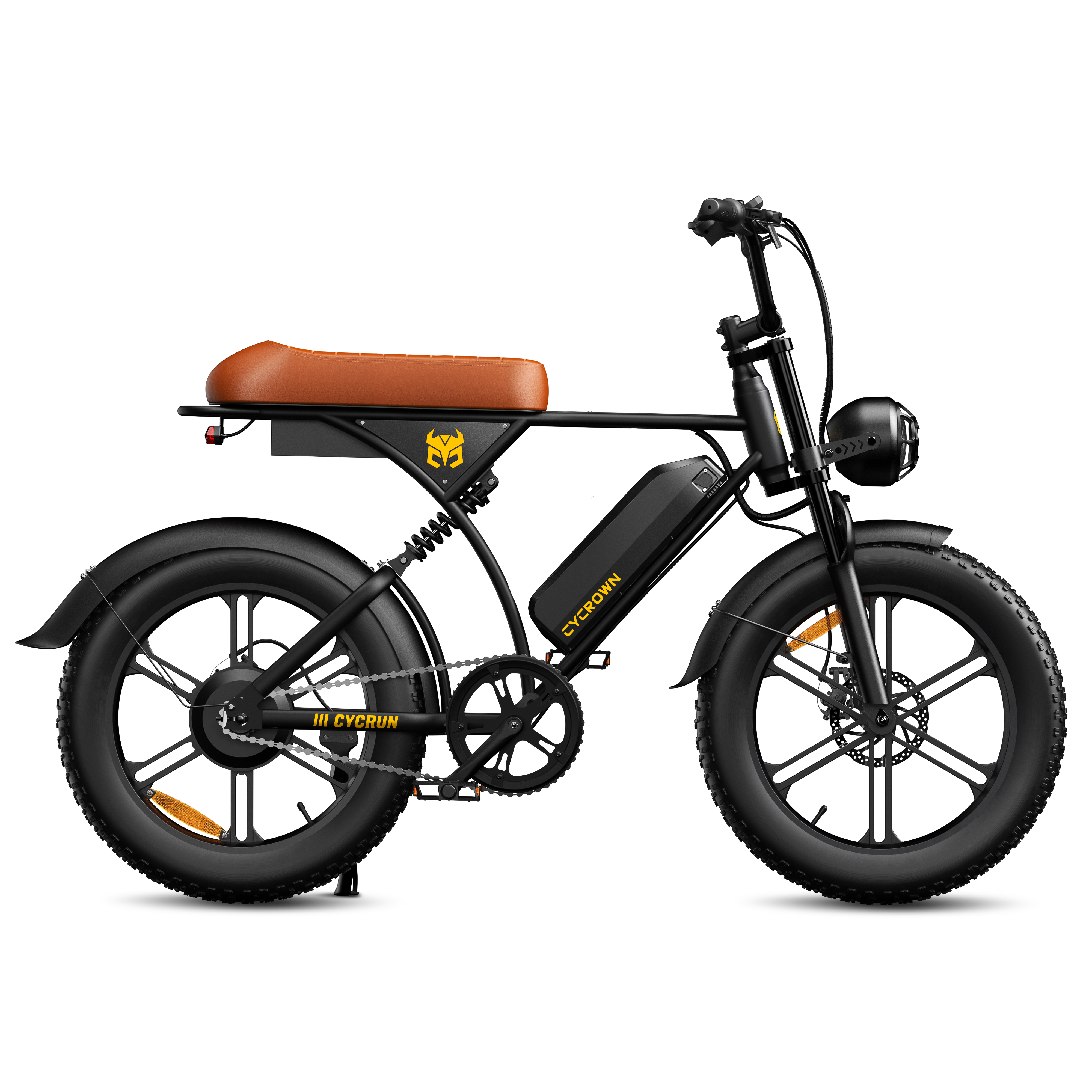
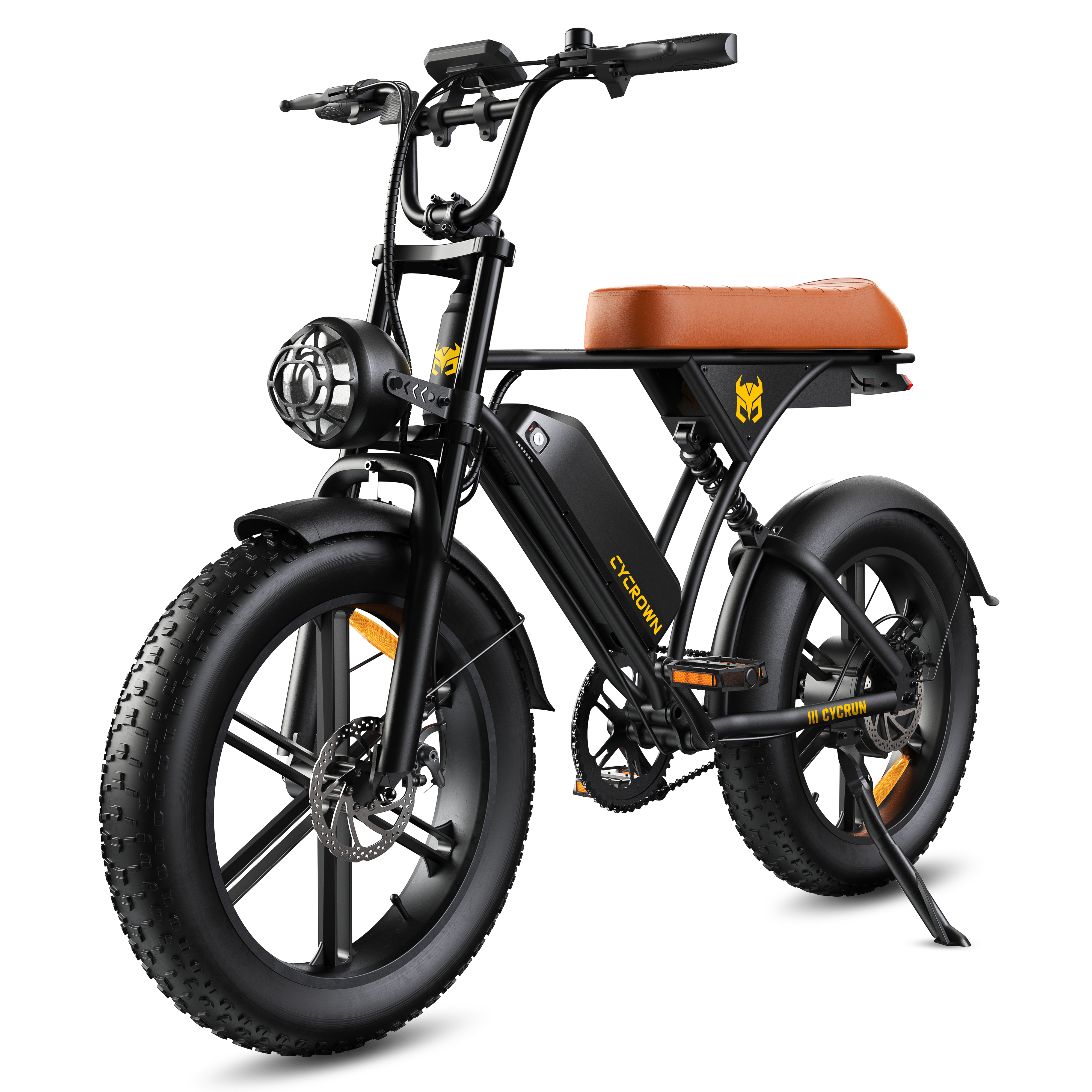



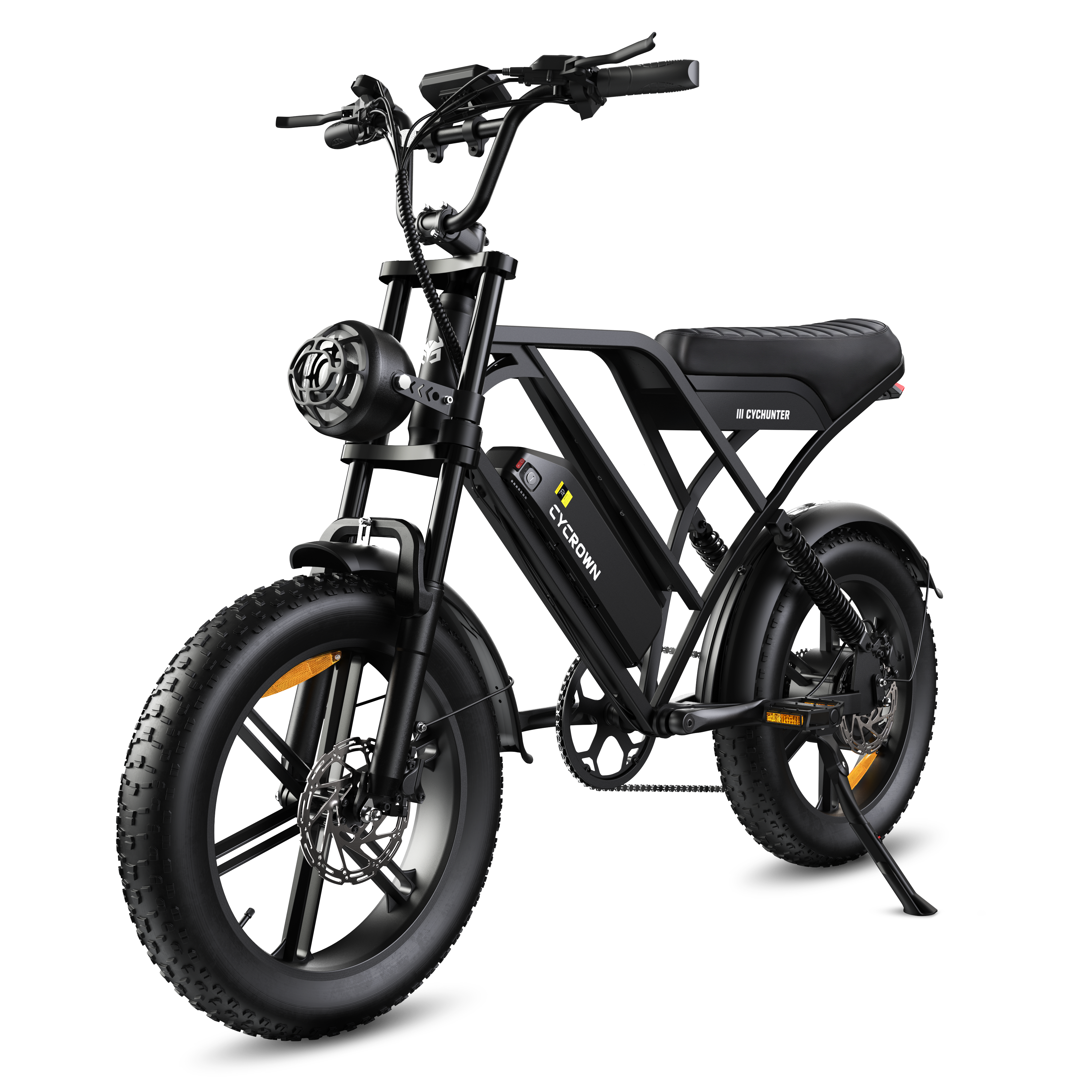
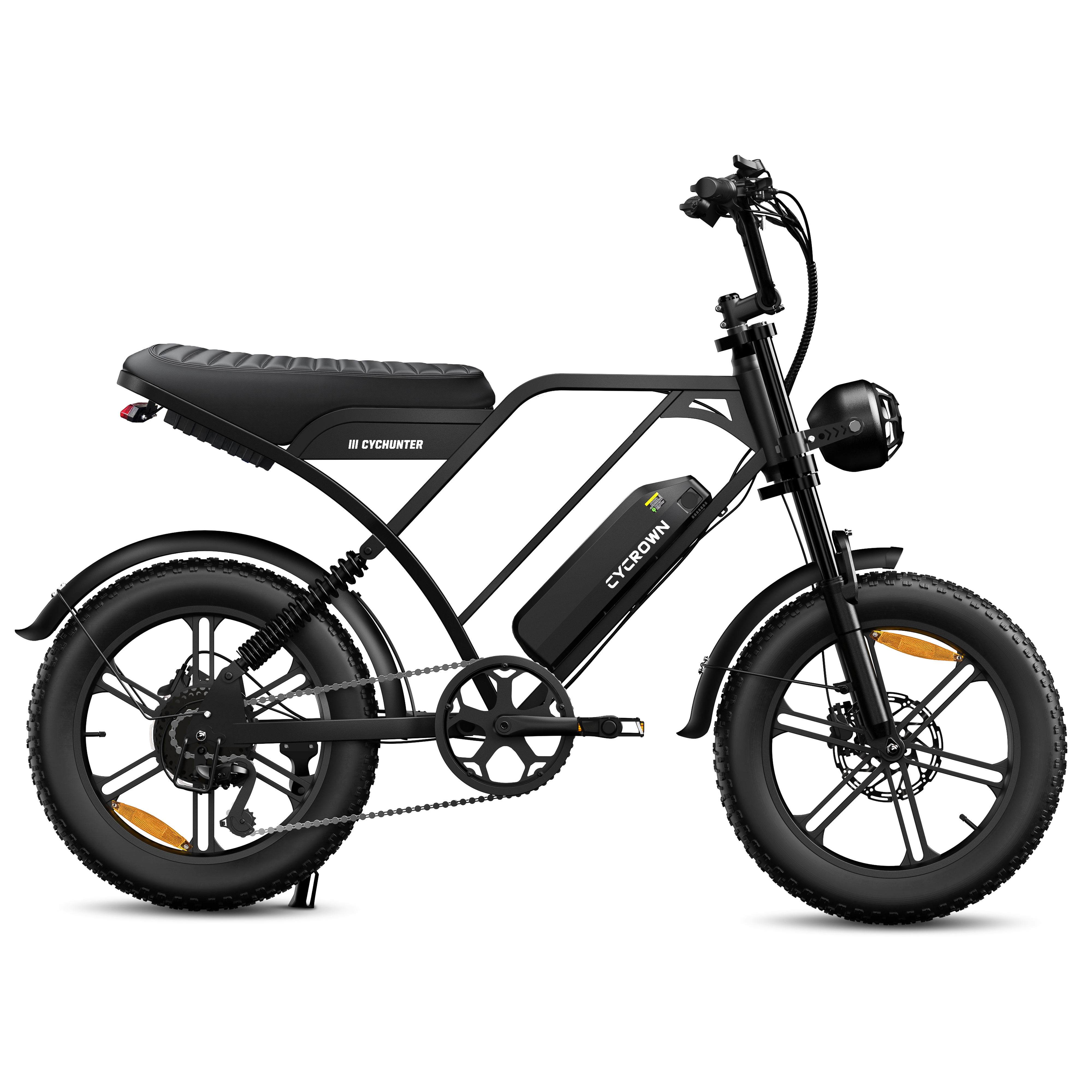

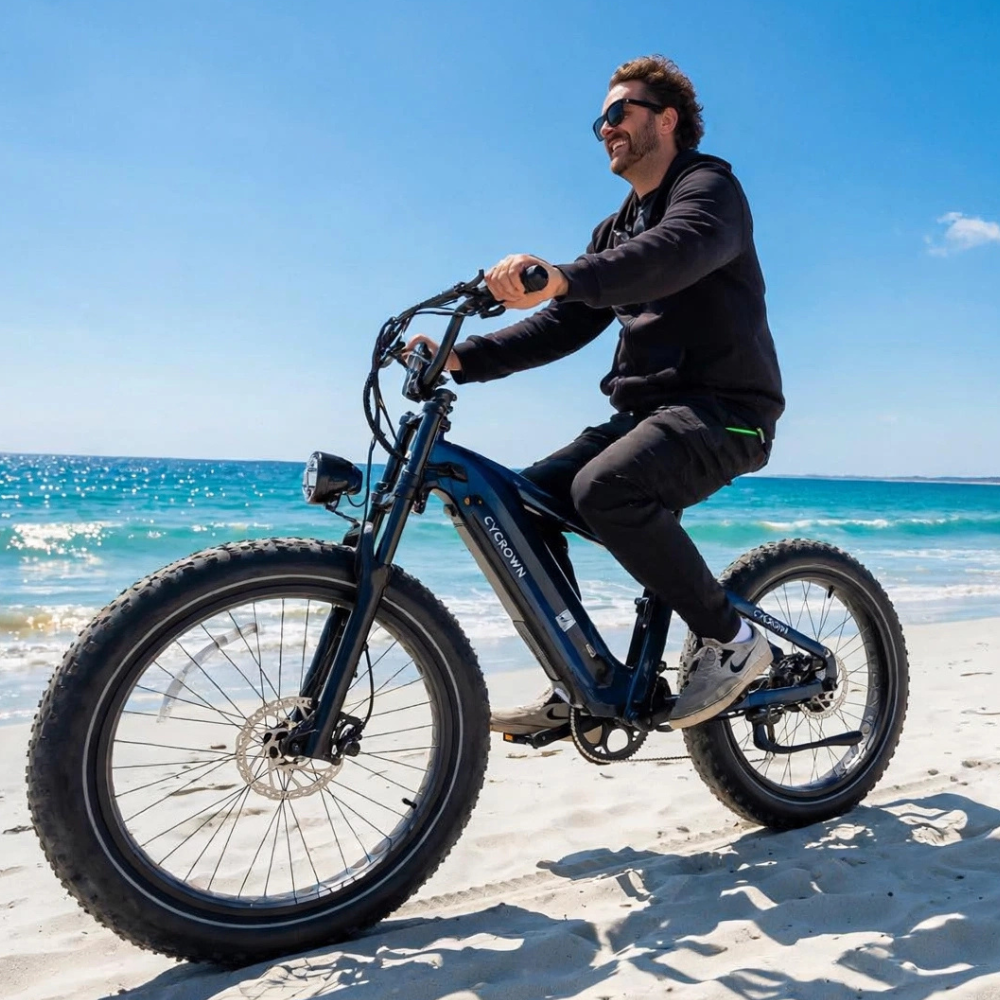
Can you lose weight riding an electric bike? Learn how pedal assist burns calories, improves fitness, and supports healthy weight loss naturally.
Introduction
Yes, and for a lot of people, it works better than a regular bike for exactly that reason.
Since the motor doesn't do everything, you still need to pedal, your muscles still work, and your heart rate still goes up. What pedal assist changes is how hard you have to push to keep going, which means more people actually do keep going, ride more often, and cover more ground than they would on a regular bike. That consistency is what drives weight loss more than any single workout.
You're Still Working: The Motor Just Takes the Edge Off
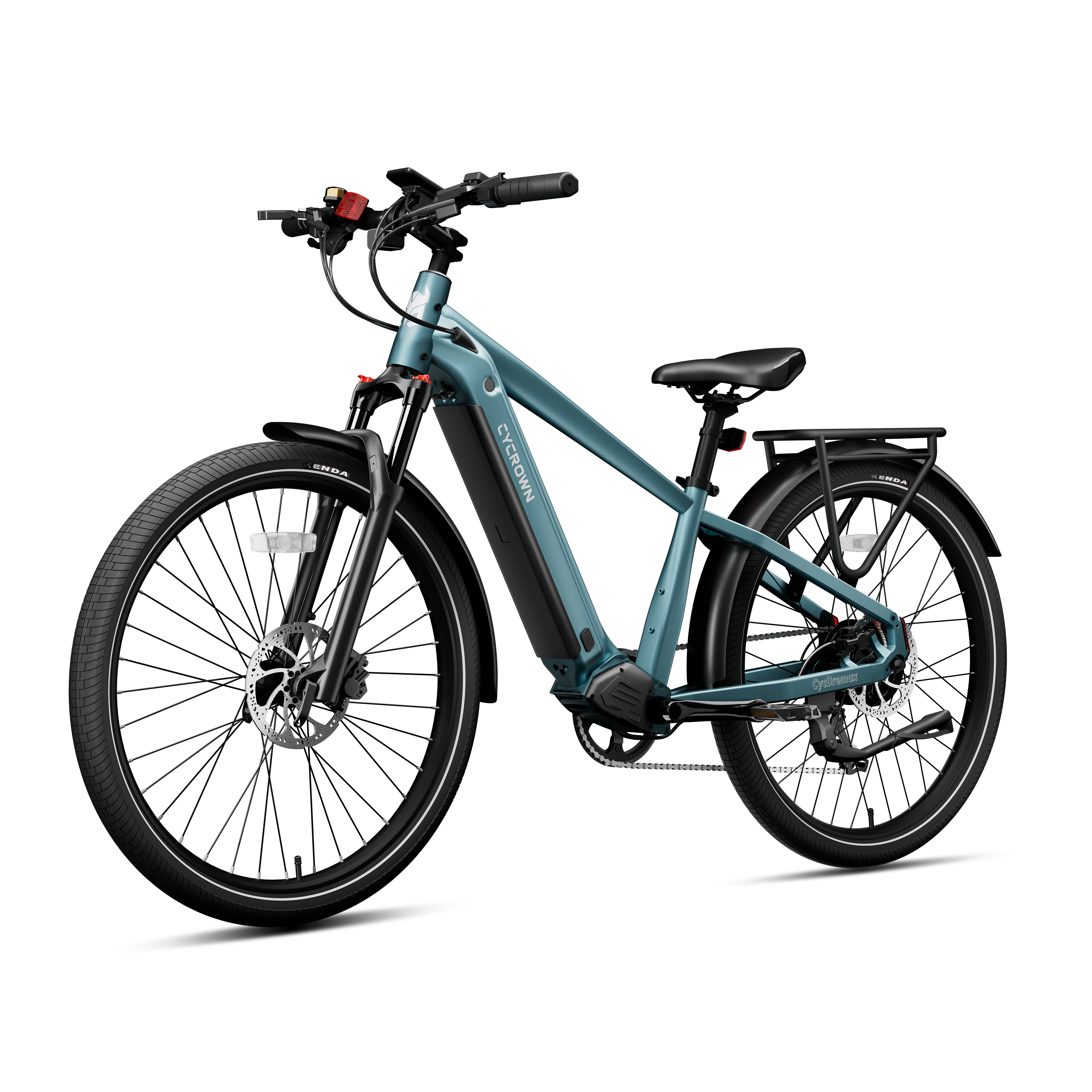
 (Dremax)
Pedal assist doesn't replace your effort. It supplements it. The motor only activates when you're pedaling, and when you switch to lower assist levels, your legs are doing the majority of the work.
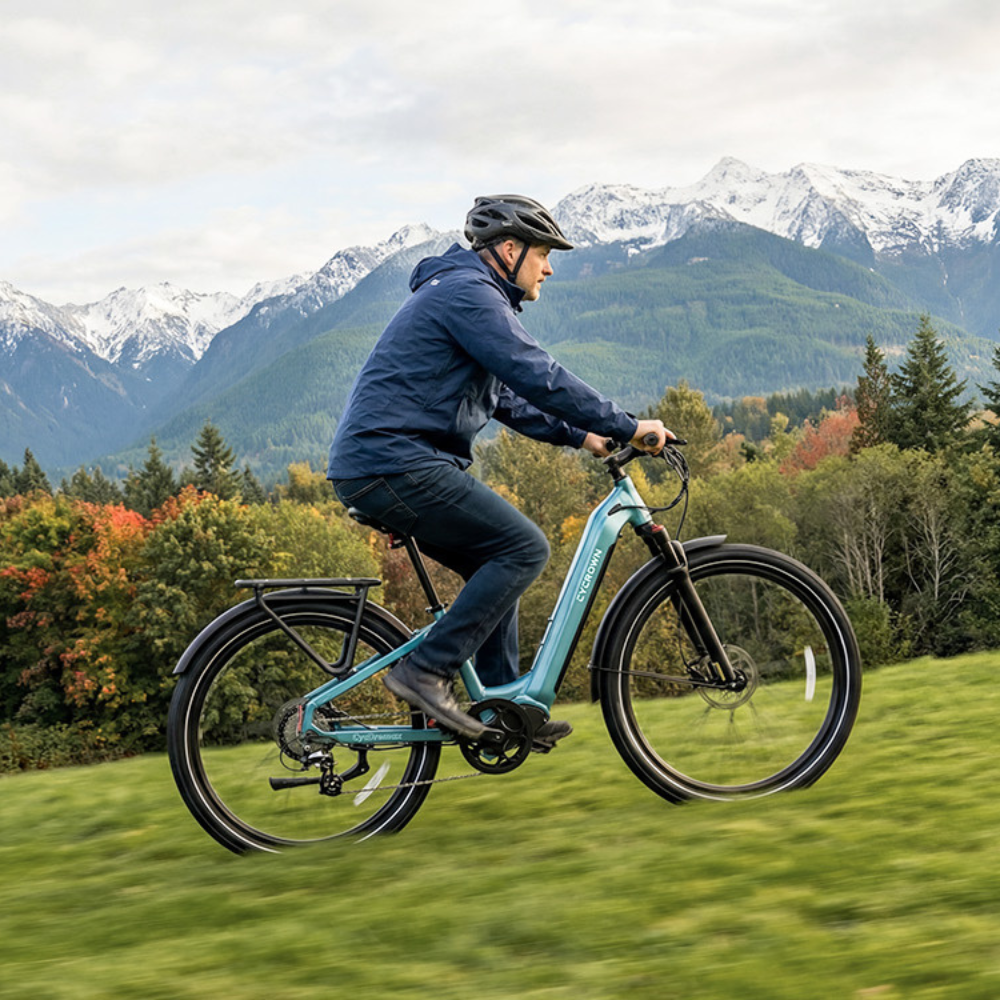
What this means practically is that you control the intensity. Lower assist on flat roads, bump it up for hills, drop it back down when the terrain eases off. As your fitness improves, you can gradually reduce the pedal assist you rely on. The bike adjusts to where you are rather than demanding a fixed level of effort.
This is actually one of the most underrated features for people using an e-bike specifically for fitness; it grows with you.
If you’re looking for a bike that suits your needs for your rides, try reading this guide.
Do You Burn Calories on an Electric Bike?
Yes, meaningfully. Most riders burn somewhere between 300 and 500 calories per hour, depending on body weight, terrain, speed, and how much assist they're using.
That's lower than what you'd burn grinding hard on a regular bike at the same intensity, but that comparison misses the point. The people who burn more calories per hour on a regular bike are often the people who ride less frequently because it's harder. Riding twice a week at higher intensity versus five times a week at moderate intensity. The math usually favors the consistent option.
Someone who rides an e-bike 45 minutes a day, five days a week, will burn significantly more total calories over a month than someone who rides a regular bike for 30 minutes once or twice a week because it's too exhausting to do more.
Why E-Bikes Specifically Help With Weight Loss
You Actually Ride More Often
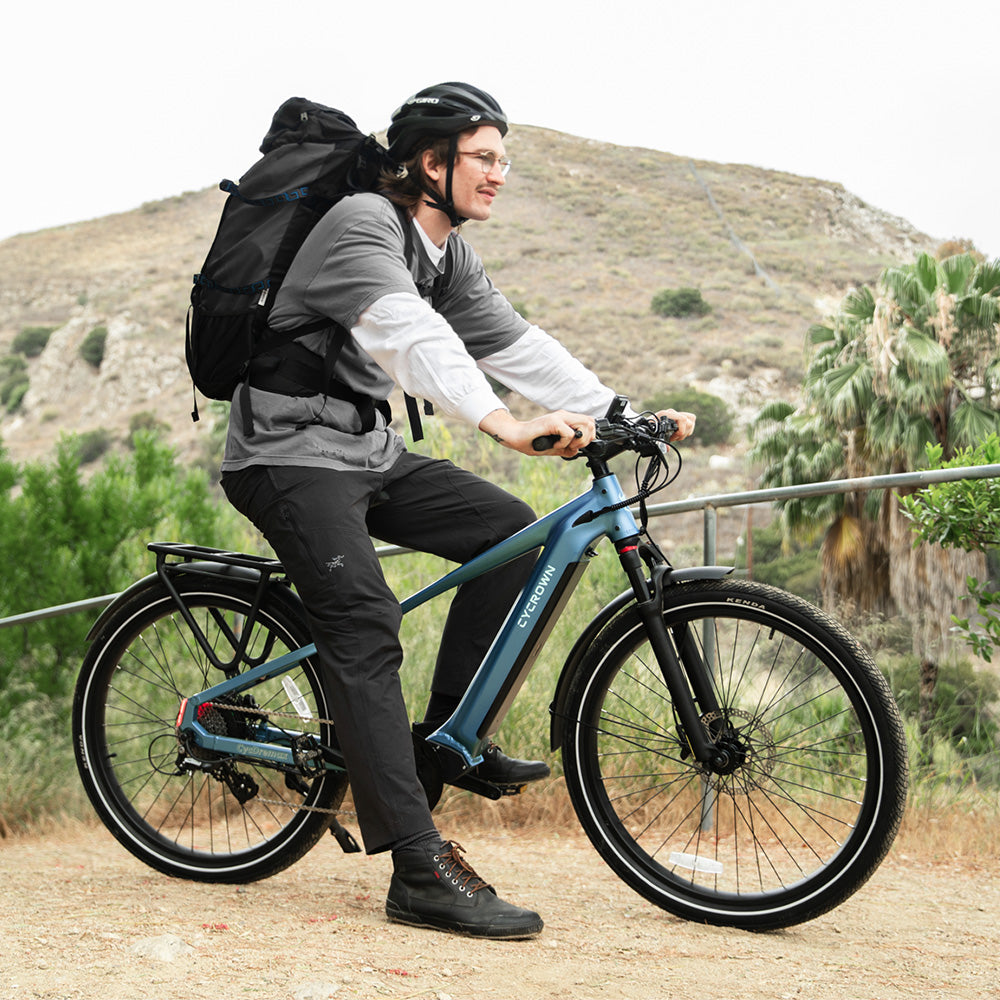
The most common barriers to consistent cycling like steep hills, long distances, showing up to work sweaty, and joint pain, are all reduced or eliminated with pedal assist. When riding feels manageable rather than punishing, people do it more. That's not a cheat, it's just removing friction from a habit you're trying to build.
Rides Last Longer
Pedal assist extends how long you stay out. Instead of cutting a ride short because your legs are spent, you dial up the assist and keep going. Longer rides mean more total calories burned per session, even if the intensity per minute is lower.
It's Easier on Joints
Running and high-intensity workouts are hard on knees and hips, especially for heavier riders or people returning to exercise after a break. Cycling is already low-impact. E-bike cycling is low-impact with the option to dial back effort further when needed. That matters enormously for anyone whose previous attempts at exercise have been derailed by pain.
How Much Weight Can You Actually Lose?
Realistic expectations matter here. Weight loss is slower than most people want it to be, and it's driven by a combination of activity and diet, not activity alone.
A rough example: burning an extra 300 calories per ride, five rides per week, adds up to roughly 1,500 calories weekly. Over time, combined with reasonable eating habits, that creates the calorie deficit that produces fat loss. Expecting half a kilogram to a kilogram per month through consistent riding and mindful eating is realistic. Expecting dramatic changes in weeks isn't.
The variable that matters most isn't any single ride; it's whether you're still riding three months from now. E-bikes tend to have better retention than intense exercise programs precisely because they're more enjoyable and less grueling.
Is It "Cheating"?
This comes up constantly, and the answer is straightforward: no.
Fitness isn't about suffering. It's about moving your body consistently over time. If pedal assist is what gets you out the door five times a week instead of twice, then it's doing exactly what good exercise equipment should do. An imperfect workout you actually do beats the perfect workout you keep skipping.
The riders who make the most progress on e-bikes aren't the ones who use maximum assist all the time. They're the ones who ride regularly, gradually lower their assist dependence as they get fitter, and build a habit that lasts.
Other Health Benefits That Come With It

Weight loss aside, regular e-bike riding delivers real health benefits that compound over time.
Cardiovascular fitness - pedal assist still elevates your heart rate. Consistent moderate cardio lowers blood pressure, improves circulation, and builds endurance. These adaptations happen whether you're on an e-bike or a regular one.
Mental health - outdoor exercise reduces stress and improves mood in ways that indoor workouts often don't match. Fresh air, sunlight, varied scenery, and the physical act of moving through space all contribute. A lot of regular e-bike riders describe their rides as the part of the day they actually look forward to.
Replacing sedentary time - using an e-bike for errands, commuting, or short trips that would otherwise be car trips adds movement to your day without requiring dedicated workout time. Those small daily additions accumulate significantly over weeks and months.
If you want to start your fitness journey, know how to plan your trips ahead to ensure consistency by knowing how far an e-bike can go on one charge.
Practical Tips for Using an E-Bike to Lose Weight
Ride consistently rather than intensely.
Three to five times per week at moderate effort beats one heroic session followed by four days of recovery.
Use lower assist on flat ground.
Save higher assist modes for hills or when you're genuinely tired. This keeps your calorie burn up without making rides feel like punishment.
Gradually reduce reliance on high assist.
As your fitness improves, what felt hard at level 2 will start feeling easy. That's the signal to drop to level 1, or to take on hillier routes. The bike should get progressively easier to ride as you get fitter.
Pair it with reasonable eating.
No amount of riding overrides consistently poor diet choices. You don't need extreme restriction, just consistency with balanced meals and appropriate portions.
Vary your routes.
The same route every day gets boring fast, which kills motivation. Mix in flat recovery rides, hillier efforts, and longer weekend rides to keep things interesting and keep your body adapting.
Who Benefits Most
E-bikes for weight loss make the most sense for:
-
People new to exercise who find regular cycling too demanding to start with
-
Riders returning after injury, illness, or a long break
-
Older adults who want sustained activity without the joint stress of higher-impact exercise
-
Anyone who's tried and abandoned exercise programs before because they felt too hard too quickly
-
Commuters who want to add activity to their day without blocking out dedicated gym time
The common thread is that pedal assist lowers the barrier to entry enough that riding becomes something you actually do rather than something you intend to do.
Conclusion
You can absolutely lose weight on an e-bike. The motor doesn't eliminate the effort; it reduces it enough that more people ride more often, and frequency is what drives results more than anything else.
A regular bike might burn slightly more per hour at the same effort level. But the e-bike rider who's out five days a week will outpace the regular cyclist who manages two hard rides before burning out. Consistency wins.
Combine regular riding with sensible eating and gradually reducing your assist reliance as you get fitter, and an e-bike is a genuinely effective long-term tool for weight management, not a shortcut, just a smarter way to build a habit that sticks.
Frequently Asked Questions
How many calories do you burn riding an electric bike?
Most riders burn between 300 and 500 calories per hour. The exact number depends on body weight, terrain, speed, and assist level. Lower assist means more calories burned.
Is riding an electric bike good cardio?
Yes. It raises your heart rate and builds cardiovascular endurance, especially on longer rides or hillier routes. The health adaptations are real regardless of the assist level you're using.
Can you lose belly fat with an electric bike?
Spot reduction isn't how fat loss works; you can't target where your body burns fat from. But consistent e-bike riding creates a calorie deficit that reduces overall body fat over time, including abdominal fat.
How often should I ride an e-bike to lose weight?
Three to five times per week, 30 to 60 minutes per ride, is a solid target. Consistency over weeks and months matters far more than any single session. Pairing that frequency with reasonable eating habits is what produces results.
Is an electric bike better than walking for weight loss?
Generally, yes, in terms of calorie burn per hour and total distance covered. Walking is still valuable and accessible, but e-bike riding at even moderate effort tends to burn more calories and allows for longer sessions without fatigue. Both beat doing nothing.


