











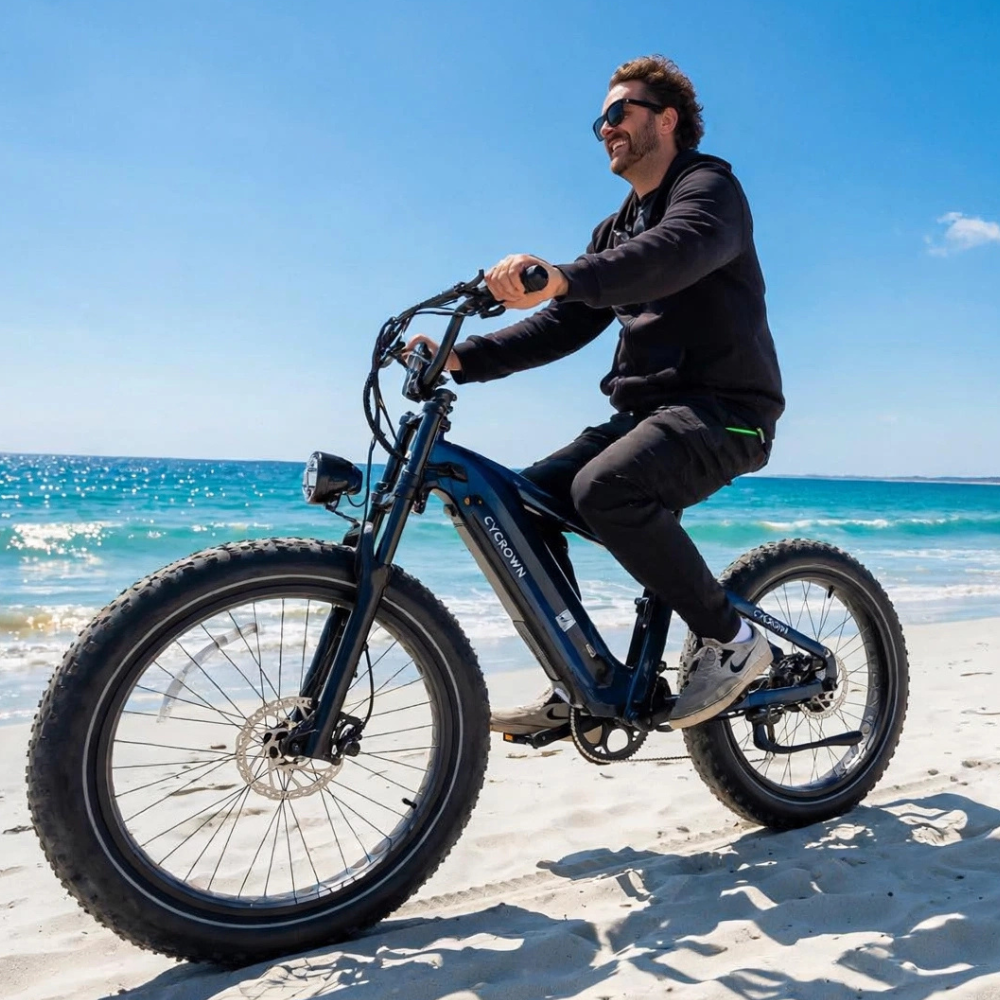
Why Your Ride to Class Should Feel Good, Not Just Fast
What makes an e-bike comfortable for everyday campus commuting? It comes down to five things working together: saddle design, riding posture, suspension, tire width, and frame geometry. A comfortable e-bike is not the one that feels exciting on a five-minute test ride around the parking lot. It is the one that still feels good on day sixty, when you are riding it in the rain, half asleep, with a backpack full of textbooks. Students often shop based on top speed and range numbers, but those specs barely affect how your body feels after months of daily riding. Comfort is the quieter spec sheet, and it is the one that actually determines whether your bike becomes your main way to get around or ends up parked in a dorm hallway.
What Comfort Actually Means Over a Full Semester
A single test ride rarely reveals discomfort. Adrenaline, novelty, and a short distance can mask a saddle that is too narrow or a riding position that puts too much weight on your wrists. Problems tend to show up around week three or four, once the miles add up: a sore lower back after a fifteen-minute ride, numbness in your hands, or a saddle that feels fine going five miles but painful going ten. This is why comfort has to be evaluated with daily use in mind, not a single afternoon spin. An e-bike for daily commute use needs to hold up to repetition, weather, and the kind of tired, distracted riding that happens between an early class and a late one.
Saddle Design Is Where Comfort Usually Starts
The saddle is the first thing your body notices, and it is often the last thing shoppers think about. A good saddle for commuting supports your sit bones rather than the soft tissue around them, which is why width and shape matter more than padding thickness. An overly cushioned saddle can actually feel worse over time, since soft foam compresses unevenly and shifts pressure to the wrong spots. Riders who commute daily tend to do better with a slightly firmer, wider saddle shaped for an upright riding position, since that posture shifts more weight onto the seat and less onto the handlebars. Saddle fit is one of the easiest things to get wrong, and it is a big reason a bike that looked great in the store ends up feeling nothing like a comfort e-bike once the daily rides start.
Riding Posture Changes How Your Body Holds Up
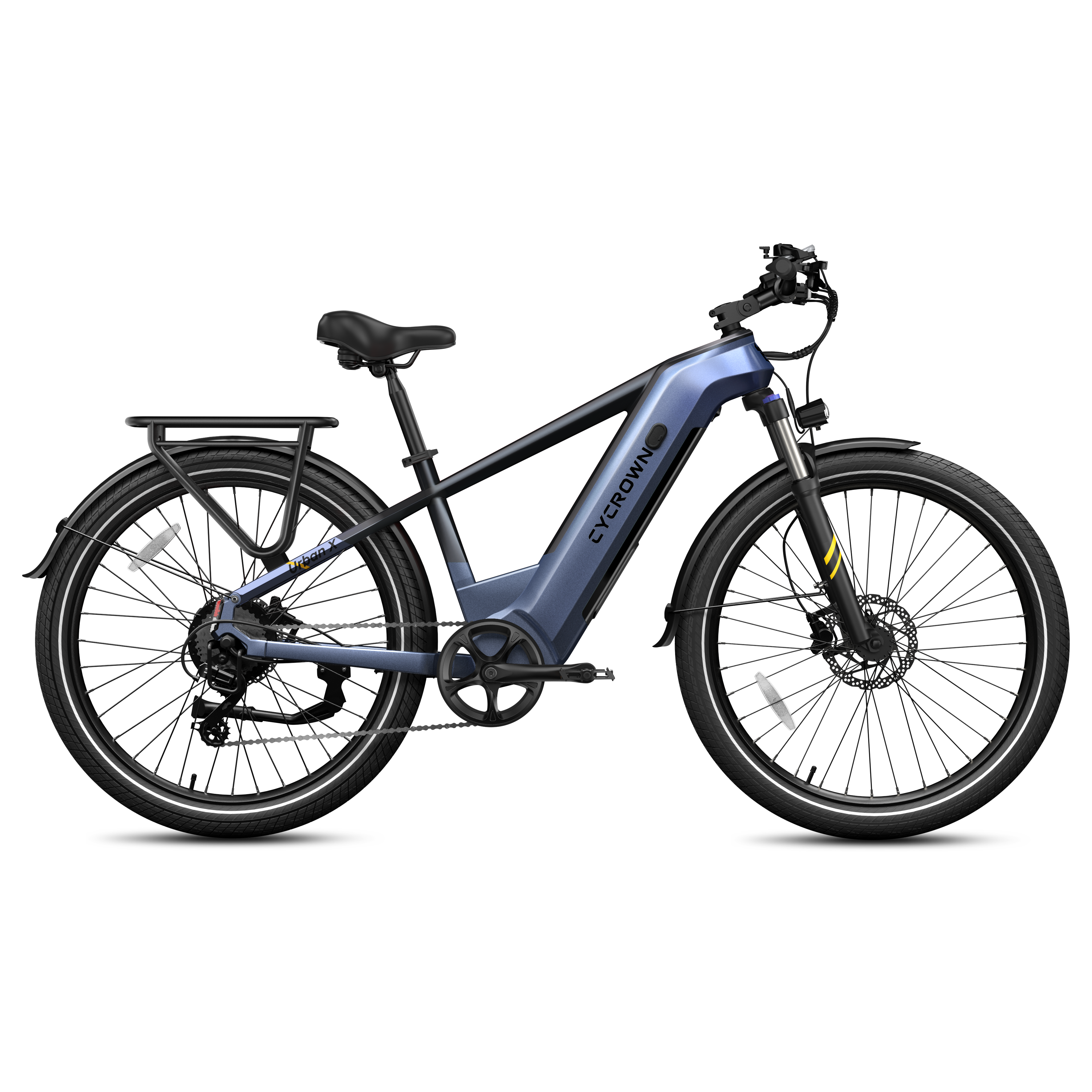
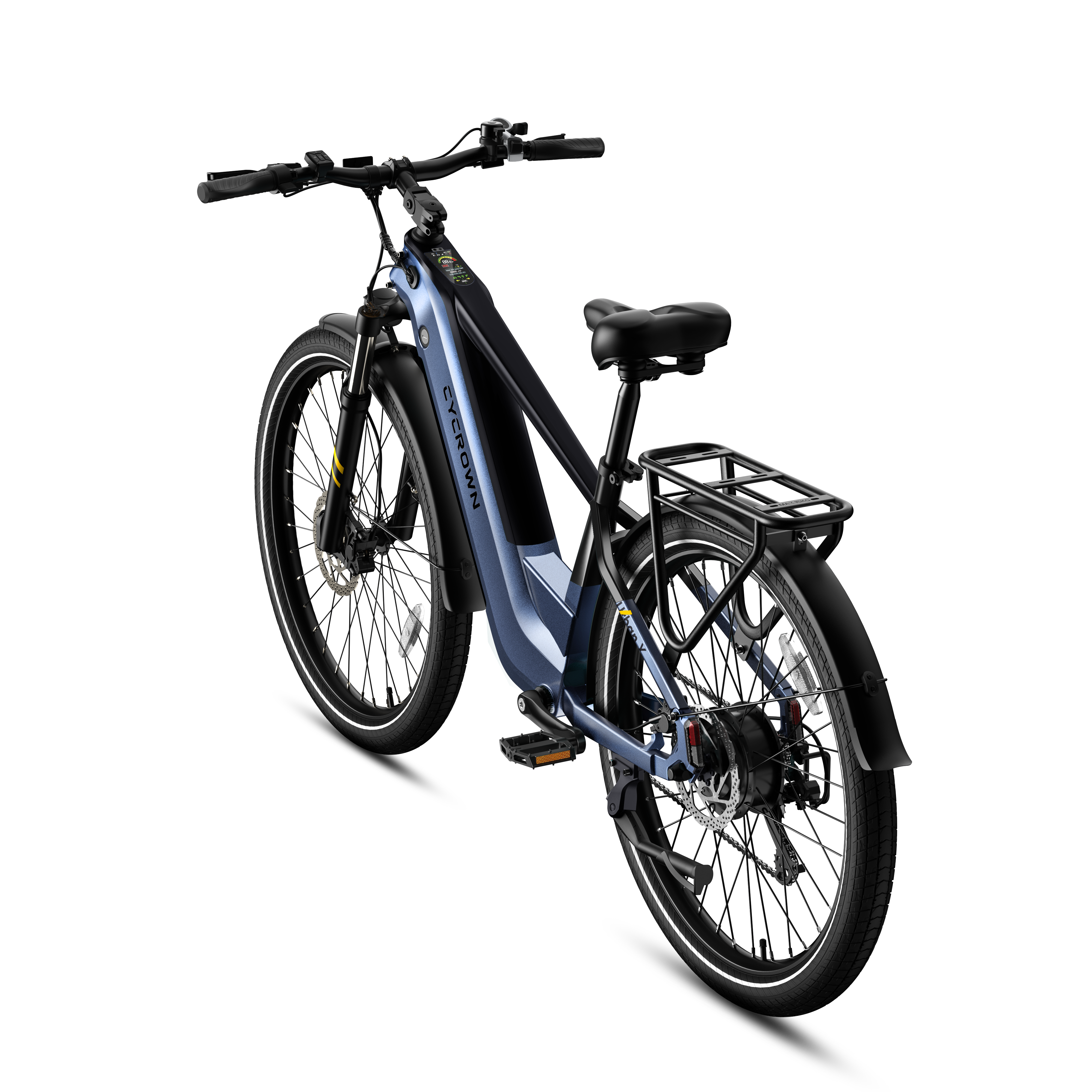
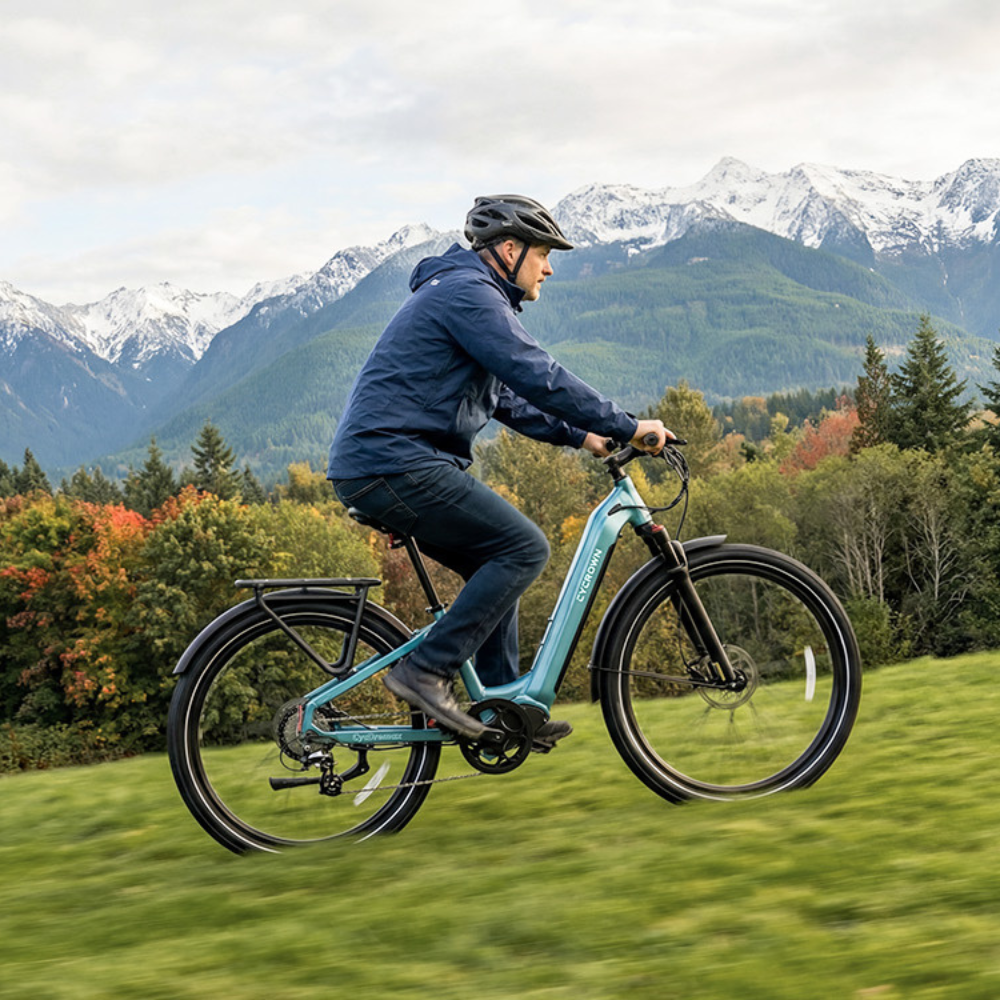
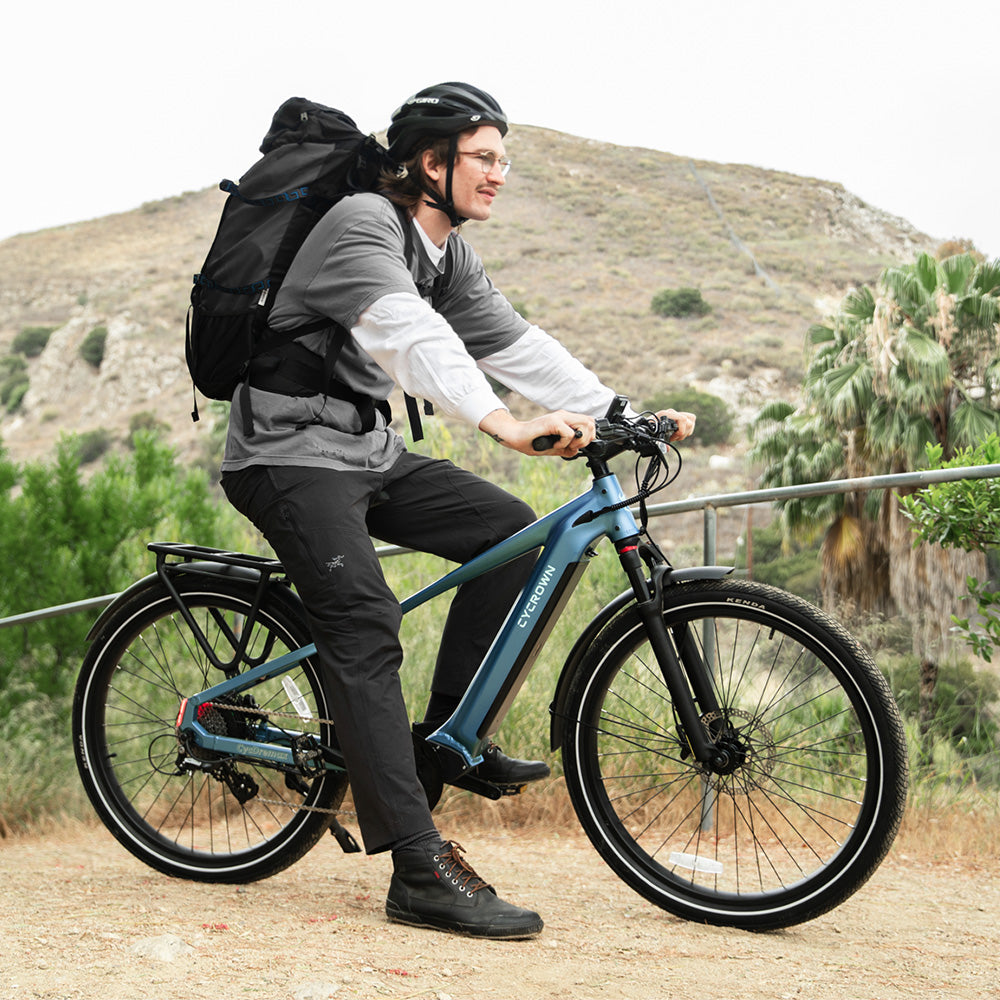
Posture is where a lot of comfort e-bike decisions are made without anyone realizing it. A more upright riding position, with higher handlebars and a shorter reach, spreads your body weight across your seat, hands, and feet more evenly. This matters more on a daily commuter e-bike than on a bike used occasionally, because small imbalances compound over dozens of rides. The Urban X Commuter Ebike is built around this idea, using an upright frame position designed for daily rides rather than short bursts of speed, and CYCROWN's article on how the Urban X makes daily rides more comfortable goes deeper into how that posture holds up over regular use.
Suspension Smooths Out the Small Stuff
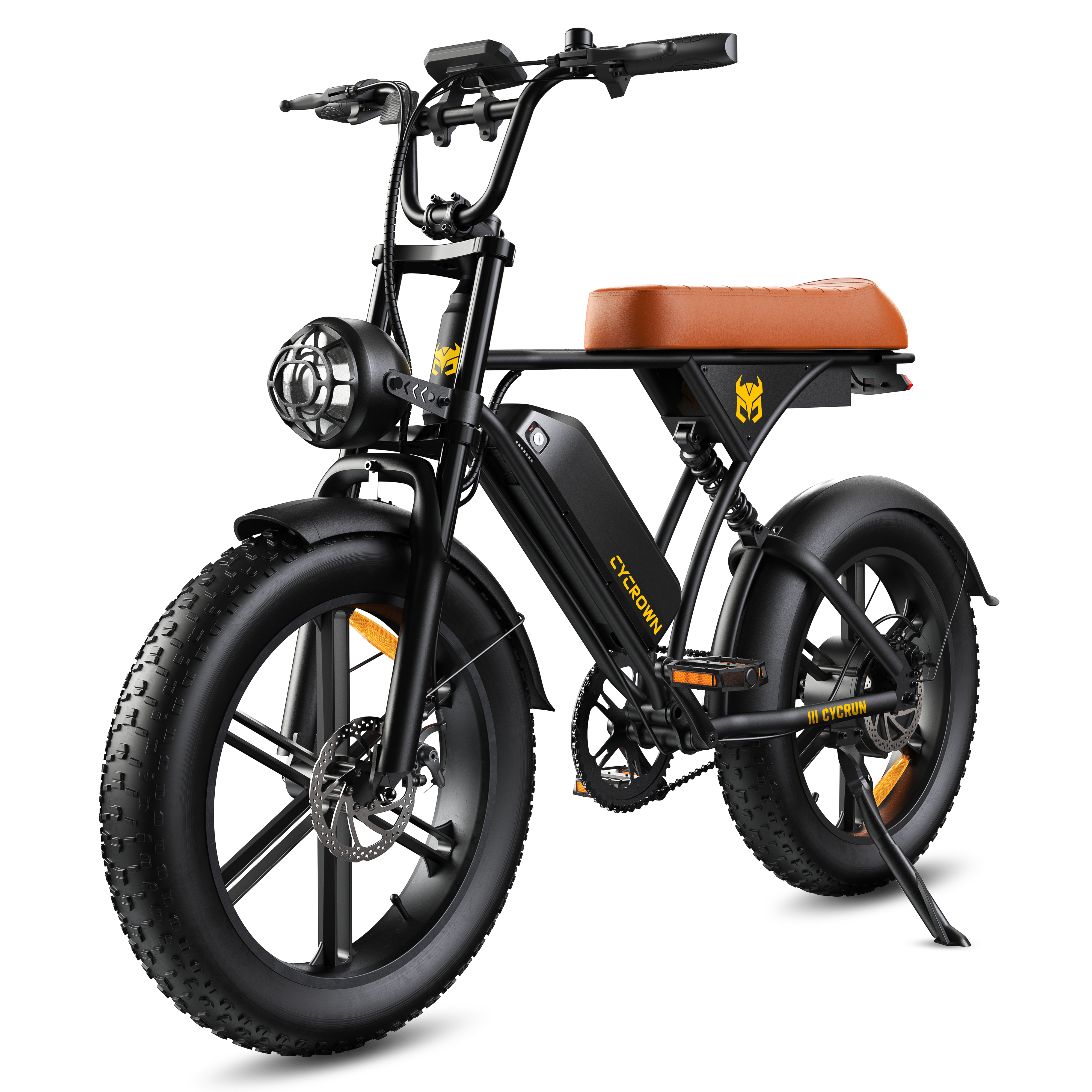
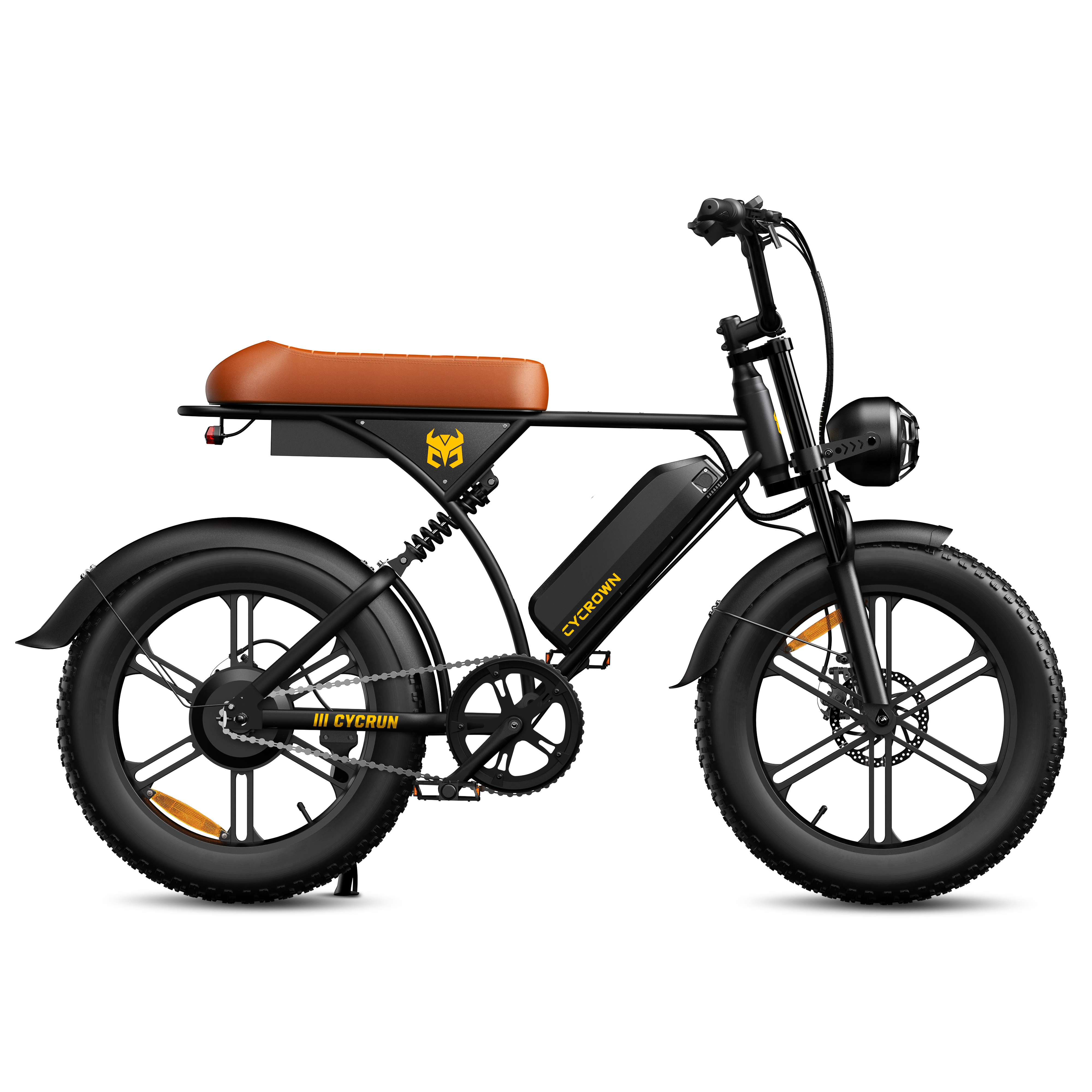
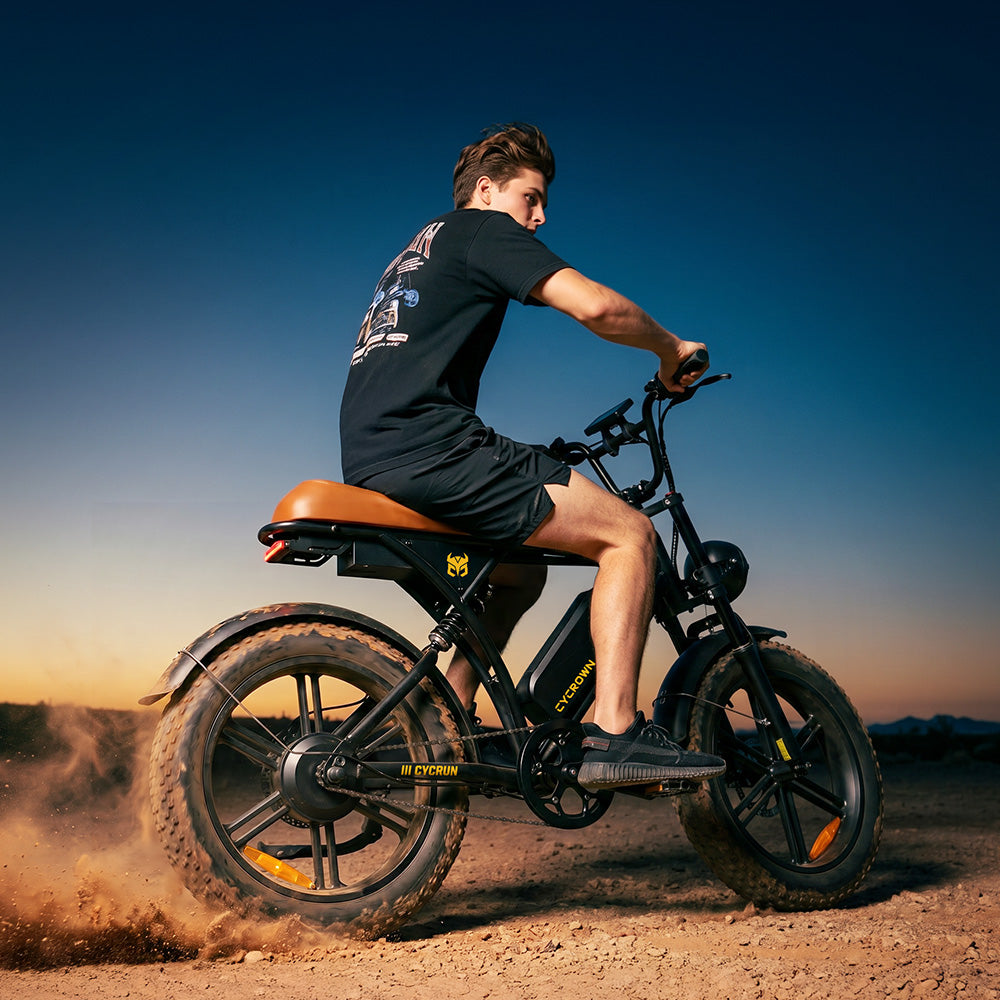
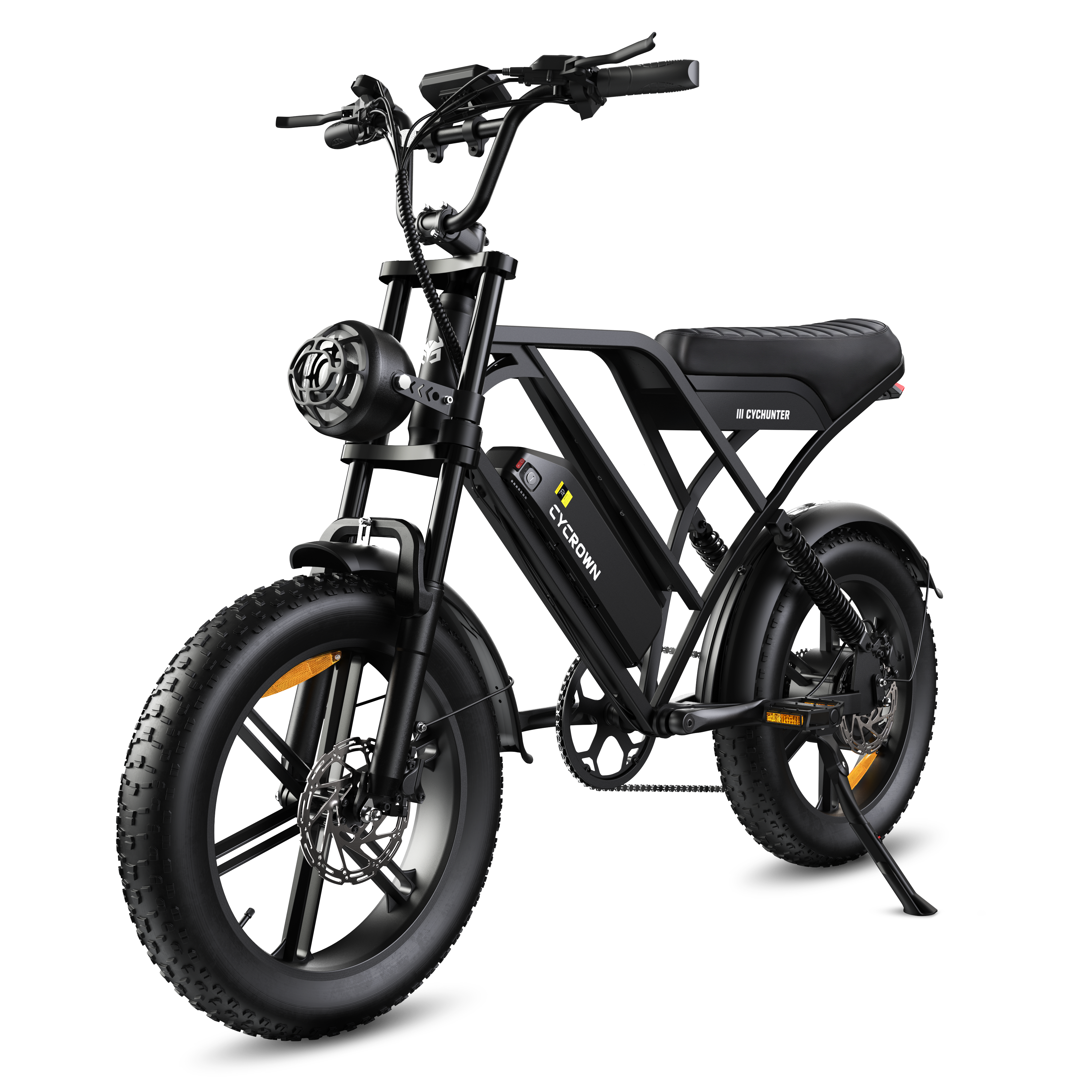
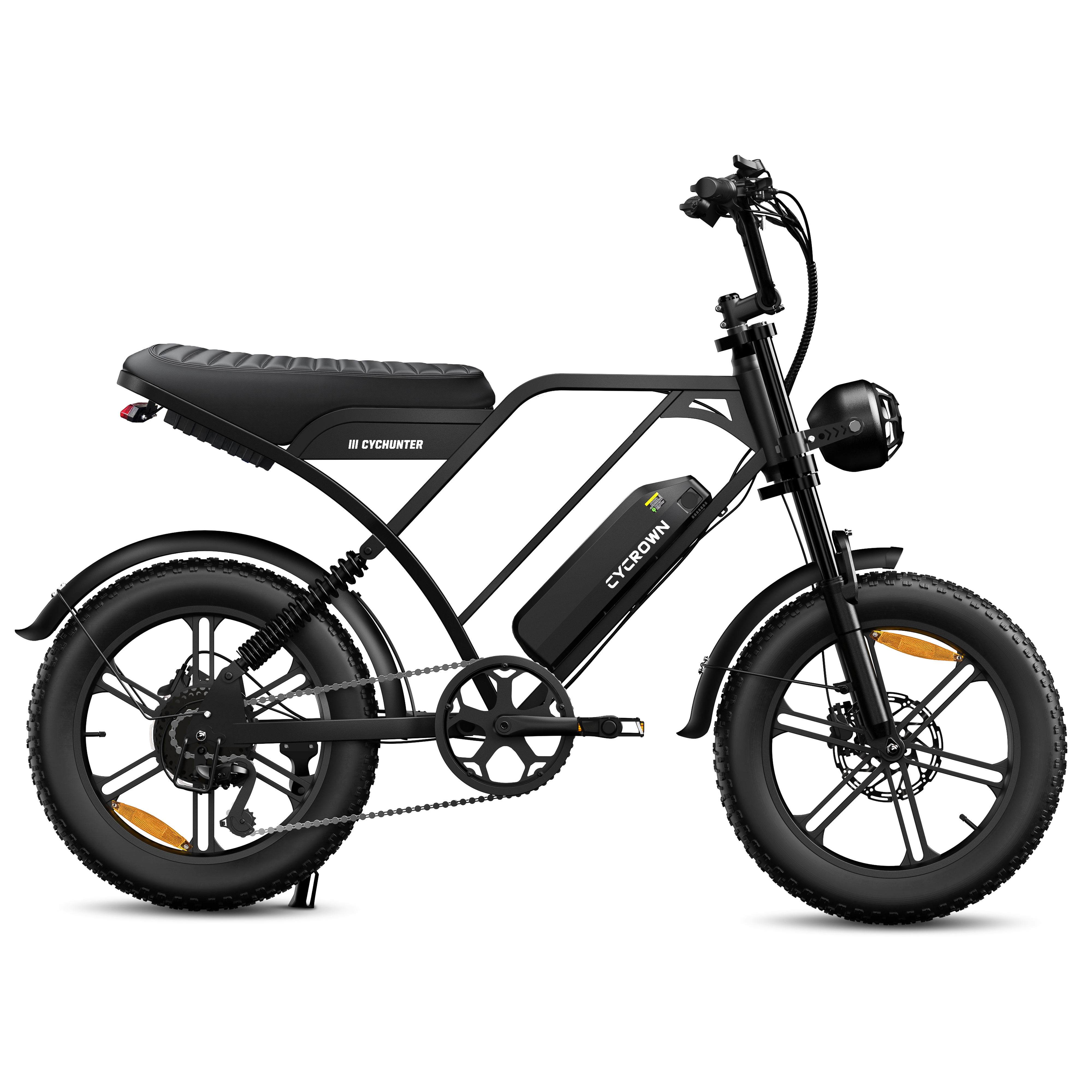
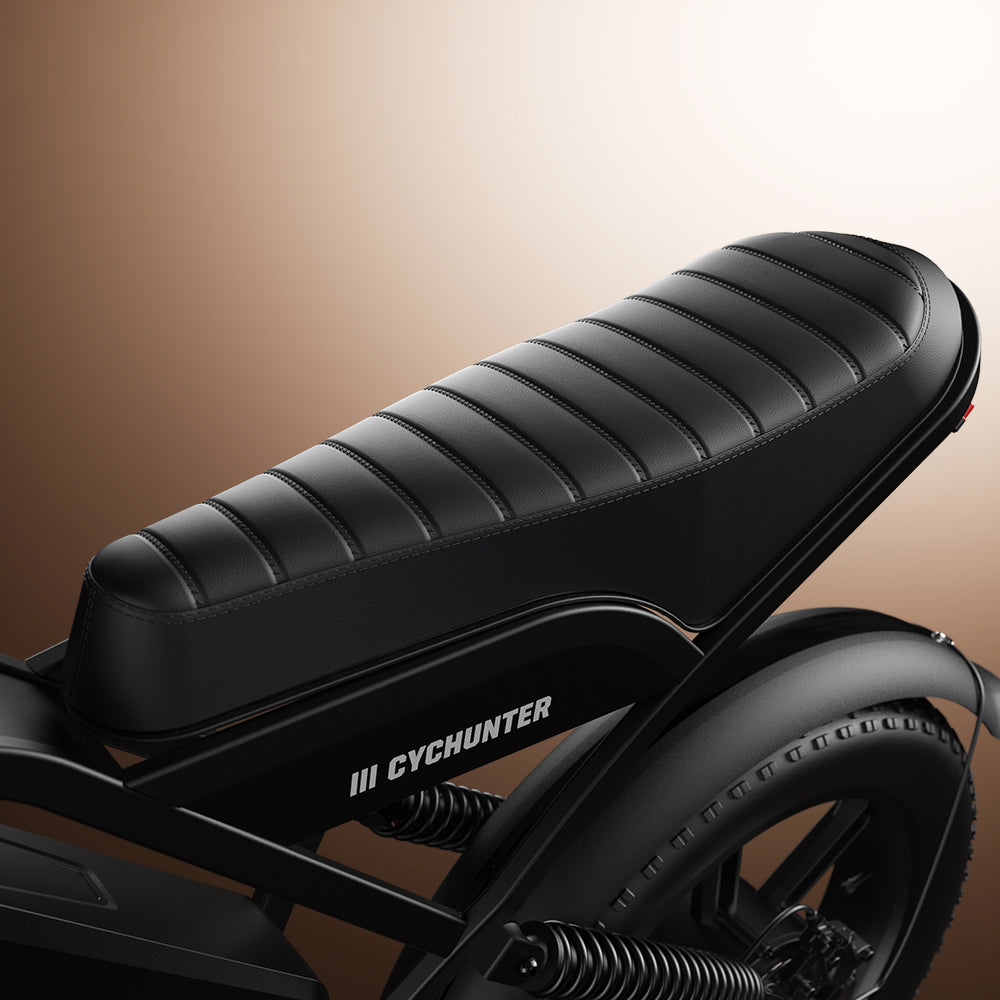
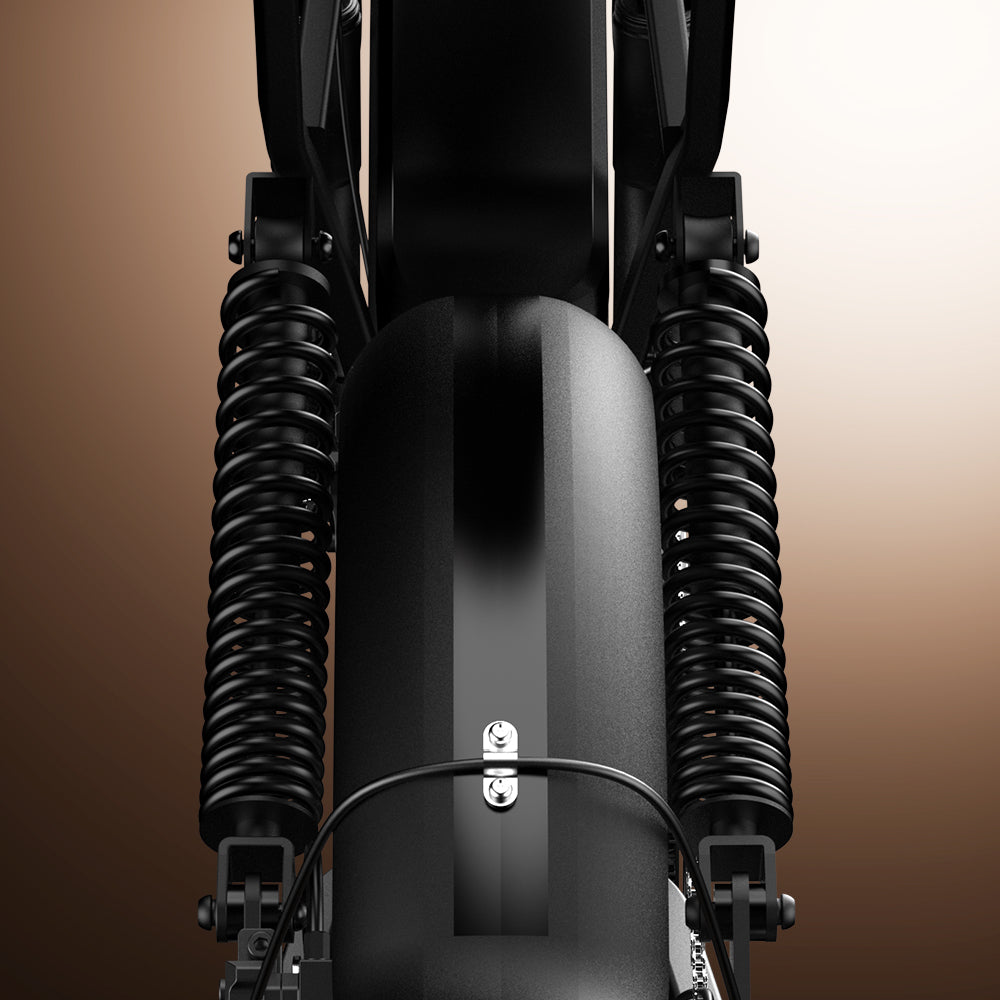
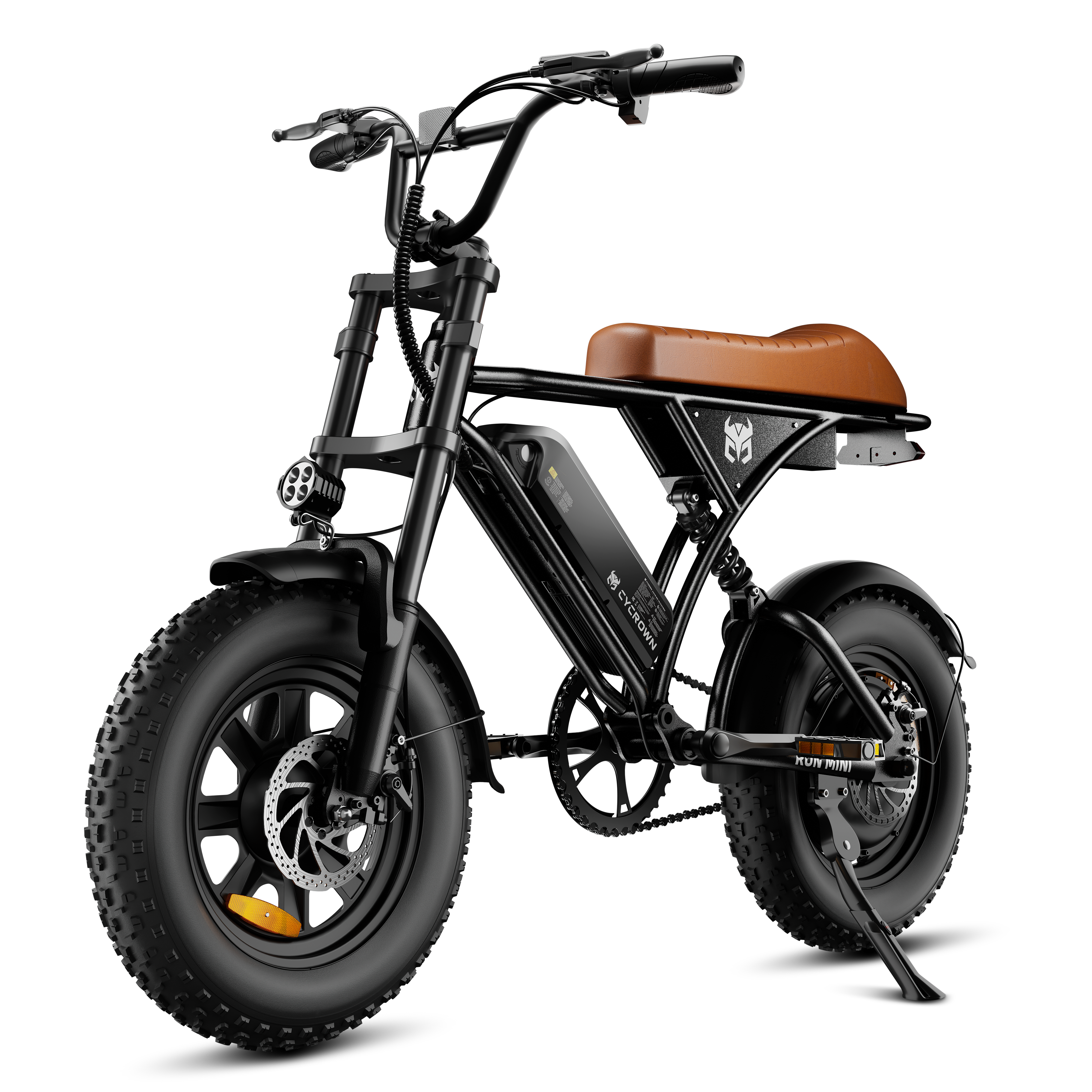
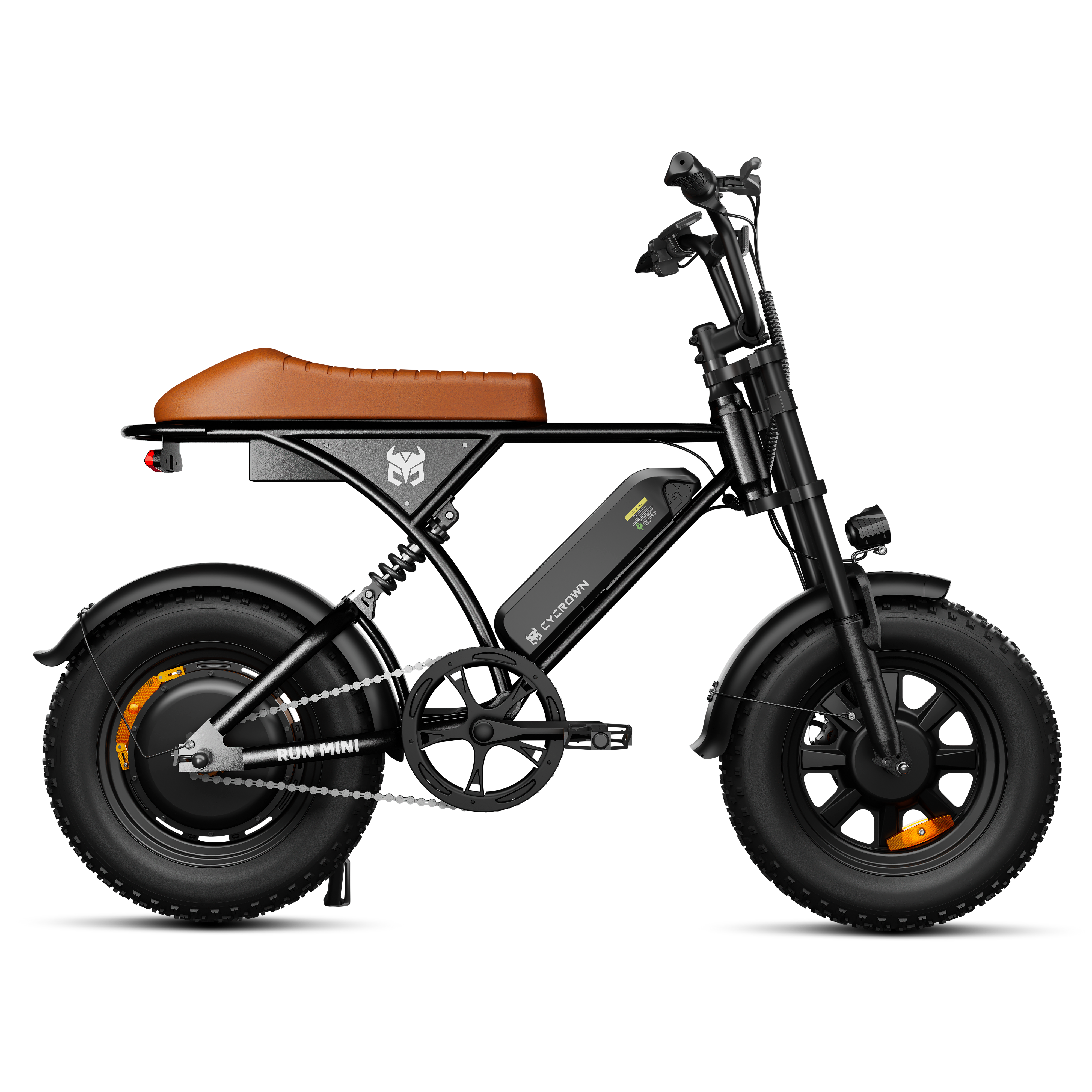
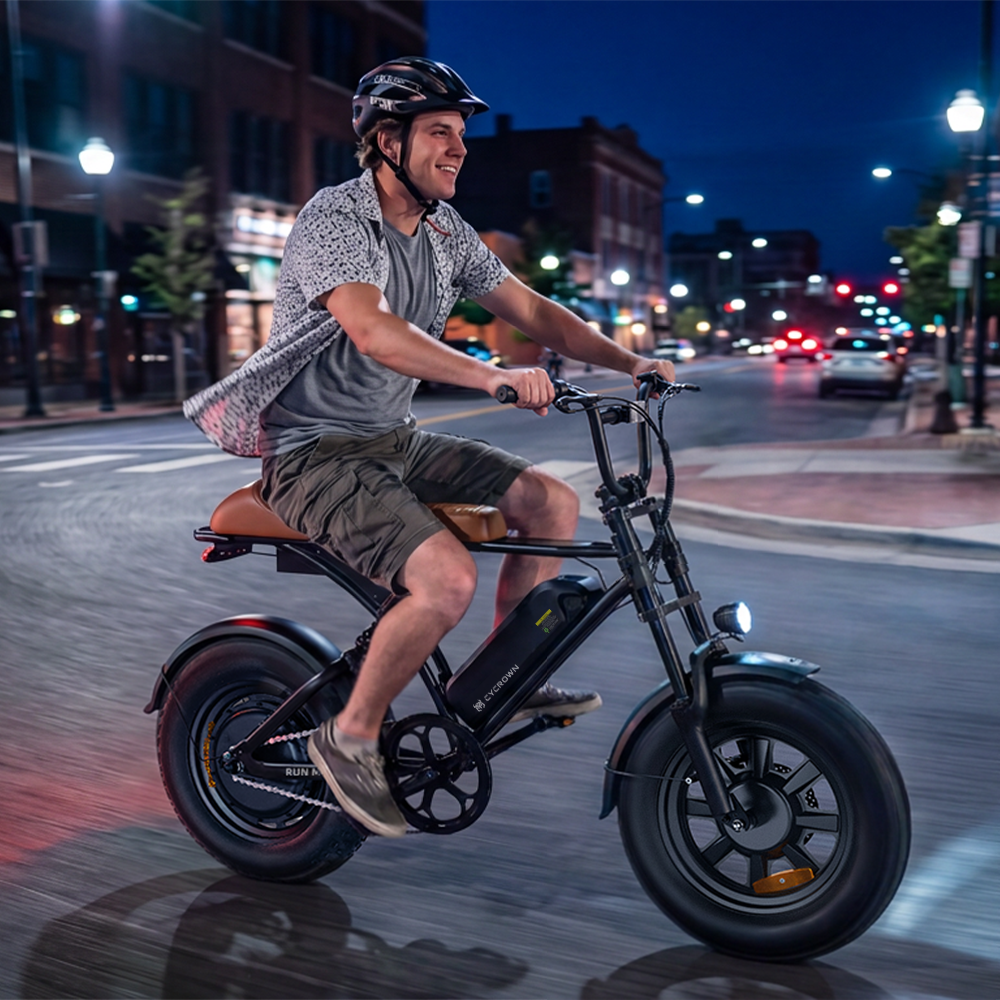
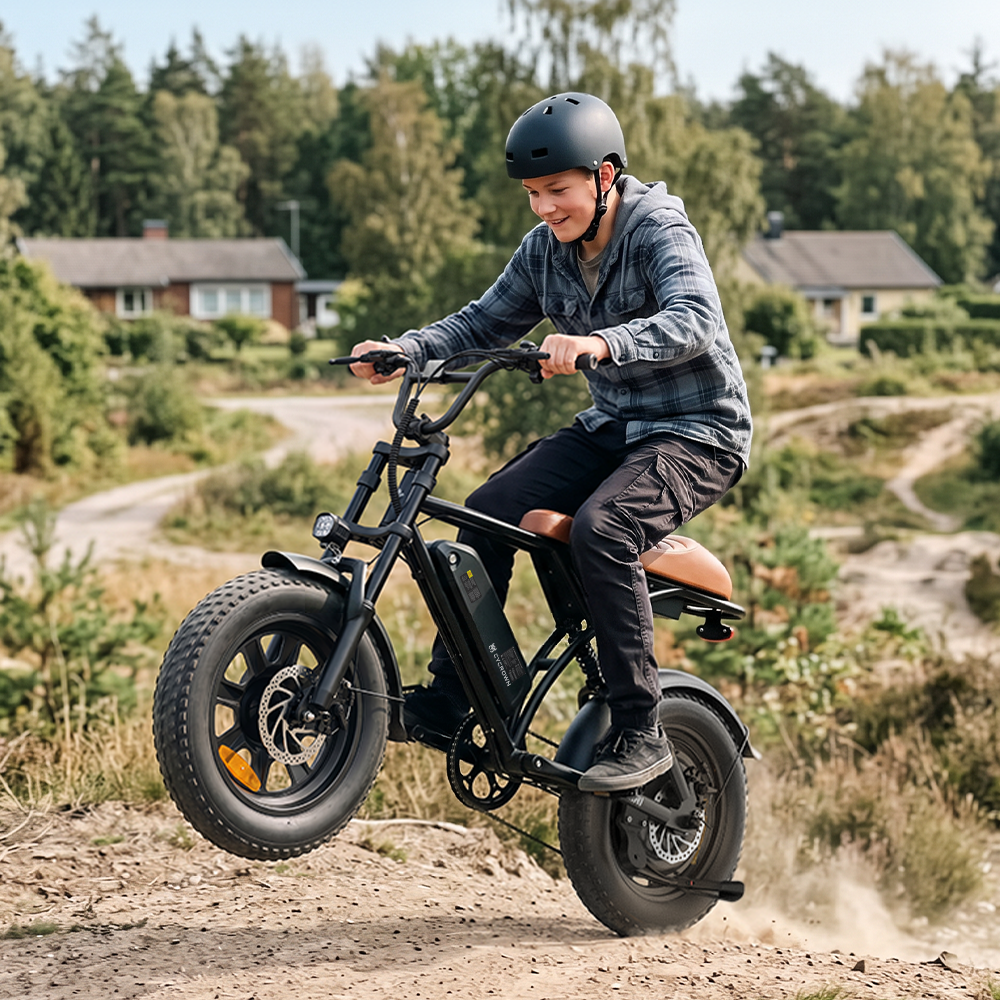
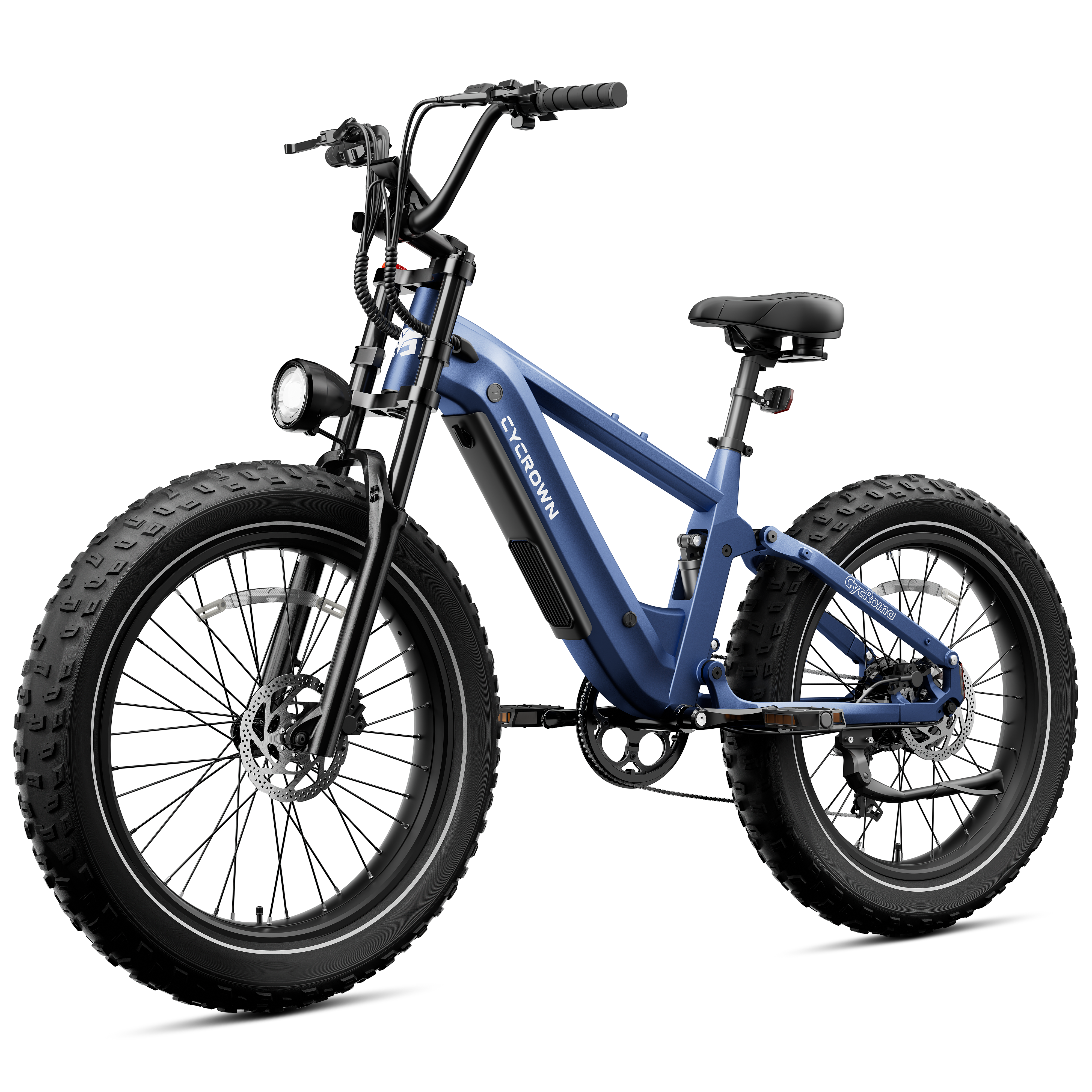
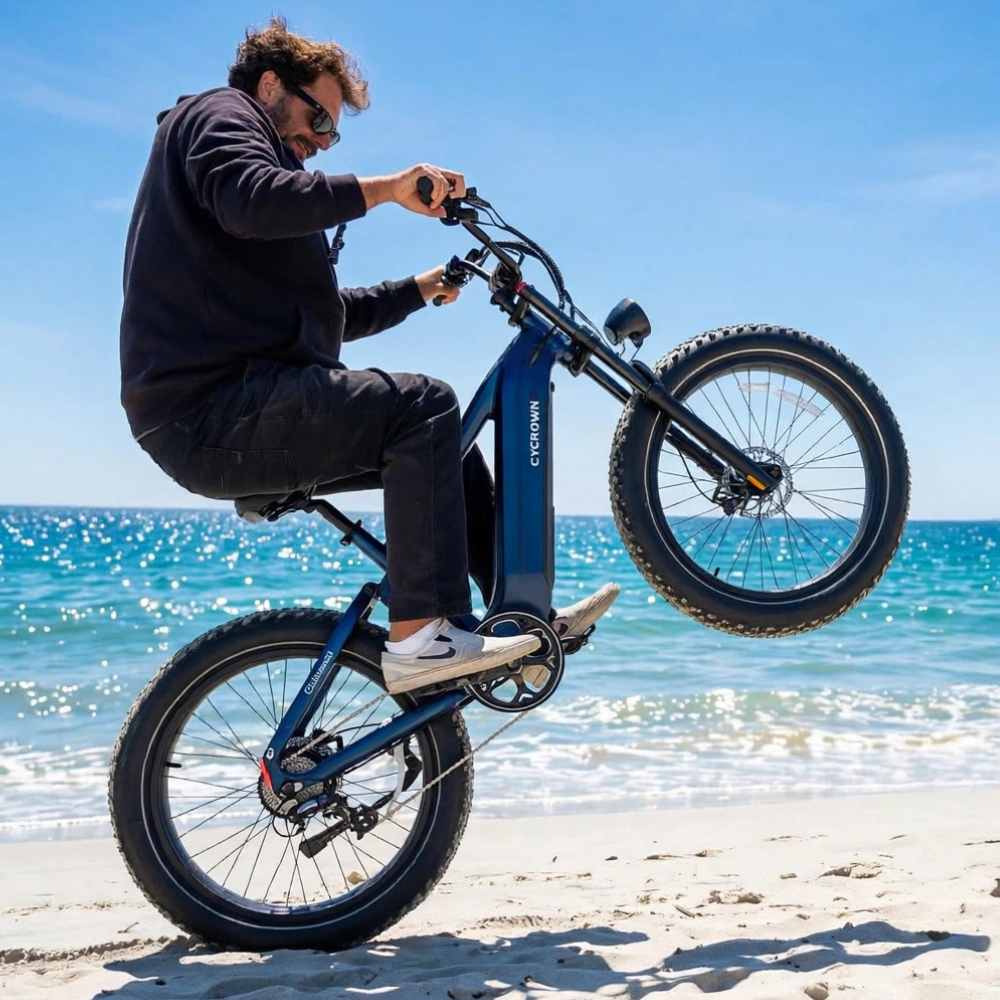
Campus paths are rarely as smooth as they look. Curb cuts, cracked sidewalks, gravel shortcuts, and speed bumps near parking areas all add small jolts that barely register once but add up over a semester of daily riding. Front suspension absorbs a lot of that impact before it reaches your hands and shoulders, while full suspension spreads the load across the frame so your lower back takes less of a hit. The CycHunter Electric Bike pairs full suspension with a wider bench-style seat, which is a combination built specifically for riders who want a smoother ride rather than a sportier one.
Tire Width Affects More Than Grip

Tire width is often treated as a performance detail, but it plays a direct role in day-to-day comfort. Wider tires run at lower pressure, which lets them absorb small bumps instead of transferring every crack in the pavement straight into the frame.
-
Narrower tires feel quicker but transmit more road vibration over a long ride
-
Wider tires soften rough pavement and are more forgiving on gravel paths or uneven curbs
-
Lower tire pressure improves comfort but requires more frequent pressure checks
-
Wider tires also add stability when riding one-handed with a coffee or phone, which matters more than most riders expect
Frame Geometry Ties Everything Together
Frame geometry decides how your body is positioned relative to the pedals, seat, and handlebars, and it changes how a bike feels after thirty minutes rather than three. A step-through frame lowers the standover height, which makes getting on and off easier when you are hopping on between classes. A slightly longer wheelbase adds stability at low speeds, which helps in crowded bike racks and tight paths. None of this shows up in a spec sheet the way battery range or motor wattage does, but it is often the difference between an e-bike for daily commute use that feels natural after a semester and one that always feels slightly off.
A Quick Comfort Checklist Before You Buy a Commuter E-bike
-
Sit on the saddle for several minutes in-store, not just a quick lap
-
Check the handlebar height relative to the seat for an upright riding posture
-
Ask whether the model has front or full suspension, especially if your campus has rough pavement
-
Compare tire width against your typical route, wider for mixed terrain, narrower for smooth paved paths
-
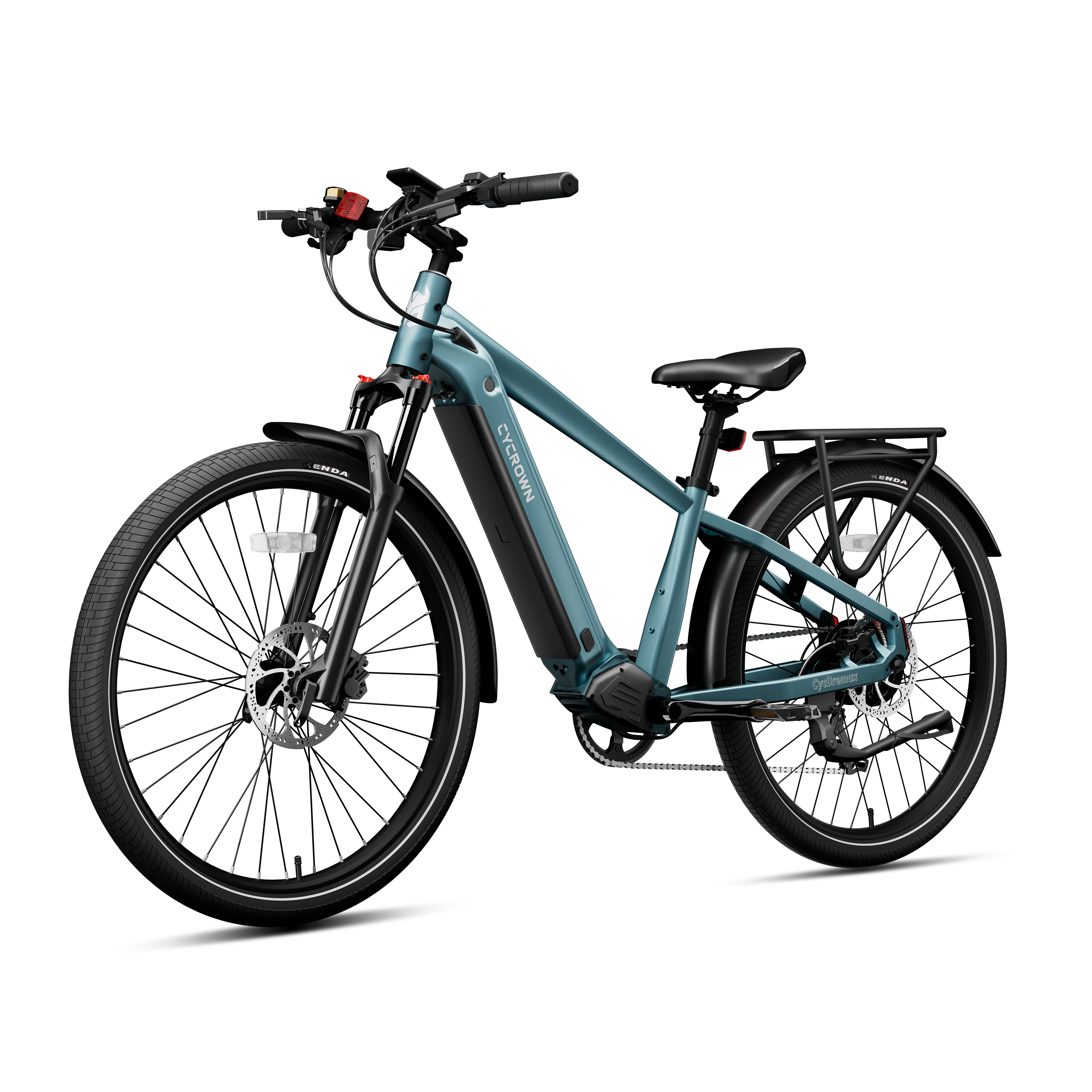
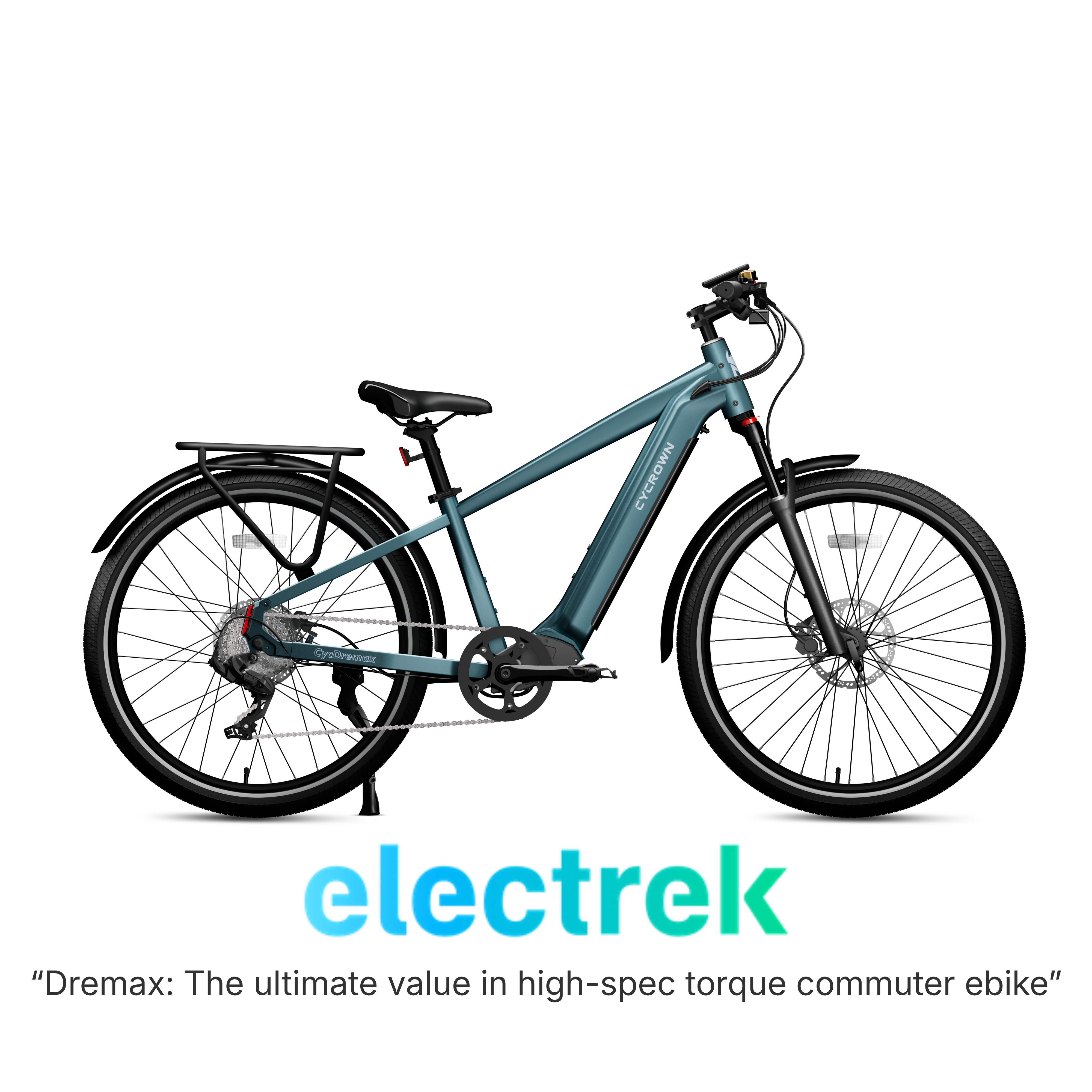
Consider a torque sensor model, like the Dremax Commuter Ebike, which reads pedaling effort and applies power smoothly instead of jolting forward, which is easier on your body over a long ride
Comfort Is What Gets You to Class, Semester After Semester
A comfort e-bike is not defined by one impressive ride. It is defined by how it feels on the fortieth ride, the eightieth ride, and the one you take in the cold with a heavy backpack. Saddle shape, posture, suspension, tire width, and frame geometry all work together quietly in the background, and none of them show up as clearly as top speed on a spec sheet. But they are what decide whether your commuter e-bike becomes something you actually look forward to riding, or something you start avoiding once the first blister or backache shows up. If you are shopping around, take the time to sit, ride, and compare before deciding, since the right choice is the one that still feels good long after the new-bike excitement wears off. For a closer look at how upright posture and frame design play into this, our article on why the Urban X fits everyday city commuting is worth a read.
What Riders Need to Know
Do I need a suspension e-bike for a mostly paved campus?
Front suspension is usually enough for smooth paved campuses, while full suspension helps more if your route includes gravel, grass, or rough sidewalks.
Is a wider saddle always more comfortable?
Not always, since comfort depends on saddle shape matching your sit bones, not just padding or width alone.
How often should I check tire pressure on a comfort e-bike?
Check tire pressure roughly every one to two weeks, since low pressure affects both comfort and how efficiently the motor performs.
What riding posture is best for a daily campus commute?
An upright riding posture is generally best for daily commuting, since it reduces pressure on your wrists and lower back over repeated rides.
Can frame geometry affect how tired I feel after riding?
Yes, frame geometry affects how your weight is distributed, and a poor fit can leave your back, wrists, or shoulders feeling more fatigued after regular rides.


