






Keep Your Ride From Becoming a Campus Statistic
The best way for students to prevent e-bike theft isn't one single gadget — it's stacking a few defenses on top of each other. That means parking in visible, high-traffic spots, locking your frame and wheels with more than one method, and having an e-bike with GPS tracker running in the background as your safety net if a thief still manages to get past the rest. No single step guarantees your bike stays put, but layering them together makes your e-bike a much less appealing target than the one parked next to it with a flimsy cable lock and no tracking at all.
E-bikes are more expensive than regular bikes and easier to resell, which makes them a favorite target on campuses from state schools to big-city universities. If you're commuting to class on a commuter e-bike, chaining it to a rack for six hours between lectures, this guide covers exactly where to park, how to lock up properly, and what tracking tech can and can't do for you.
Why College E-Bikes Can Be Vulnerable to Theft
Campuses create the perfect conditions for theft, even without anyone doing anything wrong. Students tend to park in the same spot every day, leave bikes locked up for long stretches between classes, and often rely on a single cheap lock because it's convenient to carry. Add in busy racks packed with dozens of similar-looking bikes, and a thief has plenty of cover to work quickly without drawing attention.
Electric bikes for college students carry extra risk on top of that. The battery and motor alone can be worth hundreds of dollars on the resale market, and some components can be stripped and sold separately even if the frame itself isn't taken.
Time is the biggest factor working against you. A rushed thief with the right tools can defeat a weak lock in under a minute, and a rack full of unattended bikes during a lecture block gives them all the time they need.
How GPS Tracking Can Help
An e-bike with a GPS tracker doesn't stop someone from cutting a lock, but it changes what happens next. Instead of a stolen bike simply disappearing, you get a location trail that you and campus security, or local police, can actually follow.
What GPS tracking does well:
-
Shows the bike's last known location and, on many models, live movement after it's taken
-
Gives police something concrete to act on instead of just a description and a report number
-
Can trigger a motion alert on your phone if the bike is moved without your PIN or key
-
Helps recover a bike quickly, before it's stripped for parts or resold
What GPS tracking can't do:
-
It won't physically stop a determined thief from cutting a lock or lifting a bike
-
Battery-powered trackers can be found and disabled if a thief knows to look
-
Coverage can be spotty in underground parking garages or dense buildings
Because of those limits, an e-bike with GPS tracker works best as one layer in a broader plan, not a replacement for a good lock. Some CYCROWN models come with companion apps that pair with the bike's onboard electronics, which is worth checking when you're comparing commuter e-bike options for your next ride.
Where Should Students Park Their E-Bikes?

Where you lock up matters almost as much as what you lock up with. A well-lit, high-traffic spot is a natural deterrent, since thieves generally avoid working where they can be easily seen.
Look for these qualities in a good parking spot:
Visibility from a window or main walkway - spots people pass by constantly are riskier for thieves to work in
Fixed, solid racks - bolted-down steel racks are much harder to defeat than a random fence or sign post
Proximity to campus security cameras - many schools post camera coverage maps online
Indoor or covered parking when available - some dorms and academic buildings offer secure bike rooms
Avoiding isolated corners - alleys, unlit stairwells, and the far edges of a lot are prime theft spots
If your dorm or apartment allows it, bringing your bike inside overnight is one of the simplest ways to remove the risk entirely, especially for a bike with an electric bike with removable battery you'd rather not leave exposed after dark.
Locks, Tracking, and Other Security Layers
No single lock is unbeatable, which is exactly why security experts recommend combining types. A thief carrying bolt cutters can usually beat a cable lock in seconds, but pairing a hardened U-lock with a secondary cable or chain forces them to bring multiple tools and spend more time — time they usually don't want to risk.
Choosing the Right Lock
Look for a lock rated for e-bikes specifically, since the added weight and value of these bikes call for tougher hardware than a standard bicycle lock. CYCROWN's electric bike lock lineup includes U-locks and chain options built with this in mind, and locking through the frame and rear wheel, not just the front wheel, closes one of the most common gaps in campus bike theft.
Combining Security Methods
A layered setup generally looks like this:
-
A primary hardened lock through the frame and rear wheel, secured to a fixed rack
-
A secondary cable lock for the front wheel or removable battery
-
An e-bike with GPS tracker running as backup in case the first two layers fail
-
A visible parking spot, chosen deliberately instead of out of habit
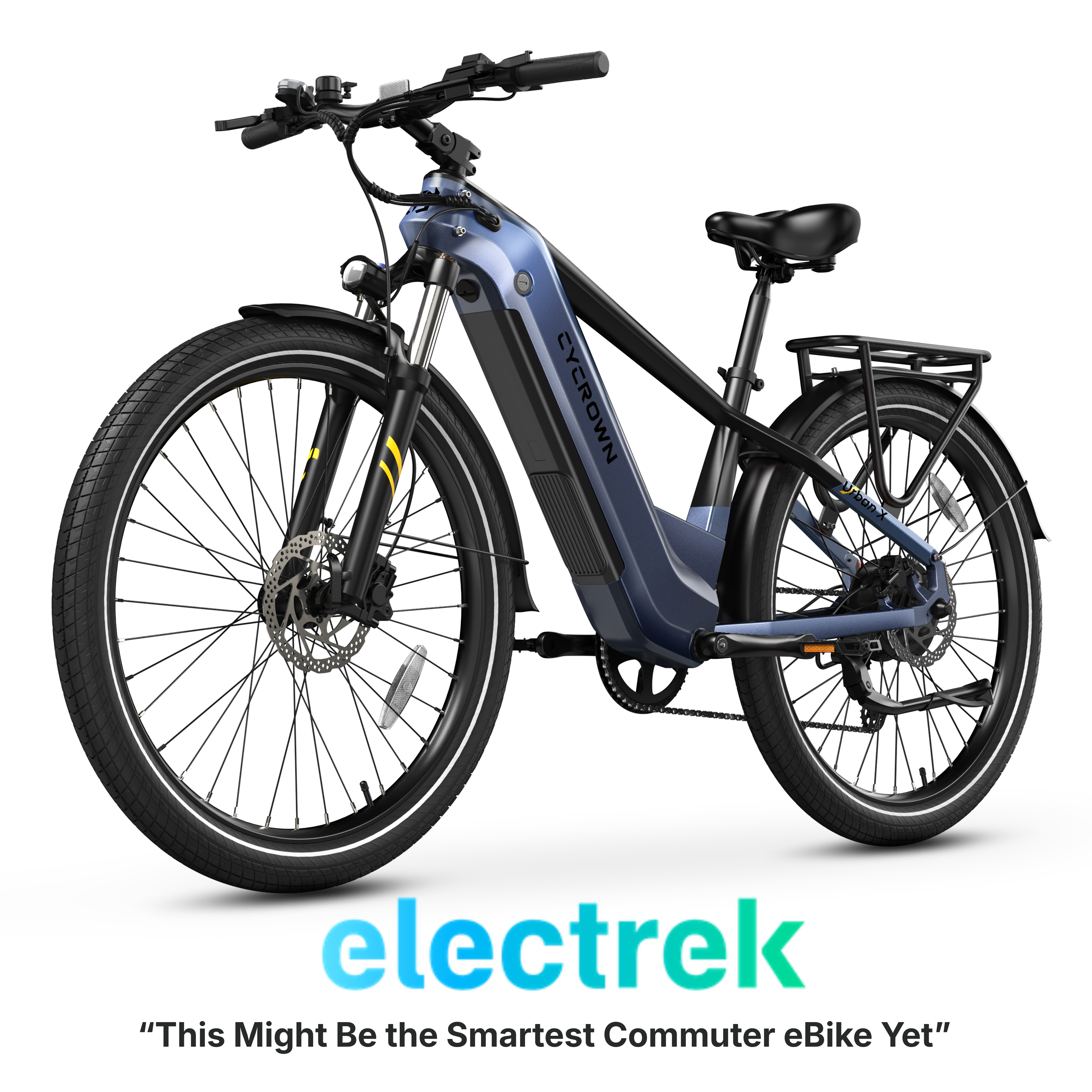
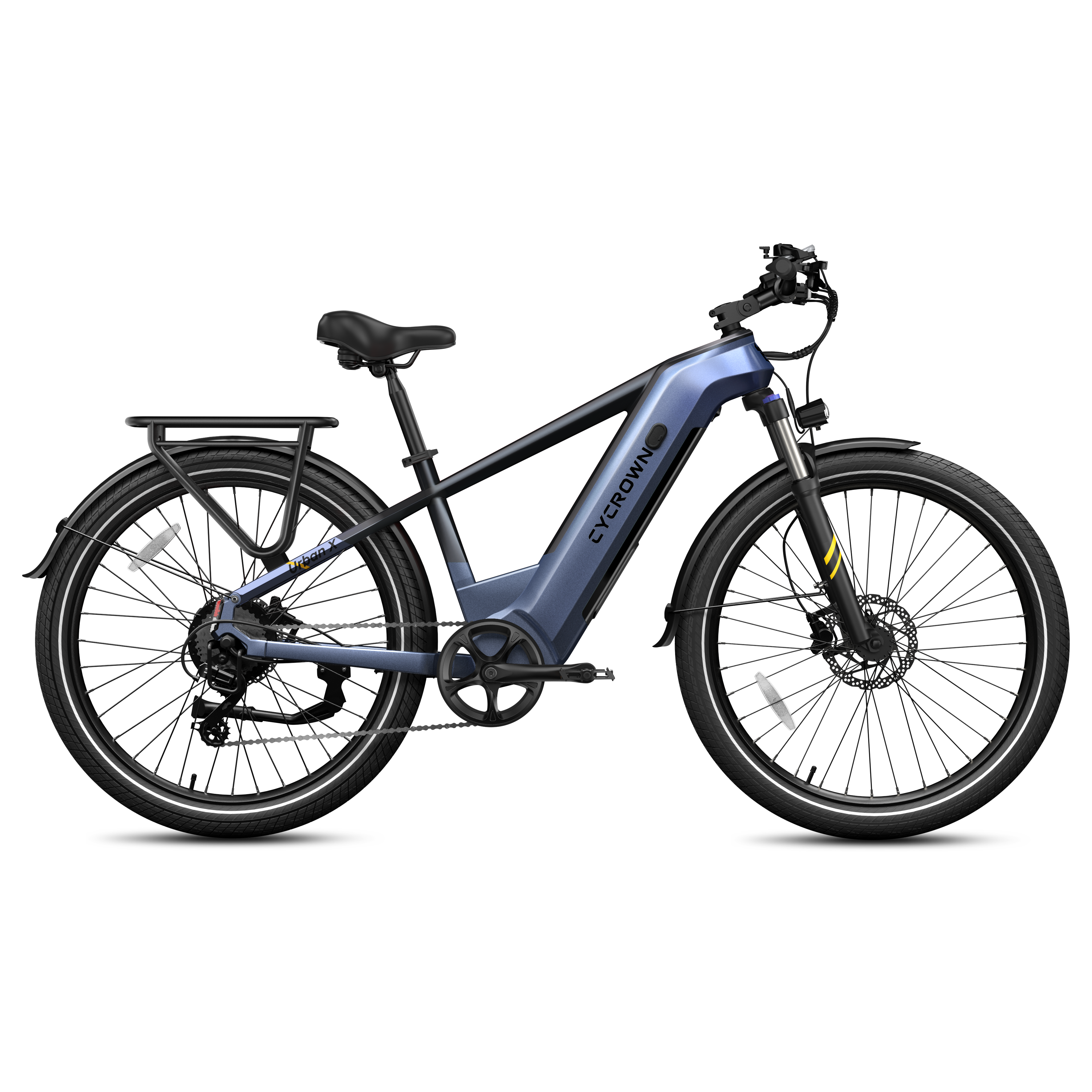
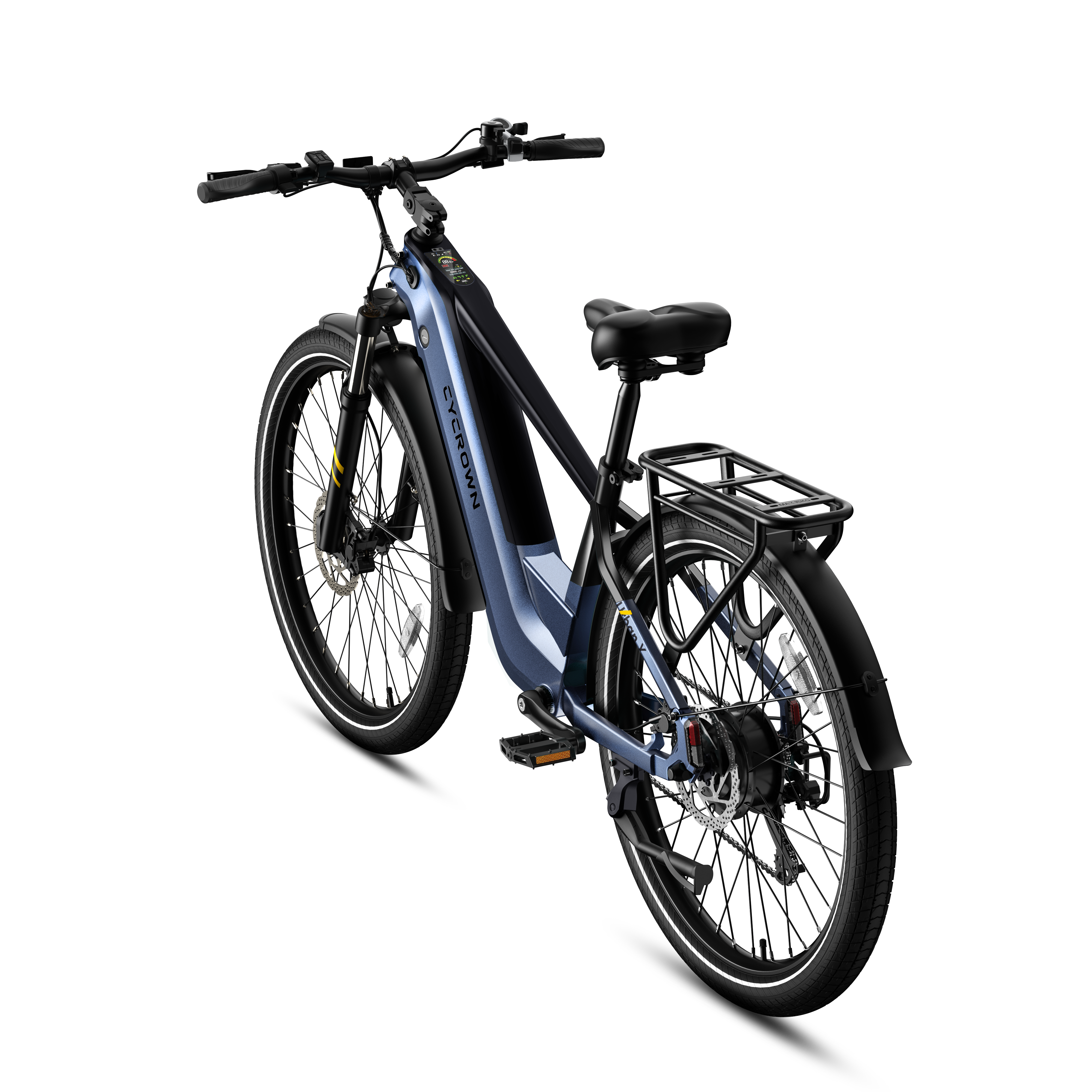
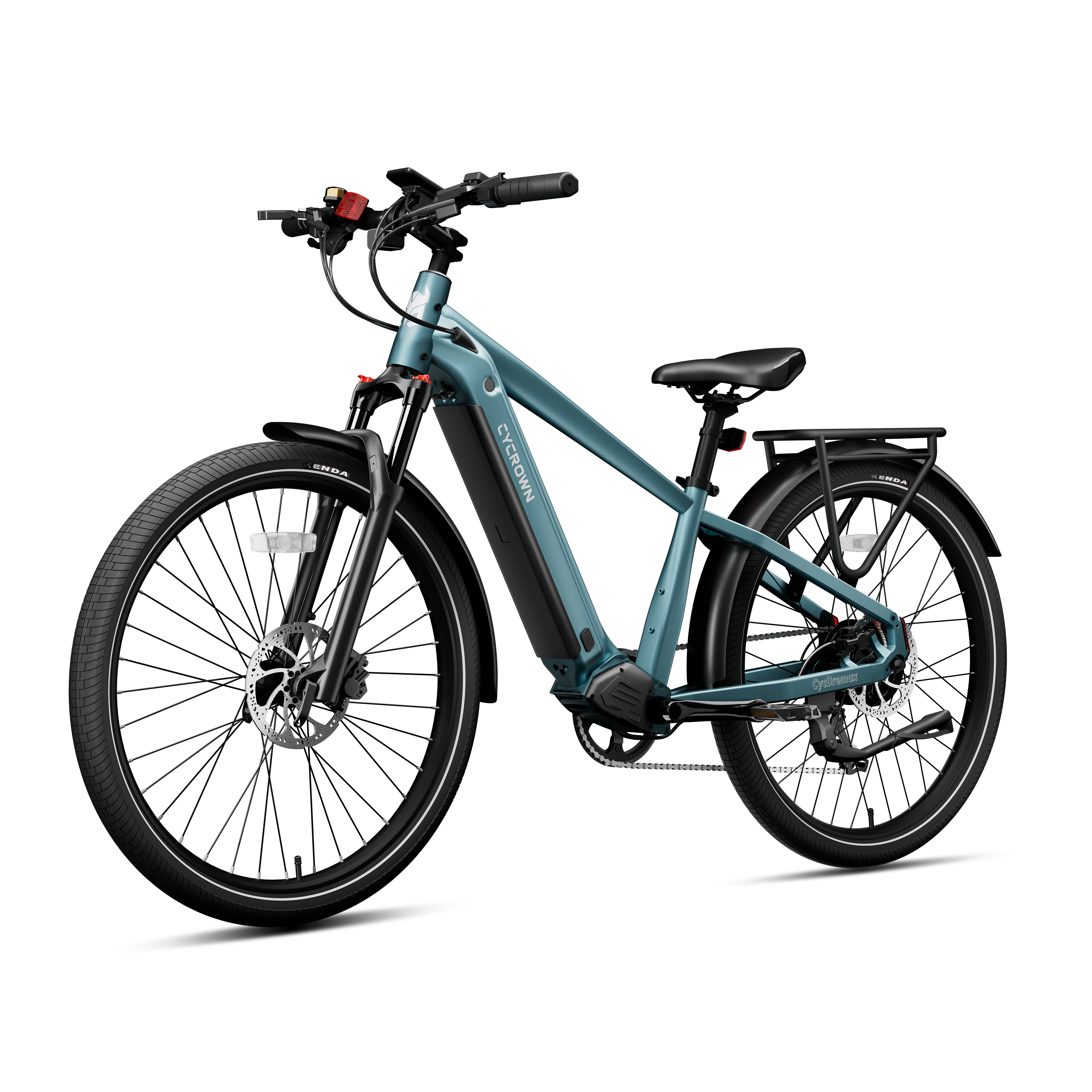
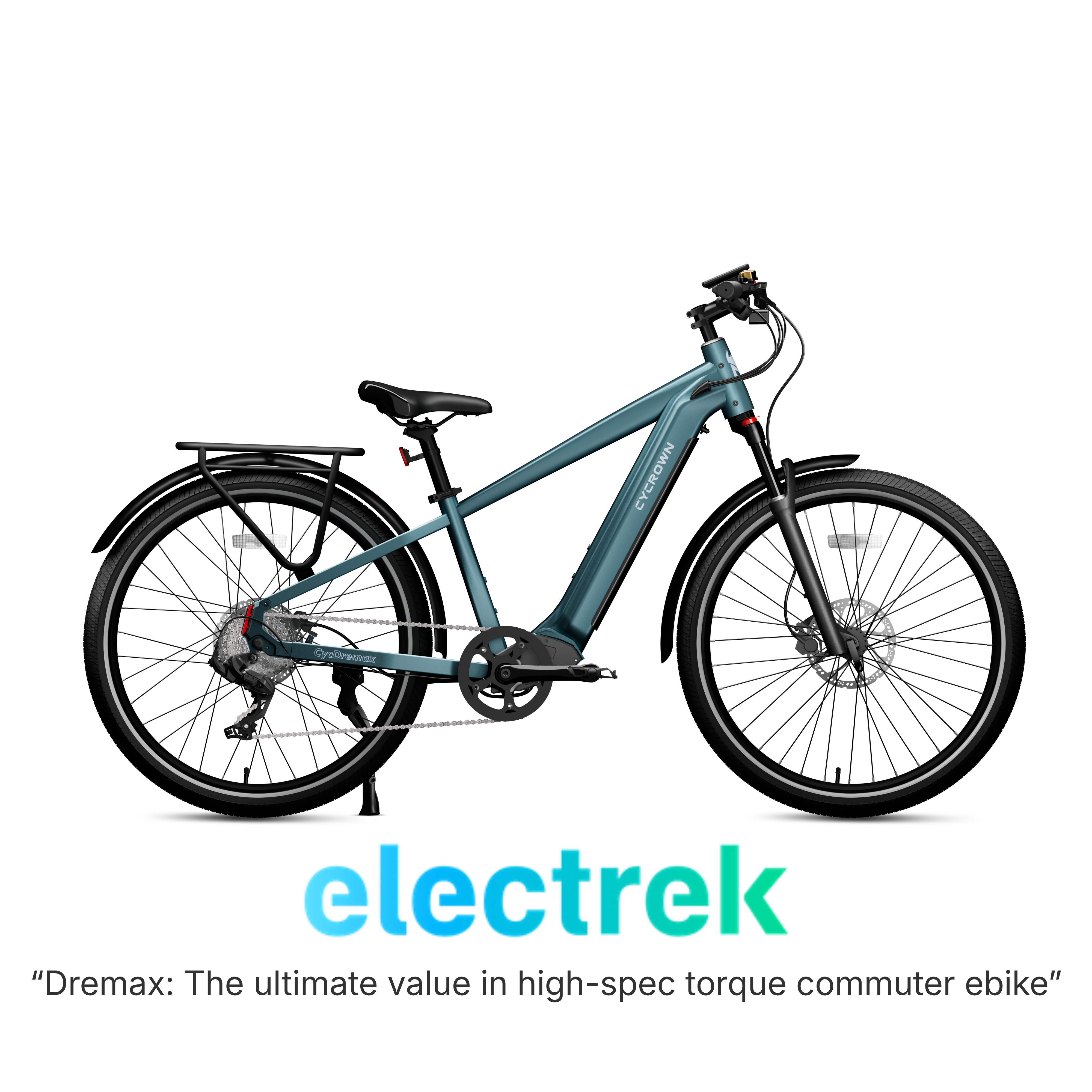
If you're shopping for your first ride, models like the Dremax Commuter Ebike and the Urban X Commuter Ebike are worth a look for daily campus commuting, and pairing either with a removable battery pack makes it easier to bring the most valuable part inside at night. For more on how motor and battery specs affect your ride, CYCROWN's guide on electric bike top speed is a useful read before you buy.
What to Do If Your E-Bike Goes Missing
If your bike is gone despite your best efforts, acting fast gives you the best shot at recovery.
-
Check your GPS tracker app immediately for the last known or live location
-
Report the theft to campus security first, since many schools can pull footage from nearby cameras
-
File a police report with your bike's serial number, photos, and GPS data included
-
Post in local buy-and-sell groups and campus forums, since stolen bikes often resurface for quick resale
-
Contact your renter's or family insurance provider, as many policies cover bike theft up to a limit
Keeping your bike's serial number, receipt, and photos saved somewhere off the bike itself makes every one of these steps faster. If your lock ever gets stuck or you forget a combination while setting up your security routine, CYCROWN's guide on how to reset a bike lock walks through the process for combination, keyed, and smart locks.
Layered Security Beats Any Single Trick
There's no single product that makes an e-bike theft-proof, and any student who tells you otherwise is probably still shopping for their first lock. Parking smart, locking with more than one method, and adding an e-bike with GPS tracker as your safety net together make your bike a far less attractive target — and give you a real shot at getting it back if it's ever taken. Building that habit now, before your first theft scare, is a lot easier than learning it the hard way halfway through the semester.
What Riders Want to Know
Do I really need a GPS tracker if I already use two locks?
It's not required, but it adds a recovery option locks can't offer. If both locks are defeated, a tracker is often the only way to locate the bike afterward.
Is a commuter e-bike more likely to be stolen than a regular bicycle?
Yes, generally. The higher resale value of the motor and battery makes commuter e-bikes a more attractive target than standard bikes.
Can thieves just remove the battery separately?
Yes, which is why locking a removable battery in place, or bringing it inside overnight, is worth the extra step.
Will my campus help if my e-bike is stolen?
Most campus security offices will take a report and check nearby camera footage, so report it there in addition to local police.
Does GPS tracking work if my e-bike is stored underground?
Signals can be weaker in parking garages or basements, so treat tracking as a backup rather than a guaranteed location tool in those spaces.


