










Florida e-bike laws can feel confusing, especially with headlines about new rules that never actually took effect. This guide breaks down how Florida defines and classifies e-bikes, where you're allowed to ride, and what local governments can still change.
Riding Legally Starts With Knowing the Rules
Under Florida electric bike laws, a qualifying e-bike is treated the same as a regular bicycle, meaning no driver's license or vehicle registration is required for the electric bicycle itself. That's the short answer, but "treated like a bicycle" doesn't mean every rule disappears. Florida e-bike laws still set limits on motor power and speed, and local governments can add restrictions on top of the state rules. Understanding Florida e-bike classes and where they apply will save you a headache down the road.
This guide covers how the state defines an electric bicycle, what separates the three e-bike classes, where you can legally ride, and how local rules might affect your route. If you're still comparing options, checking individual e-bike specifications can help you understand how motor power, assisted speed, and classification relate to Florida's requirements.
How Florida Defines an Electric Bike
Florida law defines an electric bicycle as a bicycle or tricycle equipped with fully operable pedals, a seat or saddle, and an electric motor of less than 750 watts that meets one of the state's three classifications. Class 1 and Class 2 e-bikes stop providing assistance at 20 mph, while Class 3 e-bikes stop providing assistance at 28 mph.
This definition matters because it determines whether your ride is legally an e-bike or something else that may be subject to different rules. A bike that meets Florida's electric bicycle definition gets the same rights and responsibilities as a traditional bicycle.
Why the 750-Watt and 20-MPH Limits Matter
A bike that falls outside Florida's statutory definition of an electric bicycle may be subject to different vehicle rules. Riders should check the vehicle's specifications and applicable Florida requirements before assuming that a higher-powered or faster model is treated as an e-bike under state law.
Sticking with a ride that meets Florida's legal definition of an electric bicycle can help you understand which bicycle rules apply. When comparing models, check the manufacturer's specifications, factory speed settings, and intended use rather than looking at motor power alone.
Florida E-Bike Classes Explained
Like most states, Florida uses a three-tier system to sort electric bikes based on how the motor works and how fast it can go.
Class 1
Class 1 e-bikes provide assistance only while you're pedaling, and that assistance cuts off once you hit 20 mph. There's no throttle, so the motor simply supports your own pedaling effort.
Class 2
Class 2 e-bikes have a motor that may be used to propel the electric bicycle without pedaling, but assistance stops at 20 mph. This can be useful for riders who want motor assistance without relying entirely on pedal input, and it's one of the common styles across the electric bike lineup.
Class 3
Class 3 e-bikes are pedal-assist only, like Class 1, but the motor keeps helping up to 28 mph. Florida law allows electric bicycles where bicycles are allowed, while local governments and agencies with jurisdiction over bicycle paths, multiuse paths, and trail networks can restrict or prohibit e-bike use. If you're considering a Class 3 e-bike for commuting, check the rules for the specific route you plan to use.
Knowing your Florida e-bike classes affects speed expectations, how other trail users anticipate your movement, and where local agencies allow you to ride.
Where Can You Ride an E-Bike in Florida?
Under Florida e-bike rules, a qualifying e-bike can generally be ridden where traditional bicycles are allowed, including streets, bike lanes, and bicycle or multiuse paths, unless a local government or agency has established a specific restriction. Riders are also expected to follow the same rules of the road as cyclists, including stopping at signs and signals and obeying posted speed limits.
When riding on a sidewalk or crossing a roadway along a crosswalk, riders must yield to pedestrians and give an audible signal before overtaking and passing them. Local governments and agencies may also establish additional restrictions for sidewalks, bicycle paths, multiuse paths, and trail networks.
Florida lawmakers considered adding a 10 mph restriction for electric bicycles on sidewalks and other pedestrian-designated areas when a pedestrian was within 50 feet. The proposal was included in SB 382, but the bill was vetoed on June 25, 2026, so those proposed provisions did not become law. Riders should continue to follow the current state requirements and any applicable local rules.
Whether you're looking for a commuter bike or something built for longer weekend rides, browsing street-legal electric bikes can help you understand which specifications may fit your intended use. Always check the model's specifications and local riding rules before heading out.
Do You Need a License or Registration for an E-Bike in Florida?
No. As long as your bike fits the state's electric bicycle definition, Florida law does not require a driver's license, vehicle registration, or a license plate for the electric bicycle itself across the three e-bike classes.
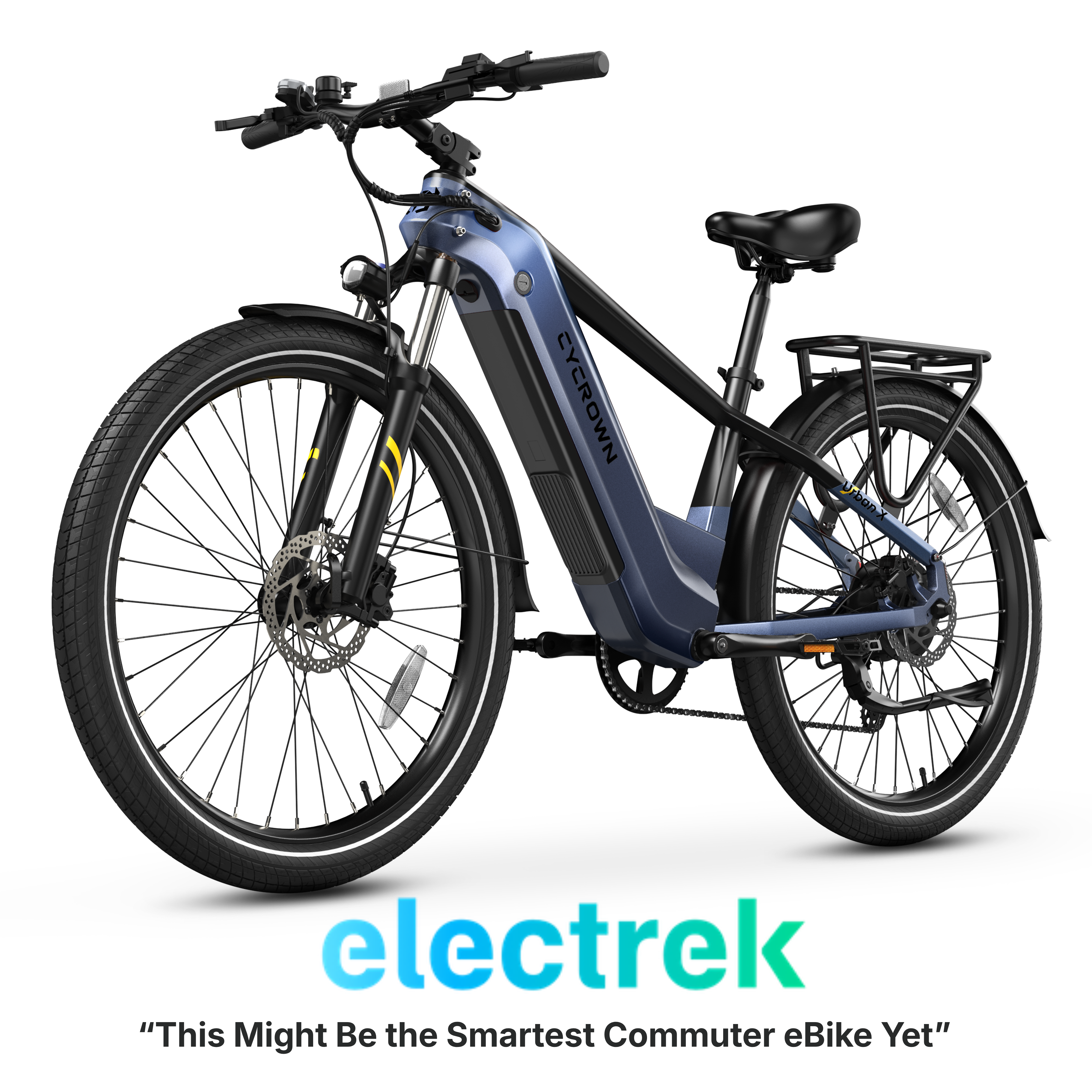
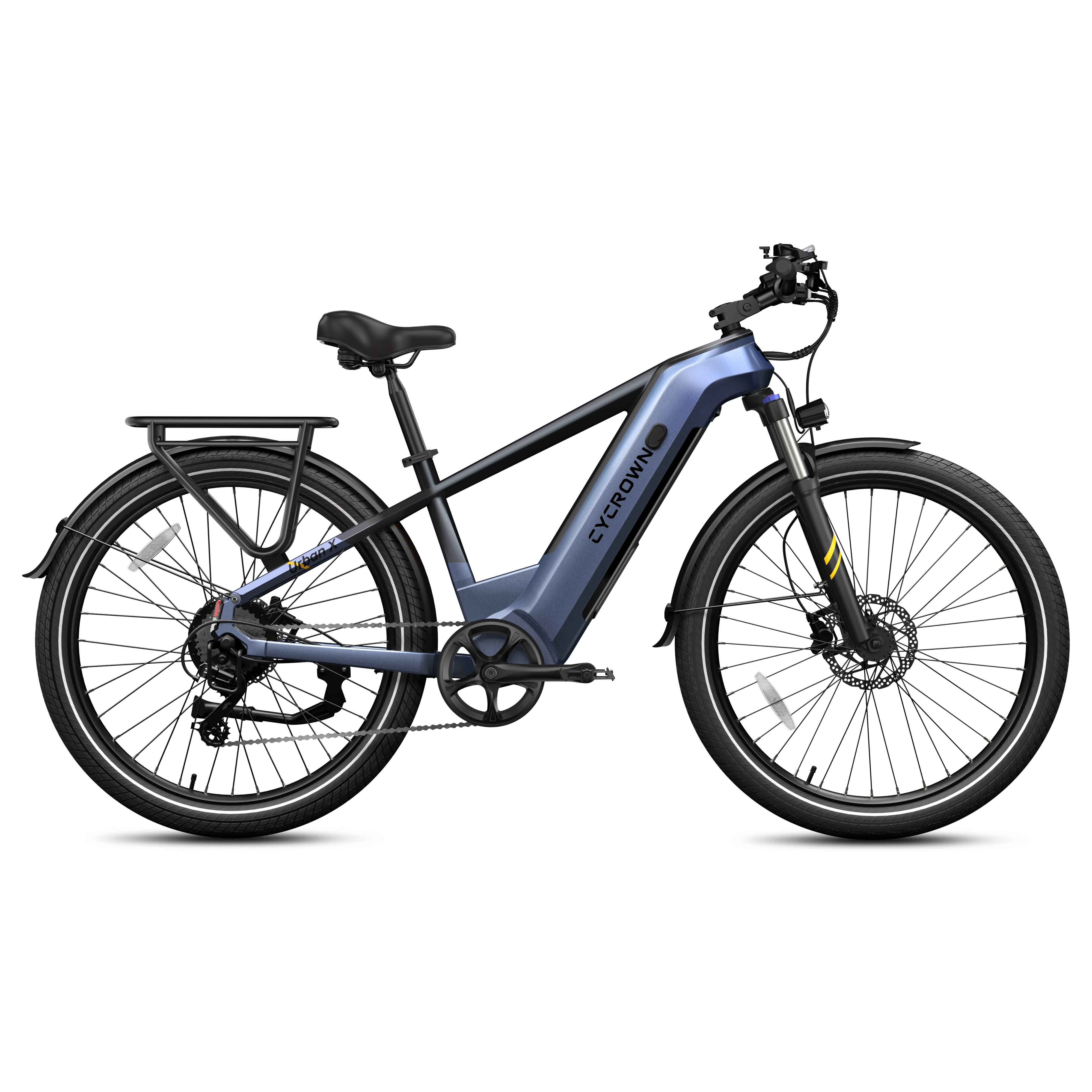
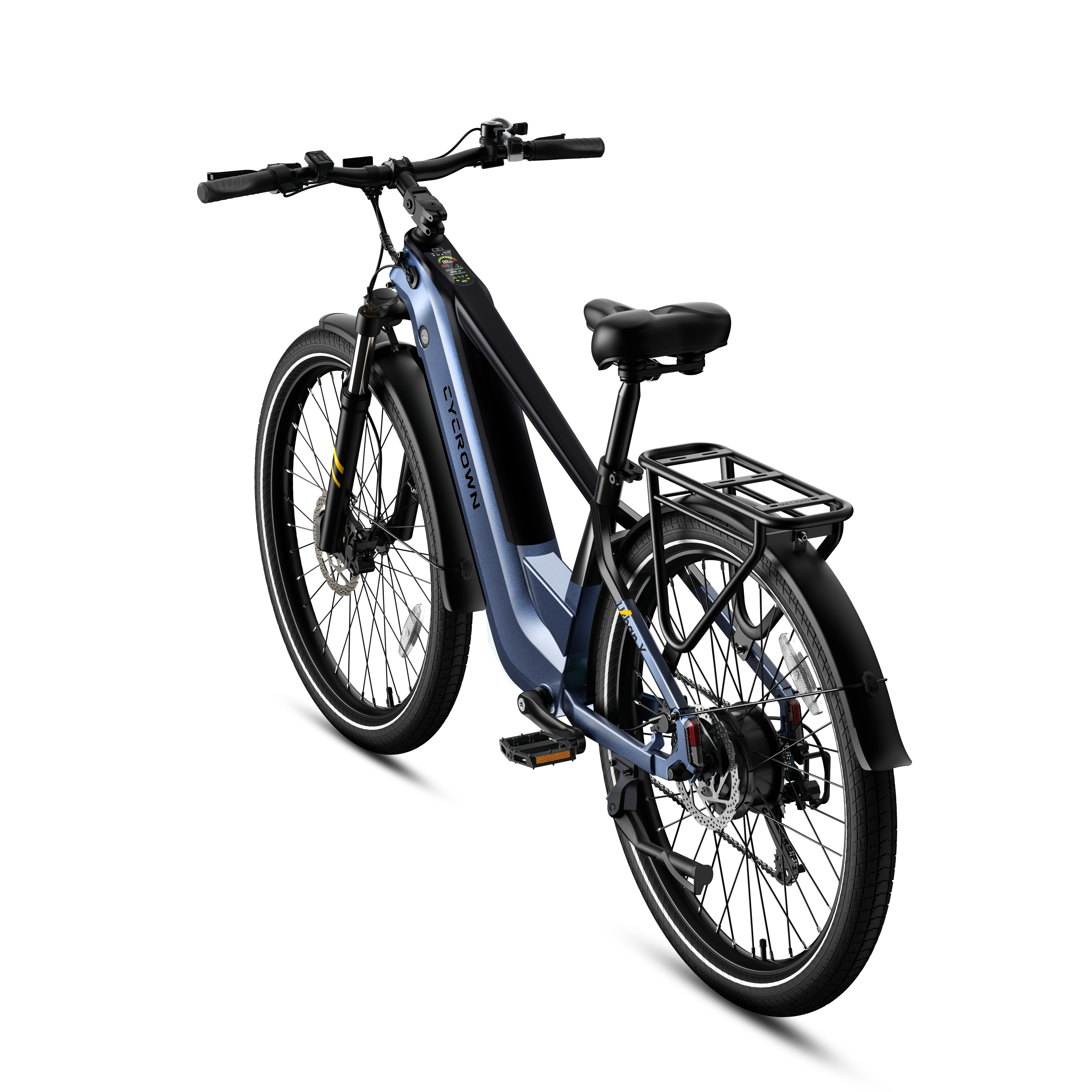
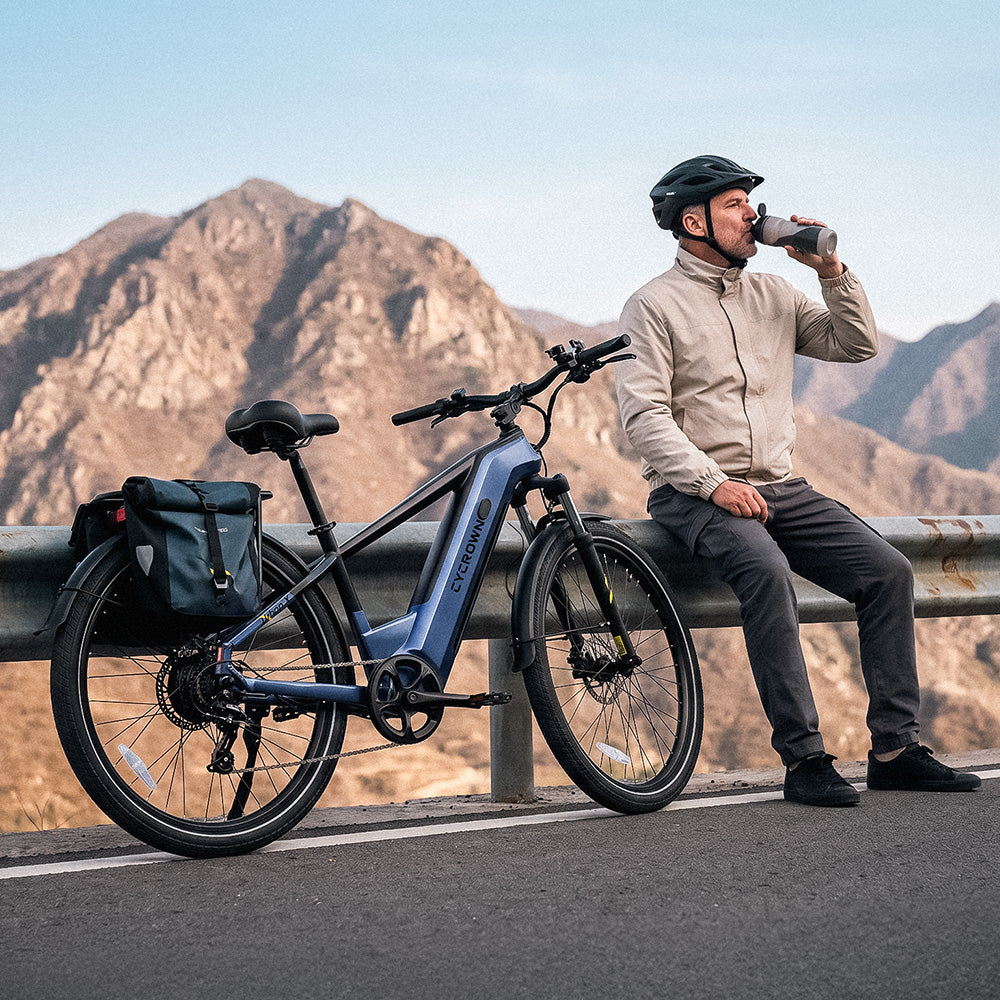
When shopping for an e-bike, riders should still check the model's specifications and classification before riding it on public roads or paths. For example, the Urban X Commuter Ebike is one CYCROWN model riders can review when comparing commuter-oriented e-bike options.
Florida does not set a statewide minimum age specifically for operating an electric bicycle, but local governments may establish minimum age requirements. Riders under 16 are also subject to Florida's bicycle helmet requirement.
Can Local Rules Affect Your Ride?
Yes, and this is where riders most often get caught off guard. Florida electric bike laws set the baseline, but cities, counties, and agencies with jurisdiction over paths and trails can layer on additional restrictions. Some municipalities may regulate e-bike operation on streets, highways, sidewalks, and sidewalk areas, while certain parks or trails can restrict or prohibit e-bike use.
Before heading out on an unfamiliar trail or into a new city, it's worth a quick check of local ordinances or posted trail signage. What's allowed statewide isn't always allowed everywhere, and a five-minute search can save you an unwanted conversation with park staff.
When comparing e-bike options for different types of riding, models such as the Nomad Pro Fat Tire Ebike can be reviewed alongside other CYCROWN models to compare features, specifications, and intended riding styles.
Riding Smart Under Florida's Current E-Bike Rules
Florida e-bike laws are more straightforward than a lot of riders expect. If your bike meets the state's definition of an electric bicycle, you can generally ride it like a bicycle, without a driver's license or vehicle registration, while following the applicable rules for cyclists. The main things to track are your e-bike class, the rules around pedestrians, and any restrictions your city or local trail system has in place.
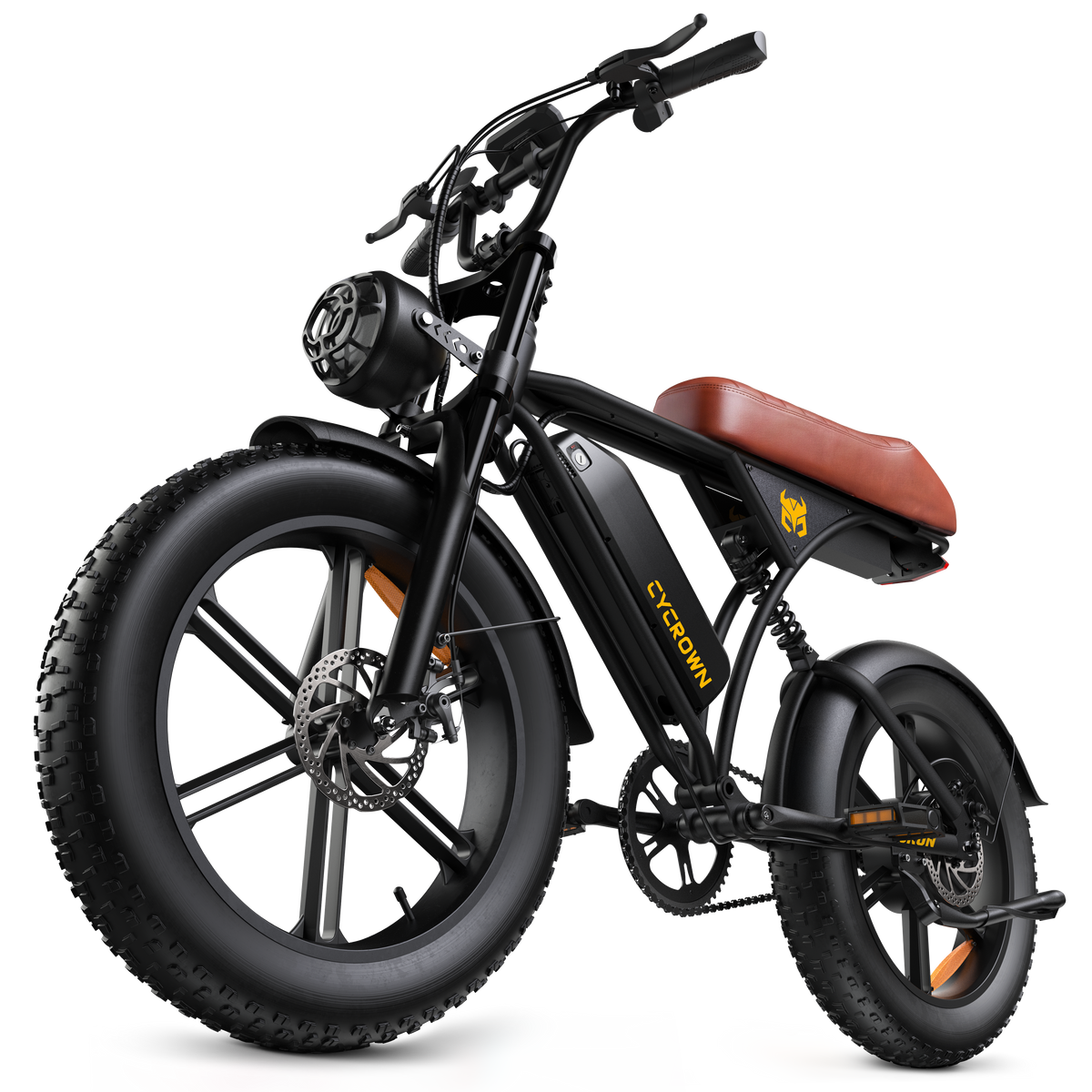
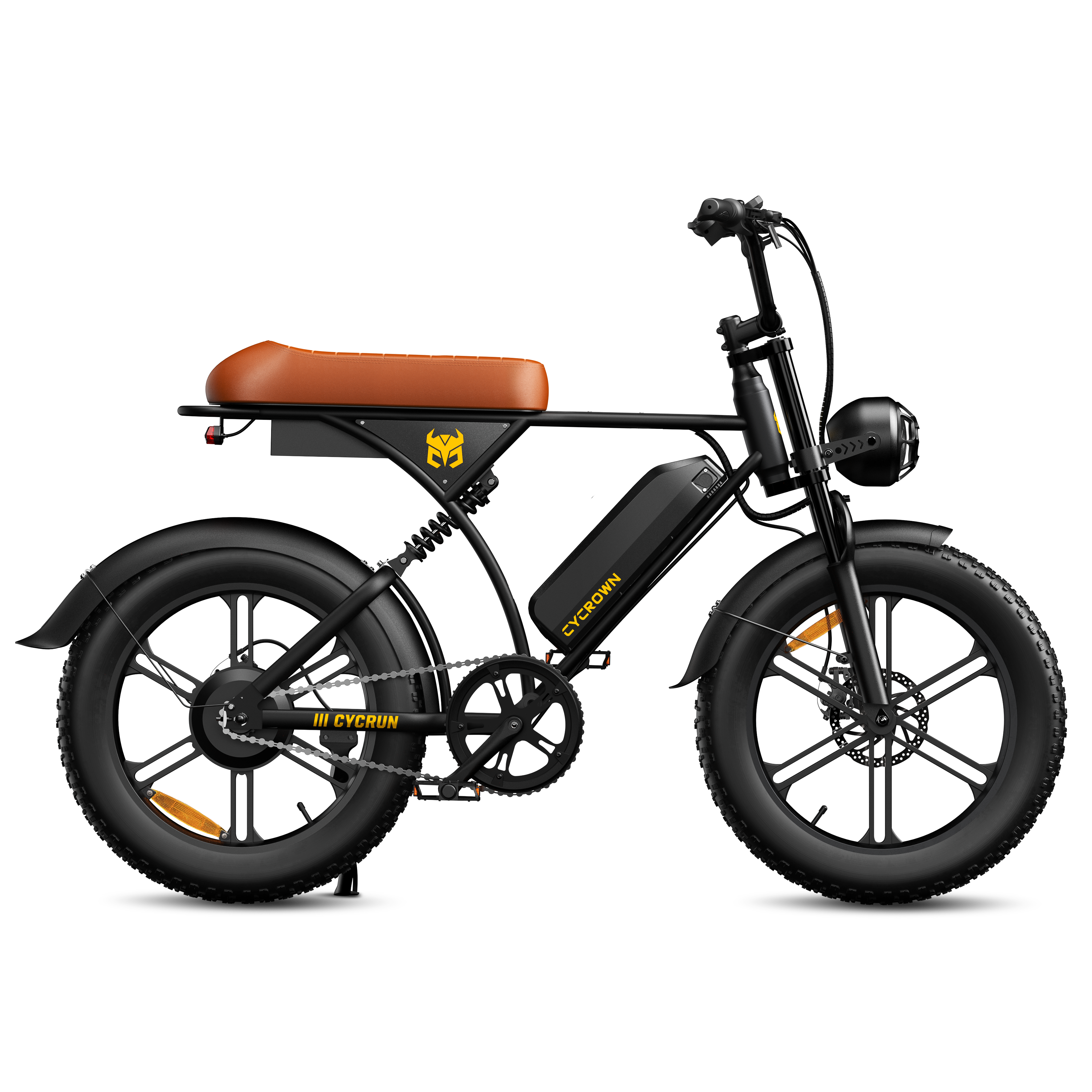
Riders comparing different e-bike styles can also review models such as the CycRun 2.0 Vintage Moped Ebike to better understand how different designs and specifications fit their riding needs. Always check the bike's specifications and applicable local rules before riding.

Micromobility rules are still evolving in Florida, so it's worth watching future legislative sessions, even though the stricter pedestrian speed rule proposed in 2026 did not become law.
What Florida Riders Want to Know
Do I need a license to ride an e-bike in Florida?
No. A standard driver's license and vehicle registration are not required for a qualifying e-bike under Florida law.
Can I ride a Class 3 e-bike on a bike path in Florida?
Florida law generally allows electric bicycles where bicycles are allowed, but local governments and agencies with jurisdiction over bicycle paths, multiuse paths, and trail networks can impose additional restrictions or prohibit e-bike use. Check the rules for the specific path before riding.
Is there a statewide 10 mph limit near pedestrians in Florida?
No. A 2026 bill proposed such a restriction, but SB 382 was vetoed and the proposed provision did not become state law. Current pedestrian and local-use rules still apply.
Do e-bike riders need a helmet in Florida?
Florida's state bicycle helmet requirement applies to riders under 16 years old.
Can cities restrict where I ride my e-bike?
Yes. Local governments and agencies can establish additional rules for e-bike operation, including restrictions on sidewalks, bicycle paths, multiuse paths, and trail networks within their jurisdiction.


