









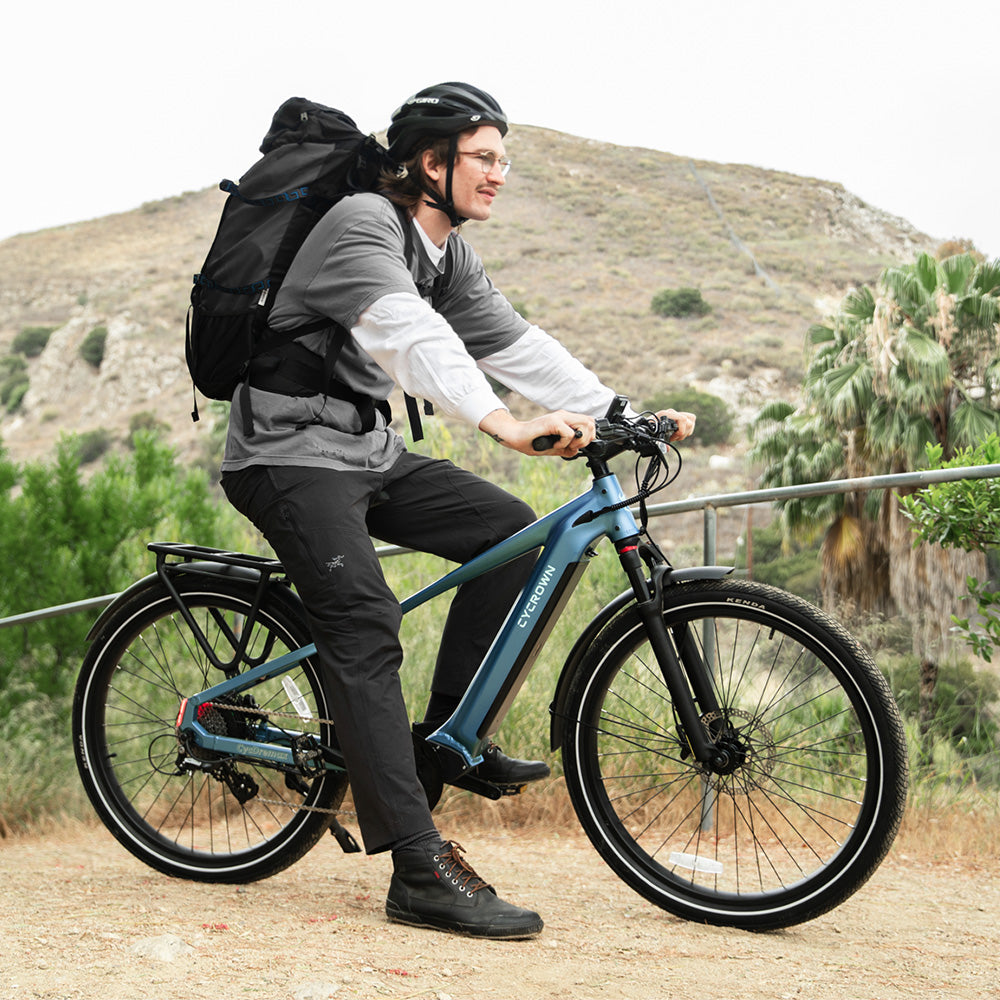


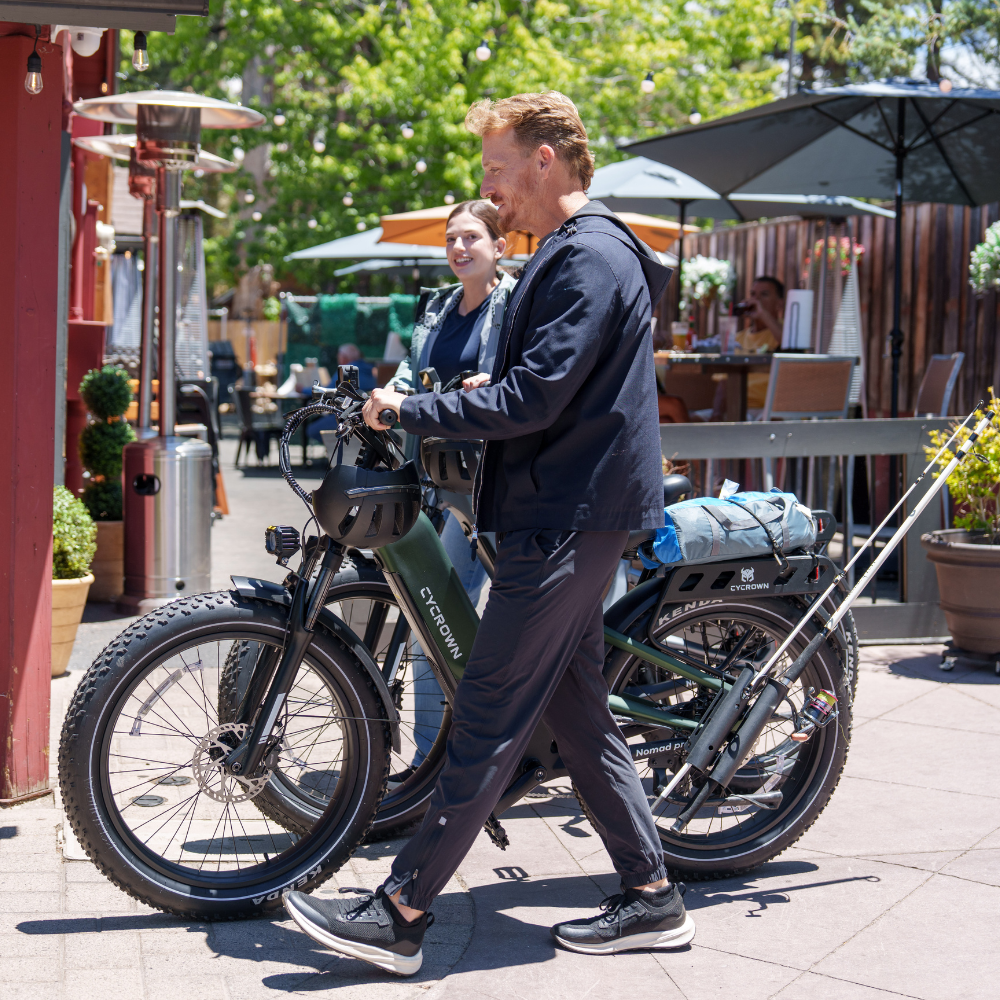
Stop Comparing Specs. Start With Your Commute.
The best college e-bike isn't the model with the flashiest spec sheet. It's the one that matches how far you actually ride, what your campus terrain looks like, where you'll store it, and what you can afford. Most guides to electric bikes for college students rank models by top speed or battery size and call it a day. That approach is backwards. The right way to shop starts with your own routine, then works forward to the bike.
This guide walks through six questions that matter more than any spec sheet: your commute distance, campus terrain, storage space, budget, cargo needs, and riding experience. Answer these honestly and you'll land on the right pick among electric bikes for college students, not just a popular one.
Step 1: Map Out Your Actual Commute Distance
Among electric bikes for college students, distance is the single factor that narrows down options fastest, so start here.
Before you look at a single model, figure out how far you're really riding each day. A student walking five minutes from a dorm to the quad has very different needs than someone commuting three or four miles from an off-campus apartment.
If your daily round trip stays under five miles, almost any commuter e-bike will get you there with battery to spare. Once you're commuting farther, or riding to a part-time job across town, range starts to matter more. This is where a long range e-bike earns its price tag. Models like the Nomad Pro Fat Tire Ebike are built with bigger batteries specifically so you're not calculating charge percentage between classes.
Step 2: Read Your Campus Terrain
Not all campuses ride the same. Hilly quads, gravel paths, brick walkways, and steep parking structures all put different demands on a motor and tires. A flat, paved campus is forgiving of almost any setup. A hillier one calls for stronger torque and better traction.
Terrain also affects how much battery you'll burn climbing and how local rules classify your bike, which is worth a look through CYCROWN’s breakdown of electric bike top speed and classes before you commit to a model built for higher speeds than your campus paths really need. Hillier routes are one more reason a long range e-bike is worth the extra cost.
Step 3: Measure Your Storage Space Before You Buy

Storage is where a lot of first-time buyers get caught off guard. Dorm rooms, shared apartments, and campus bike racks all come with real size limits, and a full-size bike that looked fine online can turn into a hallway obstacle.
Think through where your bike will actually live:
-
A dorm room or small shared space, where a compact e-bike that fits beside a desk or in a closet makes daily life easier
-
A campus bike rack, where you'll want a reliable lock and a model light enough to lift over a curb or step
-
An apartment with a garage or storage unit, where a larger frame is less of a hassle
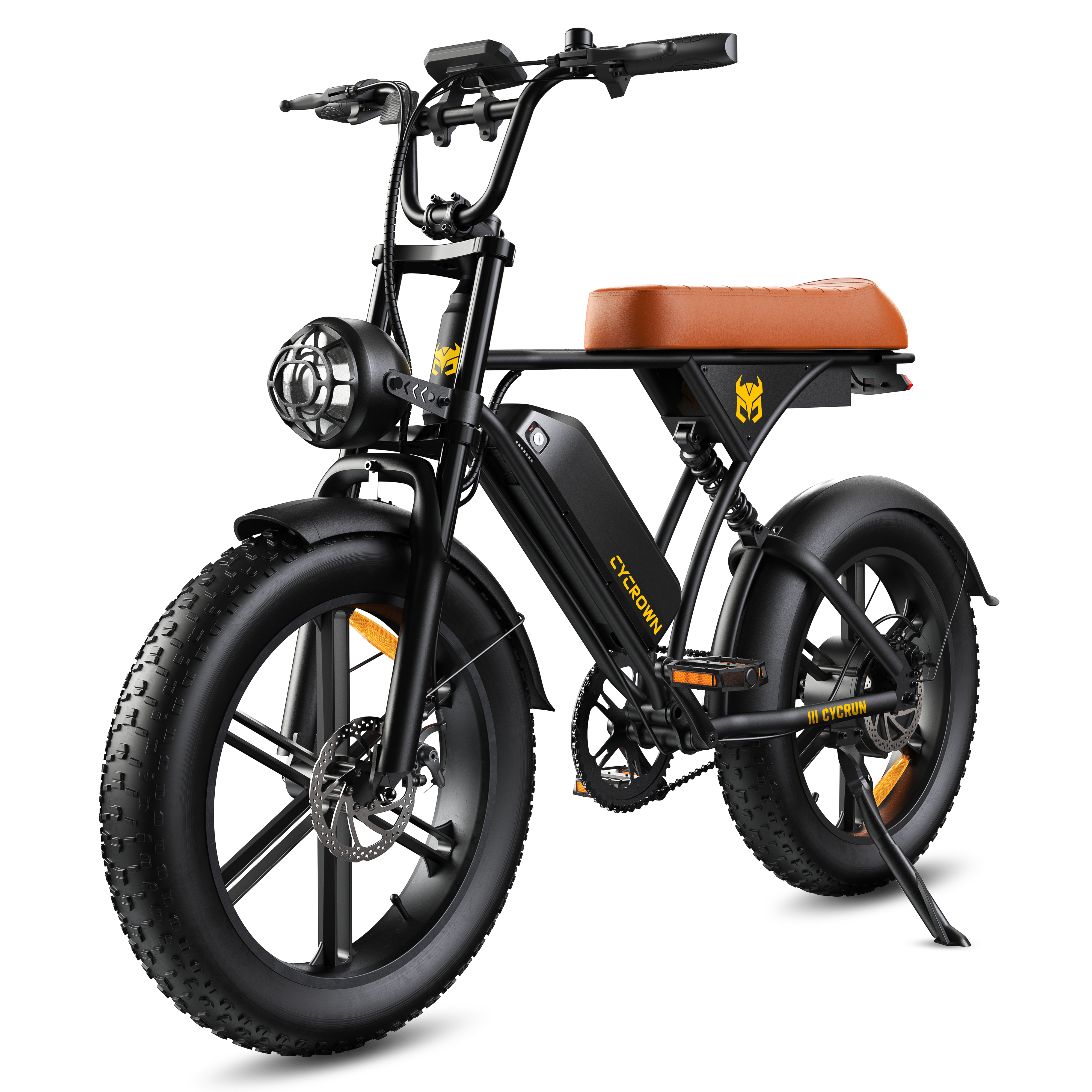
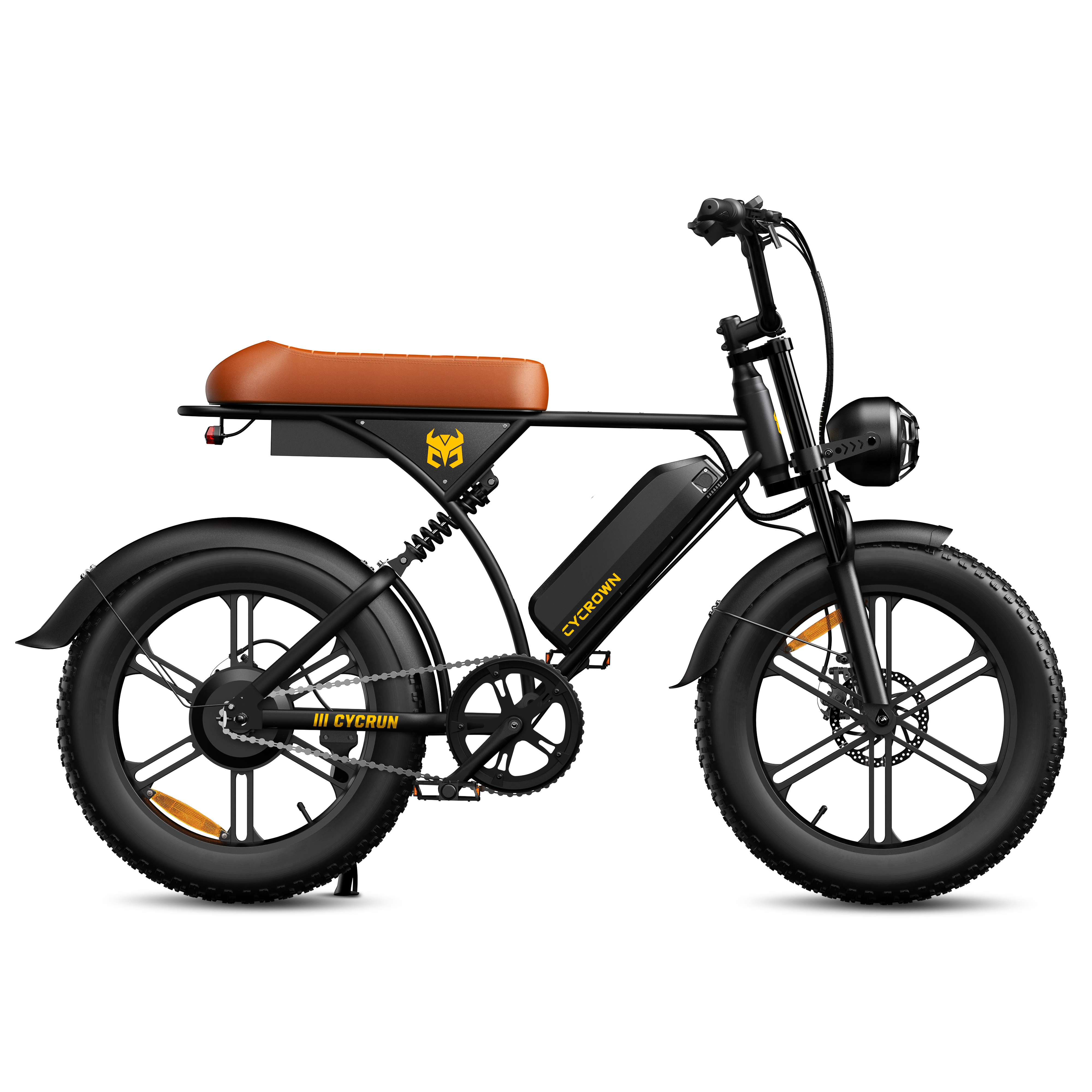
If space is tight, something like the CycRun 2.0 Vintage Moped Ebike is worth a look. It's built as a compact e-bike from the ground up, without sacrificing the range most electric bikes for college students need for a full week of classes. And whatever you ride, a reliable lock matters as much as the bike itself, so our guide on resetting a bike lock combination is a good one to bookmark before move-in week.
Step 4: Set a Budget That Covers More Than the Bike
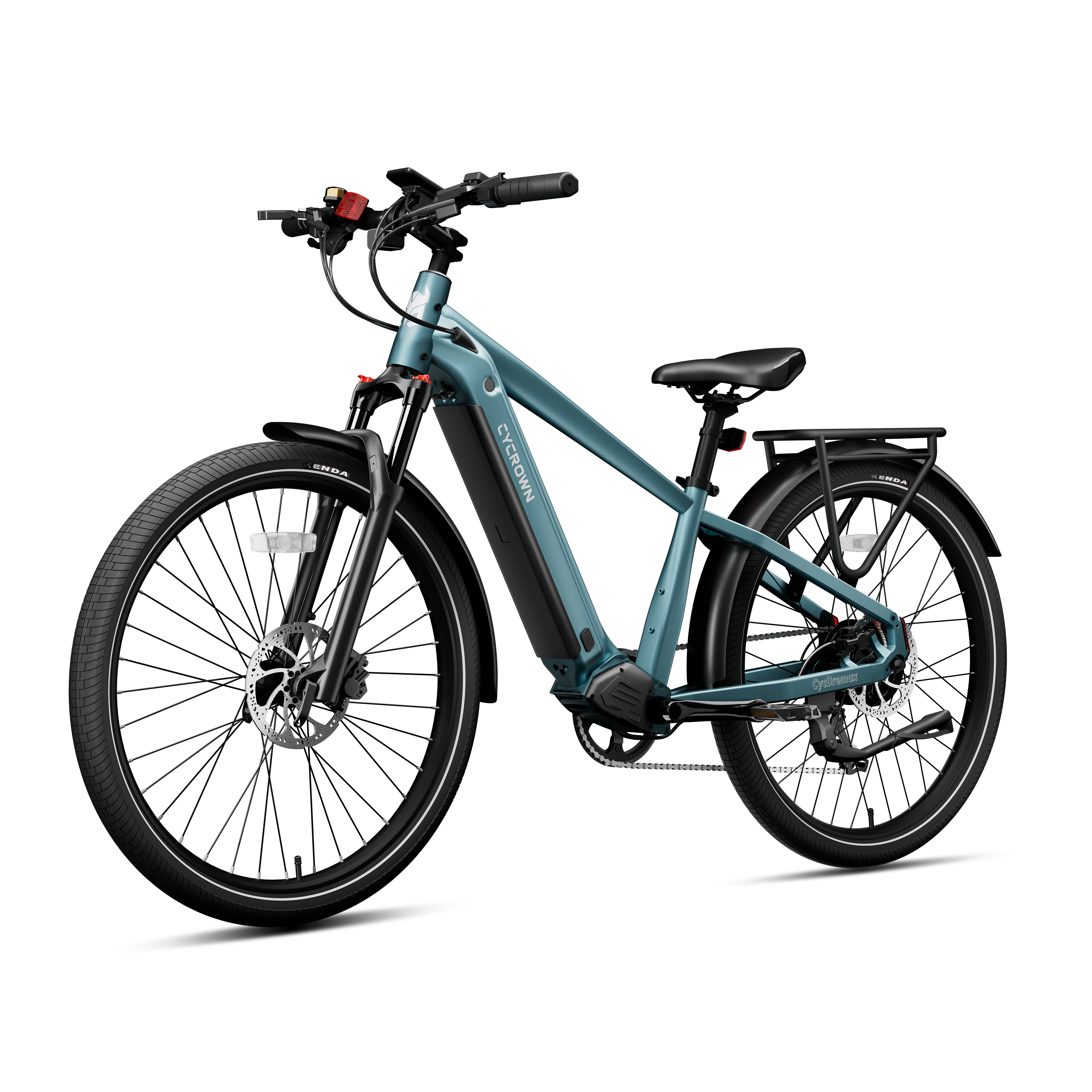
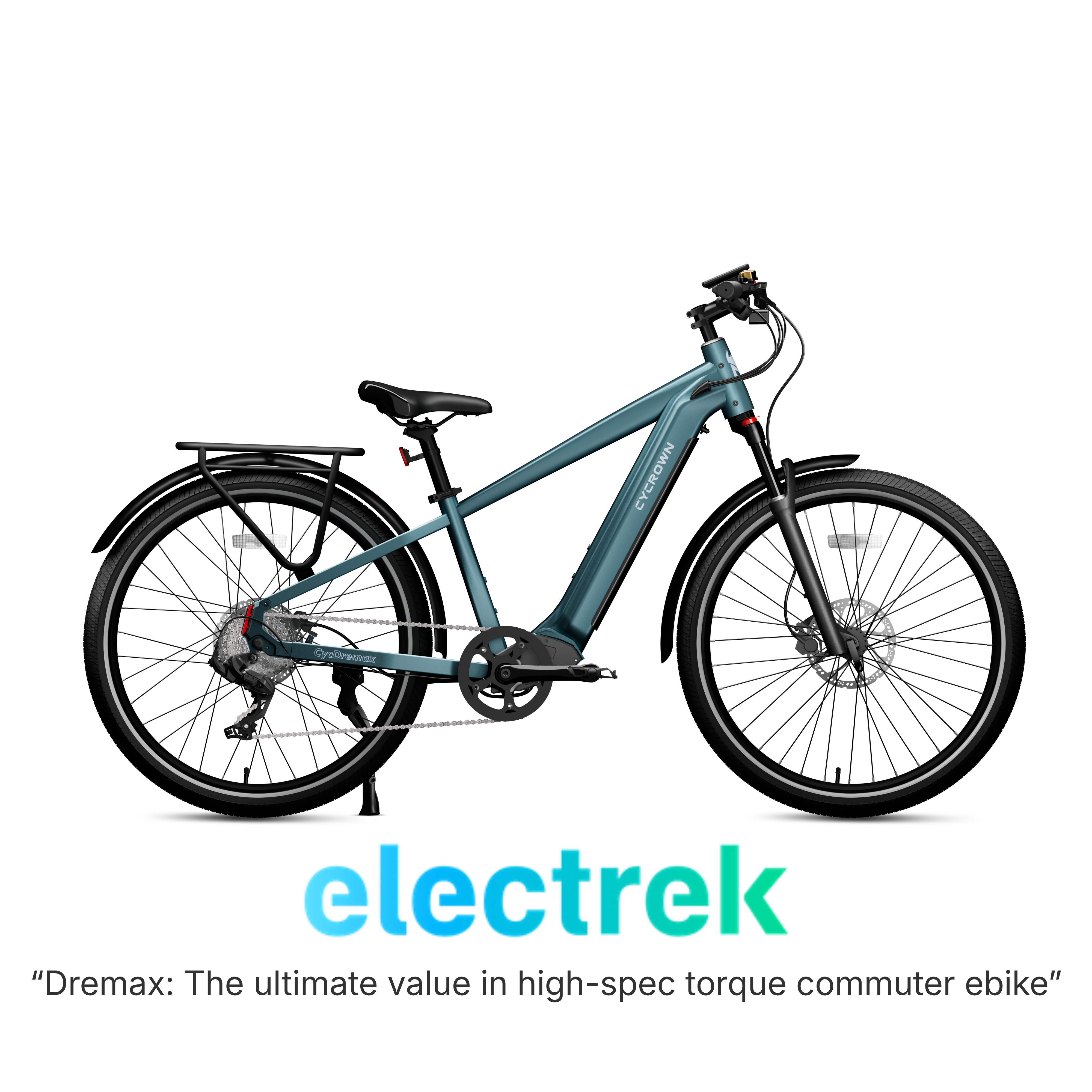
The sticker price is just the starting point. Factor in a lock, a charger you can leave in your room, possibly a helmet, and basic maintenance over the school year. Some models, like the Dremax Commuter Ebike, are built specifically to keep upfront cost down while still covering daily-commute range, which makes it a solid entry point if this is your first time shopping for a commuter e-bike.
It's also worth thinking about this semester. A bike you'll still want to ride senior year is worth more than one that barely survives finals week, whether you're eyeing a budget commuter e-bike or splurging on more range.
Step 5: Think About What You'll Actually Carry
Backpacks, laptops, gym bags, a grocery run on the way home. Cargo needs are easy to overlook until you're standing in a parking lot with more stuff than storage. A few common scenarios:
-
Daily class schedule only: a rear rack or basket handles a backpack and laptop without issue
-
Part-time job or grocery runs: look for a model rated for panniers or a larger front basket
-
Group project gear or sports equipment: prioritize a higher payload capacity and a sturdier frame
If you're regularly carrying more than a backpack, it's worth checking a model's max payload before you buy, not after.
Step 6: Be Honest About Your Riding Experience
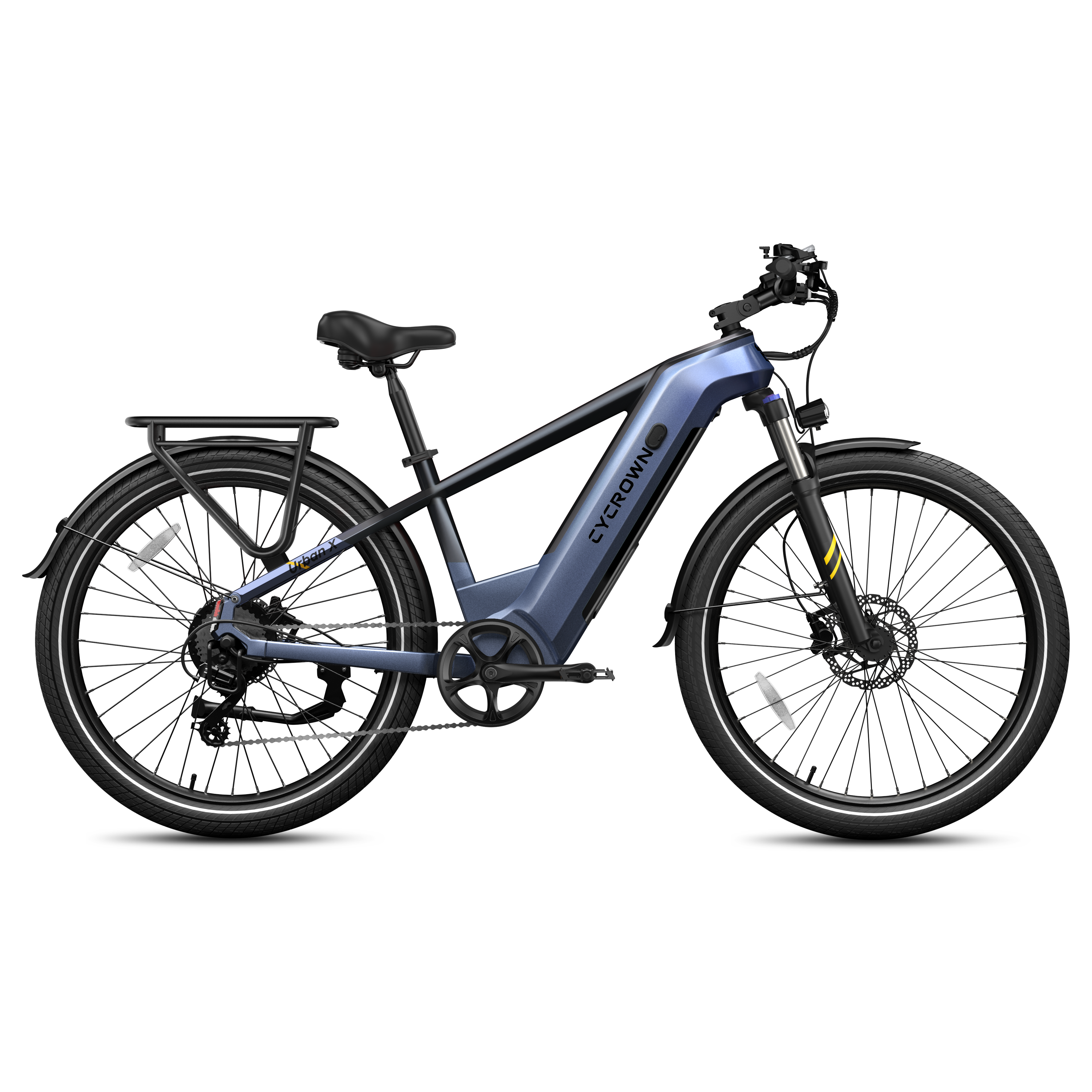
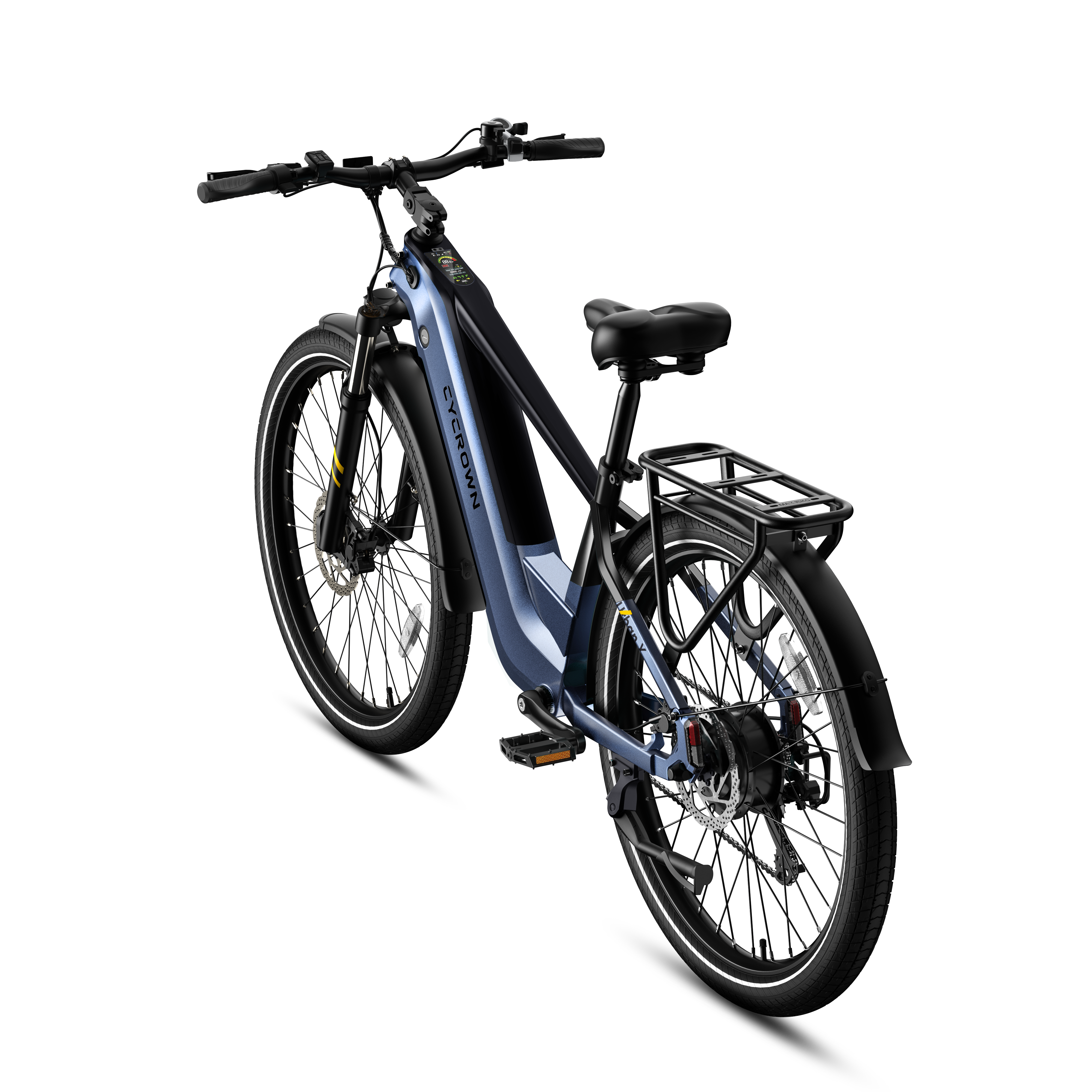
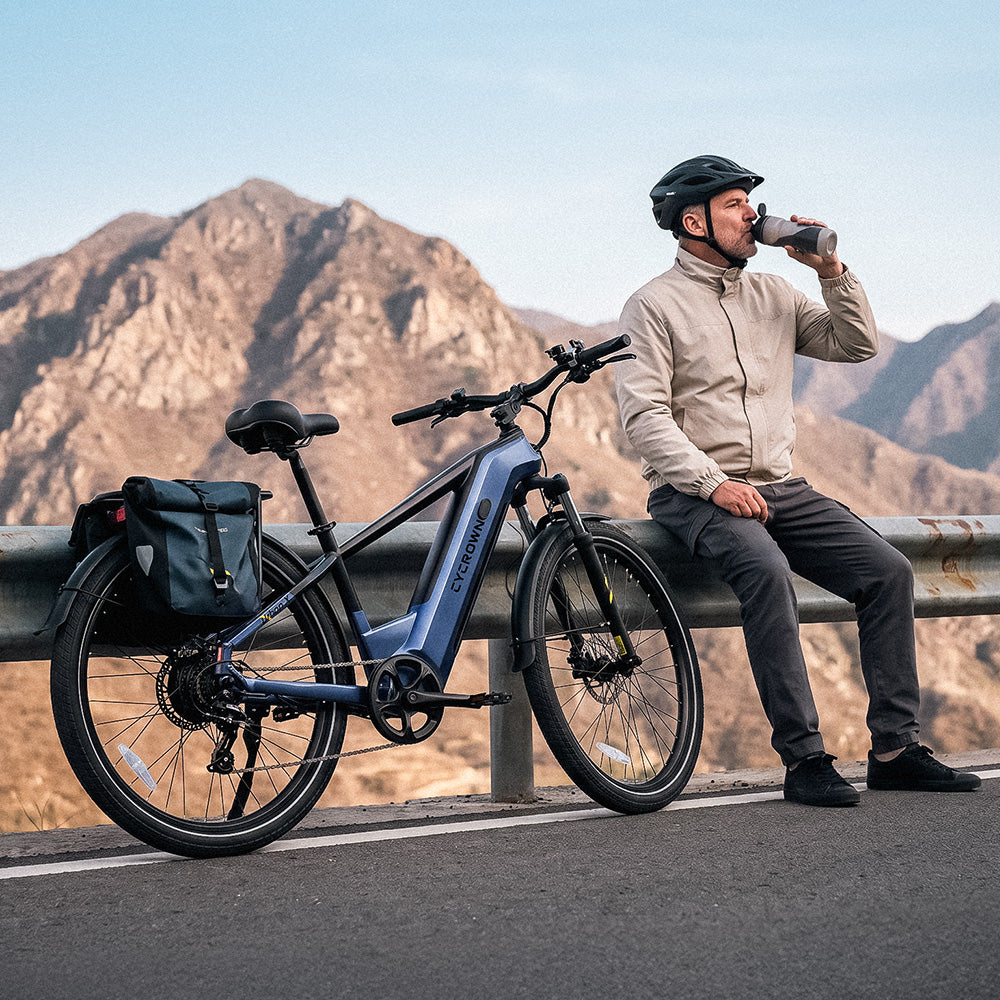
If you've never ridden an e-bike before, an upright riding position and predictable throttle response matter more than top-end power. This is where a comfort e-bike makes the most sense: something built for stability and easy handling on your first few rides, rather than performance riding, since a comfort e-bike prioritizes control over speed. The Urban X Commuter Ebike, for example, pairs a comfort e-bike riding position with commuter-focused range, which makes it a fairly forgiving option for new riders who still want daily-use range.
More experienced riders who are already comfortable on two wheels have more room to prioritize speed or range over ease of handling.
Your Six Answers, One Right Bike
Run through commute distance, campus terrain, storage space, budget, cargo needs, and riding experience, and the right choice usually becomes obvious. Not because one bike is objectively best, but because it's the one built for your actual semester. That's the real difference between generic "best e-bike" lists and picking one of the many electric bikes for college students that actually fits your life on campus.
What Riders Want to Know
How much does a college e-bike cost?
Entry-level commuter e-bike models built for students typically start under $1,000, such as CYCROWN’s Moped style e-bikes, while ones with expanded range or full suspension can climb past $1,500 before discounts.
Do I need a special license to ride an e-bike on campus?
Most standard electric bikes for college students fall under bicycle classifications in the U.S. and don't require a license, but campus-specific rules can vary, so check with student services.
How far can I go on a single charge?
Range depends heavily on terrain and rider weight, but a long range e-bike built for commuting can typically cover 60 to 90 miles per charge under normal conditions.
What if my e-bike display glitches during the semester?
It happens more often than you'd think, especially after a firmware update. Our guide on how to reset an e-bike display walks through the fix for most common screen issues.
Is a compact e-bike less durable than a full-size model?
Not necessarily. A compact e-bike is built smaller for storage and handling, not lighter-duty parts, so frame size alone shouldn't be treated as a durability signal.


