








Start With Heat, Not Speed
The safest way to ride an e-bike in summer heat is to plan around temperature, hydration, battery care, tire condition, route shade, and your own energy level before you ride. Hot weather can affect your focus, comfort, braking distance, battery performance, and tire pressure, so summer riding needs a slightly different routine than spring or fall riding.
That does not mean e-bike riding should stop when the temperature rises. It just means riders need to treat heat as part of the route. A 5-mile ride in mild weather can feel very different from the same 5-mile ride at 95°F on open pavement.
Whether you are commuting through Austin, riding beach paths in San Diego, exploring park roads near Denver, or taking weekend routes around Florida’s coastal towns, summer conditions deserve respect.
Ride Earlier or Later When You Can
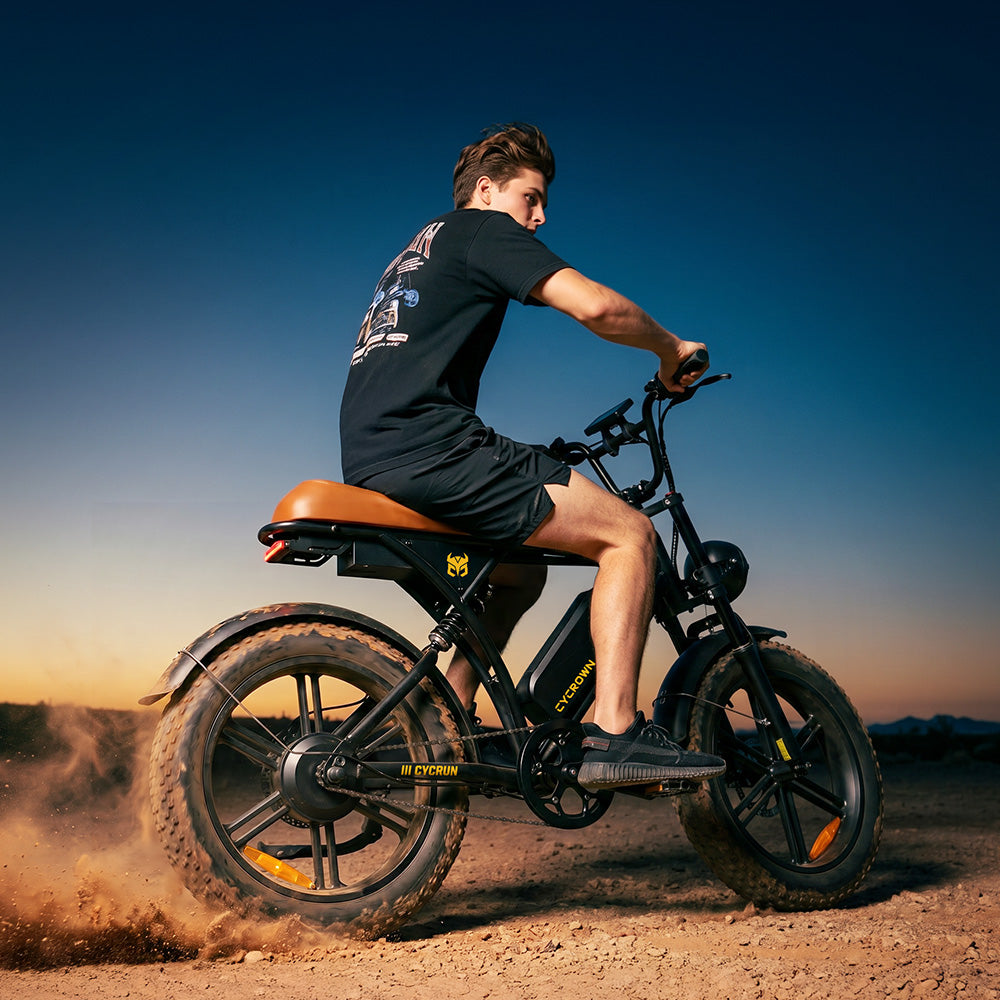
Midday heat is usually the hardest time to ride. Pavement absorbs heat, traffic gets heavier, and direct sun can drain your energy faster than expected. If your schedule allows, ride in the morning or early evening.
For daily commuters, even a small schedule shift can help. Leaving 30 minutes earlier may mean cooler air, lighter traffic, and fewer heat-related distractions. Evening rides can also be comfortable, but use lights because sunset glare and low visibility can make riders harder to see.
If you ride after dark, CYCROWN’s e-bike lights collection is a practical internal link here. Summer evenings are lovely, but “I thought they saw me” is not a strong safety plan.
Protect Yourself From Heat Stress

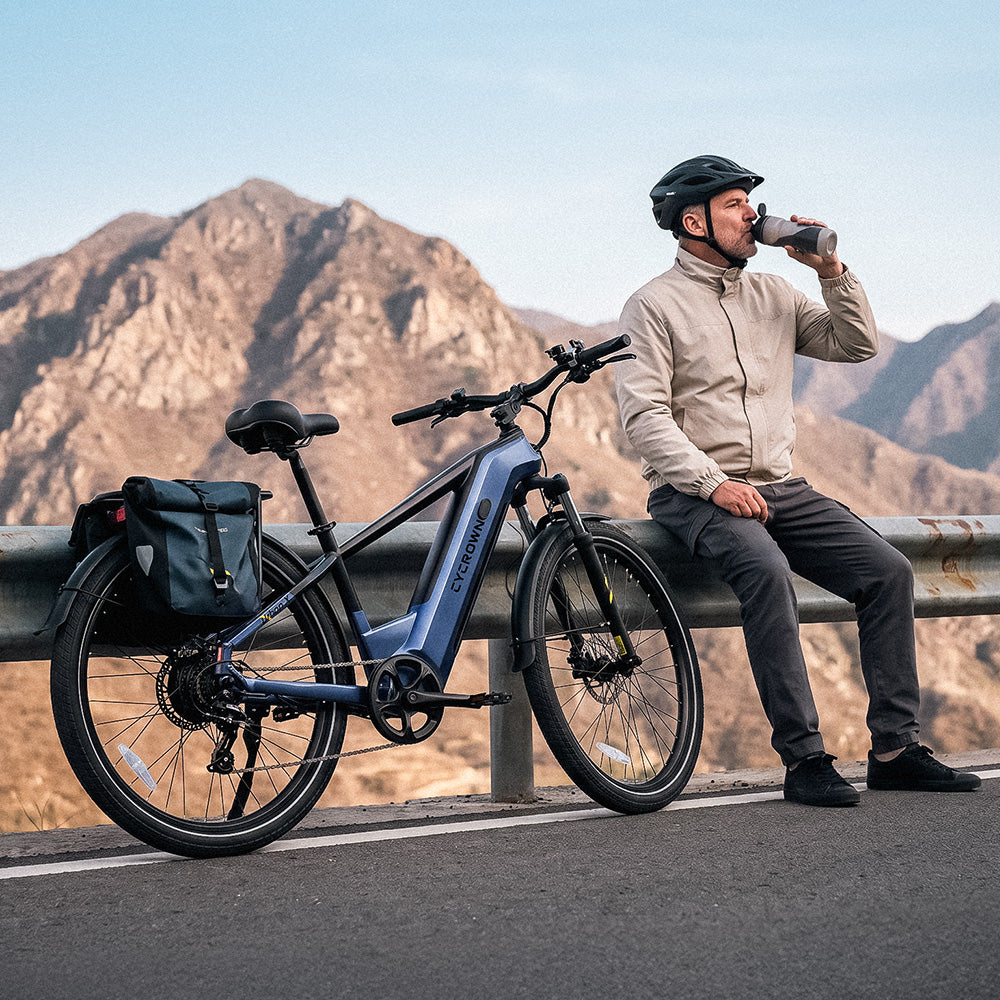
Heat affects the rider before it affects the bike. Dehydration, dizziness, fatigue, and slower reaction time can make a normal ride feel harder.
Before longer summer rides, drink water before you leave. Carry water if your ride is more than a quick errand. In dry places like Arizona, Nevada, or inland California, dehydration can sneak up quickly. In humid areas like Houston, New Orleans, or Miami, sweat may not cool you as efficiently.
Watch for warning signs:
-
Headache or dizziness
-
Unusual fatigue
-
Muscle cramps
-
Confusion or poor focus
-
Feeling chilled despite hot weather
If you feel off, stop under the shade, drink water, and cool down. The ride can wait. Your balance and attention are part of the safety system.
Dress for Sun, Comfort, and Visibility
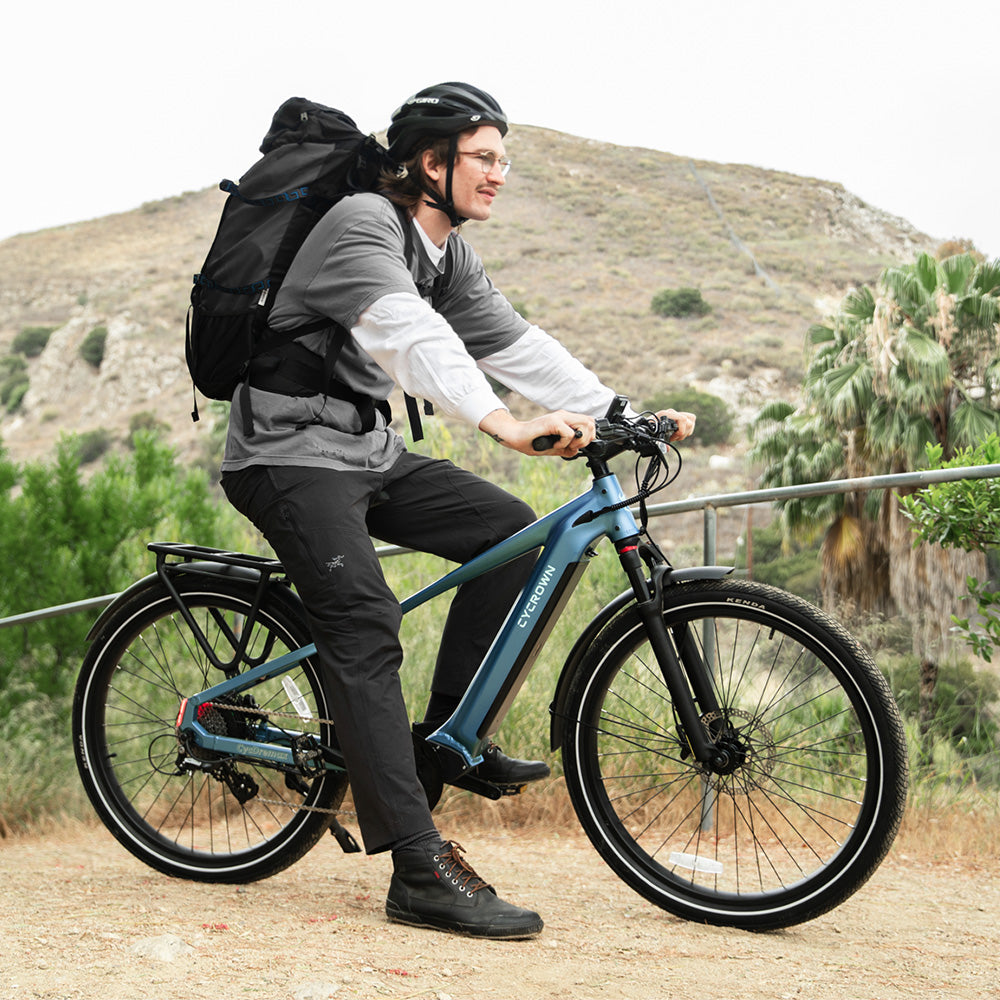
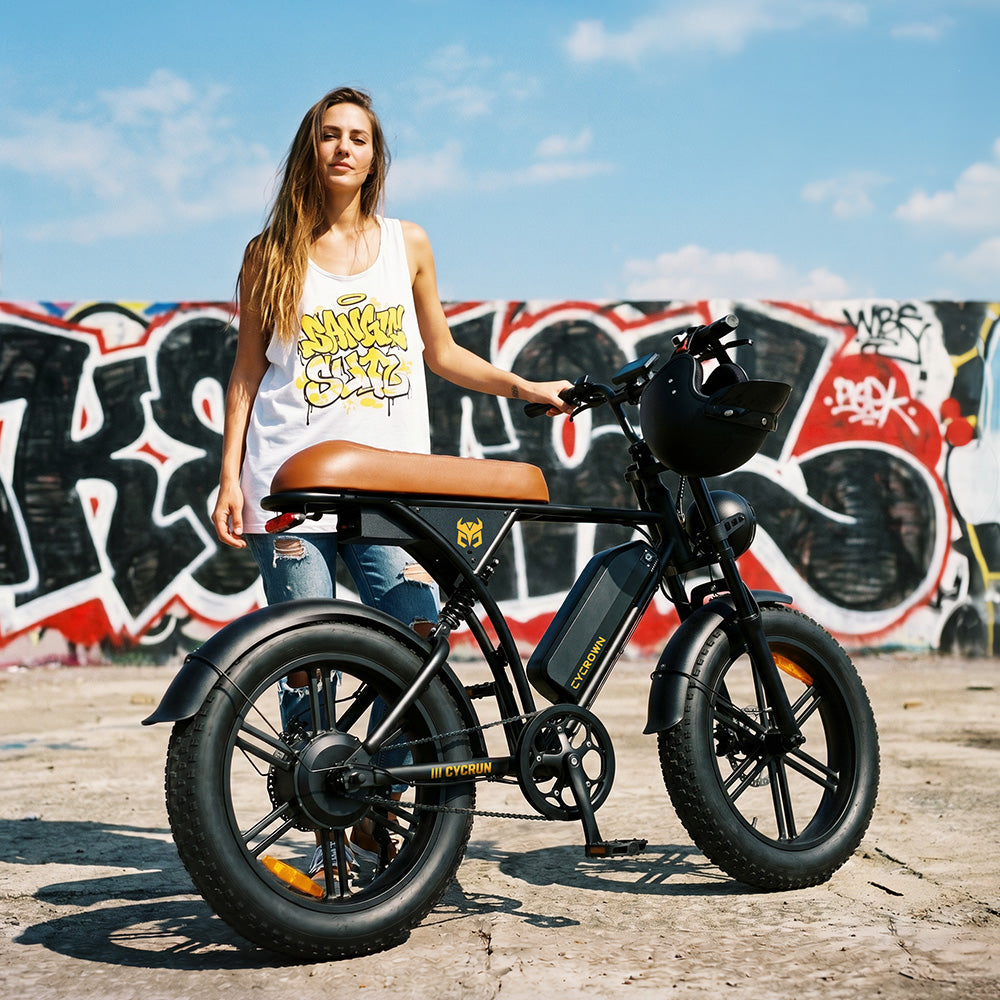
Summer riding gear should keep you cool without making you invisible. Choose breathable clothing, closed-toe shoes, sunglasses or protective eyewear, and a well-fitted helmet.
Light colors can help reflect heat, while reflective details help drivers notice you. Gloves can also help if your hands sweat on the grips. For longer rides, consider sun sleeves or lightweight UV-protective layers instead of riding with exposed skin for hours.
CYCROWN's accessories collection is useful for riders looking at helmets, bags, mirrors, locks, racks, and other items that make summer riding easier without turning the bike into a rolling storage closet.
Check Tire Pressure More Often
Heat can affect tire pressure, and tire pressure affects comfort, range, grip, and handling. Underinflated tires can make the motor work harder. Overinflated tires can feel harsh on rough pavement.
Check tire pressure before regular rides, especially if the bike has been sitting in a hot garage, shed, or carport. If your route includes rough pavement, gravel, or beach-adjacent paths with sand patches, tires matter even more.
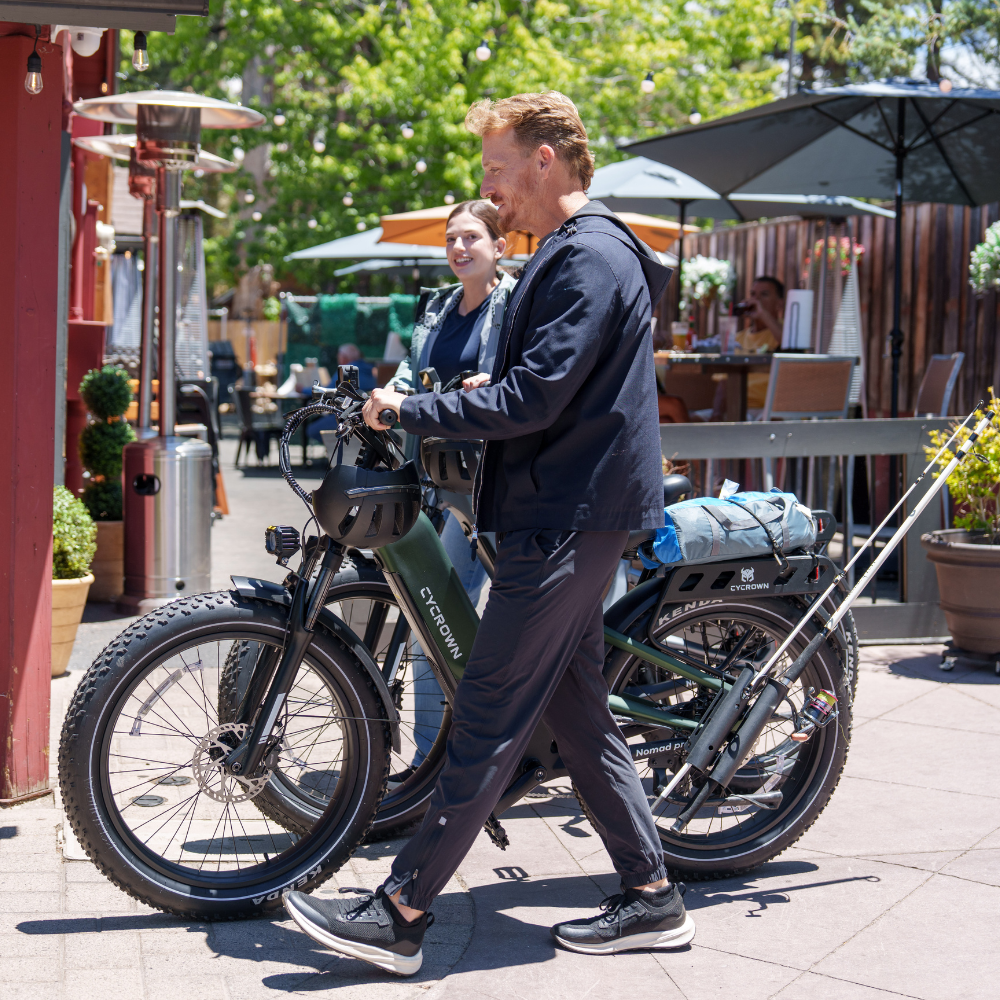
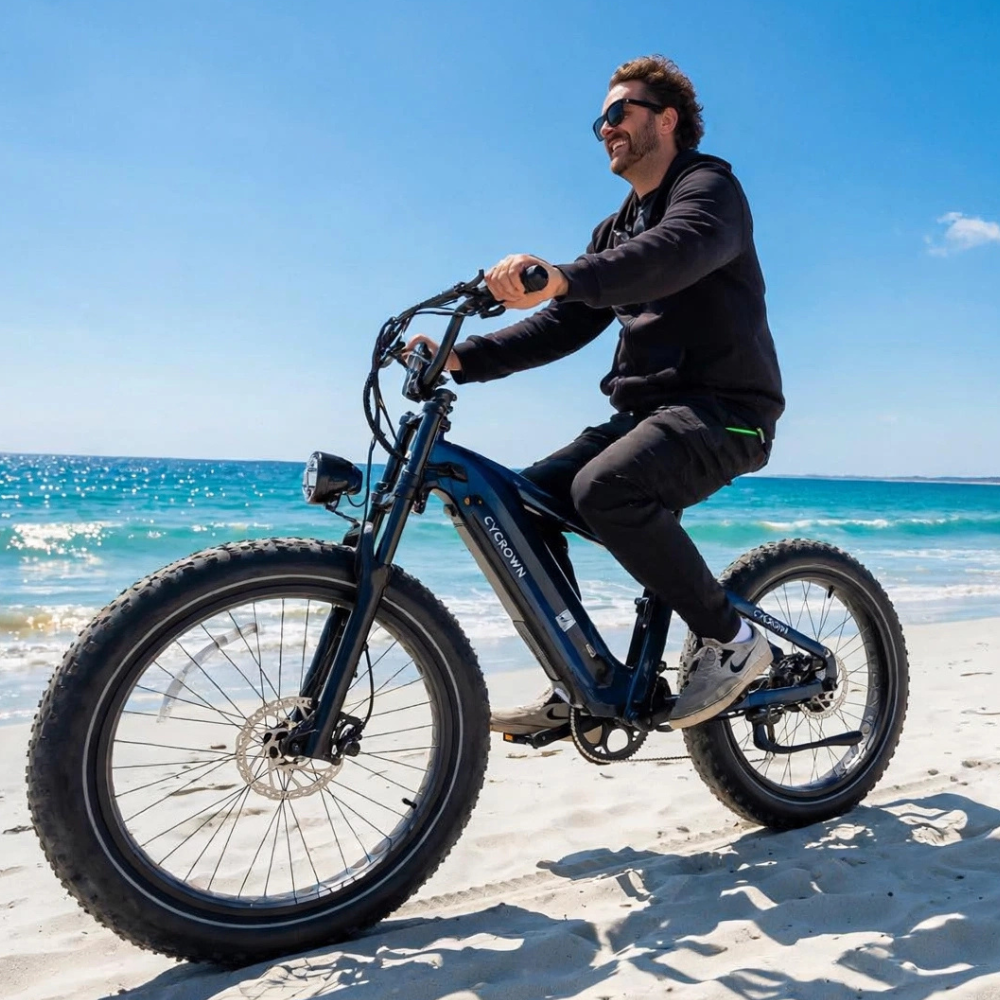
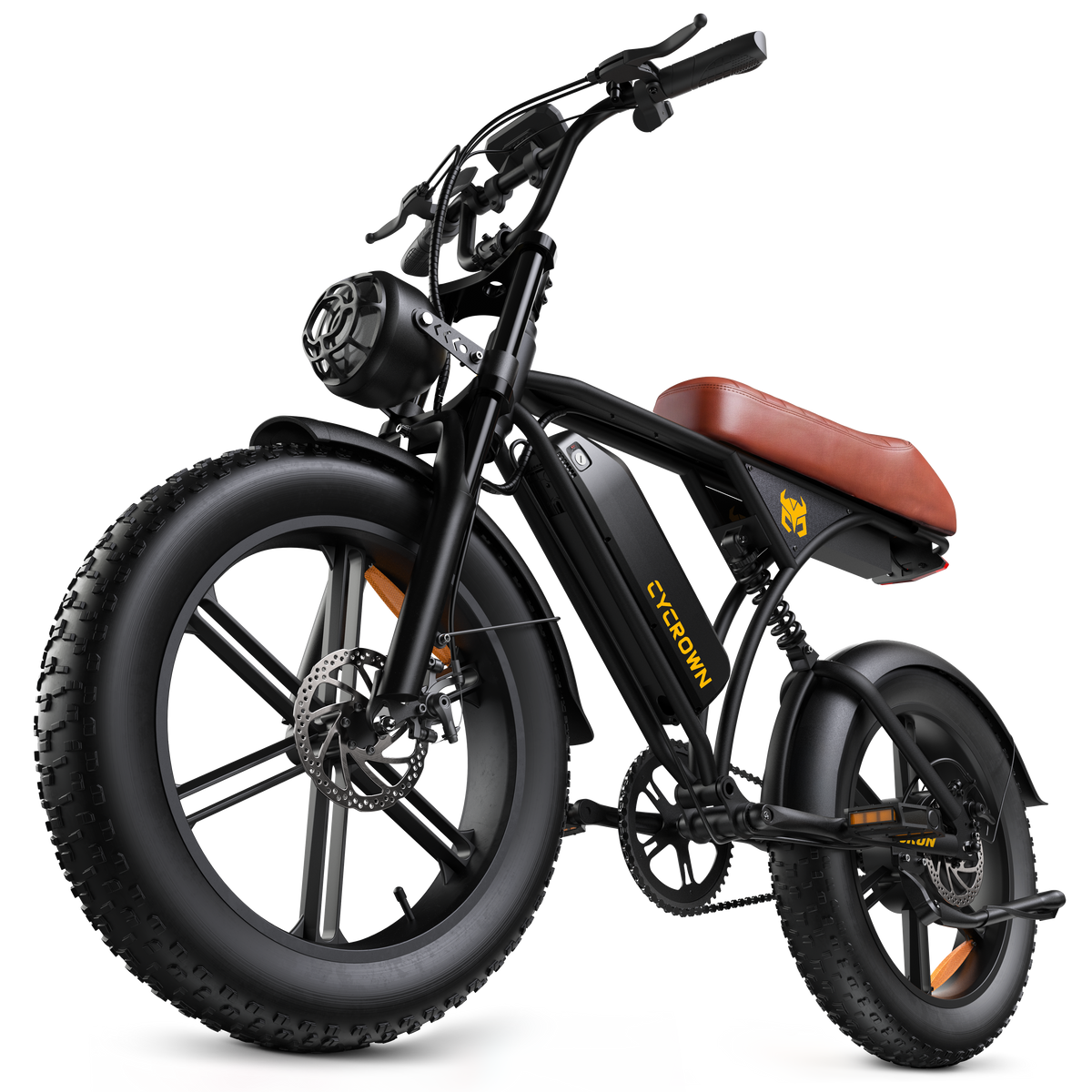
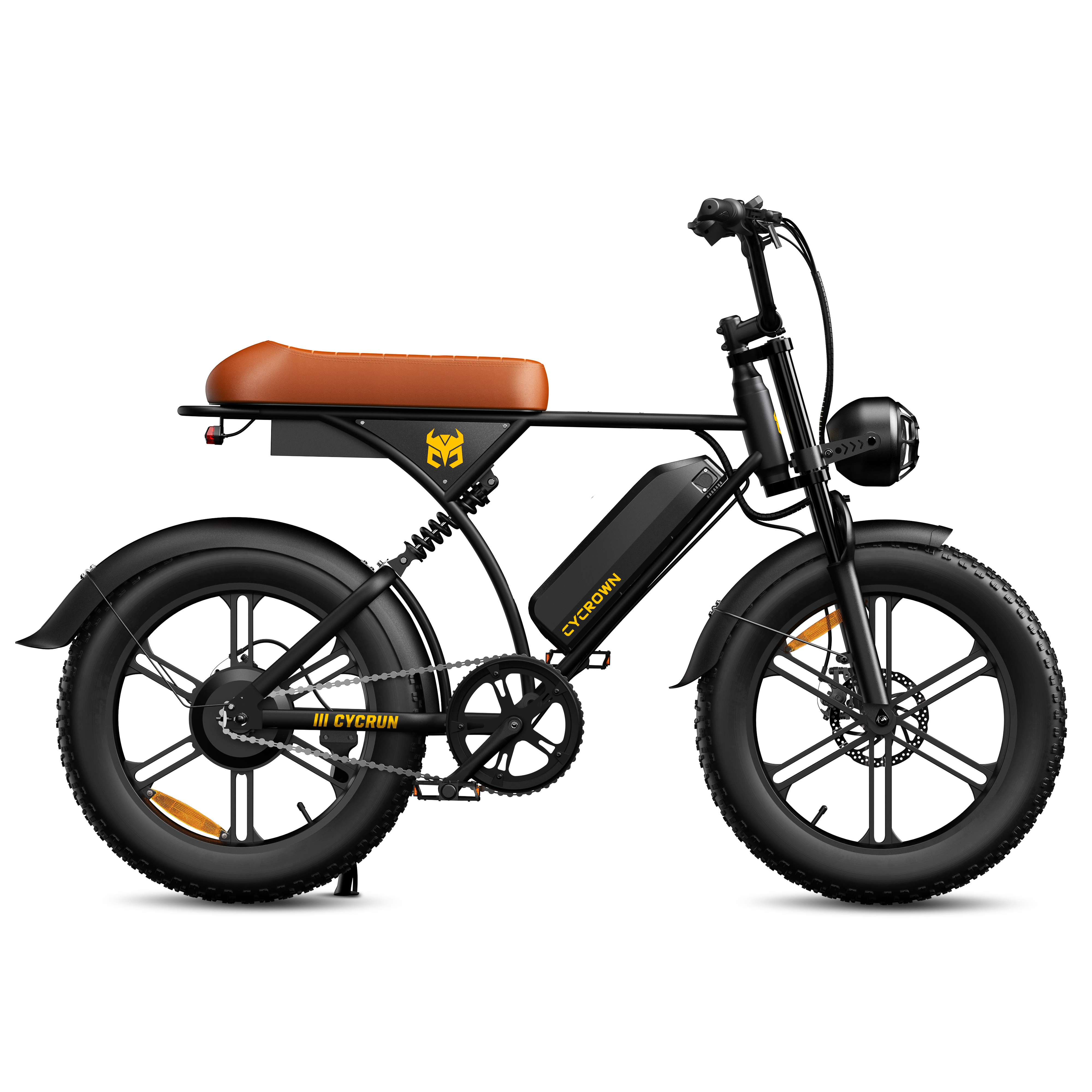
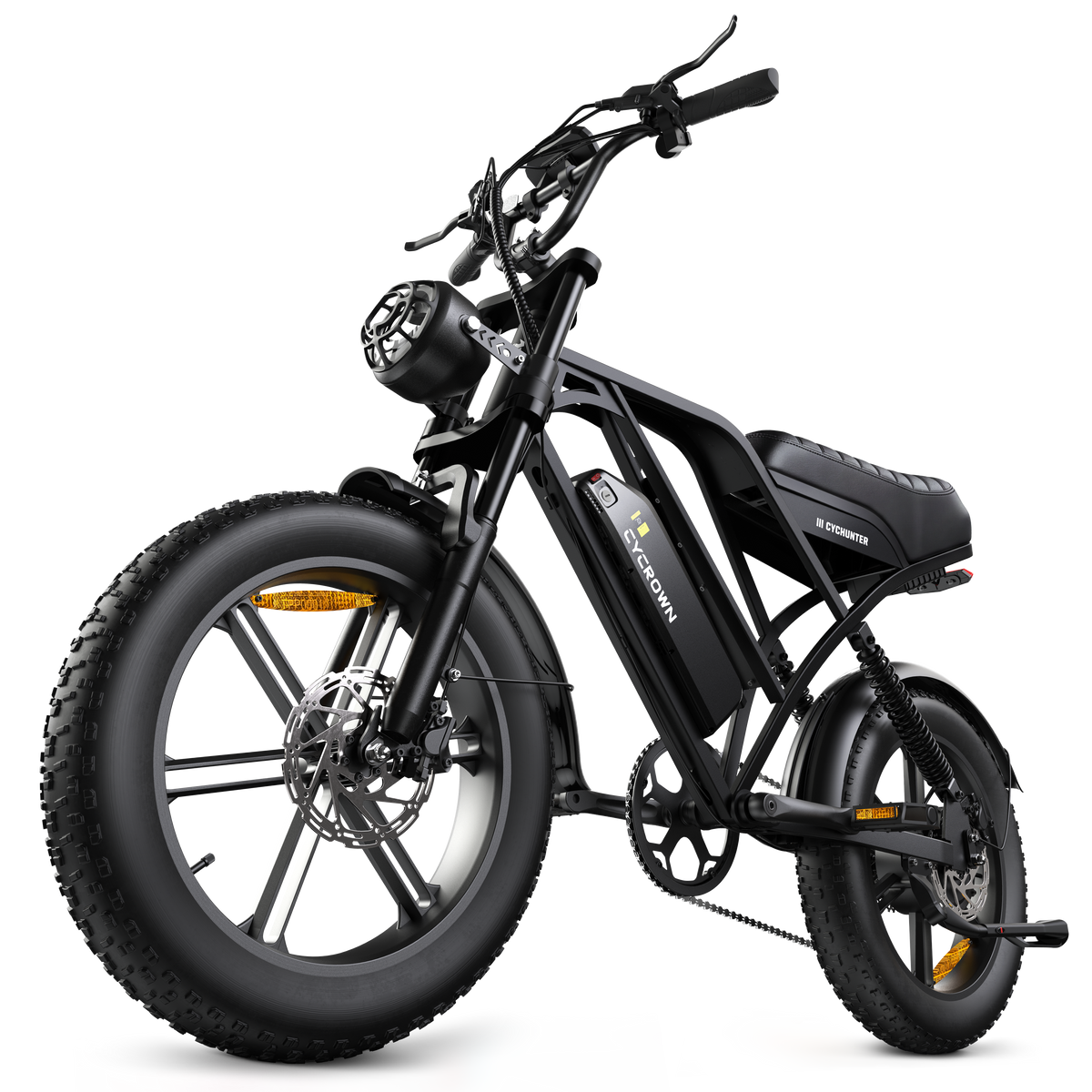
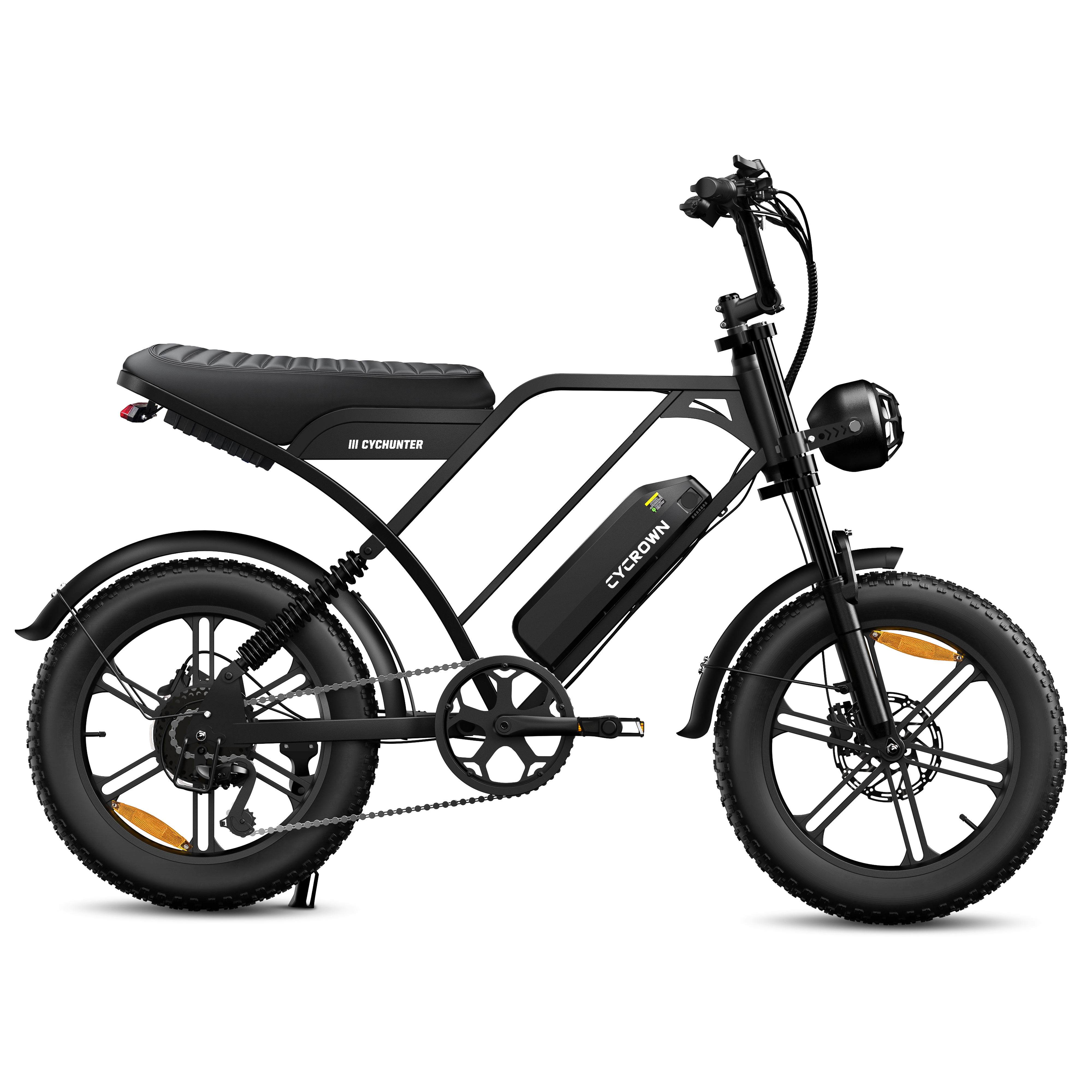
Fat tire models can feel more stable on mixed surfaces. The Nomad Pro Fat Tire E-Bike is one example from the US lineup for riders who want extra comfort and traction on varied summer routes.
Keep the Battery Cool When Possible
E-bike batteries do not love extreme heat. High temperatures can affect range and long-term battery health, especially if the battery is stored in direct sun for hours.
Try not to leave your e-bike baking on hot pavement or inside a closed car. Store it indoors, in shade, or in a cooler garage when possible. After a long hot ride, let the battery cool before charging.
A simple rule works well: avoid extreme heat, avoid full drain when you can, and give the battery time to cool after demanding rides.
Use Lower Assist When Heat Is High
Pedal assist is one of the best parts of riding an e-bike, but hot-weather riding is not the time to run maximum assist for every mile. Higher assist levels use more battery and can put more demand on the motor during long climbs or stop-and-go riding.
On hot days, use a moderate assist level and keep your effort steady. Let the motor help, but do not force the bike to work harder than needed. This is especially helpful on hilly routes in places like San Francisco, Pittsburgh, or Salt Lake City.
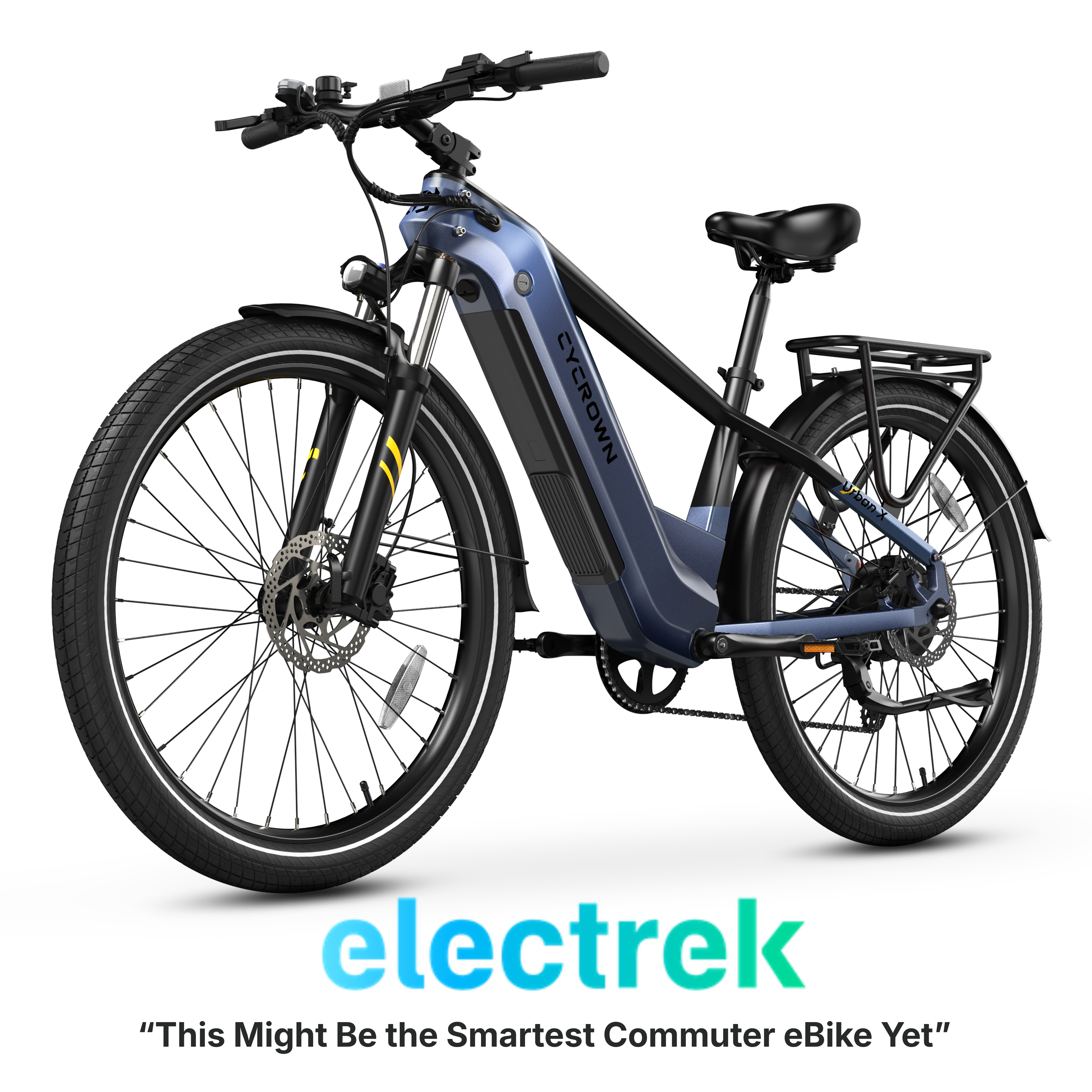
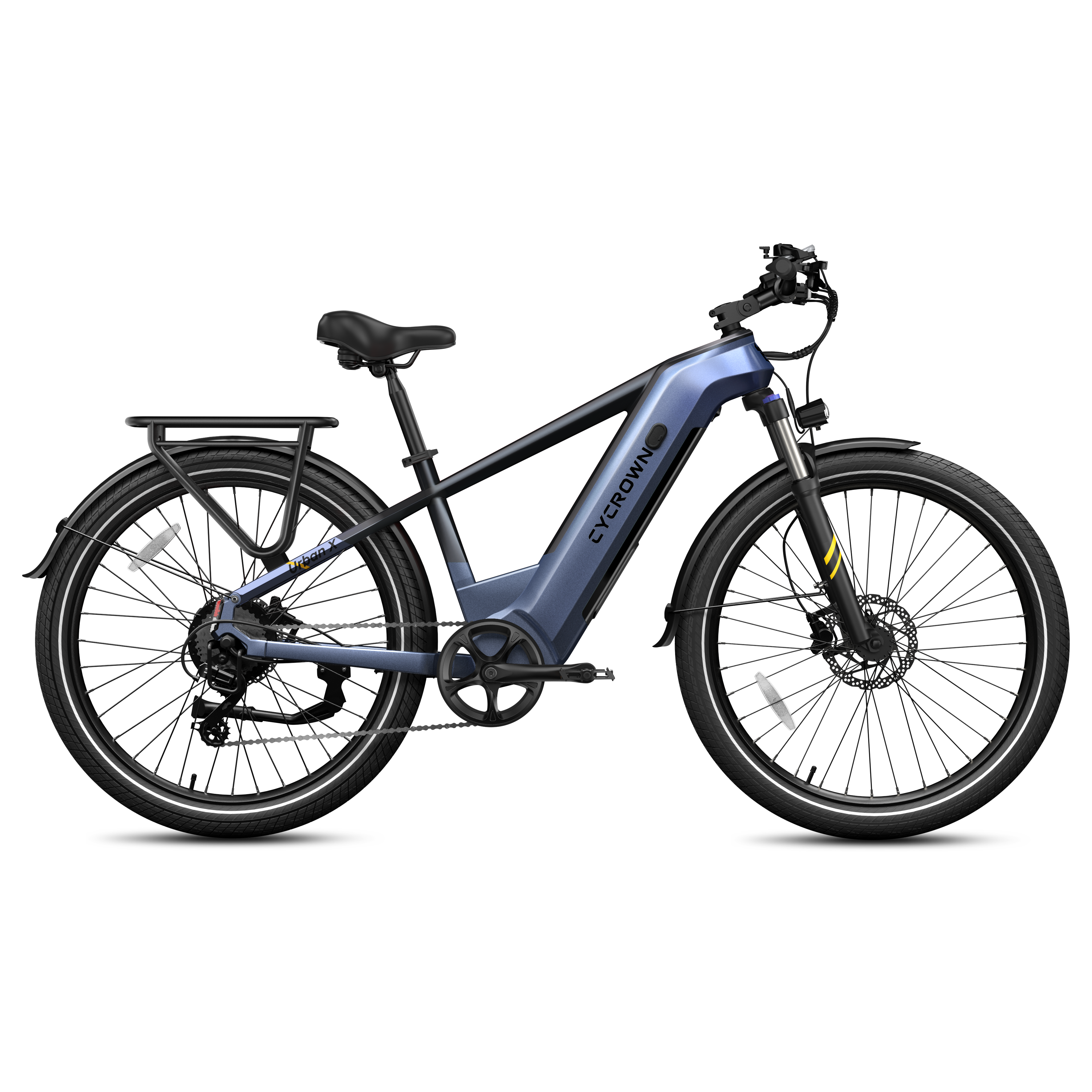
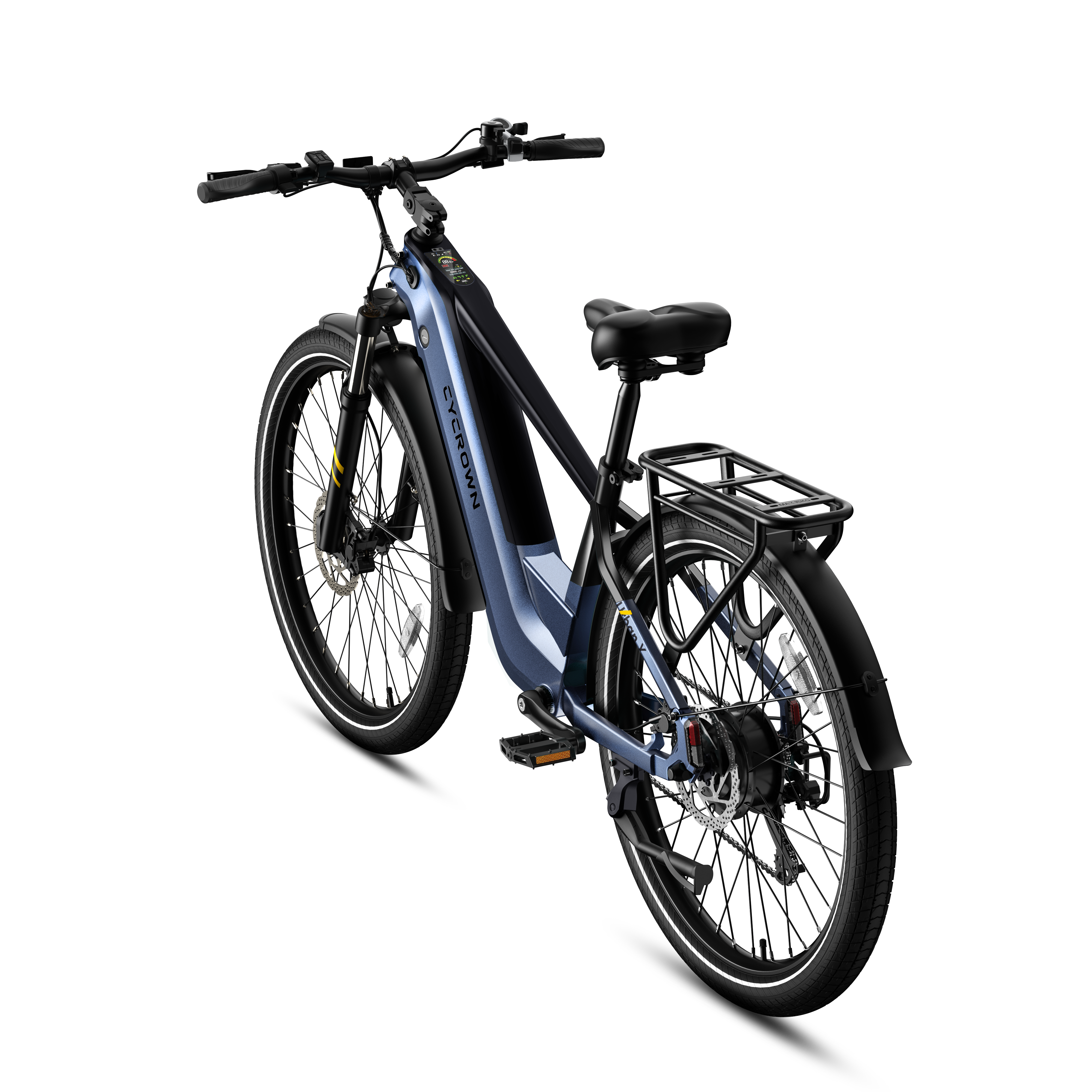
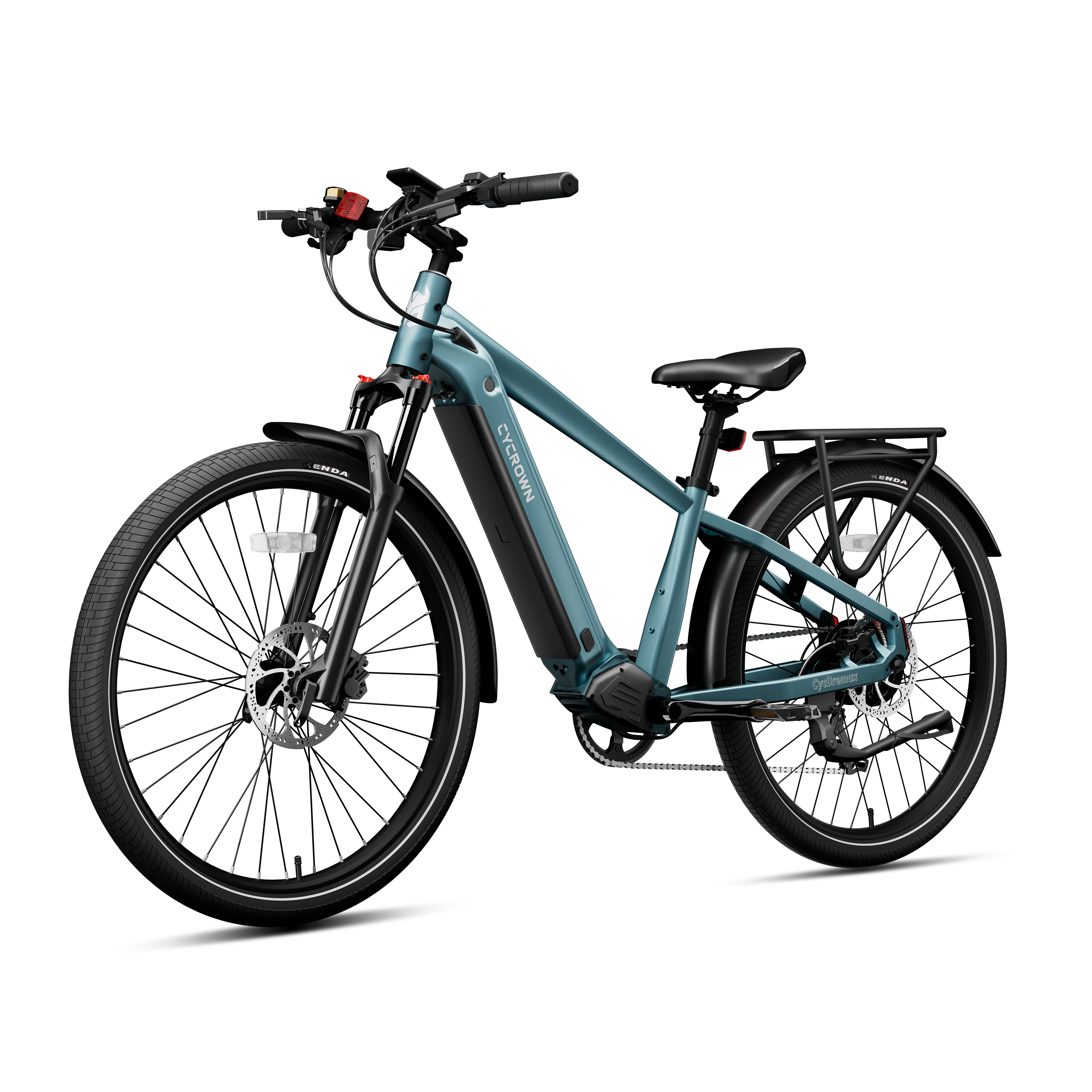
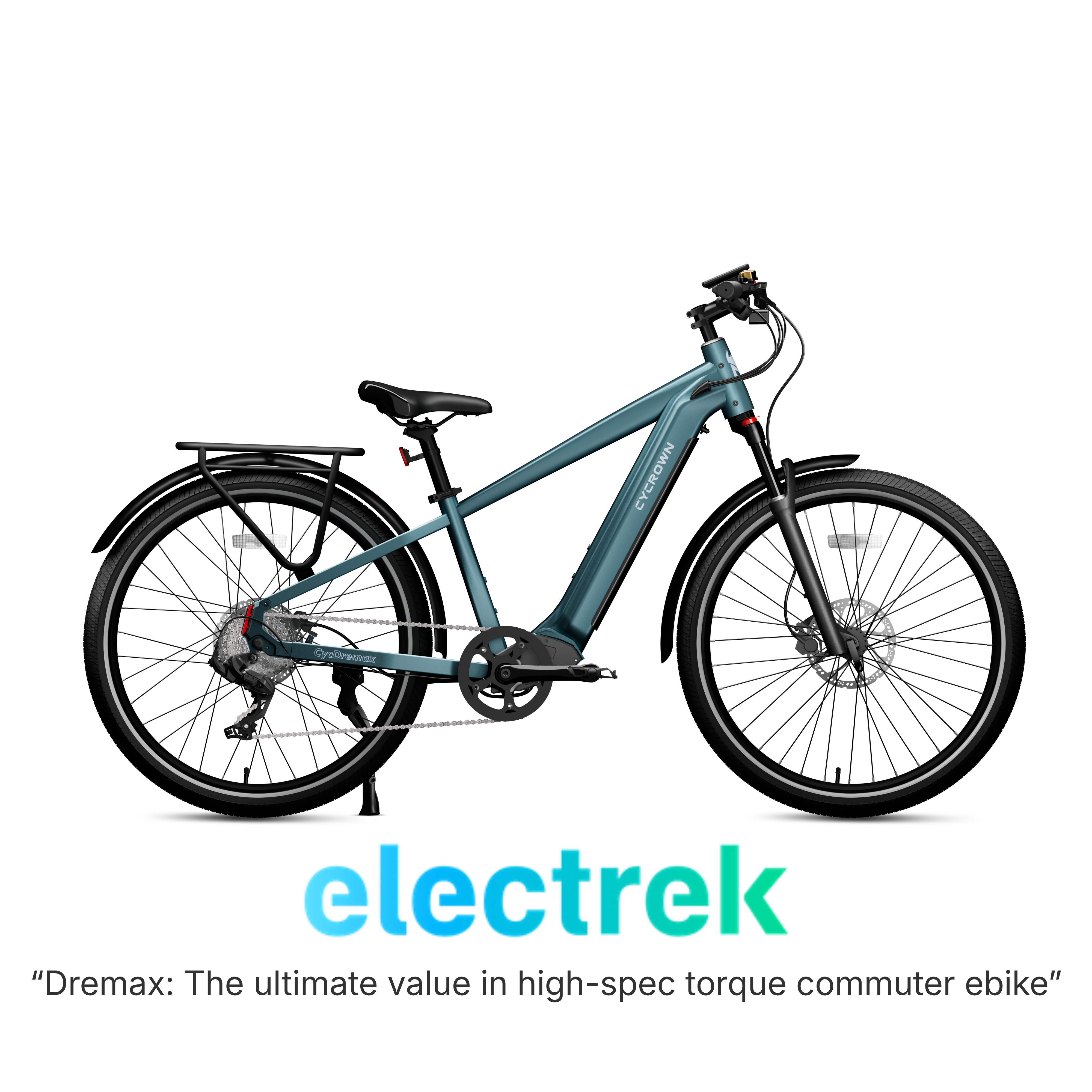
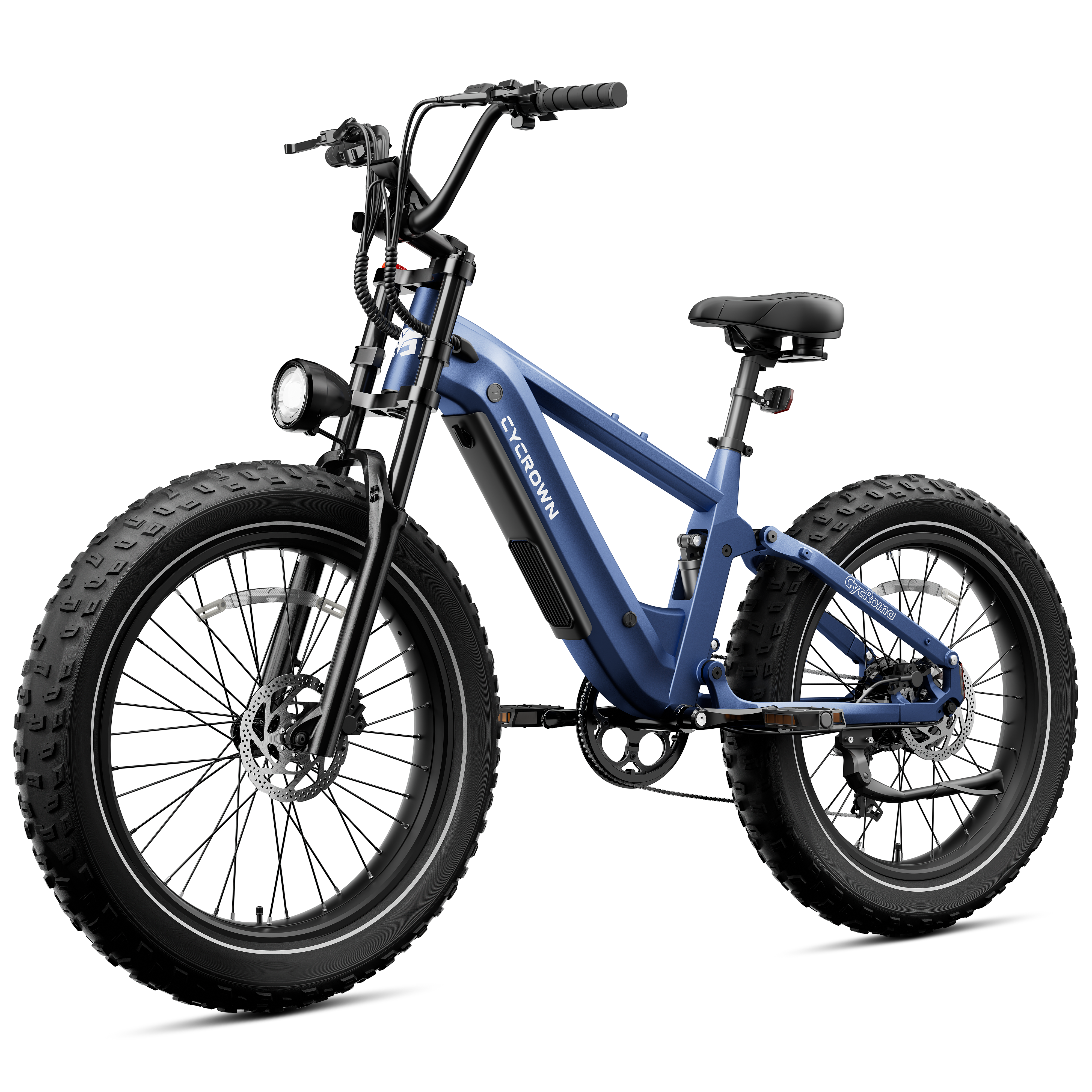
A commuter model like the Dremax Commuter E-Bike makes sense for daily riders who want a smoother city setup. For mixed terrain, the Roma All-Terrain E-Bike is better suited to rougher roads and weekend paths.
Plan Shaded and Safer Routes

The fastest route is not always the best summer route. A slightly longer route with shade, lower traffic, and smoother pavement may be safer and more comfortable than a direct route under full sun.
Look for:
-
Tree-lined streets
-
Protected bike lanes
-
Park paths where e-bikes are allowed
-
Lower-speed neighborhood roads
-
Places to stop for water
-
Routes with fewer long climbs
In cities like Portland, Minneapolis, Washington, DC, and Madison, route planning can make summer commuting much easier. Choose comfort over ego. The sun has more stamina than all of us.
Be Careful With Summer Road Hazards
Summer roads bring their own problems. Hot asphalt, construction debris, beach sand, sudden storms, and heavy traffic can all affect safety.
Be extra cautious around painted lines, metal covers, loose gravel, potholes, and wet patches after rain. After a long dry spell, the first minutes of rain can be especially slippery because oil and dust rise to the surface.
If your summer riding includes gravel, park roads, or rough pavement, CYCROWN's Best All-Terrain eBikes of 2026 can support readers comparing bikes for mixed surfaces.
Slow Down Around Crowded Summer Areas
Summer brings more pedestrians, kids, tourists, runners, and cyclists outdoors. Beach paths, boardwalks, parks, campuses, and downtown streets can become crowded quickly.
Slow down before you reach crowded areas. Give pedestrians space. Use a bell or voice calmly when passing. Avoid blasting through shared paths just because the bike can go faster.
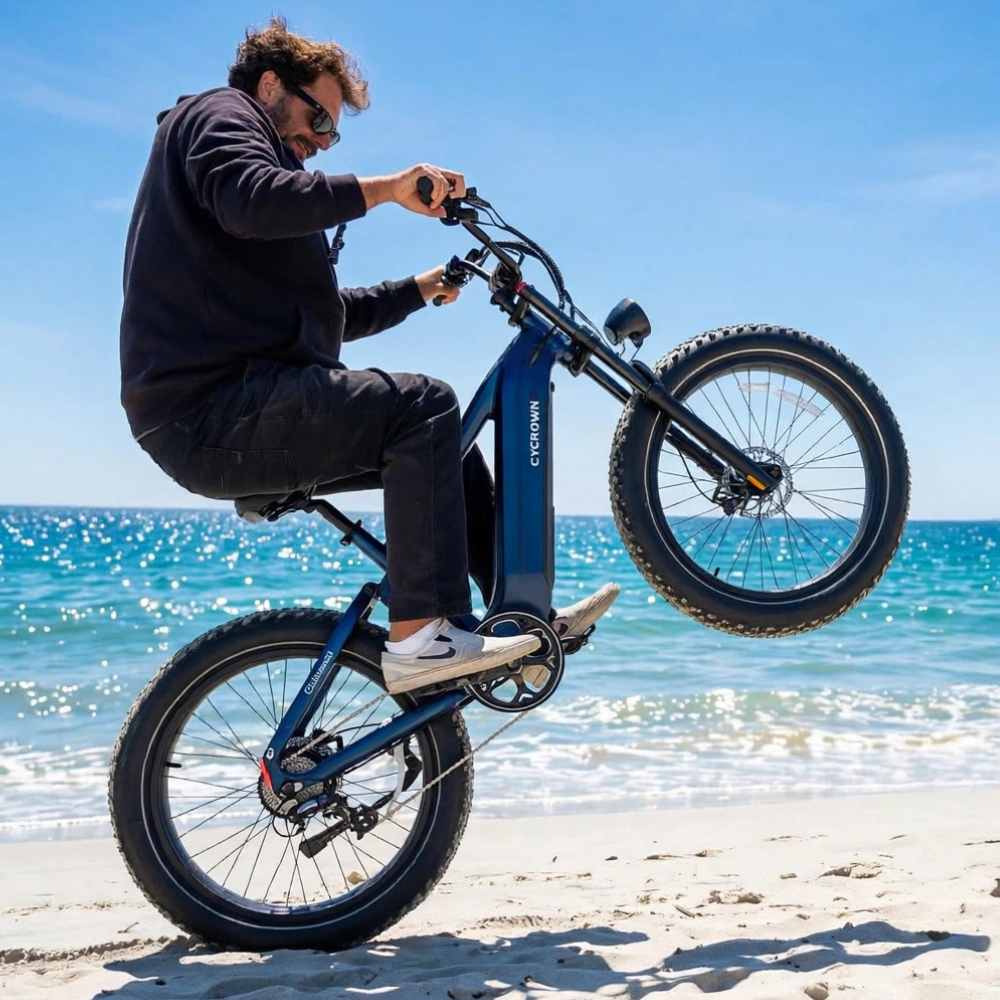
E-bikes are useful because they make riding easier. They are not a hall pass to turn every path into a speed trial.
Keep Summer Rides Comfortable and Predictable
Riding an e-bike in summer heat is safest when you manage both the rider and the bike. Hydrate, choose cooler ride times, check tires, protect the battery, use moderate assist, and pick routes with shade and calmer traffic.
A good summer ride should feel smooth, steady, and manageable. If the heat, traffic, or road conditions feel wrong, adjust the plan. Smart riders are not less adventurous. They just get home with better stories and fewer regrets.
What Summer E-Bike Riders Usually Ask
Can heat damage an e-bike battery?
Yes. Extreme heat can affect battery performance and long-term health. Store the bike or battery in shade or indoors when possible.
Should I charge my e-bike right after a hot ride?
It is better to let the battery cool first, especially after a long ride, steep climb, or very hot commute.
What should I wear for summer e-bike riding?
Wear a helmet, breathable clothing, closed-toe shoes, sunglasses or eye protection, and visible colors or reflective gear.
Is it safe to ride an e-bike in very hot weather?
It can be safe if you hydrate, avoid peak heat when possible, ride at a controlled pace, and stop if you feel dizzy or overheated.
Do e-bikes lose range in summer heat?
Extreme heat can affect battery performance, but riding style, hills, tire pressure, assist level, and rider weight also affect real-world range.


