



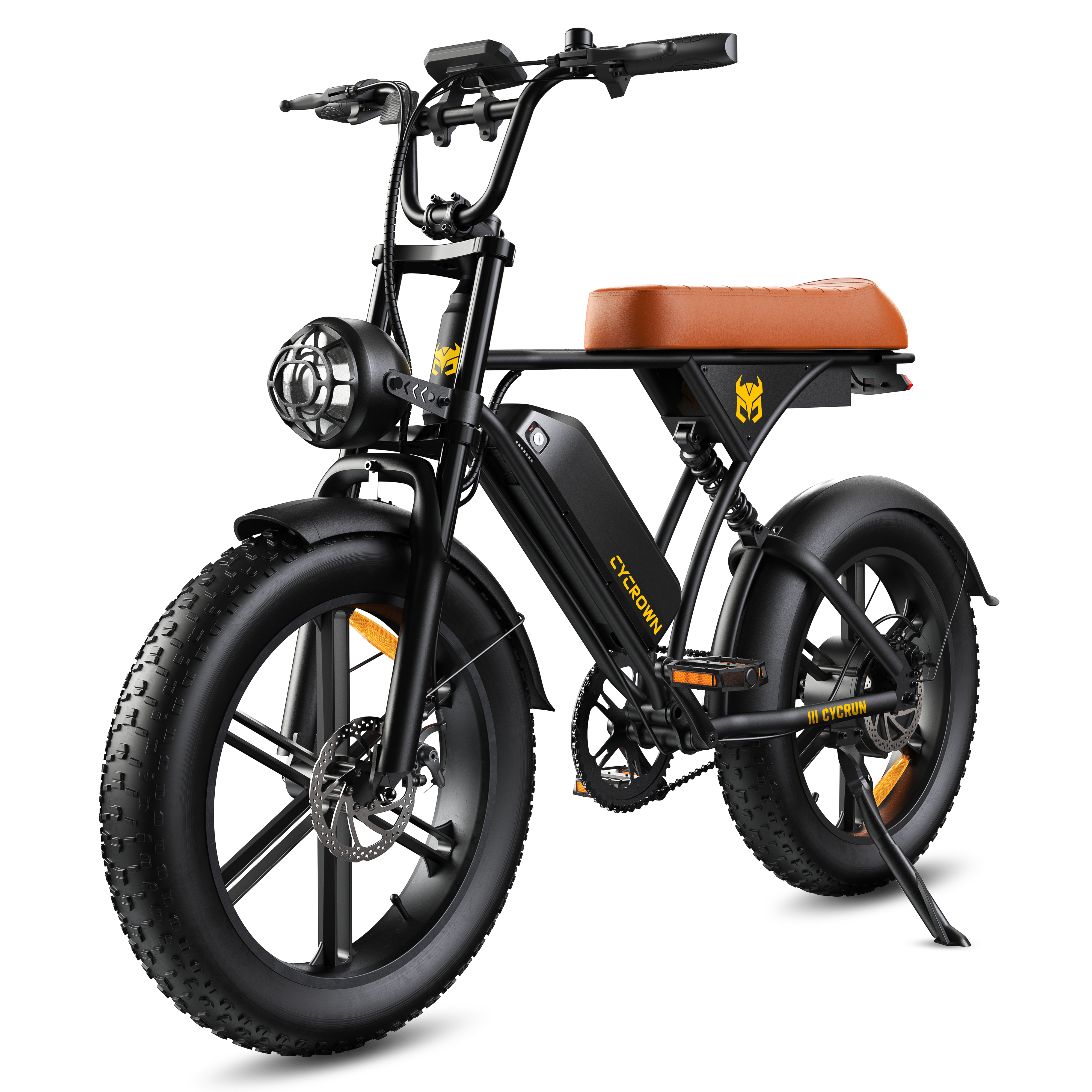
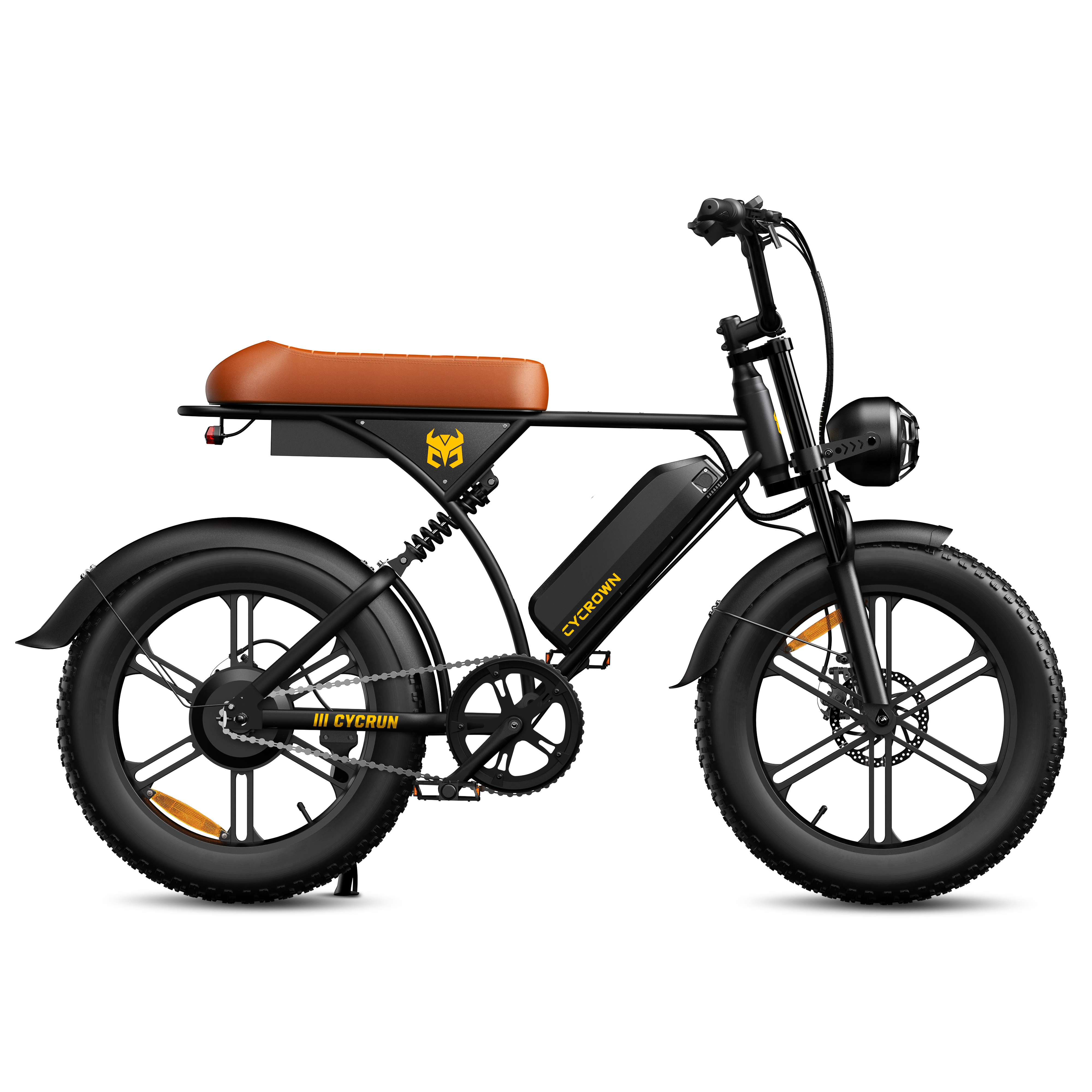




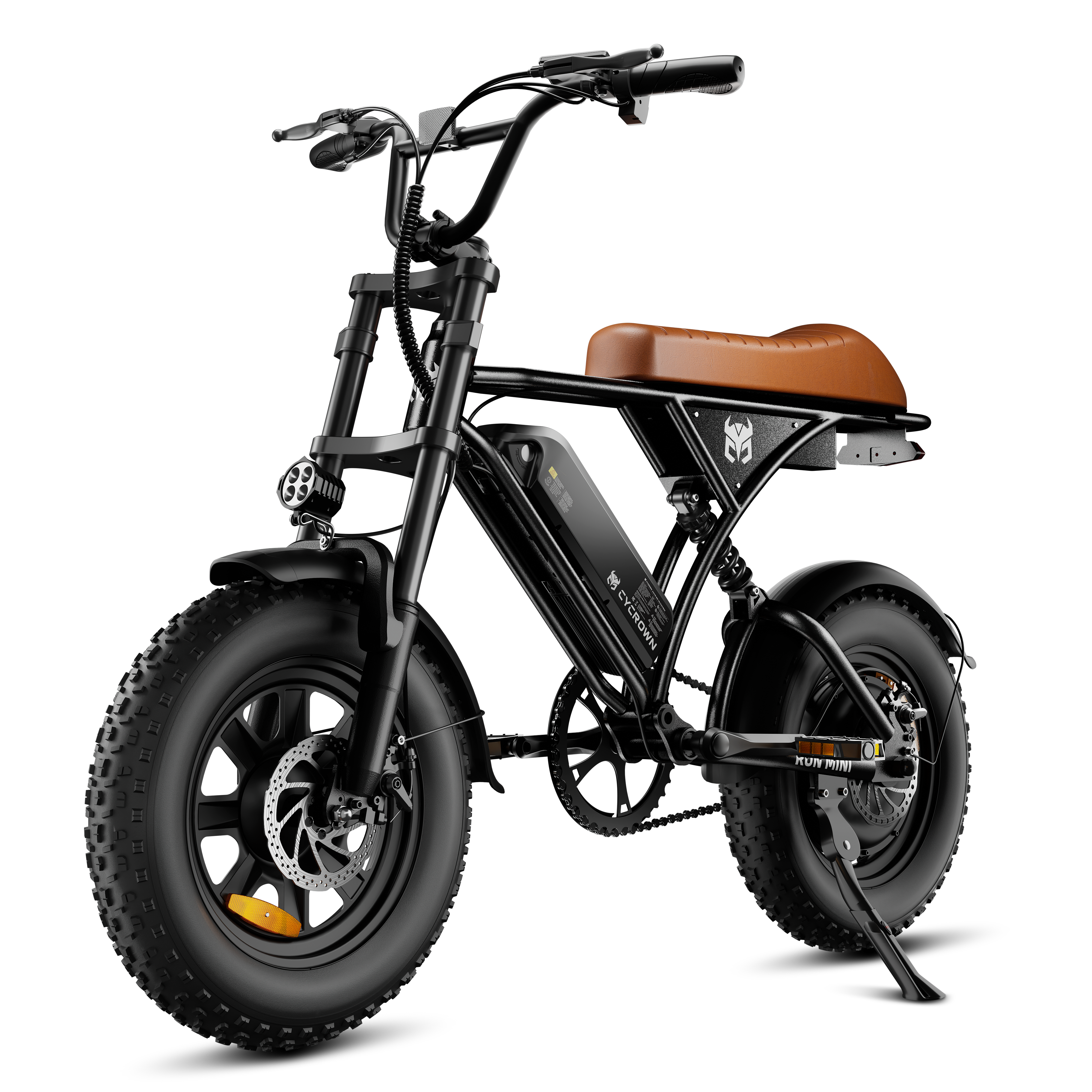
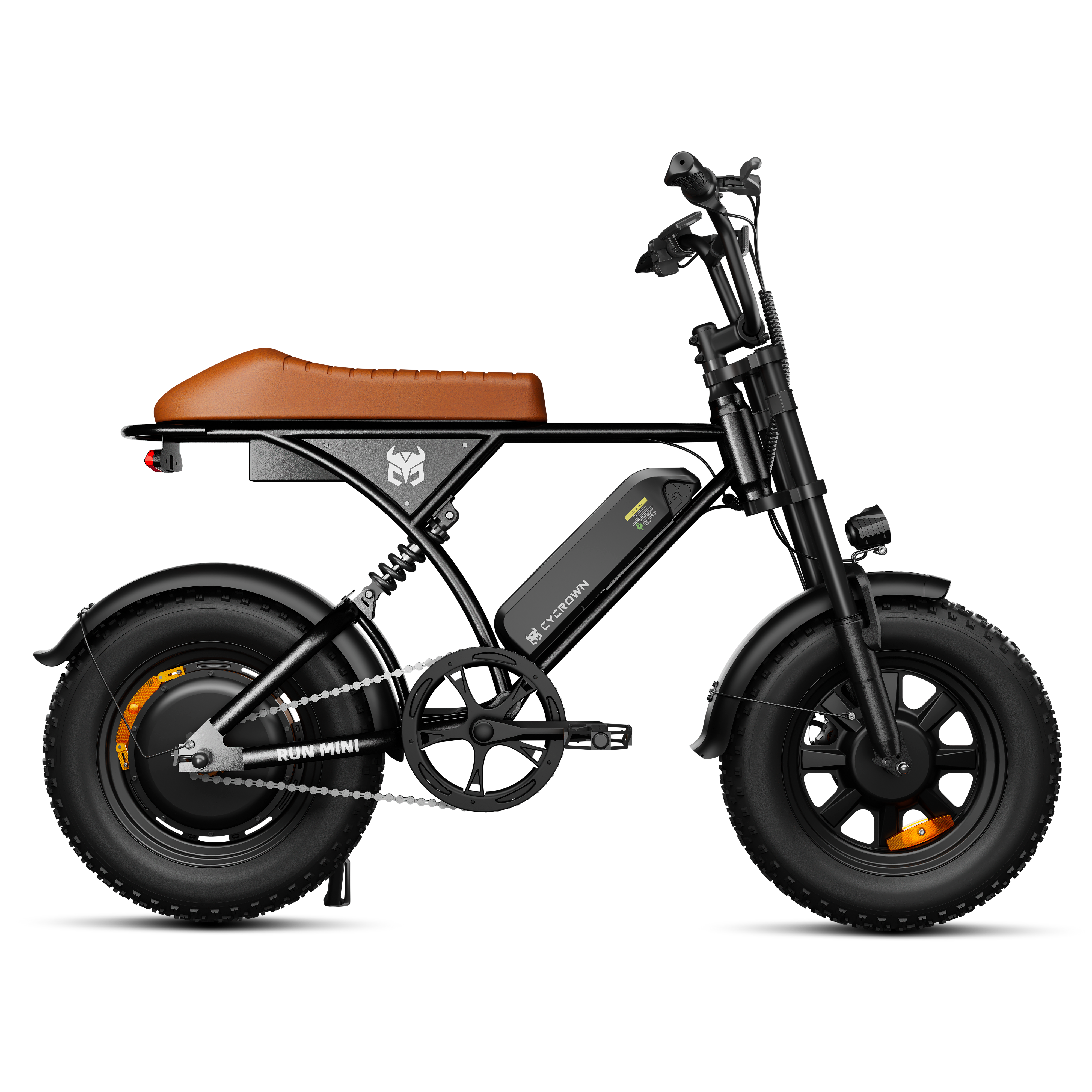









Learn how to store an electric bike battery properly to extend its lifespan, prevent damage, and maintain performance during short or long-term storage.
Introduction
To store an electric bike battery properly, keep it partially charged (usually around 40–60%), place it in a cool and dry location, and avoid extreme heat or freezing temperatures. Proper storage helps extend battery life, maintain performance, and reduce the risk of damage. Whether you’re storing your e-bike for winter or just taking a short break from riding, knowing how to care for the battery makes a big difference.
Electric bike batteries are one of the most important and expensive components of an e-bike. With simple storage habits, you can help your battery last longer and perform more consistently over time.
Why Proper Battery Storage Matters
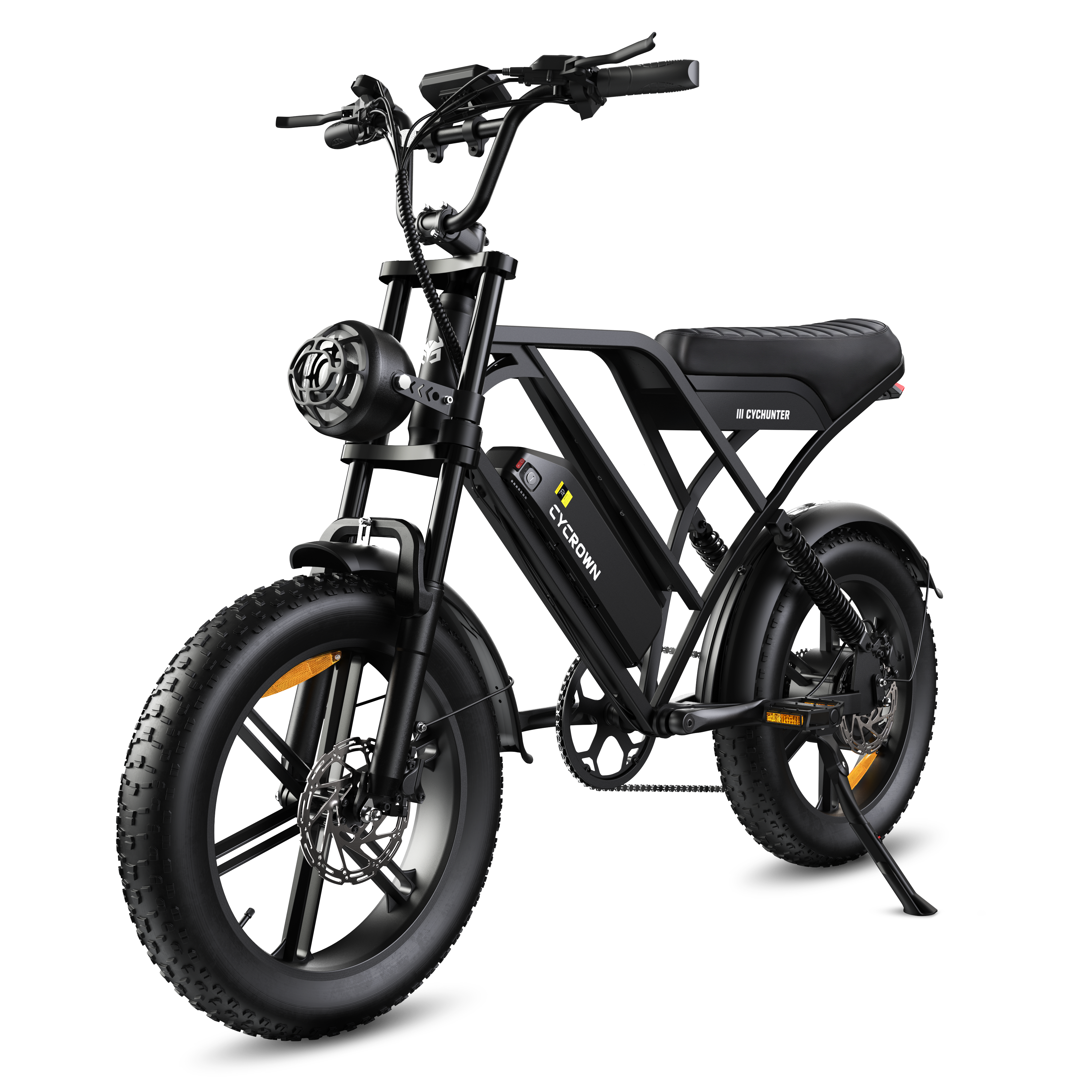
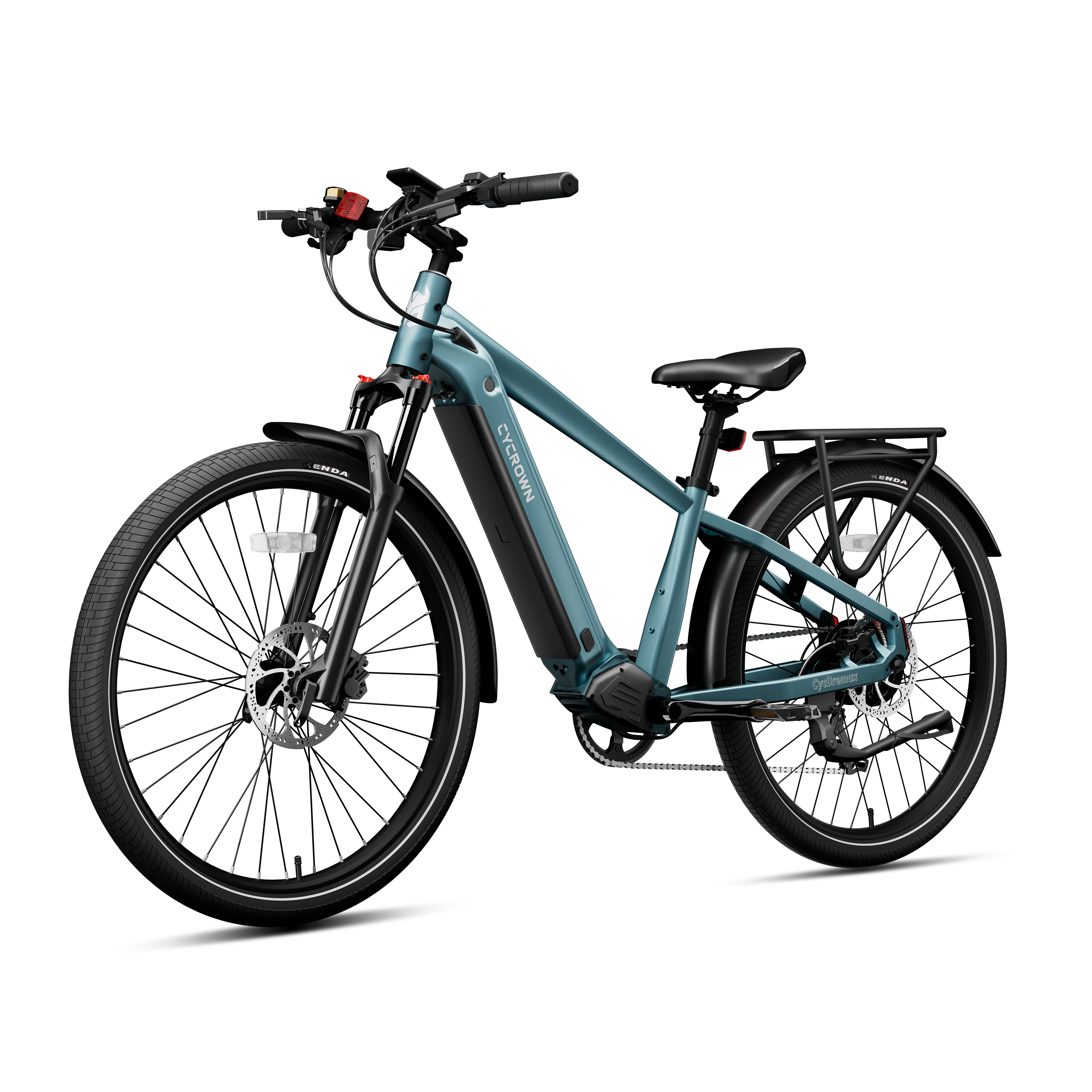
 (CycVerve)
Electric bike batteries are typically lithium-ion. These batteries are reliable and long-lasting, but they are sensitive to temperature, charge level, and humidity.
Improper storage can lead to consequences like:
-
Reduced battery capacity
-
Shorter overall lifespan
-
Difficulty holding a charge
-
Permanent damage in extreme cases
Battery replacement can be costly, so taking a few preventive steps now can save money and frustration later.
Ideal Charge Level for Storage
Store at 40% to 60% Charge
One of the most important rules of battery storage is avoiding full or empty charge levels.
Most electric bike batteries’ sweet spot is when they are at 40-60%. As much as possible, don’t store it at 0% and at 100%.
Keeping it at that range reduces stress on the battery cells and slows long-term wear.
Why Shouldn’t It Be Stored Fully Charged?
Keeping a lithium-ion battery at 100% for extended periods can strain the internal cells. Over time, this can reduce capacity.
Also, Why Not Fully Drained?
Storing a battery near 0% is even riskier. If it continues to slowly discharge while unused, it can drop into deep discharge. In some cases, this may make the battery difficult or impossible to recharge.
Before long-term storage, check the charge level and adjust it if needed.
Best Temperature for Storing an E-Bike Battery
Keep It Cool, Not Cold
The ideal storage temperature for e-bikes is generally between 50°F and 77°F (10°C to 25°C) or room temperature.
Avoid Freezing Temperatures
Freezing conditions might harm battery performance. Although many e-bikes can operate in cold weather, storing a battery in freezing temperatures for weeks or months is not recommended.
If you ride during winter, it’s best to remove the battery and store it indoors. But if you need more tips on how to navigate through the winter to better keep your bike, this guide is for you.
Avoid High Heat
Heat is one of the biggest threats to battery health.
To maintain battery health, avoid storing your battery:
-
In a hot car
-
In direct sunlight
-
Near heaters or appliances
-
In garages that get very hot
Because high heat accelerates battery aging and reduces long-term capacity.
Choosing the Right Storage Location
Store Indoors When Possible
An indoor, climate-controlled space is best. Closets, spare rooms, or dry storage areas work well.
Keep It Dry
Moisture can damage battery connections and electronics. Avoid damp basements or areas prone to condensation.
Store Away from Flammable Materials
Although battery fires are rare, it’s wise to store the battery in a well-ventilated area away from flammable items. It’s best to place the battery on a stable, non-flammable surface.
Short-Term vs. Long-Term Storage
Storage needs could vary depending on how long you plan not to ride.
Short-Term Storage (Up to 2 Weeks)
If you’re not riding for a short time:
-
Keep the battery at a moderate charge.
-
Store at room temperature
-
No major adjustments needed
Just avoid leaving it fully drained or fully charged for extended days.
Long-Term Storage (1 Month or More)
For seasonal storage:
-
Charge or discharge the battery to 40–60%.
-
Remove it from the bike if possible.
-
Store it indoors at stable temperatures.
-
Check charge level every 1–2 months.
Lithium-ion batteries tend to slowly lose charge over time, even when unused. If the battery drops below 30%, recharge it slightly back into the safe range.
Should You Remove the Battery from the Bike?
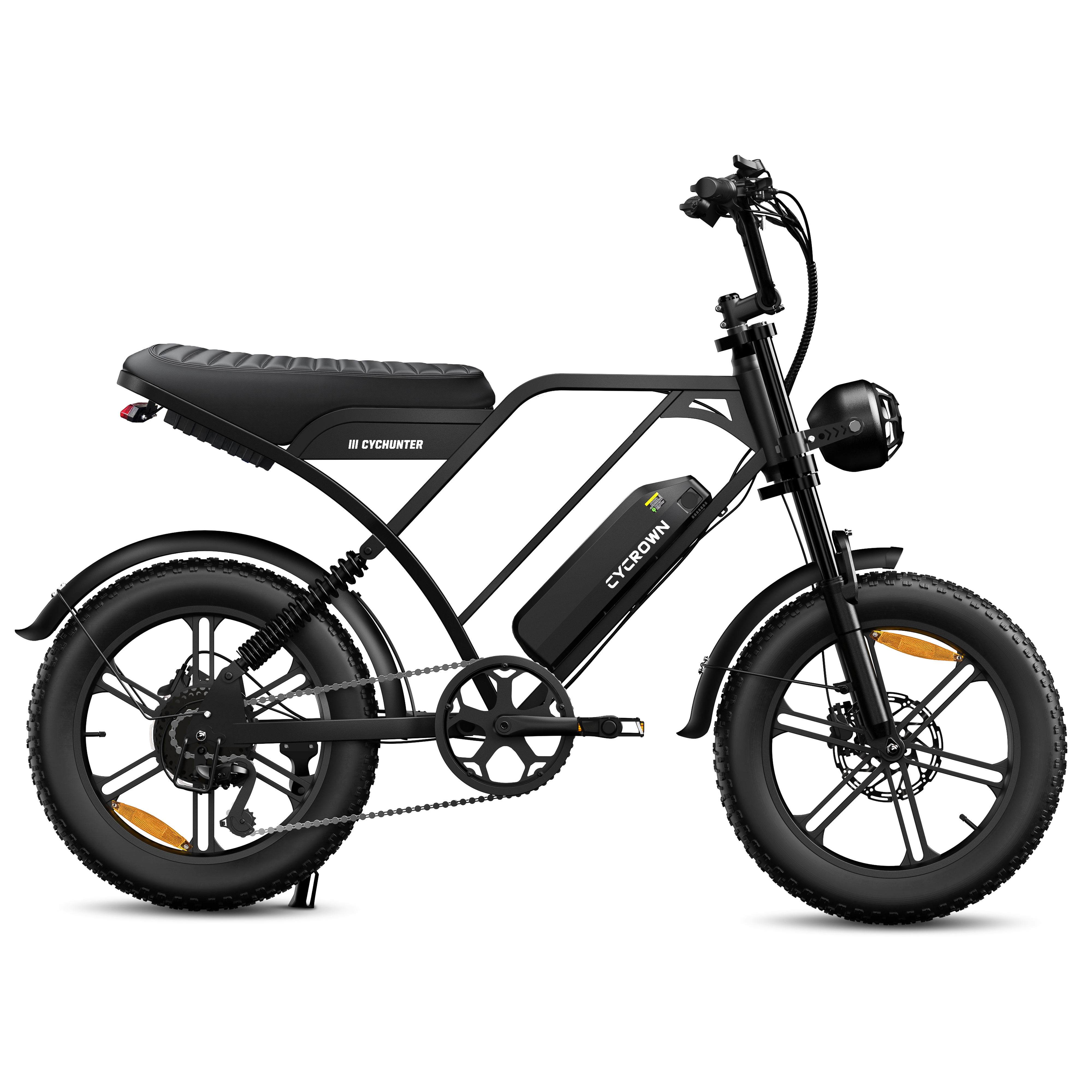
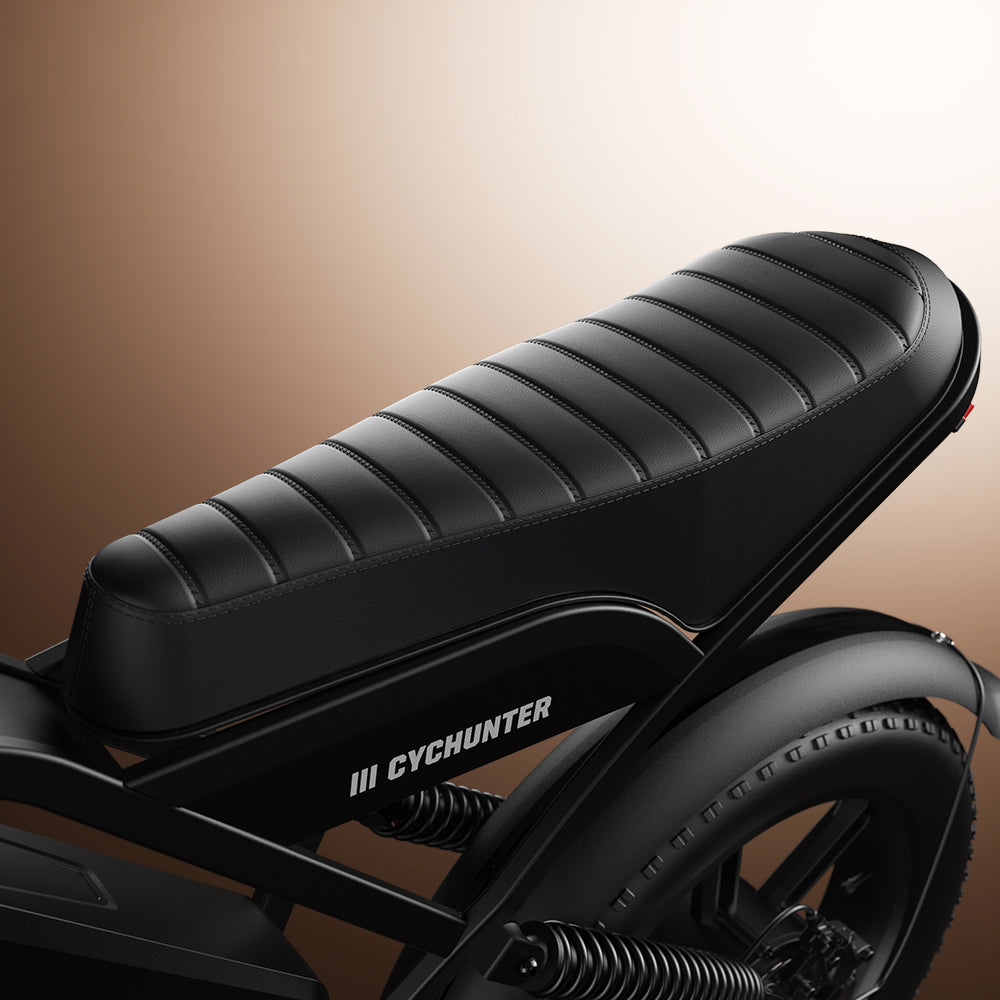
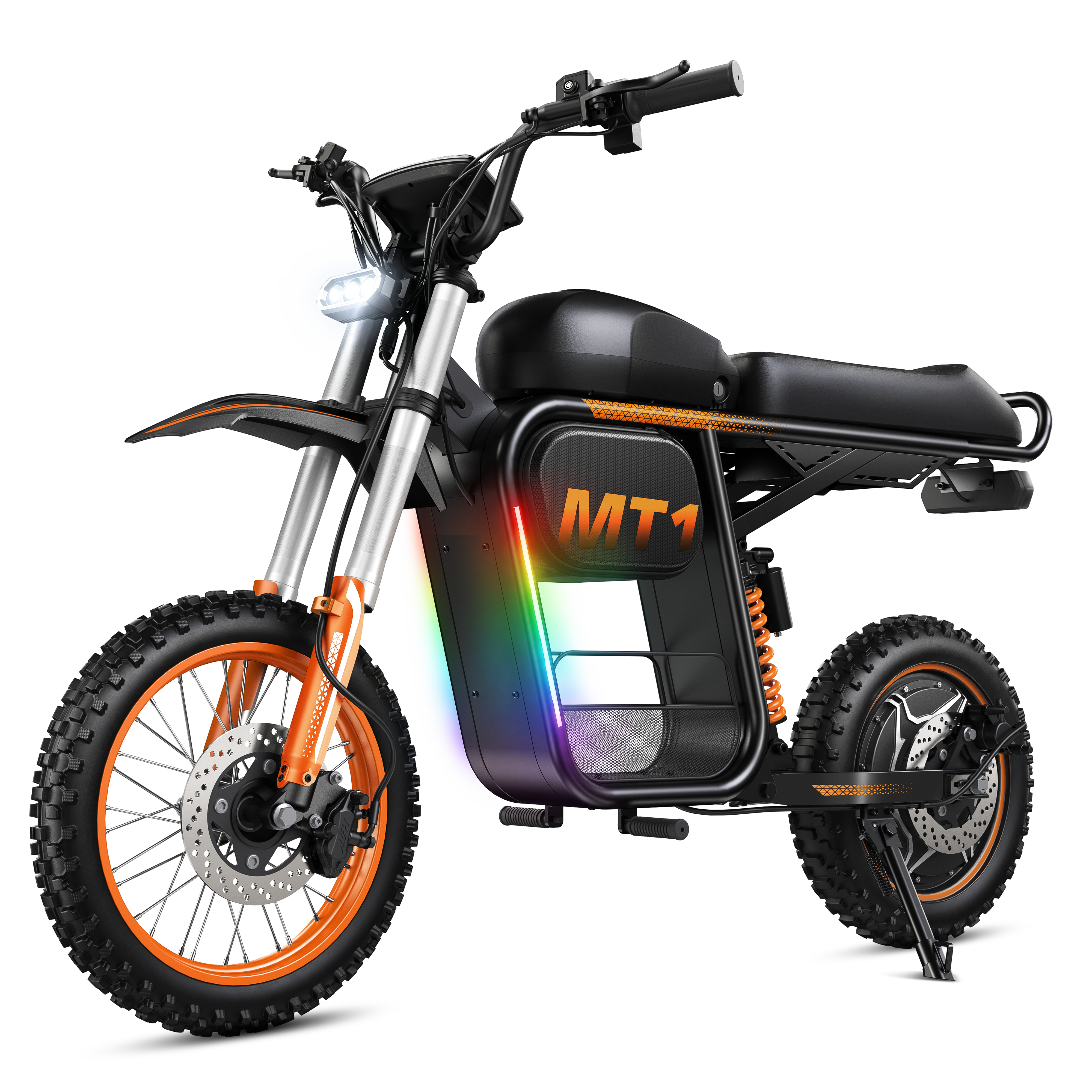
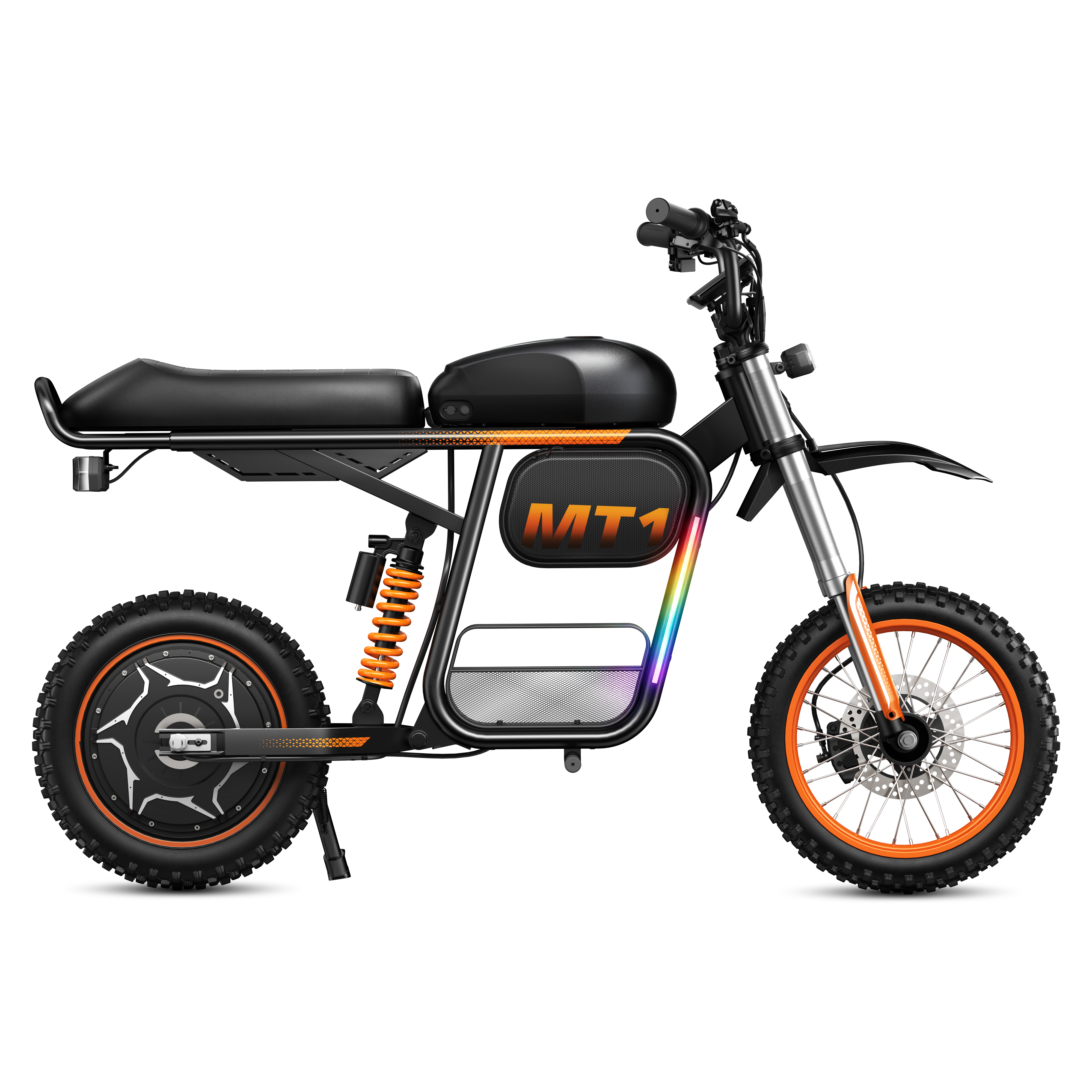
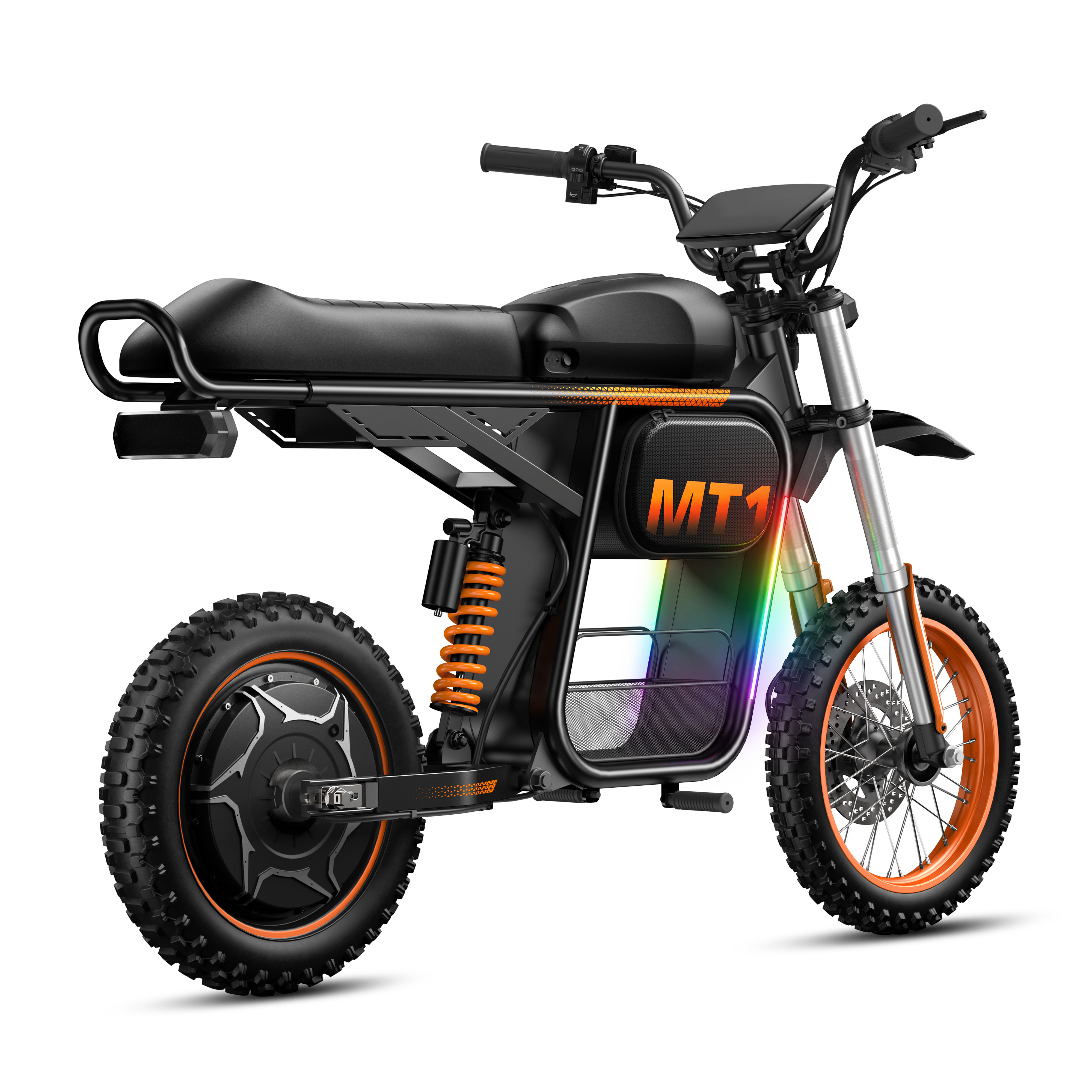
 (CycHunter Moped-Style)
In many cases, yes. Removing the battery can help control its temperature. It also reduces exposure to humidity, and it makes it easier to monitor charge levels.
If the bike is stored in a garage or shed, removing the battery is especially important during extreme weather.
When Is It Okay to Leave Installed?
If your bike is stored indoors at room temperature and the battery is not exposed to heat or moisture, leaving it attached is usually fine for short-term storage.
However, long-term seasonal storage is safer with the battery removed.
Smart Charging Habits During Storage
Avoid Frequent Top-Off Charging
You don’t need to constantly recharge a stored battery because it may keep it at higher charge levels longer than necessary.
Instead, try checking in every 1-2 months and only recharge if it drops below 30%
Use the Original Charger
Always use the charger designed for your battery. Mismatched chargers can damage cells or cause overheating.
Cleaning and Preparing Before Storage
Before storing your battery, take a few extra steps, such as.
Cleaning the Battery Exterior
Wipe the battery casing with a dry or slightly damp cloth and avoid spraying water directly on it.
Checking for Damage
Keep an eye out for cracks in the casing, loose connectors, and corrosion near terminals.
If you notice any damage, it is crucial to address it before long-term storage to avoid any further issues.
Turning Off the Battery
If your battery has a power switch, don’t forget to turn it off before storage.
Signs of Improper Storage Damage
If a battery was stored incorrectly, you may notice some of these things:
-
Reduced range
-
Slow charging
-
Battery not turning on.
-
Sudden drops in charge level
In severe cases, the battery may not charge at all. But if you properly store it, it significantly reduces the chance of these issues.
Safety Tips for Battery Storage
Safety should always be part of battery care. When storing your e-bike battery, here’s what NOT to do:
- Do Not Store Near Heat Sources
- Keep batteries away from stoves, radiators, or direct sunlight.
- Avoid Physical Impact
- Do not stack heavy items on top of the battery.
- Keep Away from Children and Pets
- Store the battery in a secure location to prevent accidental damage.
How Long Do E-Bike Batteries Last with Proper Storage?
With proper care and storage, many electric bike batteries last between 3 and 5 years or longer, depending on usage and charging habits.
Good storage practices slow down natural battery aging. While all lithium-ion batteries gradually lose capacity over time, proper storage helps maintain performance for as long as possible.
To Sum It Up.
Storing an electric bike battery properly might sound simple, but it is very crucial in maintaining your e-bike’s performance. Always keep it partially charged at around 40-60%, store it in a cool and dry indoor space, and avoid extreme heat or freezing temperatures. For long-term storage, remove the battery from the bike and check its charge every couple of months.
These basic habits protect battery health, extend lifespan, and help ensure your e-bike is ready to ride when you need it. Proper storage doesn’t require special equipment, just consistency and attention to temperature and charge level.
Taking care of your battery today helps protect your e-bike investment for years to come.
Frequently Asked Questions
Can I leave my e-bike battery plugged in all winter?
It’s not recommended. Keeping a battery at 100% charge for months can reduce its long-term lifespan. Store it at 40-60% instead.
What happens if I store my battery fully drained?
A fully drained battery can fall into deep discharge, which may cause permanent damage and prevent it from charging again.
Is it safe to store an e-bike battery in the garage?
Only if the garage maintains moderate temperatures and low humidity. Extreme heat or freezing conditions are not ideal.
How often should I check my battery during storage?
Check it every 1-2 months and recharge slightly if it drops below about 30%.
Does cold weather permanently damage e-bike batteries?
Short exposure usually does not cause permanent damage, but long-term freezing storage can reduce performance and lifespan.


