







Learn how to use electric bike full throttle safely and efficiently with tips on control, battery use, and riding techniques for a smoother experience.
Introduction
Full throttle on an electric bike is a straightforward feature, sort of a press or twist, and the motor moves you forward without any pedaling required. Used well, it makes riding more flexible and less tiring. Used carelessly, it drains your battery faster than necessary and creates handling situations that catch unprepared riders off guard.
The difference between getting the most out of throttle mode and regretting it mostly comes down to a few habits around when you use it, how you apply it, and what you're doing with the rest of the bike at the same time.
What Full Throttle Actually Does
Unlike pedal assist, which requires you to pedal before the motor activates, full throttle engages the motor on demand. The bike moves whether your feet are on the pedals or not. That immediacy is what makes it useful in specific situations and what makes it worth understanding before you rely on it.
The motor delivers power directly to the wheel, which means the bike responds quickly to throttle input. At low speeds, that's easy to manage. At higher speeds or in tight spaces, the same responsiveness requires more attention from the rider.
Know more about how the electric bike throttle works to familiarize yourself more about your ride.
When Full Throttle Makes the Most Sense
 (Run Mini)
Starting from a Stop
Getting a heavy e-bike moving from a standstill is where the throttle earns its keep most consistently. Using it to get rolling at traffic lights, intersections, and stop signs means you're up to speed smoothly without the brief wobble that can happen when a heavier bike is still slow and upright. For newer riders, especially, the stability that comes with forward momentum is worth getting quickly.
Climbing Hills
Full throttle on a climb reduces the physical demand significantly. Rather than grinding up a steep section with your legs working at full effort, the motor carries most of the load. The most efficient approach isn't pure throttle, though. It combines light pedaling with throttle, reduces the motor's workload, extends battery life on the climb, and tends to feel smoother than relying on motor power alone.
Resting During Longer Rides
On extended rides, throttle mode lets you maintain forward progress while giving your legs a genuine break. You don't need to stop, dismount, or interrupt the ride. You just ease off the pedaling and let the motor carry you for a stretch. This makes longer distances more manageable and reduces the cumulative fatigue that builds up on multi-hour rides.
How to Use Full Throttle Safely
Ease Into Acceleration
The most common mistake with throttle mode is applying it too aggressively from a standing start. The motor responds quickly, and sudden full acceleration can unsettle your balance before you've had time to adjust your body position. Building speed gradually, easing the throttle in rather than snapping it open, gives you time to settle into the acceleration and stay in control throughout.
Keep Both Hands on the Handlebars
Throttle mode can bring speed on quickly, and having a firm, steady grip on both handlebars is what keeps you in control when the bike accelerates. This sounds obvious, but it's easy to get relaxed about grip when riding feels effortless. Any unexpected surface change, obstacle, or need to steer quickly requires both hands working together.
Stay Alert to What's Around You
Speed arrives faster in throttle mode than most riders initially expect, which means the window for reacting to pedestrians, vehicles, and road obstacles shrinks accordingly. Staying aware of what's ahead and to the sides gives you the time to respond to changing situations without panic.
Brake Gradually
At higher throttle speeds, abrupt braking is harder on both the bike and the rider than progressive braking. Squeezing the brakes smoothly rather than grabbing them suddenly keeps the tires in contact with the road more consistently and avoids the instability that hard braking can cause, particularly on imperfect surfaces. The faster you're going, the earlier you should start braking for any stop you can see coming.
Using Full Throttle Efficiently
Don't Default to It for Everything
Full throttle uses more battery than pedal assist because the motor is doing all the work with no contribution from the rider's legs. Using it constantly on a ride on flat roads, easy terrain, and any situation where pedal assist would do the job equally well doesn't require it. It burns through the battery faster and reduces how far you can go on a charge. Treating the throttle as a tool for specific situations rather than a default setting makes a meaningful difference in range.
Mix Throttle with Pedaling
Adding light pedaling while using the throttle reduces the demand on the motor. You don't need to pedal hard because even a moderate contribution from your legs takes the load off the battery and tends to produce a smoother overall power delivery. This combination is particularly effective on hills, where the motor is already working harder than on flat ground.
Moderate Speed Extends Range
Higher speeds cost disproportionately more battery than moderate speeds because air resistance increases significantly with speed. Riding at a comfortable pace rather than pushing maximum throttle speed consistently can extend your range noticeably without making the ride feel significantly slower in practice.
Plan Around Your Route
Knowing where the demanding sections of your route are lets you use the throttle strategically rather than reactively. Using pedal assist on flat stretches and saving throttle for hills, headwind sections, or when fatigue sets in means the battery is available when you actually need it rather than depleted from casual use earlier in the ride.
Mistakes Worth Avoiding
Overrelying on the throttle is the most common one due to its convenience. That means it's easy to default to it for everything, and the battery cost accumulates quietly until you're running low earlier than expected.
Ignoring surface conditions is the other significant one. Full throttle on wet pavement, loose gravel, or rough surfaces introduces instability that smooth surfaces don't. Reducing speed and applying throttle more gently in those conditions is the appropriate adjustment; the bike's traction limitations don't change just because the motor is providing the power.
Accelerating too aggressively from stops, forgetting to watch the battery level, and riding at maximum throttle speed when a moderate speed would do the job are all habits that make the riding experience worse rather than better over time.
Who Gets the Most Out of Full Throttle
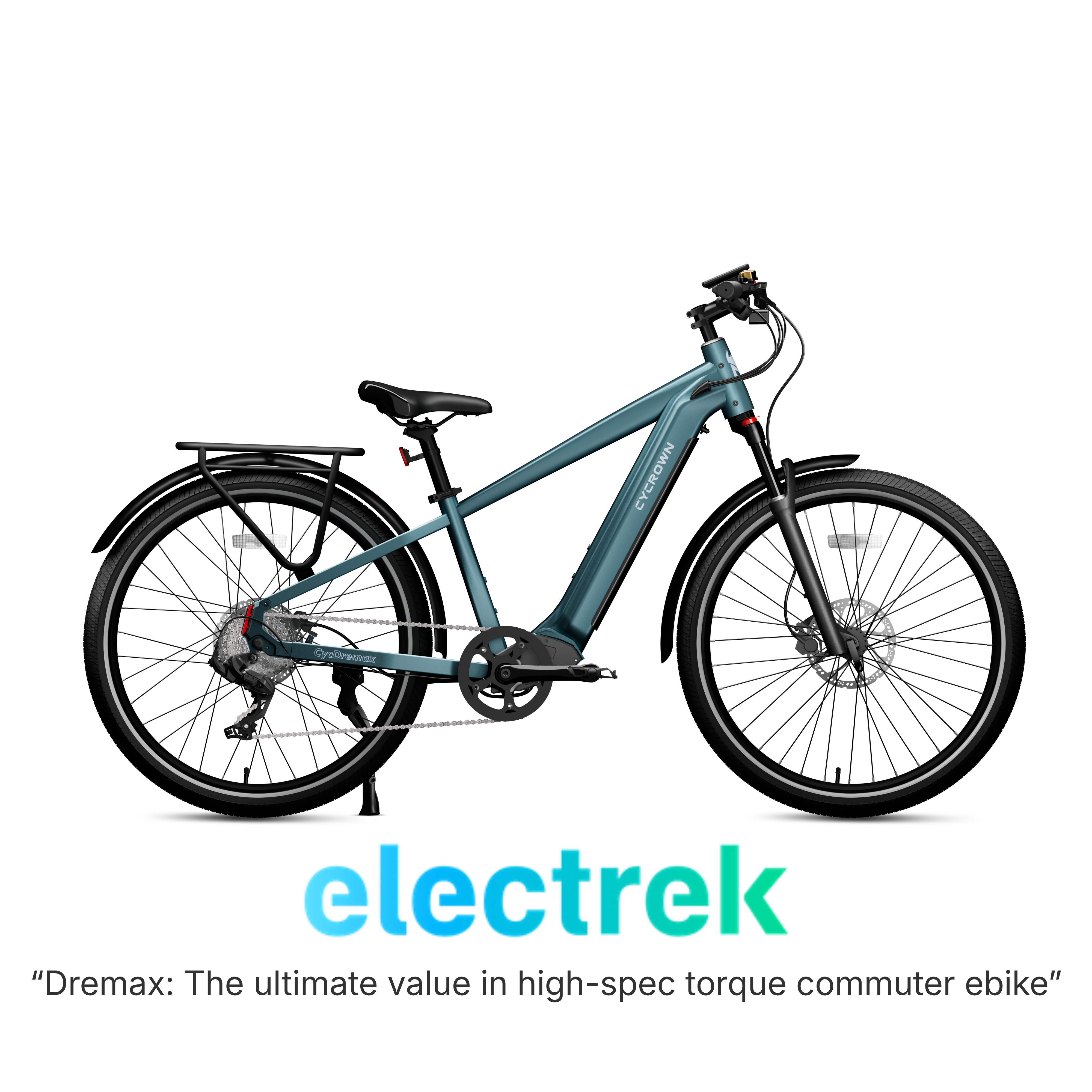
 (Dremax)
Throttle mode is most valuable for riders who want flexibility rather than a fixed riding style, the option to pedal when they want the exercise, and let the motor carry them when they don't. It suits commuters who deal with stop-and-go traffic, riders covering hilly routes, people managing fatigue on longer rides, and anyone who wants to arrive somewhere without being physically worn down.
Riders who prefer a consistently active experience and want to maximize range tend to prefer pedal assist as their primary mode, using throttle only occasionally. Neither approach is wrong because they suit different riding goals.
To Sum It Up..
Full throttle is a genuinely useful feature when you understand what it's good for and what it costs. Using it strategically for starts, climbs, and rest periods during longer rides makes e-biking more flexible and less tiring without significantly draining the battery. Used as a constant default, it shortens your range and removes the engagement that makes riding enjoyable.
The core habits are simple: ease into acceleration, stay aware at higher speeds, brake progressively, and mix in pedaling where the terrain allows. Get those right, and throttle mode becomes a tool that improves the riding experience rather than one that creates problems.
Frequently Asked Questions
Can you use full throttle on an electric bike all the time?
You can, but it's not the most efficient approach. Constant throttle use drains the battery significantly faster than pedal assist and reduces your range. Using it selectively for situations that benefit from it makes better use of the available charge.
Is full throttle safe for beginners?
Yes, with appropriate care. The main adjustment for new riders is learning to apply it gradually rather than abruptly, and understanding how quickly the bike responds to throttle input. Starting in a low-traffic area to get a feel for the acceleration before riding in busier conditions makes sense.
Does full throttle drain the battery faster?
Noticeably yes. When the motor does all the work without any contribution from the rider's legs, it draws more power than pedal assist modes, where effort is shared. The difference becomes significant over a full ride, particularly at higher speeds.
Can full throttle be used on hills?
Yes, hills are actually one of the situations it's most useful for. Combining light pedaling with throttle on climbs is more efficient than pure throttle alone, and reduces battery drain on sections where the motor is already working harder than usual.
What's the difference between throttle and pedal assist?
The throttle activates the motor on demand, regardless of whether you're pedaling. Pedal assist only engages the motor when you're actively pedaling, scaling assistance based on your effort level and the assist setting you've selected. Most e-bikes with a throttle also have pedal assist, giving you both options depending on the situation.


