









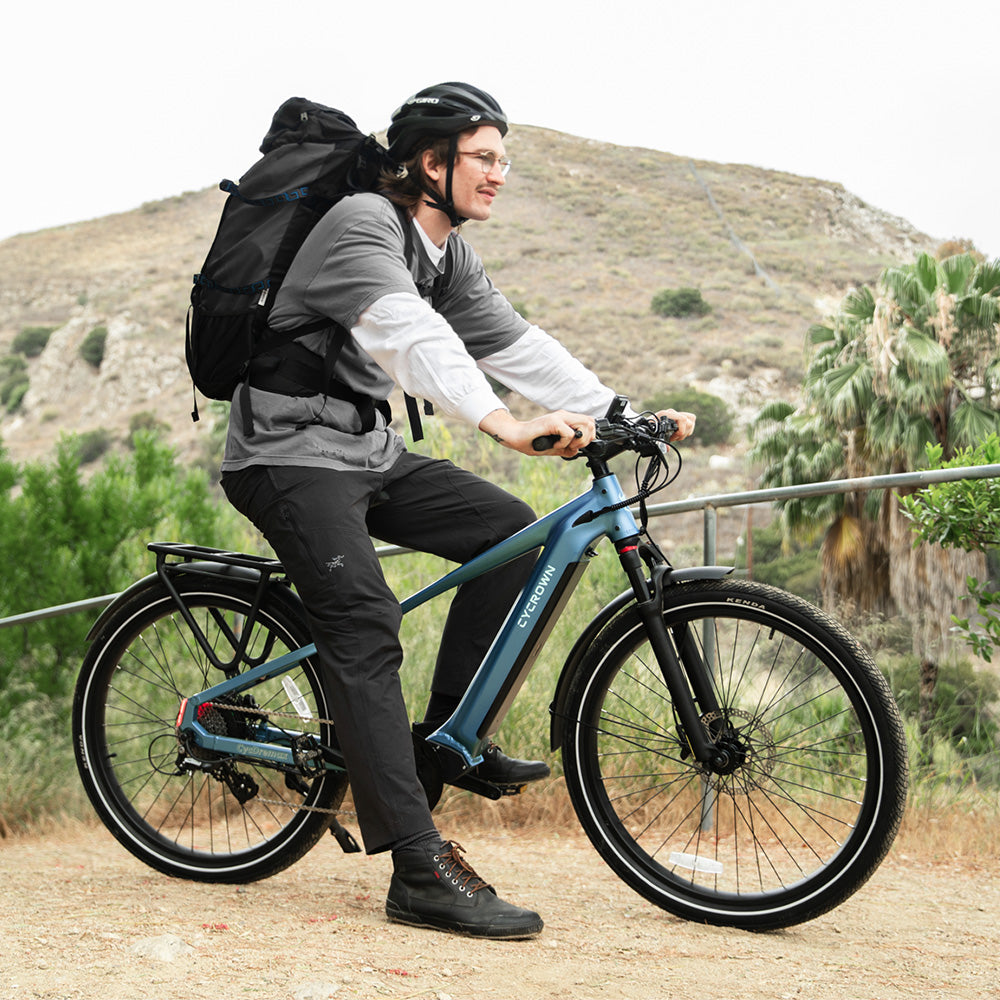
Start the School Year With the Right Ride
Your first electric bike is the right choice if it fits your real school routine, not just your wish list. Before buying, think about how far you will ride, where you will park or store it, whether you need to carry books or groceries, and how much motor power you actually need. A good student e-bike should make daily trips easier without becoming too large, too costly, or too powerful for your needs.
For many students, an e-bike can replace short car rides, crowded shuttles, and long walks across campus. It can help with morning classes, part-time jobs, coffee runs, library nights, and weekend errands. But the best beginner e-bike is not always the biggest or fastest model. It is the one that matches your schedule, comfort level, and local riding conditions.
That is why choosing your first electric bike should feel more like planning your semester than buying a gadget. You are not just choosing a frame and battery. You are choosing how you will move through busy streets, bike lanes, apartment parking areas, and campus paths.
Ask First: How Far Will You Ride Each Day?
Distance is the first question because it affects battery size, comfort, and price. If your daily ride is only 2 to 5 miles each way, you may not need the largest battery available. A compact, steady model can be enough for class, dining halls, and nearby errands.
If your route is longer, such as 8 to 15 miles each way, range matters more. You may want a commuter e-bike with a stronger battery, a comfortable riding position, and tires that feel stable on mixed pavement. Students who ride from off-campus apartments, nearby neighborhoods, or transit stations should also think about hills, wind, and stop-and-go traffic.
Before choosing your first electric bike, map a normal weekday. Include the ride to class, the trip to work, a grocery stop, and the ride home. Then add a small buffer. Batteries can drain faster when you ride uphill, use higher pedal assist, carry extra weight, or ride in colder weather.
If you are still learning about speed classes and limits, CYCROWN’s guide to electric bike top speed is a useful read before comparing models.
Ask Next: Where Will You Store It?
Storage can make or break the e-bike experience. A beginner-friendly e-bike for college students should fit your living situation as much as your commute.
Quick Storage Checklist
Dorm room: Check whether your school allows e-bikes inside and whether the battery can be charged safely.
Apartment: Measure doorways, elevators, stairwells, and hallway space before buying.
Campus rack: Look for covered, well-lit racks near classrooms, libraries, and student centers.
Shared house: Make sure roommates will not block the bike or charger.
Bad weather: Plan for rain, heat, and long breaks between classes.
If you will park outside often, think about locks, lights, and removable accessories. For lock setup and daily security habits, CYCROWN’s guide on how to reset a bike lock can help you avoid small problems before they become stressful.
A heavier bike may feel fine on the road but annoying if you must carry it upstairs every day. A lighter or smaller model may be the best beginner e-bike if your storage space is tight.
Ask Yourself: Do You Need Cargo Space?
Back-to-school riding usually means carrying more than just a phone and wallet. You may need room for a laptop, notebooks, gym clothes, lunch, art supplies, or groceries.
A rear rack, basket, or pannier can turn an e-bike into a practical school tool. If you only carry a backpack, you may be fine without extra cargo space. But if you shop after class or commute to work, cargo support can make your ride safer and more comfortable.
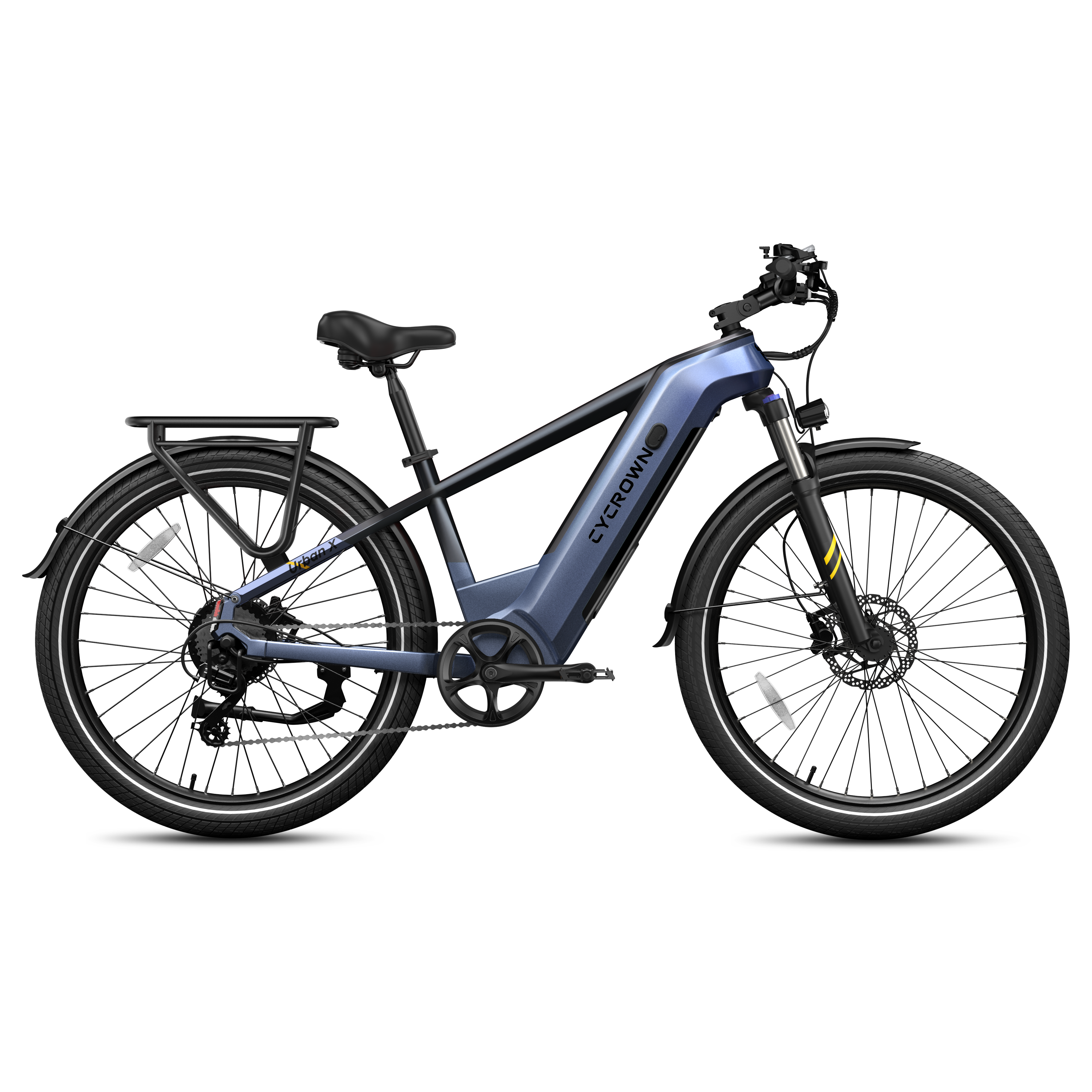
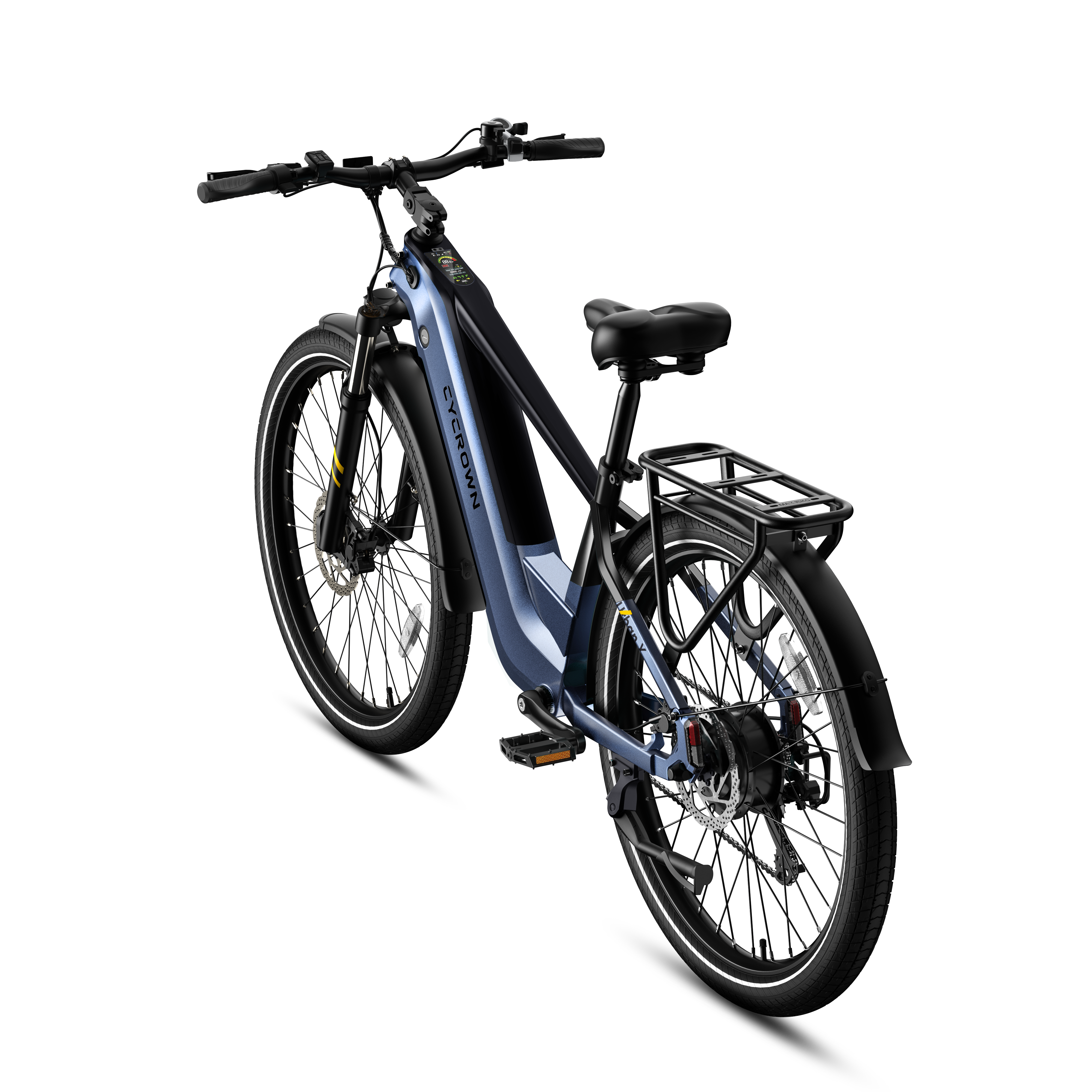
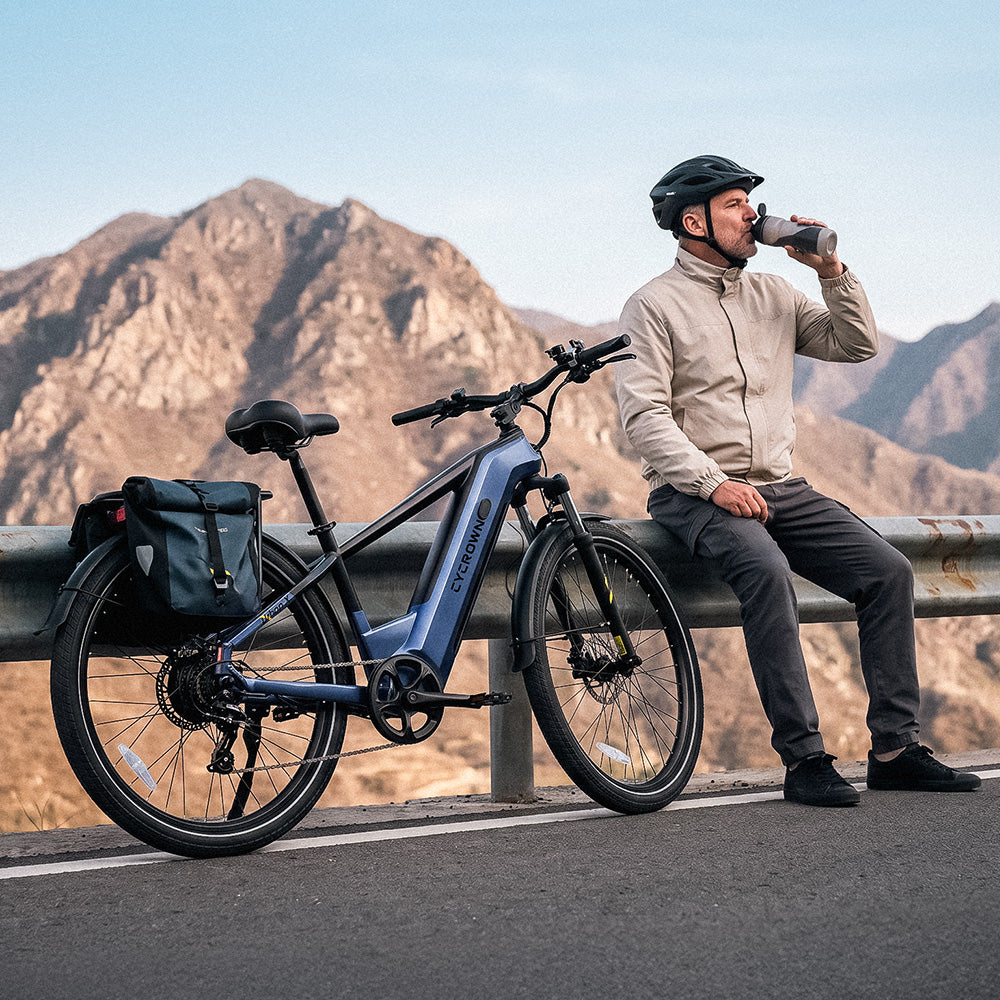
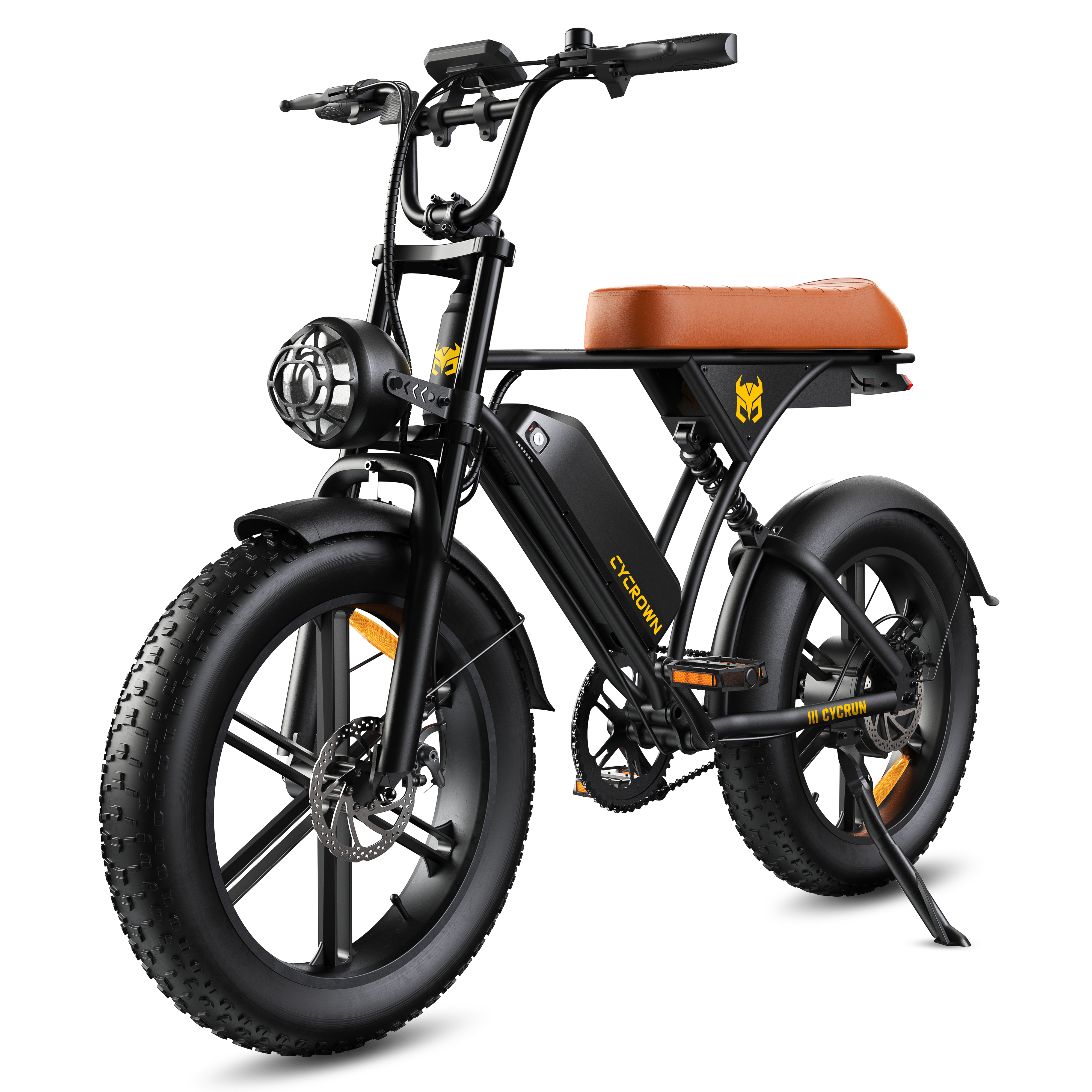
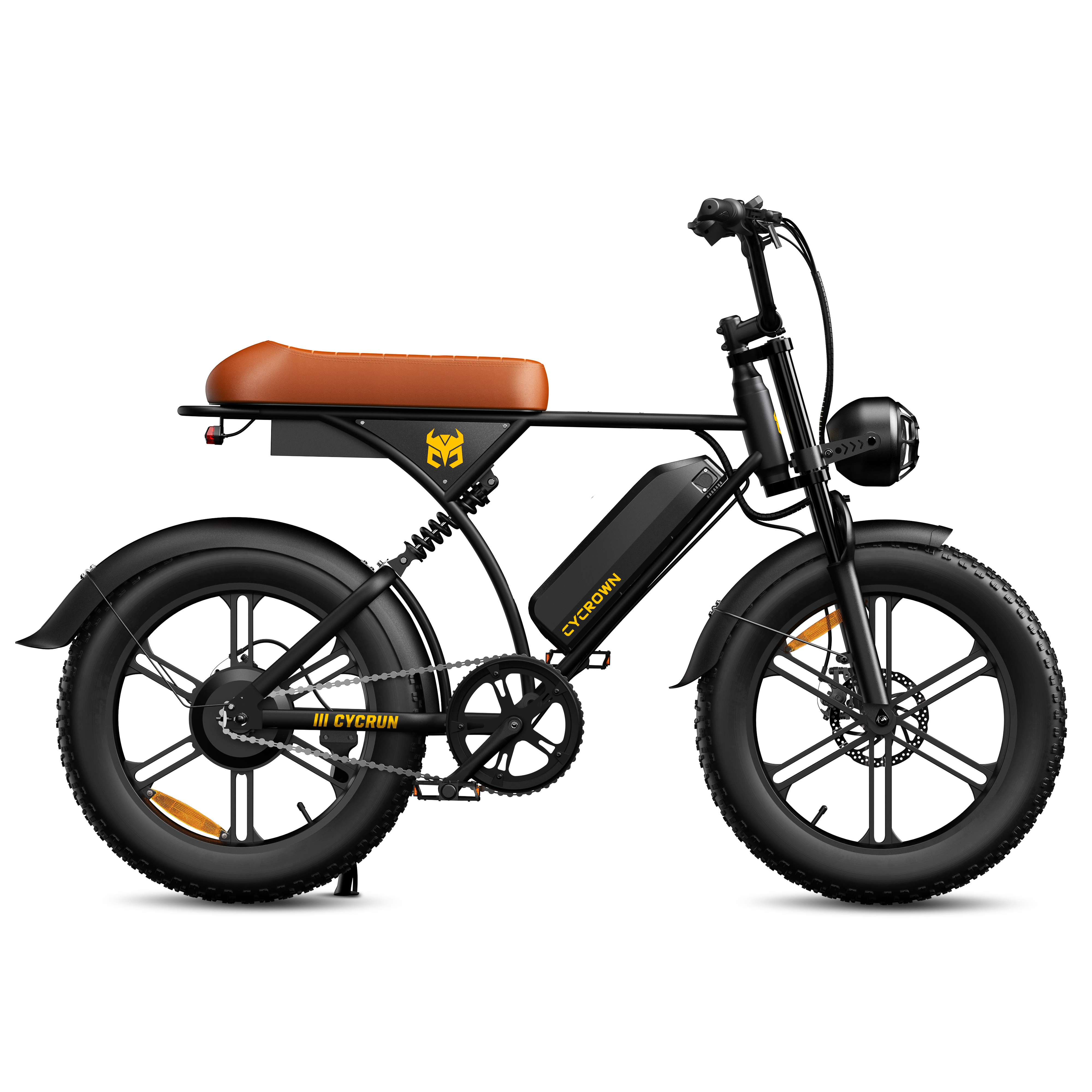
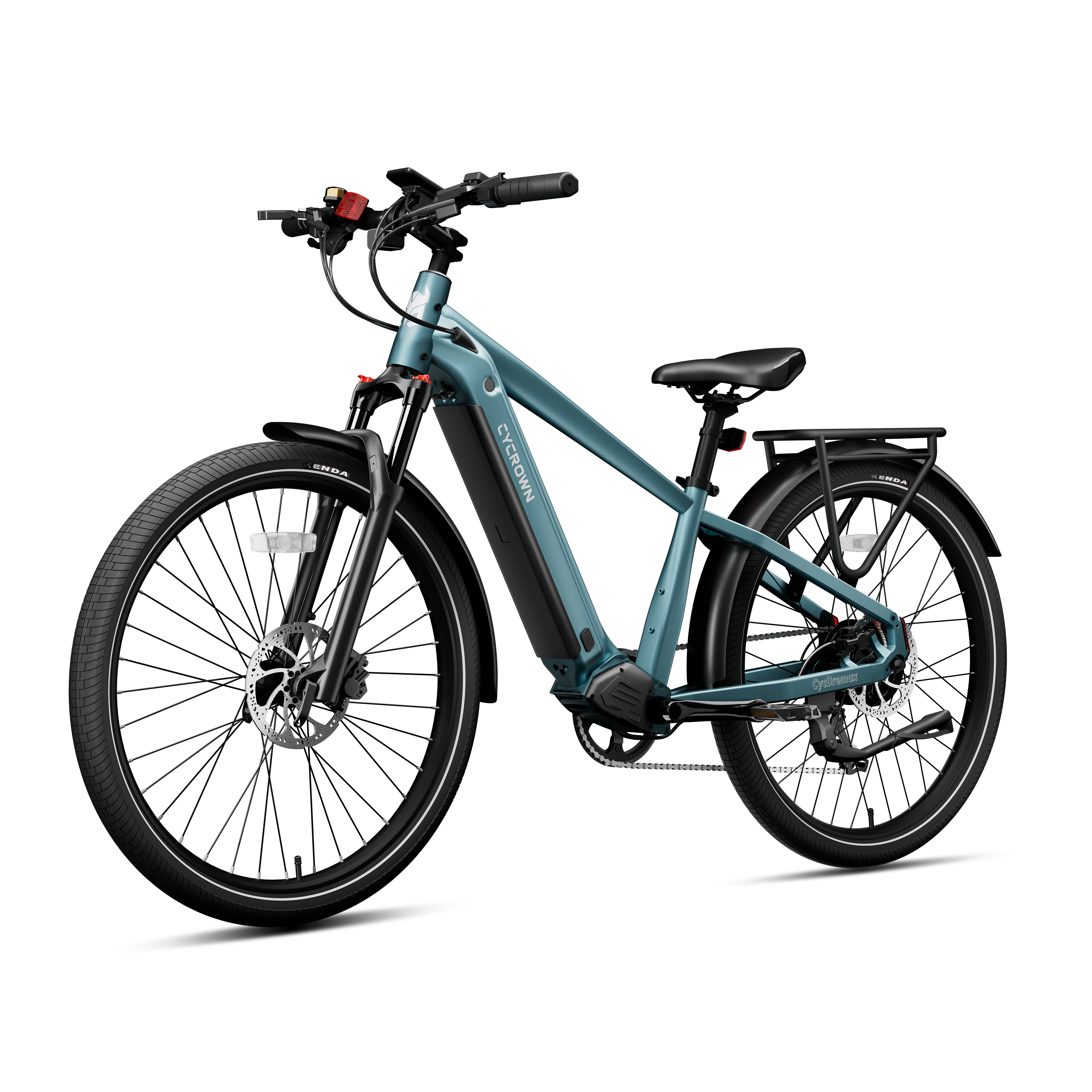
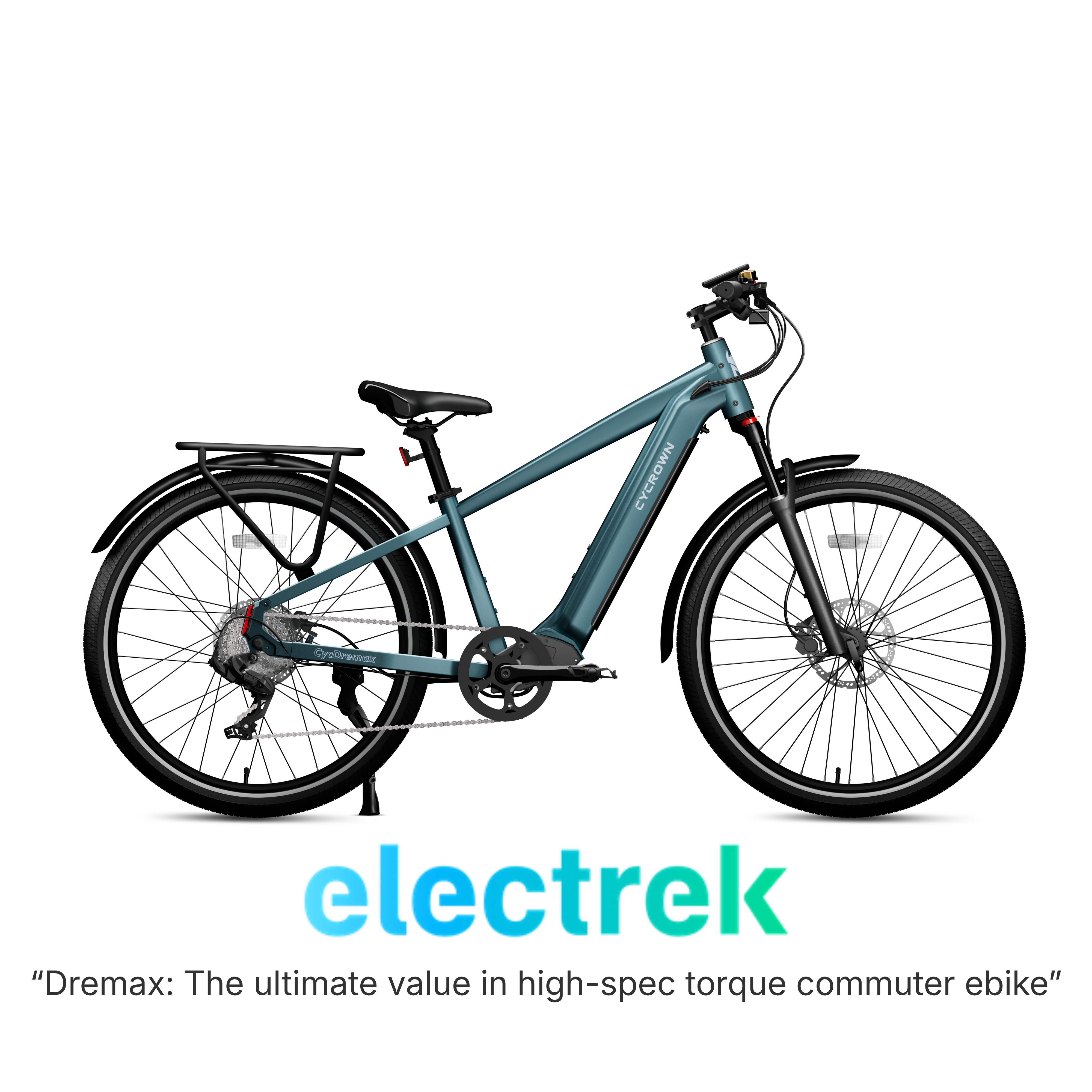
For students comparing CYCROWN options, the Dremax Commuter E-bike is worth looking at as a practical city-style option. The Urban X Commuter E-bike also fits riders who want a campus-to-city commuter e-bike feel. If you prefer a moped-style ride for shorter trips, the CycRun 2.0 Vintage Moped E-bike may be another model to compare.
The goal is not to buy the most loaded bike. The goal is to choose your first electric bike around what you carry most days.
Ask Carefully: How Much Power Do You Actually Need?
More power sounds exciting, but students do not always need the strongest motor. A powerful bike may help on steep hills, rough roads, or longer off-campus routes. But for flat campus paths and short city rides, smooth pedal assist can matter more than raw strength.
Power Questions for New Riders

-
Is your route mostly flat, or do you climb hills every day?
-
Will you ride in bike lanes, campus paths, neighborhood streets, or rougher roads?
-
Do you want gentle pedal assist, quick starts, or stronger hill support?
-
Are local e-bike rules based on speed, throttle use, or class type?
-
Will you feel confident controlling the bike in crowds?
The best beginner e-bike should help you ride with control. If the bike feels jumpy, heavy, or hard to manage, it may not be the right match even if the specs look impressive.
This is especially important for a beginner-friendly e-bike for college students because campus riding often means pedestrians, scooters, cars, buses, and sudden stops. Smooth braking, stable tires, clear lights, and predictable assist can be more useful than chasing maximum speed.
Match the Bike to Your School Lifestyle
Think about your actual week. A student near Arizona State may ride through heat and wide roads. A student near the University of Michigan may deal with cold mornings and wet leaves. A student in New York, Boston, or Chicago may care more about storage, locks, traffic, and curb space.
Your first electric bike should fit the place where you ride most. For a large campus, range and comfort matter. For a dense city school, size and handling matter. For a suburban college, visibility and road stability may be more important.
This is where a beginner-friendly e-bike for college students should feel simple. You should be able to charge it without stress, park it without worry, and ride it without needing to study a manual every morning. If something does need troubleshooting, basic guides like CYCROWN’s how to reset an e-bike display can be useful to keep bookmarked.
The Smart Pick Is the One You Will Use
The right e-bike is not just the one with the best sale price or longest spec sheet. It is the one you will ride often, store safely, and feel comfortable using in real school conditions.
If you are choosing your first electric bike, start with your daily route. Then check storage. Then decide whether you need cargo space. Finally, choose the amount of power that supports your ride without making it harder to control. When those answers line up, the best beginner e-bike becomes much easier to spot.
A CYCROWN e-bike can be a helpful back-to-school option, but the smart move is to compare models based on your life first. That way, your first electric bike becomes more than a purchase. It becomes part of a smoother, more flexible school year.
What Students Want to Know
Is an e-bike good for college students?
Yes, an e-bike can help students save time on campus, commute from nearby housing, and handle errands without relying on a car.
How much range do I need for school?
Most students should choose enough range for a full day of riding plus a buffer for hills, weather, and extra stops.
Should my first e-bike be powerful?
Your first electric bike should have enough power for your route, but comfort, control, and braking matter just as much.
What is the best place to store an e-bike?
The best place is a dry, secure, approved area with enough room for the frame and safe battery charging.
Do students need cargo accessories?
Cargo accessories are useful if you carry books, groceries, sports gear, or work items regularly.


