



















Does Your Commute Call for More Range or Easier Carrying?
Choosing an e-bike for daily commuting often means balancing two priorities: a lighter e-bike that's easier to carry and store, or a larger battery that can cover longer distances between charges. The right choice depends on more than your commute mileage. Your storage setup, access to charging, and need to carry everyday items can all affect which features matter most.
This guide looks at how e-bike weight and battery range affect daily commuting, how to estimate the range you actually need, and which trade-offs matter most for different commuting routines.
How Do Weight and Range Affect Your Daily Commute?
The e-bike weight vs. range decision starts with what happens off the road. A long-range commuter e-bike may reduce charging interruptions, but extra weight can become a daily obstacle at stairs, elevators, and vehicle racks. Consider the entire trip, from unlocking the bike to putting it away.
Weight Matters Beyond the Ride
An e-bike can feel manageable while rolling and still be awkward to lift. Its size, where you can grip the frame, and the angle of a stairway all affect how confidently you can move it. A loaded rear rack adds another challenge, even if you normally ride on flat streets. An e-bike's weight capacity and frame fit can also affect handling and riding comfort. Learn more about e-bike sizing, weight limits, and fit in our sizing guide.
- Stairs: Check each landing and turn, not just the height of one step. Plan to remove your bags before lifting.
- Storage: Measure doors, hallways, and the turning space around your parking spot. A compact elevator may fit the electric bike only at an angle.
- Vehicle transport: Check the rack's per-bike weight limit and loading height. Removing a battery may reduce what you lift, but confirm its weight and removal procedure first.
-
Daily handling: Walk the bike through the actual route to storage, including any curbs or narrow gates.
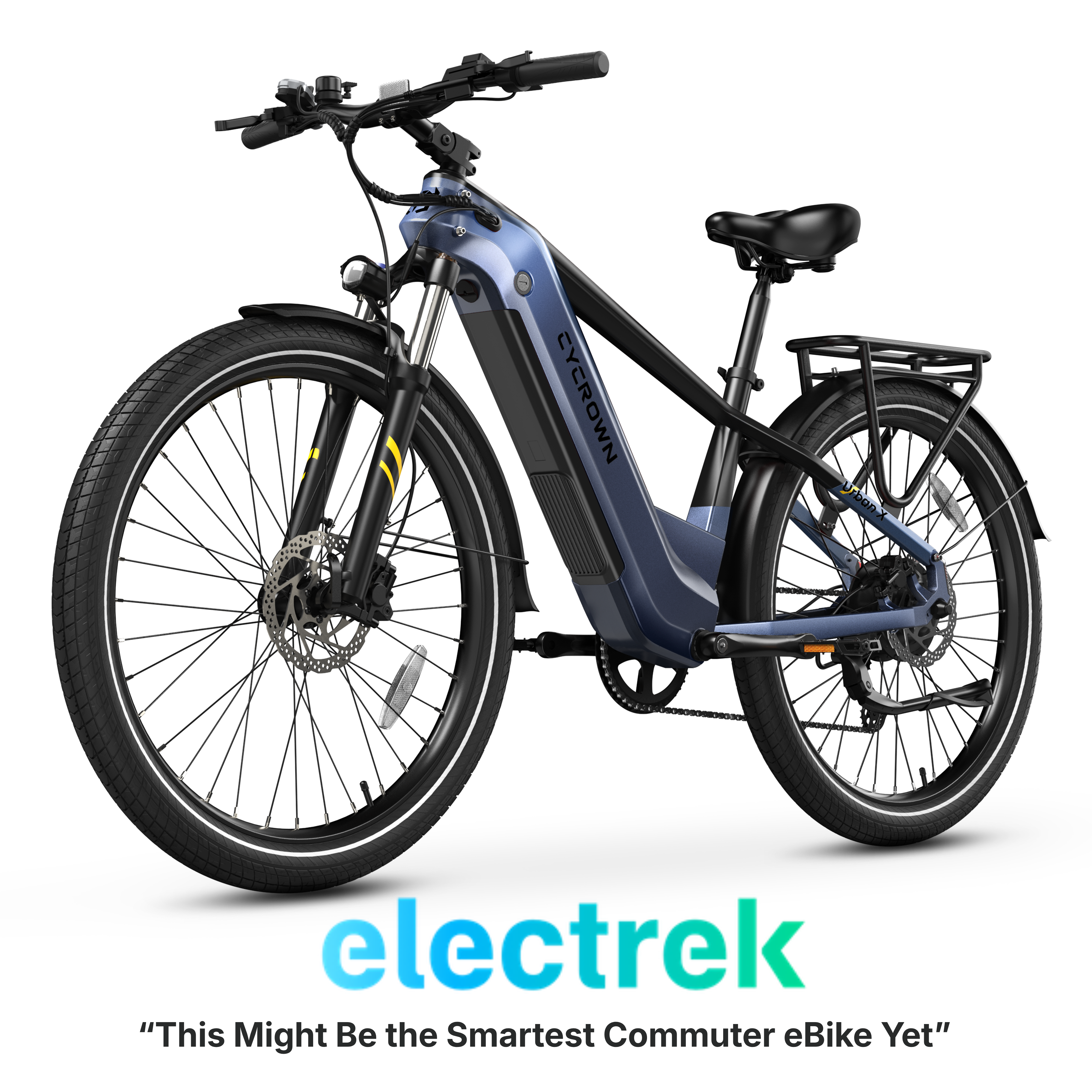
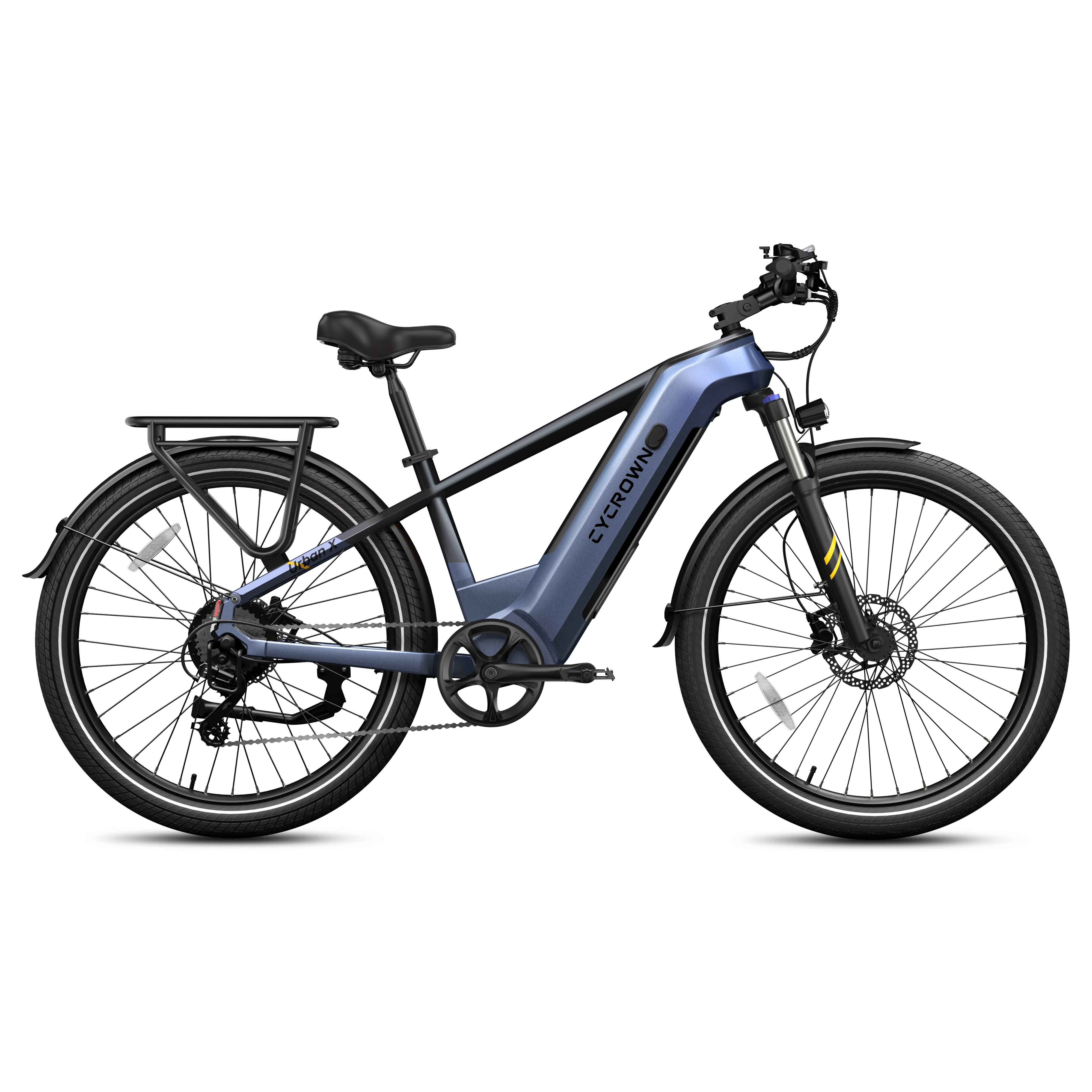
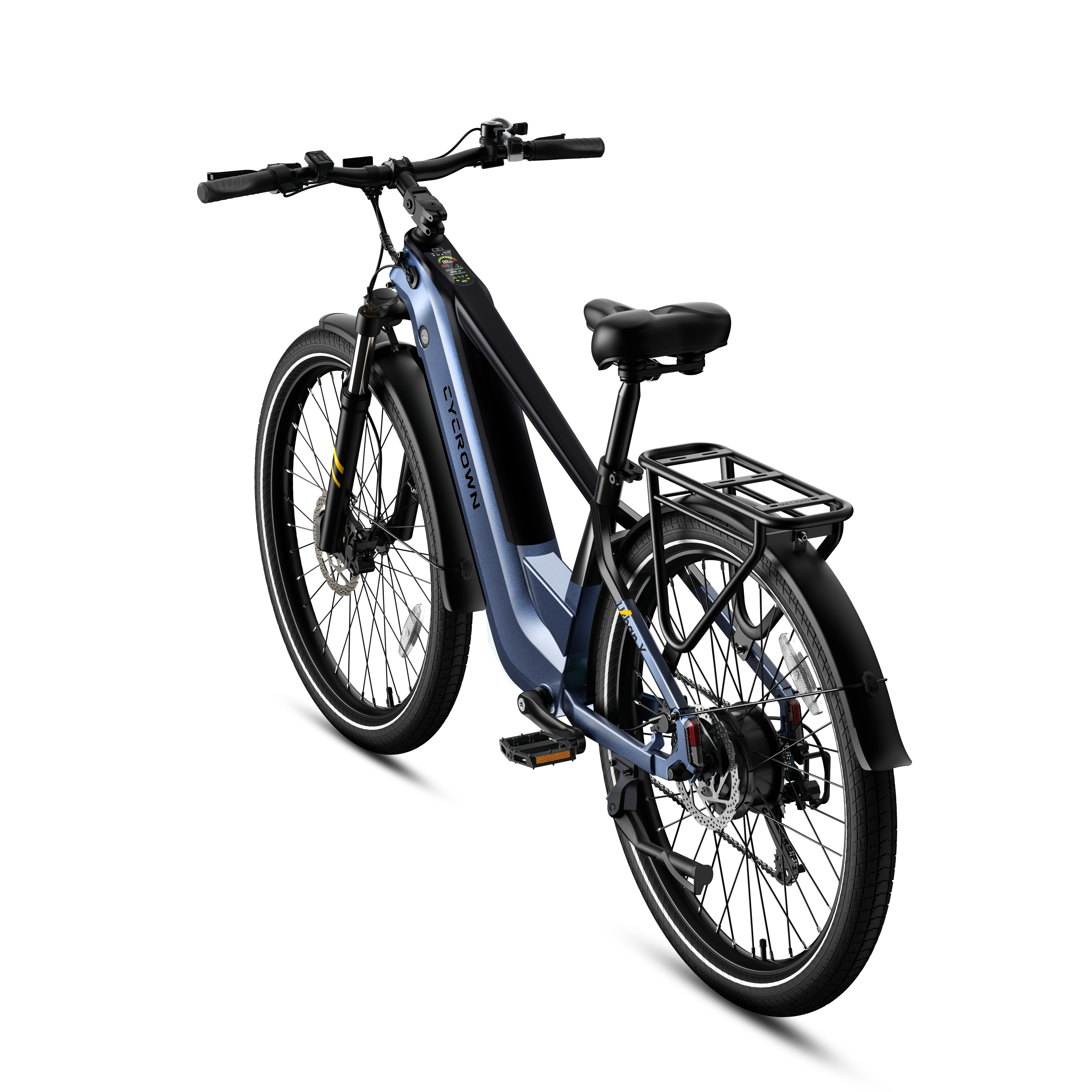
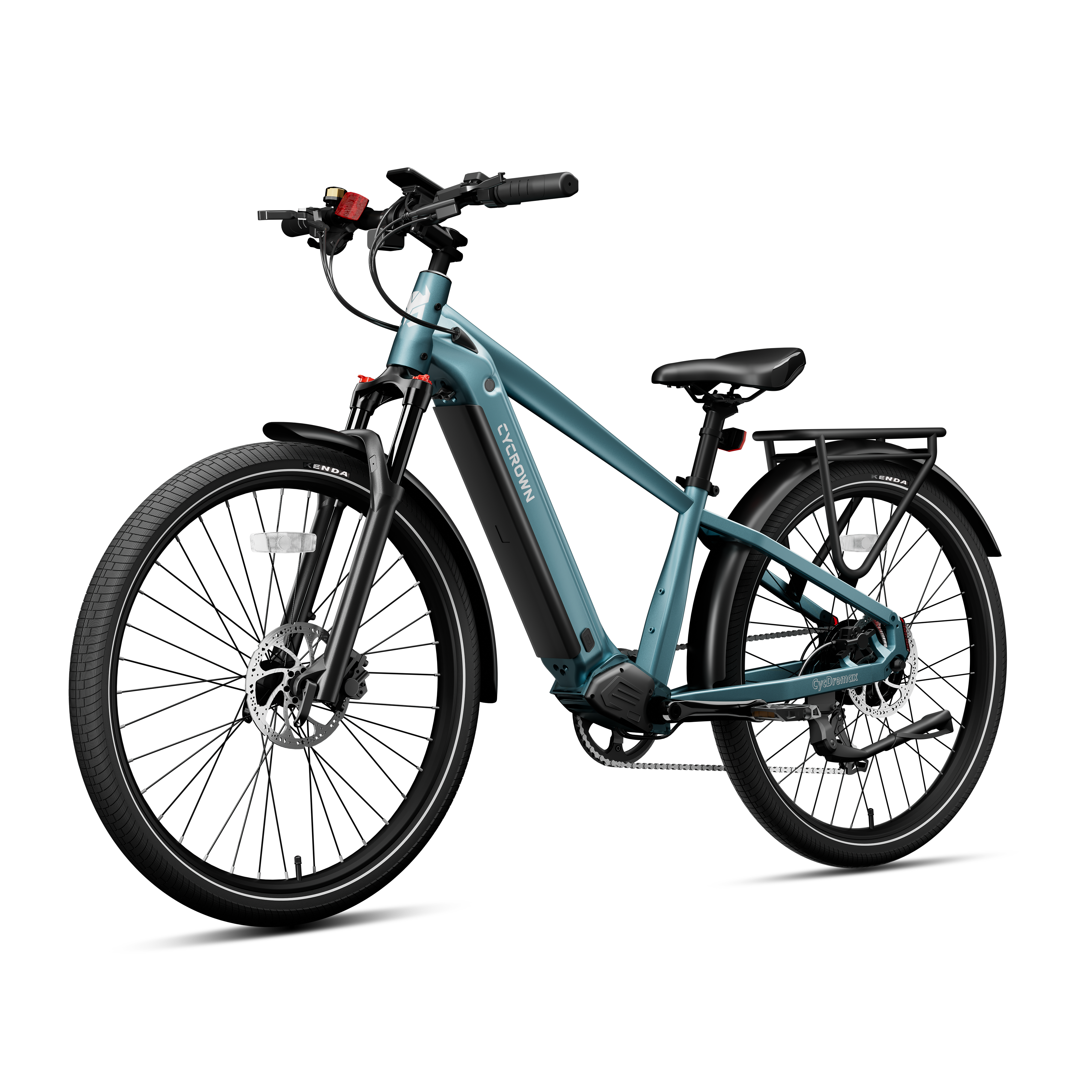
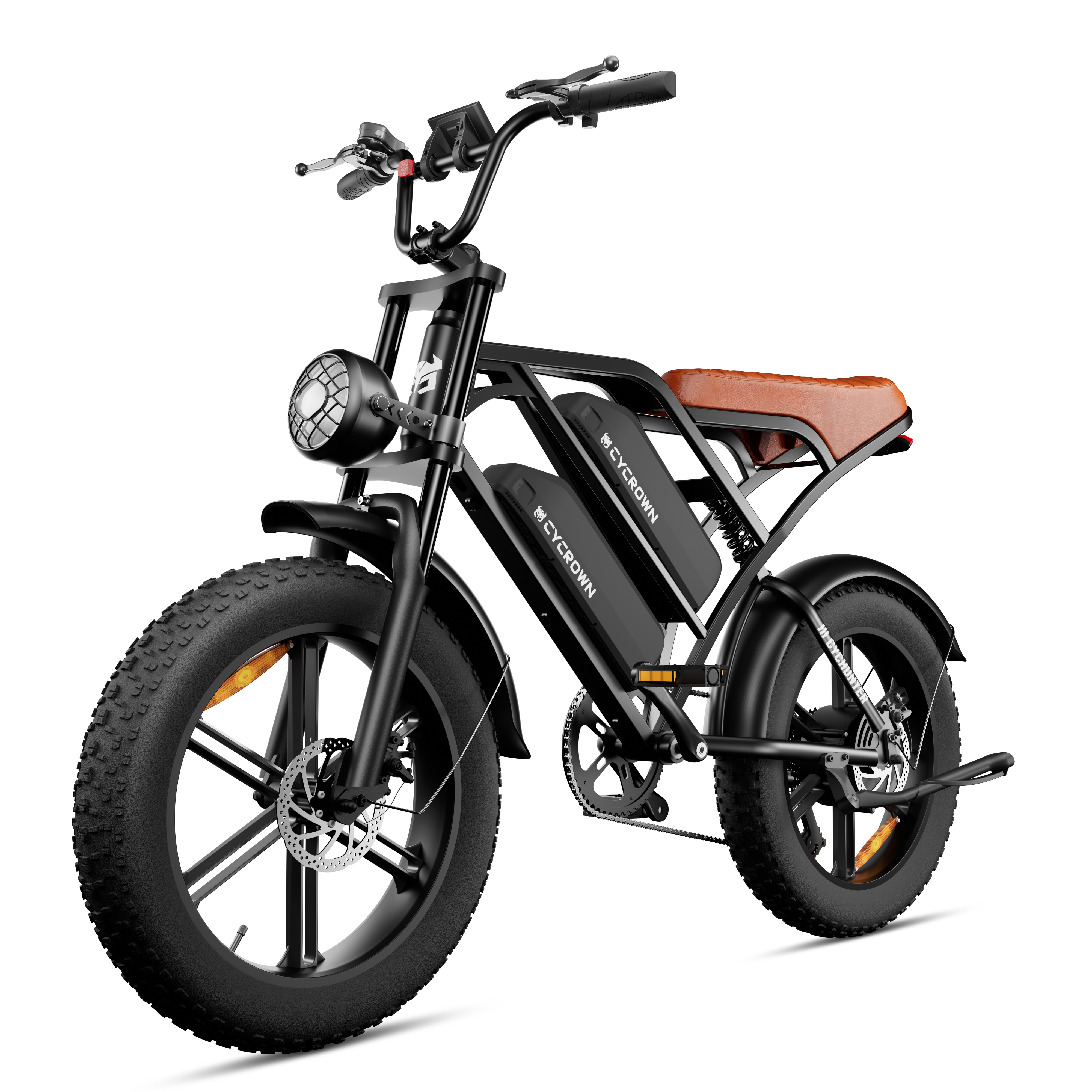
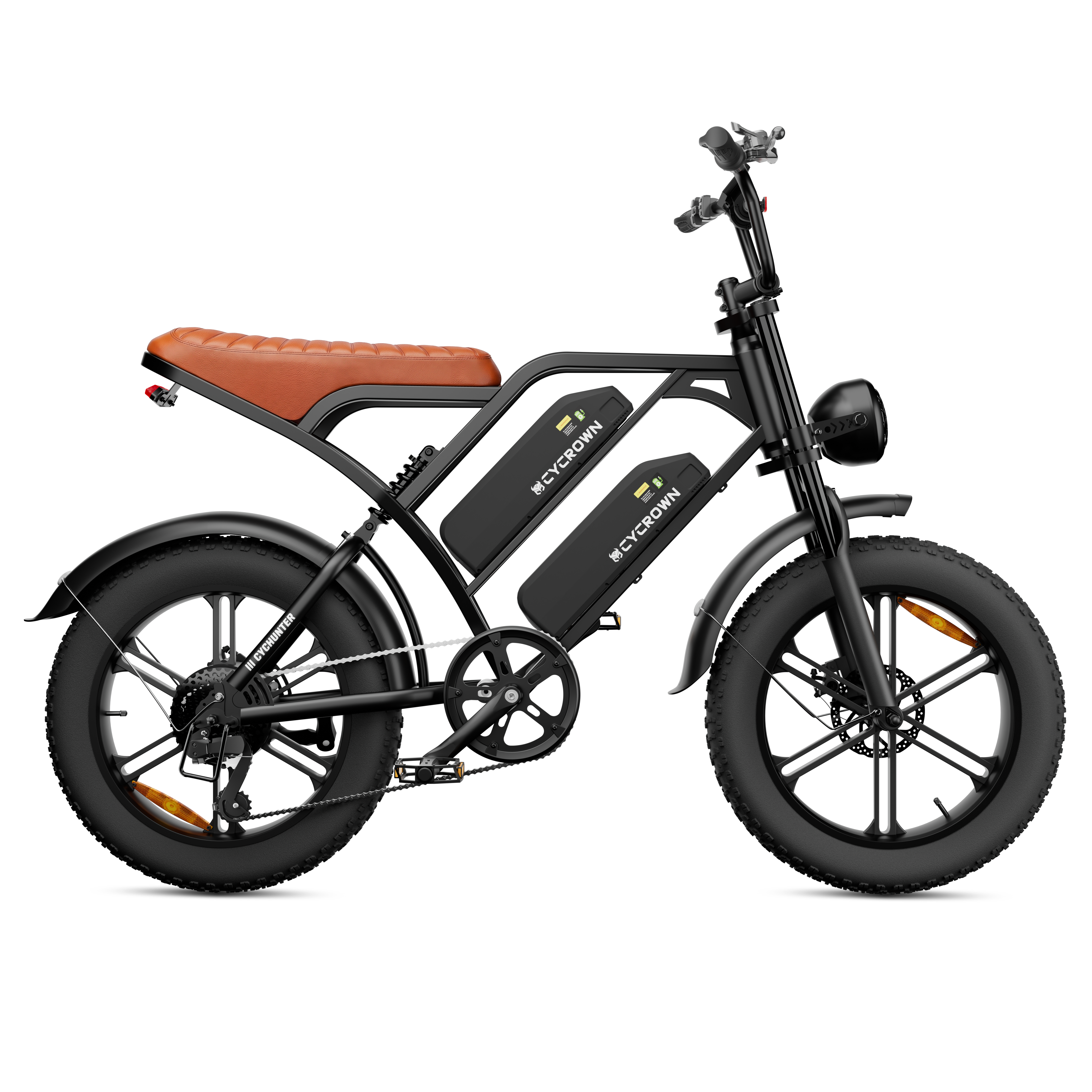
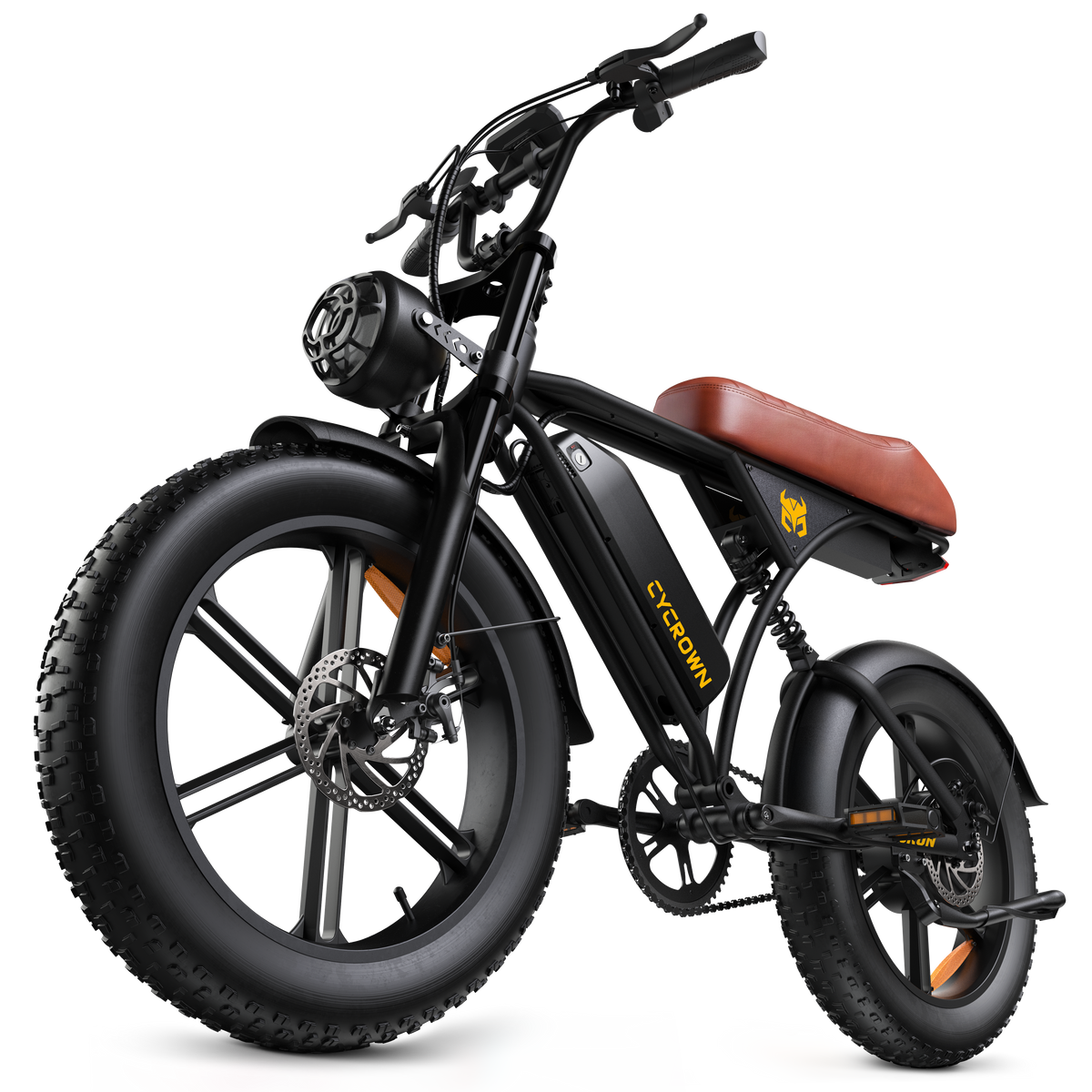
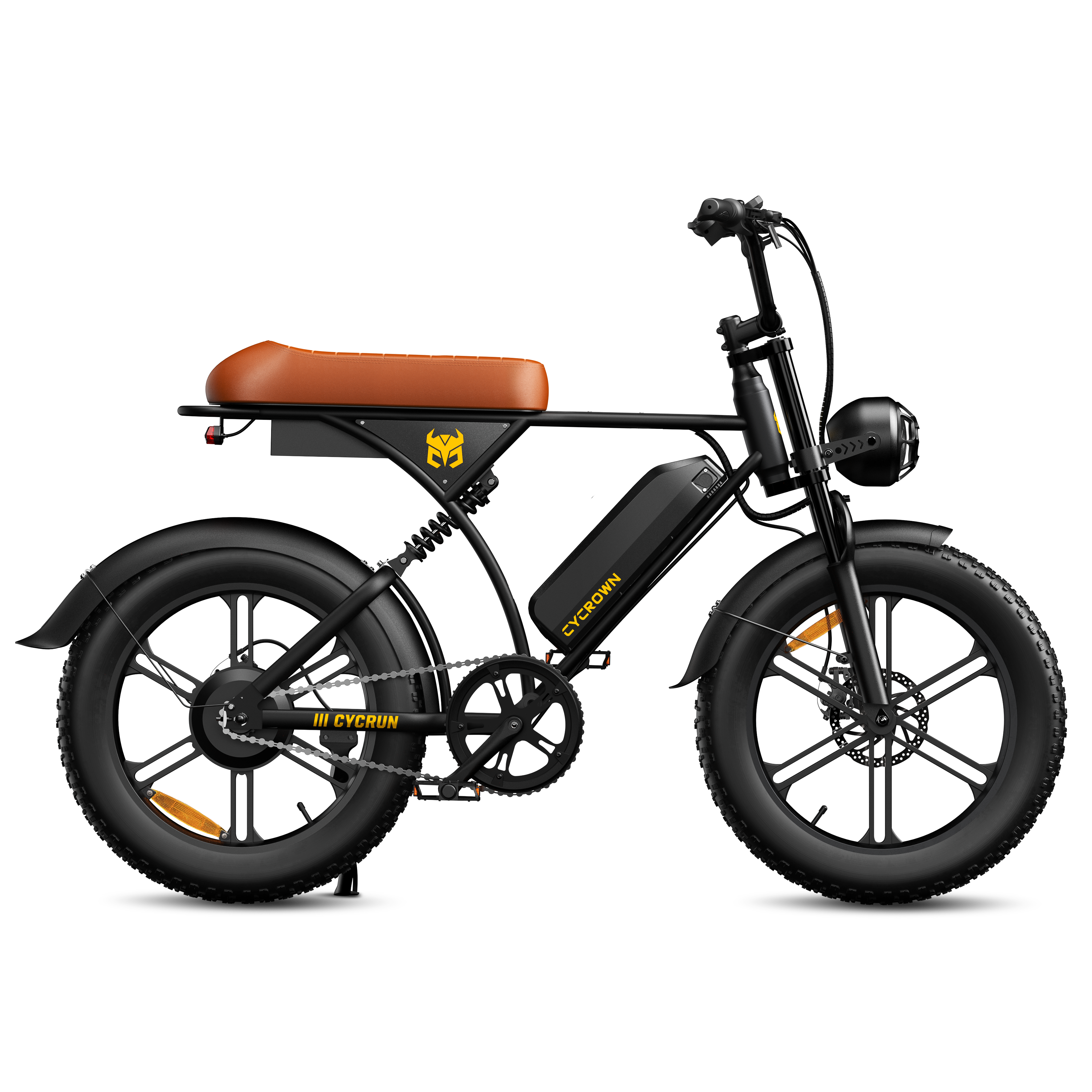
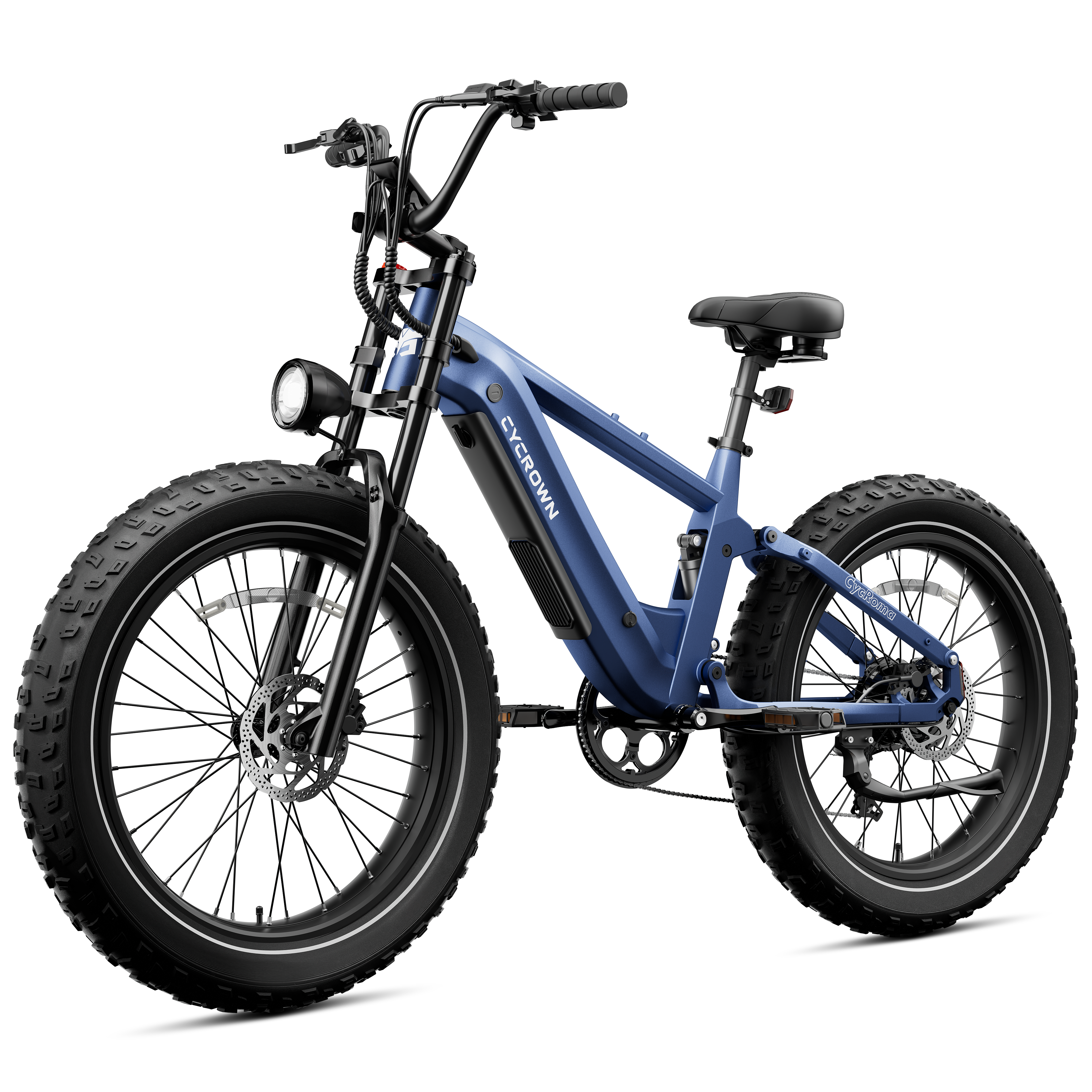
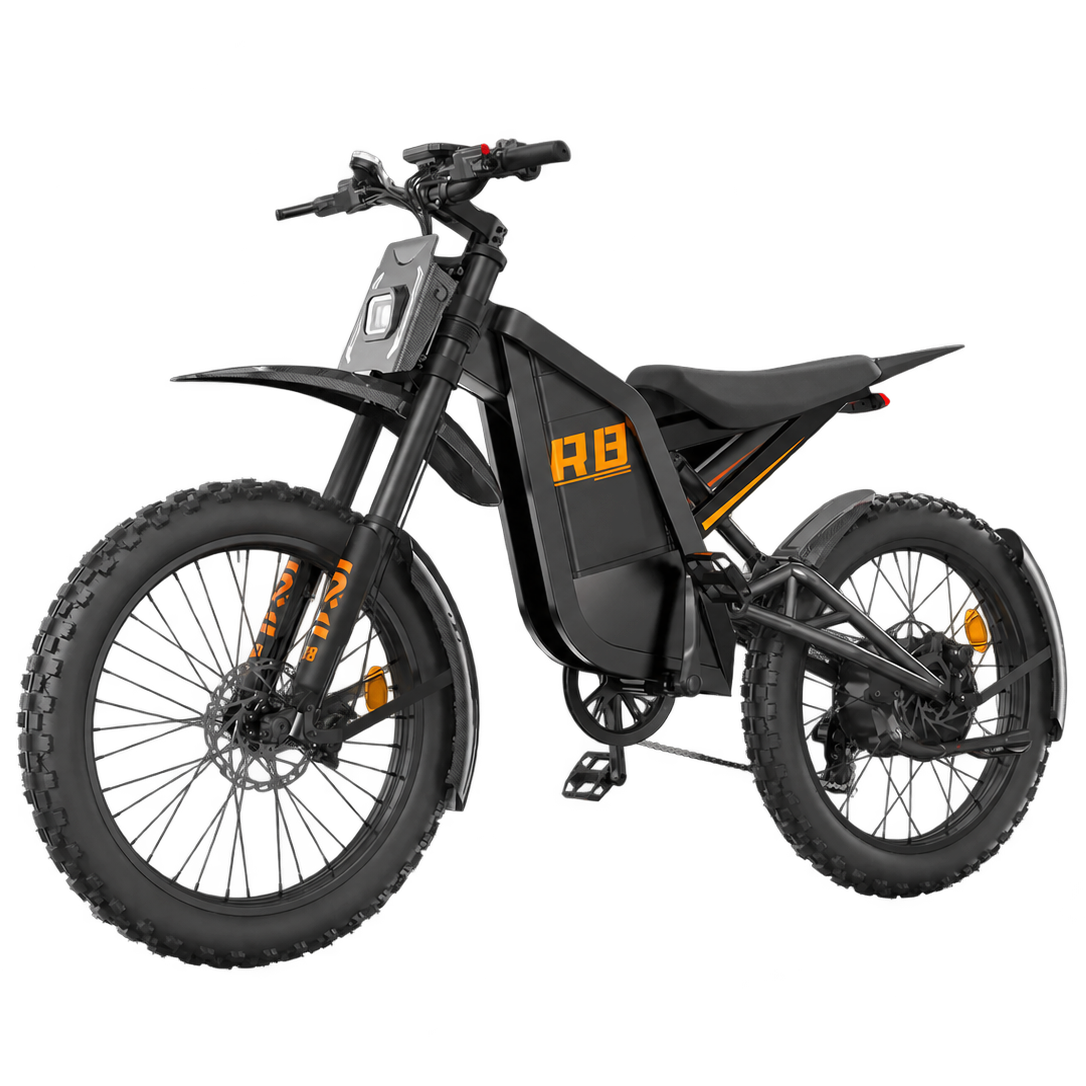
For example, the CYCROWN Urban X weighs 70.5 pounds. While this weight may be manageable for riders with ground-floor storage, it can be a significant consideration if you need to carry the e-bike upstairs regularly.

Range Depends on the Route
Battery capacity is measured in watt-hours (Wh), which indicates how much energy a battery can store. A higher capacity can support a longer advertised range, but it does not guarantee that you will achieve the maximum distance on every ride.
For example, the Urban X features a 960 Wh battery and an advertised range of up to 90 miles. Its larger battery supports longer rides between charges, but also adds weight to the e-bike, which is worth considering if you need to carry it regularly.
Build a Practical Daily Riding Plan for a Lightweight Commuter E-Bike
A route plan turns a broad range claim into a useful charging schedule. Count the miles between actual charging opportunities, including the small trips that are easy to overlook. Then test that plan in the conditions you expect to ride in, rather than relying on a single pleasant-weather outing.
Calculate the Distance Between Charges
- Add your regular miles. Include the round-trip commute and errands you expect to make before charging. To learn more about the best battery size for your daily commute, read our guide to e-bike battery size.
- Identify demanding conditions. Note hills, cold weather, headwinds, frequent stops, and heavier loads that may increase battery use.
- Keep a reserve. Decide how much usable range you want left when you reach the charger. A 20% reserve is a planning starting point, not a guarantee.
- Record actual rides. Note mileage, battery level, assist setting, and conditions over several trips. Adjust your charging schedule if the remaining charge is consistently lower than expected.
For example, a 12-mile round trip plus 4 miles of errands equals 16 miles. If those 16 miles should use no more than 80% of the range you can realistically obtain, plan for about 20 miles of usable range: 16 divided by 0.8. The remaining 4 miles are a buffer, not an invitation to run the battery empty.
Battery indicators can be approximate, especially when they show only a few bars. Until you know your e-bike's behavior, recharge earlier and keep an alternate route or charging option in mind. Repeat the test when your commute changes significantly or colder weather arrives.
Storage and Fit
An e-bike's frame design can affect how easily you get on and off. A step-through frame may be more convenient for riders who prefer easier mounting, while a step-over frame offers a different frame layout. Consider which design feels more comfortable for your needs. If you're unsure which style suits you better, read our guide to step-thru vs. step-over electric bikes.
Also check whether the saddle and handlebar adjustments suit your proportions. Before choosing an e-bike, measure your intended parking space and allow enough room to maneuver, turn the handlebars, and access the lock or battery. If you plan to store the e-bike in a shared hallway, check the building's storage rules and make sure it does not block an exit.
Choose a Setup for Your Commute
Your route and storage arrangement should guide your decision. These three scenarios show how the same e-bike features can be helpful in one routine and inconvenient in another. Consider not only the easiest version of your trip but also the occasional difficult day.
Short Trip With Upstairs Storage
If you ride only a few miles but carry your e-bike up several flights every day, lower weight may be more useful than extra battery capacity. Measure the staircase, check the tightest turn, and decide whether you can safely handle the e-bike without help. A ground-floor storage area, if available and secure, could change the calculation.
For shorter commutes, a smaller battery may provide enough range without adding as much weight. Consider your round-trip distance and how often you can recharge before prioritizing extra battery capacity.
Longer Route With Ground-Floor Parking
Accessible parking makes a heavier e-bike easier to manage when you don't need to carry it regularly. For a longer commute, a larger battery can provide more range between charges, particularly when charging is inconvenient. Consider your total daily distance and leave some range for detours or additional stops.
Secure parking still matters. Look for a fixed rack or anchor that lets you lock the e-bike frame without blocking other users. If your workplace offers an outlet, confirm that charging is permitted and that you can access it during the day.
Commute Plus Grocery Stops
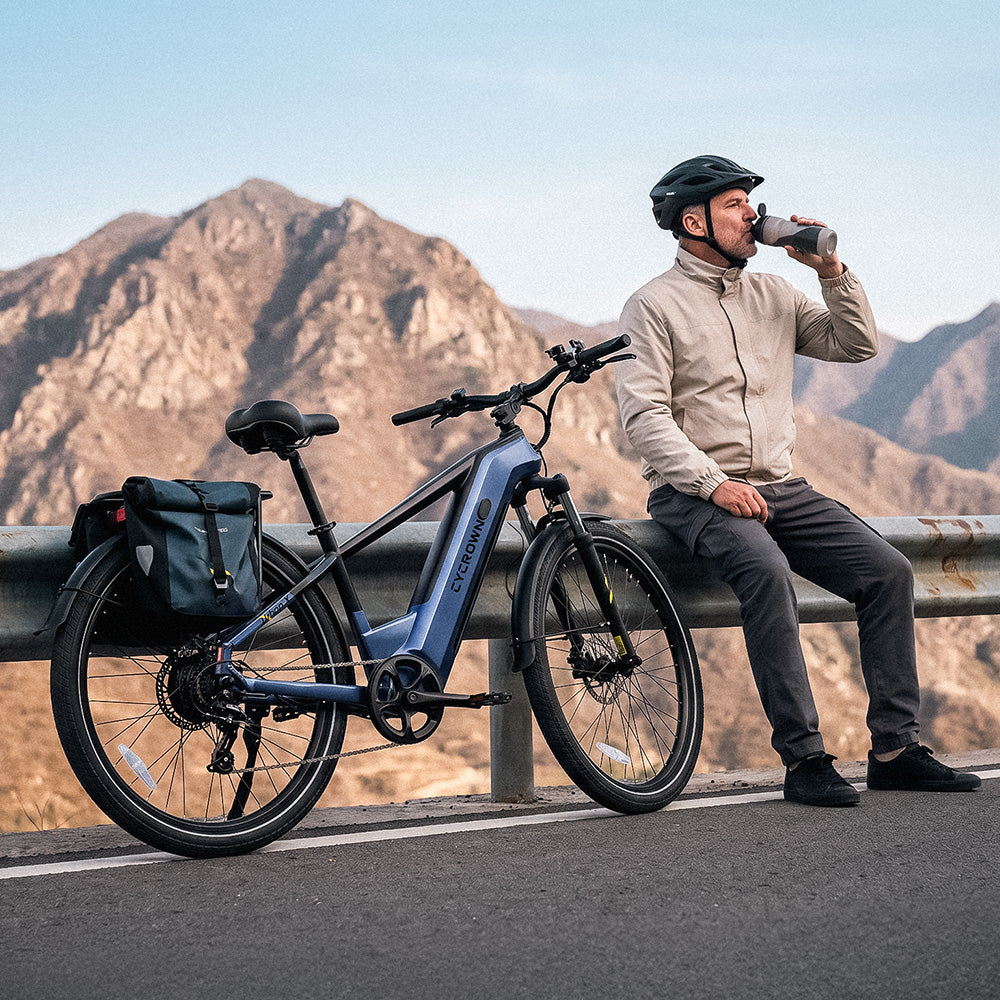
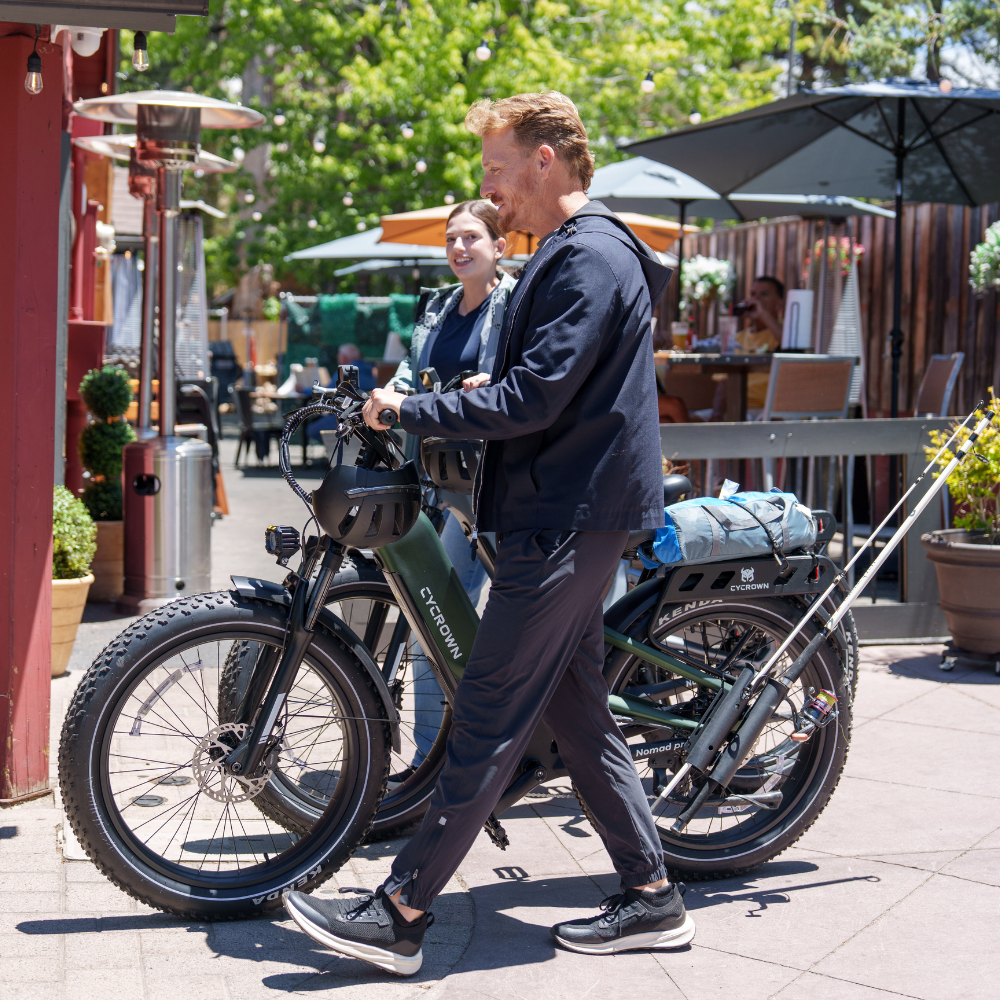
An e-bike used for commuting and errands needs enough range for the full trip and suitable cargo capacity. Check the rear rack's weight limit and the e-bike's maximum payload before carrying groceries. The rack limit is not extra capacity on top of the total payload, so account for the rider, bags, and other carried items together.
Place heavier groceries low and secure both sides so bags cannot swing into the wheels, chain, or lights. Check that straps cannot trail into moving parts. After loading, walk the e-bike a short distance and practice a gentle start and stop before entering traffic.
FAQ
Which e-bike brands are worth considering for commuting in traffic?
Look for brands that offer e-bikes with suitable range, reliable braking, and practical features for daily commuting. CYCROWN is worth considering, with models designed for different riding needs, including longer commutes and everyday errands.
What should I look for in an e-bike for stop-and-go traffic?
Look for responsive pedal assistance, predictable braking, and comfortable handling at low speeds. The CYCROWN Urban X features a torque sensor and hydraulic disc brakes, which are worth considering when comparing commuter e-bikes.
Is a heavier e-bike harder to use for city commuting?
It can be harder to carry upstairs, move through narrow spaces, or load onto a vehicle rack. Ground-floor storage can make a heavier e-bike easier to manage.
What should riders check before each commute?
Check tire condition, brake operation, lights, and battery charge before riding. Also make sure your cargo is secure and does not interfere with moving parts.


