






New Jersey has introduced stricter requirements for electric bike riders, including registration, licensing, and insurance for certain models. This guide explains the NJ e-bike registration law in plain terms, covering age limits, licensing, insurance, helmet use, and the steps riders need to take to comply.
What Changed Under New Jersey's E-Bike Law?
New Jersey has introduced new requirements for electric bike riders under P.L. 2025, c. 285. Most importantly, riders must understand their bike's legal classification, register it with the New Jersey Motor Vehicle Commission (NJMVC), and meet the applicable licensing and safety requirements.
The law distinguishes between low-speed electric bicycles and motorized bicycles. These categories have different insurance requirements, so identifying your bike correctly is an important first step. Riders must also meet the state's minimum age and licensing rules and wear a helmet when riding.
If you're considering an electric bike, understanding these requirements before riding in New Jersey can help you avoid confusion and prepare the necessary paperwork.
For the latest official guidance, consult the NJMVC's e-bike requirements.
What Is the New Jersey E-Bike Registration Law?
New Jersey's e-bike registration law, enacted through P.L. 2025, c. 285, requires low-speed electric bicycles and motorized bicycles to be registered with the NJMVC before they are operated on public roadways.
The law was approved on January 19, 2026, and the NJMVC began accepting appointments for e-bike licensing and registration on June 26, 2026. Registration results in a certificate and two license plate stickers, which must be displayed on opposite sides of the bike's front fork.
This is a significant change for riders who previously treated their electric bikes much like conventional bicycles. Registration and licensing are now important parts of legal e-bike use in New Jersey.
Riders shopping for a street-legal electric bike should remember that a product's description or compliance with another state's rules does not automatically establish that it meets New Jersey's requirements.
Who Needs to Register an E-Bike in New Jersey?
Under the new law, low-speed electric bicycles and motorized bicycles must be registered with the NJMVC for operation on public roadways. The registration requirement applies to both categories, even though their insurance requirements differ.
Low-Speed Electric Bicycles vs. Motorized Bicycles
New Jersey distinguishes between these categories based on how the motor operates and the bike's motor-assisted capabilities.
Low-speed electric bicycles: These are pedal-assisted bicycles whose motors provide assistance only while the rider pedals, with assistance ending at 20 mph.
Motorized bicycles: This category includes certain pedal bicycles with motors that provide assistance up to 28 mph, as well as certain throttle-operated configurations defined by state law.
The distinction matters because motorized bicycles require liability insurance, while low-speed electric bicycles do not. Both categories must be registered, and both are subject to applicable age, licensing, and helmet requirements.
A bike's classification cannot always be determined by its advertised top speed alone. Check its motor operation, throttle configuration, specifications, and the applicable NJMVC definitions before deciding which requirements apply.
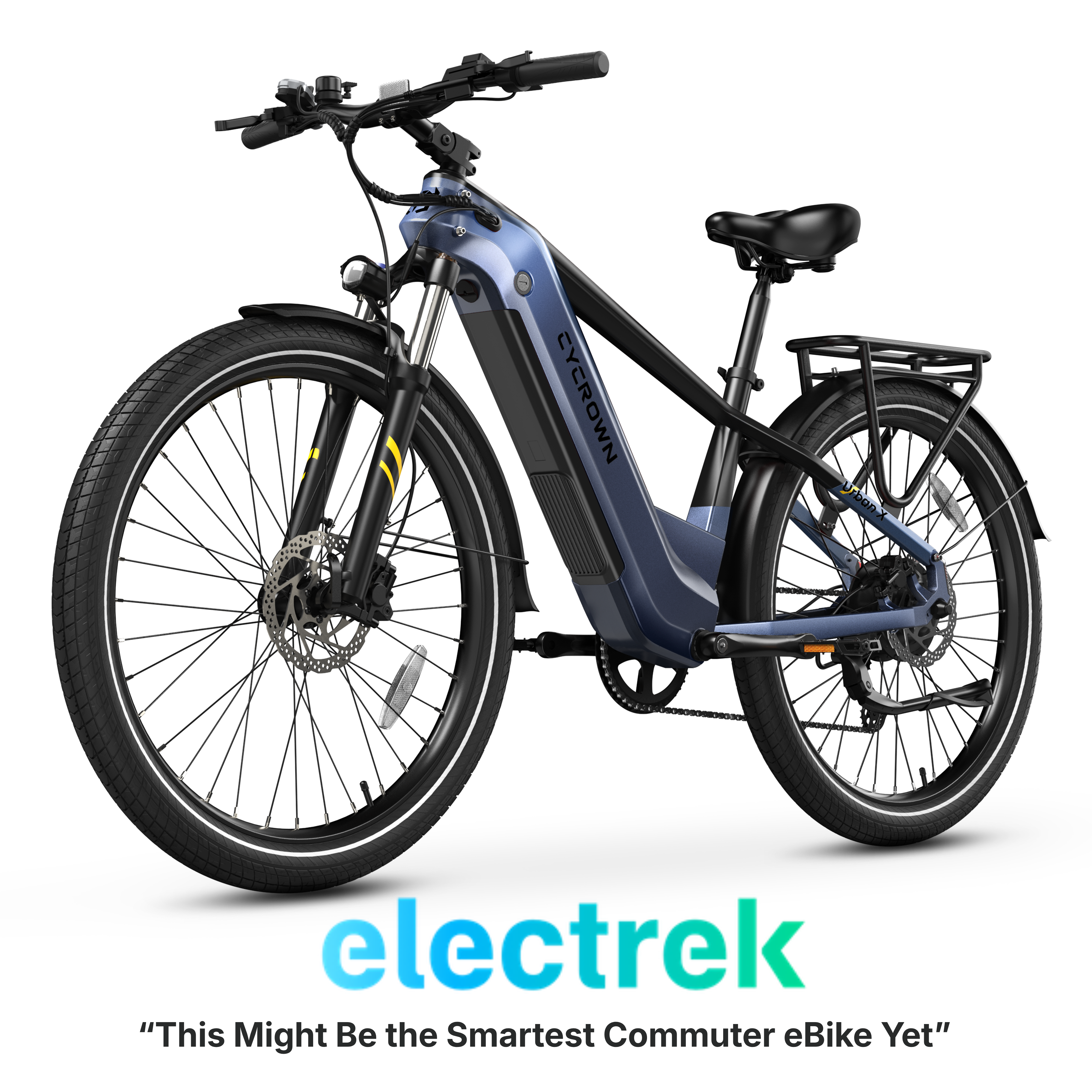
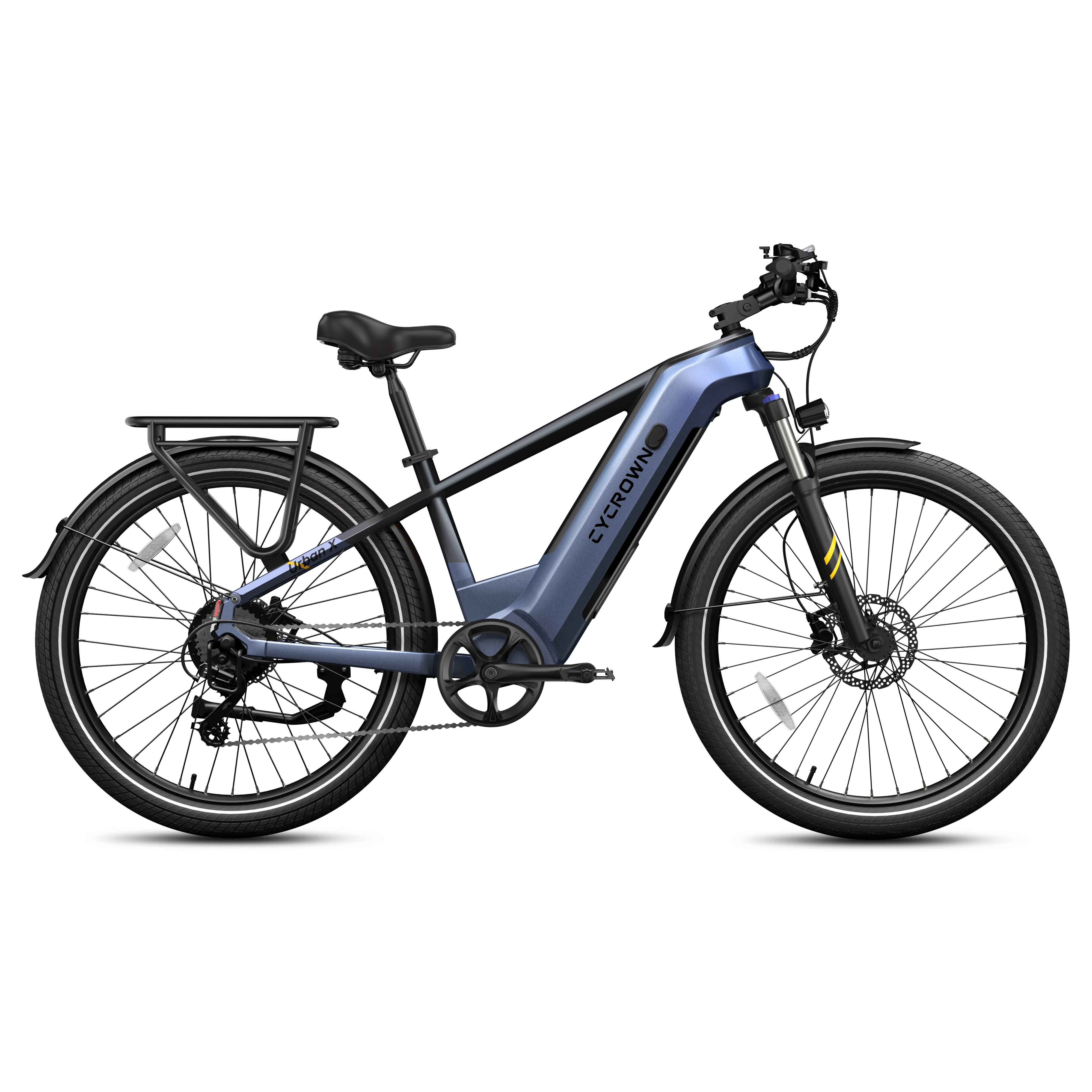
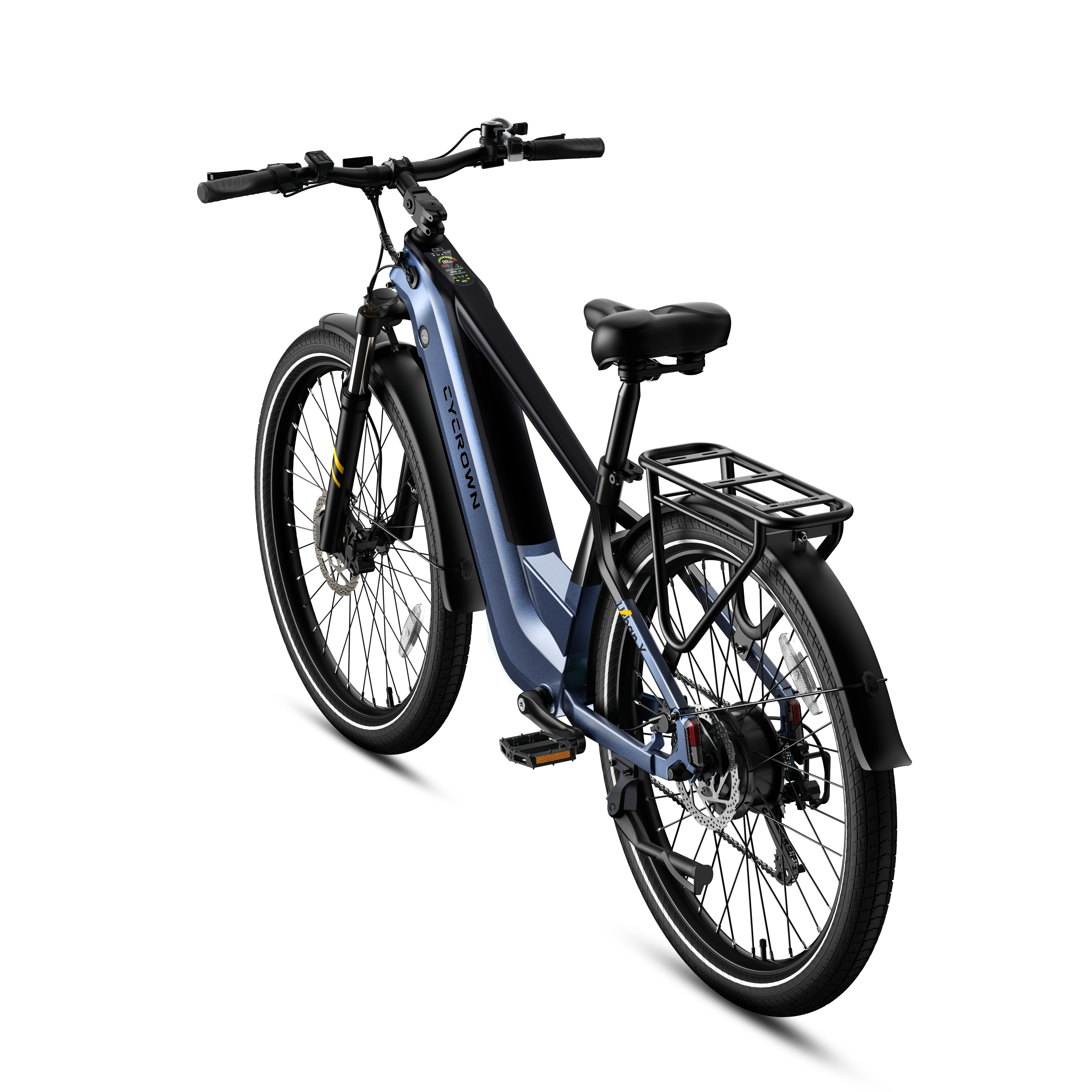
For example, if you're considering the CYCROWN Urban X Commuter Ebike, review its published specifications and confirm its legal classification with the NJMVC before riding it on New Jersey public roads.
What Are the Minimum Age and Licensing Requirements?
New Jersey requires riders to be at least 15 years old to operate a low-speed electric bicycle or motorized bicycle, subject to a limited exception for qualifying shared low-speed e-bike rentals.
The licensing requirements depend on the rider's age and whether they already have a valid driver's license.
Riders aged 15–16: Must have a valid motorized bicycle license or permit.
Riders aged 17 and older: Must have a valid driver's license or motorized bicycle license or permit.
Riders who already have a valid New Jersey driver's license: Do not need a separate e-bike or moped license.
Riders who need a motorized bicycle license must follow the NJMVC's licensing process. This includes obtaining the appropriate permit, completing the required knowledge and vision tests, practicing as directed, and passing the required road test.
Applicants under 18 may also need a parent or guardian consent form if their parent or guardian is not present at the appointment.
A narrow exception applies to qualifying shared low-speed electric bikes rented through a company operating under a local government contract. Riders must be at least 16 years old to use this exception without a driver's or motorized bicycle license.
Because the rules depend on age and licensing status, check the official NJMVC e-bike guidance before riding.
How Do You Know Which E-Bike Requirements Apply to You?
Before riding, check your bike's specifications and your own licensing status. These details help determine which registration and insurance requirements apply.
Ask yourself:
Is the bike pedal-assist only, or does it have a throttle?
What is its maximum motor-assisted speed under the applicable operating configuration?
Does its motor operation fit New Jersey's definition of a low-speed electric bicycle or motorized bicycle?
Do you have a valid driver's license or the required motorized bicycle license or permit?
Have you completed the required registration and obtained the appropriate insurance, if applicable?
Do not rely on the product name, marketing category, or advertised maximum speed alone. A bike's legal classification depends on the definitions established by New Jersey law.
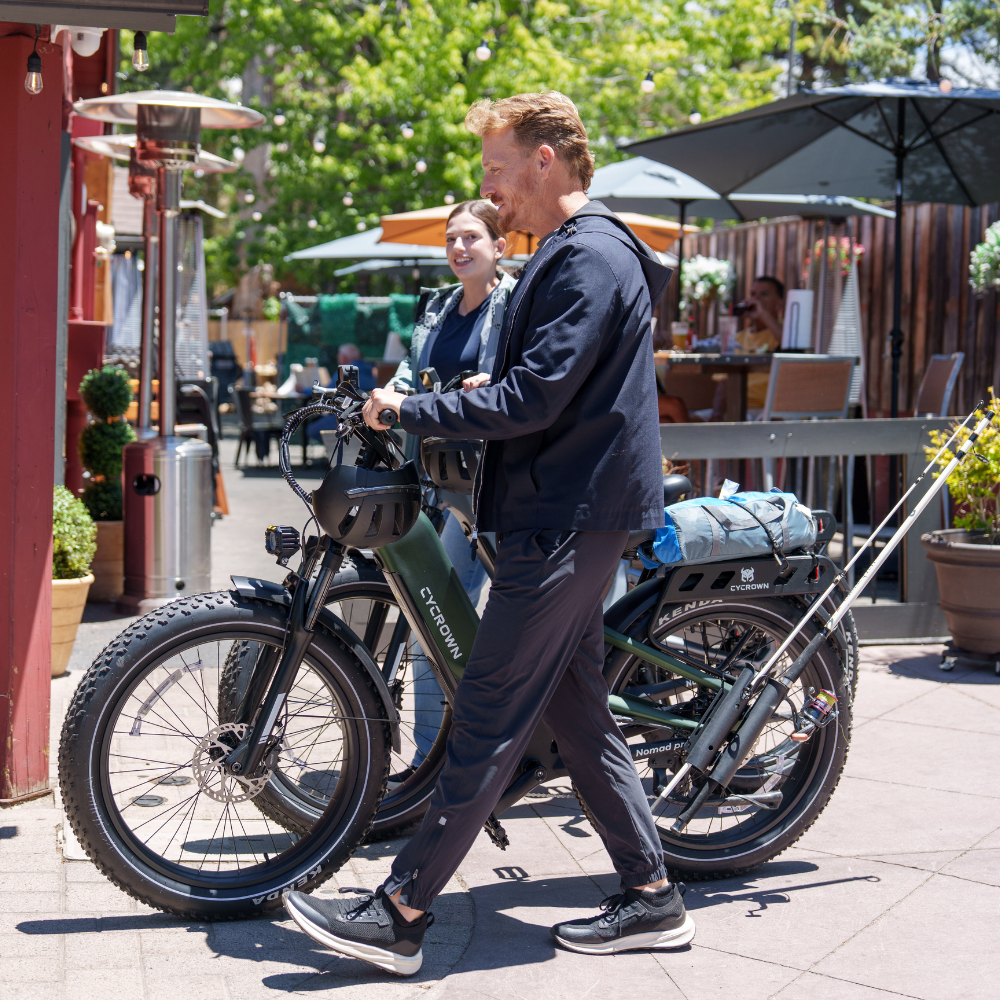
This is particularly important when comparing models such as the CYCROWN Nomad Pro Fat Tire Ebike. Review the model's current specifications and confirm with the NJMVC whether it qualifies as a low-speed electric bicycle or motorized bicycle before using it on public roads.
Registration vs. Insurance: What's the Difference?
Registration and insurance serve different purposes under New Jersey's e-bike law.
Registration identifies the bike through the state. Owners must complete the NJMVC registration process, provide the required documentation, and display the issued license plate stickers on both sides of the front fork.
Insurance provides the required liability coverage for motorized bicycles. Under the NJMVC's current guidance, motorized bicycles must be insured, while low-speed electric bicycles are exempt from this insurance requirement. However, the low-speed category still requires registration.
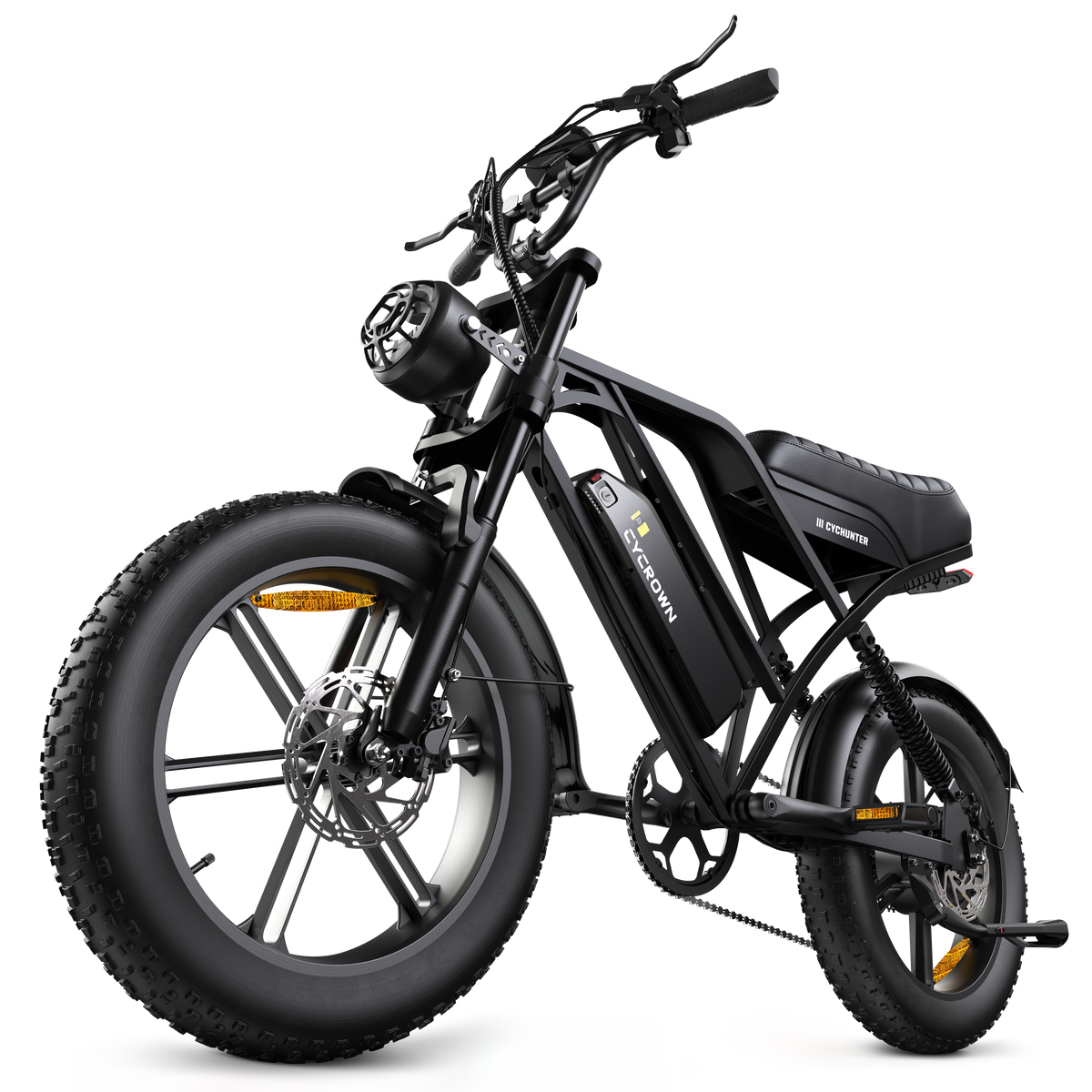
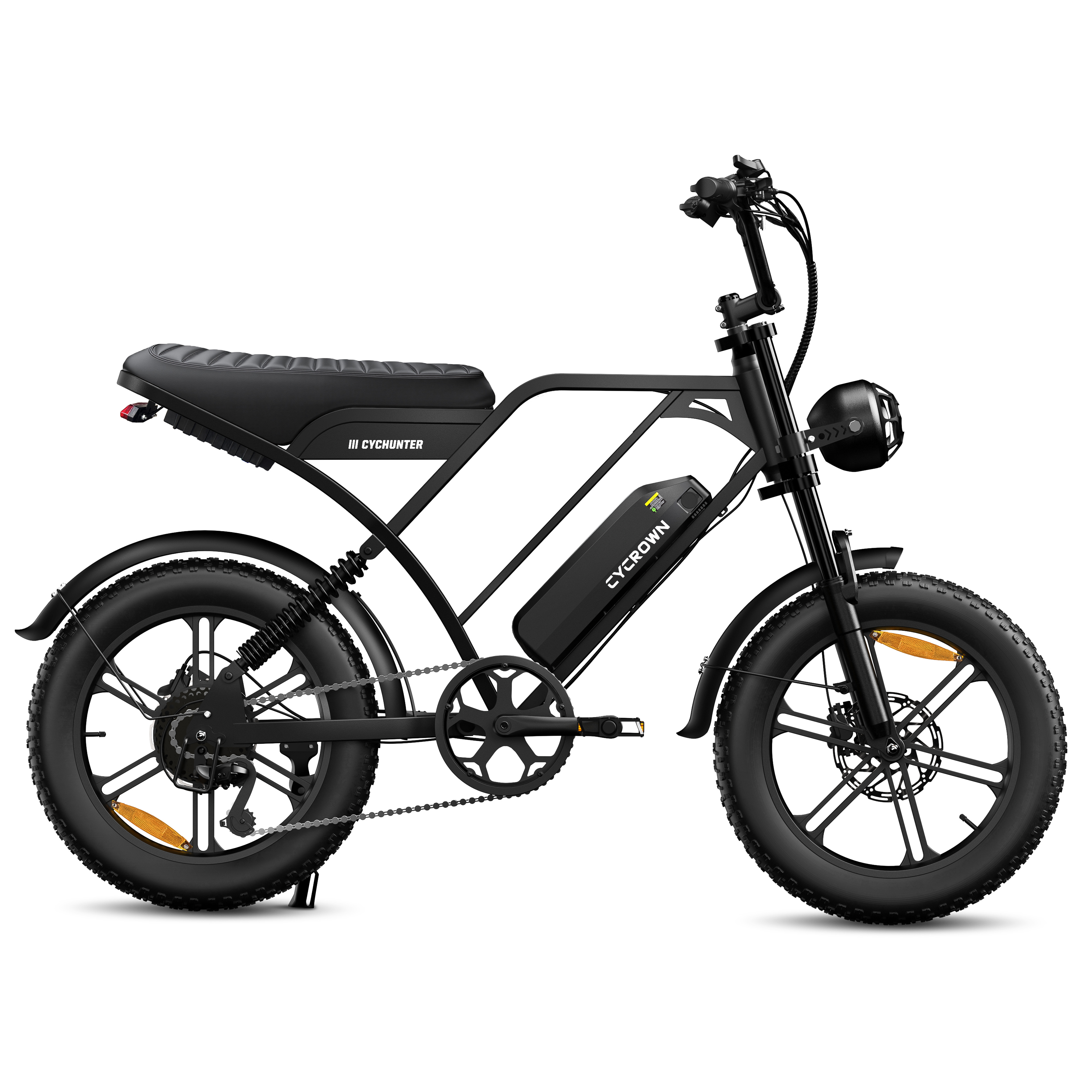
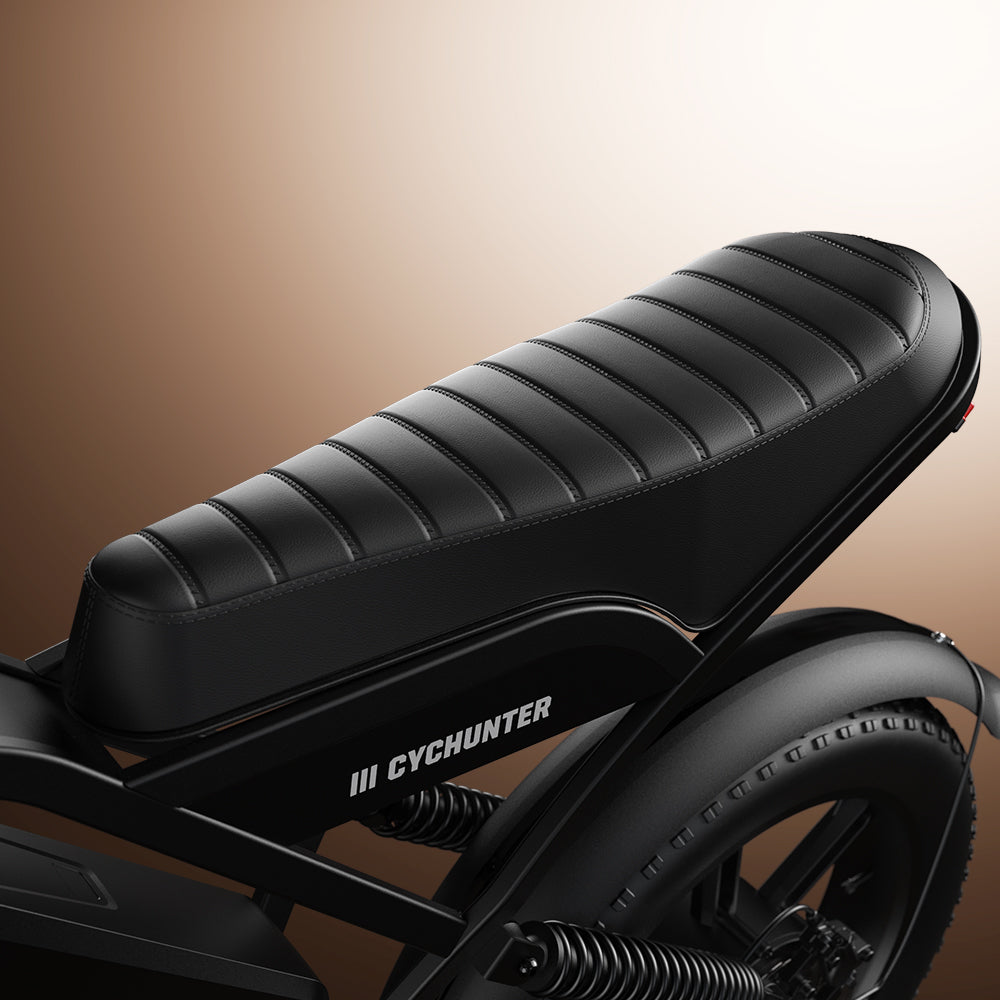
If you're considering a higher-powered model such as the CYCROWN CycHunter 2.0 Moped-Style Ebike, verify its classification and applicable insurance requirements before riding it in New Jersey.
The state also provides registration and licensing instructions through its official e-bike resources. As of October 2026, applicable examination, registration, and licensing fees are waived during the first year following the law's effective date. Check the NJMVC for current fees and appointment requirements.
Do E-Bike Riders Have to Wear Helmets in New Jersey?
Yes. New Jersey requires all riders of low-speed electric bicycles and motorized bicycles covered by the new law to wear a helmet, regardless of age.
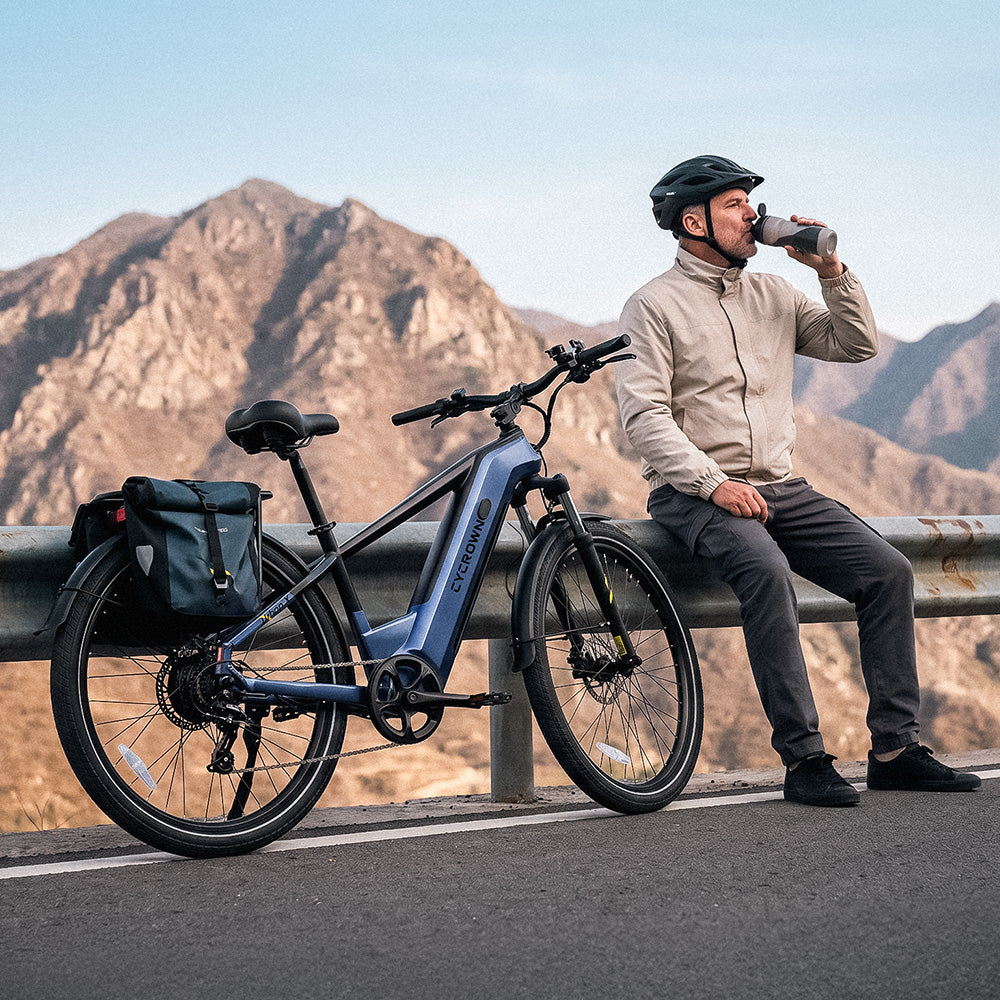
Choose a properly fitting helmet designed for cycling and follow its manufacturer's fitting instructions. Before each ride, check that the helmet is secure and that your bike's brakes, lights, tires, and other safety equipment are in good condition.
Helmet use is a legal requirement, not just a recommendation. Riders should also follow applicable traffic rules and remain visible to other road users.
For the most current requirements, refer to the NJMVC's official e-bike page.
Riding Smart Under New Jersey's New Rules
New Jersey's updated e-bike requirements make it important to check both your bike's classification and your own eligibility before riding.
Start by confirming whether your bike qualifies as a low-speed electric bicycle or motorized bicycle. Then make sure you meet the minimum age and licensing requirements, register your bike, obtain insurance if required, and wear a helmet.
Keep your registration documentation and any required licensing and insurance information available when riding. If you are unsure how your model is classified, contact the NJMVC rather than relying solely on the manufacturer's marketing description.
For anyone comparing CYCROWN electric bikes, understanding the state's requirements before purchasing can make it easier to evaluate whether a particular model suits your intended use.
What New Jersey E-Bike Riders Want to Know
Do I need to register an e-bike I already own in New Jersey?
Yes. Low-speed electric bicycles and motorized bicycles must be registered with the NJMVC before operating on public roadways. Check the NJMVC's current instructions for registration appointments and documentation.
What is the minimum age to ride an e-bike in New Jersey?
Generally, riders must be at least 15 years old and hold the required driver's license or motorized bicycle license or permit. A limited exception applies to qualifying shared low-speed e-bike rentals for riders aged 16 and older.
Do all e-bikes need insurance in New Jersey?
No. The NJMVC requires insurance for motorized bicycles, but low-speed electric bicycles do not require insurance under its current guidance. Both categories still require registration.
Are helmets required for e-bike riders in New Jersey?
Yes. The state requires helmets for all riders of covered low-speed electric bicycles and motorized bicycles, regardless of age.
Can out-of-state visitors ride their e-bikes in New Jersey?
Visitors should review the NJMVC's specific guidance for out-of-state riders before traveling. The state provides separate information addressing minimum age, licensing, registration, and insurance requirements for visitors bringing their own e-bikes.
Where can I find the official New Jersey e-bike rules?
Visit the New Jersey Motor Vehicle Commission's e-bike requirements page for current registration instructions, licensing steps, insurance requirements, and safety guidance.


