
















The 10-Minute E-Bike Routine for a Wet Ride Home
After a rain-soaked commute, moisture and road grit can collect around the brakes, drivetrain, moving parts, and electrical connections. A quick post-ride routine helps remove surface moisture, identify early signs of wear, and reduce the risk of corrosion. Before cleaning, turn off the e-bike and disconnect the charger if connected. Remove the battery only if the manufacturer's instructions recommend it.
The following 10-minute routine is a quick inspection and cleaning guide. It does not replace the time needed for components to dry fully.
1. Wipe Down the Frame and Exposed Parts (2 Minutes)
Use a soft, dry cloth to remove water and road grime from the frame, fenders, fork, handlebars, and display. Pay attention to areas where dirt tends to collect, such as the underside of the frame and around the wheel guards.
-
Use a slightly damp cloth for stubborn dirt, then dry the area with a clean cloth.
-
Avoid high-pressure water, which can force moisture into bearings, seals, and electrical components.
-
Do not direct water into the battery compartment, charging port, or cable connections.
-
Avoid heat guns, hair dryers on high heat, or other direct heat sources when drying the bike.
2. Check the Brakes and Wheels (2 Minutes)
Water and road grit can affect braking performance, especially after riding through puddles or on dirty roads. Inspect both brake rotors and the visible brake pads for dirt, debris, and signs of unusual wear.
-
Check the brake rotors for visible dirt, oil, or other contamination. Use a suitable bicycle disc brake cleaner only if recommended by the brake or bike manufacturer.
-
Never apply chain lubricant or general-purpose oil to brake rotors or pads.
-
Check the tires for embedded stones, glass, or other debris.
-
Once the bike is dry enough for a safe check, test the brakes at low speed in a clear area. If braking feels weak, uneven, or unusual, stop riding and have the brakes inspected.
Disc brakes can provide reliable stopping performance in wet conditions, but water and road grime can still affect braking. Regular inspection and proper cleaning remain important.
3. Inspect the Chain, Bearings, and Moving Parts (3 Minutes)
Road spray can carry grit into the drivetrain and around moving components. Check the chain, wheel hubs, pedals, and suspension areas for visible dirt or signs of unusual wear.
-
Wipe the chain with a clean cloth to remove moisture and surface grime. If it has become wet, clean and dry it before applying a suitable bicycle-chain lubricant. Wipe away excess lubricant afterward.
-
Spin each wheel and listen for unusual grinding or scraping sounds. A scraping noise may also come from the brake rotor rubbing against the pads, so do not assume it is a bearing problem.
-
Gently check for unusual wheel movement or looseness. If you notice excessive play, rough rotation, or persistent noise, have the wheel and bearings inspected by a qualified bike technician.
-
Look for mud around suspension stanchions and other exposed moving parts, and wipe it away before it dries.
Do not dismantle or apply grease to sealed bearings as part of routine cleaning. Persistent noise, rough movement, or looseness should be checked by a qualified bike technician.
4. Inspect Electrical Connections Before Charging (3 Minutes)
Electrical components need particular attention after a wet ride. Check the charging port, battery area, display connections, and visible cable connectors for moisture, dirt, or damage.
-
Wipe exterior moisture away with a dry cloth. Do not push water or debris into electrical connections.
-
Check that charging-port covers and protective seals are clean and properly closed.
-
Do not connect the charger if the battery, charging port, plug, or contacts are wet.
-
Allow damp areas to dry completely according to the manufacturer's instructions before charging.
-
If water may have entered the battery compartment or electrical system, contact the manufacturer or a qualified technician before using or charging the bike.
The U.S. Consumer Product Safety Commission (CPSC) recommends using only the charger supplied with or recommended by the manufacturer and staying present while charging. Avoid charging while sleeping or away from home.
How to Choose an E-Bike for Frequent Rainy Commutes
If you regularly ride in wet weather, choosing an e-bike involves more than checking its advertised range or motor power. Pay attention to how well its components are protected, how confidently it handles wet roads, and how easy it is to clean and maintain after a rainy ride.
Look Beyond "Waterproof"
A waterproof e-bike label should not be taken to mean the entire bike can withstand heavy rain, deep water, or submersion. Water resistance varies between models and individual components, so check the manufacturer's specifications before riding in wet conditions.
When comparing e-bikes, look for these practical features:
- Protected electrical connections: Covered charging ports, sealed battery compartments, and well-protected cable connections help reduce direct exposure to rain and road spray.
- Effective fenders: Front and rear fenders help keep water and road debris away from the rider, frame, and electrical components.
- Reliable braking systems: Disc brakes provide consistent braking performance in many wet-weather conditions, but they still need regular inspection and cleaning.
- Visible lighting: Integrated front and rear lights improve visibility when rain, clouds, or poor weather reduce visibility on the road.
- Easy-to-clean components: Simple frame designs and accessible drivetrain areas make it easier to remove mud and moisture after wet rides.
Match the Bike to Your Route
Your typical riding environment should also influence which type of e-bike you choose. Different designs have different strengths and maintenance needs.
- Short city trips: A commuter e-bike or urban electric bike is a practical choice for paved roads and regular short-distance travel. Look for full fenders, dependable brakes, integrated lights, and a comfortable riding position.
- Longer daily rides: A long-range e-bike can reduce the need for frequent charging stops. Check the battery's weather protection, charging-port cover, and manufacturer's guidance for wet-weather use. Keep in mind that actual range can vary with temperature, rider weight, terrain, and assist level.
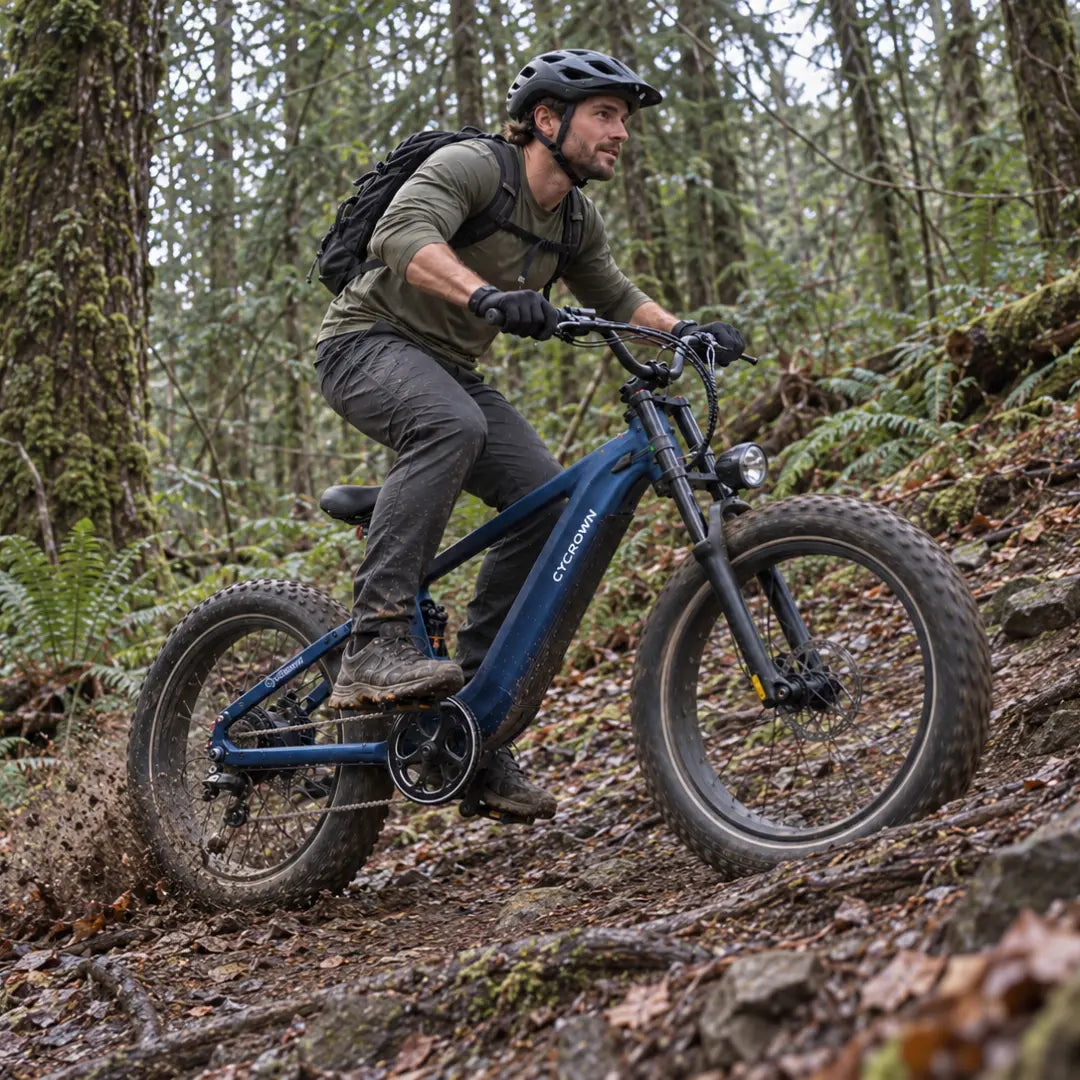
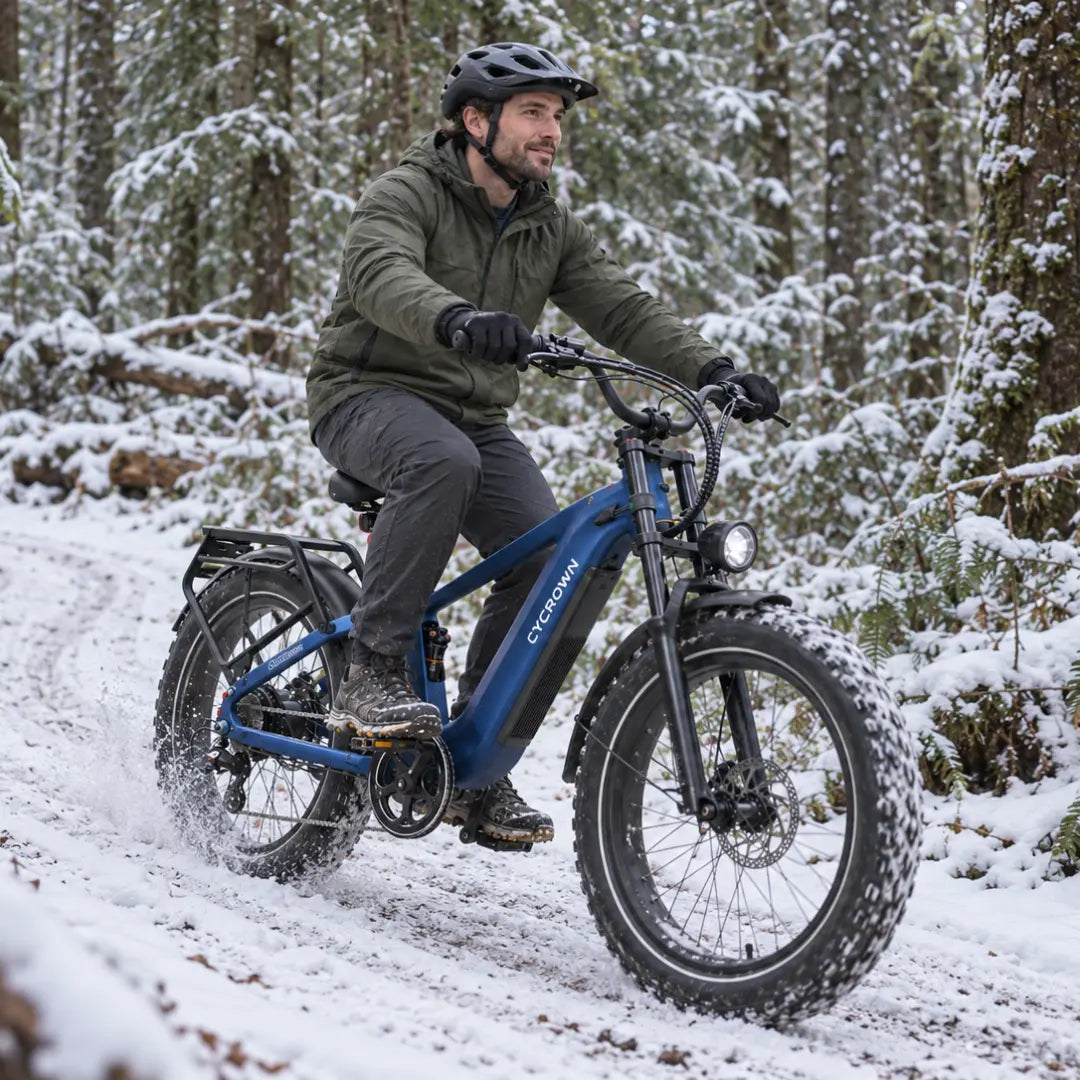
- Mixed terrain and recreational rides: Fat tire e-bikes and electric mountain bikes can suit gravel paths and uneven surfaces. Wider tires and suspension may improve comfort on rough routes, but mud and grit can collect around the tires, drivetrain, and suspension components.
- Specialized riding needs: Folding electric bikes are useful when storage space is limited, while cargo e-bikes and electric dirt bikes are designed for different riding purposes. Check their specific cleaning instructions, component protection, and maintenance requirements rather than assuming all e-bike types handle rain in the same way.
Three Rain-Ready E-Bikes and Their Care Priorities!
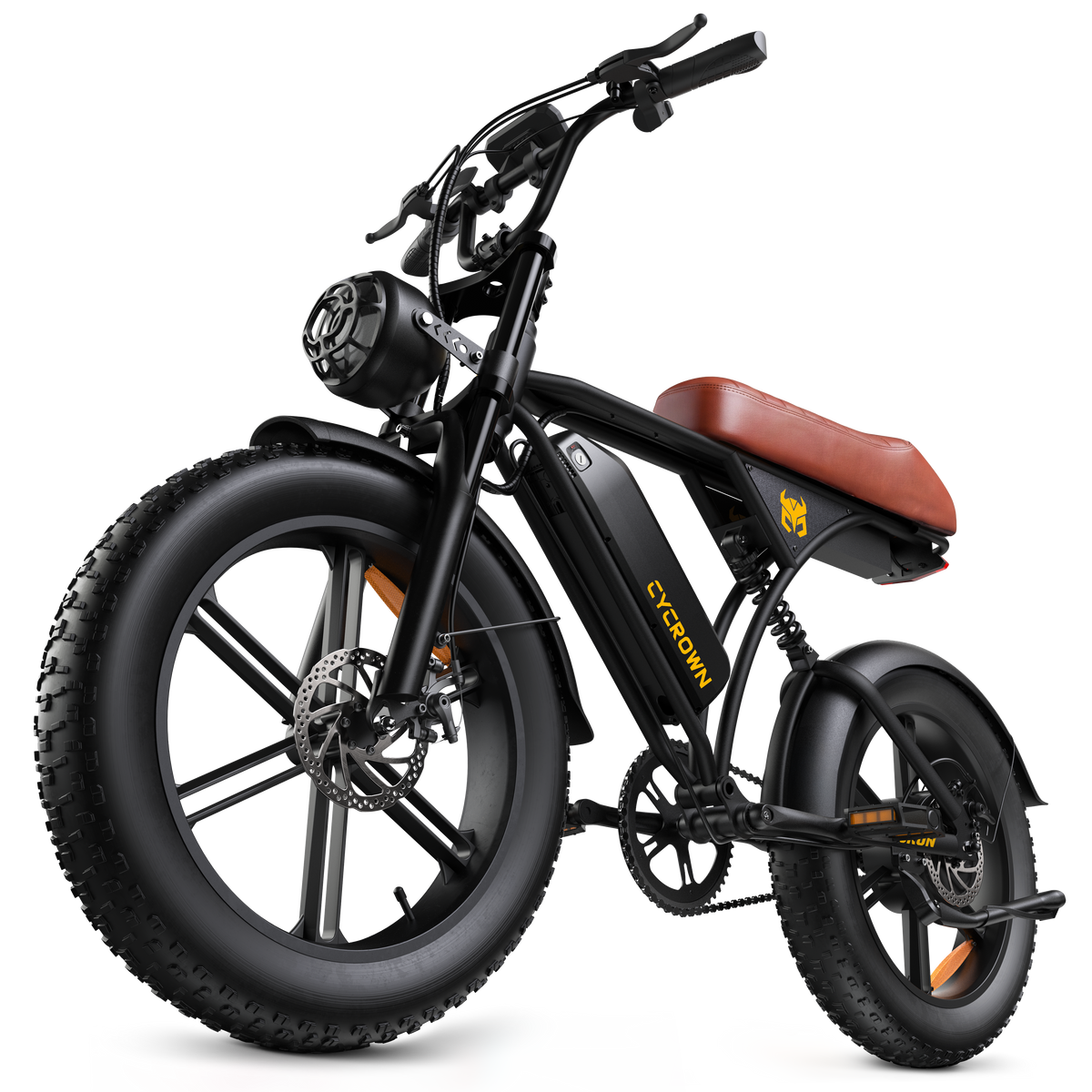
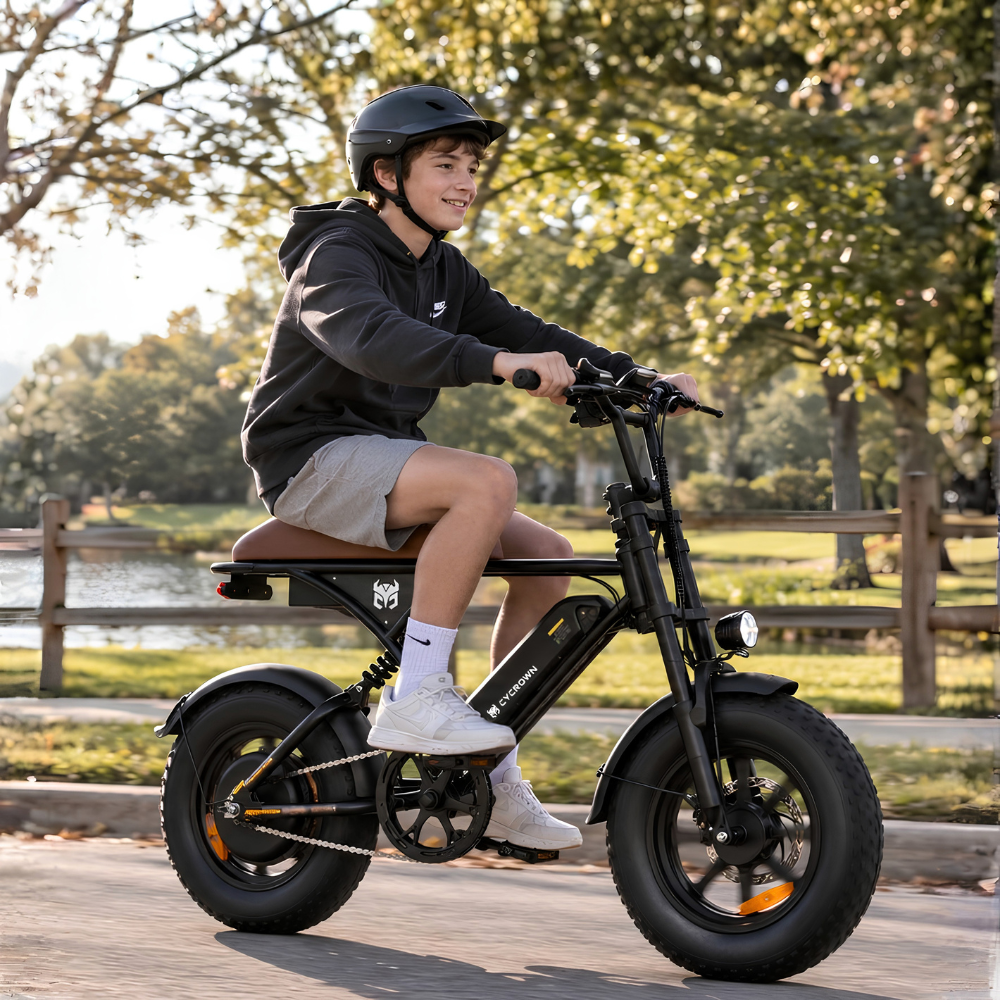
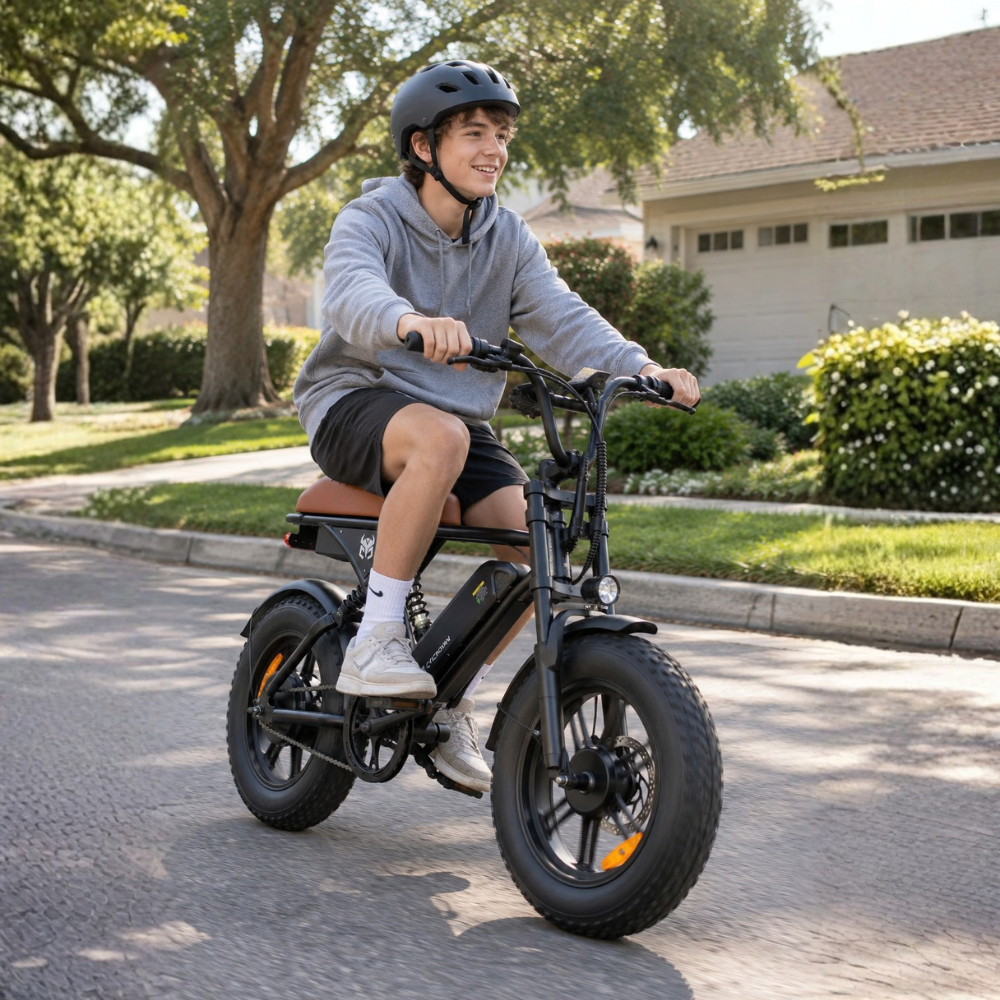
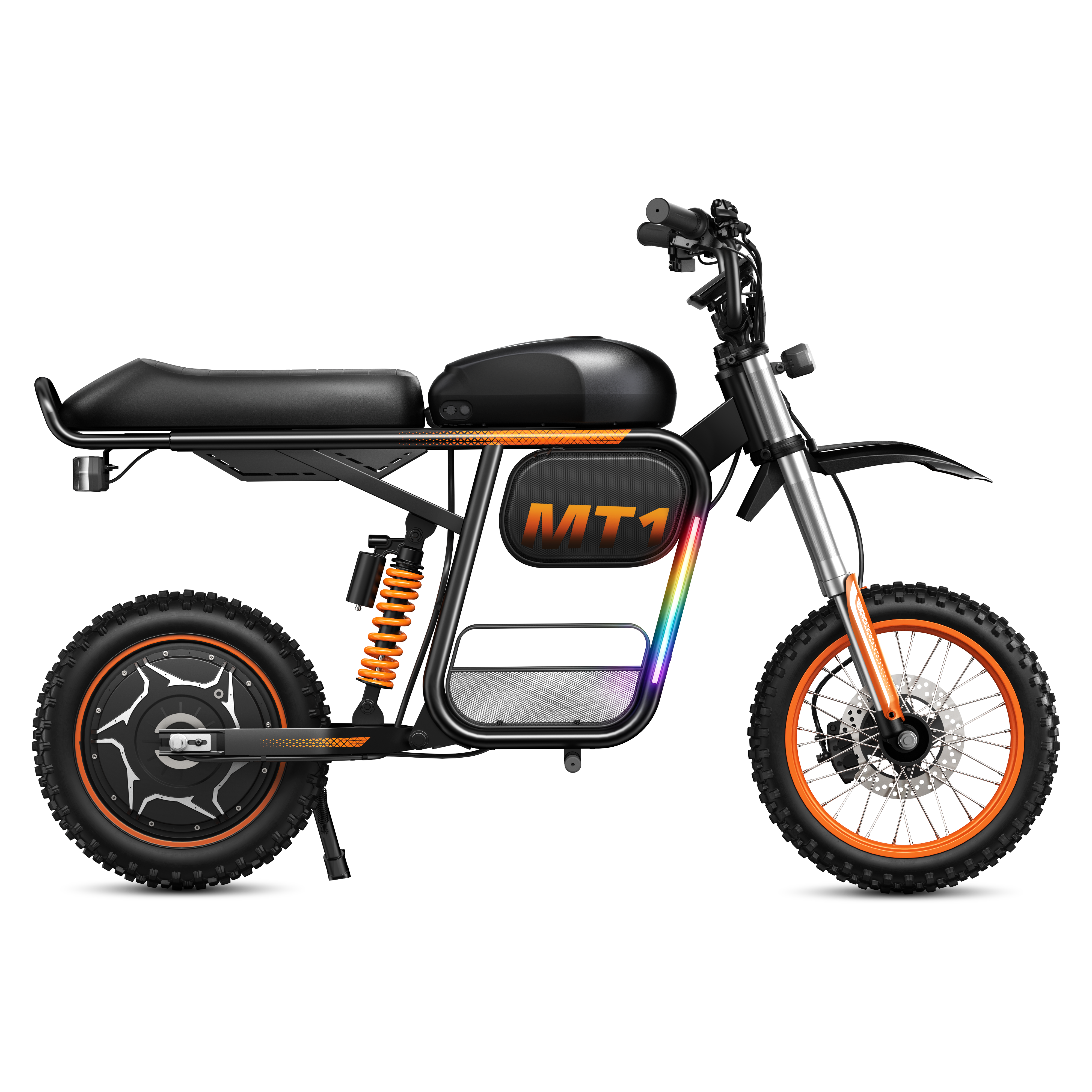
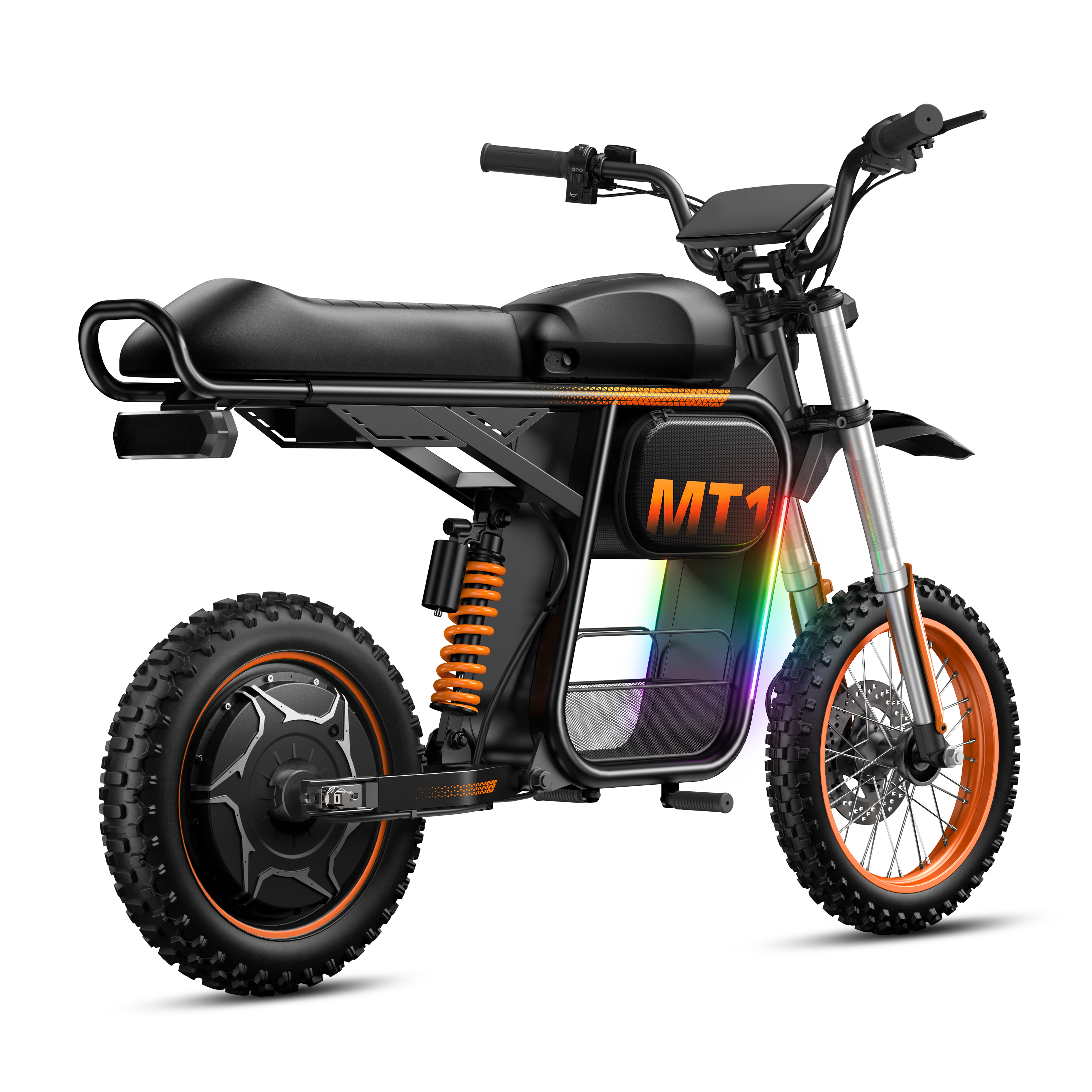
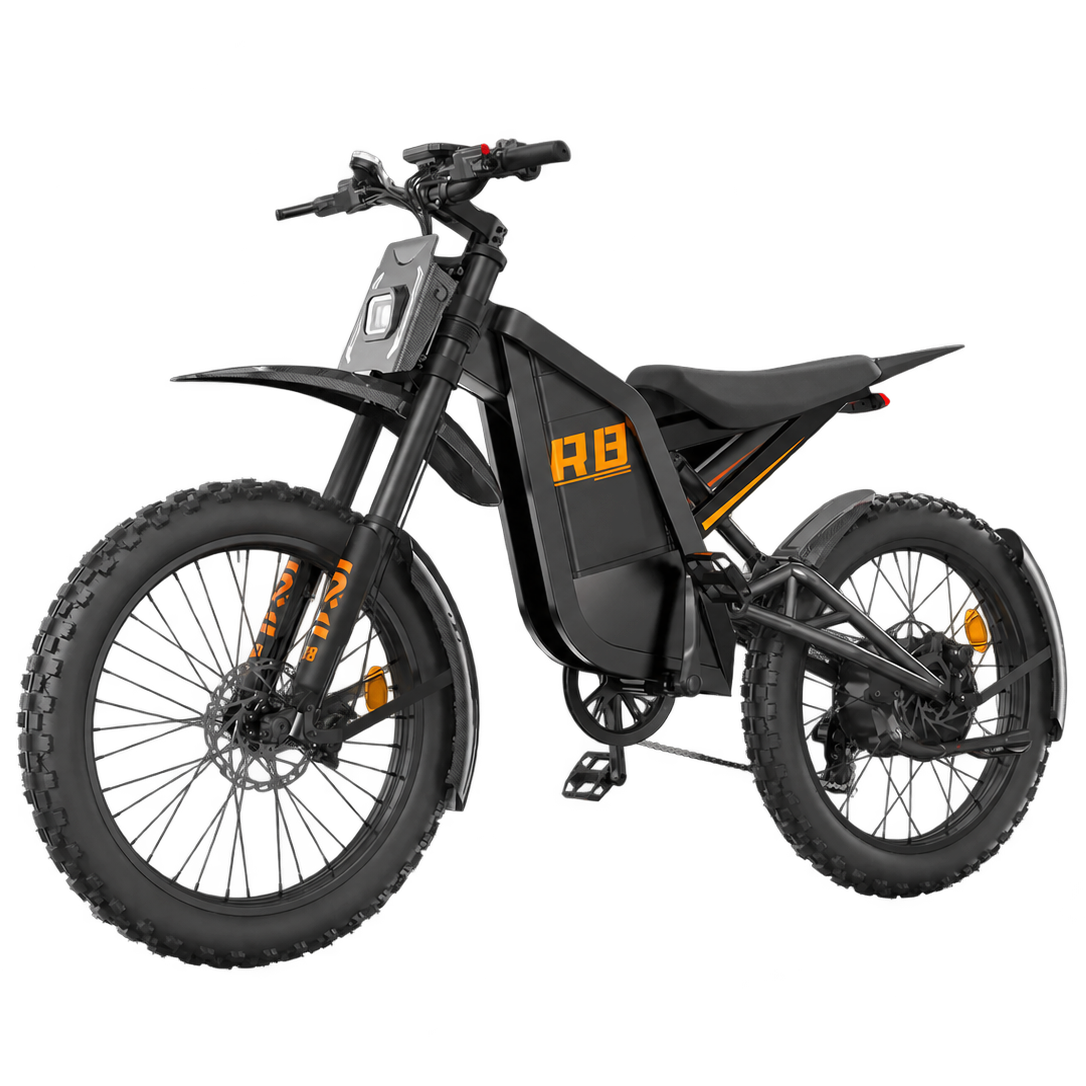
Different e-bike styles come with different features and maintenance needs. Here are three CYCROWN models from the commuter, moped-style and fat tire categories, along with a few care tips to keep in mind after riding in the rain.
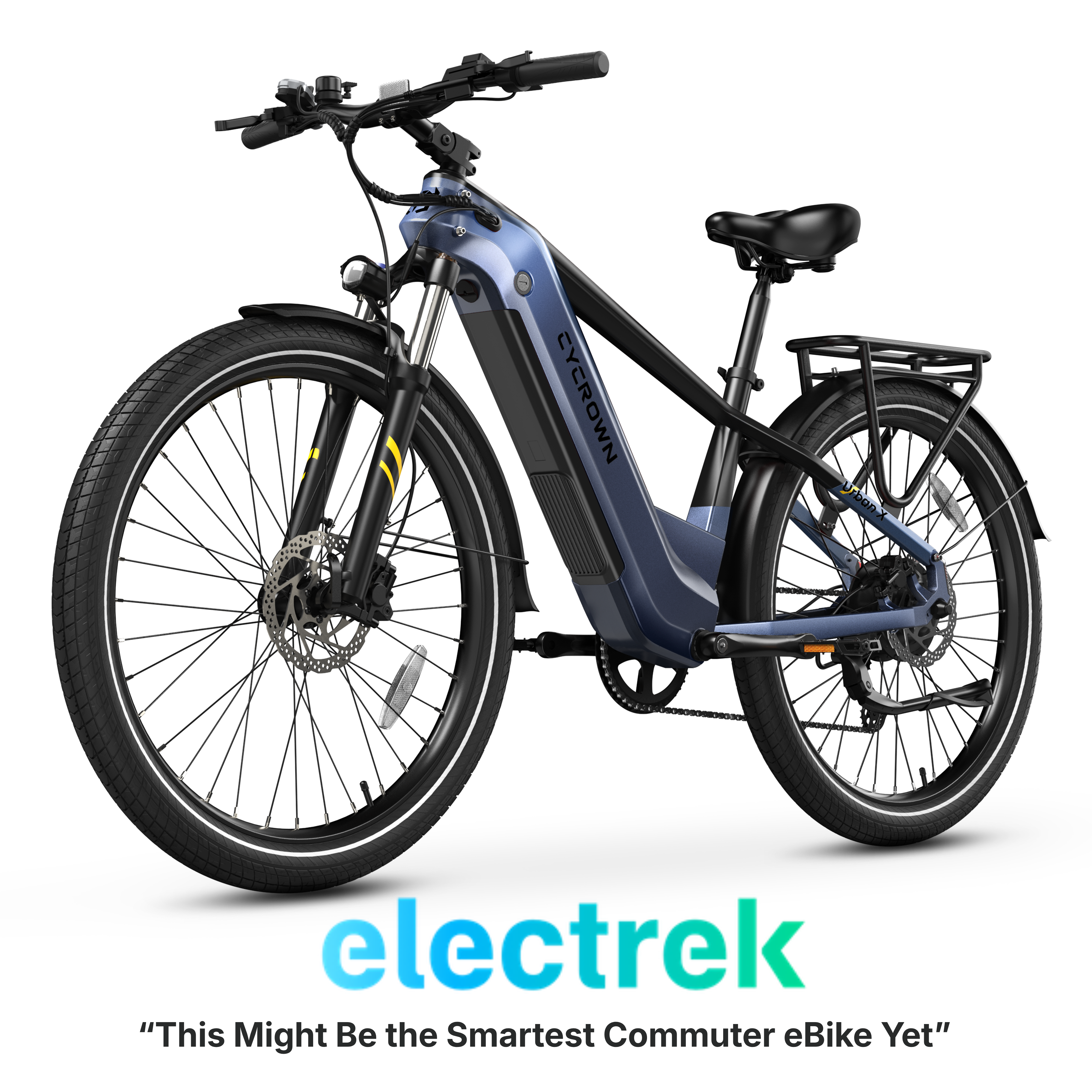
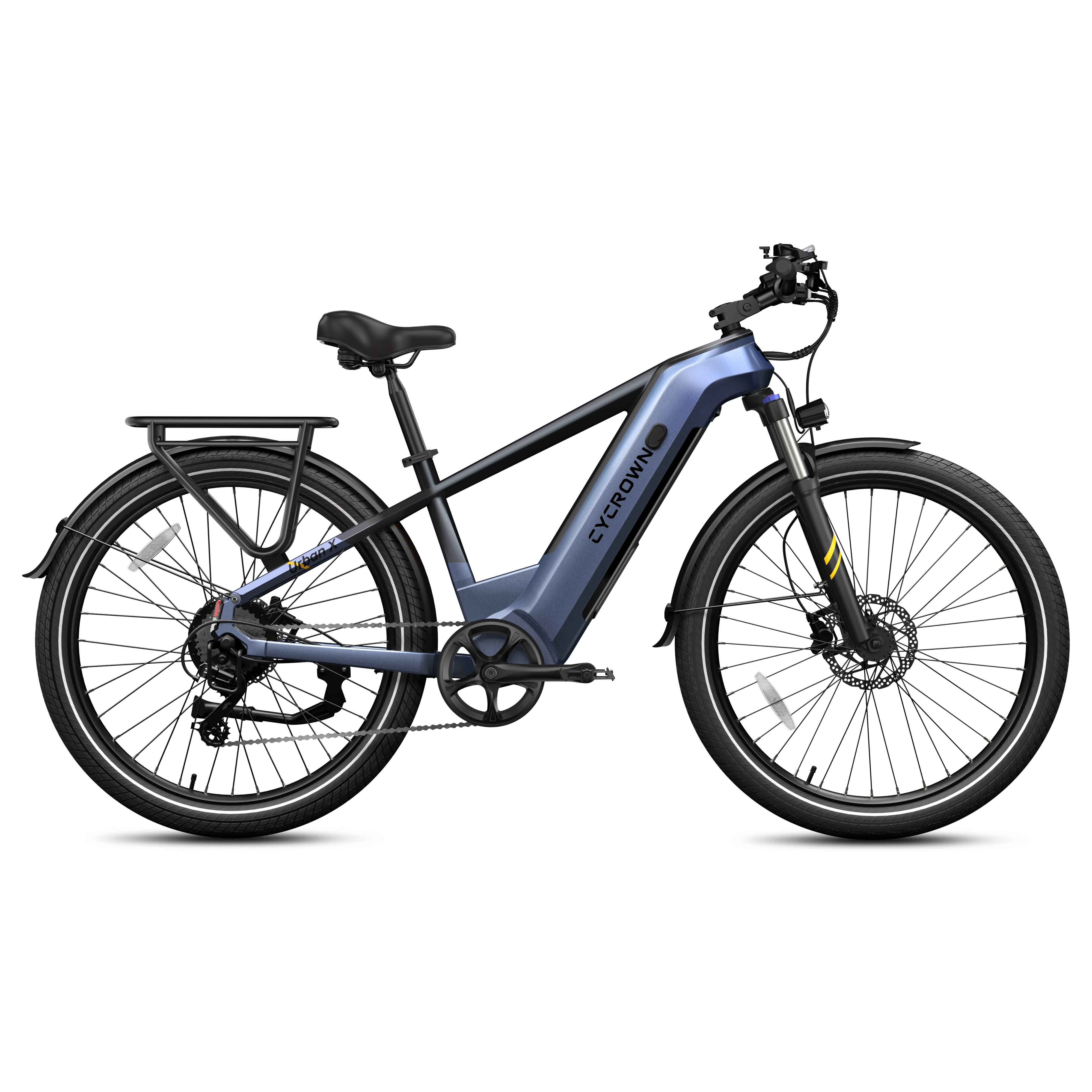
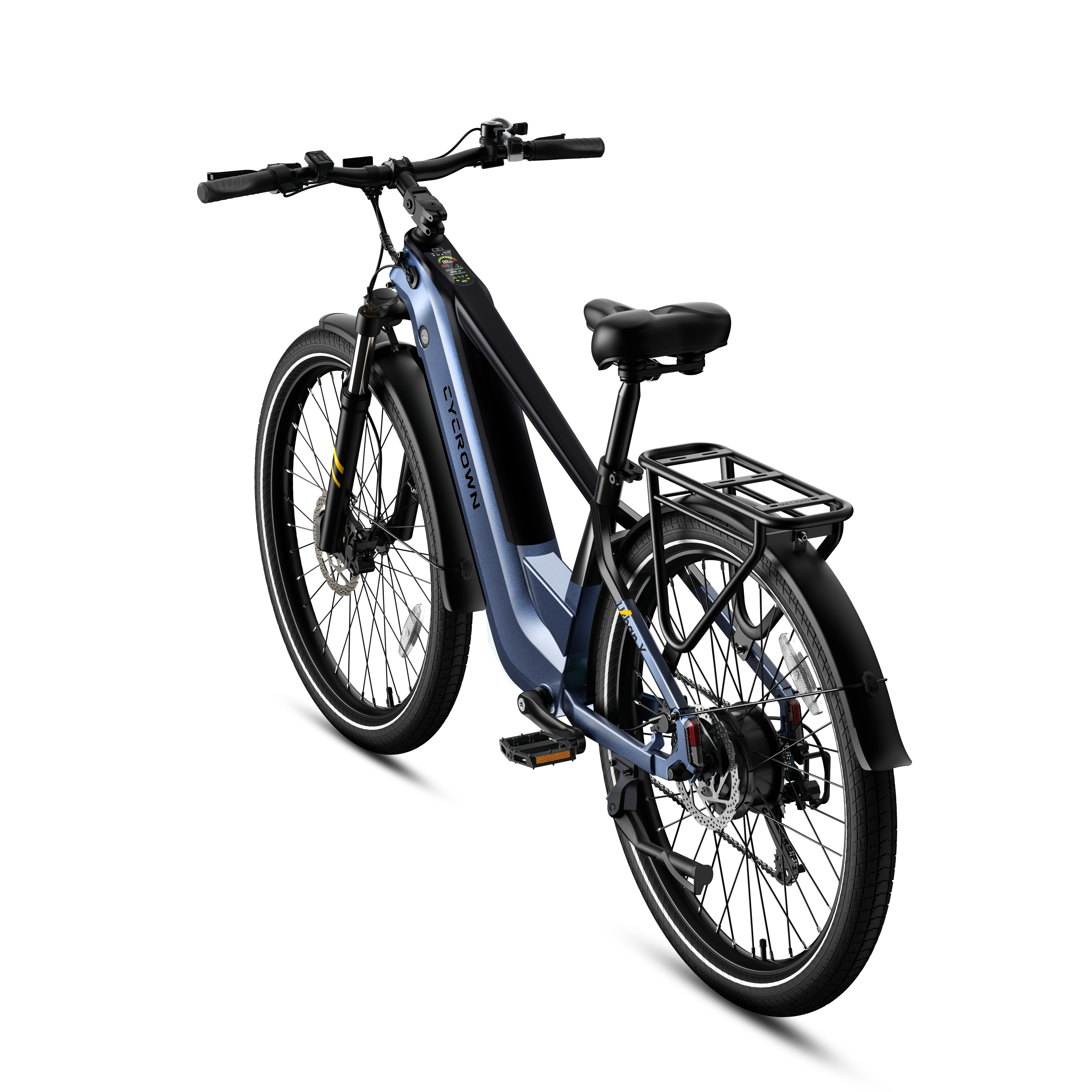
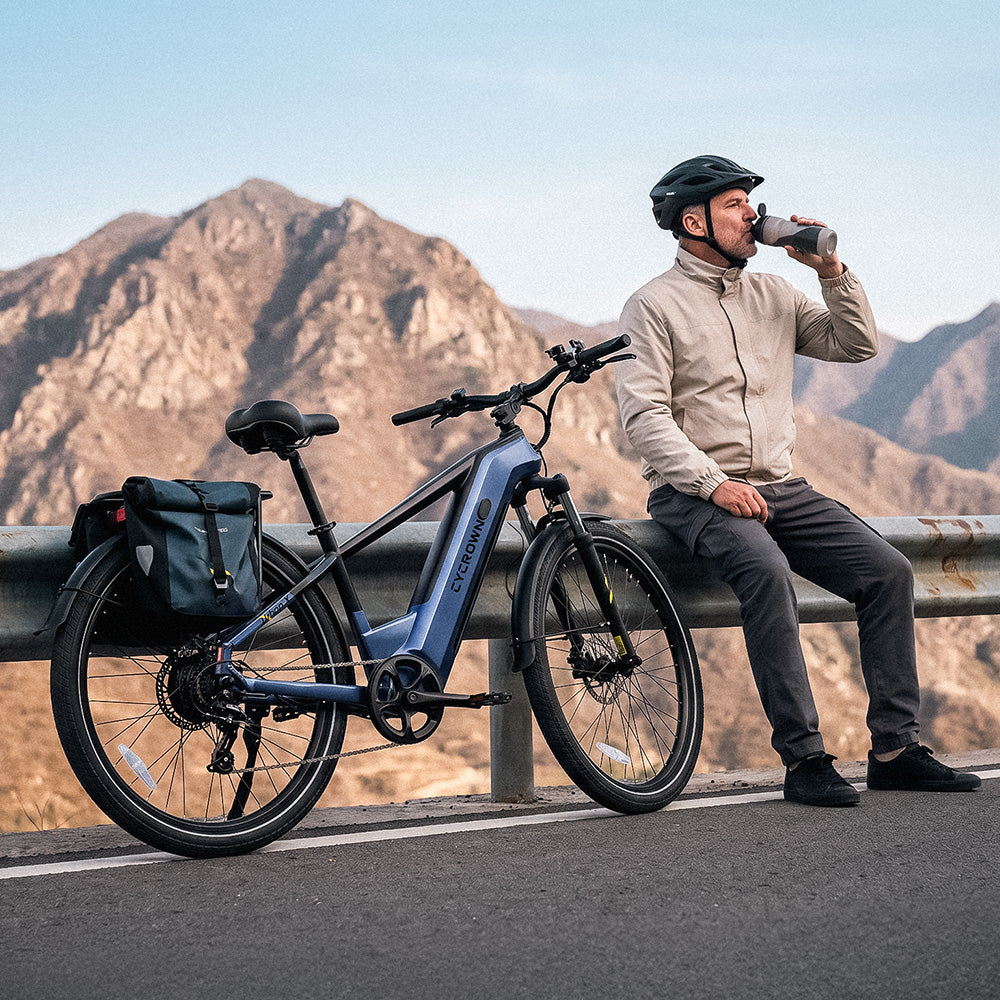
1. Urban X Commuter Ebike — Brake and Connector Checks
For daily pavement riding, Urban X makes it easy to focus on the parts that collect road spray first. Wipe the fenders and frame, then inspect the 27.5 × 2.4-inch reflective tires, hydraulic brake rotors, rear brake light, and turn signals before the next ride.
- Keep the waterproof DC charging port shut until the port and plug are dry.
- Spin each wheel briefly; listen for rotor rub caused by grit.
- Check the suspension fork stanchions for mud before it dries in place.

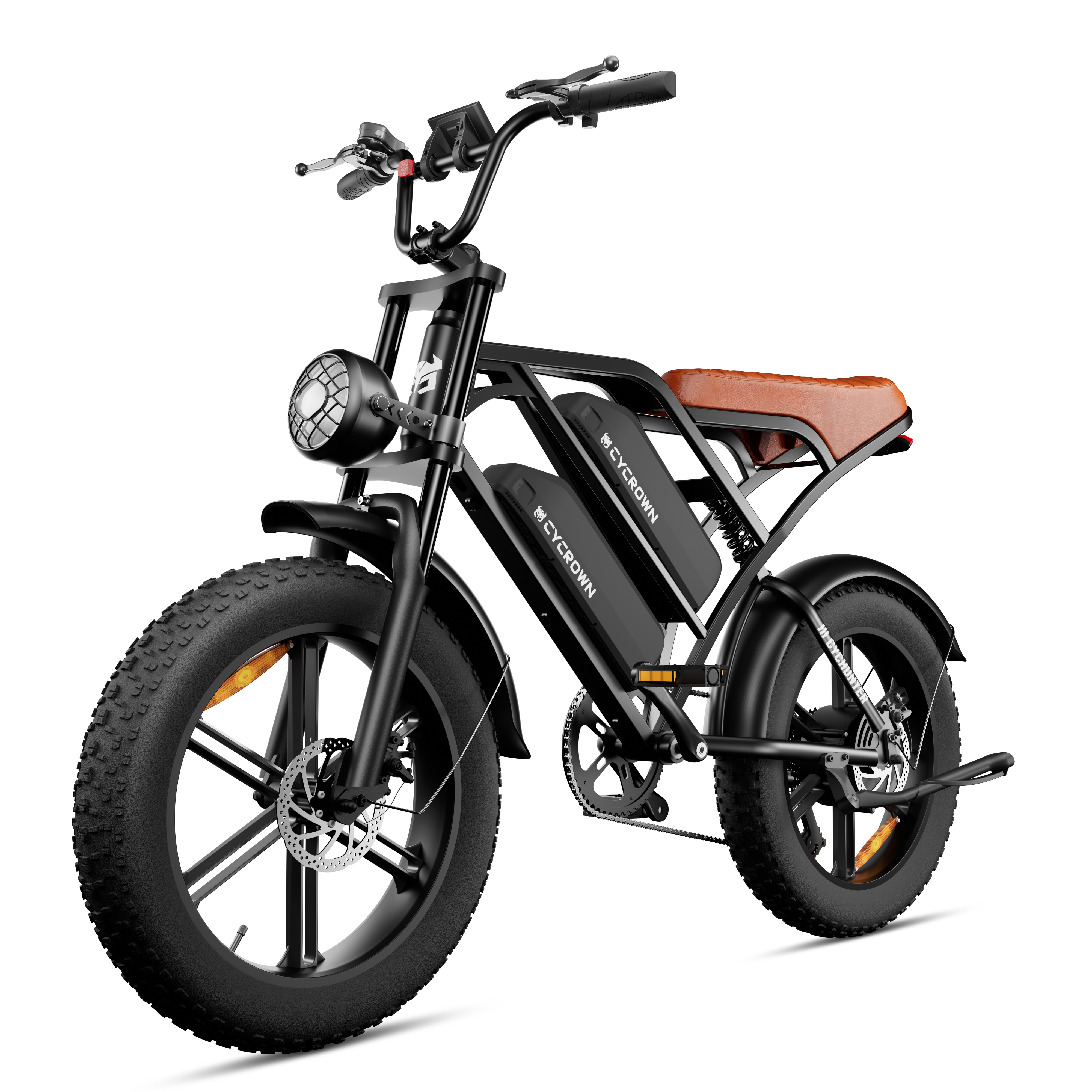
2. CycHunter 2.0 Moped-Style Ebike — Check Electrical Touchpoints
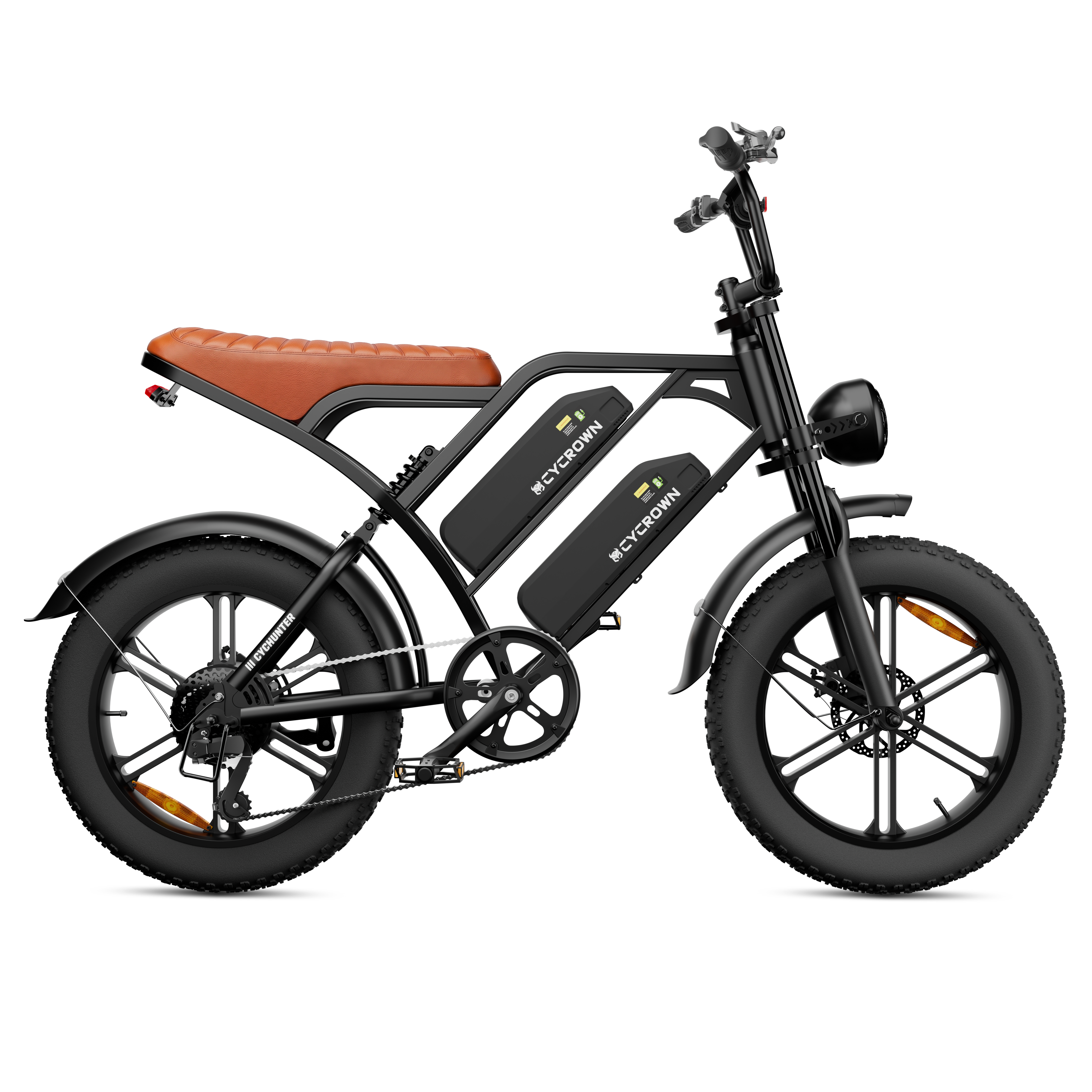
A moped e-bike used for longer utility rides needs a careful battery-area check after rain. Power down, wipe exterior moisture from the display and accessible battery contact areas, and inspect the NFC keyless-unlock area (available on the upgraded version) for visible moisture or dirt before storage. Never charge the battery if the charging port, plug, or accessible contacts are wet or damp. If any connection is dirty, loose, or corroded, follow the manufacturer's instructions before charging.
- For dual-battery configurations, check all accessible battery contact areas for moisture or dirt.
- Dry the LCD, headlight, and rear turn signals with a soft cloth.
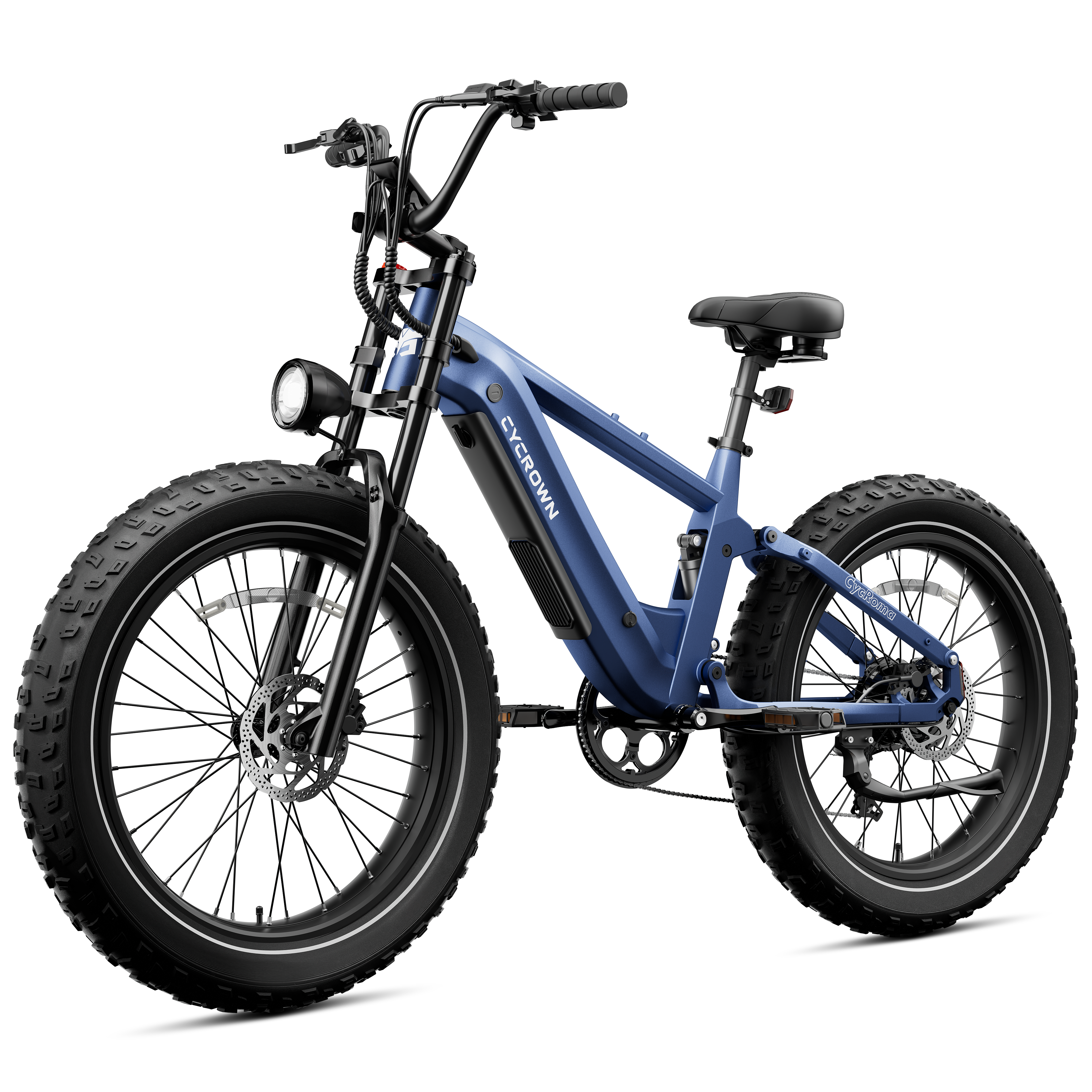
3. Roma All-Terrain Ebike — Remove Trail Grit Early
Roma is the all-terrain e-bike pick for wet pavement, gravel connectors, and recreational routes. Fine grit can become abrasive around the 26 × 4-inch tires, drivetrain, hydraulic brakes, and four-link suspension. Brush off visible mud, wipe the chain, and use only low-pressure water when the model manual permits it.
- Avoid direct spray at bearings, seals, displays, and electrical parts.
- Check tread for stones, glass, or thorns after every wet trail ride.
- Wipe suspension surfaces before compressing the bike repeatedly.

Quick Troubleshooting After a Wet Ride
|
Problem |
Likely cause |
Practical fix |
|
Brake noise |
Water or grit on rotors |
Dry rotors, inspect pads, and test braking in a safe area. |
|
Inconsistent display |
Moisture near controls |
Power off and allow the controls to air-dry fully. |
|
Rough chain |
Grit displaced lubricant |
Clean, dry, and relubricate with bicycle-chain lubricant. |
|
Charging concern |
Damp port or plug |
Do not charge; leave the port open only in a dry indoor area until fully dry. |
Conclusion
Park under cover, power down, wipe the frame and controls, dry braking surfaces, inspect tires and connectors, and wait before charging. The right setup—fenders, protected ports, visible lighting, and dependable brakes—makes wet commuting easier, but aftercare keeps those systems working as intended. CYCROWN combines community, simplicity, and practical ownership support in its brand approach; choose the bike format that fits your route, storage space, and comfort with routine maintenance.
FAQ
Can you ride an e-bike in the rain?
Most e-bikes can handle light rain if their electrical components have suitable weather protection. However, water resistance varies by model and does not mean an e-bike is waterproof. Avoid deep puddles, flooding, and high-pressure washing. Always check the manufacturer's guidance before riding in wet conditions.
What should you do after riding an e-bike in the rain?
Turn off the e-bike and wipe down the frame, display, fenders, and other exposed parts with a soft, dry cloth. Check the brakes, tires, chain, bearings, and visible electrical connections for moisture, dirt, or unusual wear. Allow damp components to dry fully before charging or storing the bike.
How do you dry an e-bike after riding in the rain?
Start by wiping away surface water with a clean, soft cloth. Pay extra attention to the battery area, charging port, display, connectors, drivetrain, and other areas where moisture can collect. Let the bike air-dry in a covered, well-ventilated area. Avoid hair dryers on high heat, heat guns, and compressed air that could force moisture deeper into components.
Can rain damage e-bike bearings and brakes?
Repeated exposure to water, road grime, and moisture can contribute to bearing corrosion and brake contamination or wear. After wet rides, check for unusual grinding noises, loose wheel movement, reduced braking performance, or persistent brake noise. Clean and dry accessible components, and have damaged or unusually noisy parts inspected by a qualified bike technician.
Is an IPX4-rated e-bike suitable for riding in the rain?
An IPX4 rating generally means protection against water splashes from any direction under specified test conditions. It does not mean the entire e-bike can withstand heavy water exposure, submersion, or pressure washing. Check which specific components have been tested to IPX4, as the rating may not apply to the whole bike.


