





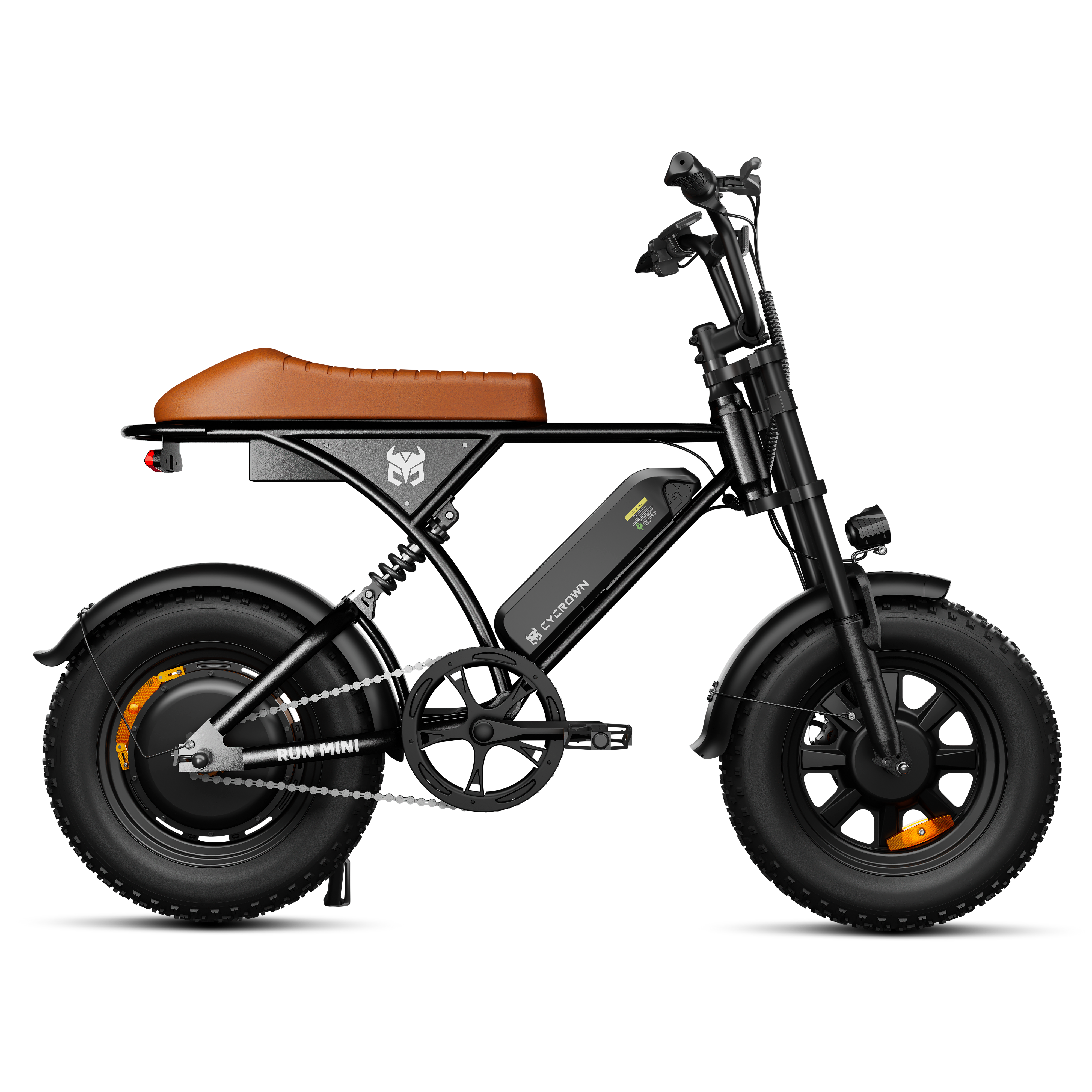
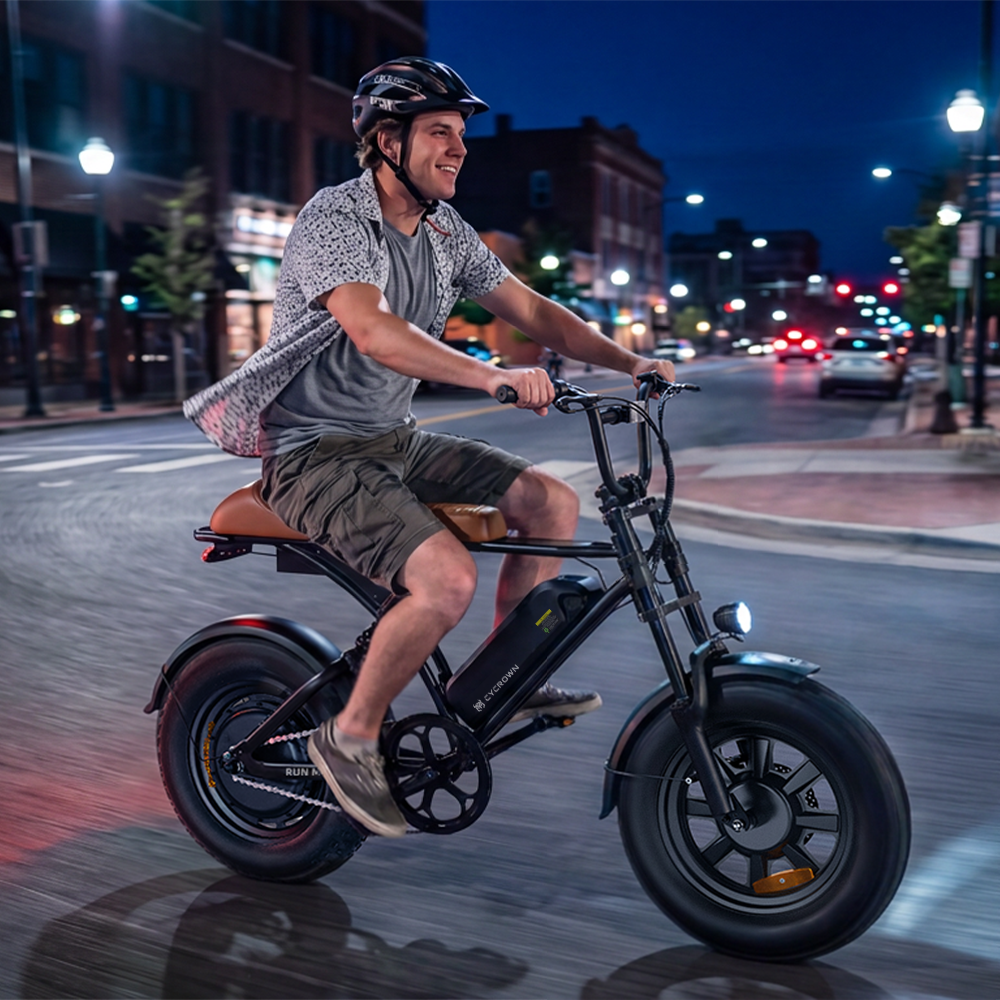
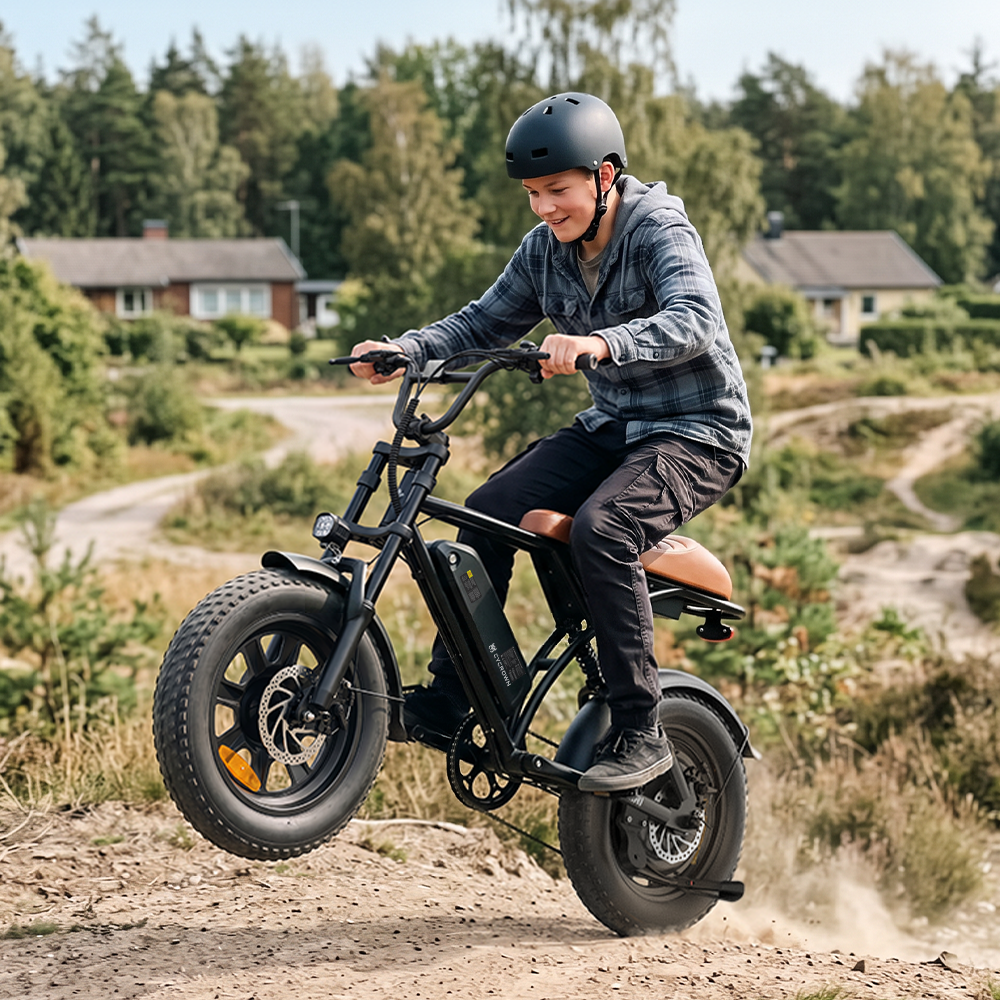




Your Back Wasn't Built for Textbooks
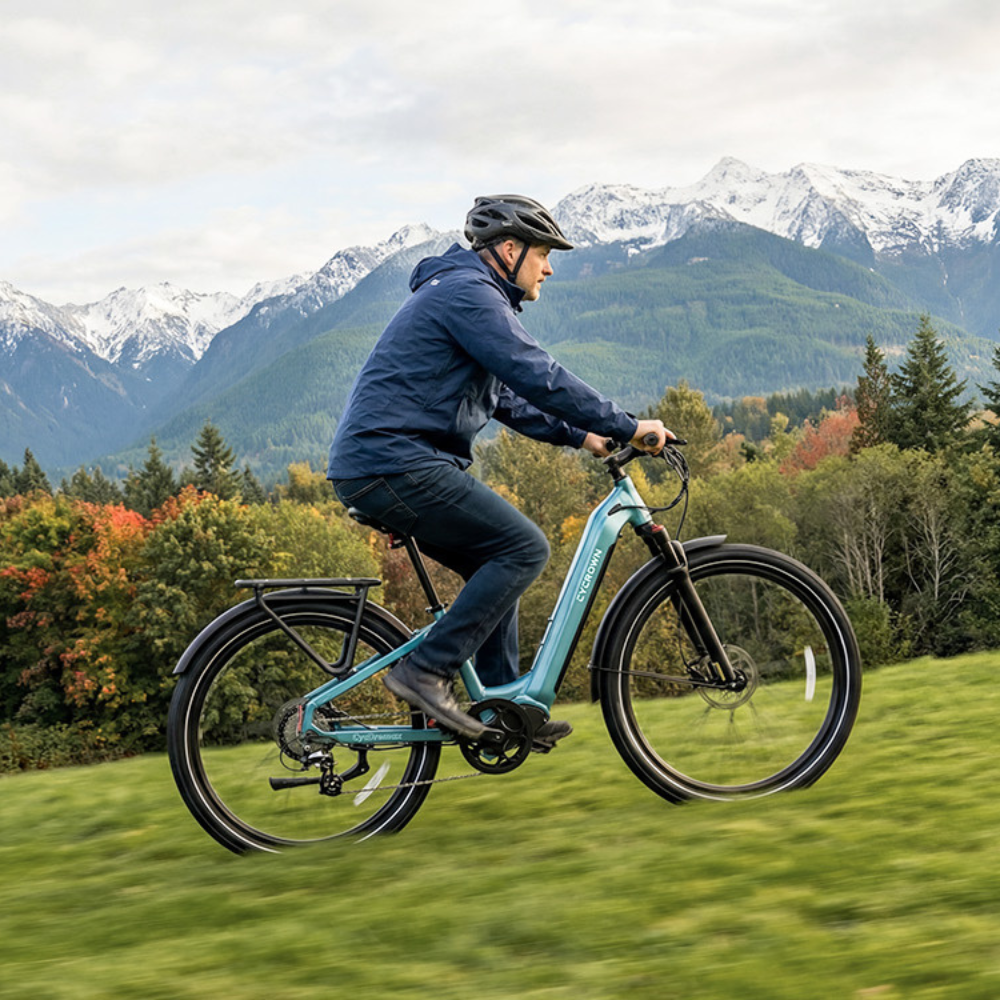
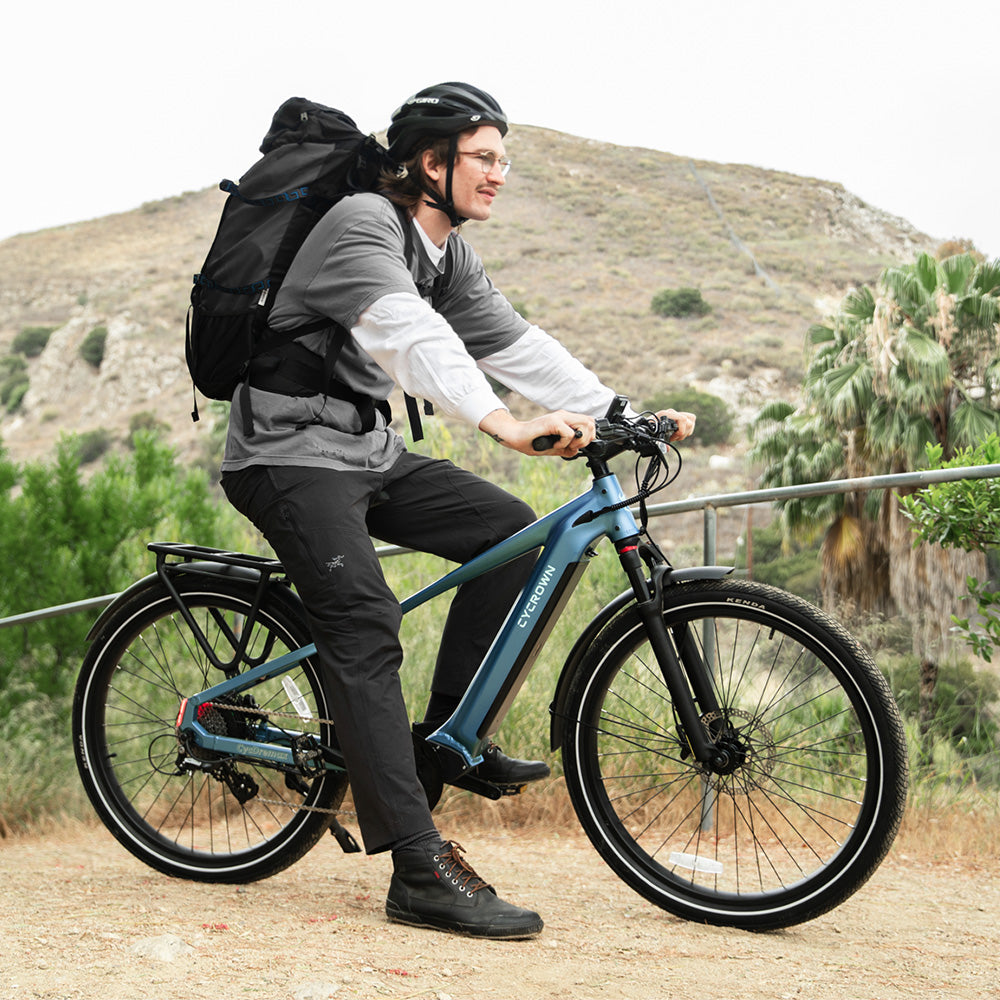
An electric bike with a rear rack helps students because it moves the weight of books, groceries, and gear off their shoulders and onto the bike itself, so you can get around campus without showing up sore, sweaty, or hunched forward from a stuffed backpack. If you're already using a commuter ebike for the ride to class, adding a rear rack turns it from a fun way to skip traffic into an actual tool for daily errands. Instead of stuffing everything into one bag, you strap it down behind the seat and ride like normal.
This matters more than it sounds. College schedules are packed, and most days involve more than just getting to lecture. There's the trip to the store after your last class, the gym bag you need for practice, and the laundry basket you keep putting off. A rear rack means you don't have to choose between carrying your life on your back or making four separate trips.
What Can You Carry on an E-Bike Rack?
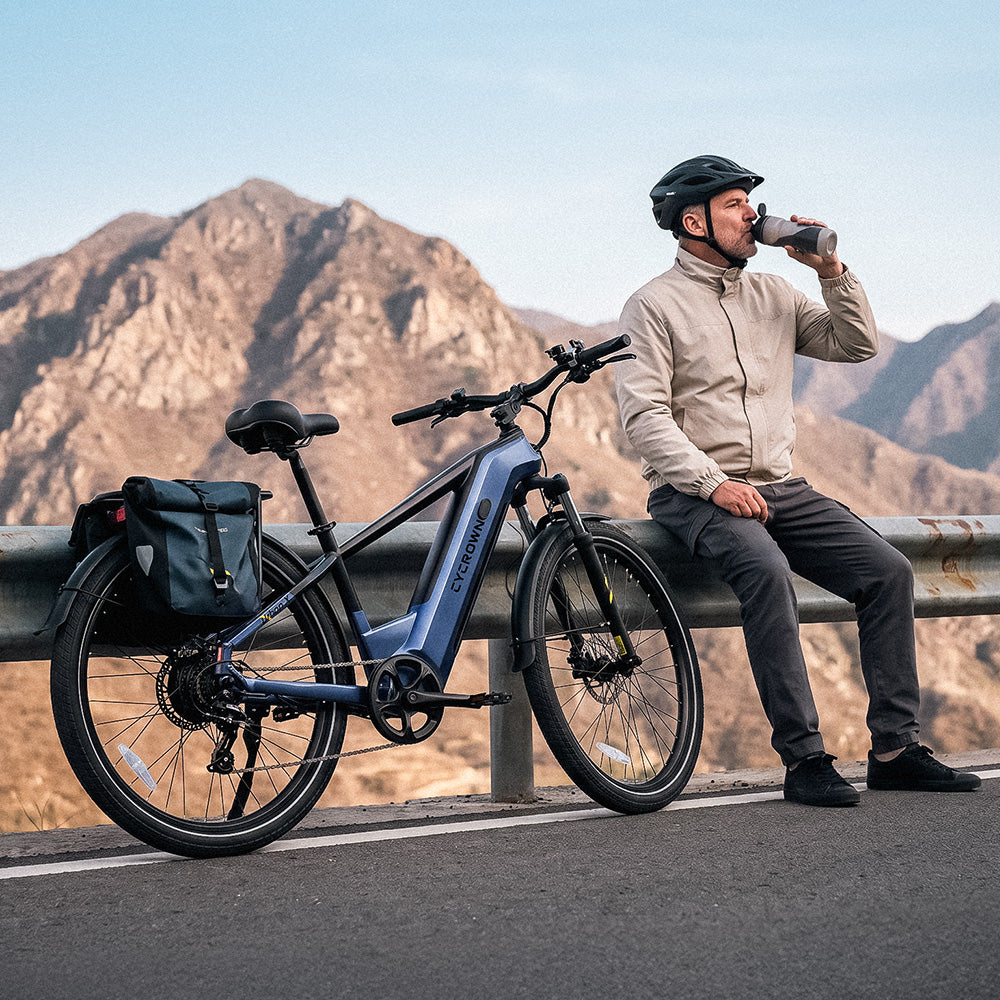
A rear rack is more flexible than most people expect. With a set of panniers, bungee cords, or a simple crate strapped on top, you can carry:
-
Textbooks and a laptop bag, so your shoulders and back get a break
-
Groceries from a store run, including drinks and produce that would otherwise crush in a backpack
-
A packed lunch or coffee thermos without worrying about leaks near your laptop
-
Gym clothes, shoes, and a water bottle for a workout between classes
-
Art supplies, lab equipment, or other bulky class materials that don't fit in a normal bag
-
A change of clothes or light shopping bags picked up on the way home
Basically, anything you'd normally shove into an overloaded backpack can instead ride on the bike. That's the whole point of an electric bike with a rear rack: it gives you a second place to put things that aren't your spine.
Why Students Benefit From Rear Cargo Space
Students deal with a specific kind of daily grind. You're moving between buildings, sometimes across a large campus, often carrying more than one day's worth of supplies. A comfort ebike with a place to mount cargo takes the physical strain out of that routine.
There's also a practical reason this matters for anyone using an ebike for daily commute trips: extra weight on your back changes how the bike handles and how tired you feel by the end of the ride. Moving that weight to a rear rack keeps your center of gravity more stable, which matters if you're also managing a heavier load like a case of water or a stack of course books. Riders who care about how load affects handling and speed can get a clearer picture of how weight changes performance in this breakdown of electric bike top speed and the factors that affect it.
For students commuting off campus or living further from lecture halls, electric bikes for college students have become a practical alternative to parking passes, bus schedules, and pricey rideshares. Adding a rear rack just makes that option cover more of your actual day, not just the ride to class.
Rack vs. Backpack: Which Is More Practical?

Both have a place, but they're not really interchangeable once your load gets heavier or bulkier.
A backpack works well when:
-
You're carrying a light load, like a laptop and a notebook
-
You need quick access to items while walking between buildings
-
You're not riding far or don't have gear to secure
A rear rack works better when:
-
You're carrying groceries, a gym bag, or anything bulky
-
You want a comfort ebike ride without shoulder or lower back strain
-
You're combining errands with your commute, like a store stop on the way home
-
You need both hands free and don't want extra weight affecting your balance on the bike
An electric bike with a rear rack doesn't replace a backpack entirely. Most riders still use a smaller bag for daily essentials and let the rack handle the heavier or bulkier stuff. It's less about picking one over the other and more about not forcing your back to do a rack's job.
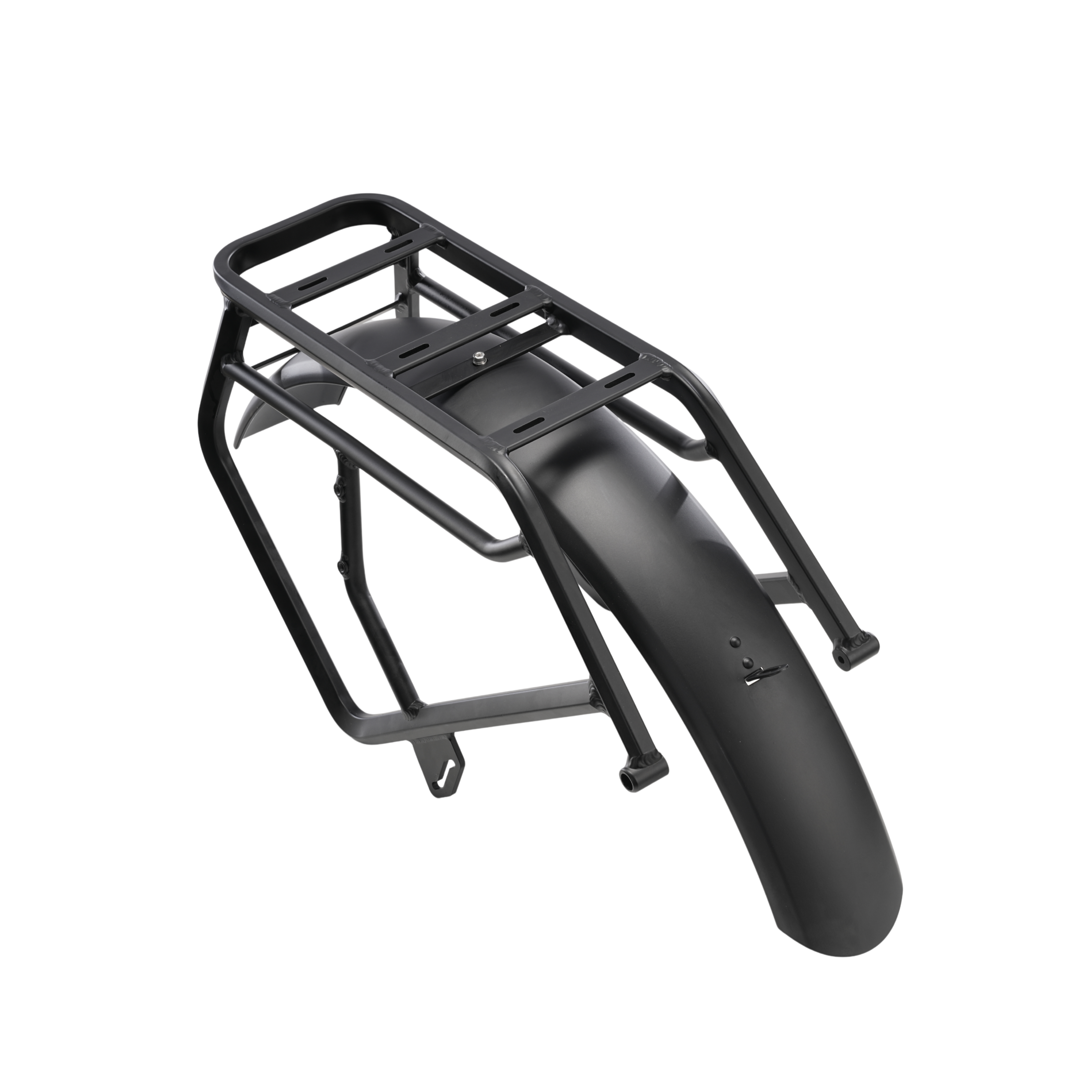
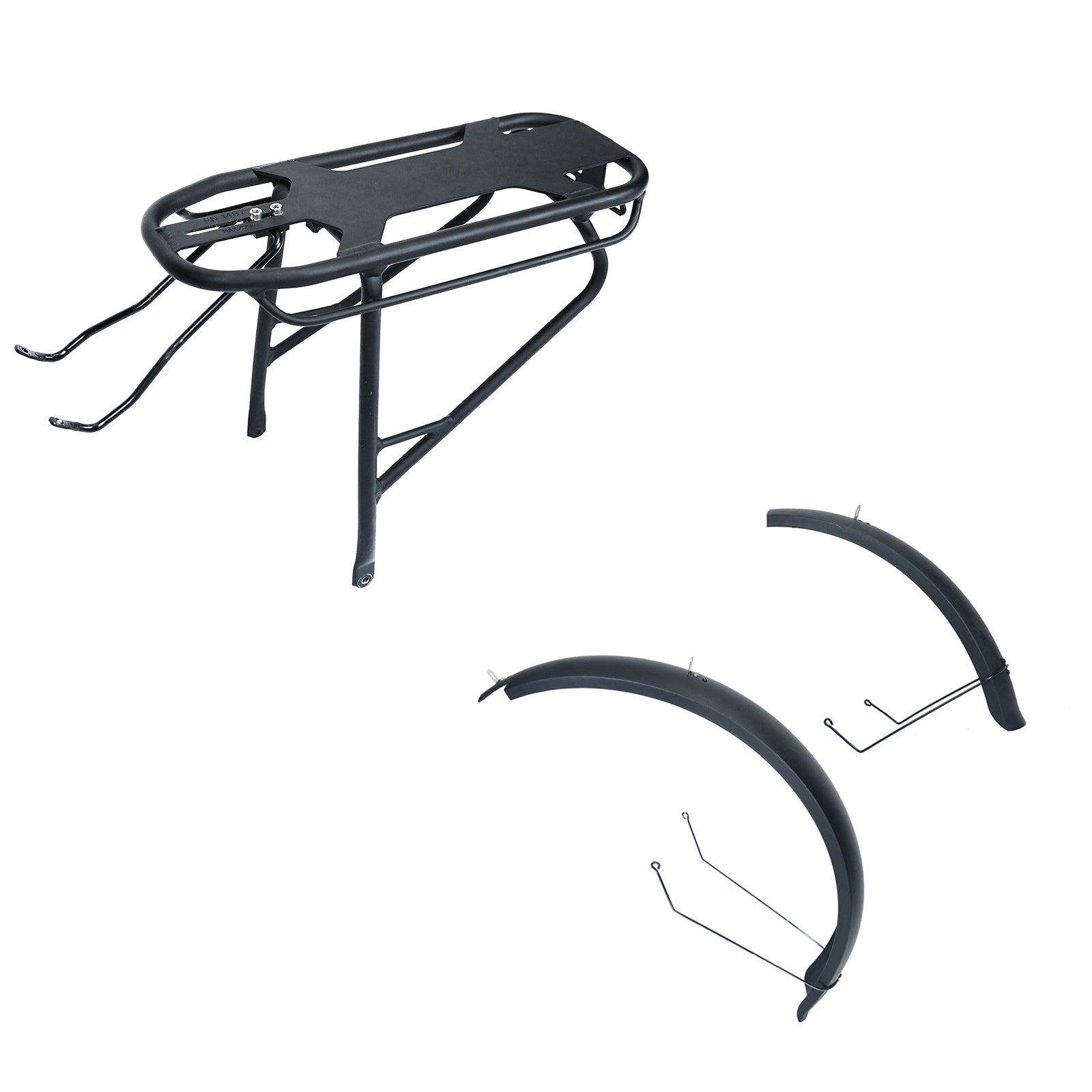
What to Look for in a Rear Rack
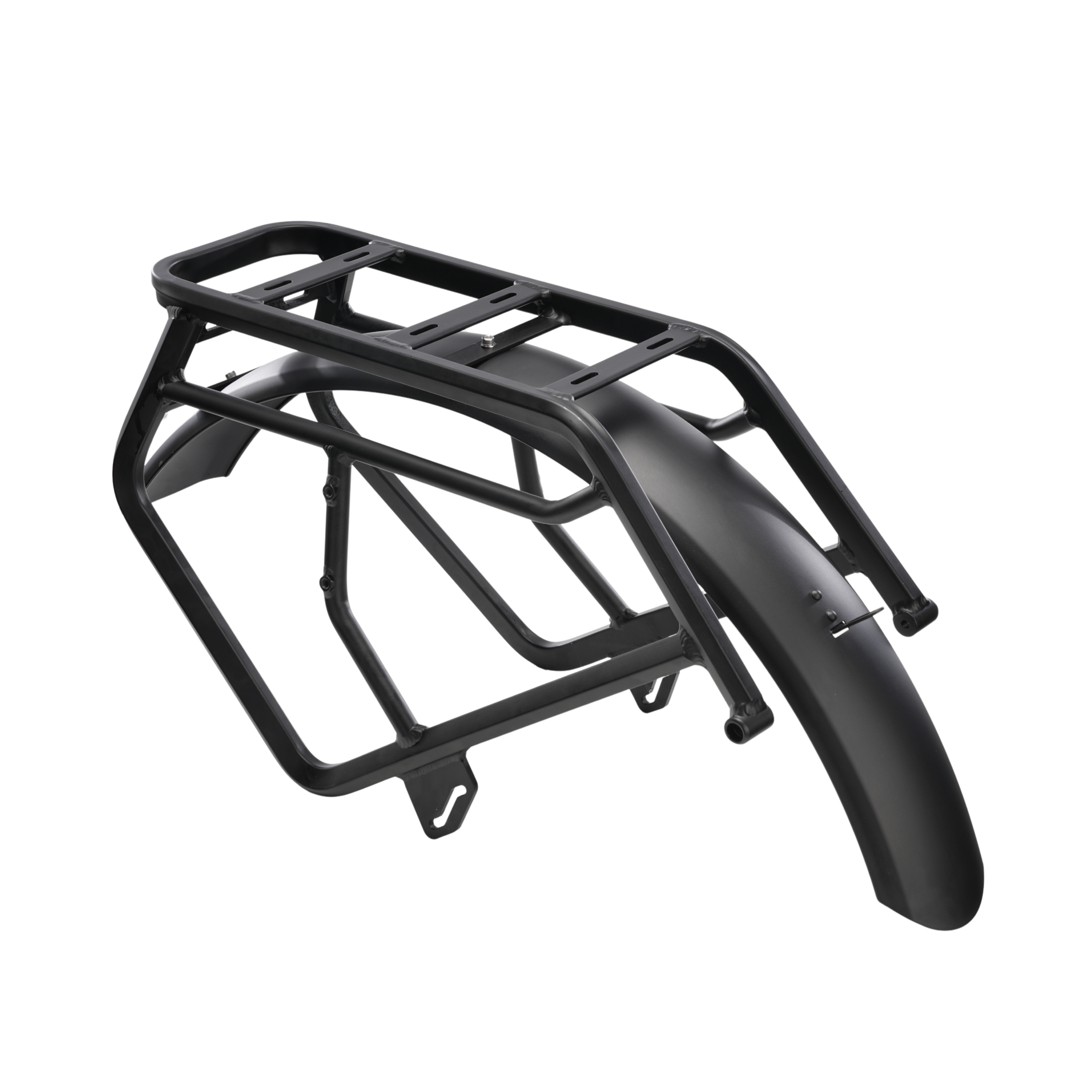
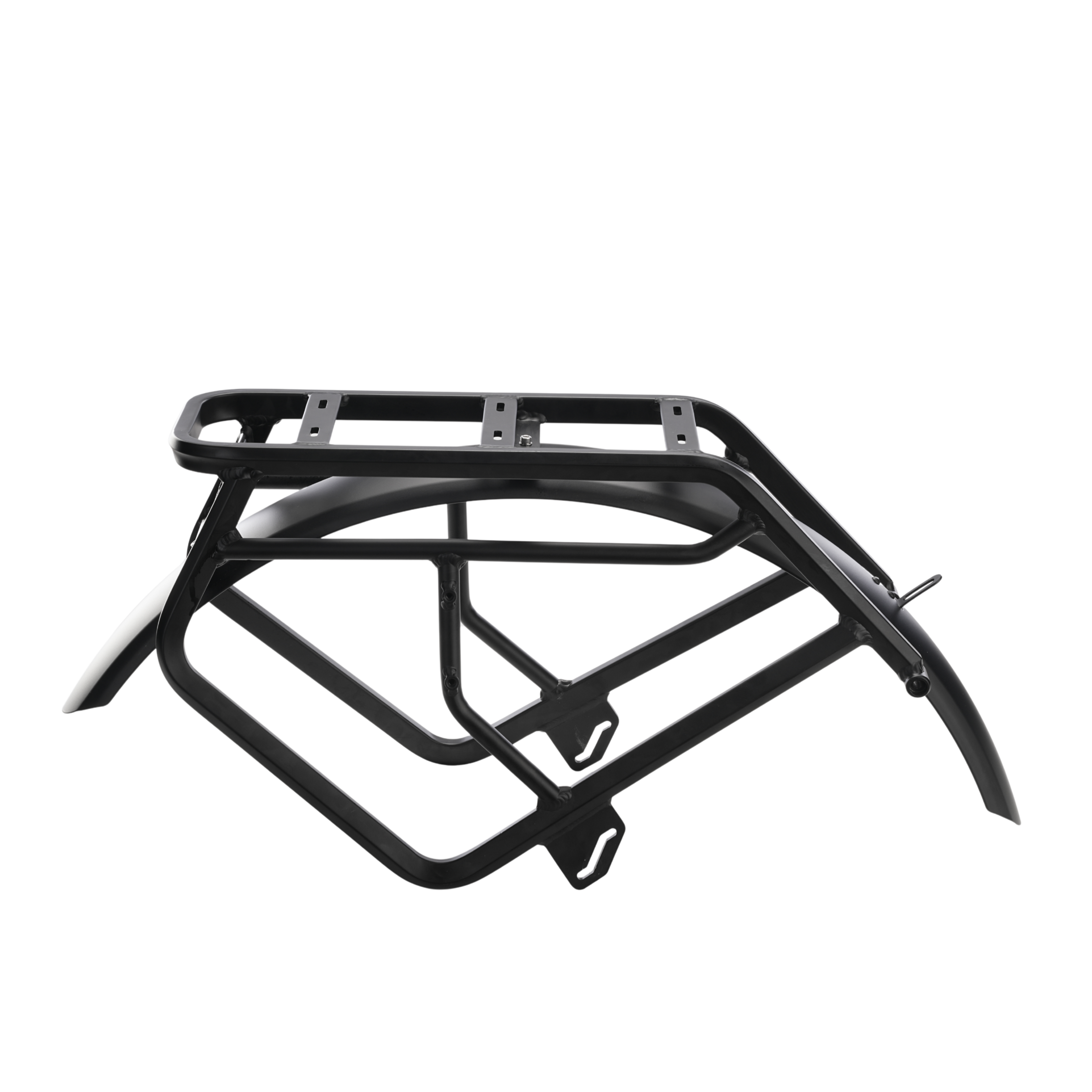
Not every rack fits every bike, and not every rack holds the same amount of weight. A few things worth checking before you add one:
Weight capacity: Make sure the rack can handle what you actually plan to carry, especially if groceries or textbooks are a regular load.
Mounting compatibility: Confirm the rack fits your specific frame and wheel size before buying.
Attachment options: Look for a rack with hooks, straps, or pannier compatibility so you're not relying on loose bungee cords.
Material and weather resistance: A rack that can handle rain or rough roads will hold up better over a full school year.
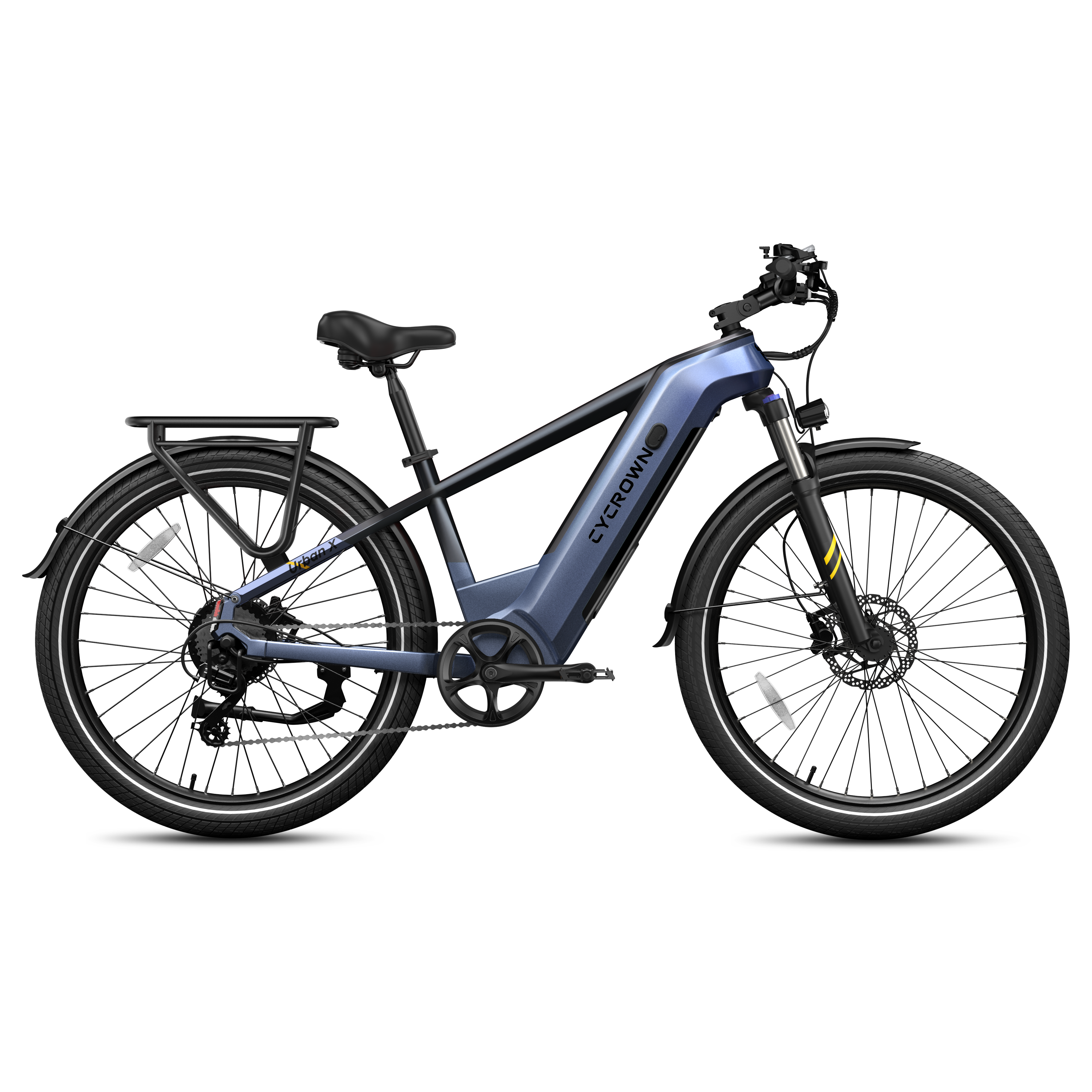
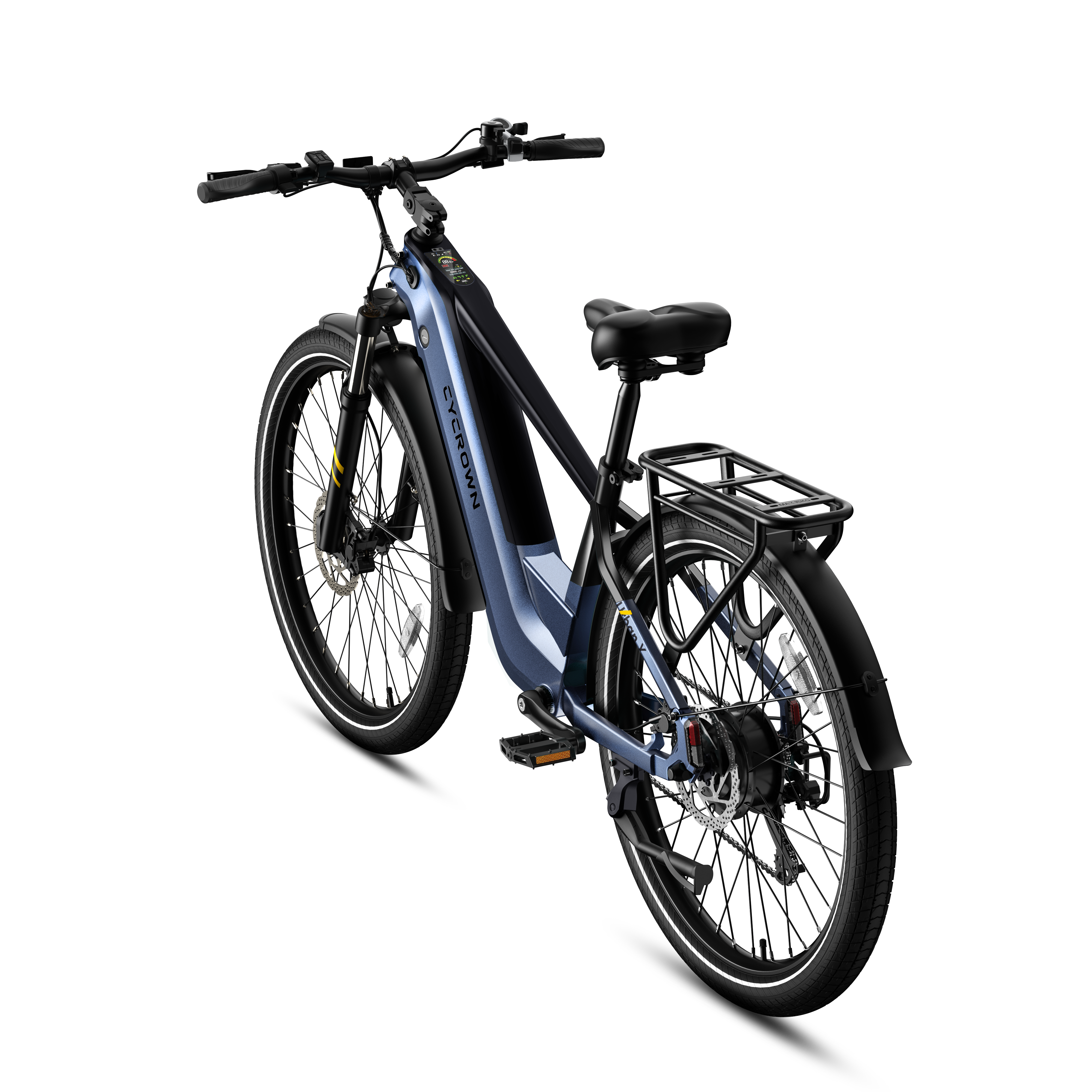
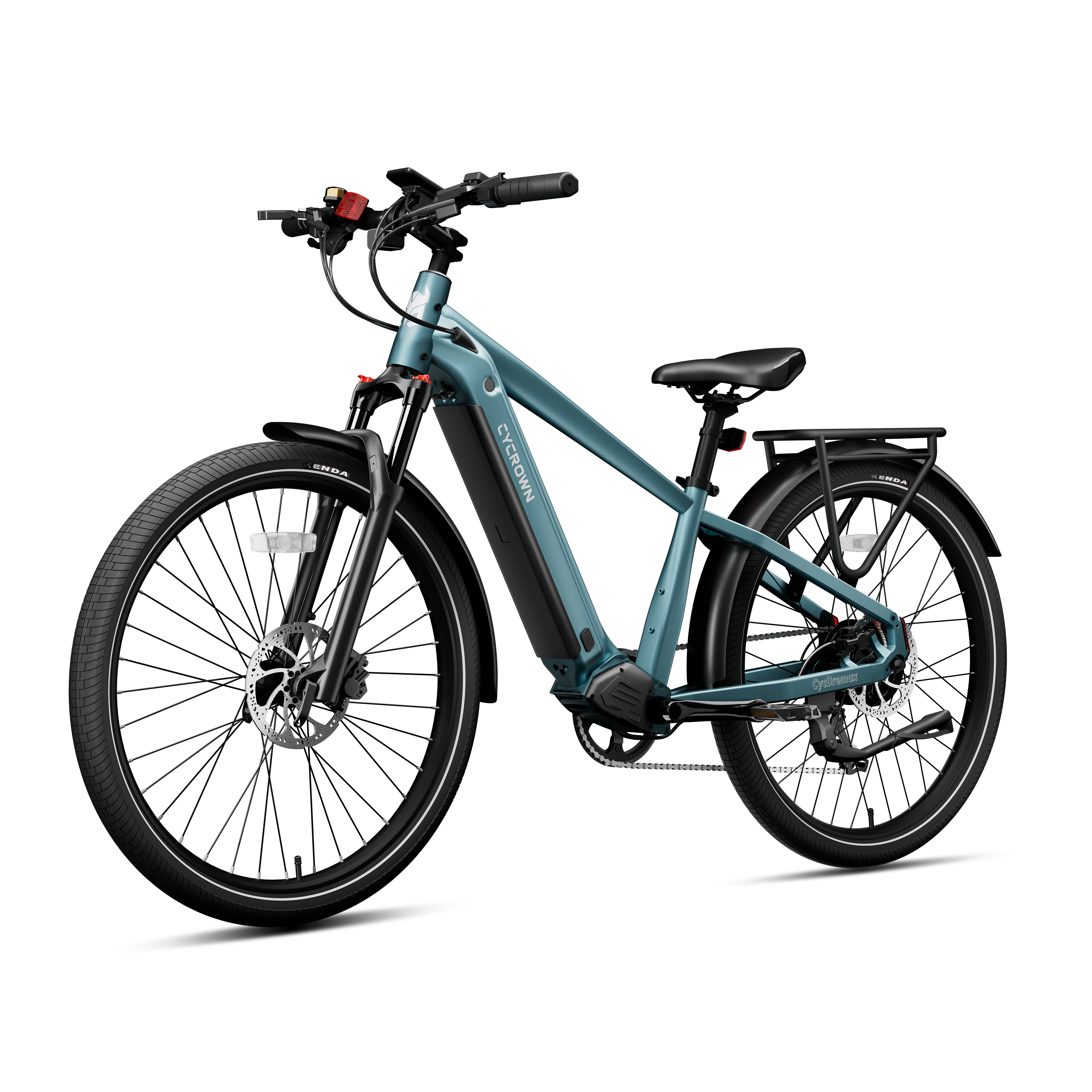
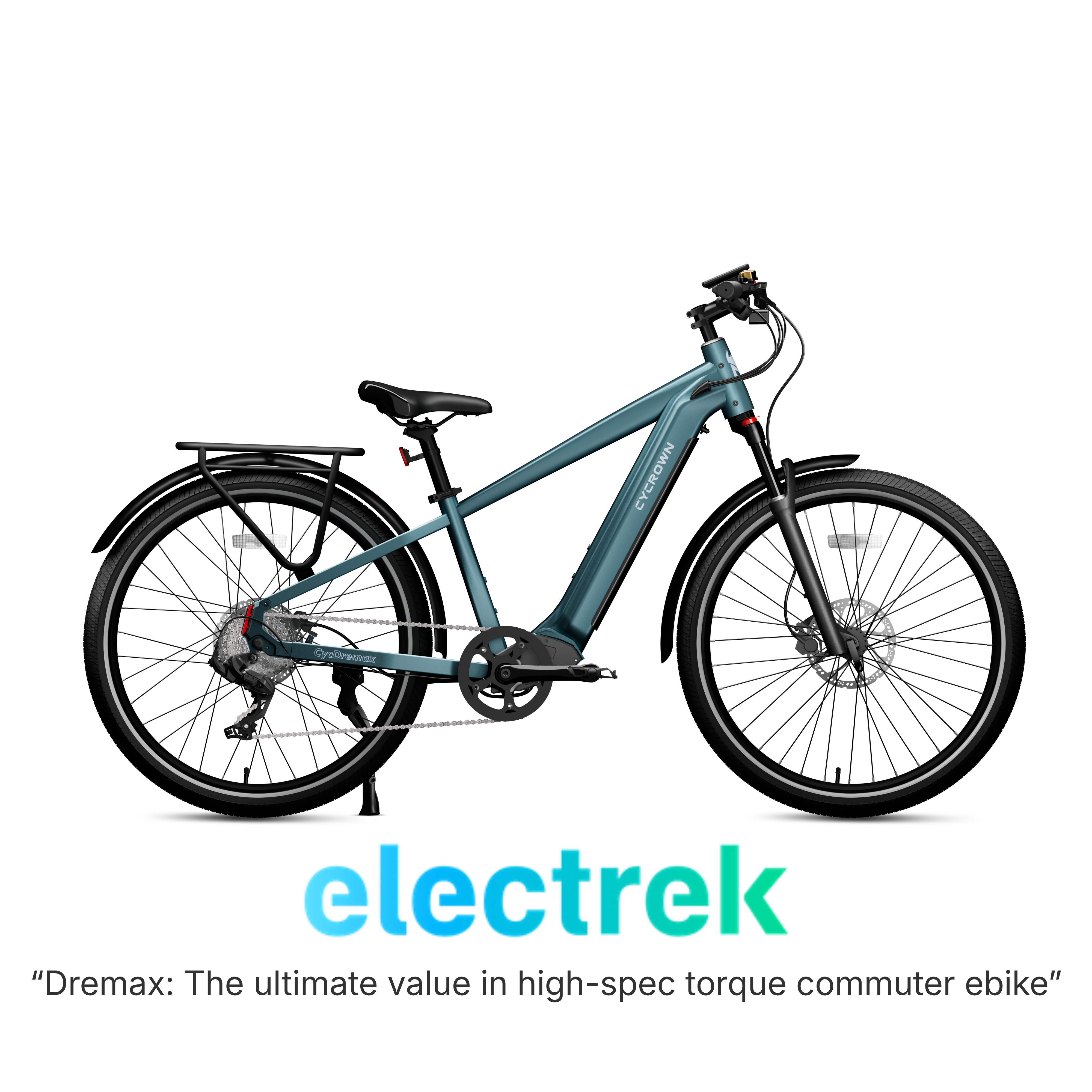
Balance with your riding style: If you already ride a commuter ebike like the Dremax Commuter Ebike or the Urban X Commuter Ebike, check that the rack doesn't interfere with fenders, lights, or the kickstand.
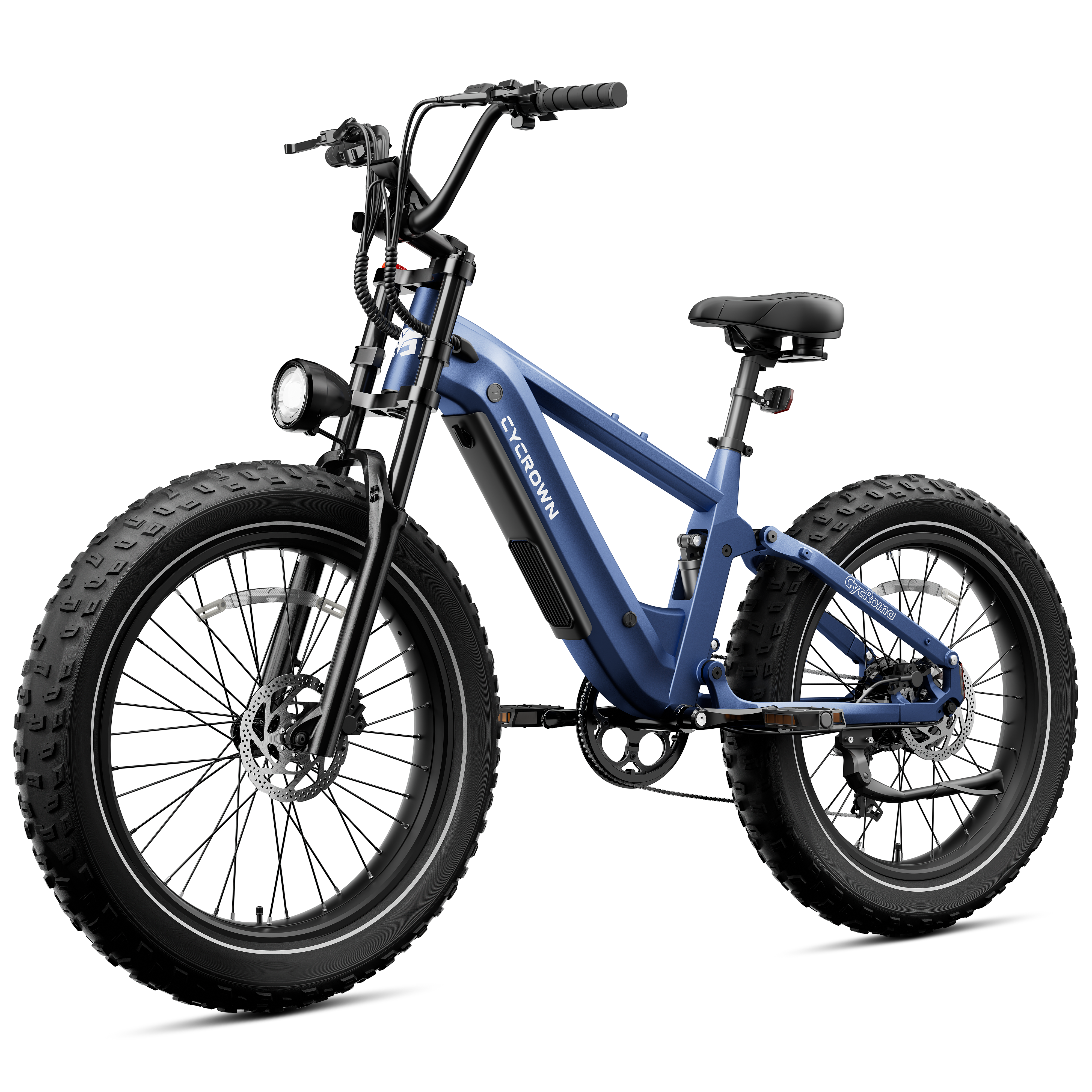
If you're riding somewhere with rougher terrain around campus, an all-terrain option like the Roma All-Terrain Ebike can also carry a rear rack setup, so cargo capacity isn't limited to flat-road commuter models.
Making Your Campus Commute More Convenient
Once you've got a rear rack set up, your ebike for daily commute use starts covering more ground than just the ride to lecture. Errands that used to mean a separate car trip or a walk with a heavy bag become part of your normal route home.
It's also worth thinking about security once you're regularly parking a loaded bike outside a dorm or lecture hall. A locked bike with cargo attached is still a target, so it helps to know your options if you ever get locked out or need to reset a combination — CYCROWN’s guide on how to reset a bike lock covers the basics for common lock types.
A commuter ebike with the right rack setup ends up doing double duty: it gets you to class on time and handles the errands you'd otherwise squeeze in around your schedule. For students juggling classes, part-time jobs, and everything in between, that's a real reduction in daily friction, not just a nice-to-have feature.
The Real Value Is in What You Don't Have to Carry
At the end of the day, an electric bike with a rear rack isn't about the rack itself. It's about what it takes off your back. A comfort ebike already makes the ride easier; adding cargo space makes the entire day easier, from the walk to first period to the grocery run after your last class. If you're weighing your options for getting around this semester, it's worth looking at how much a rear rack could simplify your routine before assuming a backpack is your only choice.
What Riders Want to Know
Can any electric bike be fitted with a rear rack?
Most electric bikes can accept a rear rack, but you'll want to confirm frame compatibility and weight limits before installing one.
How much weight can a rear rack typically hold?
It varies by rack and bike, so check the manufacturer's weight rating rather than guessing based on appearance.
Will a rear rack affect my ebike's daily commute range or handling?
Extra weight can slightly affect range and handling, but a properly loaded and balanced rack has a much smaller impact than the same weight in a backpack.
Is a rear rack better than a basket for students?
A rack is more versatile since it can hold panniers, bungee cords, or a basket on top, while a basket alone is limited to what fits inside it.
Do I need special tools to install a rear rack?
Most racks are installed with basic tools like an Allen key, though it's worth checking your bike's manual for exact mounting points.


