






Why Your Commute Might Need More Than a Standard E-Bike
If your ride to campus is more than a few miles each way, the answer is simple: yes, a standard e-bike with a small battery probably won't cut it, and a long-range e-bike is worth a serious look. Students who live off campus or commute from their parents' house often deal with distances that dorm residents never have to think about. A 3-mile trip is one thing. A 12-mile round trip, five days a week, is another. Before buying any e-bike, it helps to understand exactly how far you'll actually be riding and what kind of battery that requires.
Is Your College Commute Too Long to Walk?
Most people can comfortably walk about a mile in 15-20 minutes. Once your commute passes that, walking starts eating into study time, sleep, or your morning routine. A commute of 3 miles or more each way is where an e-bike starts making real sense, since it turns what would be a 45-minute walk into a 15-minute ride.
Think about your actual route, not just the straight-line distance:
How many miles is it from your front door to your first class, door to door?
Are there hills, stoplights, or detours that add real time and battery drain?
Does your commute change depending on which building your classes are in that day?
How Much E-Bike Range Do You Need?
Range needs are personal, but the math is straightforward. Take your one-way commute distance, double it for a round trip, and multiply by how many days a week you ride. A student commuting 6 miles each way, five days a week, is covering 60 miles weekly. That doesn't mean you need a 60-mile battery, since you'll likely charge overnight, but it does mean you want enough range to comfortably handle a round trip without watching the battery indicator all day.
A good rule of thumb: look for a battery that covers your daily round trip with at least 30-40% left over. That buffer covers detours, errands after class, colder weather, or a day when you forget to charge overnight.
What Affects Real-World E-Bike Range?
Manufacturer range numbers are usually measured under close to ideal conditions. Real-world range is almost always lower, and several factors explain why:
Rider weight and cargo - a backpack full of textbooks adds up, and heavier loads mean the motor works harder.
Terrain - hills and stop-and-go traffic drain the battery faster than flat, steady riding.
Pedal assist level - riding on the highest assist level burns through the battery much faster than a lower setting or more pedaling effort.
Weather and temperature - cold weather can noticeably reduce battery capacity, and headwinds make the motor work harder to maintain speed.
Speed - riding at a bike's top speed constantly uses more power than a moderate, steady pace.
A Quick Way to Estimate Your Own Range Loss
If a bike is rated for 90 miles, don't plan around that number. A more realistic estimate for daily commuting, factoring in hills, weather, and cargo, is usually 60-75% of the rated maximum. Planning around that lower number keeps you from getting caught short.
Why Battery Planning Matters for Students

A college schedule is unpredictable in ways a typical daily commute isn't. You might have an 8 a.m. class, a gap in the afternoon, then a night class or a shift at a part-time job. That means your e-bike battery sometimes has to cover more than a simple there-and-back trip. If you're commuting on a bike with a battery that barely covers your one-way distance, an unexpected extra stop can leave you stranded with no charge left.
This is also where checking your remaining range regularly becomes a habit worth building. Most e-bikes show battery percentage on the display, so getting familiar with how to read it (and reset it if it ever glitches) helps you avoid surprises mid-semester.
How to Prepare for a Longer Ride to Campus
A few habits make a longer daily commute much more manageable:
Charge overnight so you start every day at 100%, rather than relying on partial top-offs.
Keep a charger at a second location, like a locker or a friend's apartment near campus, for backup.
Check the weather forecast, since cold mornings can reduce range more than students expect.
Plan your route with fewer hills or stoplights when possible, since steady riding uses less battery than constant starting and stopping.
What Makes an E-Bike Suitable for Long Commutes?
Not every e-bike is built with a long daily ride in mind. A few features matter more once your commute stretches past a few miles:
-
A larger battery capacity (measured in watt-hours) that supports higher mileage without daily top-offs.
-
A comfortable riding position, since spending 30-45 minutes on a bike is different from a 10-minute ride around the block.
-
Reliable brakes and a sturdy frame that can handle regular use in different weather.
-
Enough torque to handle hills without draining the battery as quickly.
Commuter-style e-bikes are generally built around these priorities, since they're designed for consistent, longer daily use rather than occasional short trips.
When Does a Long-Range E-Bike Make Sense?
A long-range e-bike makes the most sense once your round-trip commute regularly passes 10-15 miles, when your schedule includes unpredictable stops beyond a simple ride to class and back, or when charging access during the day isn't guaranteed. If your commute is short and you can charge easily at home every night, a standard-range e-bike may be all you need. But for students riding longer distances from home, extra battery capacity buys peace of mind that's hard to put a price on.
Students weighing this decision often start by comparing a few commuter e-bike options built for back-to-school routes, since seeing how range, comfort, and price stack up side by side makes the decision easier.
Riding the Distance: Making Your Commute Work for You
A long commute doesn't have to mean a long, tiring semester. Once you understand how far you're actually riding, what affects your battery's real-world range, and how to plan around weather and charging, a long-range e-bike becomes a practical tool rather than a guessing game. Take the time to map your actual commute, build in a comfortable range buffer, and get in the habit of charging overnight, and the ride to class becomes one less thing to worry about.
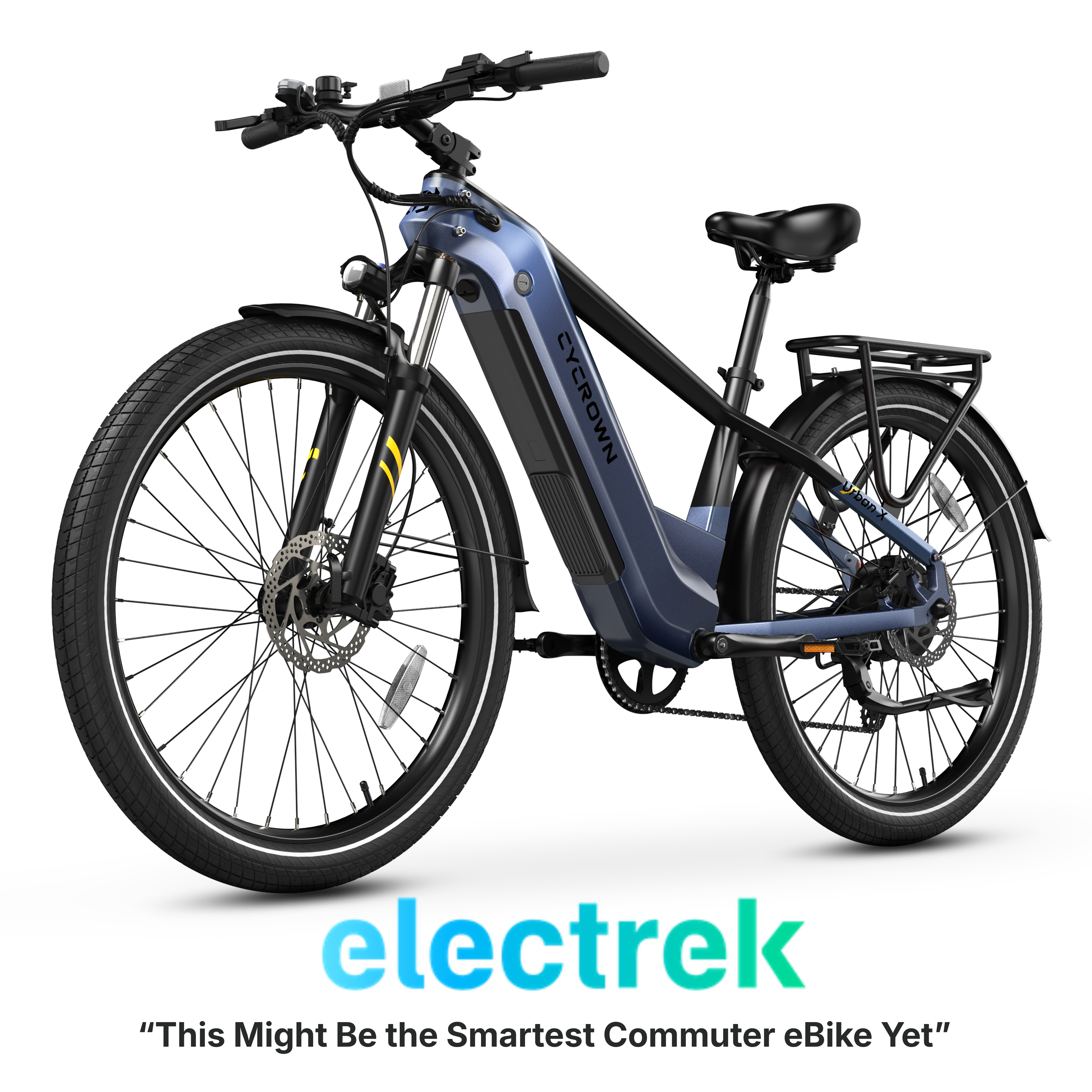
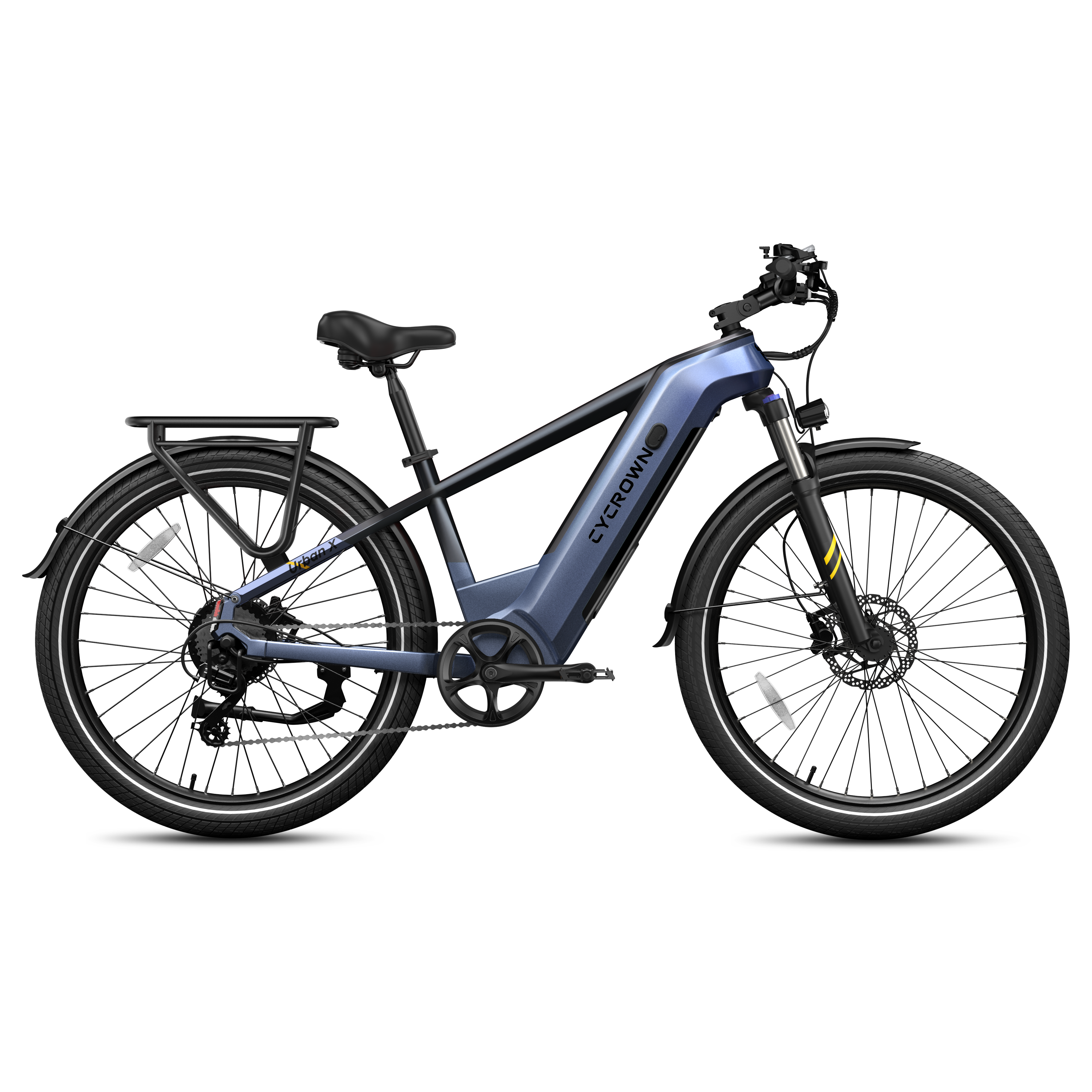
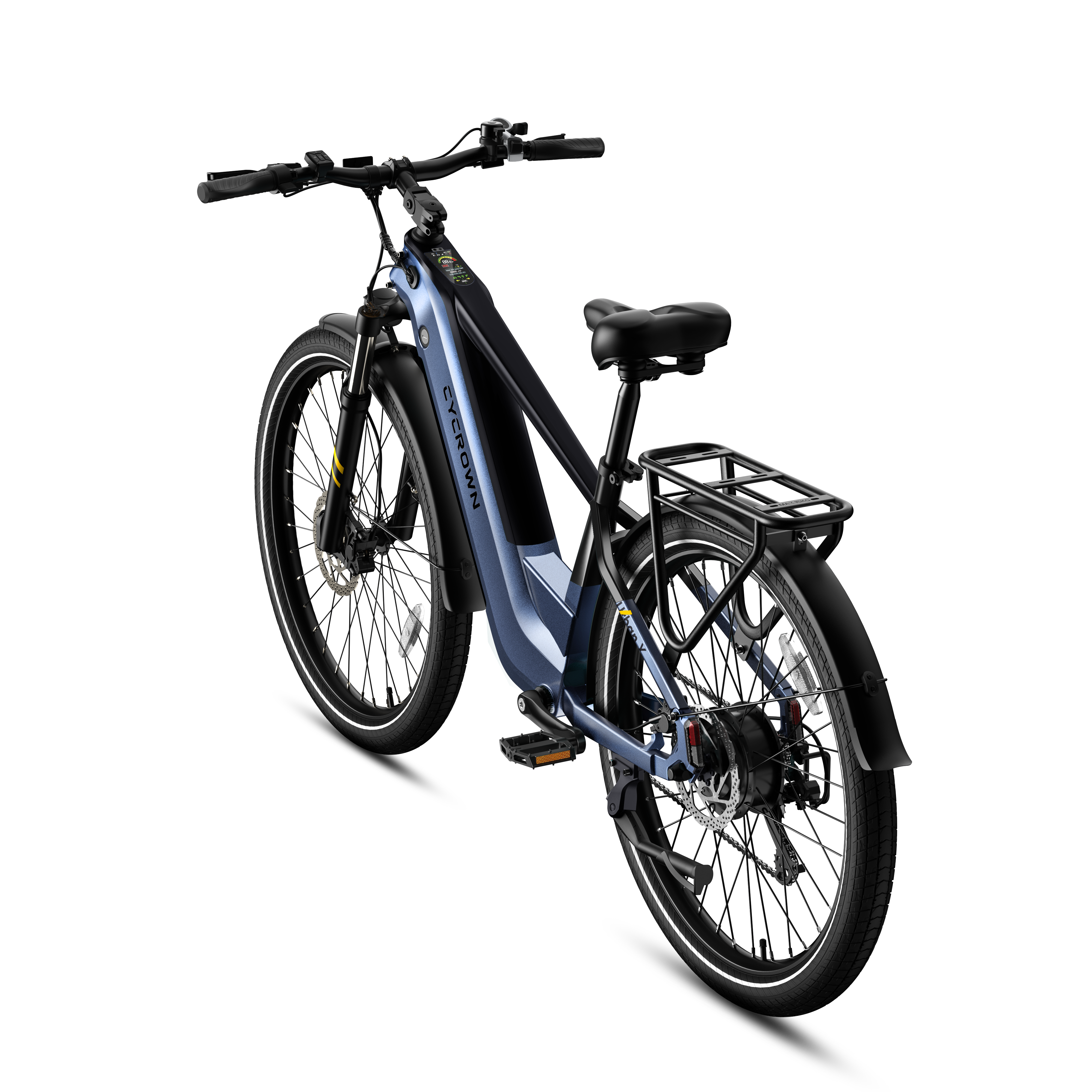
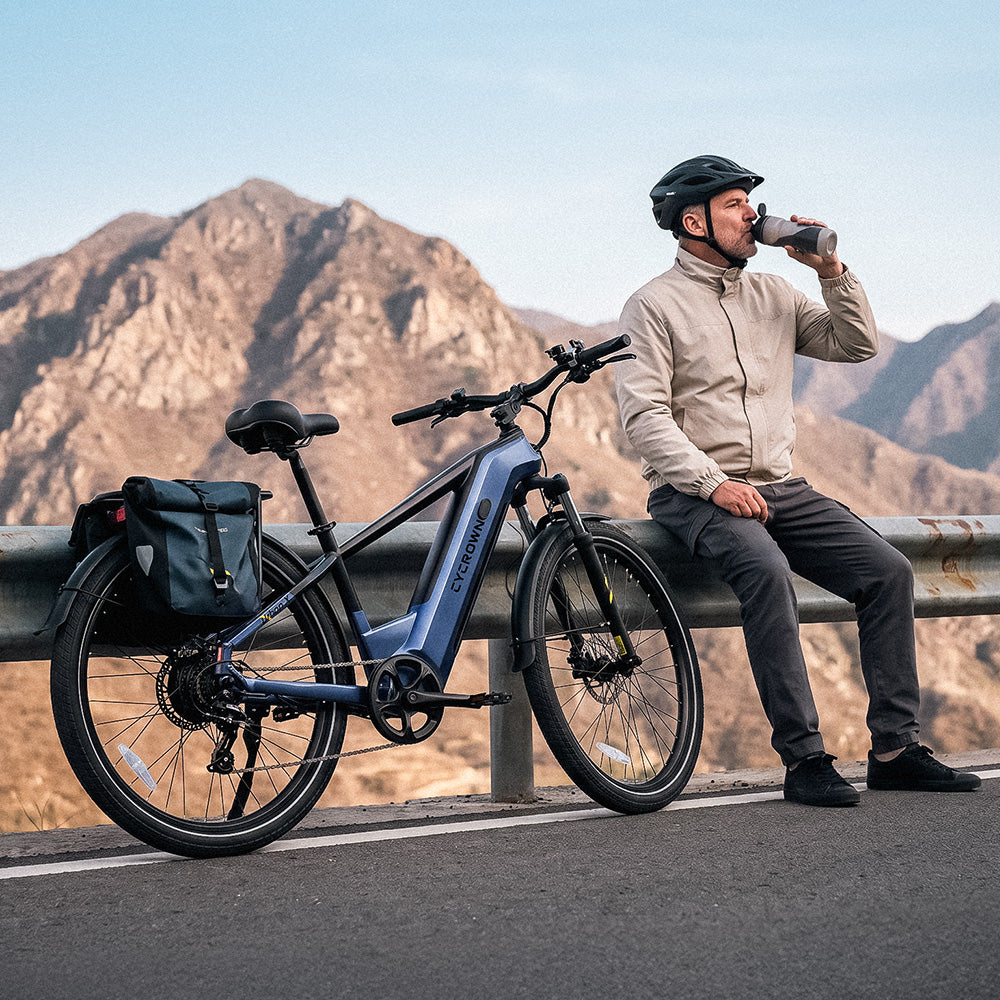
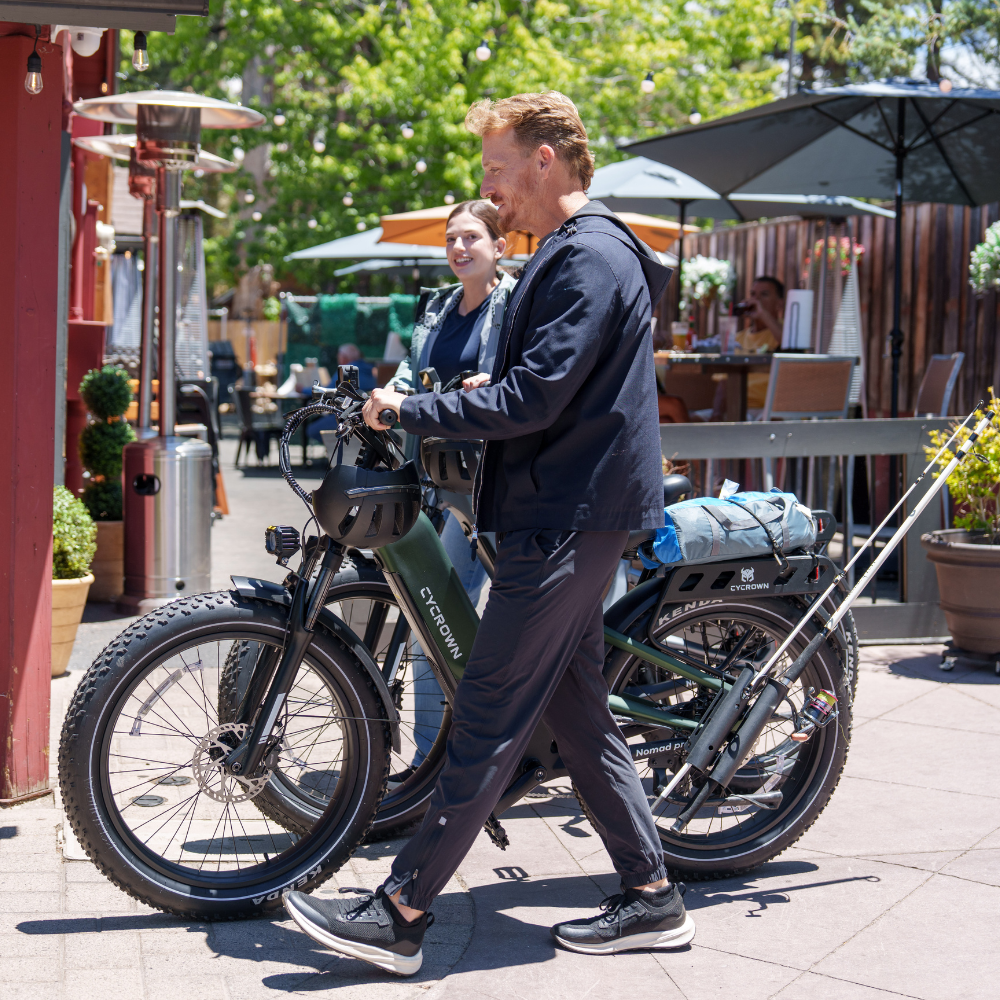
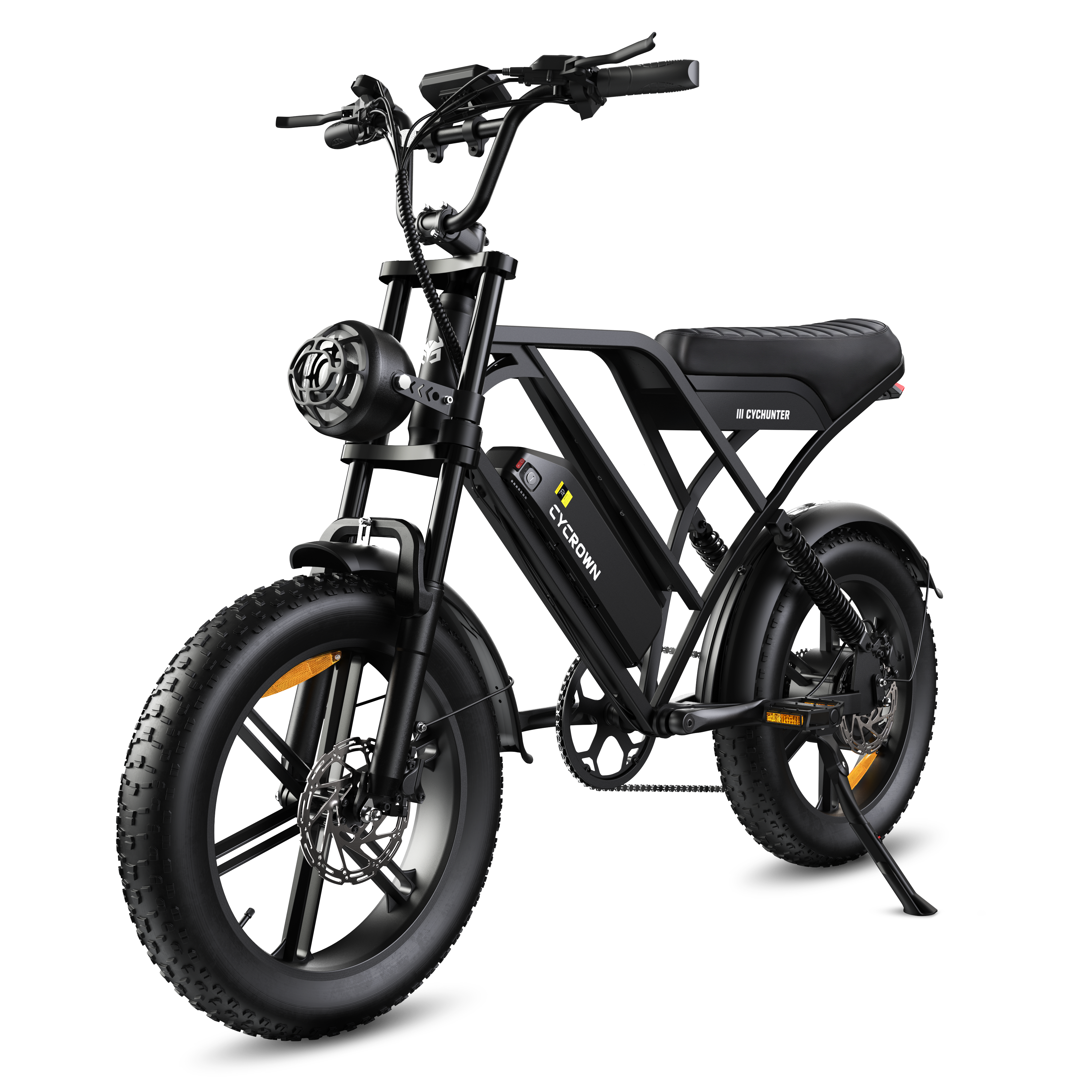
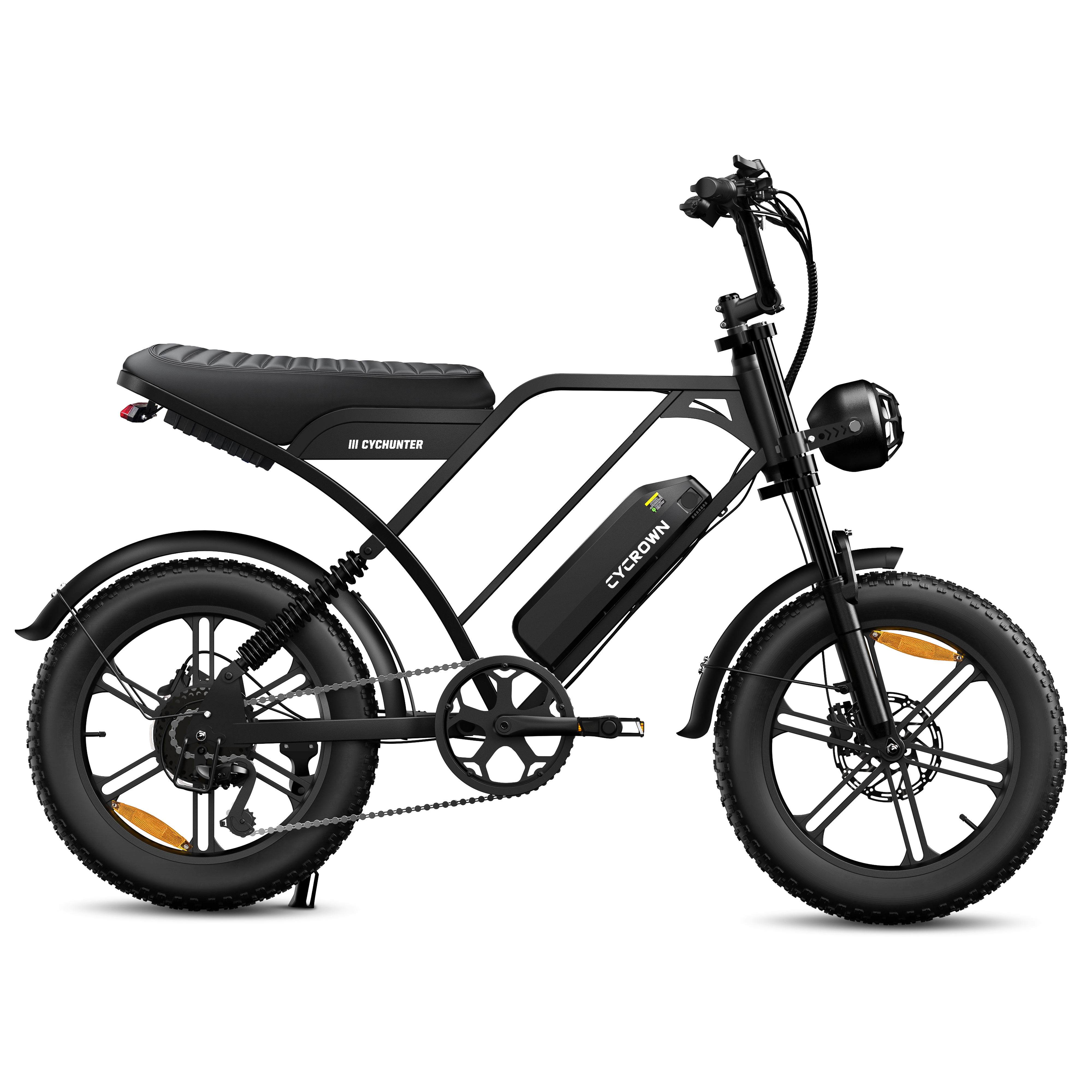
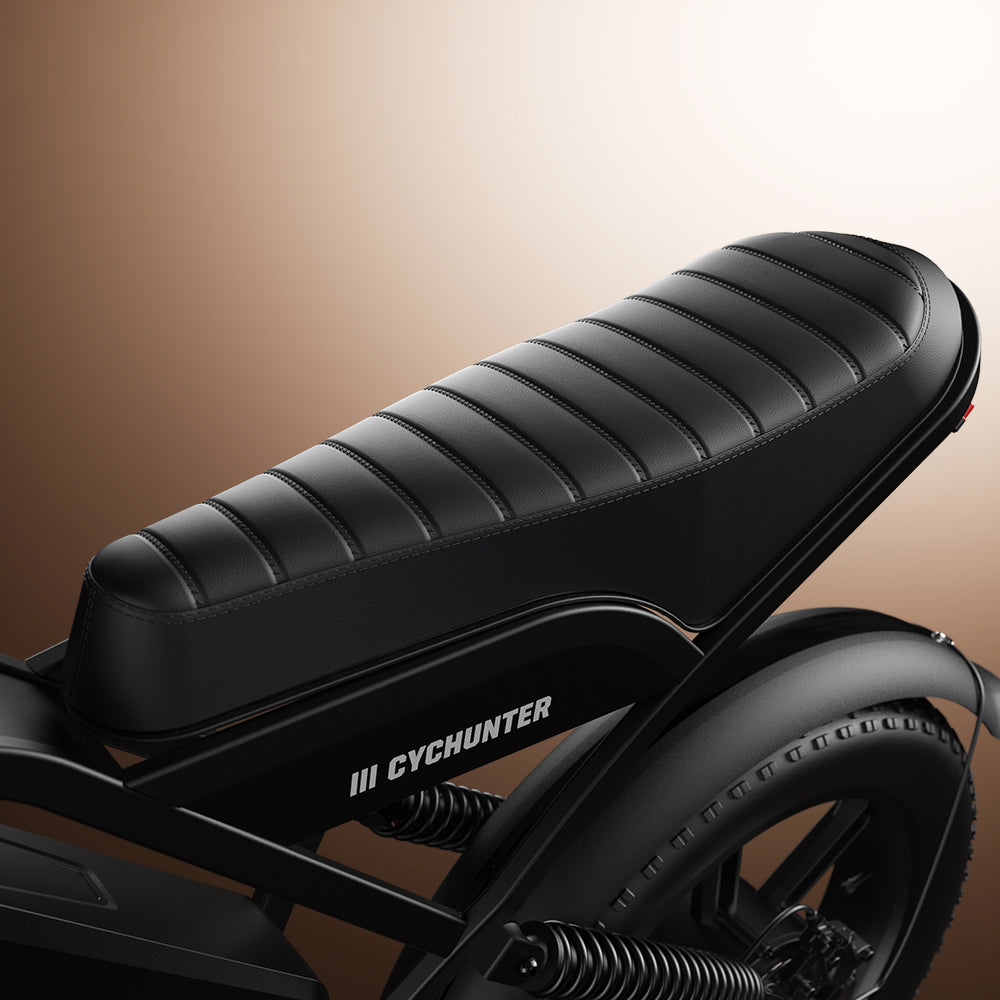
CYCROWN’s models like the Urban X Commuter Ebike, the Nomad Pro, and the CycHunter 2.0 are worth comparing if you're commuting farther than the average student, since each is built with a larger battery for longer daily riding. For more on choosing between comfort and speed for everyday campus routes, this guide to comfort e-bikes for daily rides covers what to look for beyond just the battery spec sheet.
What Riders Want to Know
How far can a long-range e-bike go on one charge?
Many long-range e-bikes can cover 60-90+ miles under ideal conditions, though real-world range is usually lower depending on terrain, weight, and riding style.
Do I need to charge my e-bike every day?
Charging overnight is a good habit for daily commuters, since it keeps your battery topped off and ready for unpredictable schedule changes.
Does cold weather really affect e-bike range?
Yes, colder temperatures can reduce battery capacity and range, so students commuting through fall and winter should expect somewhat shorter range than in warmer months.
Is a long-range e-bike heavier than a standard one?
Generally yes, since a bigger battery adds weight, though the extra range is usually worth it for students with longer daily commutes.
Can I still use pedal power to save battery on a long ride?
Yes, using a lower pedal assist level or pedaling without assist on flatter sections can meaningfully extend your range on a long commute.


