





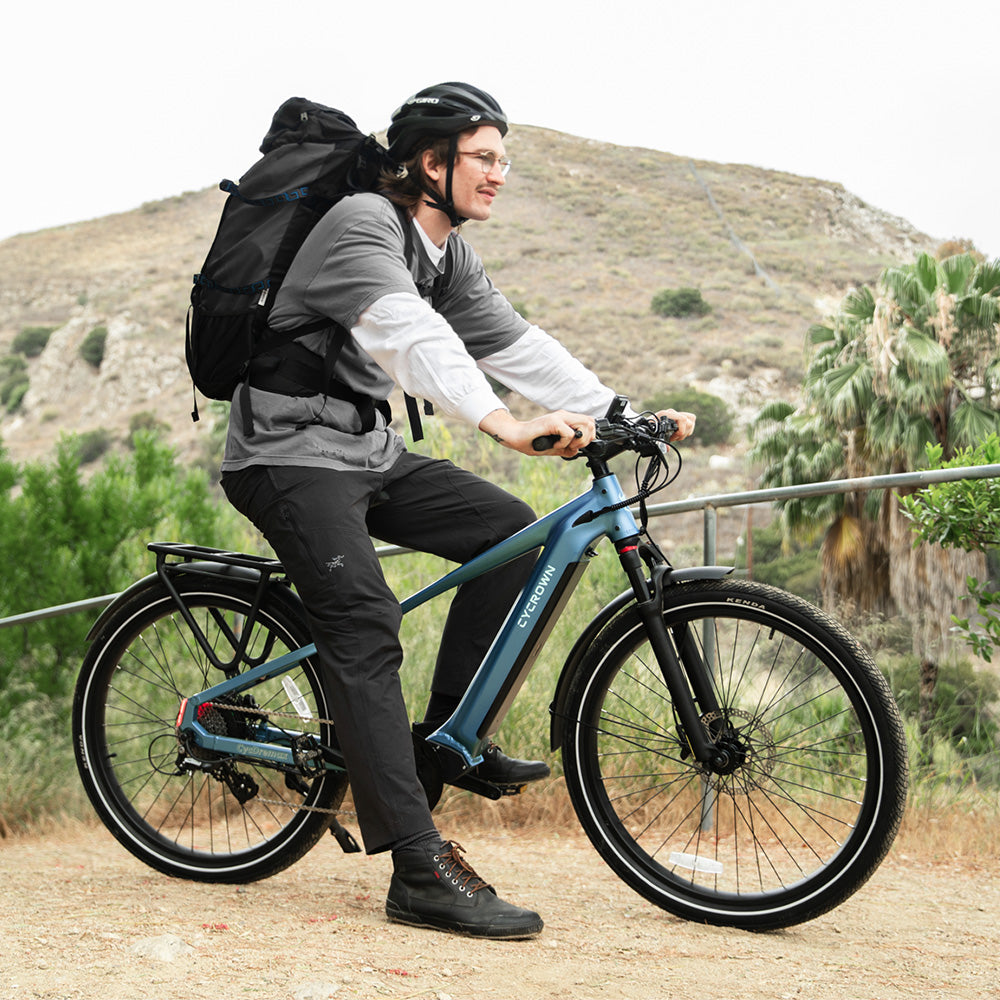

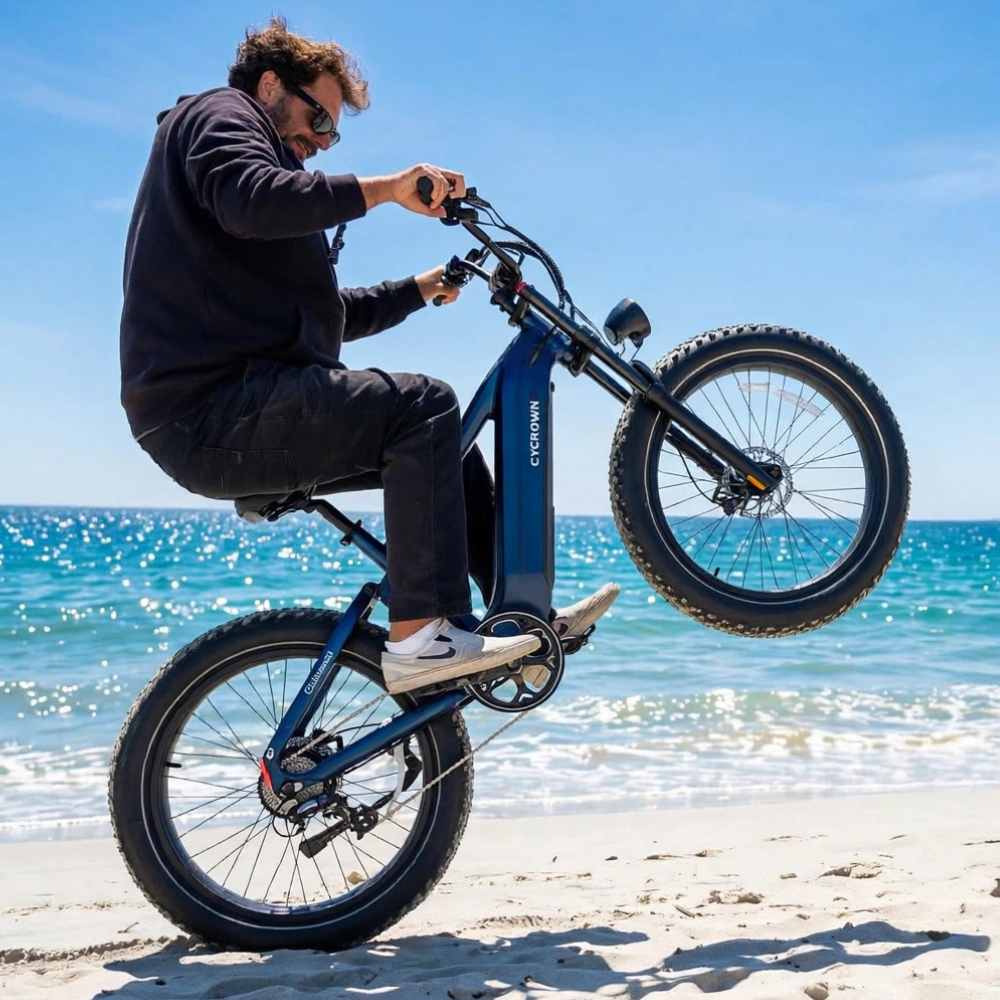
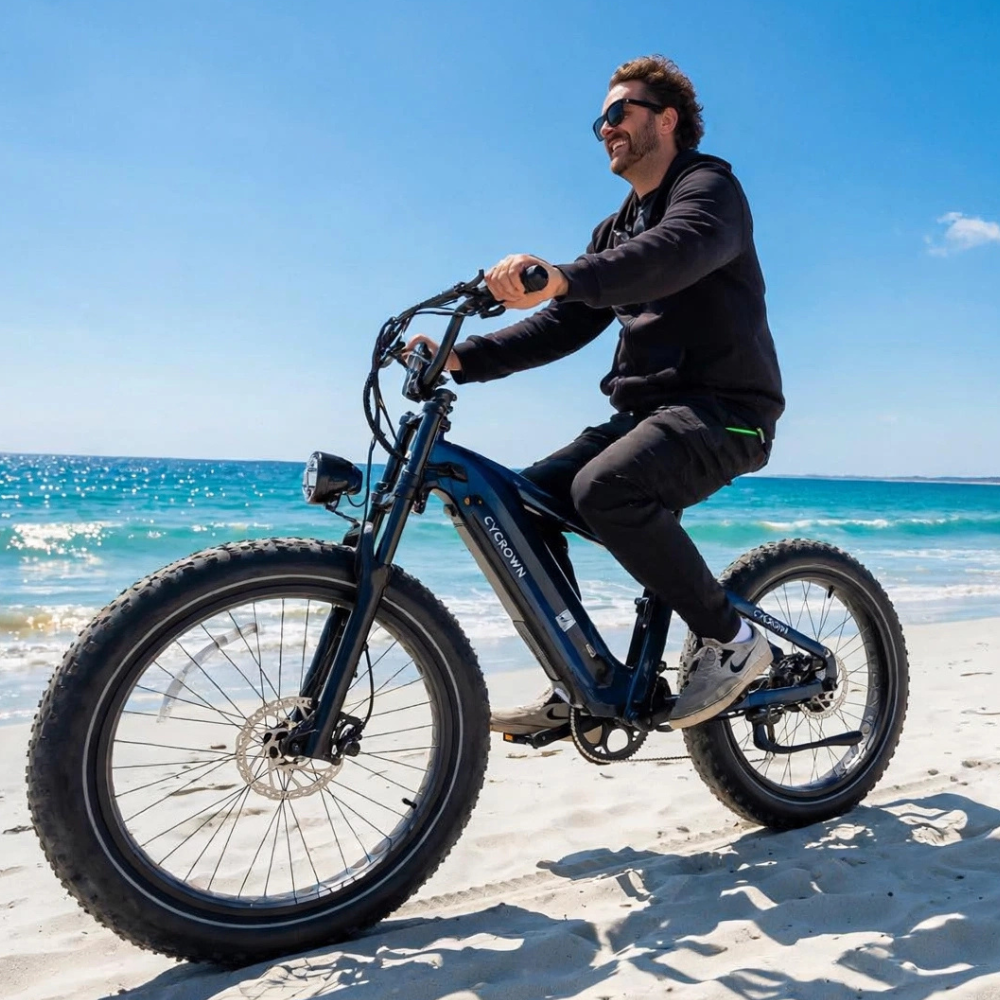
It's Not About How Much Weight the E-Bike Can Hold
The question most heavy riders start with is "how much weight can this e-bike hold?" It's a fair question, but it's the wrong first question. Your weight is one factor among several. Where you ride, how far you go, what you carry, and how much comfort and power you want all shape which e-bike actually fits you. Two riders who weigh the same amount can need very different bikes if one is commuting five miles on flat pavement and the other is climbing hills with a loaded pannier bag. Instead of shopping by weight limit alone, it helps to ask a better question: can this bike comfortably handle how I actually ride?
Key Features of an E-Bike for Heavy Riders
A handful of specs work together to determine whether an e-bike holds up well for a heavier rider.
Payload capacity - covers your body weight plus clothing, gear, and anything you carry
Motor wattage and torque - affect acceleration and hill climbing
Frame construction and geometry - influence stability and weight distribution
Tire width and type - change traction and comfort over rough surfaces
Brake type -stopping distance increases with more overall weight
Battery capacity - more weight draws more power per mile
No single spec tells the whole story. A bike with a high payload rating but a weak motor will feel underpowered on hills. A bike with a strong motor but narrow tires may feel unstable on gravel or wet pavement.
Understanding E-Bike Payload Capacity
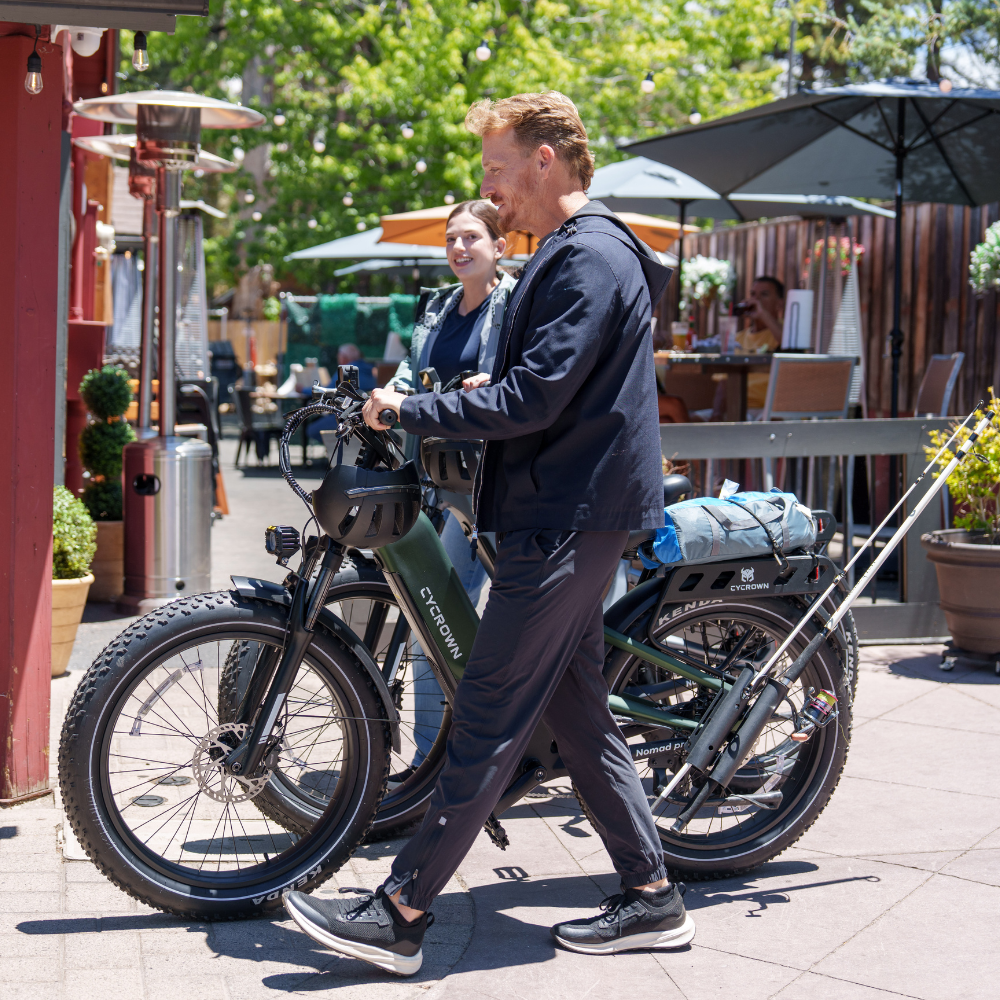
Payload capacity is usually listed separately from motor specs, and it means more than rider weight alone. It typically includes your body weight, clothing, any bags or panniers, and cargo like groceries or a laptop bag. Many CYCROWN models, including the Nomad Pro Fat Tire Ebike, are rated for a payload of up to 330 lbs. If you're close to that number once gear is factored in, it's worth leaving some buffer rather than riding right at the limit.
Why Weight Limit Isn't the Only Factor
A high payload number doesn't guarantee a comfortable or capable ride. Motor power determines how easily the bike gets you moving from a stop and up inclines. Frame construction determines how the bike holds its shape under load. Tires and brakes determine how the bike handles turns, rough surfaces, and stops. A bike can technically support your weight and still feel sluggish, twitchy, or underbraked if those other systems aren't matched to the job.
Motor Power and Performance for Heavy Riders
Motor wattage plays a direct role in how quickly a bike accelerates and how well it handles hills and stop-and-go traffic. Heavier loads require more torque to get moving efficiently, particularly from a standstill or on an incline. A motor that feels adequate for a 150 lb rider on flat ground may feel noticeably weaker for a 280 lb rider tackling a hilly commute. This is where torque, not just peak wattage, becomes the more useful number to pay attention to.
Why Motor Torque Matters for Heavier Riders
Torque is the twisting force that gets a bike moving and keeps it moving on an incline. Higher torque helps a heavier rider start from a stop without excessive strain on the drivetrain, climb hills without stalling out, and maintain momentum on rolling terrain. Two bikes with similar peak wattage can feel very different in practice if their torque delivery differs, especially for riders who deal with hills regularly.
Frame Design and Stability for Heavy Riders

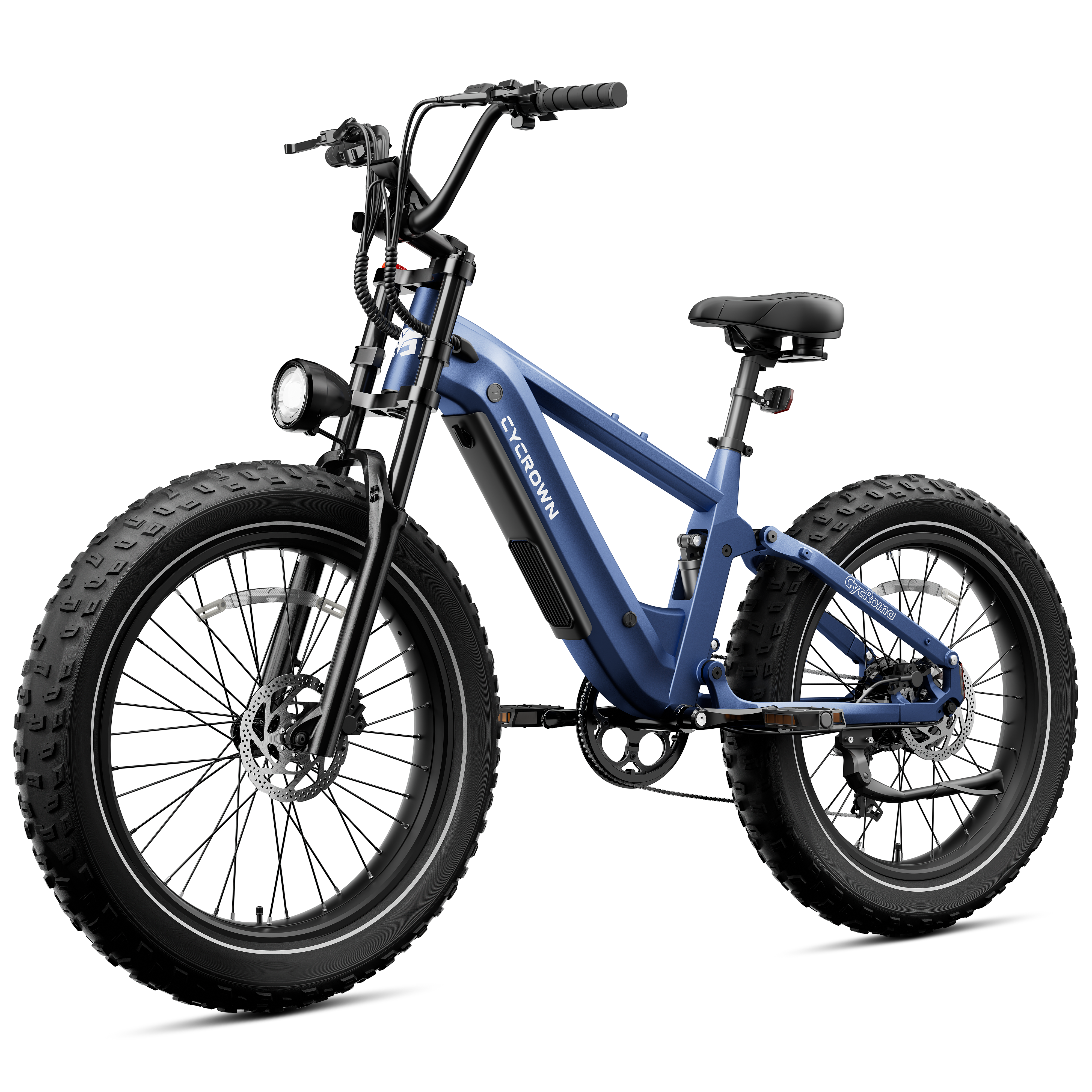
Frame stability comes down to construction, wheelbase, and weight distribution. A longer wheelbase generally improves stability at speed and under load. Frame material and welds affect how the bike handles repeated stress over time. Step-through frames can be easier to mount and dismount, while step-over frames often offer more stiffness. Models built with all-terrain or full-suspension frames, like the Roma All-Terrain Ebike, are designed with this kind of load-bearing stability in mind.
The Benefits of Fat Tires for Heavy Riders
Fat tires spread weight over a larger contact area, which improves traction and stability on gravel, sand, snow, and rough pavement. They also absorb bumps better than narrow tires, which adds comfort on longer rides. That said, fat tires aren't mandatory for every heavy rider. Someone commuting on smooth city streets may do fine with a standard commuter tire, while someone riding mixed or unpaved terrain benefits more from the extra width and cushioning.
Why Braking Performance Matters More With More Weight
More weight means more momentum, and more momentum means longer stopping distances. Hydraulic disc brakes generally offer stronger, more consistent stopping power than mechanical brakes, particularly in wet conditions. For heavier riders, reliable braking isn't a nice-to-have feature; it's a core safety factor that deserves as much attention as motor power or payload rating.
How Rider Weight Impacts E-Bike Range
Heavier riders draw more power per mile, which shortens real-world range compared to the number listed on a spec sheet. Hills, wind, tire pressure, and assist level all compound this effect. Our guide on long-range e-bikes for commuters goes deeper into how rider weight and terrain affect real-world mileage, which is useful reading before choosing a battery size.
Accounting for Cargo and Total Payload
If you regularly carry groceries, a work bag, or gear, your payload math needs to include that weight alongside your own. A rider who weighs 280 lbs and adds 20 lbs of cargo is effectively riding at 300 lbs. A sturdy rear rack, a stable frame, and enough remaining payload capacity all matter here.
Matching an E-Bike to Your Riding Style
Rather than asking which bike holds the most weight, it helps to match features to how you actually ride:
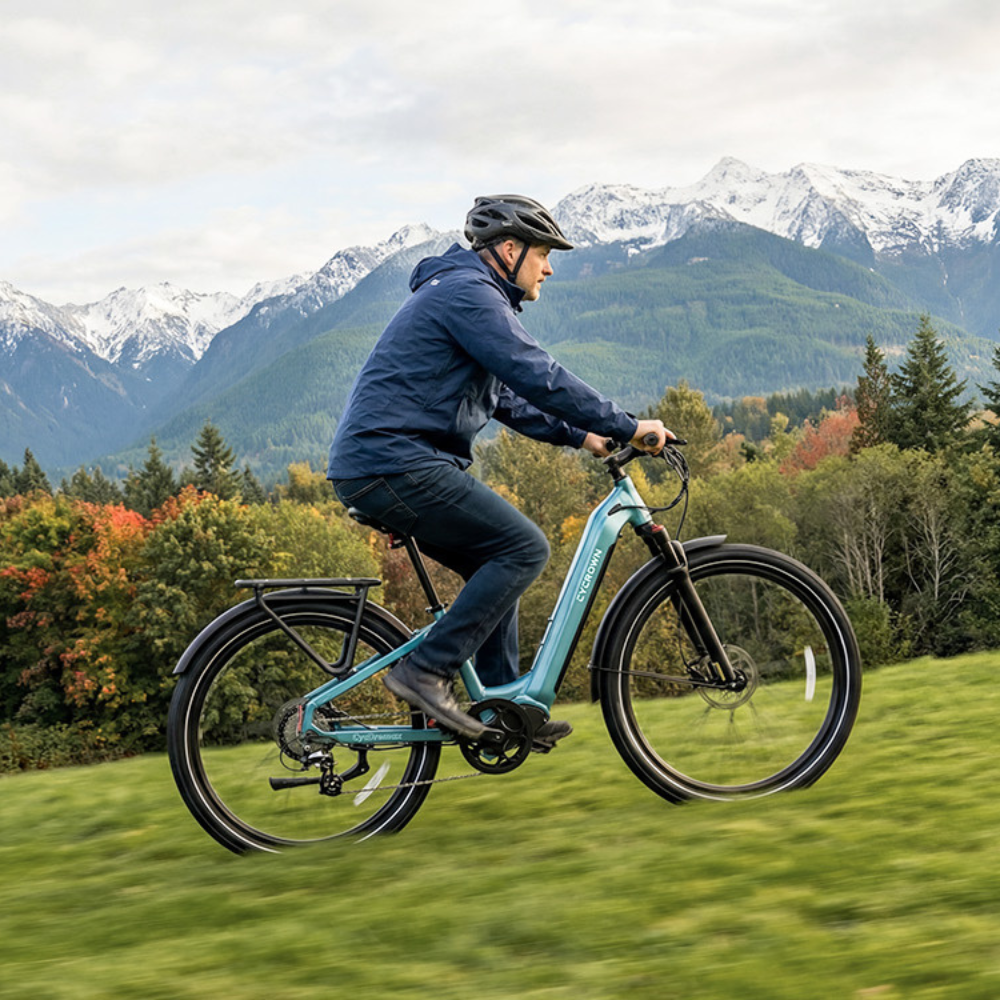
Heavy riders who mostly commute: comfortable geometry, reliable brakes, adequate payload, range, and lights or fenders
Heavy riders who ride hills: high torque, a strong motor, appropriate gearing, and solid battery capacity
Heavy riders who ride trails: fat or wide tires, suspension, frame stability, and hydraulic brakes
Heavy riders who carry cargo: high total payload, a strong rear rack, and a stable frame
Heavy riders who want maximum comfort: upright geometry, suspension, wide tires, and a comfortable saddle
Heavy riders on a budget: prioritize structural and performance essentials over premium extras
When a Fat Tire E-Bike Makes Sense
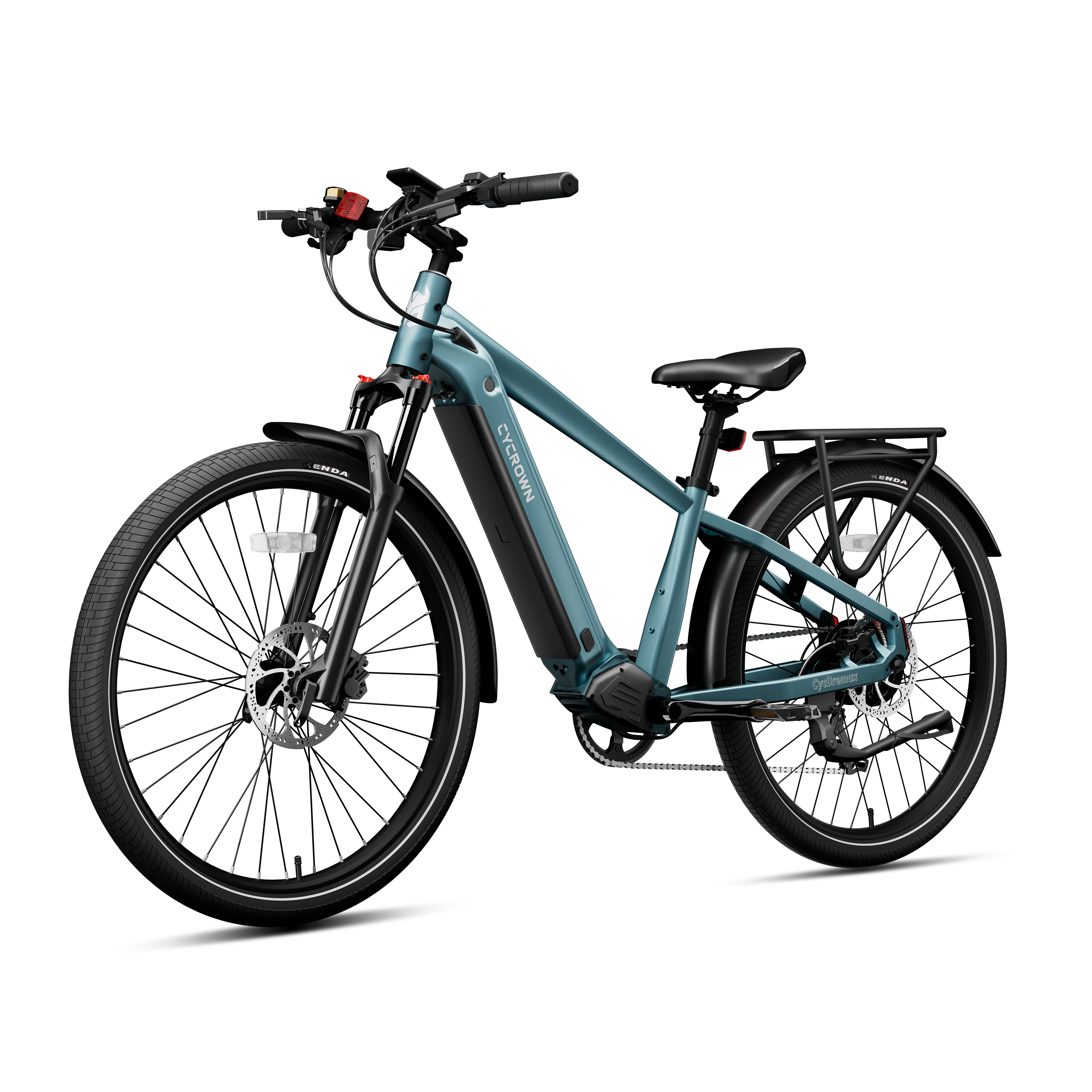
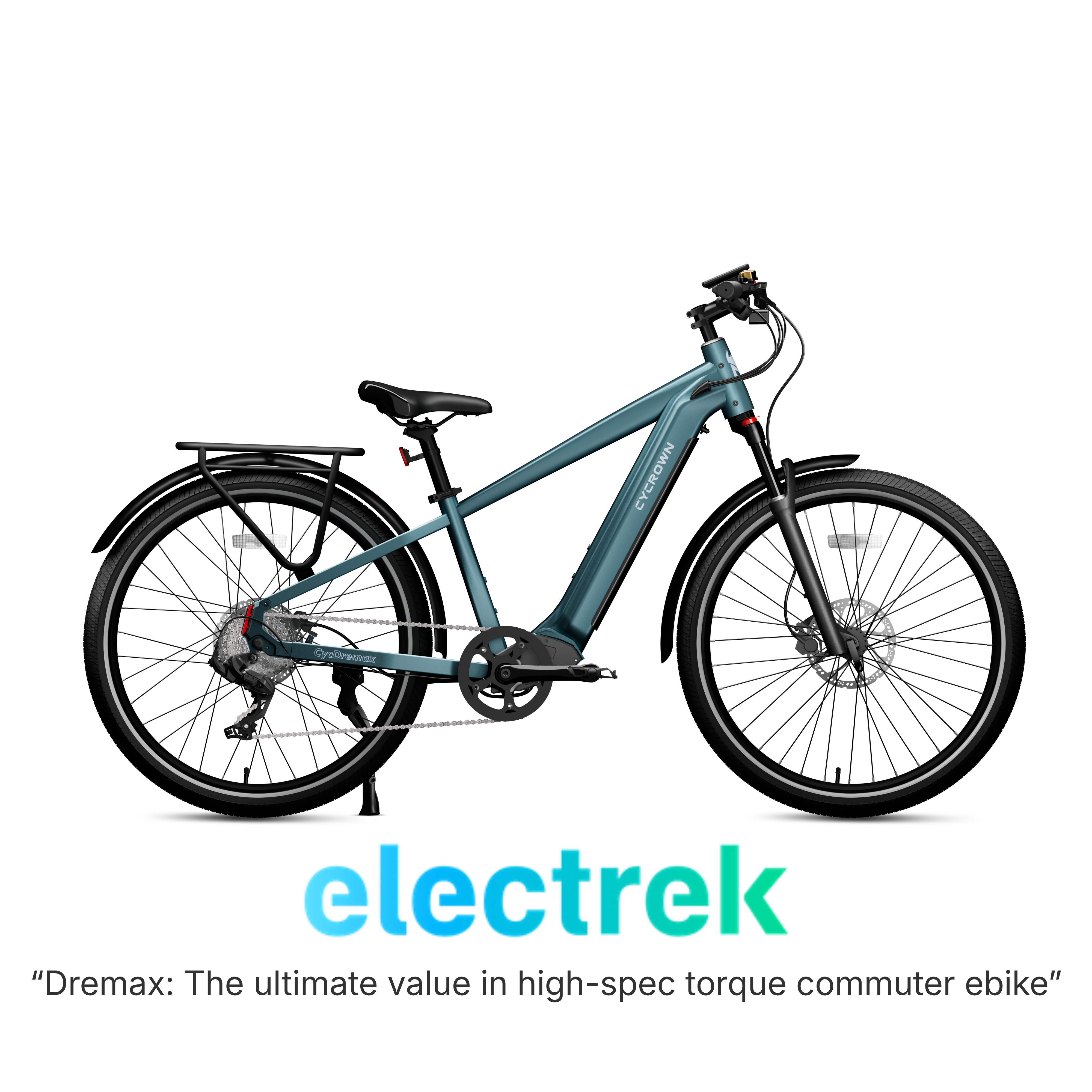
Not always. Fat tires help most on loose or uneven terrain, in snow, or on sand. If your riding is mostly smooth pavement, a well-built commuter e-bike with a solid payload rating, like the Dremax Commuter Ebike, may serve you just as well without the added rolling resistance that comes with wider tires.
How to Choose an E-Bike Based on Your Riding Needs
Start with your typical ride: distance, terrain, and whether you carry cargo. From there, weigh comfort priorities like saddle type and riding position, and factor in your budget last, focusing on structural and performance basics rather than extras.
Best E-Bike Features for Heavy Riders
A quick checklist to keep in mind while comparing models:
-
Payload rating with buffer room for gear
-
Adequate motor torque, not just peak wattage
-
Hydraulic disc brakes
-
Stable frame geometry and a reasonable wheelbase
-
Tire width matched to your terrain
-
Battery capacity that accounts for your actual weight and route
Finding the Ride That Actually Fits You
The most useful question isn't "how much weight can this e-bike hold?" It's "can this bike comfortably handle how I actually ride?" A commuter with a smooth route needs different priorities than a hill climber or a trail rider. Once you know your riding style, matching payload, motor, frame, tires, and brakes to that style makes the decision far more straightforward than chasing the highest weight number on the page.
What Riders Want to Know
What's a realistic payload capacity for a heavy rider?
Many e-bikes built for heavier riders list payload capacities around 330 lbs, but it's smart to leave some buffer below that number for gear and clothing.
Do I need a fat tire e-bike if I weigh over 300 lbs?
Not necessarily; fat tires help most on loose or rough terrain, while smooth-pavement commuters often do fine with narrower tires and a solid payload rating.
Does rider weight affect how far an e-bike can go on a charge?
Yes, heavier riders use more power per mile, so real-world range typically comes in lower than the number on a spec sheet, especially on hills.
What brakes are best for heavier riders?
Hydraulic disc brakes generally provide stronger, more consistent stopping power than mechanical brakes, which matters more as overall weight increases.
Should I prioritize motor wattage or torque?
Torque is usually more important for heavier riders since it affects starting from a stop and climbing hills, while wattage alone doesn't tell the full story.


