










How Far Do You Really Need to Go This Semester?
The right long range e-bike for a student commuter isn't the one with the biggest battery number on the spec sheet, it's the one that matches how many miles you actually cover in a normal week. Before comparing a single model, add up your regular trips: dorm to class, class to your part-time job, job to the grocery store, and wherever your friends are hanging out that night. Once you know that number, shopping for a commuter e-bike gets a lot easier, because you're buying for real mileage instead of guessing.
How Far Do You Actually Ride in a Week?
Most students underestimate how many miles stack up once every stop gets counted, not just the ride to class — and that total is exactly what separates a good e-bike for daily commute choice from one that leaves you charging mid-afternoon.
Add Up Your Regular Stops
Start by listing the places you visit each week, such as trips between your dorm and campus, part-time job or internship, grocery store or pharmacy, and evening outings. This gives you a better idea of the range your electric scooter needs for your daily routine.
A Sample Student Mileage Map
A typical day might look like this: 1.5 miles round trip between classes twice a day, a 4-mile round trip to a part-time job, a 2-mile grocery run, and a 3-mile evening social trip. That adds up to roughly 10 to 12 miles on a heavier day, with lighter days closer to 4 or 5 miles. Multiplied across a school week, most riders land somewhere between 40 and 60 miles total, which is far more useful than a spec sheet when comparing a long range e-bike.
What Actually Drains a Long Range E-bike's Battery
Range numbers on a product page are usually tested under close-to-ideal conditions. Real-world range moves depending on a handful of everyday factors.
Rider Weight and Cargo
A heavier rider, a loaded backpack, or a laptop bag strapped to the rack all pull more power from the battery on every hill and stoplight.
Terrain and Hills
Flat campus paths barely touch the battery. Hilly college towns, especially with stop-and-go traffic near lecture halls, burn through range much faster.
Speed and Riding Style
Higher speeds and constant acceleration from stoplights drain a battery faster than a steady, consistent pace.
Weather Conditions
Cold temperatures temporarily reduce lithium battery capacity, and headwinds add resistance that isn't obvious until the charge indicator drops faster than expected.
Pedal Assist Level
Riding in a high assist level or throttle-only mode covers ground with less physical effort, but it eats through range much faster than a lower assist setting.
Matching Battery Size to Your Actual Commute

Once you know your weekly mileage and which factors apply to your routine, you can shop for the best e-bike for college commuting without paying for battery capacity you'll never use. A student riding 8 flat miles a day between a dorm and a coffee shop job has very different needs than someone commuting 15 hilly miles to an off-campus internship.
If your mileage map shows long, hilly days with grocery runs and night classes stacked together, a long range e-bike with a bigger battery is worth the extra cost. If your trips are short and mostly flat, a mid-size battery will comfortably cover your week and cost less upfront.
E-bikes Worth Considering for Campus Life
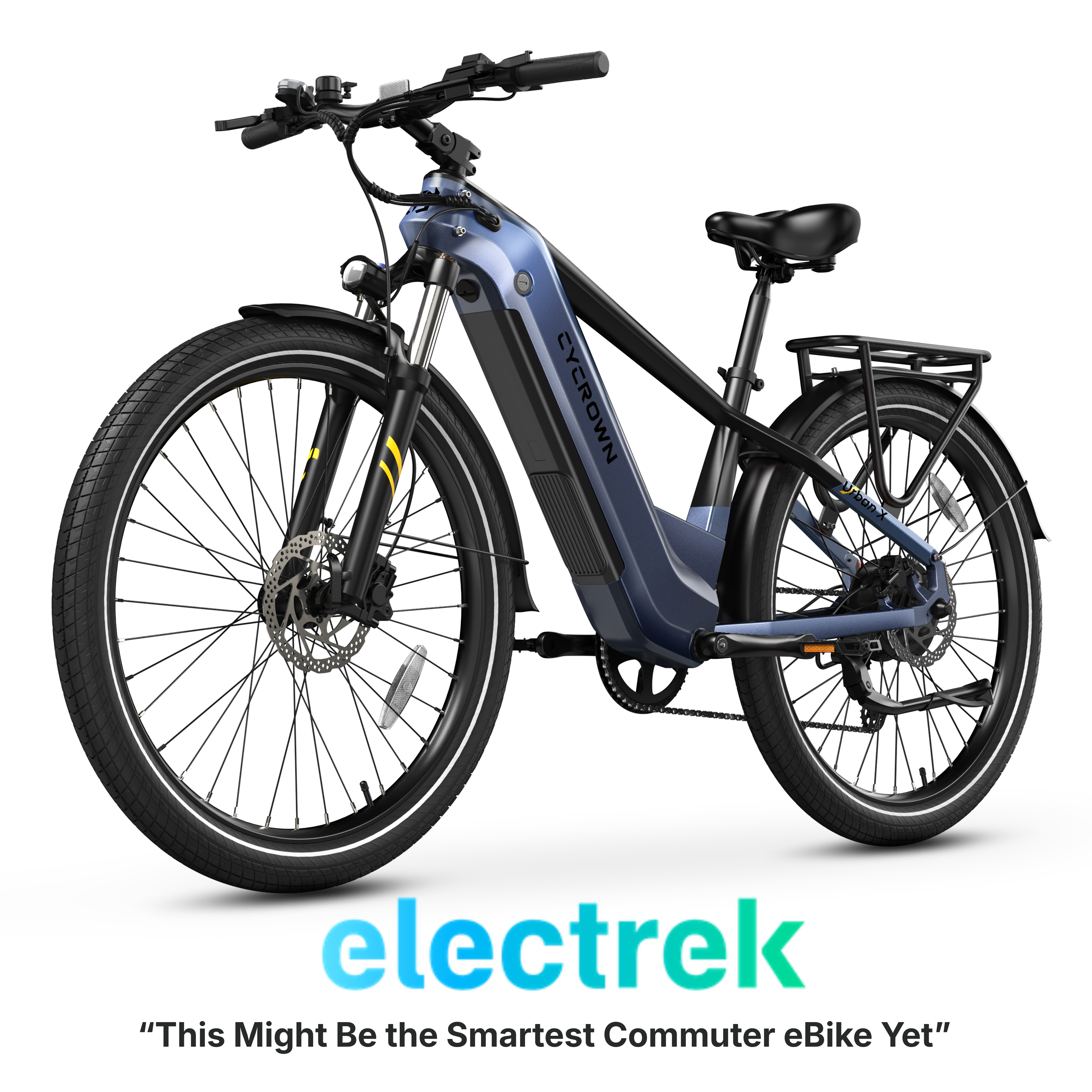
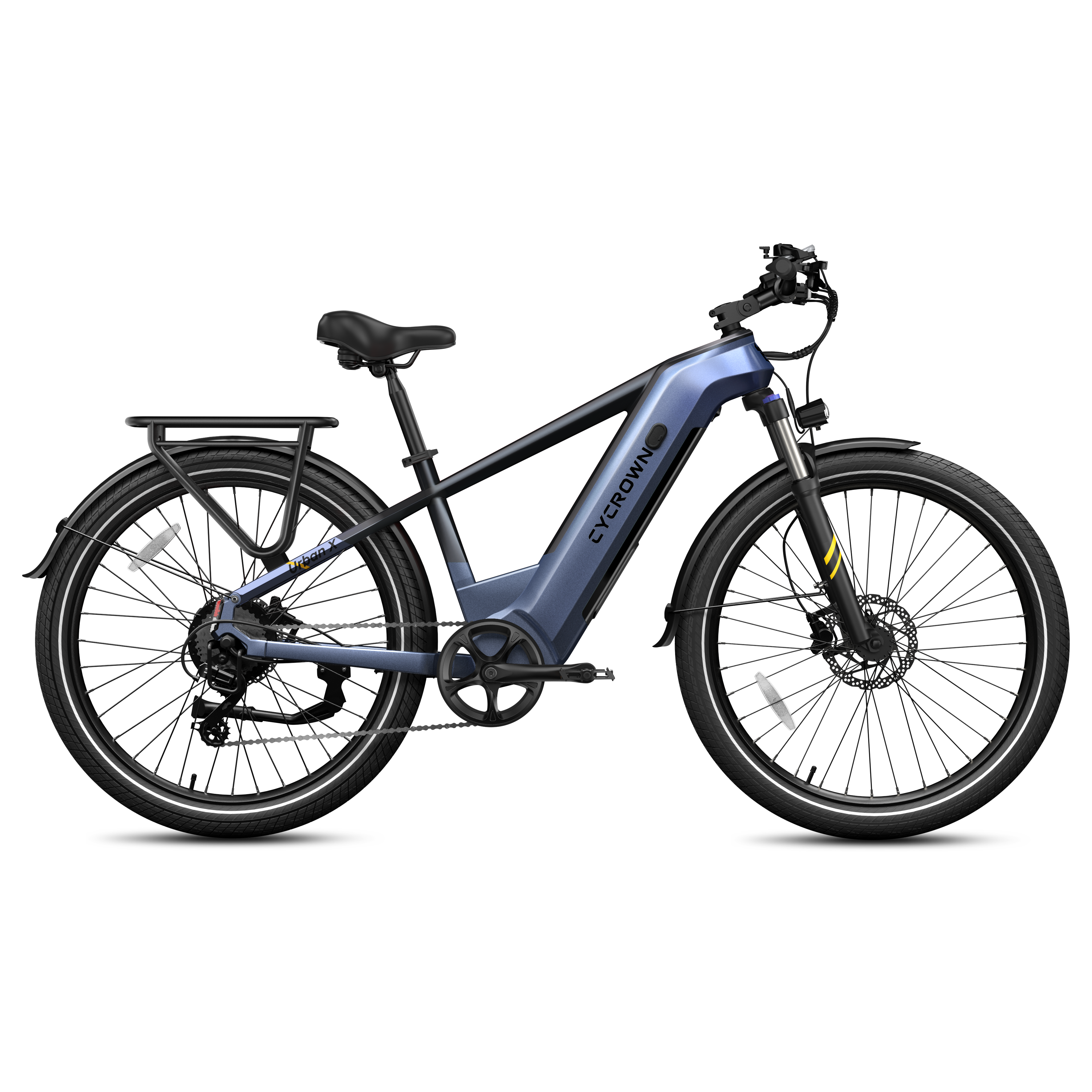
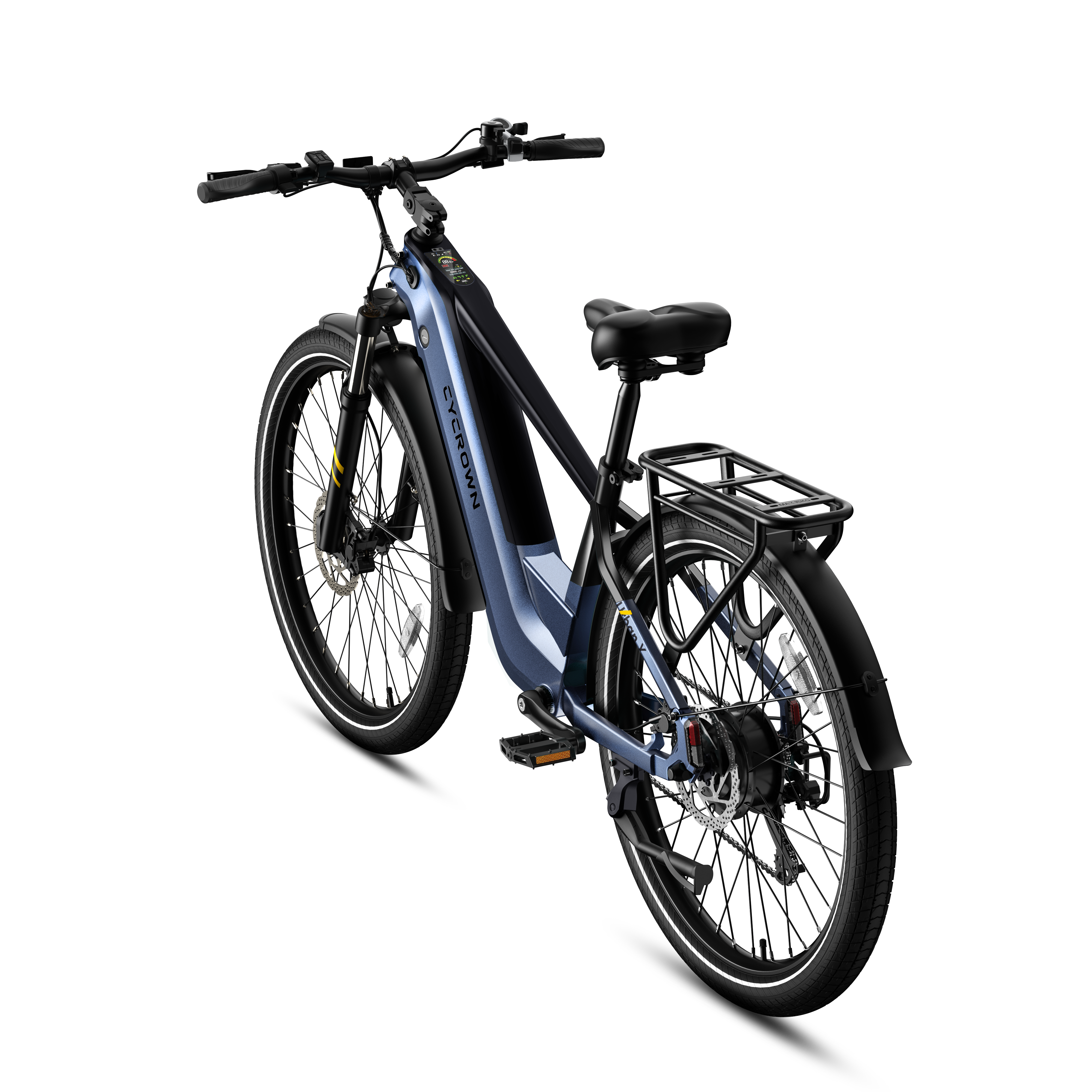
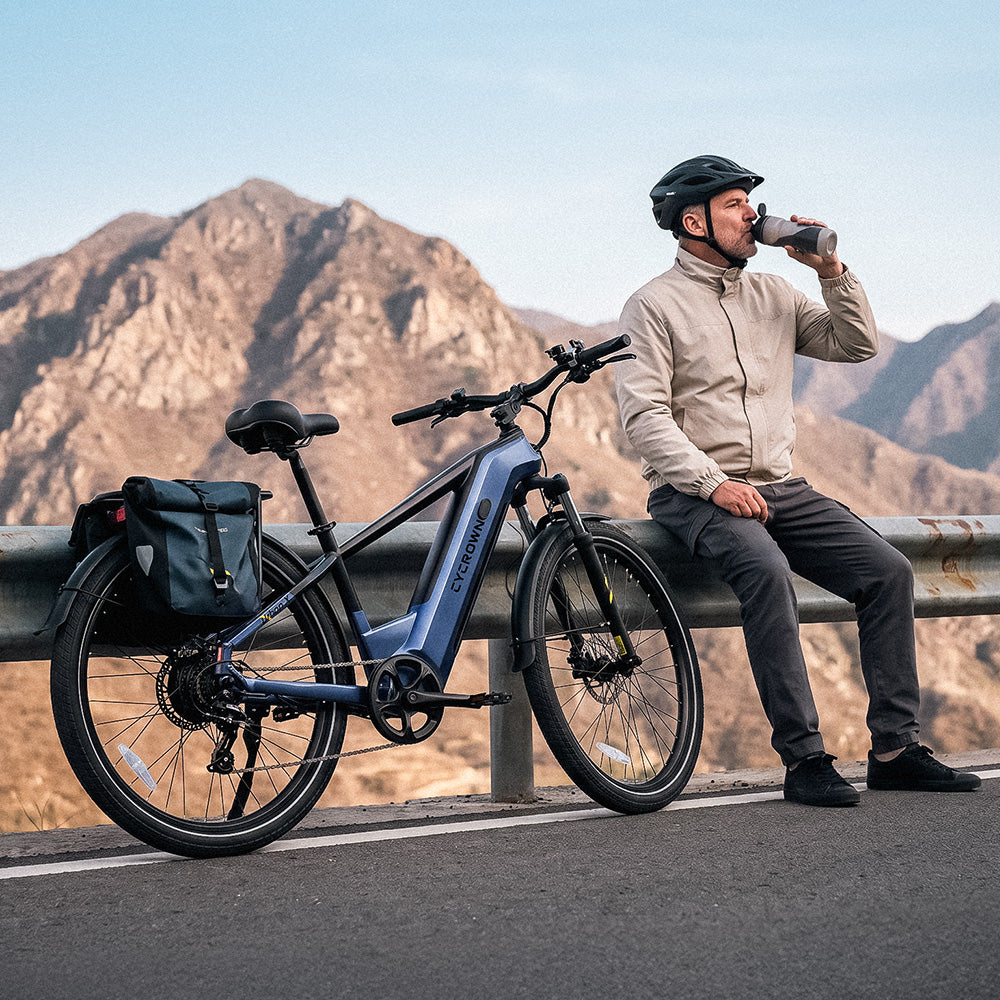
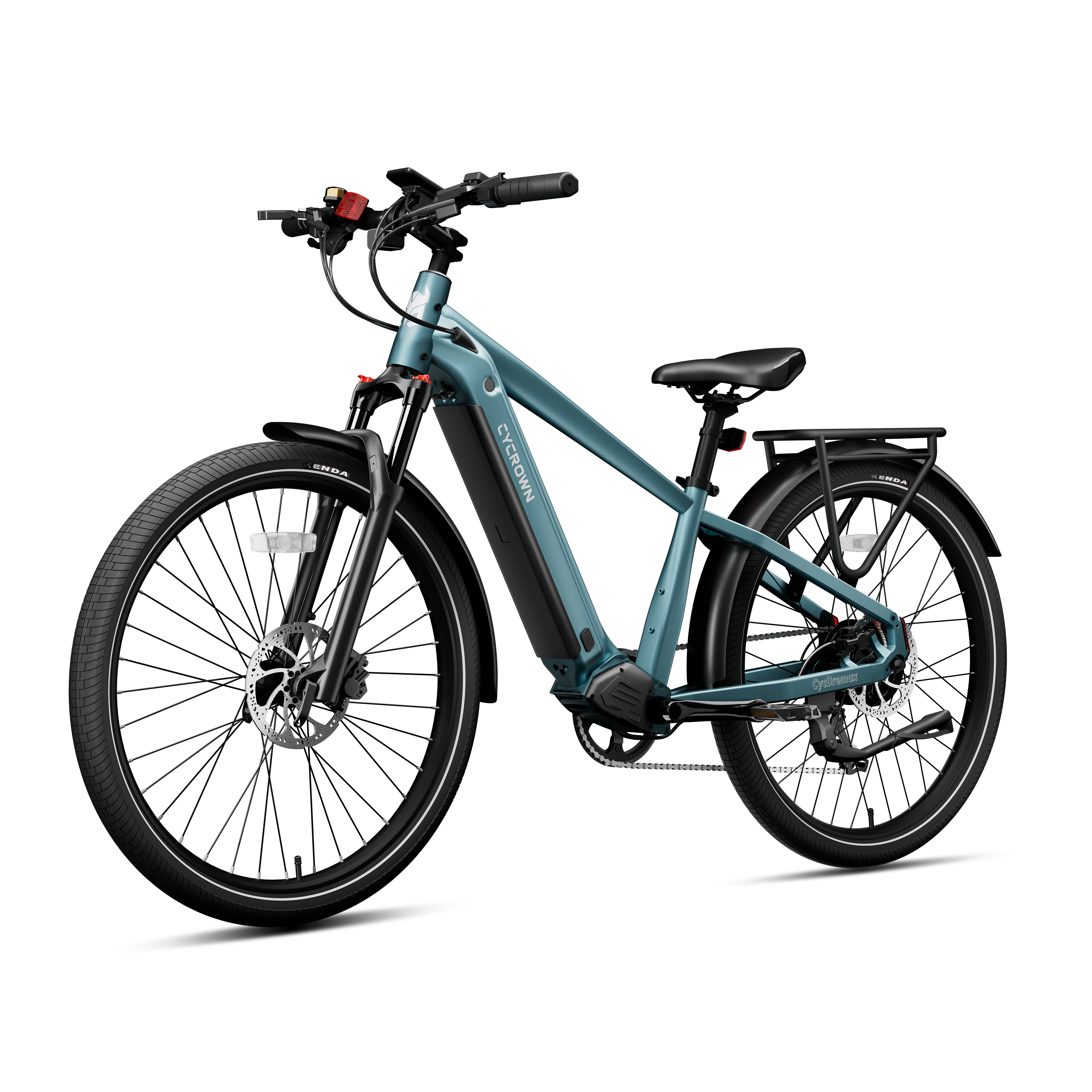
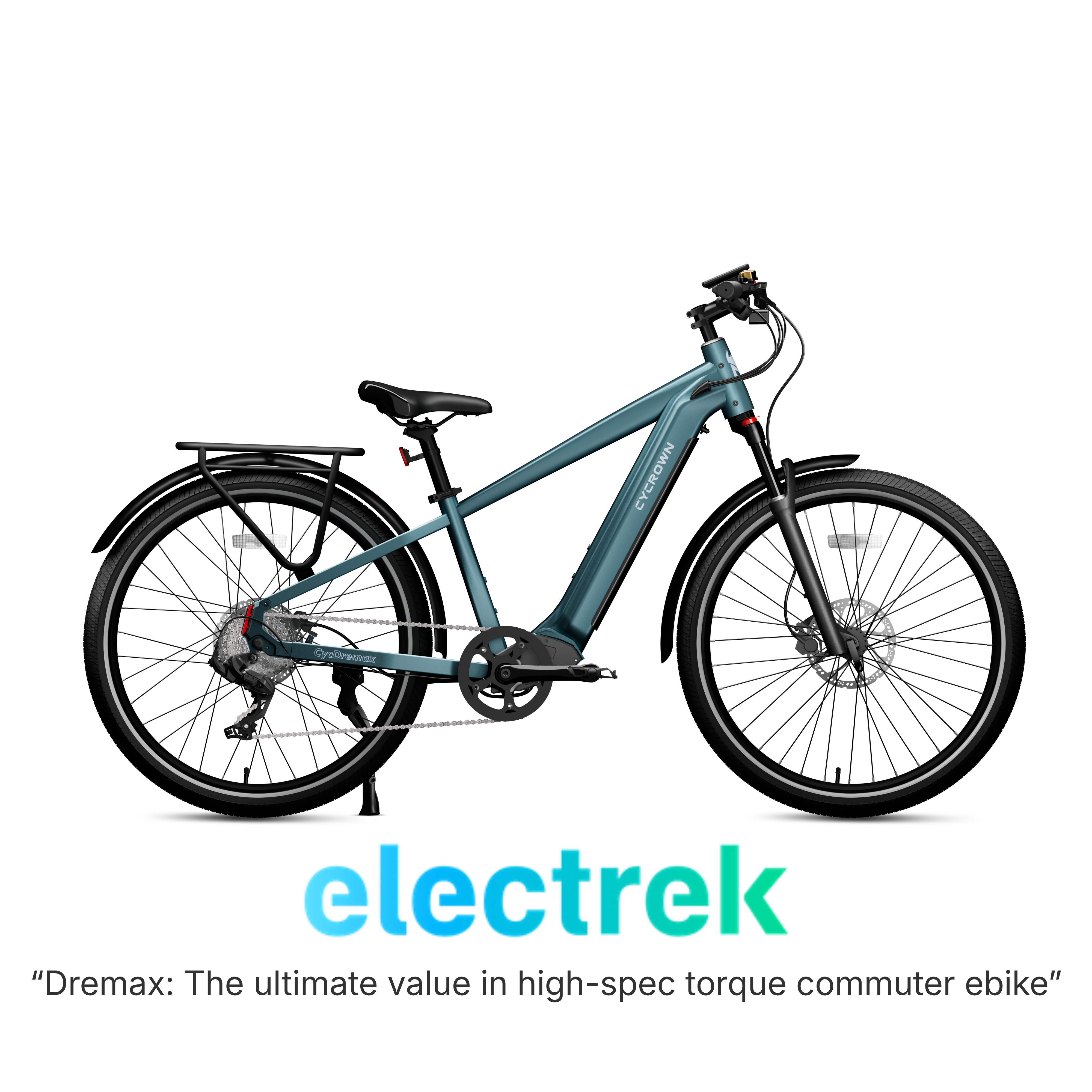
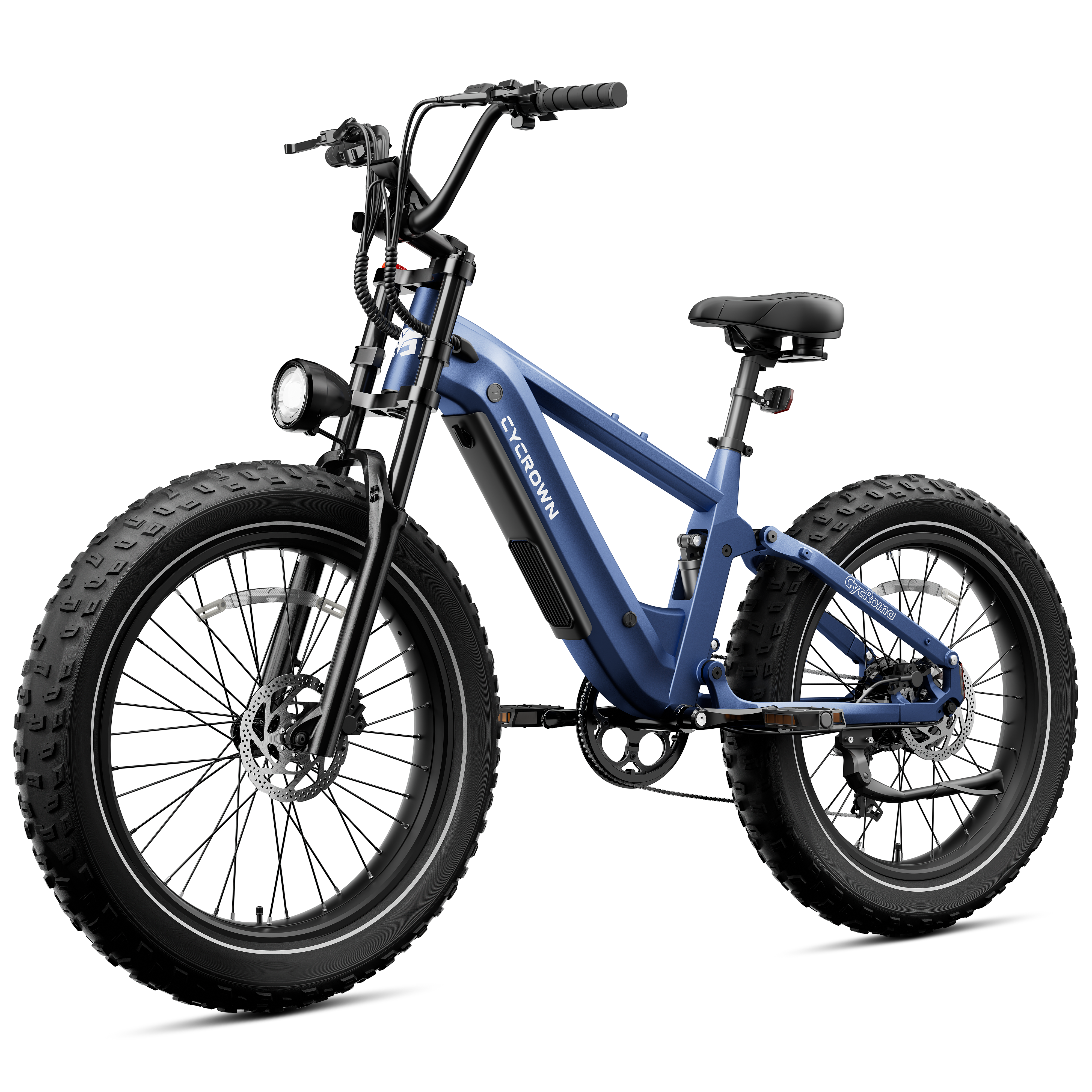
For students weighing options, the Dremax Commuter Ebike is built as a straightforward, torque-sensor commuter e-bike suited to daily class-and-work routines. The Urban X Commuter E-bike is another commuter e-bike option, built with an upright riding position that holds up over repeated daily trips — CYCROWN has written more about why the Urban X fits everyday city commuting if you want a closer look.
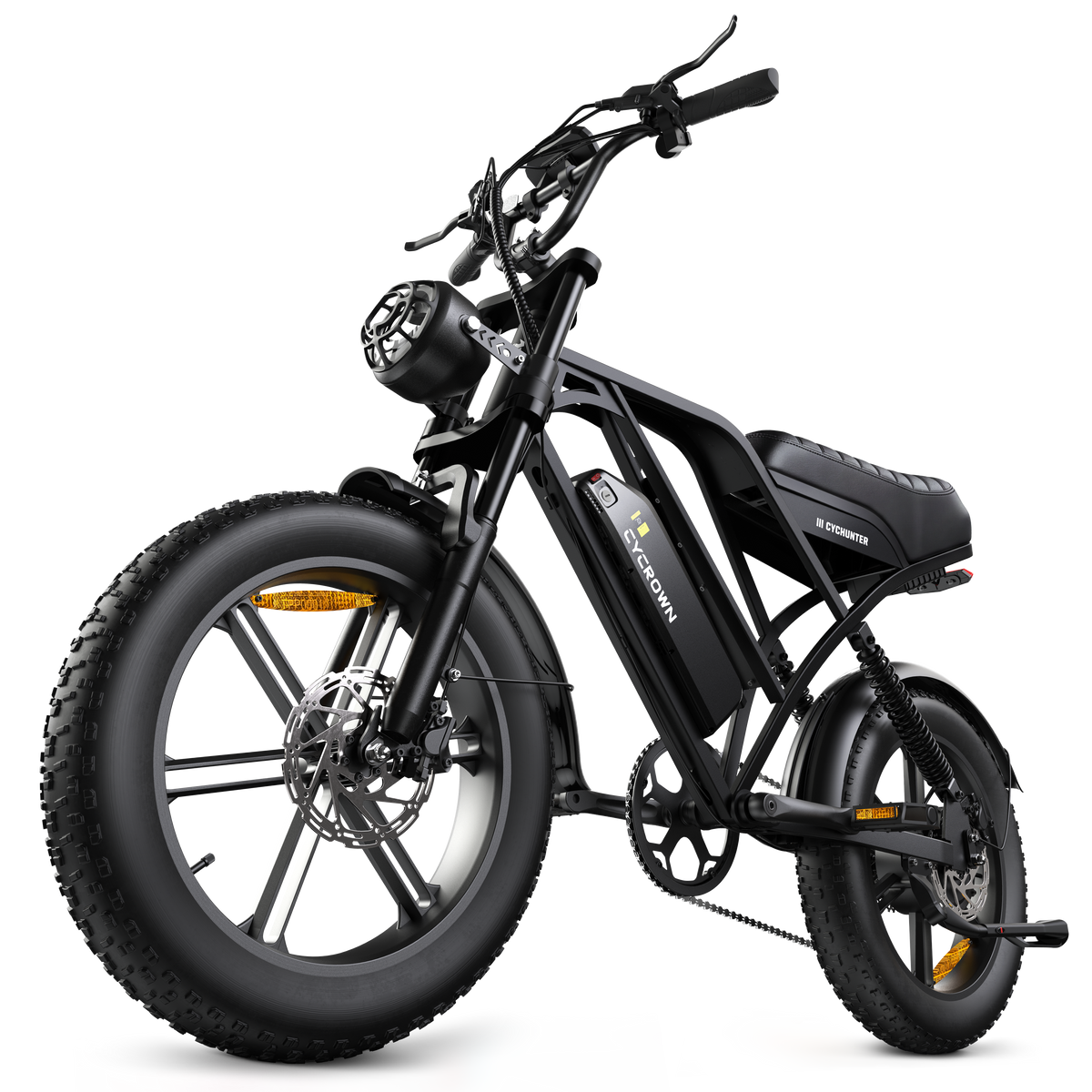
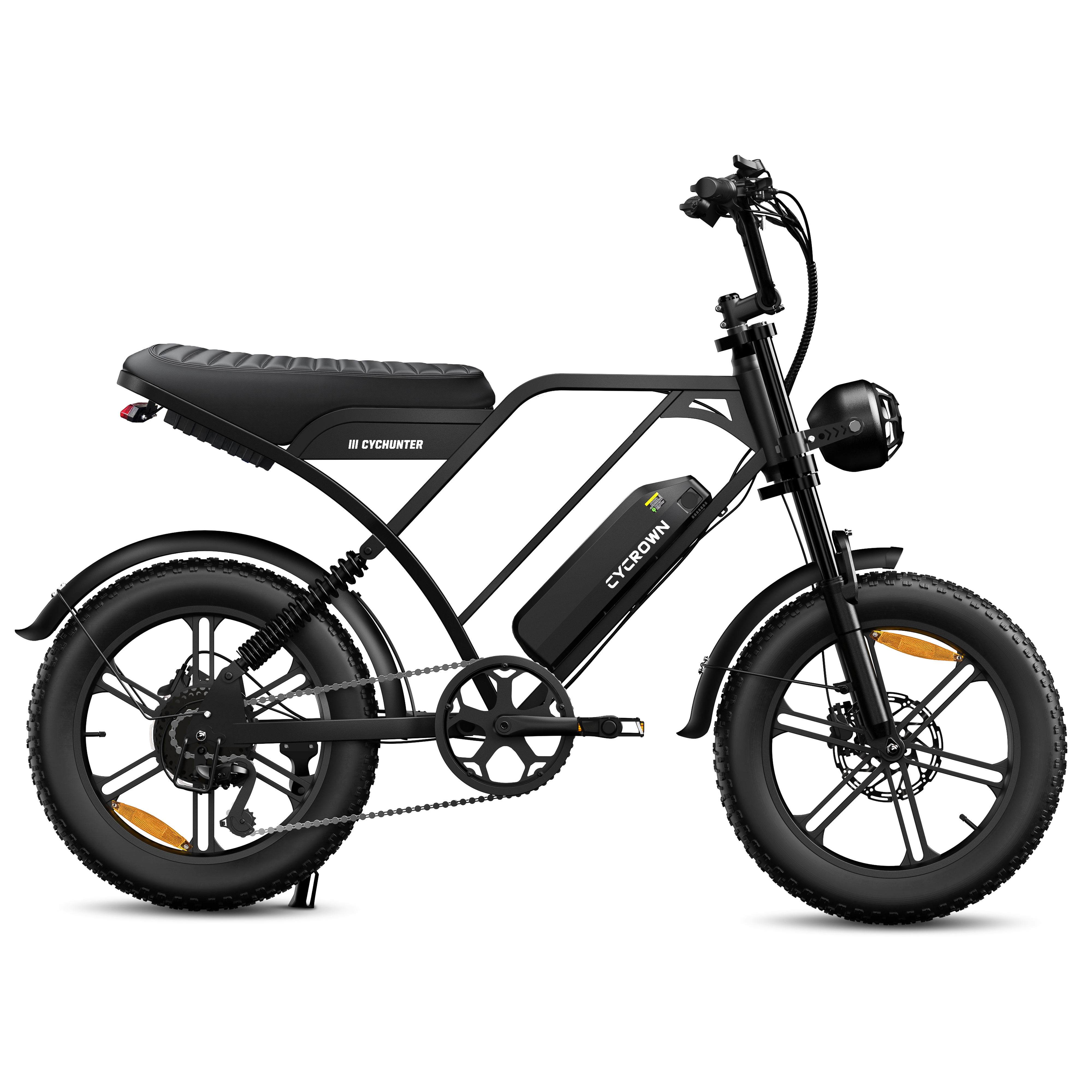
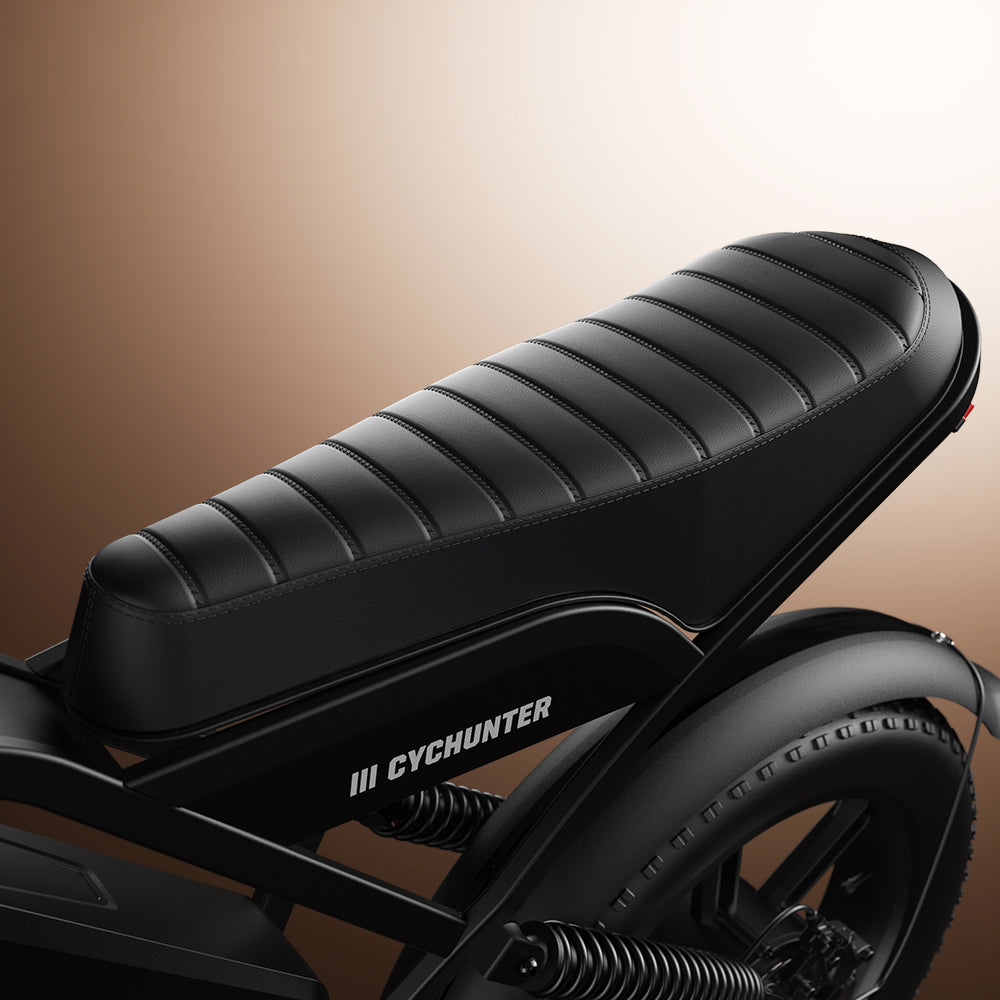
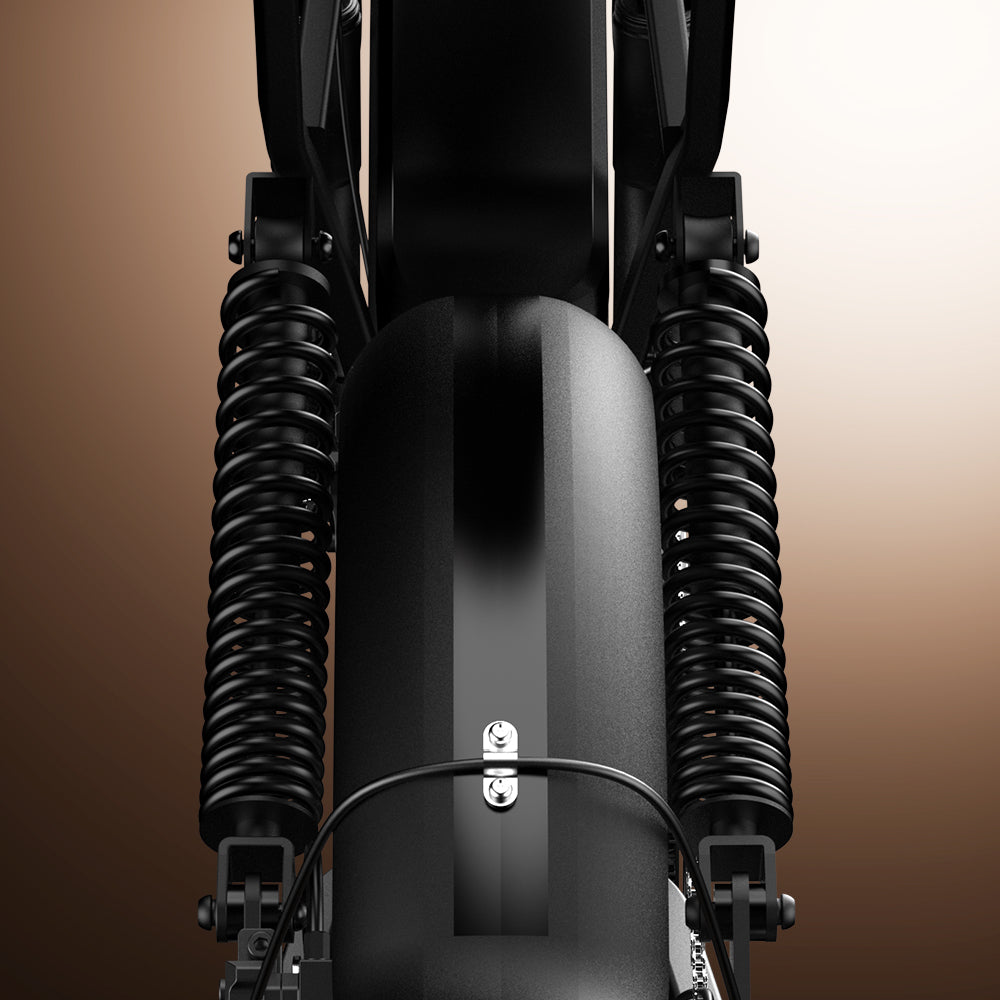
For students who want serious long range e-bike capability along with a removable battery for charging at a dorm desk instead of hauling the whole bike inside, the CycHunter is worth a look, since its battery pack can come off the frame separately. It's also worth reading up on what happens if your battery runs out mid-ride before you commit to a daily riding route.
Ride the Distance You Actually Need
Picking a long range e-bike doesn't have to mean guessing. Map your regular stops, account for hills, weather, and how much you'll lean on pedal assist, then choose the battery size that actually matches. That's how you land on the best e-bike for college commuting without paying for a range you'll never use in a normal week. Whether your priority is dependable e-bike for daily commute duty or something that can also handle weekend rides, starting from your real mileage is the smartest way to shop.
What Student Commuters Need to Know
How many miles should I expect to ride as a college commuter?
Most students cover 8 to 20 miles a day once classes, work, and errands are combined, so tracking a full week gives the clearest picture before choosing a long range e-bike.
Is a bigger battery always better for a commuter e-bike?
Not necessarily. A bigger battery adds weight and cost, so it only makes sense if your mileage map and terrain actually call for it.
Does cold weather really affect range that much?
Yes, cold temperatures can temporarily reduce battery capacity, so riders in colder climates should budget extra range for winter months.
What's the benefit of an e-bike with removable battery for students?
It lets you charge indoors in a dorm or apartment without carrying the whole bike upstairs.
What's the best e-bike for college commuting on a budget?
Look at commuter-style long range e-bike models with mid-size batteries, which usually offer the best balance of price and daily range for typical class-and-job schedules.


