







Where to Start Your E-Bike Adventure
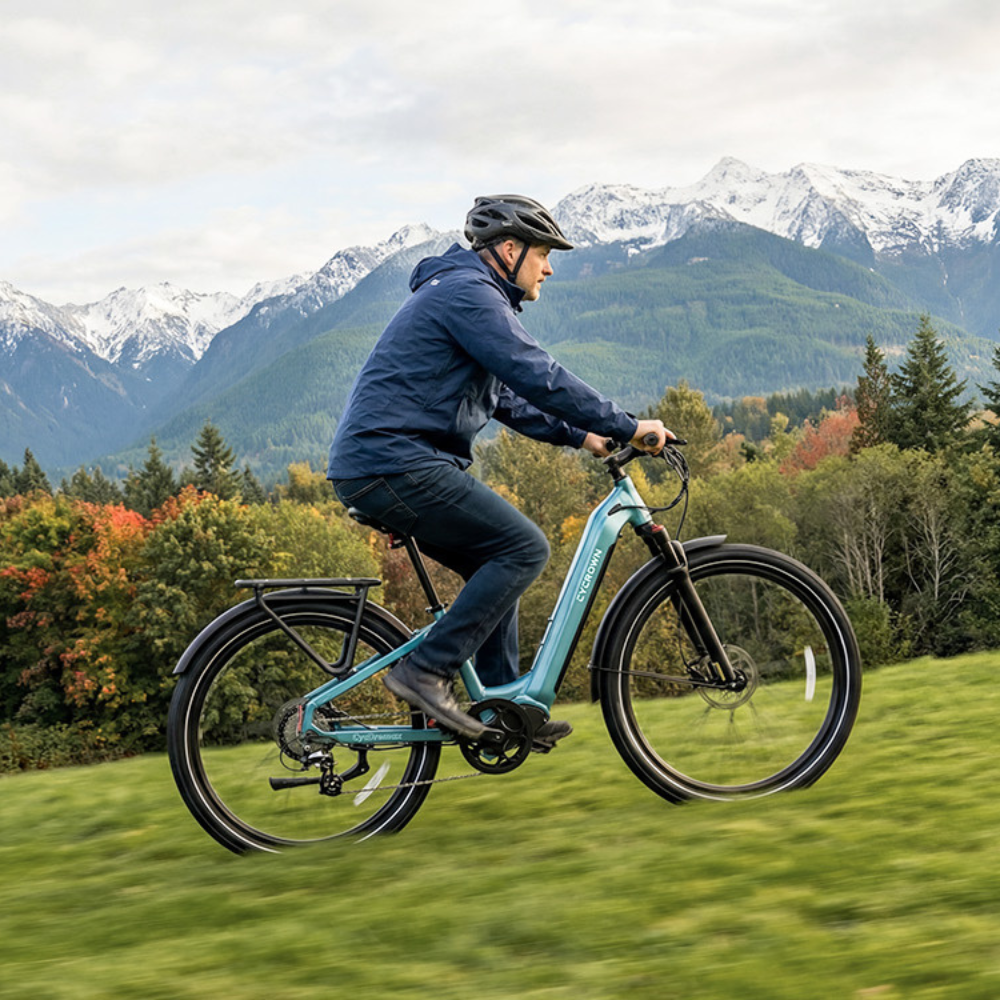
The first thing most new e-bike riders notice is how much further they can go without the usual fatigue. Motor assistance changes the calculus of a trail entirely. For instance, hills that would end a regular bike ride become manageable, longer distances no longer feel ambitious, and the focus shifts from effort to enjoyment.
Choosing the right route for your first few rides matters just as much as the bike itself. Start somewhere forgiving, with a smooth surface, gentle grades, and good signage; the learning curve shrinks considerably. This guide covers the best starting points across the U.S. and everything you need to know before heading out.
What Makes a Route Right for Beginners

Not every trail suits a new rider. The routes worth starting on share specific characteristics that let you focus on learning the bike rather than managing difficult terrain.
Smooth, maintained surfaces
Paved or compacted gravel lets you concentrate on steering, braking, and assist levels without also navigating obstacles. Rocky or loose terrain adds variables that experienced riders handle instinctively, but beginners don't yet.
Gentle elevation changes
Mild grades give you a chance to practice using pedal assist on inclines without the battery drain or intimidation factor of steep climbs. E-bikes handle hills well, but learning that gradually builds more confidence than being thrown into a demanding climb immediately.
Separated from vehicle traffic
Rail trails and dedicated cycling paths remove the stress of sharing road space with cars, which lets beginners ride more relaxed and focused.
Clear navigation
Well-signed routes with regular access points mean you're not anxious about getting lost, which frees your attention for actually riding.
The Best Beginner Routes Across the U.S.

Virginia Creeper Trail - Virginia
The Virginia Creeper Trail is consistently recommended as one of the best beginner cycling experiences in the country, and for good reason. The trail runs about 34 miles through southwestern Virginia along a former railway line, and the most popular beginner approach is starting at Whitetop and riding toward Damascus.
The surface is smooth gravel, the grades are gentle throughout, and shuttle services make the logistics simple. It's the kind of trail where you arrive focused on not getting tired and leave wondering why you stopped.
Burke-Gilman Trail - Washington
Seattle's Burke-Gilman Trail is a 27-mile paved multi-use path that connects neighborhoods, university areas, parks, and the Lake Washington waterfront. It's mostly flat, well-maintained, and passes enough cafes and rest stops that you can make it a full day without ever feeling like you're grinding through it.
New riders can choose shorter sections rather than the full route. The urban setting also means you're never far from help if something goes wrong mid-ride, which is a practical consideration for anyone still building confidence with a new bike.
Katy Trail State Park - Missouri
The Katy Trail is the longest rail trail in the U.S. at over 240 miles, which sounds overwhelming until you realize that most beginners ride 10 to 20-mile sections and find it manageable. The trail runs alongside the Missouri River through farmland, small towns, and vineyard country on a crushed limestone surface with essentially no elevation change.
The flat terrain and frequent town access points make it easy to plan a comfortable day ride without worrying about getting stranded. On a CYCROWN e-bike with 60+ miles of range, the logistics become even simpler.
San Diego Bayshore Bikeway - California
For riders in Southern California, the Bayshore Bikeway offers a 24-mile loop around San Diego Bay with consistent ocean views, mostly flat terrain, and a combination of dedicated bike paths and quiet streets. This route is best for morning rides due to the cooler temperatures and less trail congestion before the midday crowd arrives.
The year-round warm weather makes this one of the few routes on this list that works in any season, which is a practical advantage for beginners who don't want to plan around weather windows.
Silver Comet Trail - Georgia
Starting near Atlanta, the Silver Comet Trail runs over 60 miles west toward Alabama on wide, smooth pavement with gradual grades. The trail passes through wooded areas, over bridges, and through quiet communities largely removed from traffic.
A 10-mile out-and-back from the eastern trailhead is a natural starting point for first-time riders. Long enough to feel like a real ride, but short enough that you're not managing fatigue before you've gotten comfortable with the bike.
Minuteman Bikeway - Massachusetts
Near Boston, the Minuteman Bikeway covers about 10 miles of flat, paved trail along a former railway corridor connecting Arlington, Lexington, and Bedford. It passes historic sites, parks, and local shops, making it more of an experience than just a ride.
At 10 miles, it's the shortest route on this list, which is exactly what makes it valuable for beginners. A manageable distance, easy navigation, and enough to see along the way that stopping doesn't feel like giving up.
Choosing the Right CYCROWN E-Bike for Trail Riding
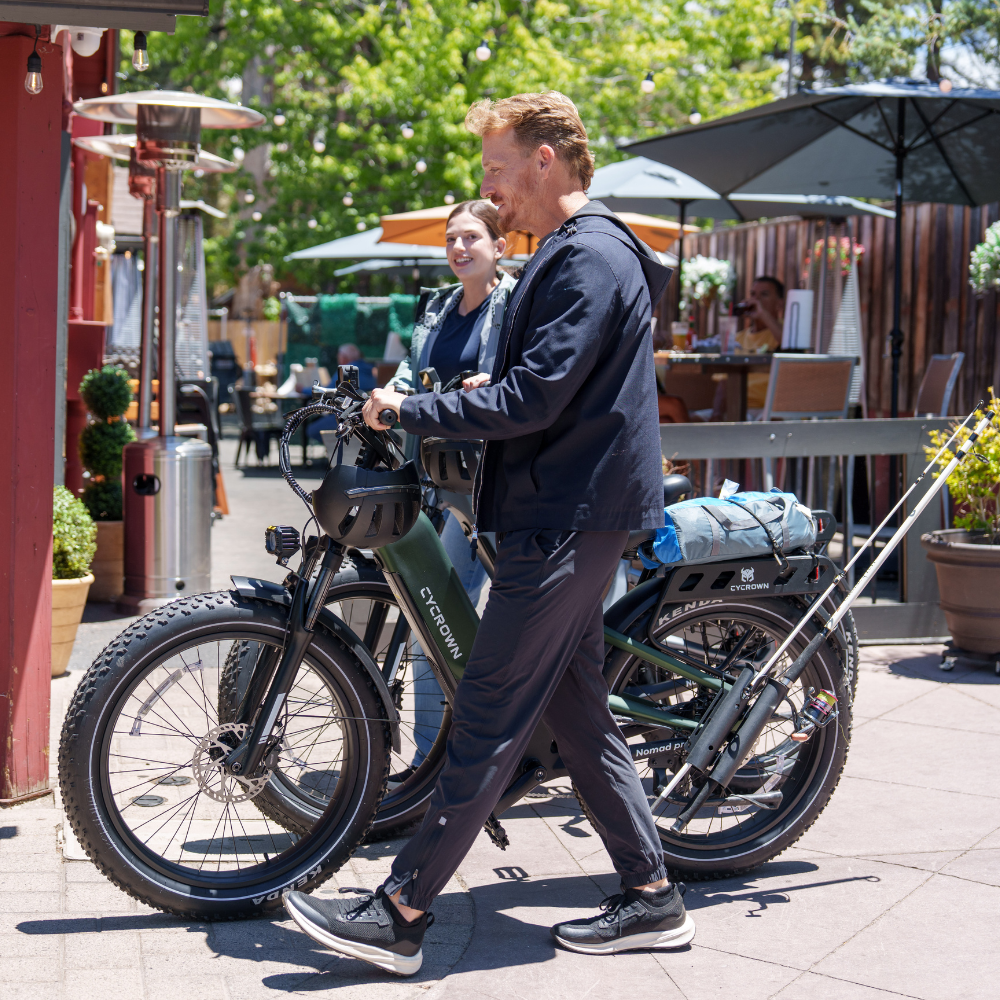
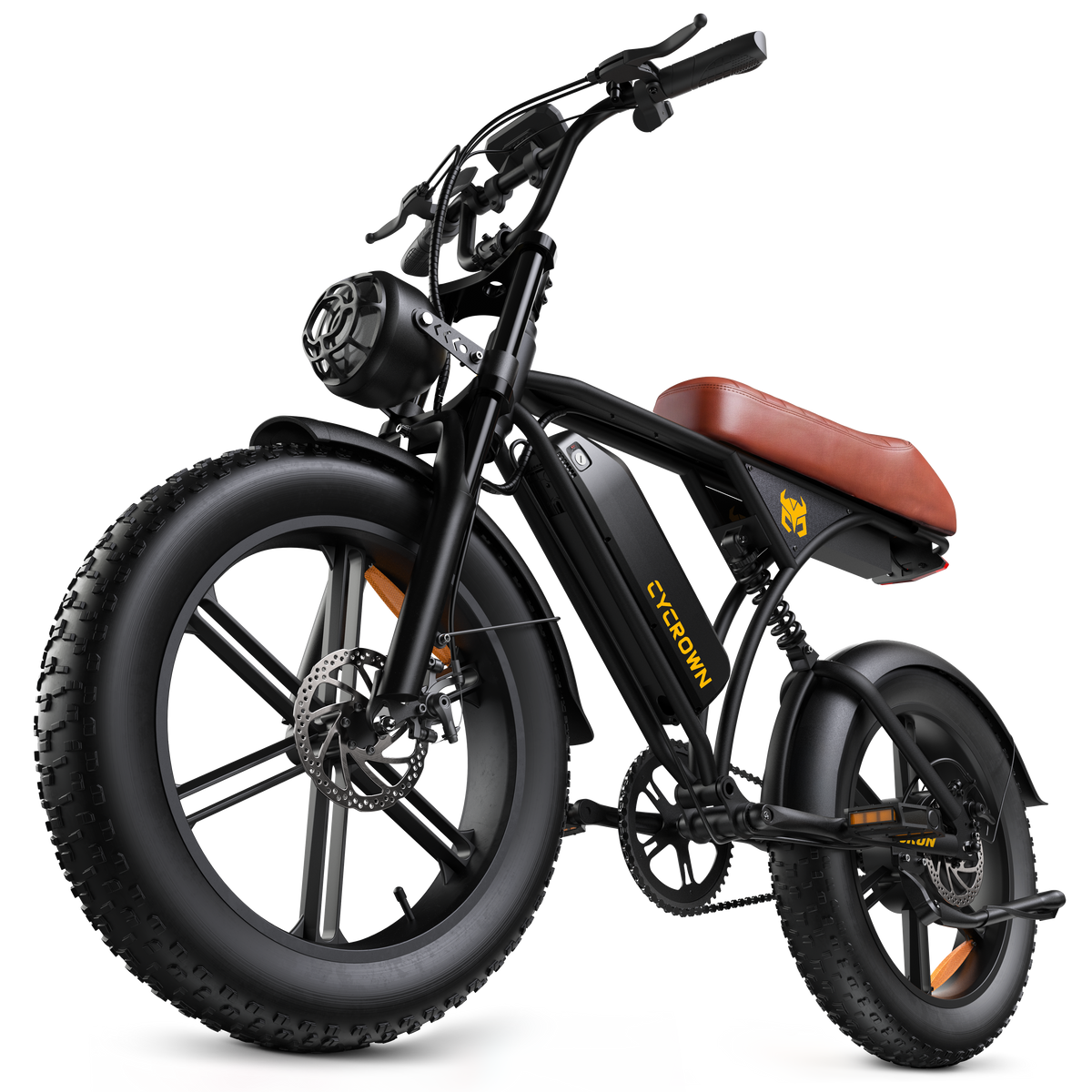
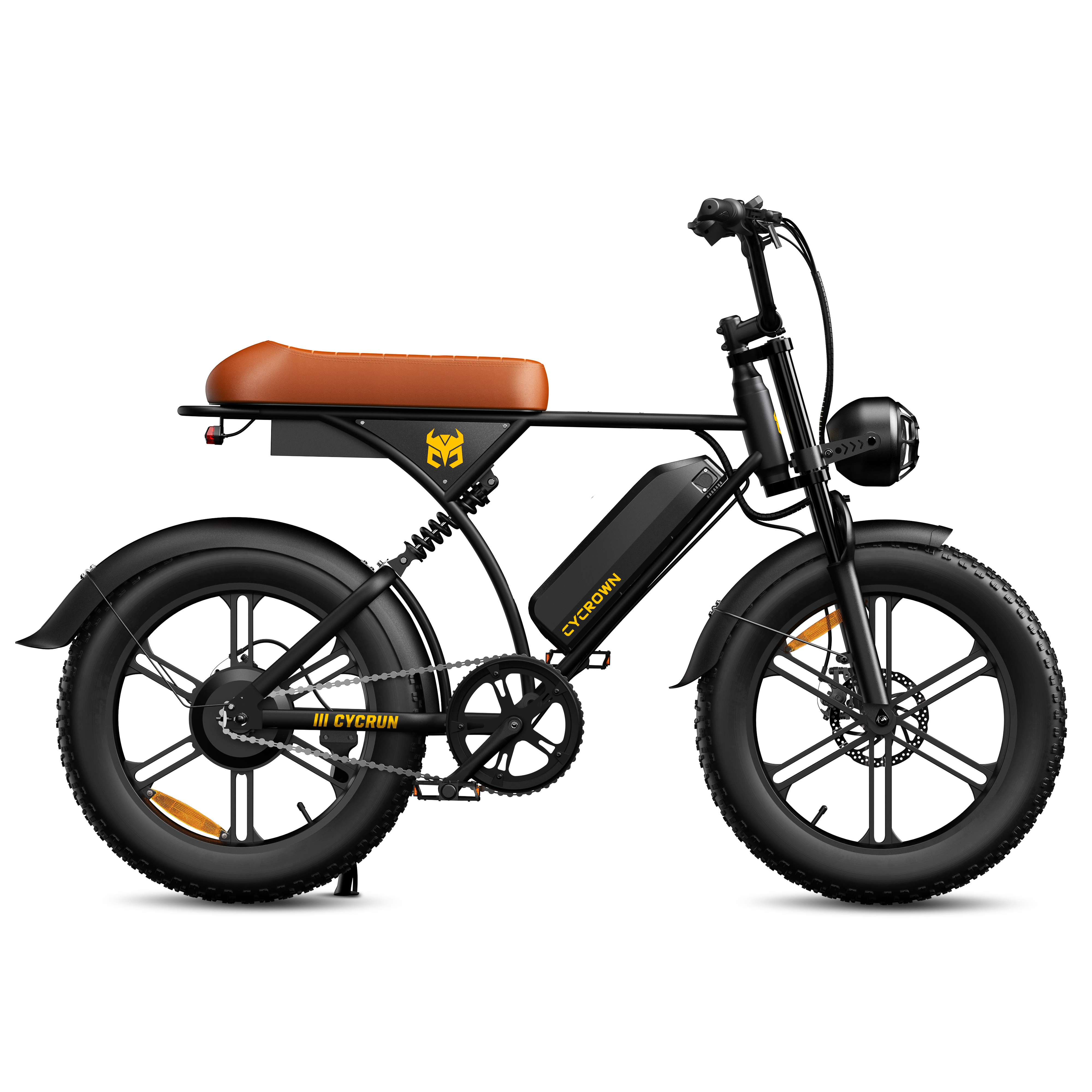
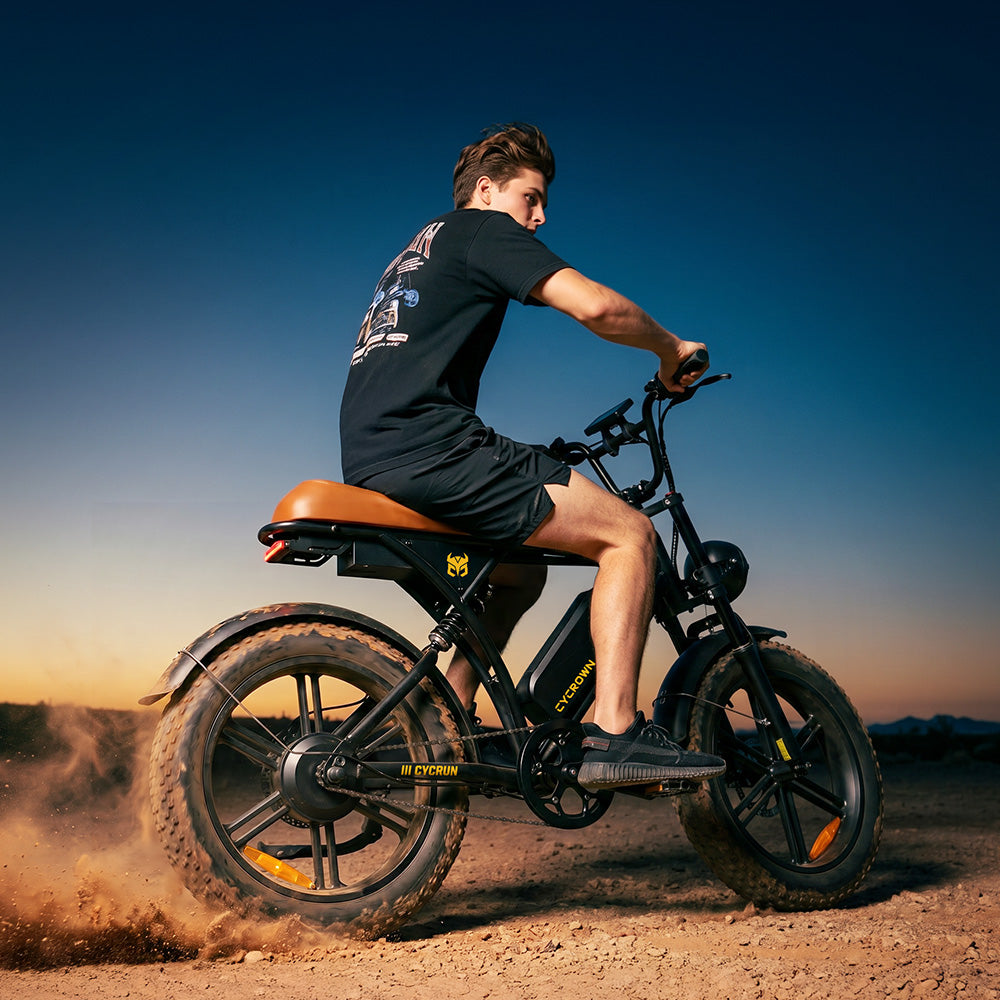
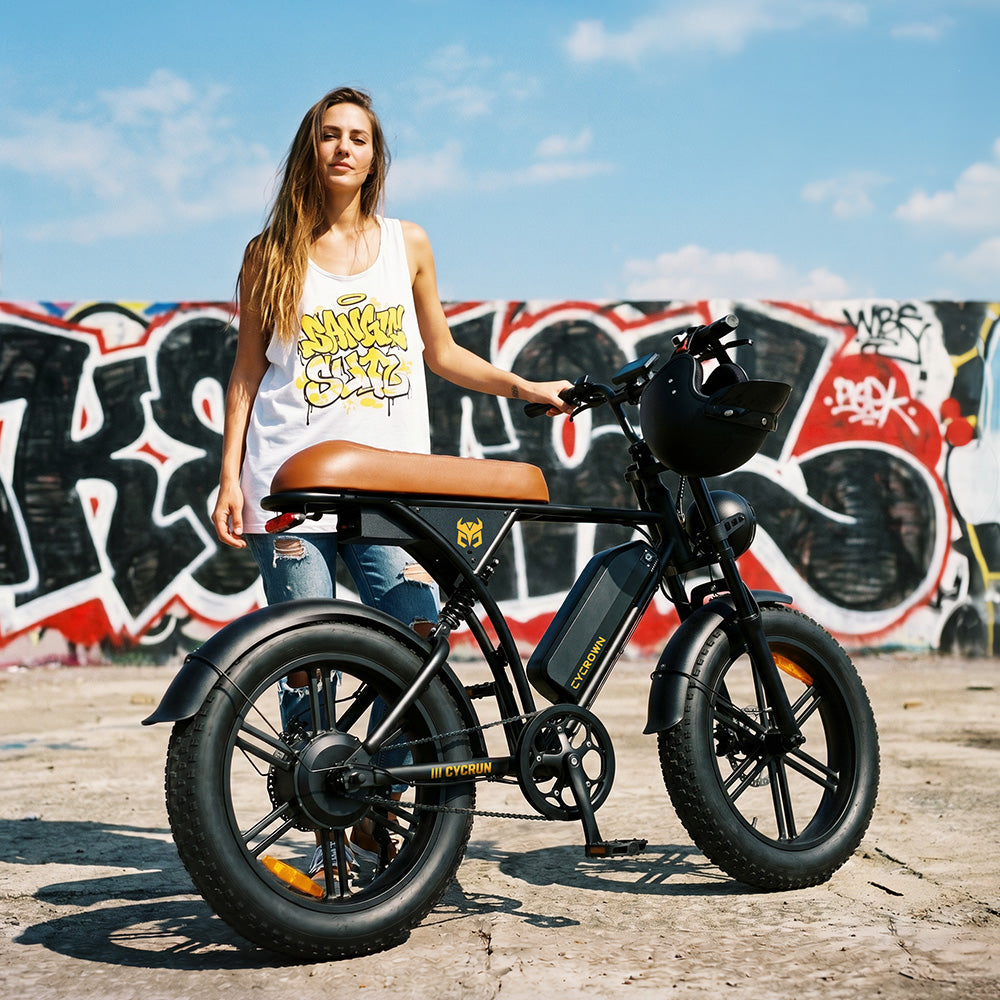
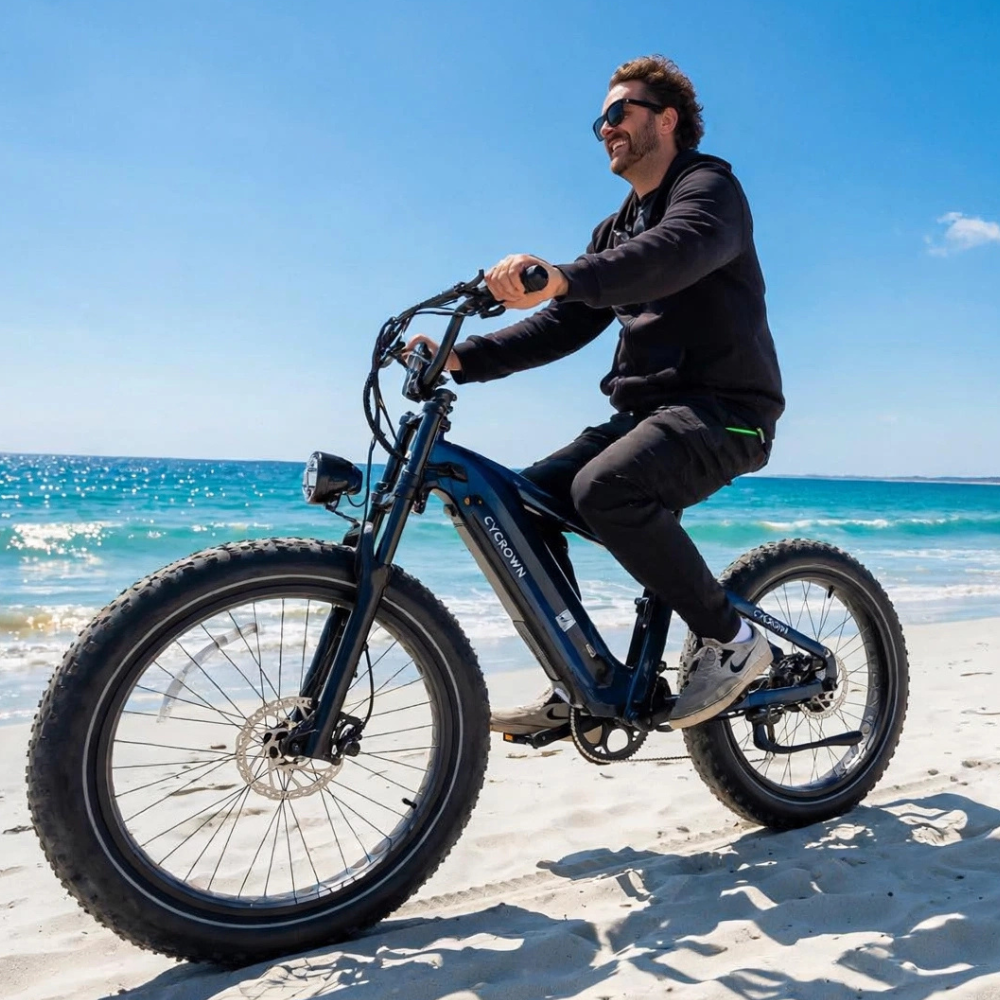
The trail experience changes noticeably depending on what you're riding. For smooth paved routes like the Burke-Gilman or Minuteman, any CYCROWN model handles them comfortably. For mixed-surface trails like the Katy Trail's crushed limestone or the Virginia Creeper's gravel, fat tires make a real difference in stability and comfort.
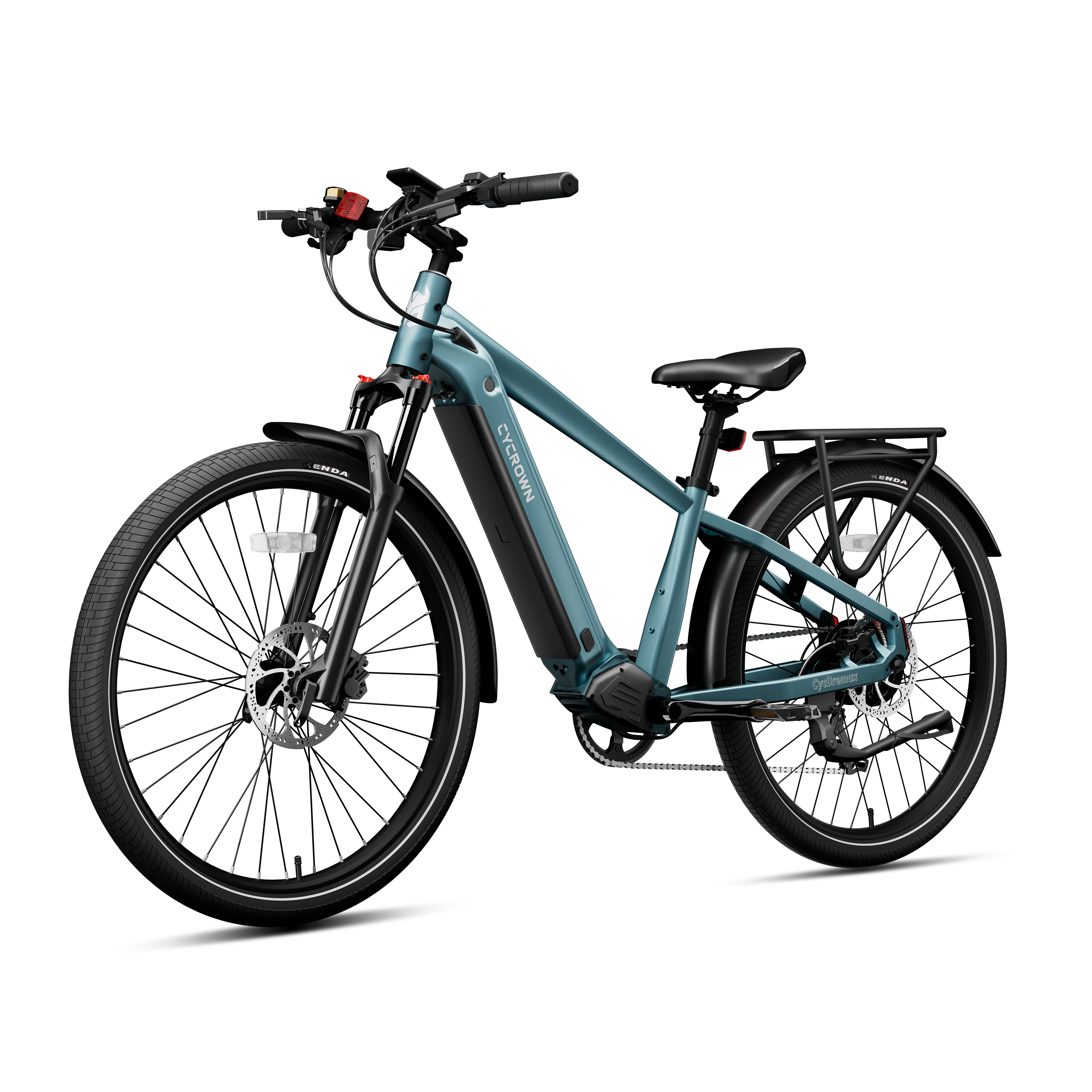
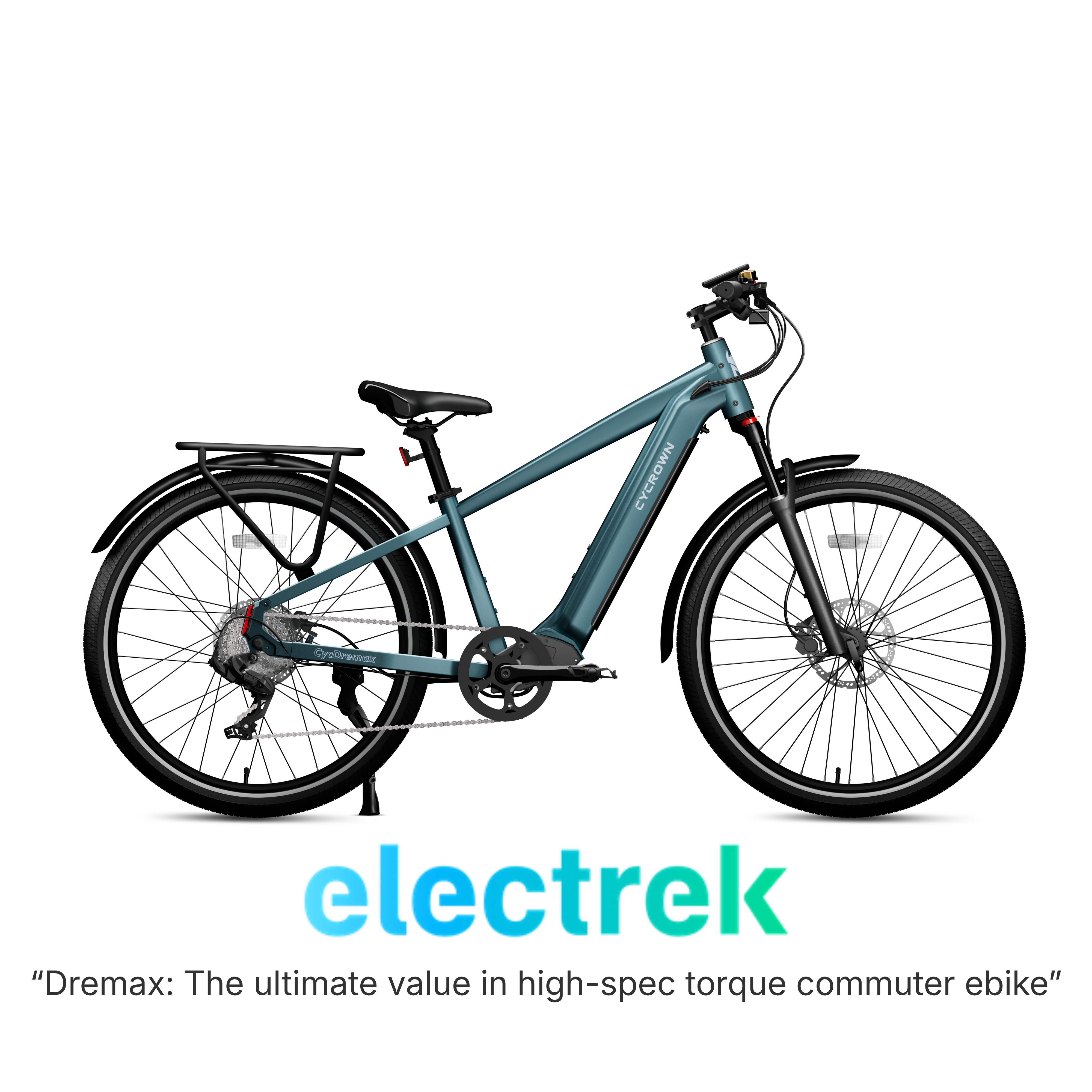
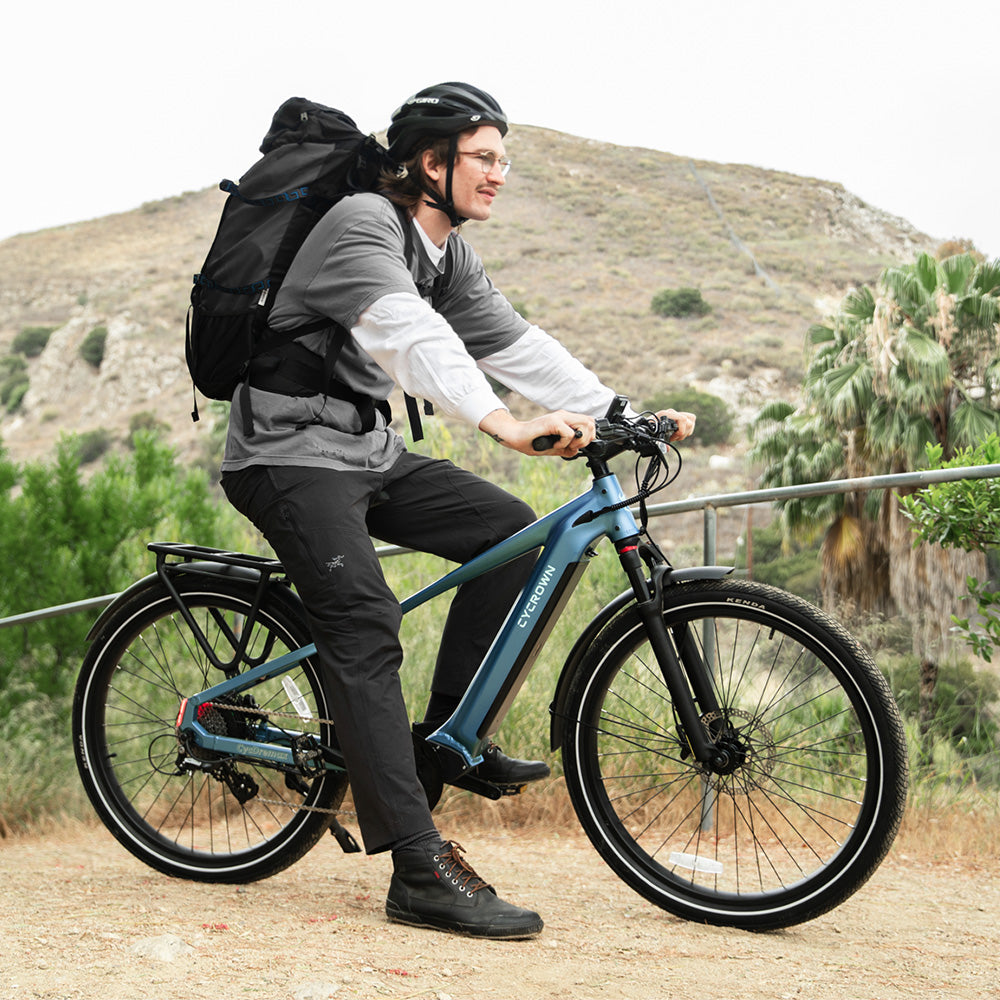
The Dremax e-bike is particularly well-suited for beginner trail riding. Its torque and cadence dual-sensor system matches your pedaling power, making hill climbing and long-distance adventures seamless.
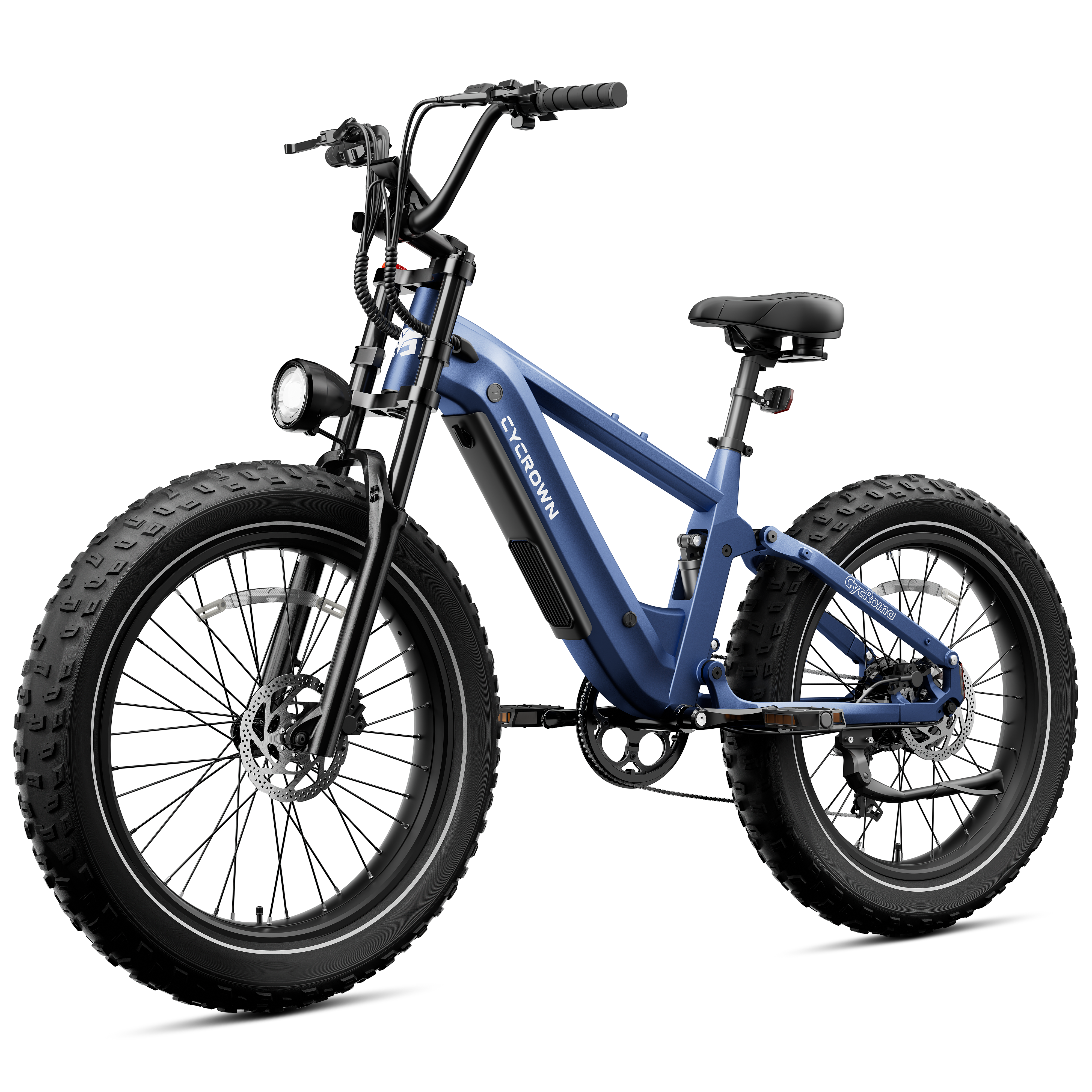
For riders planning longer day trips or routes with more elevation, the Roma All-Terrain E-Bike adds full suspension and 90 miles of range on a Samsung battery. It's capable of handling more demanding terrain as your riding develops.
Browse the full CYCROWN collection to compare models against your specific trail plans.
Planning Tips Before You Head Out

Start Shorter Than You Think You Need To
The most common beginner mistake is overestimating how a new riding experience will feel. Even with pedal assist, your body is adapting to the bike's weight, braking distances, and handling characteristics. A 10 to 15-mile first ride is plenty — you can always extend it once you know what you're working with.
Manage Battery Expectations
Manufacturer range figures assume favorable conditions. Wind, rider weight, assist level, and terrain all affect real-world range. Before any ride, charge fully, know your e-bike's estimated range, and plan your route so you're returning with a buffer rather than hoping you make it back. For a complete guide on managing battery range effectively, this battery care and maintenance guide is worth reviewing before longer rides.
Gear Worth Having
Helmet - non-negotiable, properly fitted
Water - more than you think you need, especially in warmer months. For convenience, you can carry your water bottle with an e-bike bottle cage
Sunglasses and sunscreen - for exposed sections of the trail
Gloves - reduce hand fatigue on longer rides and protect your palms in a fall.
Basic repair kit - tire levers, a spare tube, and a portable pump
Learn Your Assist Levels Before the Trail
Spend a few minutes in a parking lot or quiet area getting familiar with how each assist level changes acceleration and speed before you're on a busy trail. Lower levels are better for building control and extending range. Higher levels are useful for hills or when fatigue sets in later in the ride.
Check out Cycrown’s best pedal-assist e-bikes to start your adventures.
When to Ride and What to Watch For
Spring and fall are the best seasons for most U.S. trails because of their mild temperatures, less crowded paths, and generally good surface conditions. Summer works well in northern states and coastal areas but requires heat preparation. Winter riding is viable in California, Florida, and Arizona year-round.
Here are some common beginner mistakes to avoid:
Riding too fast, too soon
E-bikes accelerate faster than regular bikes. Give yourself time to adjust before pushing speed.
Ignoring trail rules
Many trails have e-bike class restrictions or speed limits. Check before you arrive.
Skipping hydration
Pedal assist reduces effort but doesn't eliminate it. Drink regularly, not only when you're thirsty.
Maxing out assist from the start
High assist drains battery faster and gives you less room to adjust when terrain changes. Start moderately.
Your First Ride Is Only the Beginning
The trails on this list exist specifically to make cycling accessible and enjoyable. Motor assistance removes the fitness barriers that keep people off bikes, stable fat tire geometry builds confidence faster than narrow-tire alternatives, and range figures that cover 60 to 90+ miles per charge mean logistics stop being something you stress over.
Start with a manageable distance on one of these routes, get comfortable with the bike, and the rest follows naturally. Most people who start on a beginner route don't stay on beginner routes for long.
Frequently Asked Questions
What is the best distance for a first e-bike ride?
Ten to 15 miles is a solid starting point. It's long enough to get a genuine feel for the bike and the trail without pushing into fatigue territory on your first outing.
Are rail trails good for beginner e-bike riders?
They're ideal. Gentle grades, smooth or compacted surfaces, no vehicle traffic, and clear navigation — rail trails eliminate most of the variables that make road riding stressful for new riders.
Do beginners need a specific type of e-bike for trail riding?
All-terrain models like the CYCROWN Roma are particularly well-suited for trail conditions and the natural stability helps new riders build control faster.
Can beginners ride e-bikes on trails that allow regular bikes?
Generally, yes, but e-bike classification rules vary by trail and state. Class 1 and Class 2 e-bikes have the broadest trail access in most areas. And, it’s essential to always check the specific trail's rules before riding.
What safety gear should beginner e-bike riders prioritize?
A properly fitted helmet first, then gloves, sunglasses, water, and a basic repair kit, covers most situations. Reflective clothing matters if you're riding in low-light conditions or early morning.


