









Match Your E-Bike Specifications to Your Ride
The e-bike specifications that matter most are the ones that fit how you ride: battery capacity and range for distance, motor power and torque for hills and loads, brakes for safety, and frame size and weight for comfort and storage. A bigger number is not always a better bike. This electric bike buying guide shows how to read the numbers, question performance claims, and decide what to look for before you spend a dollar.
Start With Your Riding Needs Before Comparing E-Bike Specifications
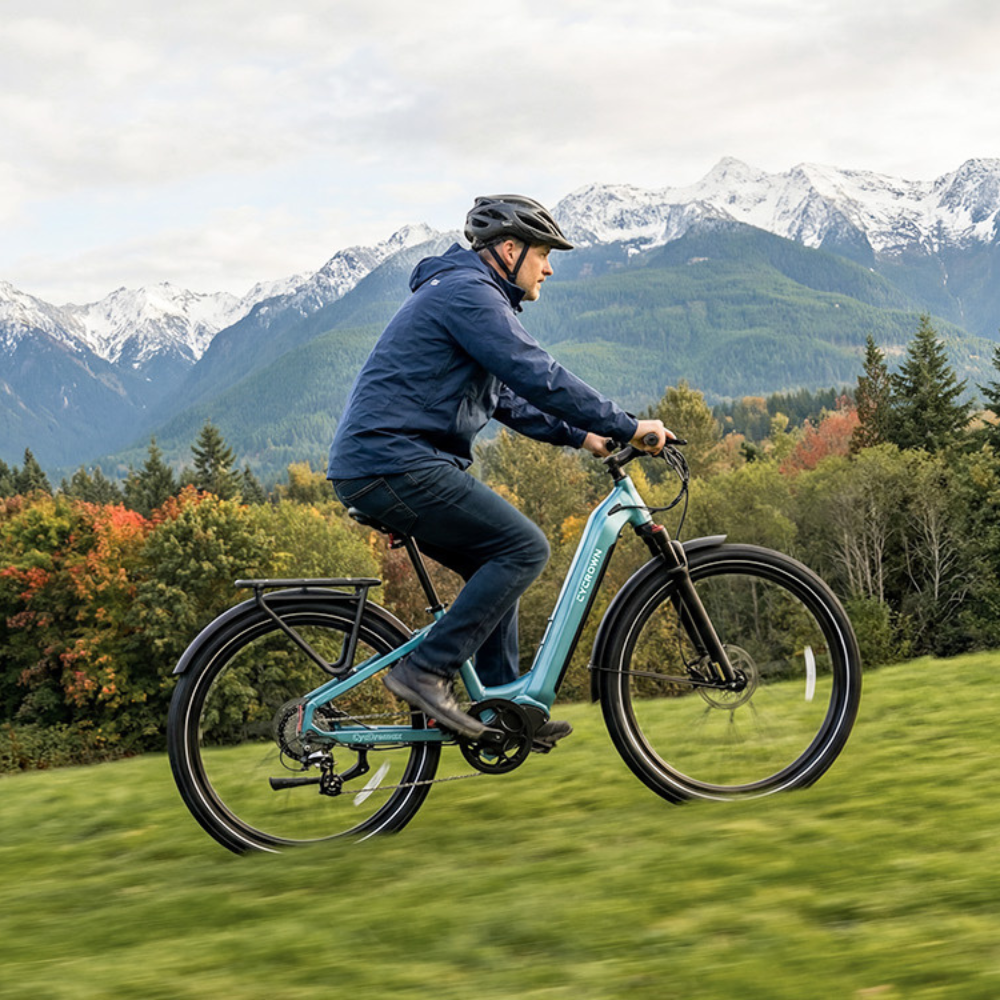
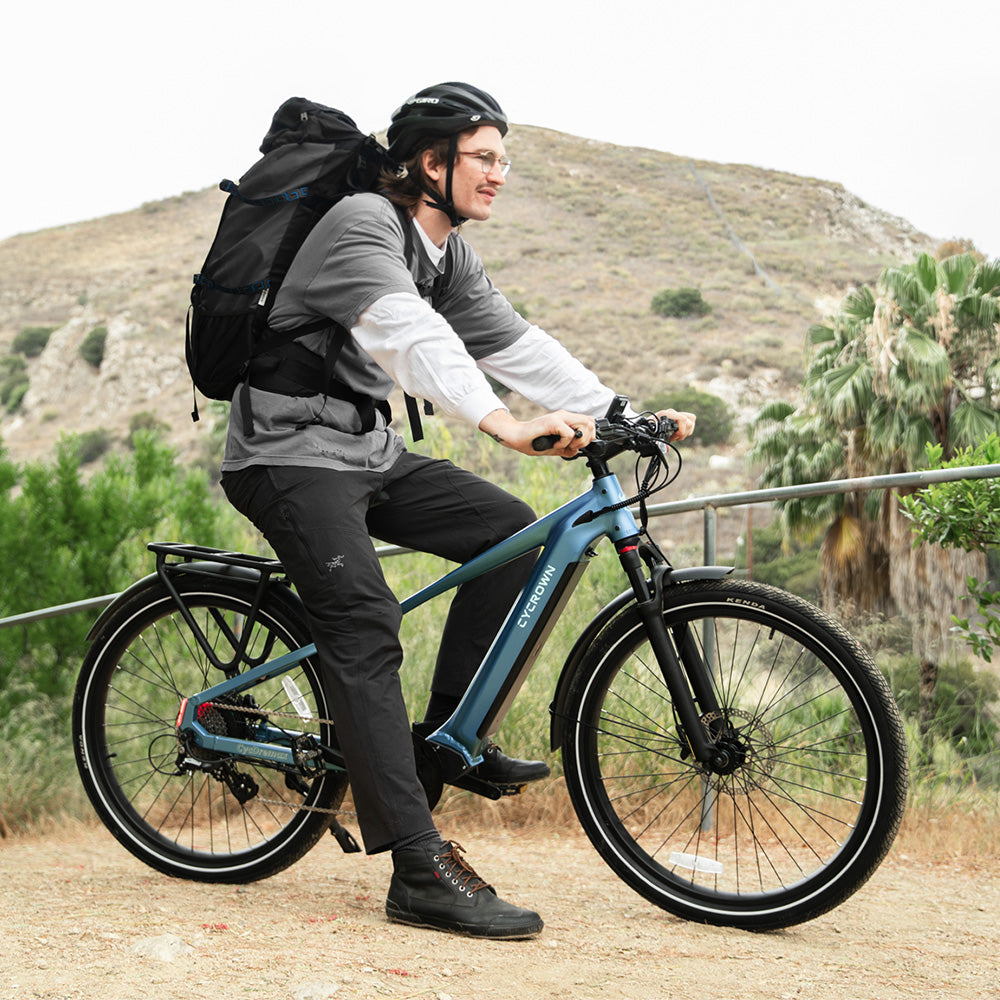
Picture your typical week before you open any spec sheet. Your answers narrow the list quickly:
Daily commuters: practical range, comfortable geometry, reliable brakes, and a weight you can manage on stairs.
Long-distance riders: battery capacity, estimated range, charging time, and efficiency.
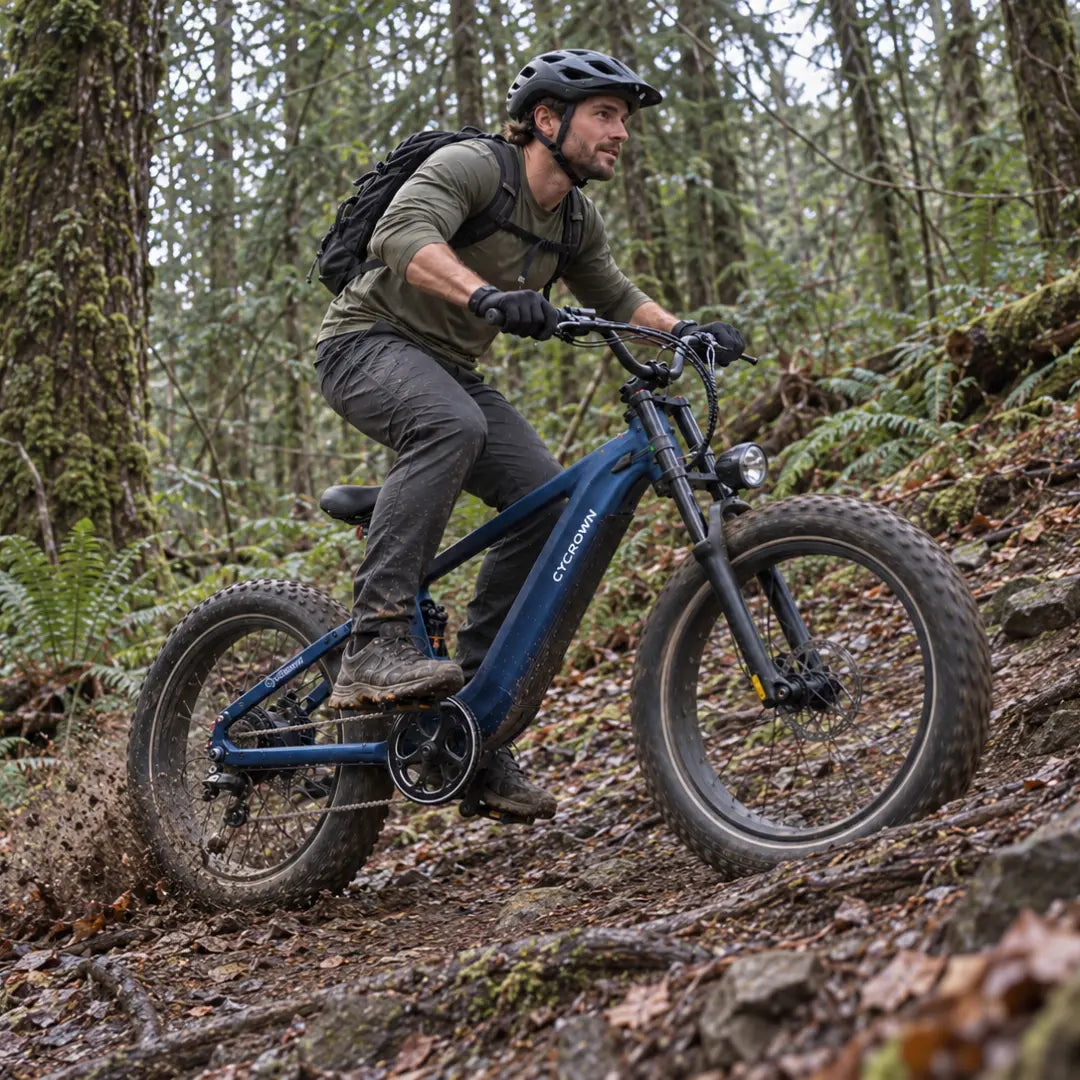
Riders on uneven terrain: suspension, tire design, motor performance, and strong braking.
Riders with limited storage: overall dimensions, folding options where available, and low weight.
A flat 8-mile commute through downtown Chicago calls for very different e-bike specifications than weekend trails near Lake Tahoe.
Motor Power and Torque Determine How an E-Bike Performs
E-bike motor power is measured in watts, but wattage alone does not tell you how a bike will perform. Torque, measured in newton-metres (Nm), helps explain how strongly the motor can assist with acceleration and climbing. Motor tuning, gearing, and the assistance system also affect how the bike feels on different routes.
How Much Power Do You Really Need?
For short, flat commutes, a smaller motor is often plenty and can keep weight and cost down. Steep hills, heavy cargo, or sandy trails call for more. A rider climbing the streets of San Francisco will feel extra torque every day, while a rider in flat Houston may never use it.
Hub motors are generally simpler, while mid-drive motors can use the bike's gearing for efficient climbing. A torque sensor also makes assistance feel smoother than a basic cadence sensor. Rules on motor power and top speed vary by state, so check yours before buying.
Battery Capacity and Range Matter More Than a Single Number
Electric bike battery capacity is measured in watt-hours (Wh). Multiply volts by amp-hours, and a 48V, 20Ah battery holds about 960Wh. More watt-hours generally means more distance, but the advertised electric bike range usually comes from specific testing conditions that may not reflect everyday riding.
Real-world range drops with hills, wind, cold weather, heavy loads, and high assist levels. For illustration, if an e-bike uses 15 to 25Wh per mile, a 960Wh battery would provide approximately 38 to 64 miles under those consumption assumptions. Actual range may be higher or lower depending on terrain, rider and cargo weight, assist level, speed, weather, and battery condition. Treat manufacturer range figures as estimates and look for testing conditions that resemble your usual rides.
Battery Life and Charging Time
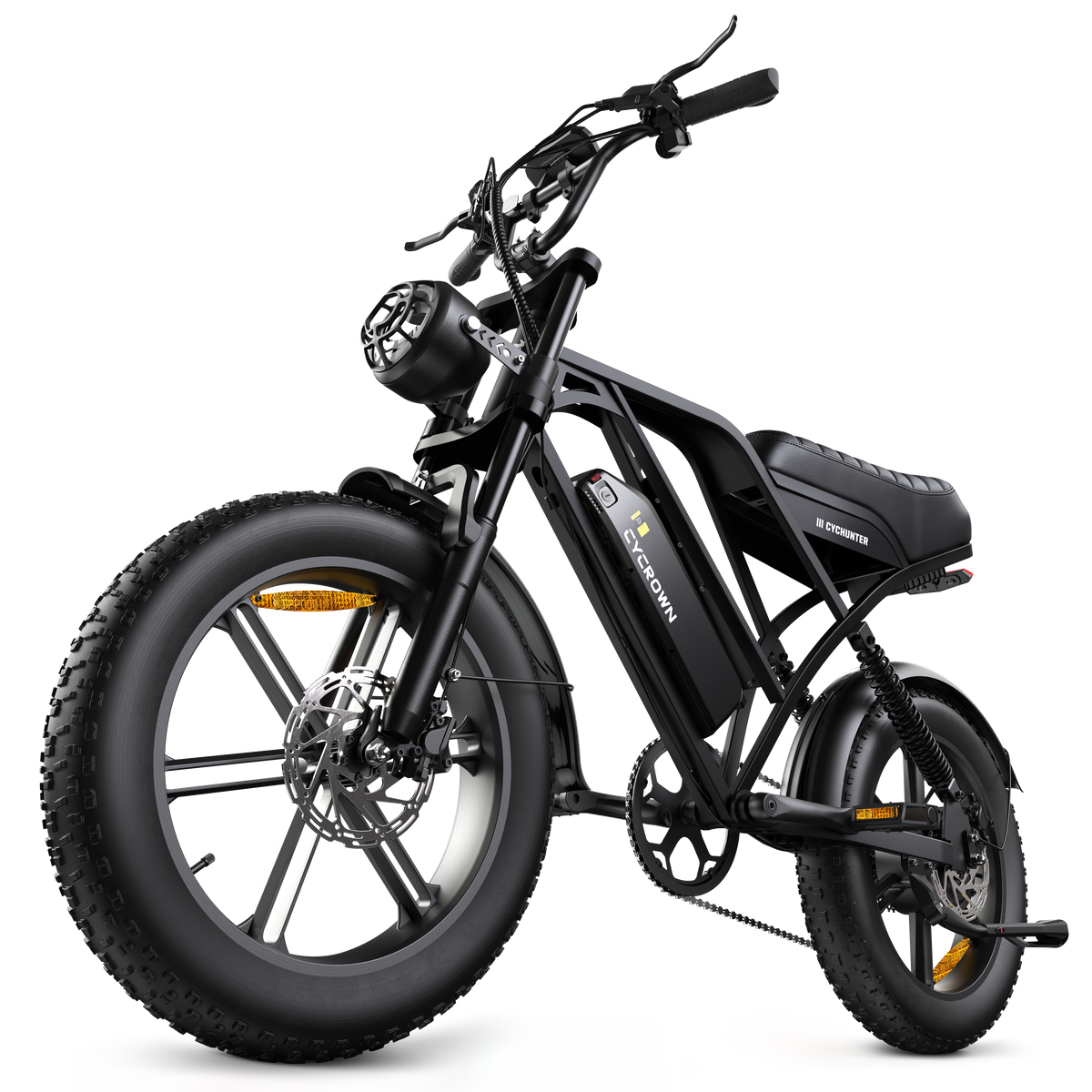
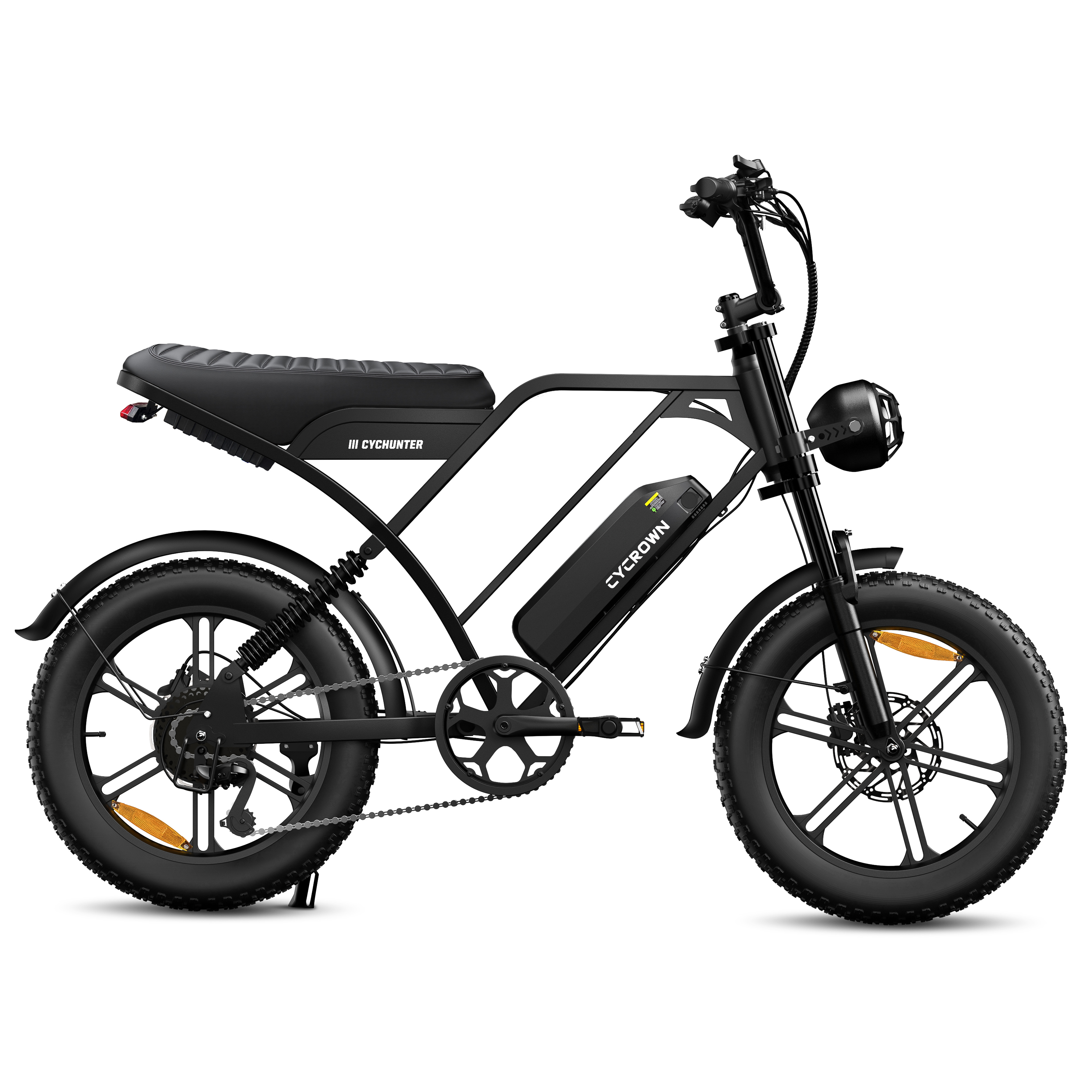
E-bike battery life is influenced by charge cycles, charging habits, storage conditions, and riding frequency. Many batteries are designed to last several hundred charge cycles, but actual lifespan varies by battery chemistry and manufacturer specifications. Check the manufacturer's guidance for expected cycle life and capacity retention. Full charging often takes four to seven hours, depending on the battery and charger. Some models, such as the CycHunter 2.0, offer dual-battery options for riders who need more range between charges.
Brakes and Safety Features Should Never Be an Afterthought
Electric bike brakes matter more than on a regular bicycle because you carry more speed and weight. Hydraulic disc brakes give stronger, steadier stopping power with less hand effort, while mechanical discs are simpler to adjust and usually cost less.
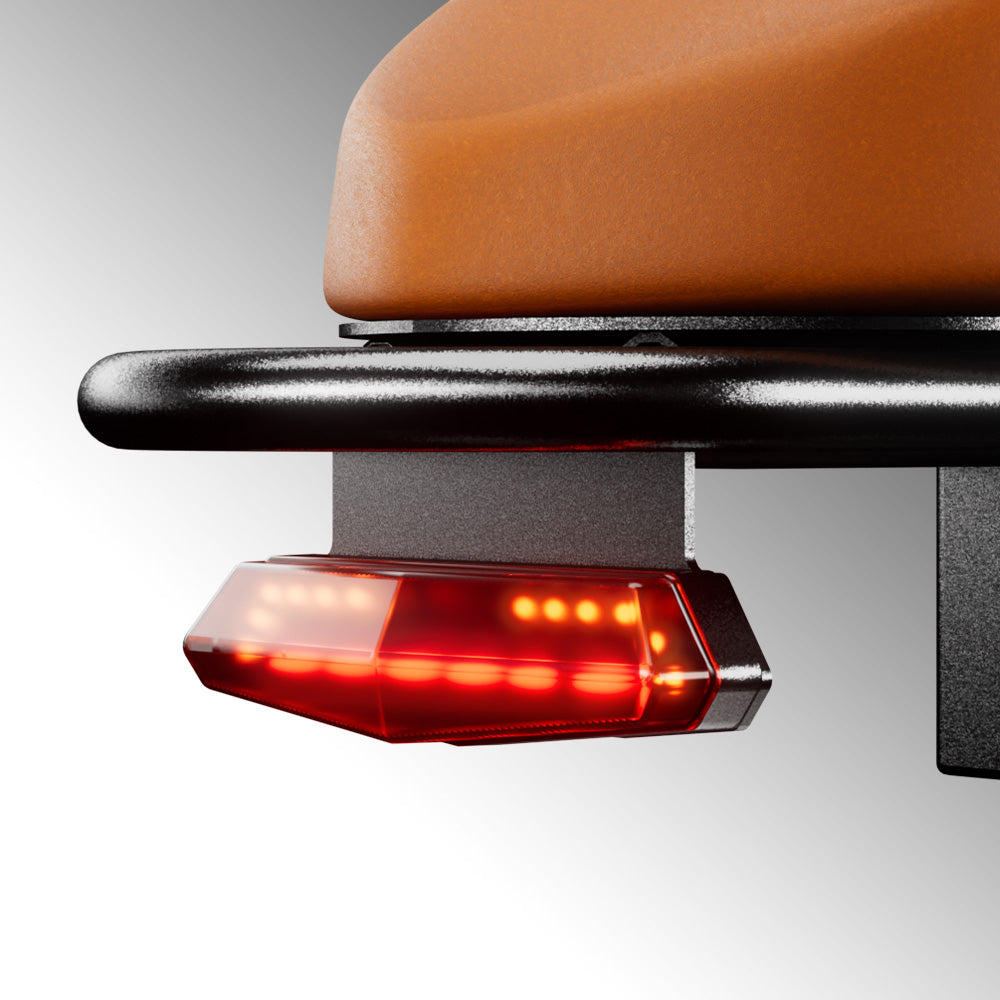
Electric bike safety features go beyond brakes. Look for integrated lights, a motor cut-off when you squeeze the brake lever, a horn or bell, and a water-resistance rating that suits your climate. Mirrors add rear awareness, and CYCROWN’s guide to e-bike mirrors explains how to choose and adjust them.
Frame Size, Bike Weight, and Payload Affect Everyday Usability

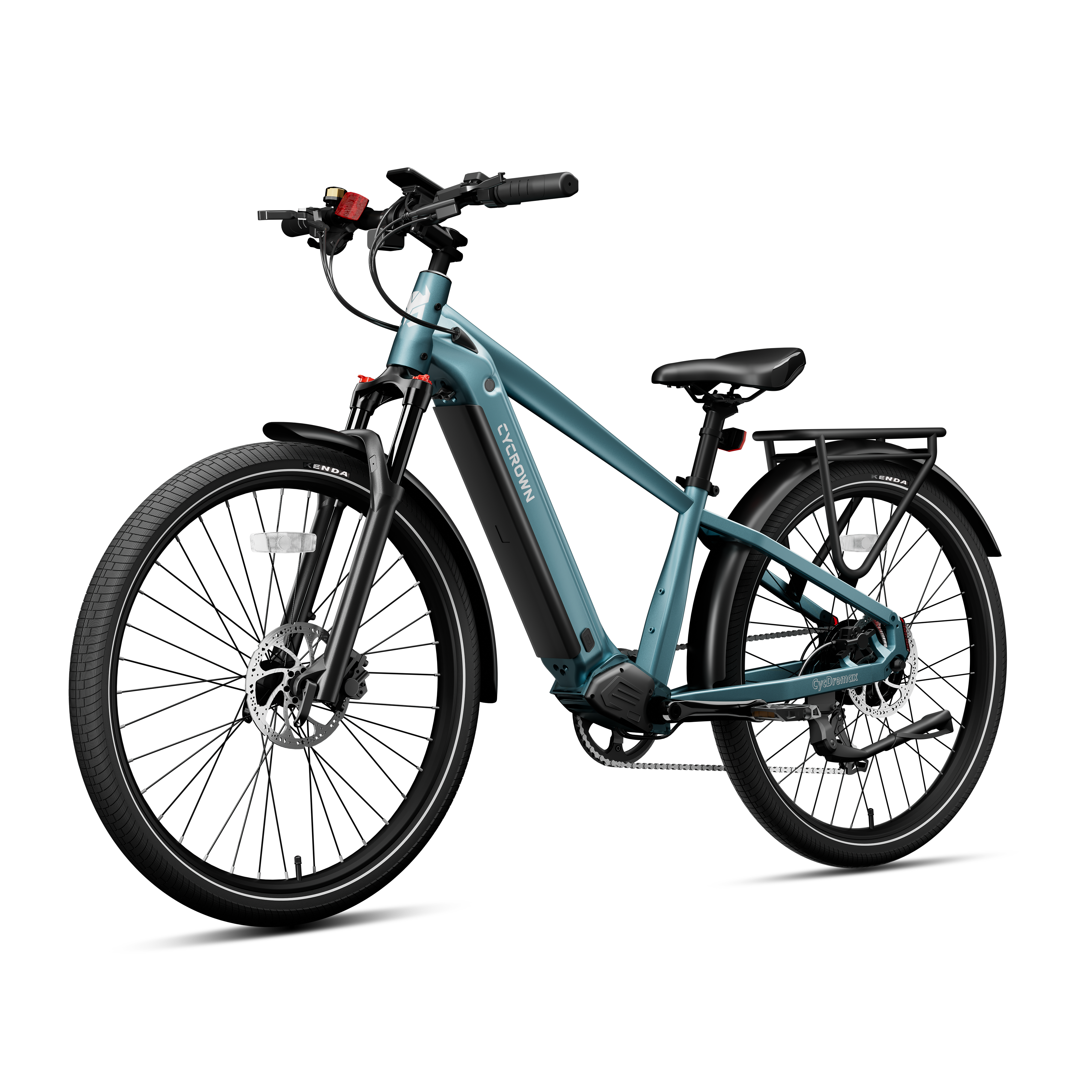
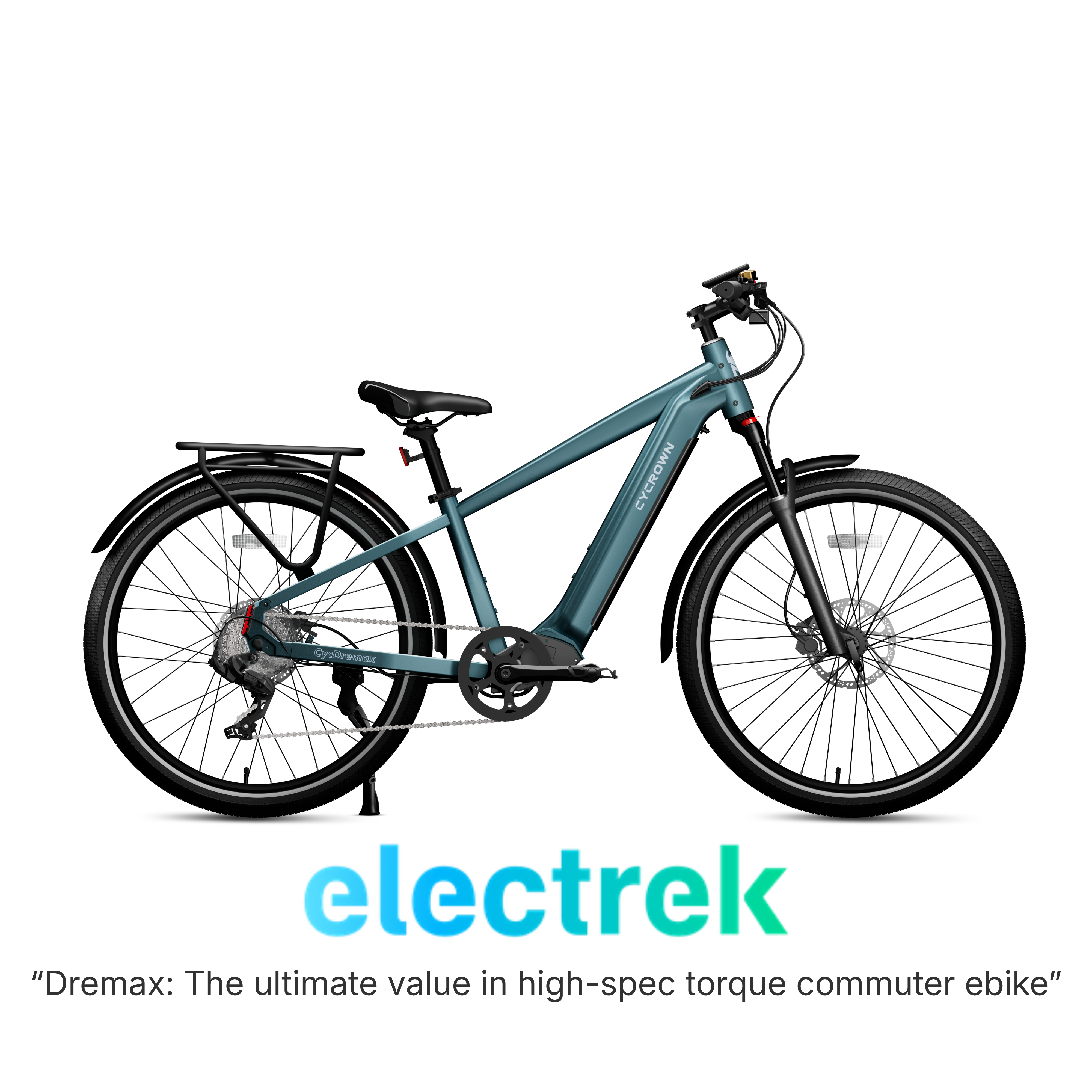
(Dremax)
Electric bike frame size should suit your height and inseam. Step-through frames are easier to mount, while step-over frames offer a different riding position. If you can, stand over the bike and make sure both feet reach the ground comfortably.Read our guide on choosing the right bike size based on your height.
Weight is one of the e-bike specifications shoppers overlook most. Many e-bikes weigh about 50 to 80 pounds or more, which can be hard to lift into a car or carry upstairs. If you live in a small New York apartment, check the overall dimensions too.
Electric bike weight capacity, often called maximum payload, deserves a look as well. Check the manufacturer's definition of this limit and confirm whether it includes the rider, cargo, and accessories. Never assume one model's capacity applies to another, and account for any separate rack weight limit when carrying bags or other items.
Tires and Suspension Shape Ride Comfort and Control
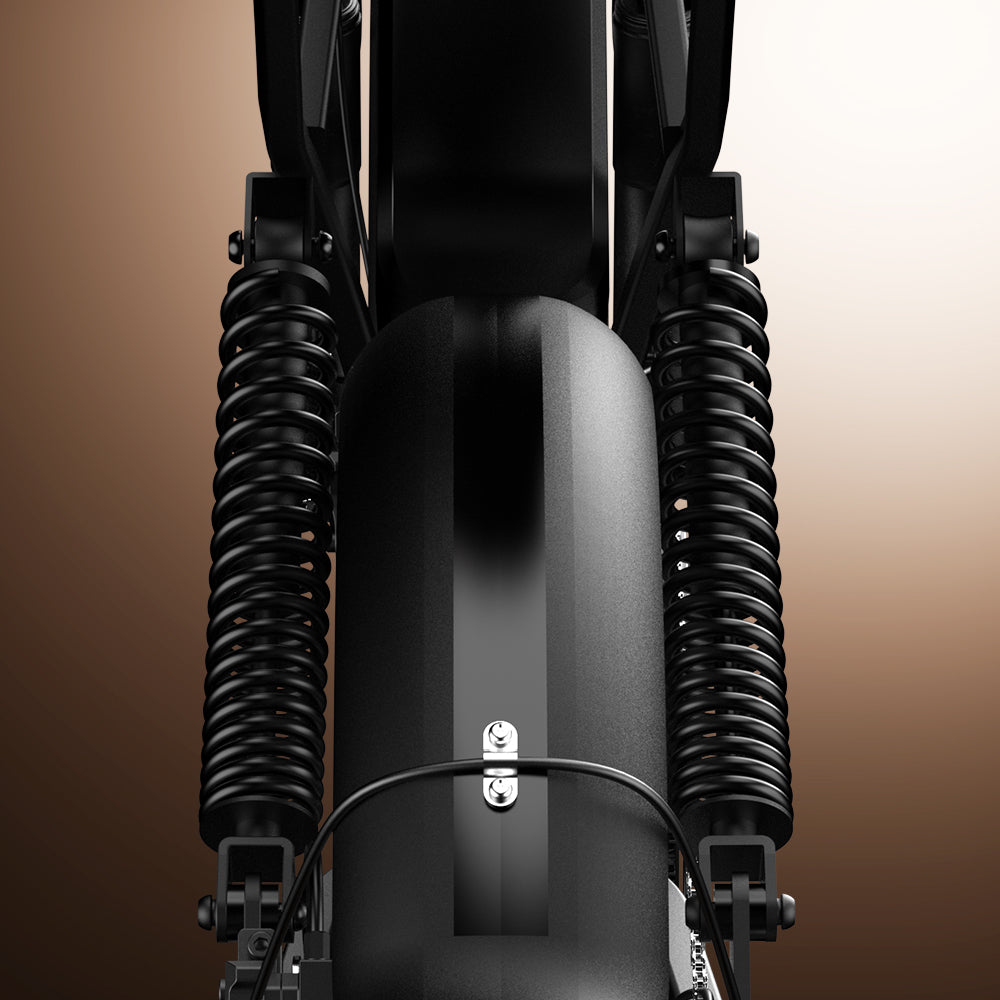
Electric bike suspension softens bumps and can improve control on rough roads. A front fork helps on cracked pavement, while full suspension suits trails and rougher rides but adds weight.
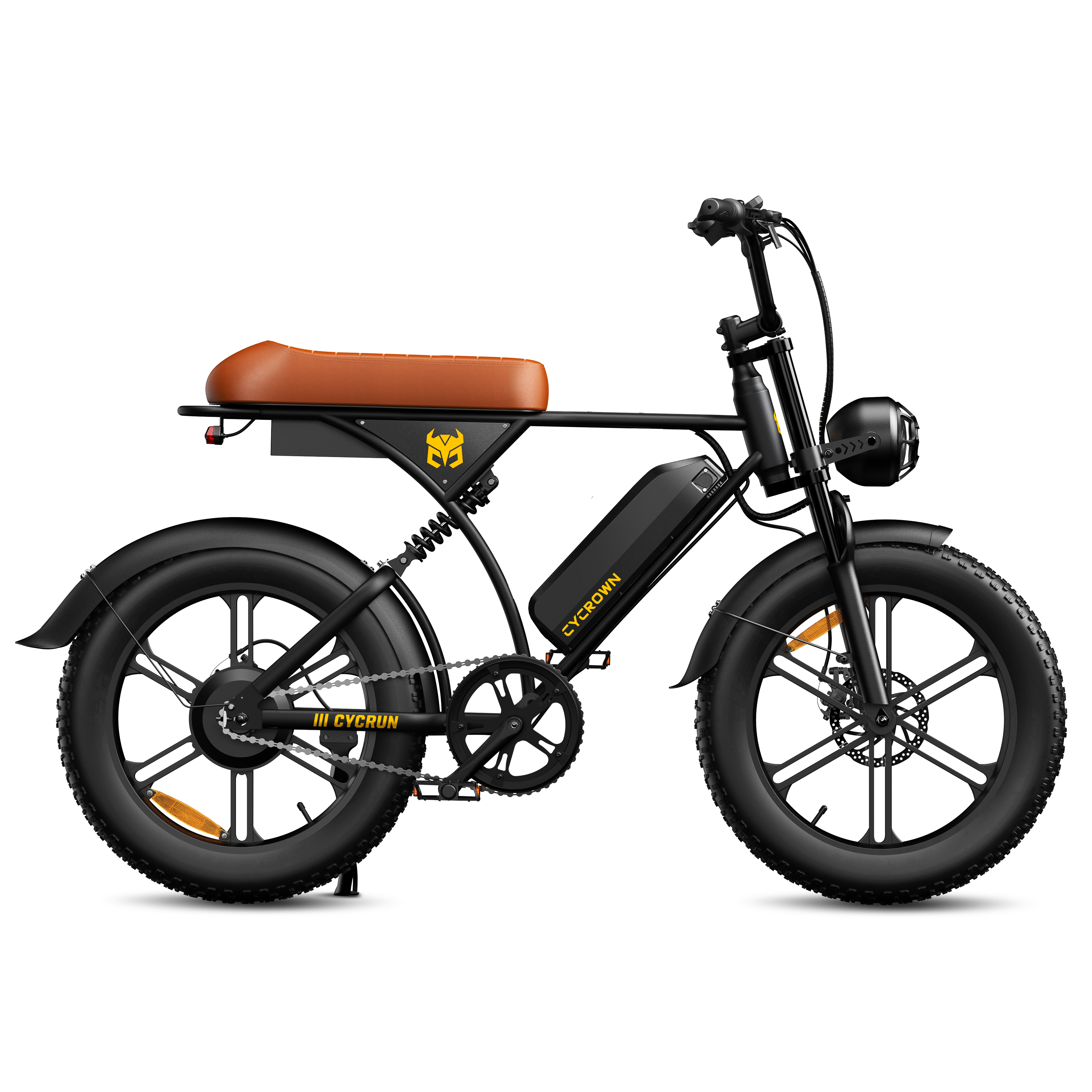
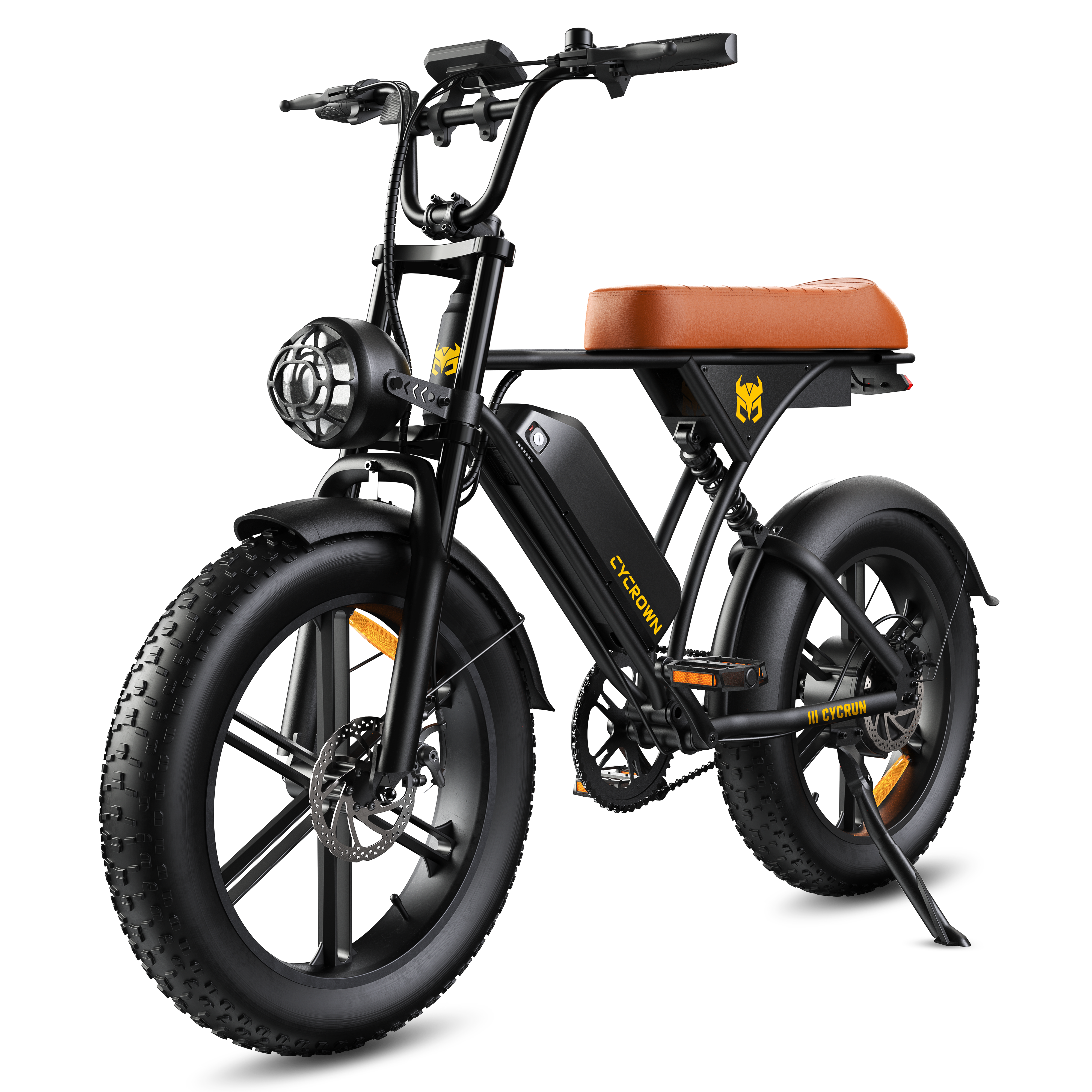
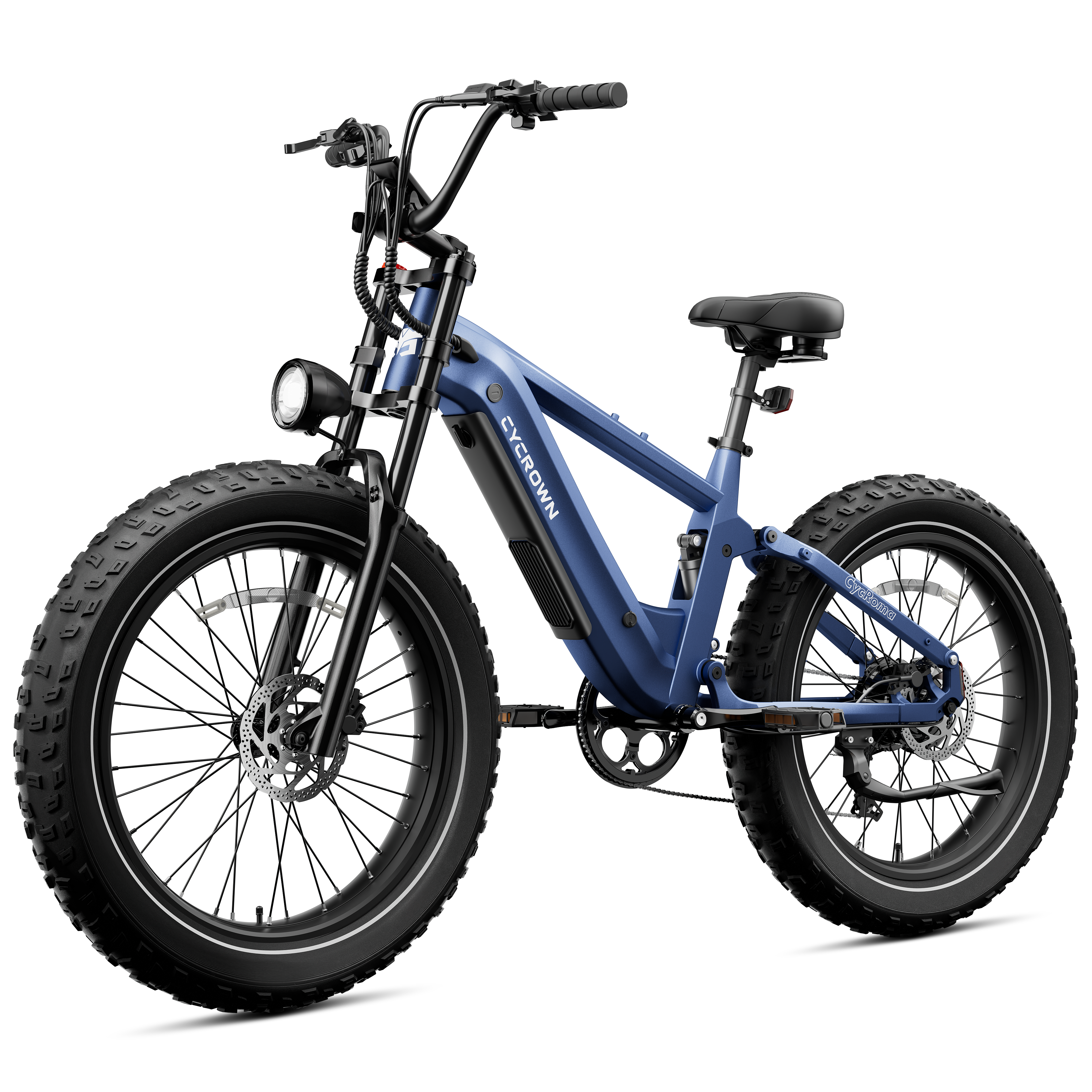
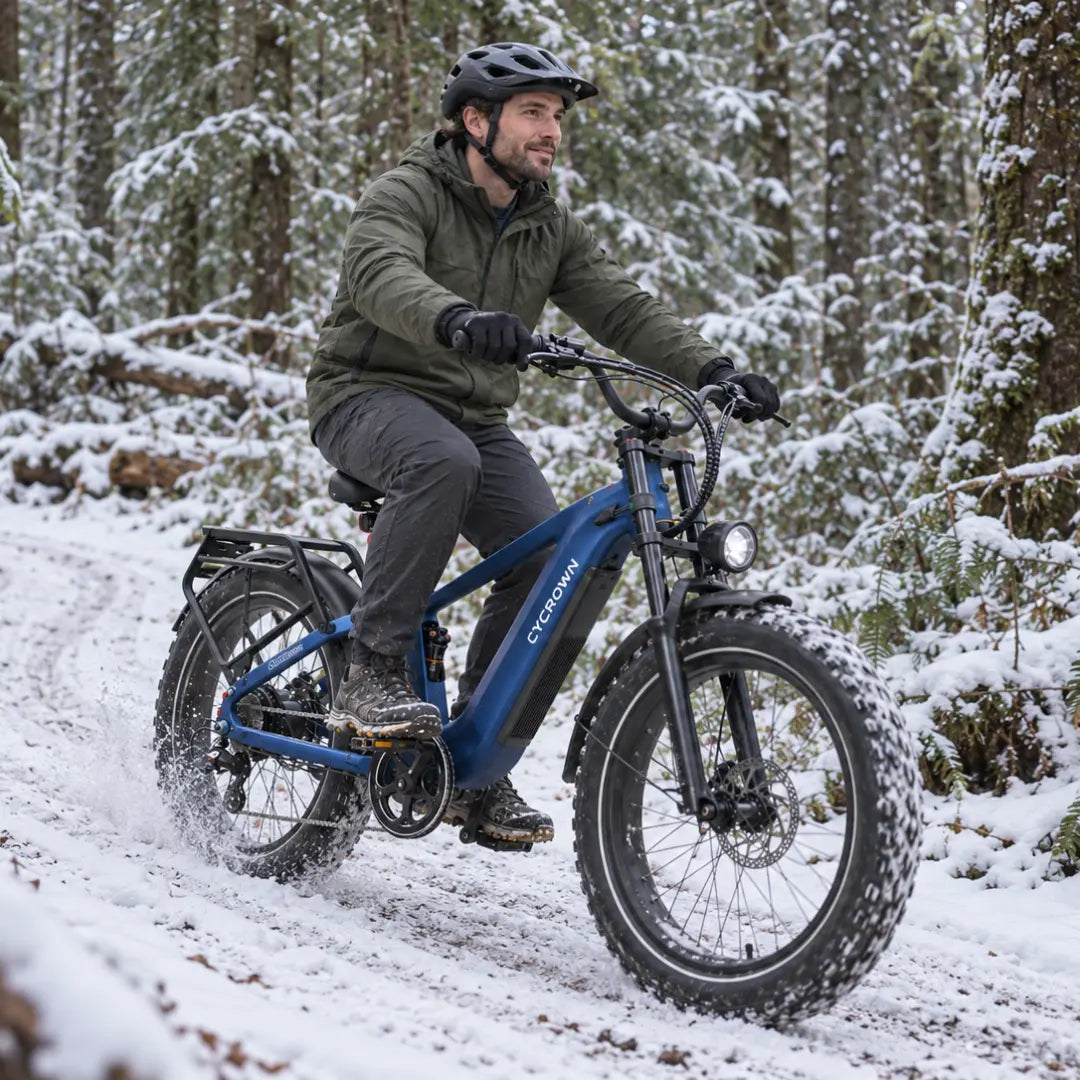
Wide tires matter too. Fat tires about 4 inches wide can add grip on gravel, sand, and snow. Fat tire models like the Nomad Pro and the Roma show how tire design, motor performance, and braking work together on mixed terrain.
Charging Time, Components, and Warranty Affect Long-Term Value
Among e-bike specifications, long-term value comes from parts that last. Check the drivetrain, display, and tire quality, and find out whether replacement parts are easy to get.
A clear warranty can help protect your purchase, but coverage matters as much as duration. Check the terms for the frame, motor, battery, controller, and other components separately. Pay attention to exclusions, battery capacity-retention conditions, labor costs, and the process for obtaining replacement parts. Also, confirm whether local service or repair support is available before buying.
How to Compare E-Bike Specifications Before Buying
When two bikes look alike on paper, comparing electric bike specifications in a simple order keeps you focused.
A Five-Step Check
Range and battery capacity: compare watt-hours against your real route.
Brakes and safety features: choose stopping power you can trust.
Fit, weight, and payload: make sure you can ride, lift, and store it.
Motor power and torque: match them to your hills and loads.
Comfort and support: weigh suspension, tires, and warranty.
A bike with a huge advertised range that feels heavy or uncomfortable may serve you worse than a lighter bike with a modest battery. Write down your daily distance, storage needs, and typical terrain before comparing product listings.
Choose the Numbers That Fit Your Ride
The best e-bike specifications are the ones you will use every day. Start with your route, storage space, and budget, then check battery capacity, motor power, brakes, fit, and warranty. Treat advertised numbers as a starting point, ask how they were measured, and test ride when you can. Use this electric bike buying guide as a checklist, and comparing e-bike specifications gets much easier.
Frequently Asked Questions About E-Bike Specifications
Which e-bike specifications should I check first?
Start with battery capacity and range, because they determine whether the bike can cover your usual trips.
Is a more powerful motor always better?
No. Extra power helps on steep hills and heavy loads but adds cost and weight you may not need.
What is the difference between battery capacity and range?
Capacity is how much energy the battery holds, while range is an estimate of how far that energy takes you under specific conditions.
Is a higher-wattage e-bike motor better?
Not necessarily. A higher-wattage motor may provide more assistance in demanding conditions, but suitability also depends on torque, motor tuning, battery capacity, intended use, and applicable e-bike regulations.
Do I need hydraulic brakes?
They offer strong, consistent stopping power with less hand effort, making them worth considering for hills, heavy loads, and demanding riding conditions.


