










When the Battery Dies, the Ride Doesn't Have to Stop
Yes, you can ride an e-bike without battery power. Every e-bike is still a bicycle underneath the motor and electronics, which means the pedals, chain, and gears work exactly like they would on a regular bike. The catch is that you'll feel the difference immediately, since e-bikes tend to weigh more than standard bicycles and the motor isn't there anymore to help you push through hills or headwinds. Whether your battery died mid-ride, you forgot to charge it, or you're just curious about backup options, knowing how to pedal an e-bike without battery assistance is a useful skill for any rider.
How E-Bikes Work Without Power

An e-bike's drivetrain is mechanically separate from its battery and motor. The pedals connect to the chain, the chain connects to the gears, and the wheels turn the same way they would on any bicycle. The motor exists to add extra push on top of that system, not to replace it. So when the battery is dead or removed entirely, the bike doesn't stop working, it just stops getting help.
What Changes Without the Motor
Riding an e-bike without motor assistance changes the experience in a few noticeable ways. The bike feels heavier, since most e-bikes weigh anywhere from 23 to over 36 kilograms depending on frame and battery size, and that extra weight becomes obvious the moment the motor stops helping. Hills and inclines demand more leg effort too, since there's no torque assistance kicking in to soften the climb. Acceleration from a stop also takes longer without throttle or pedal-assist support, so getting up to speed requires more patience and effort. In these moments, your gearing becomes more important than ever, since shifting down helps offset the added weight and makes pedaling manageable.
Why Your Battery Might Die Mid-Ride
A dead e-bike battery is usually caused by one of a few common issues. Cold weather can temporarily reduce battery output, riding in a high-assist mode for long stretches drains the charge faster, and simply forgetting to charge before a long trip is the most common culprit of all. Batteries also naturally lose capacity over time, so an older battery may not hold as much charge as it once did even with regular care.
Tips for Manual Riding When Your Battery Dies
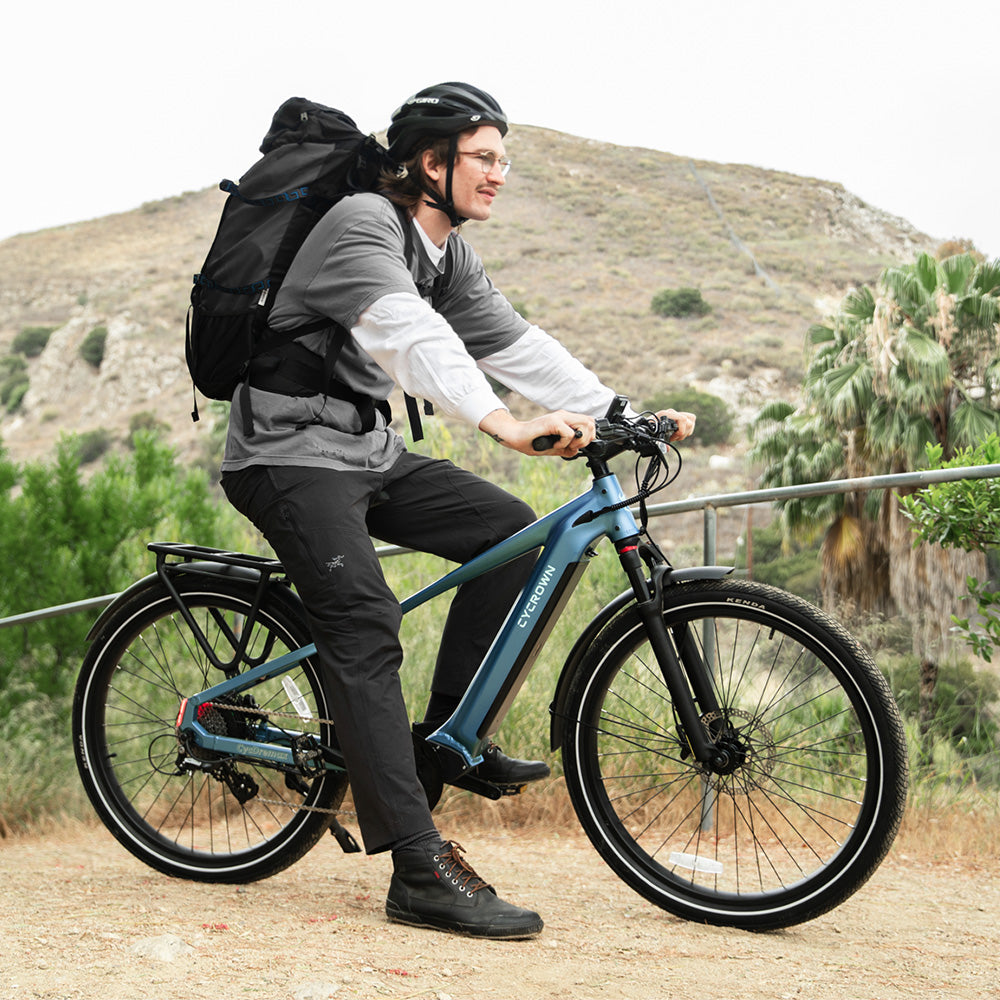
If you find yourself pedaling home with no power, a few adjustments make the ride more manageable:
-
Shift into a lower gear before you need it, especially ahead of hills or stops
-
Keep a steady, moderate pace instead of trying to match your usual assisted speed
-
Stand up on the pedals briefly on steep sections to add leverage
-
Check your tire pressure, since properly inflated tires reduce rolling resistance and make manual pedaling easier
-
Plan shorter routes home if you know your battery is getting low, rather than pushing for extra mileage
Does Bike Weight Make a Big Difference?
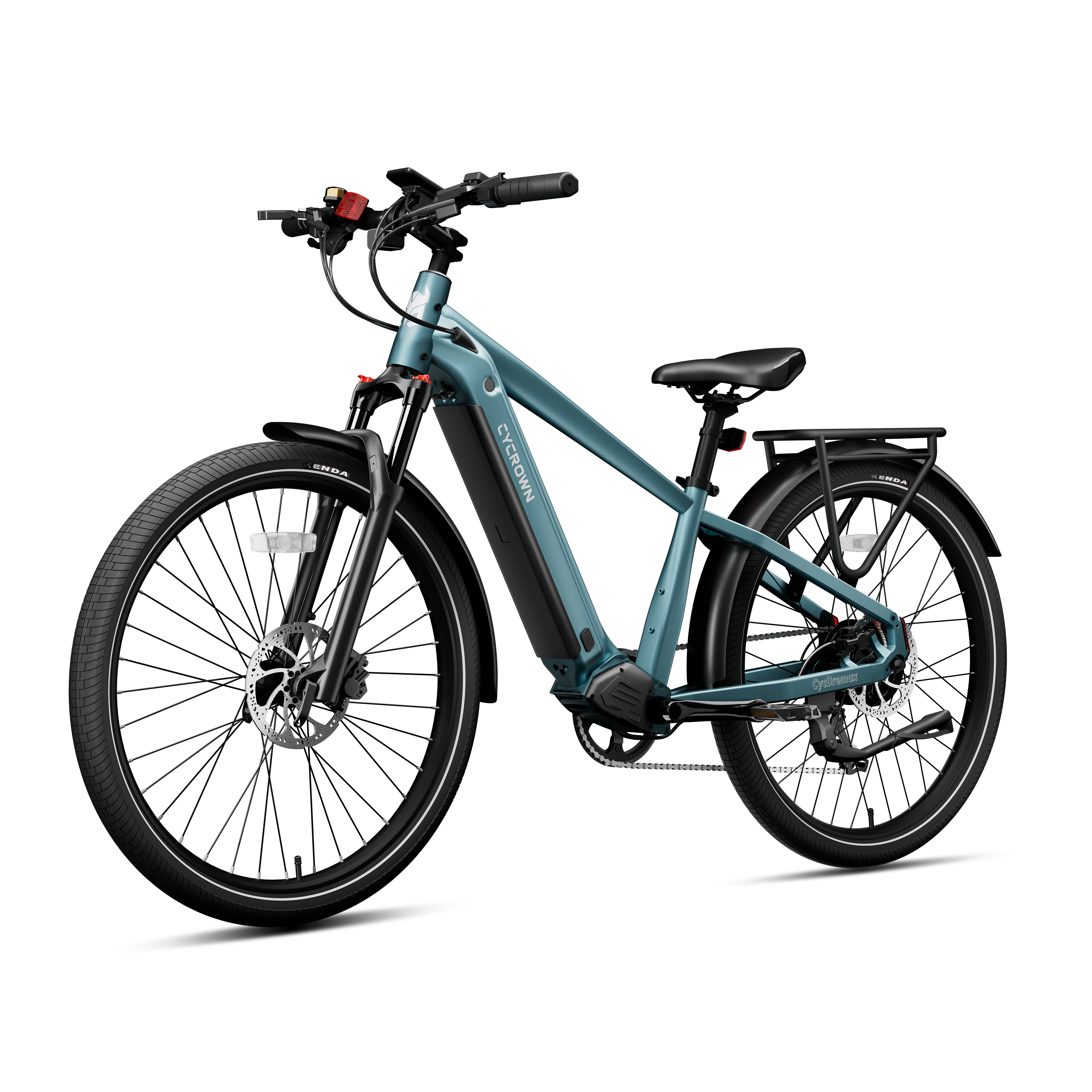
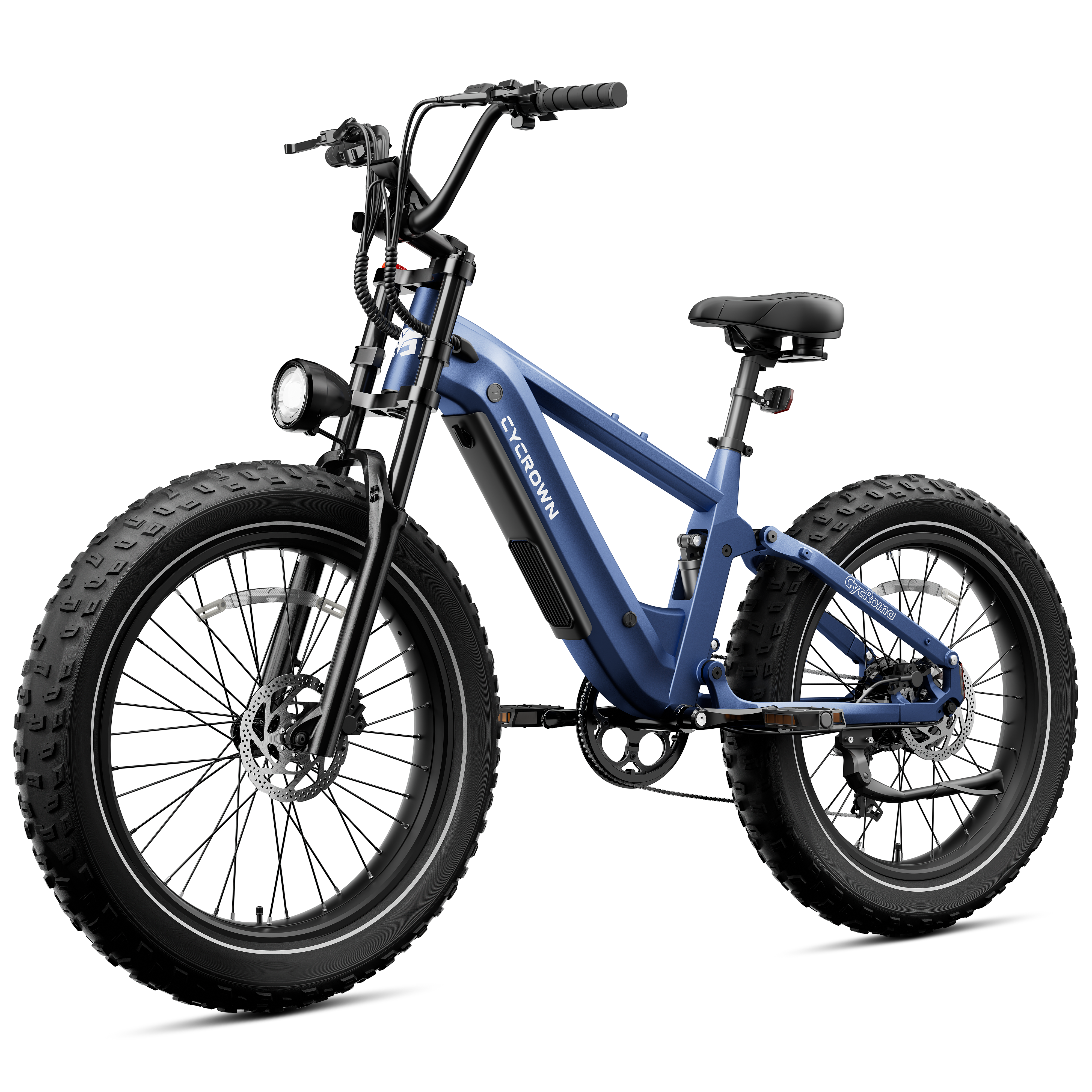
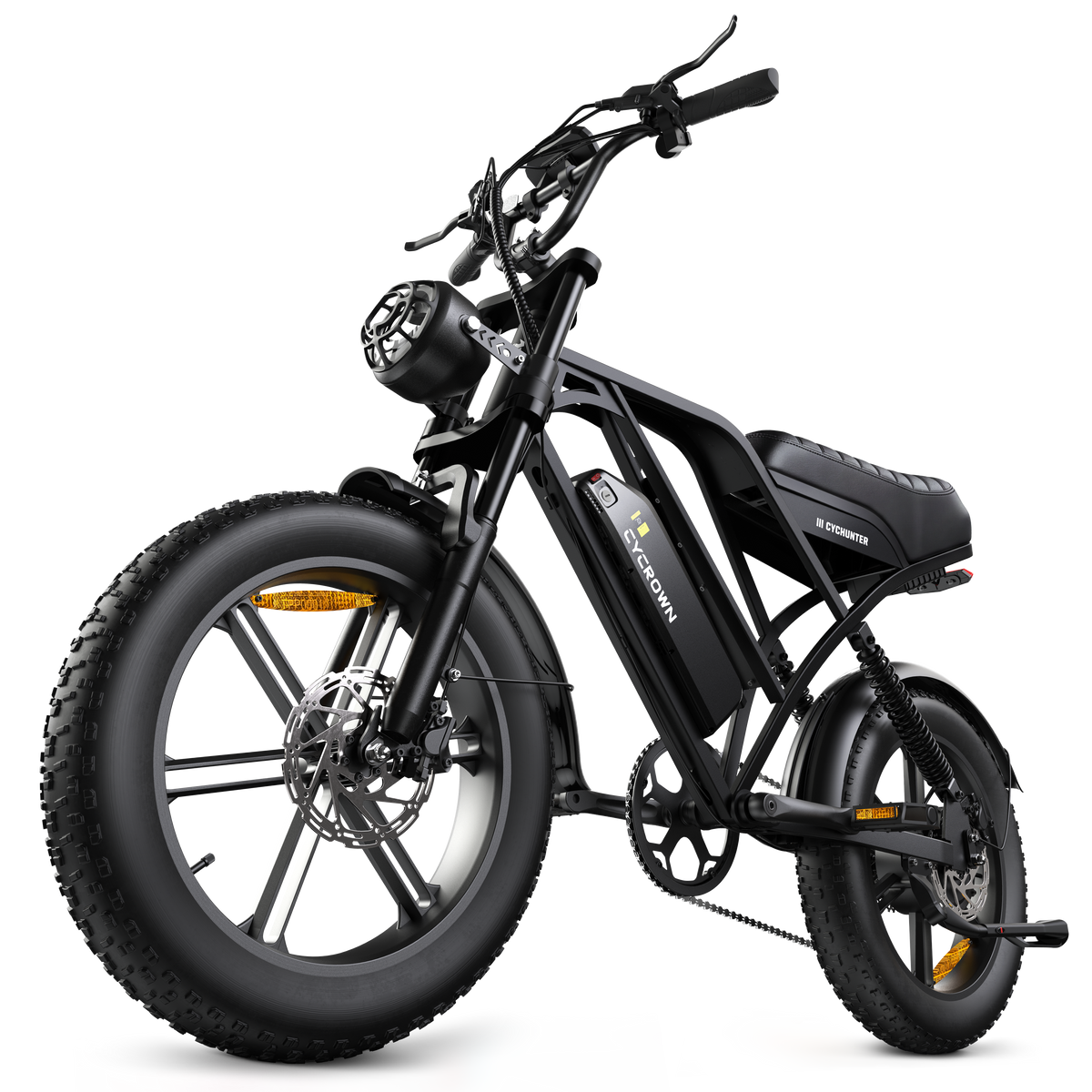
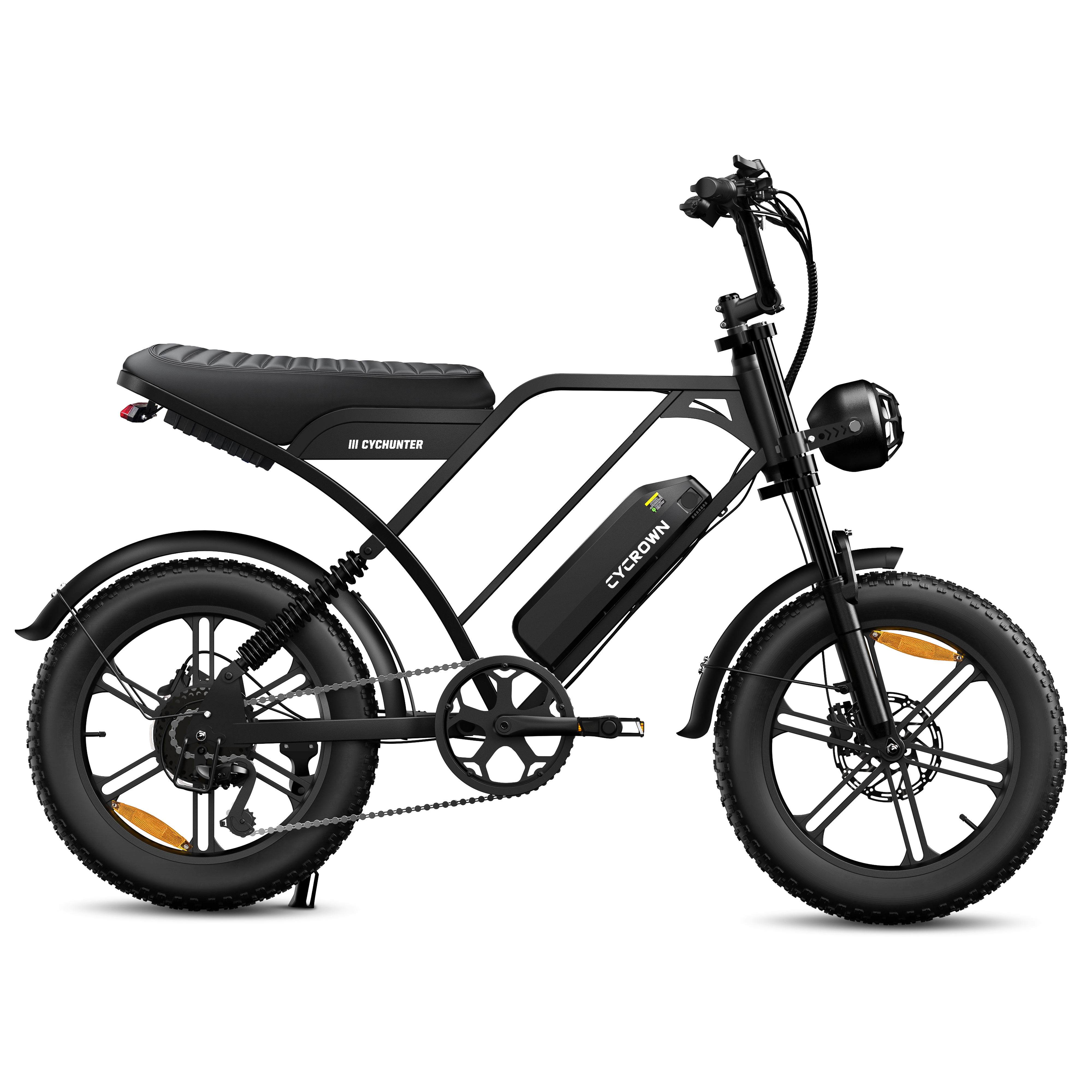
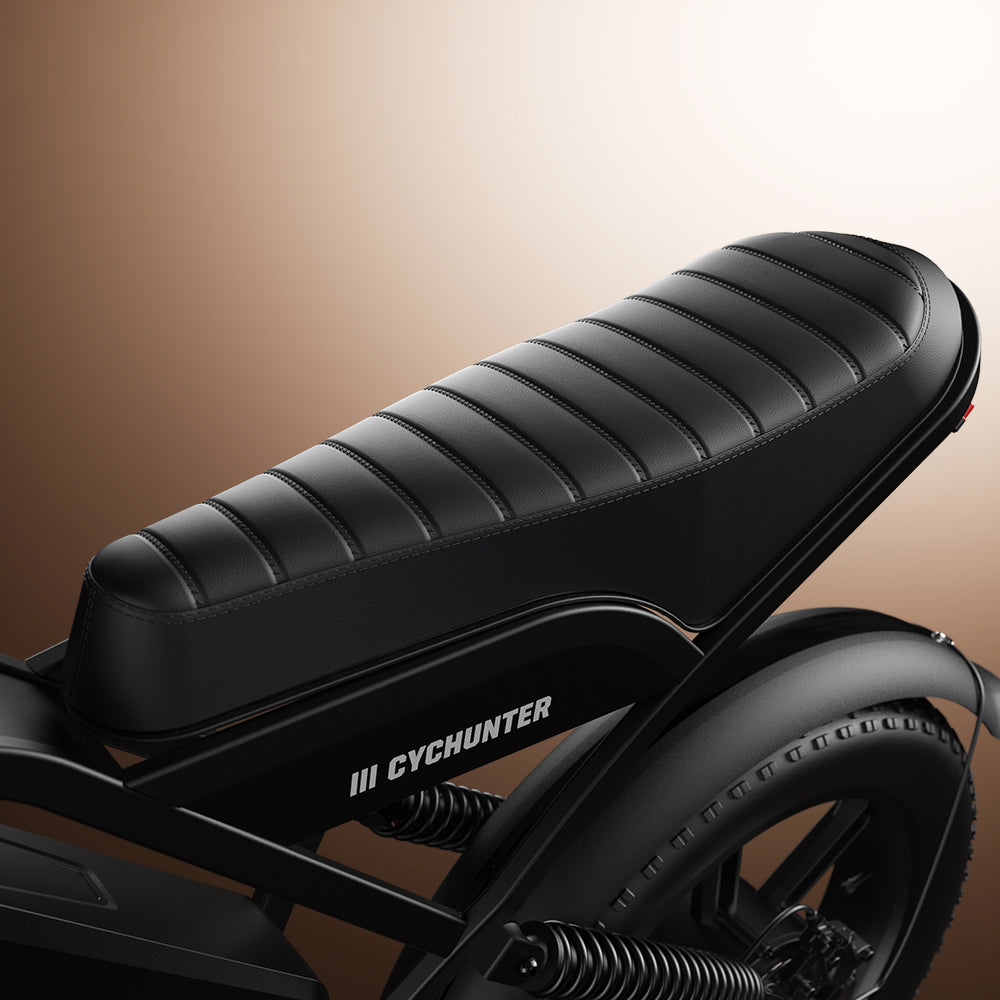
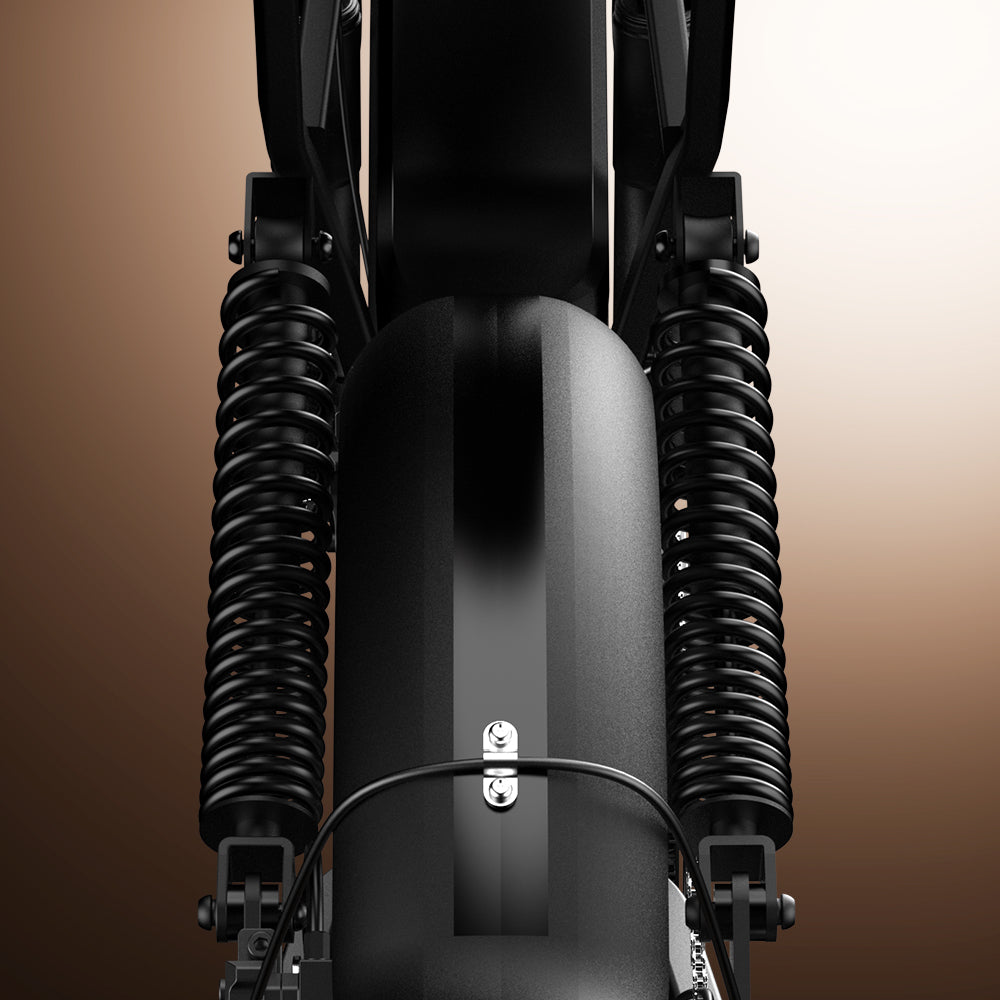
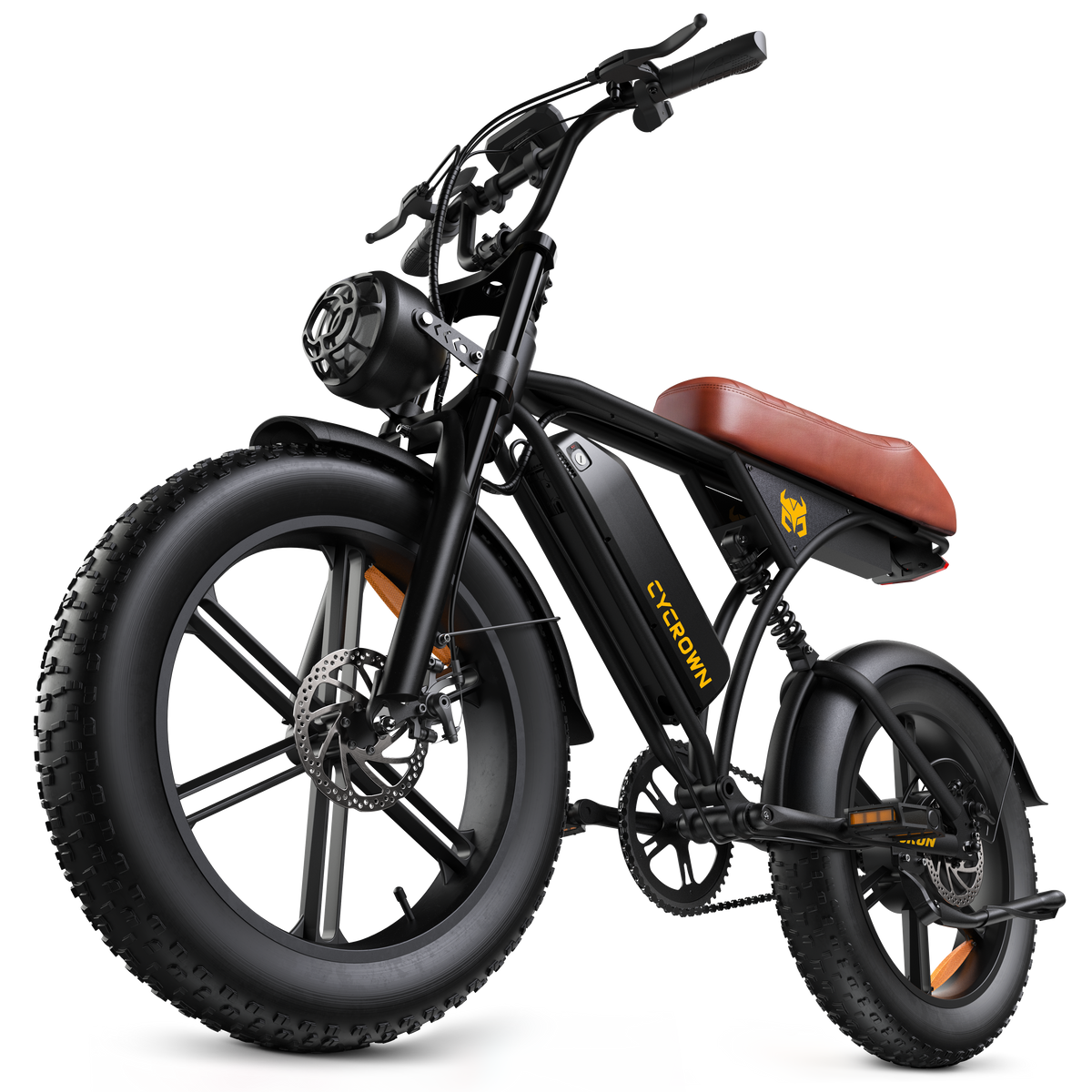
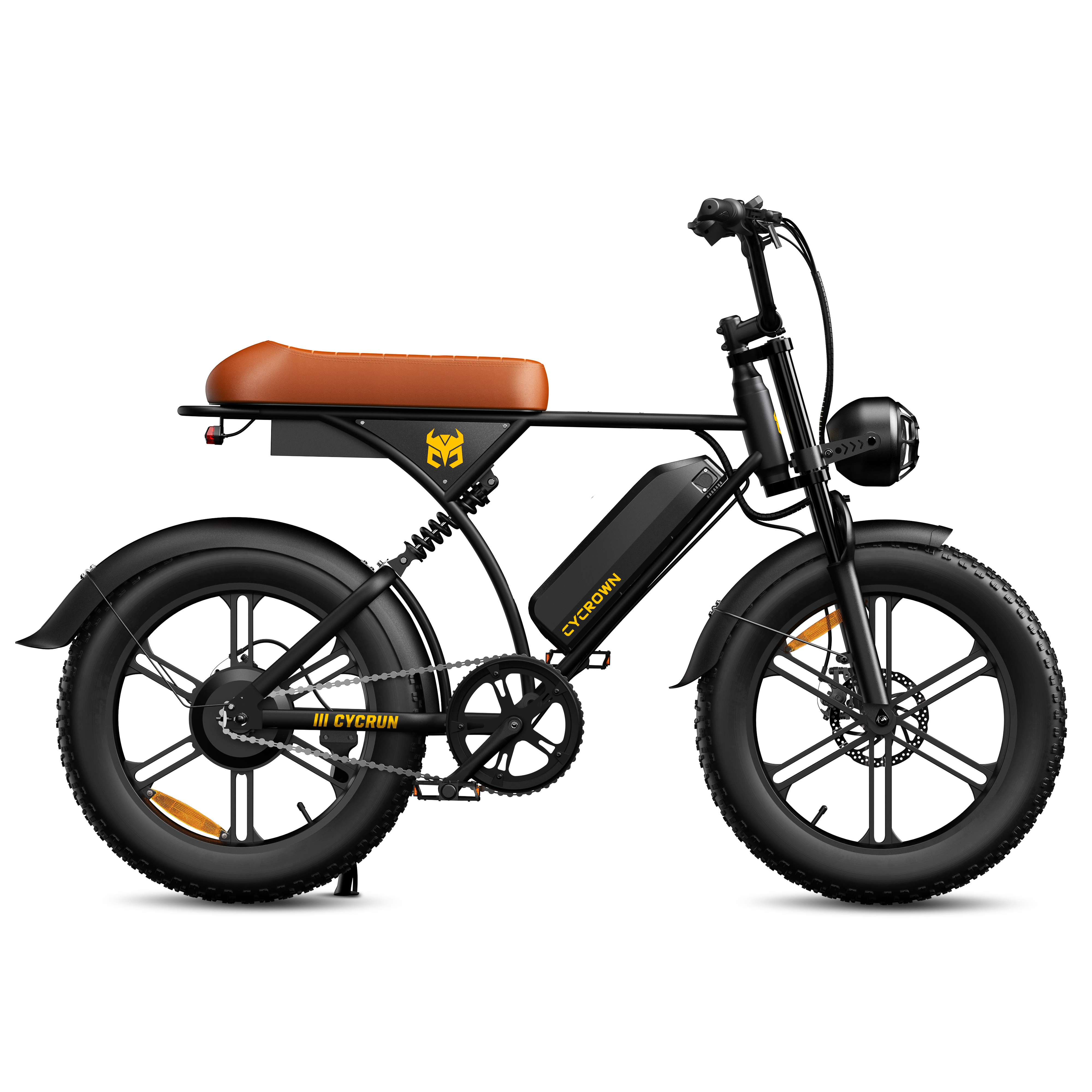
It does. Lighter commuter-style e-bikes are noticeably easier to pedal without power than heavier fat-tire or full-suspension models built for off-road terrain. A commuter e-bike like the Dremax Commuter Ebike is built with a lighter frame for daily city riding, which makes manual pedaling more manageable if the battery runs out on your commute. Heavier all-terrain builds like the Roma All-Terrain Ebike or moped-style options like the CycHunter Moped-Style Ebike are designed with bigger batteries and sturdier frames for rougher rides, which means they'll take more effort to pedal manually, but they're just as capable of getting you home if needed. If you're curious about how charging habits affect your ride time, this piece on how much it costs to charge an electric bike breaks down what to expect.
Is It Safe to Ride Without Battery Power?

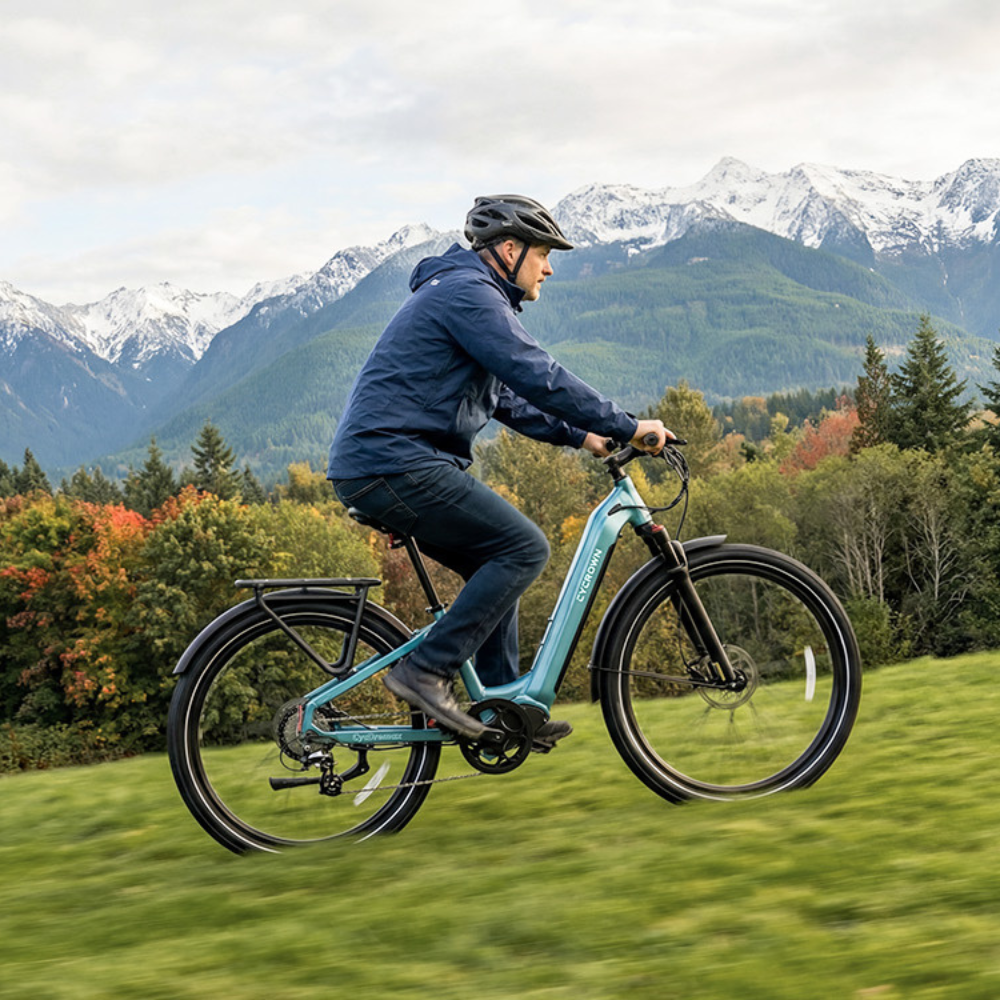
Riding an e-bike manually is safe as long as you treat it like the heavier bicycle it becomes. Give yourself more stopping distance, especially on descents, since the added weight affects braking. Avoid technical off-road trails without power if you're not used to pedaling a heavier frame, and stick to routes you're familiar with when you know you're low on charge. For everyday commuting and city riding, plenty of people choose to pedal without using pedal assist on purpose, which is part of why e-bikes have become such a practical option for avoiding traffic congestion during busy travel seasons.
Getting Home Safe, One Pedal at a Time
A dead battery isn't a dead end. E-bikes are built to function as regular bicycles when the power runs out, so a little planning around gearing, tire pressure, and route length is usually all it takes to finish a ride comfortably. Knowing how your specific bike handles without pedal assist, especially its weight and gear range, means you'll never be caught off guard the next time your charge runs low.
Quick Answers About Riding Without a Battery
Can all e-bikes be pedaled manually?
Yes, every e-bike functions as a standard bicycle through its pedals, chain, and gears even without battery power.
Does a dead battery damage the motor?
No, riding with a dead or removed battery doesn't harm the motor or drivetrain.
Will manual riding drain the battery further?
No, pedaling without power doesn't use the battery at all, so it won't drain further while you ride.
Is it harder to pedal a fat-tire e-bike without power?
Yes, heavier models built for off-road use take more effort to pedal manually compared to lighter commuter designs.
Can I still use the brakes if the battery is dead?
Yes, standard e-bike brakes are mechanical or hydraulic and work independently of the battery.


