





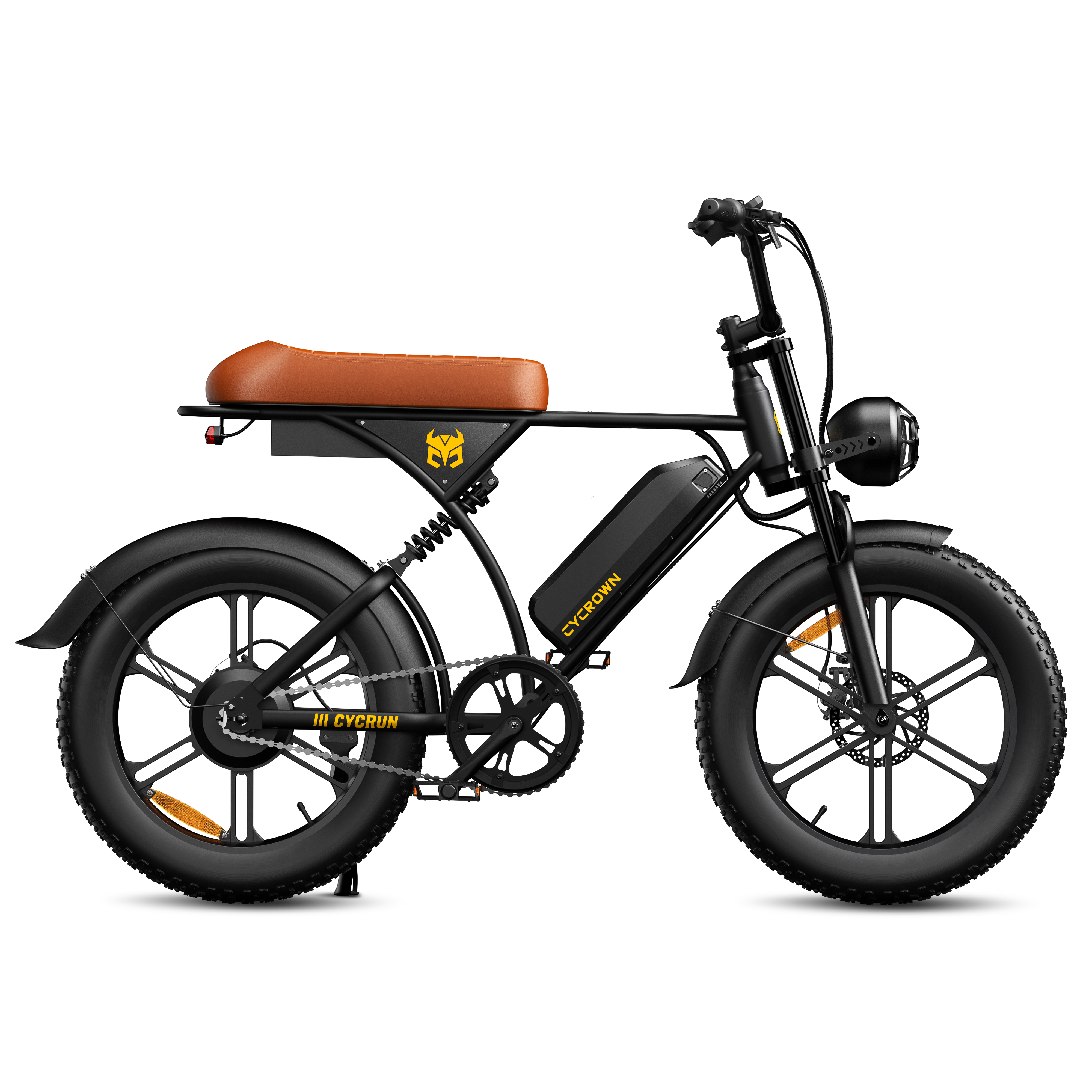
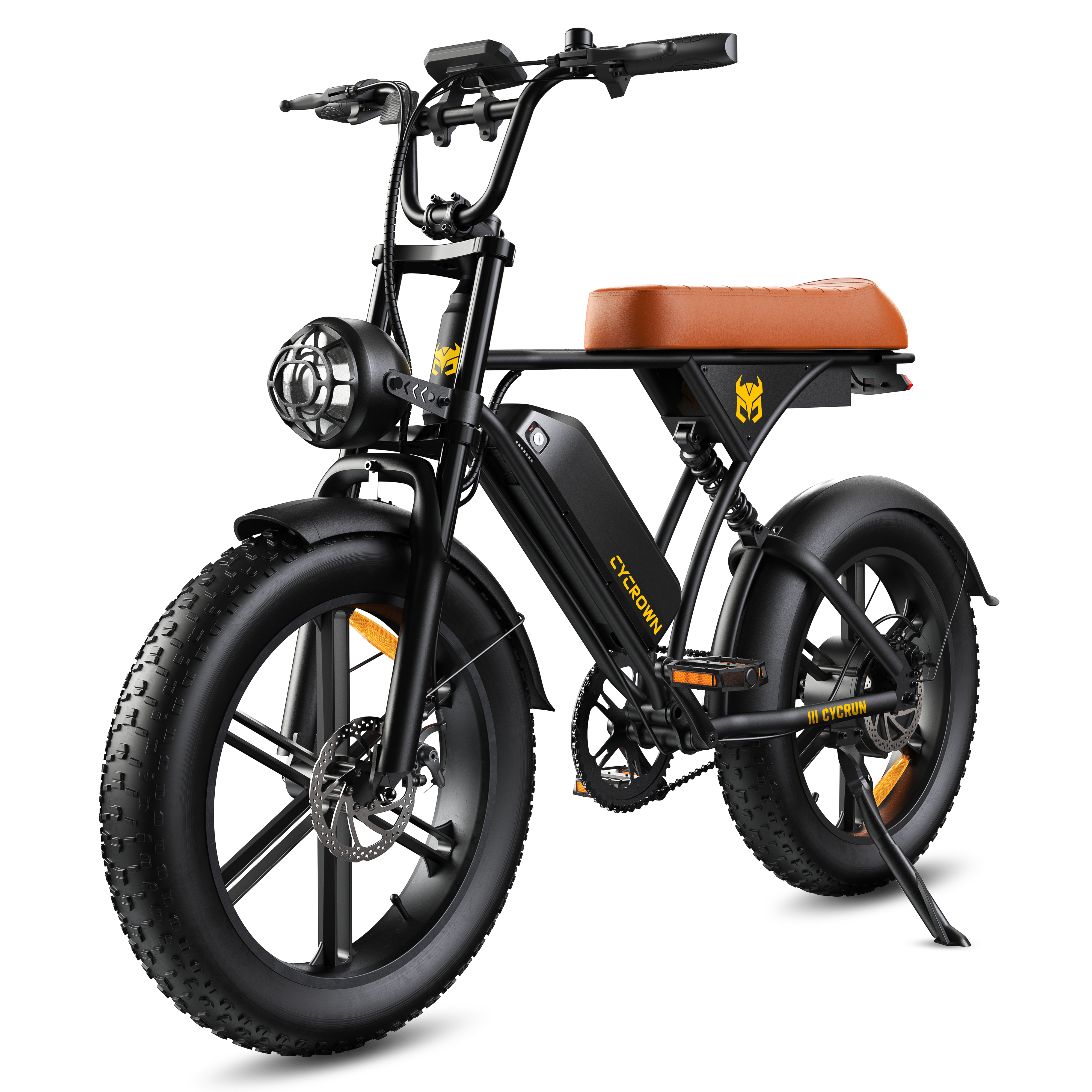



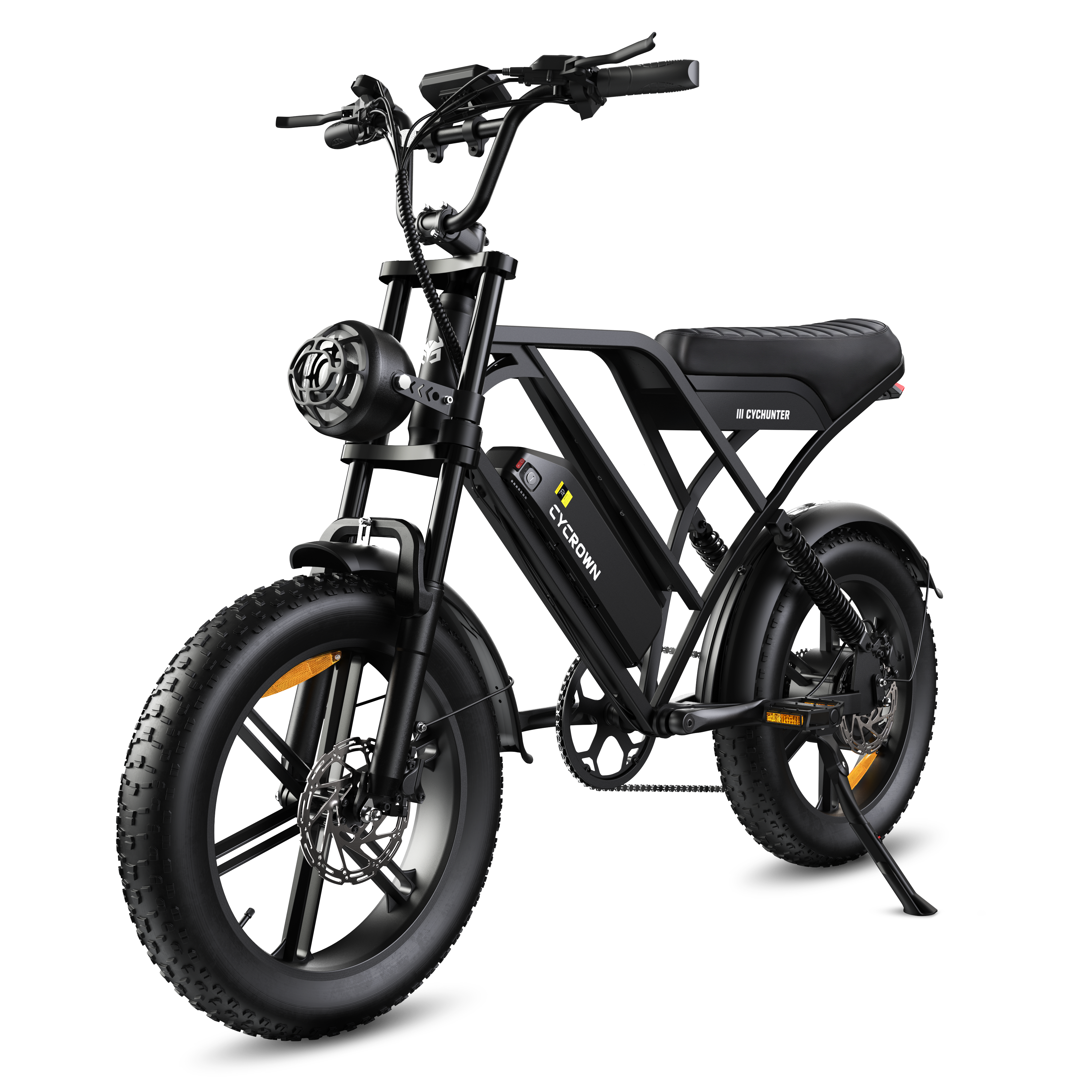
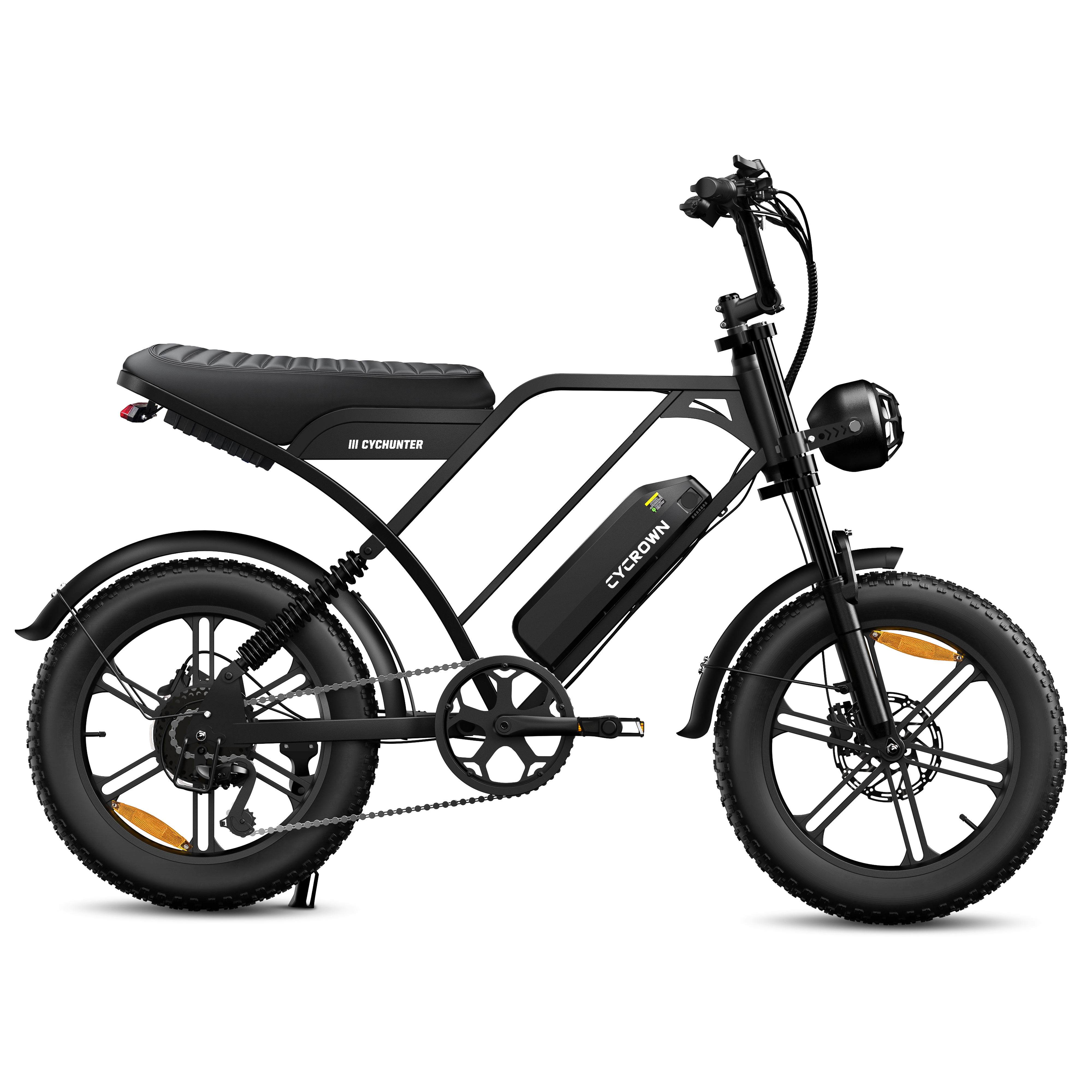




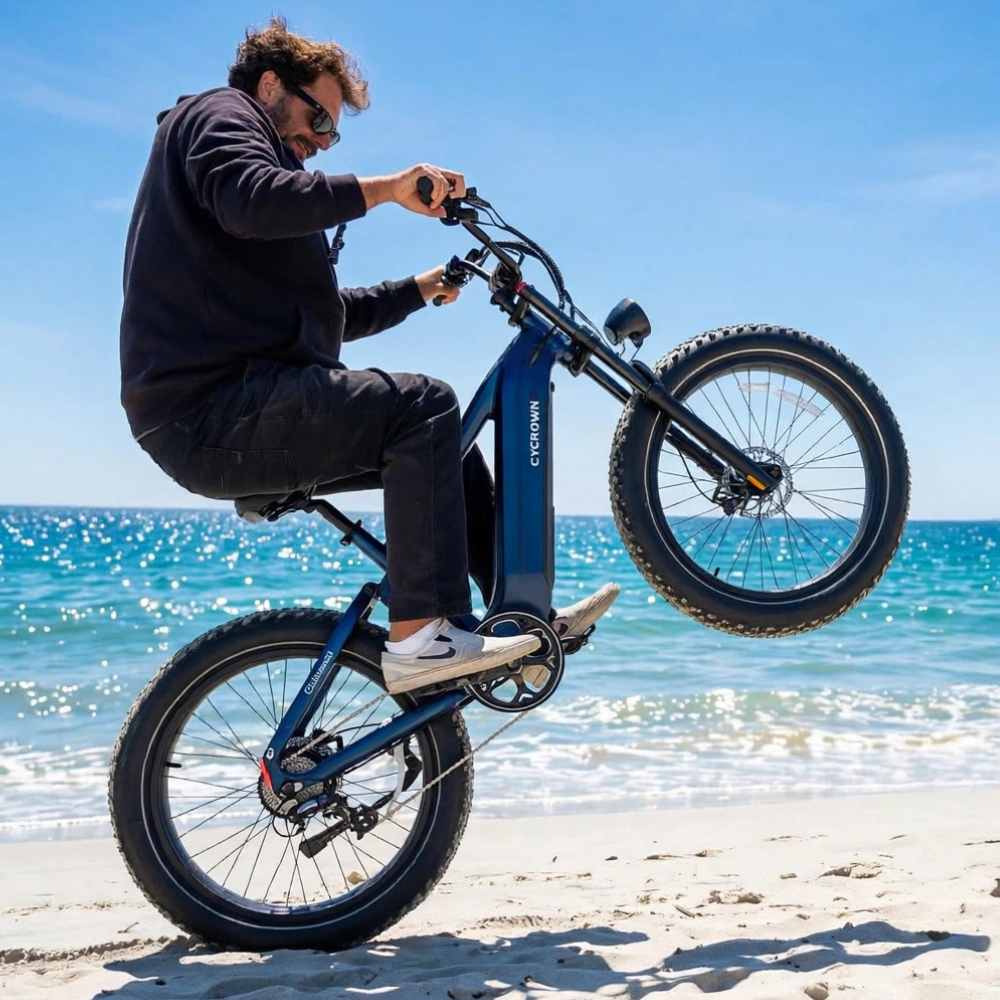
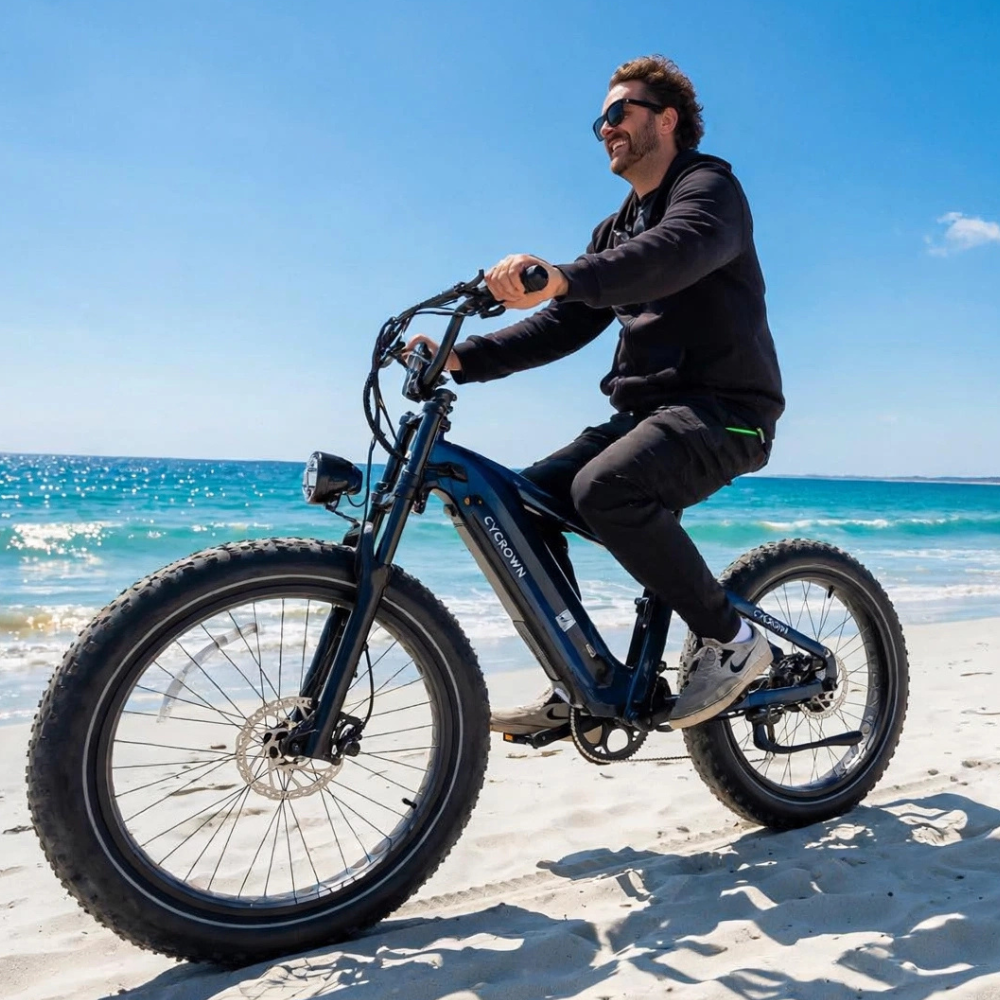
Learn how much it costs to charge an electric bike, including electricity usage, cost per mile, battery size impacts, and yearly charging expenses.
Introduction
Charging an electric bike usually costs between $0.80 and $0.90 per full charge. Even in areas with higher electricity rates, it rarely exceeds $0.20. That makes e-bikes one of the cheapest motorized transportation options available.
Now let’s break down exactly why it costs so little and what factors can affect your total charging expenses.
Understanding Electric Bike Batteries
Most modern electric bikes use lithium-ion batteries. These are lightweight, efficient, and designed to handle hundreds of charging cycles.
Battery capacity is measured in watt-hours (Wh). This tells you how much energy the battery can store.
Typical E-Bike Battery Sizes
Most e-bike batteries fall into these ranges:
250Wh-400Wh (lightweight commuter models)
400Wh-600Wh (standard commuter or hybrid bikes)
600Wh-750Wh (long-range or performance models)
750Wh-1000Wh+ (cargo or high-powered bikes)
For example, many commuter bikes use a 500Wh battery, while long-range models may include 720Wh or larger packs.
The larger the battery, the more electricity it needs to recharge, but it also provides more range. If you want a deeper breakdown of how battery size affects distance, see our list of 5 Factors That Really Affect Your Ebike's Range.
How to Calculate the Cost to Change an Electric Bike
Charging cost would depend on two things:
Battery size (in kWh)
Your electricity rate (price per kWh)
Step 1: Convert Wh to kWh
1,000 Wh = 1 kWh
A 500Wh battery = 0.5 kWh
Step 2: Multiply by Electricity Rate
Basic formula:
Cost = Battery kWh × Electricity Rate
Example:
Battery: 500Wh (0.5 kWh)
Electricity rate: $0.15 per kWh
0.5 × $0.15 = $0.075
That is about 7.5 cents per full charge.
Accounting for Charger Efficiency
Charging isn’t really 100% efficient. Most chargers only operate about 85-90%. That means, a small amount of electricity is lost as heat.
Here’s a more precise formula:
True Cost = (Battery kWh ÷ Charger Efficiency) × Electricity Rate
Using 90% efficiency:
0.5 ÷ 0.9 = 0.56 kWh
0.56 × $0.15 = $0.084
So, in the real world, the cost could be closer to 8-9 cents per change.
Take note. If your utility company offers time-of-use pricing, charging at night during off-peak hours can cut costs even further.
Average Cost to Charge an Electric Bike
Here’s what most riders can expect:
|
Battery Size |
Approx. Cost per Charge |
|
400Wh |
$0.05 – $0.08 |
|
500Wh |
$0.07 – $0.10 |
|
600Wh |
$0.09 – $0.12 |
|
750Wh |
$0.11 – $0.15 |
Even in high-cost electricity states where rates reach $0.30 per kWh, charging a 500Wh battery still costs only about $0.15.
Cost Per Mile of Riding an Electric Bike
 (CycVerve)
Looking at the cost for every mile can show the real value of e-bikes.
Most of them use:
0.01-0.02 kWh per mile.
So, if your 500Wh battery costs $0.08 to charge and delivers 40 miles or range:
Solve it by $0.08 ÷ 40 = $0.002 per mile
$0.08 ÷ 40 = $0.002 per mile
That means that it’s two-tenths of a cent a mile.
How You Ride Matters
Energy use could change depending on how you ride.
That being said, pedal assist could lower energy use. Throttle-only ride can heighten energy use, while riding through hills, cargo, and strong wind can increase consumption. Even with aggressive riding, a lot of riders spend one cent less on electricity.
What Factors Affect Electric Bike Charging Costs?
Even though charging is inexpensive, many factors can affect your total cost. Here are some factors:
Electric Rates
Rates vary by state and provider:
-
$0.10 per kWh
-
$0.20 per kWh
-
$0.30+ per kWh in some regions
Even at higher rates, e-bikes could still be extremely affordable.
Battery Size
The bigger the battery, the more it costs to charge. But it still would offer more range. A 750Wh battery would pull more out of your pocket compared to a 400Wh battery, but cost per mile remains low.
Charging Frequency
How often you charge batteries is based on how much you ride. On average, daily commuters charge 2-3 days. For casual riders, they do it once a week.
Temperature
The cold weather can lower or weaken battery range by up to 10-25%, which would increase charging frequency especially during winter.
Battery Age
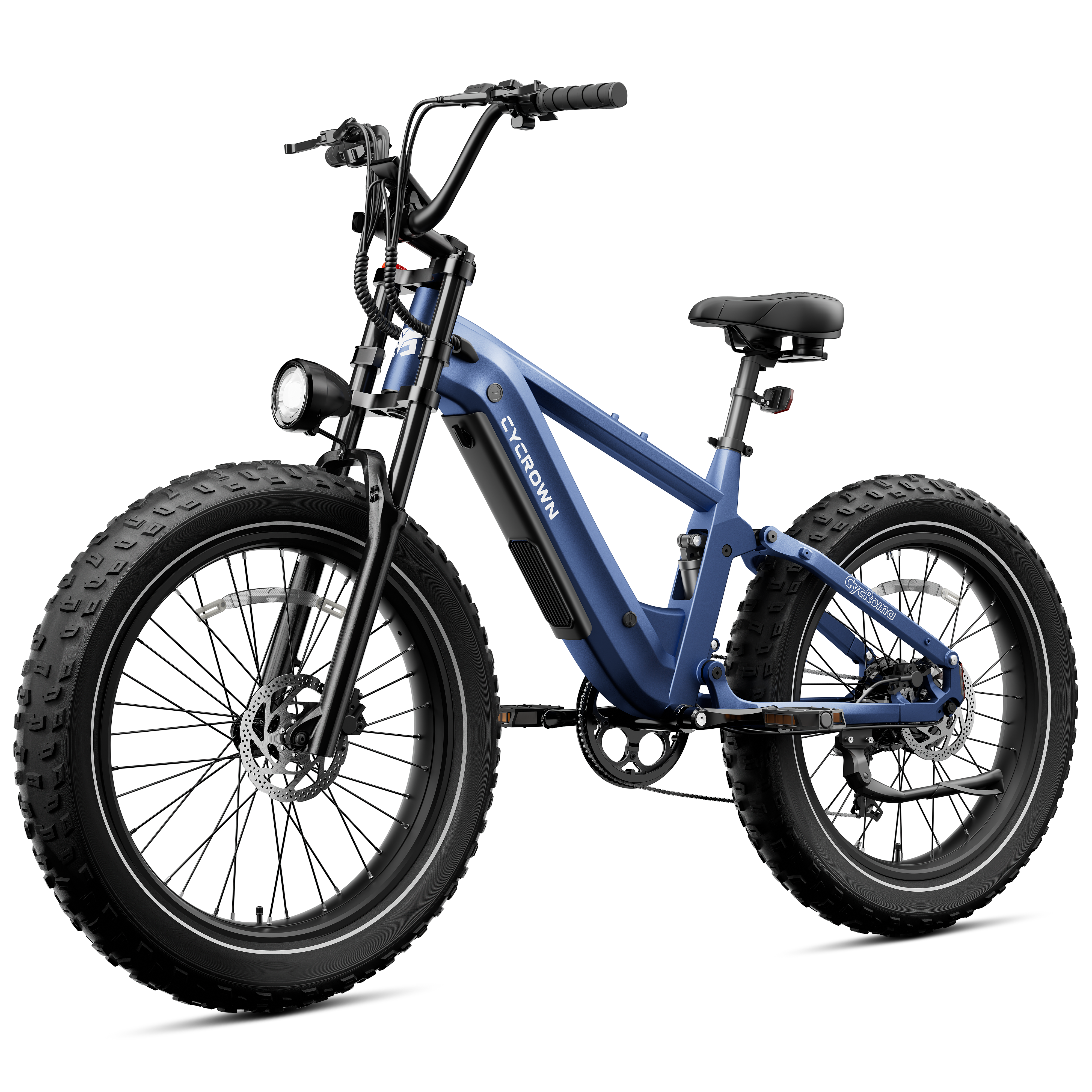
 (Roma All-Terrain)
It’s pretty understandable that as batteries get older, their capacity would gradually drop. For example, a 500Wh can only hold 400Wh after some years.
If you want to understand how to maintain your battery for long-term performance, see our full guide here.
How Much Does Charging Cost Monthly/Yearly?
Let’s break it down
For regular commuters,
A 500Wh battery can cost $0.08/charge. If they charge 15 times a month, they would spend $1.20. For a year, that would be $14.40.
Comparing E-Bikes and Other Transportation Costs
Per mile, a driver of a gasoline-powered car would spend $0.10-$0.20/mile for fuel. For electric vehicles, they cost 0.25–0.35 kWh per mile.
But for e-bike riders, they would spend $0.002-$0.01/mile for charging. By comparison, e-bikes are 10 to 15 times cheaper to power than a gas car.
What makes it less pricey is because e-bikes don’t have gas expenses, oil charges, registration fees, and insurance costs.
Hidden Costs You Might Want to Consider
Although charging is not that expensive, here are a few hidden costs you might want to keep an eye on.
-
Replacing chargers cost $30–$100 on average.
-
Other chargers could draw small amounts of electricity when left unplugged.
How to Reduce Charging Costs
Charging costs are already low, but you can maximize efficiency:
-
Use lower assist levels
-
Keep tires properly inflated
-
Avoid draining the battery to 0%
-
Store batteries at moderate temperatures
-
Keep charge between 20% and 80% when possible
Can You Charge at Work or Public Locations for Free?
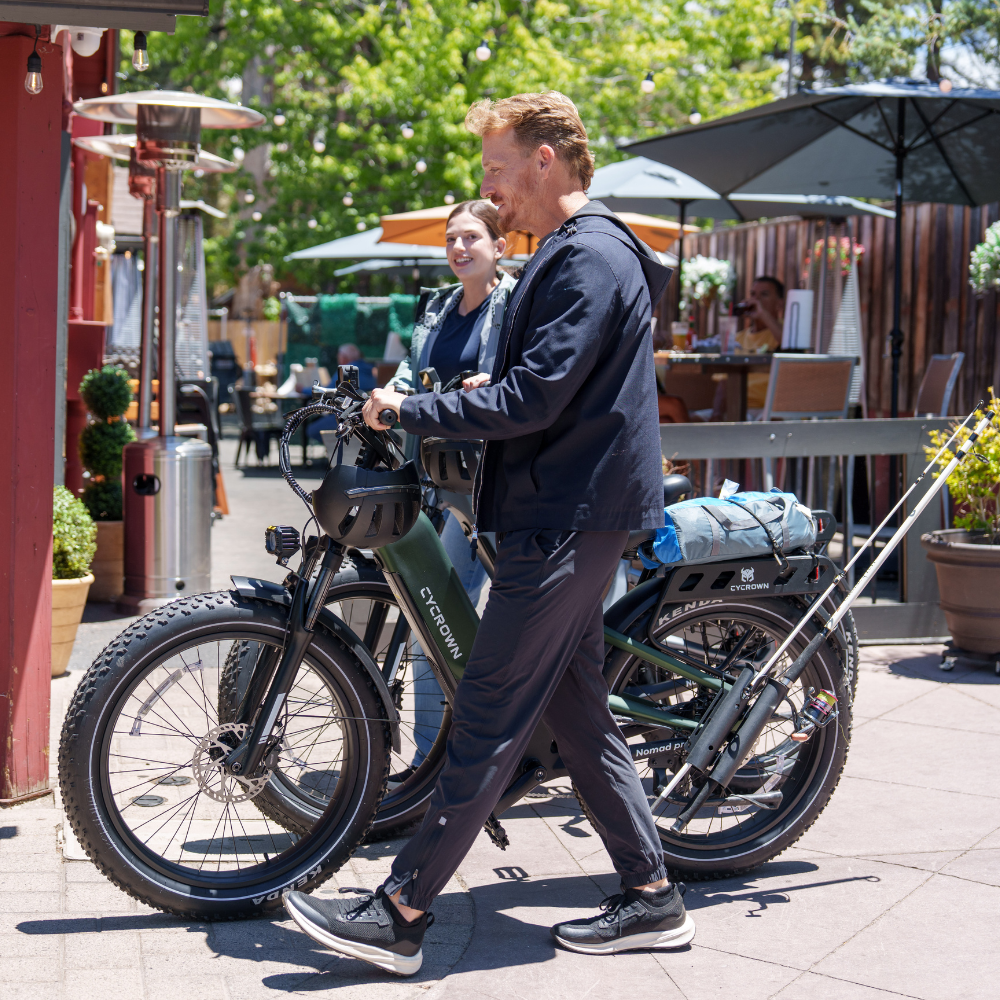
 (Nomad Pro)
Yes you can. There are some workplaces, universities, and bike-friendly cafes that offer riders to charge for free. However, always ask for permission before you plug in!
Conclusion
In general, charging e-bikes are significantly affordable. A lot of riders only spend under $30 a year on electricity for powering their bikes.
And even when you consider battery replacement, e-bikes still stand as one of the most budget-friendly transportation options out there compared to other vehicles.
If you want a low-cost way to get around, electric bikes are the ones to look out for.
Frequently Asked Questions
How long does it take to charge an electric bike?
Most batteries charge in 3–6 hours. Smaller batteries may charge in 2–3 hours, while larger ones can take 6 hours or more.
Can I charge my electric bike every day?
Yes. Lithium-ion batteries are designed for frequent charging. Partial charging is often better than draining the battery completely.
Do electric bikes use a lot of electricity?
No. A full charge typically uses 0.4–0.7 kWh, similar to running a microwave for about 30–40 minutes.
Does fast charging cost more?
Fast charging doesn’t change the electricity rate, but it may produce slightly more heat, reducing efficiency a small amount.
What happens if I overcharge my battery?
Modern e-bike batteries include a battery management system (BMS) that stops charging when full. Still, it’s best practice to unplug the charger once charging is complete.


