











Most E-Bike Issues Are Easier to Fix Than You Think
Common e-bike problems like battery charging errors, brake noise, motor hesitation, and display glitches usually come down to a handful of simple causes, and most can be fixed at home without a mechanic. E-bikes combine mechanical parts with electronics, so when something feels off, it helps to know which system is likely at fault before assuming you need a repair shop. This guide walks through the issues riders run into most often and the easy fixes that solve them.
Why E-Bike Troubleshooting Doesn't Have to Be Complicated
Most electric bike issues fall into a few categories: power delivery, mechanical wear, and connection problems. Once you know which category your issue falls into, narrowing down the fix gets a lot faster. A loose connector, a low tire, or a battery that needs reseating solves more problems than people expect.
Common Categories of E-Bike Problems
-
Battery and charging issues
-
Motor or pedal-assist inconsistencies
-
Display or control panel errors
-
Brake noise or reduced stopping power
-
Chain, gear, or drivetrain issues
Battery and Charging Problems
A battery that won't charge or doesn't hold a charge is one of the most common complaints from e-bike owners. Before assuming the battery itself is bad, check the charging port for dust or debris, make sure the connector is fully seated, and confirm the charger light indicates it's actually receiving power. Cold temperatures can also temporarily reduce a battery's ability to charge or hold capacity, so bringing the battery indoors before charging in colder months can make a noticeable difference. If your battery seems to drain faster than it used to, that's a normal part of aging, and this guide on how long electric bike batteries last breaks down what kind of lifespan to expect and how to extend it.
Motor and Pedal-Assist Problems
If your motor feels sluggish, cuts out randomly, or doesn't respond to pedal-assist the way it should, the issue is often a loose connection between the controller and the motor or a sensor that needs recalibrating. Torque and cadence sensors can sometimes lose alignment if the bike has been jostled during transport or storage. Turning the bike off and back on, and checking that all wiring connections near the motor housing are snug, resolves this in many cases without needing a replacement part.
Display and Control Panel Errors

A blank or glitchy display is unsettling, but it's rarely a sign of serious damage. It usually means a loose cable connection between the display and the main wiring harness, or a firmware hiccup that clears with a simple reset. Checking your owner's manual for the exact reset sequence for your model is the fastest way to rule this out before assuming the display itself needs replacing.
Easy Fixes for Common E-Bike Repair Tips
A few simple maintenance habits can prevent most repair headaches before they start. Regularly wipe down the connectors and charging ports to help prevent corrosion, and keep your tires properly inflated to reduce strain on the motor and battery. If you won't be riding for an extended period, store the battery at room temperature to preserve its health. It's also a good idea to check the bolts and fasteners every few weeks, as vibrations from riding can gradually loosen them. Finally, clean and lubricate the chain regularly to minimize drivetrain wear and keep your scooter running smoothly.
Brake and Drivetrain Issues
Squeaky brakes or a slipping chain are usually the most straightforward electric bike issues to solve. Brake noise often comes from dirt or debris on the rotor, which a quick wipe-down with rubbing alcohol usually clears up. A slipping or noisy chain is typically a sign it needs lubrication or a minor tension adjustment. These are common wear points on any bike, electric or not, and catching them early keeps small issues from turning into bigger repairs. If you ride a moped-style or off-road model regularly, this guide on maintaining electric dirt bike style e-bikes covers upkeep specific to those heavier-duty builds.
When to Consider Replacement Parts
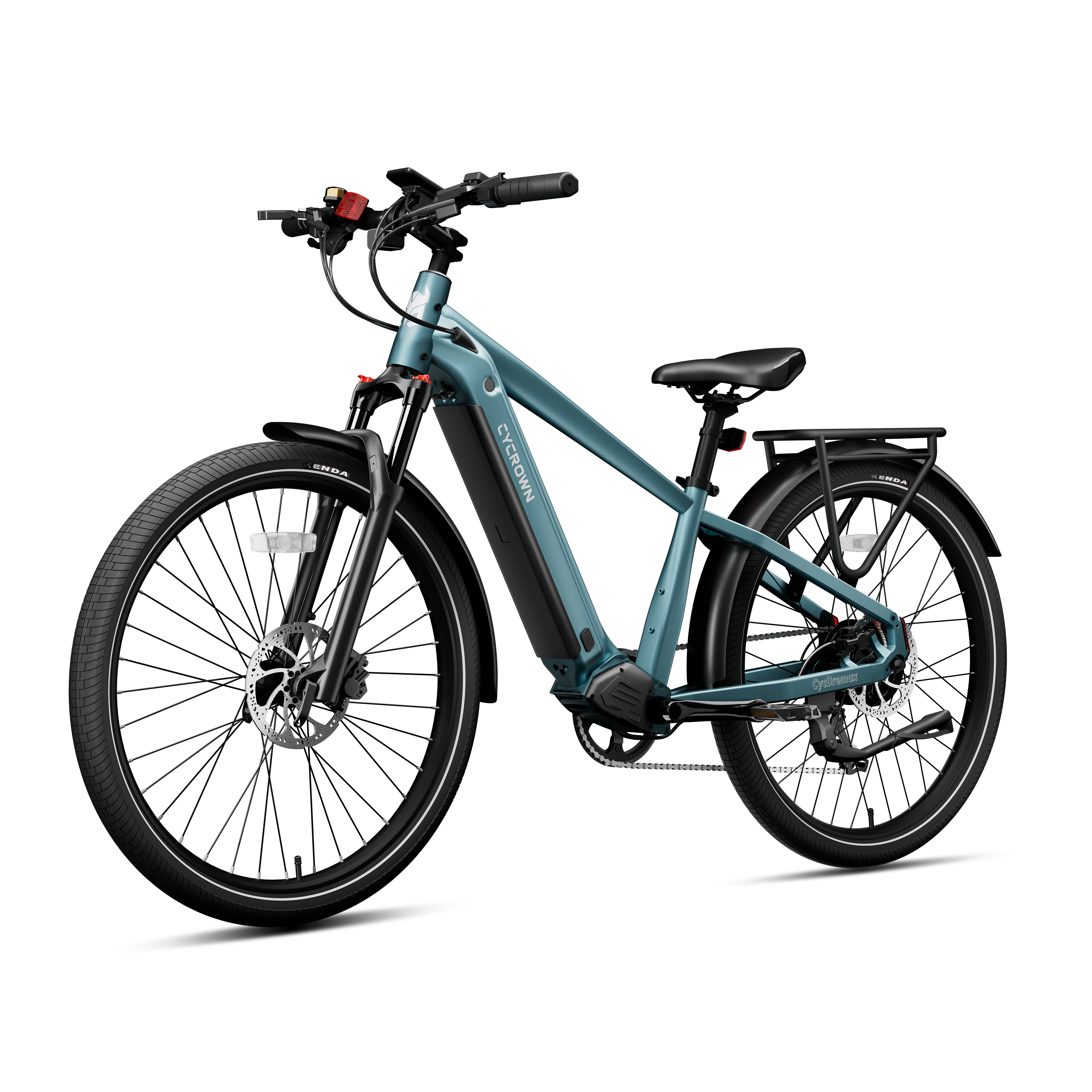
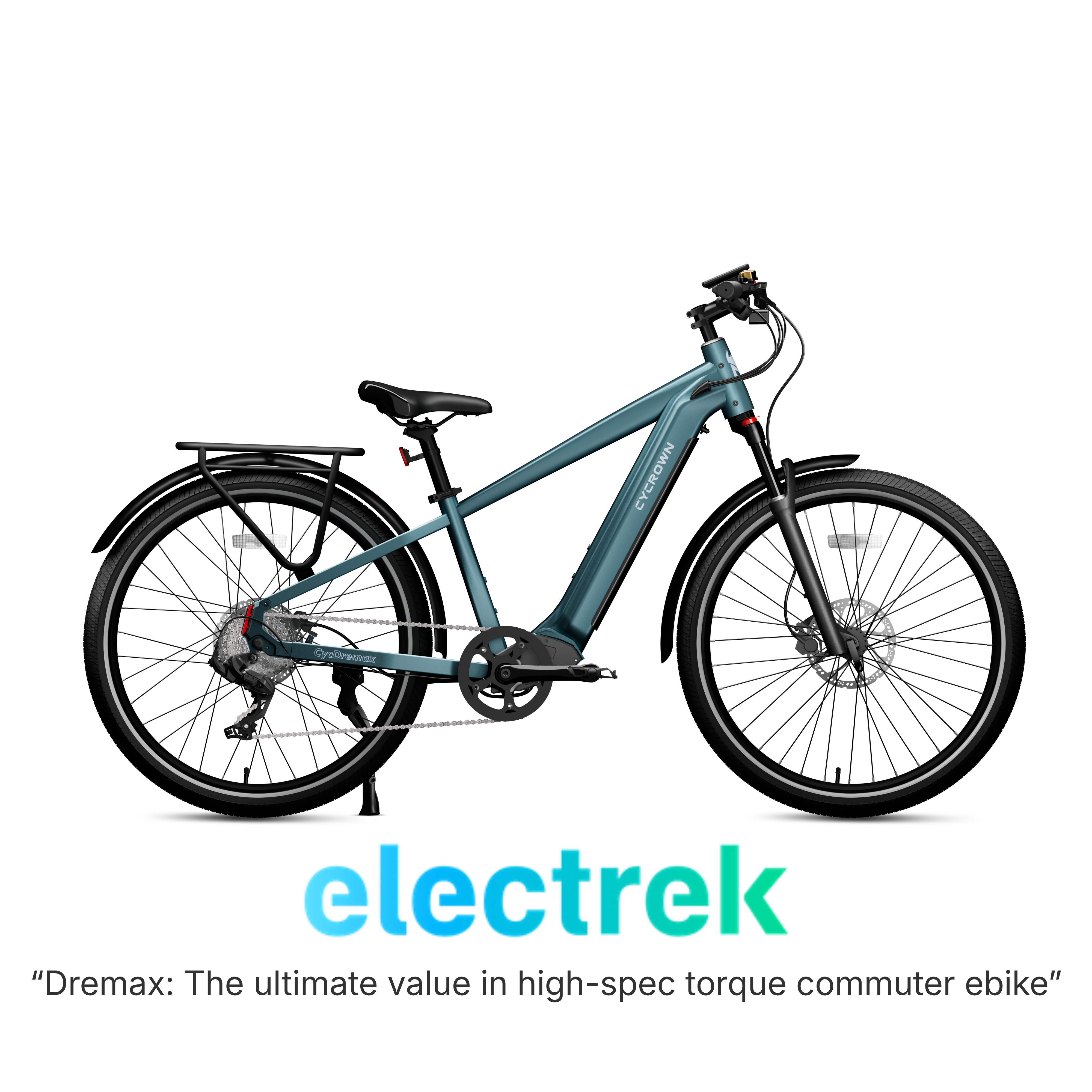
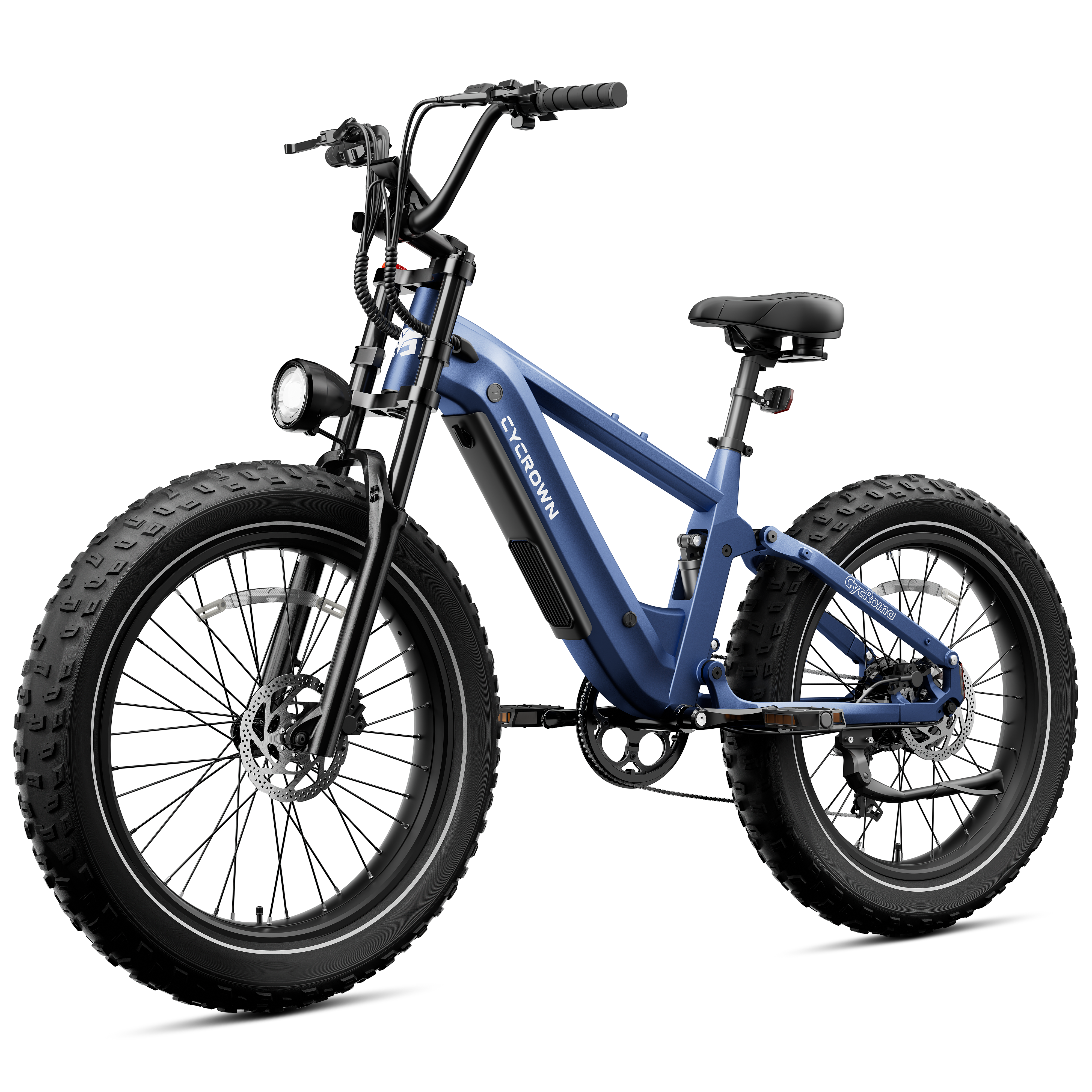
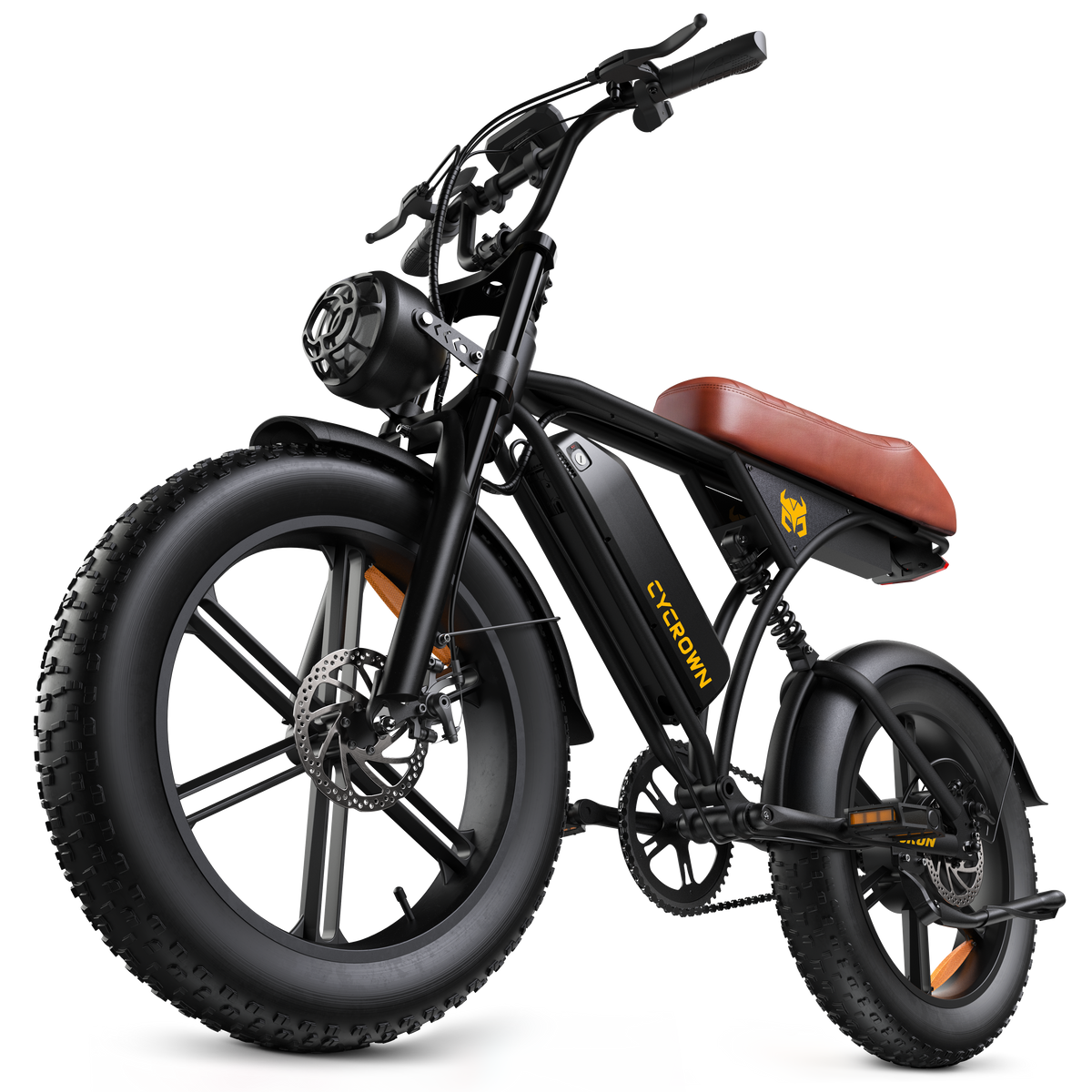
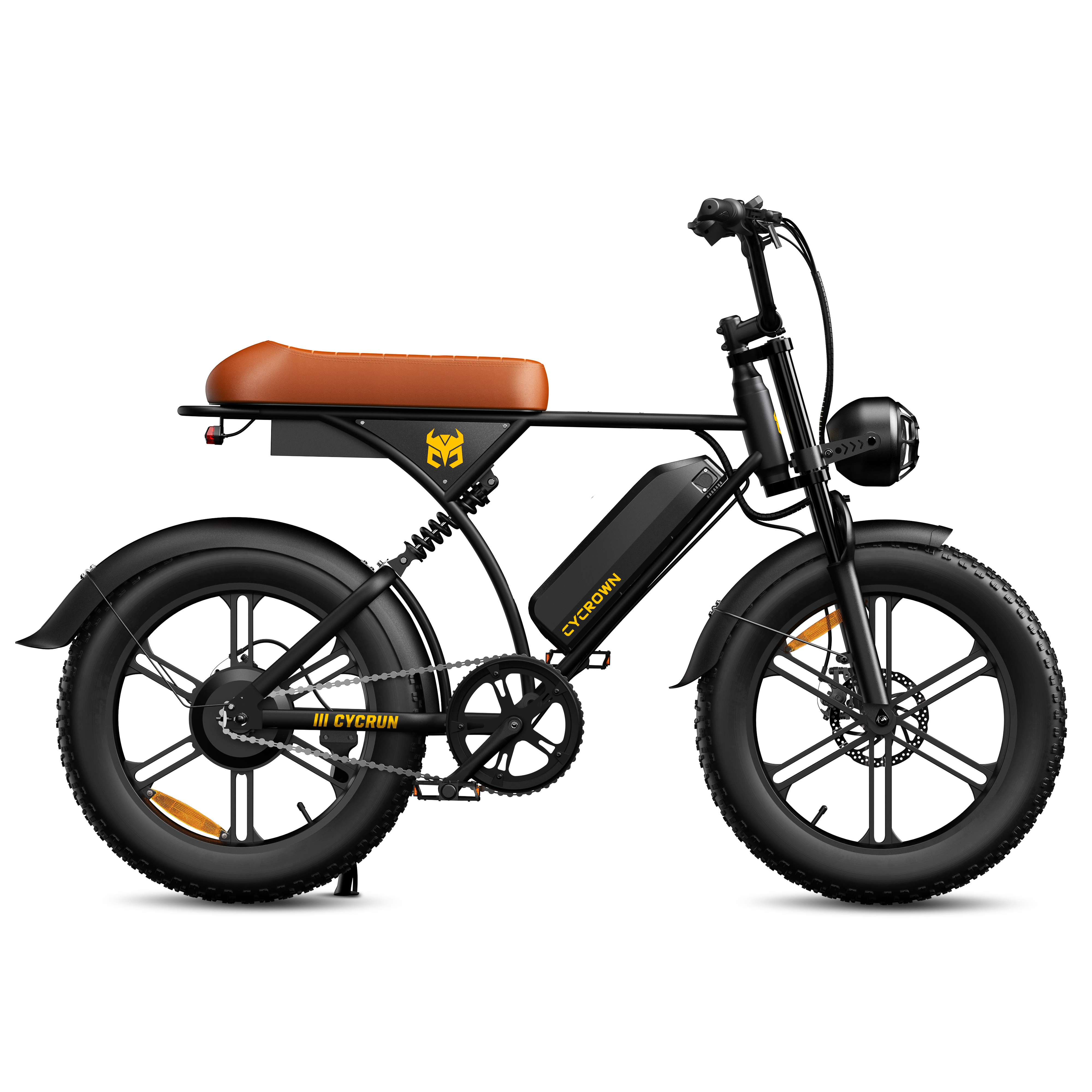
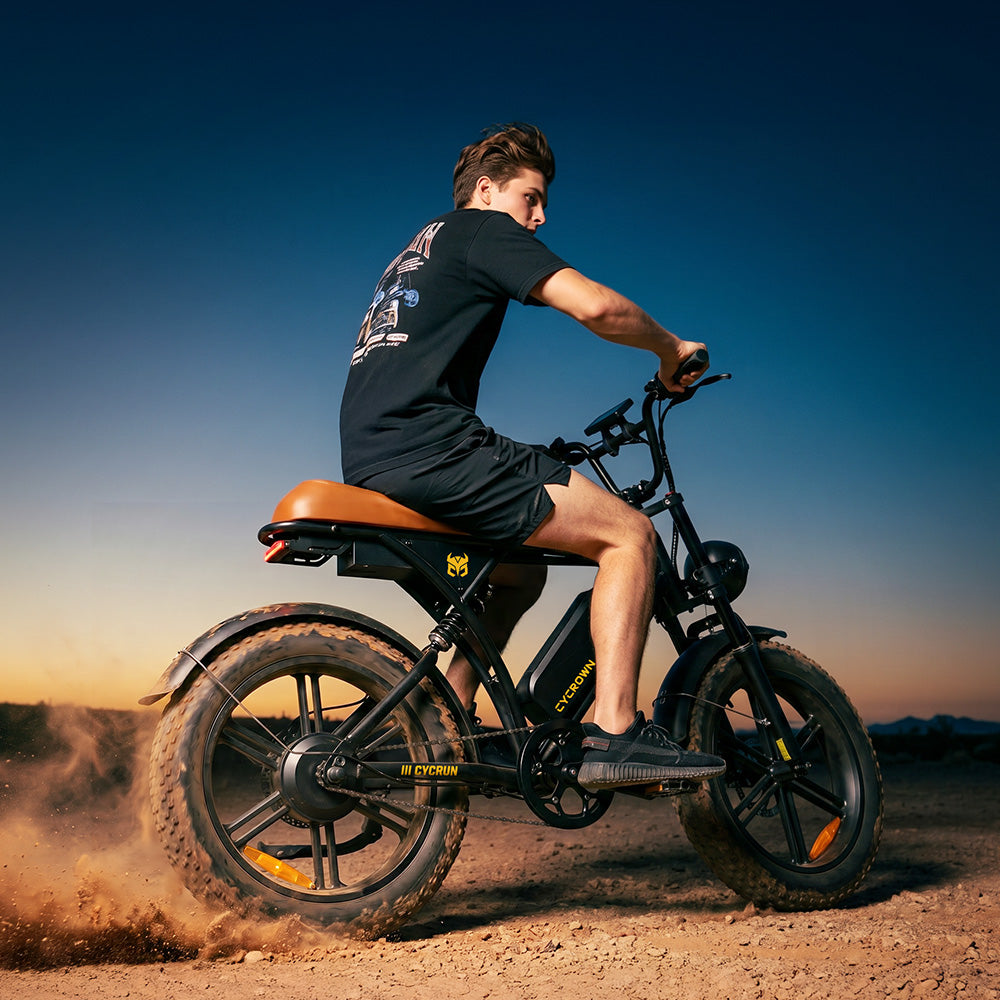
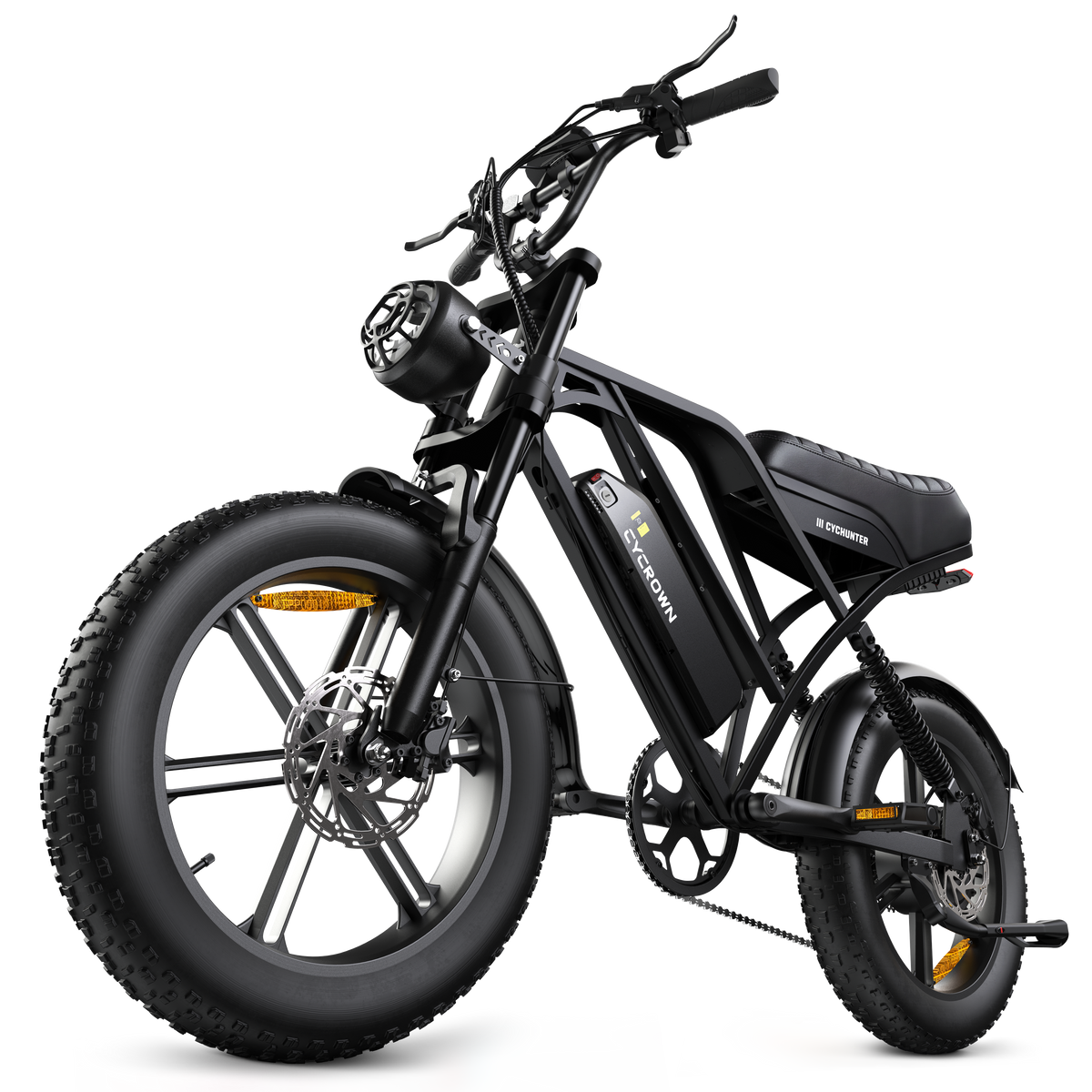
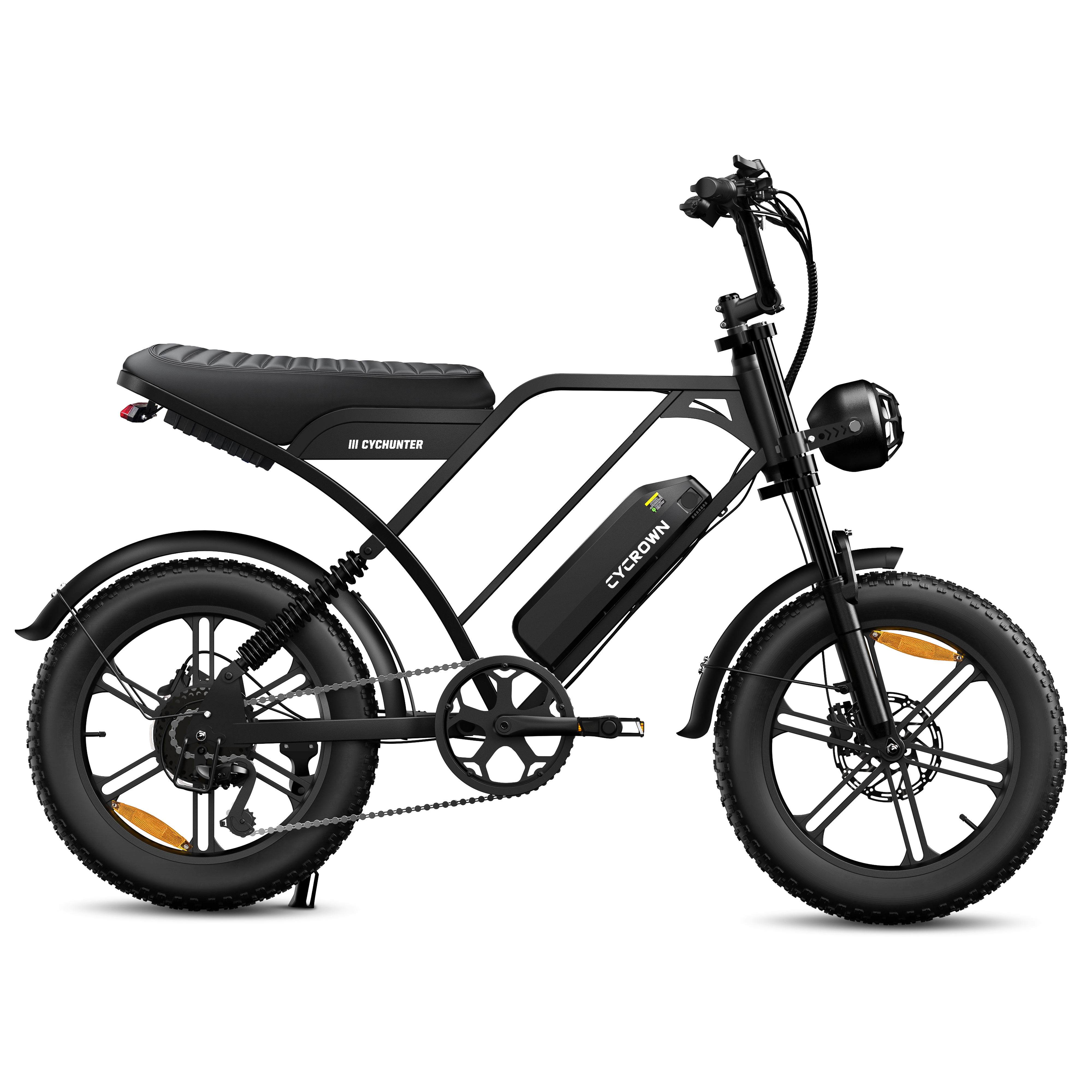
Sometimes a fix isn't about troubleshooting, it's about replacing a worn part. If your bike needs a new battery, chain, or set of brake components, it helps to source parts designed for your specific model. Commuter riders on a bike like the Dremax Commuter Ebike will have different part needs than someone riding an off-road build like the Roma All-Terrain Ebike, and moped-style riders on something like the CycHunter Moped-Style Ebike may deal with different wear patterns due to the added weight and power. Checking your model's specs before ordering parts saves time and avoids compatibility issues.
Keeping Your Ride Running Smoothly
Most e-bike problems aren't complicated once you know where to look. A little routine maintenance, from checking connections to keeping the drivetrain clean, prevents the majority of issues before they start. And when something does go wrong, working through the basics first, power, connections, and wear, usually gets you back on the road without needing a full repair shop visit.
Quick Answers to E-Bike Troubleshooting Questions
Why won't my e-bike battery charge?
It's usually a dirty charging port, a loose connector, or cold temperatures affecting the battery's ability to accept a charge.
Is a sluggish motor a sign of a bigger problem?
Not always, since loose wiring connections or a misaligned sensor are often the real cause and are simple to fix.
Can I fix display errors myself?
Yes, most display issues clear up with a reset or by checking the cable connection to the main wiring harness.
How often should I check my e-bike for common issues?
A quick check every few weeks, including tires, bolts, and the chain, helps catch small problems early.
Do heavier e-bikes have more repair needs?
Heavier models like moped-style or all-terrain builds may see more wear on brakes and drivetrain components due to added weight and power.


