



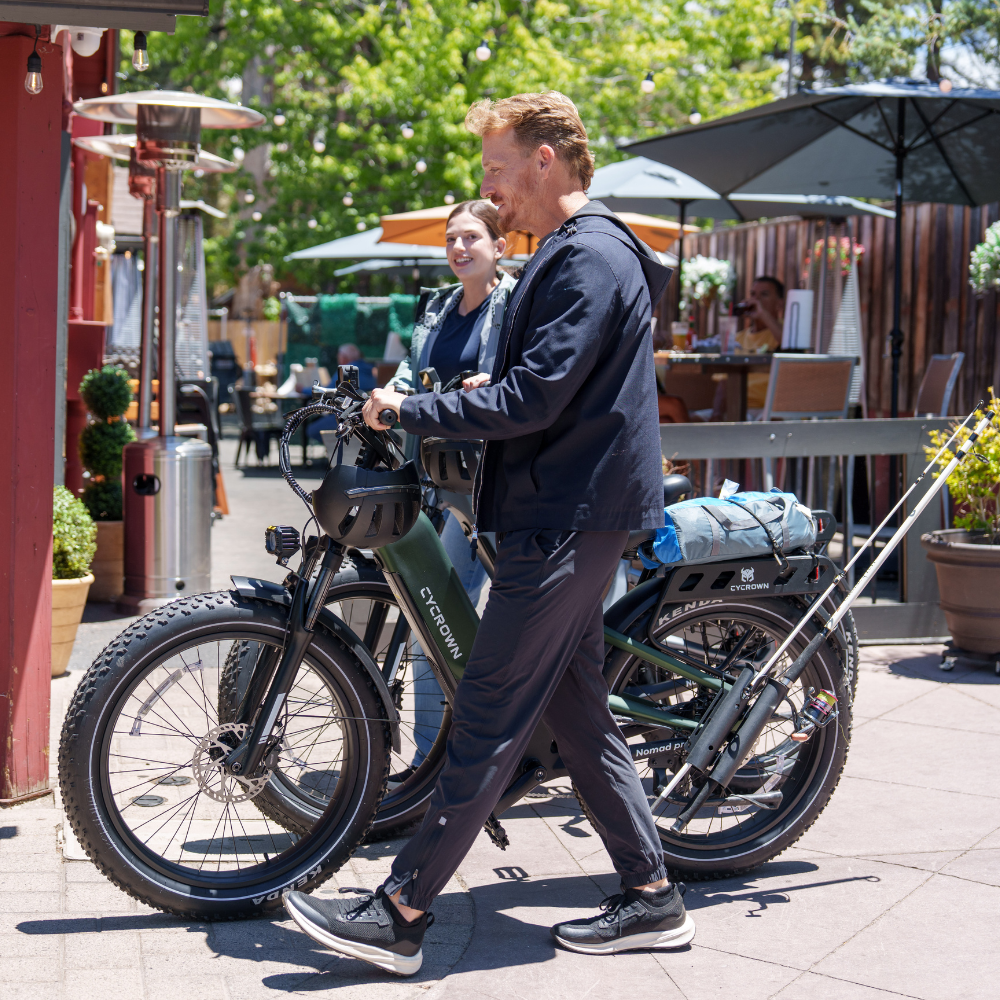


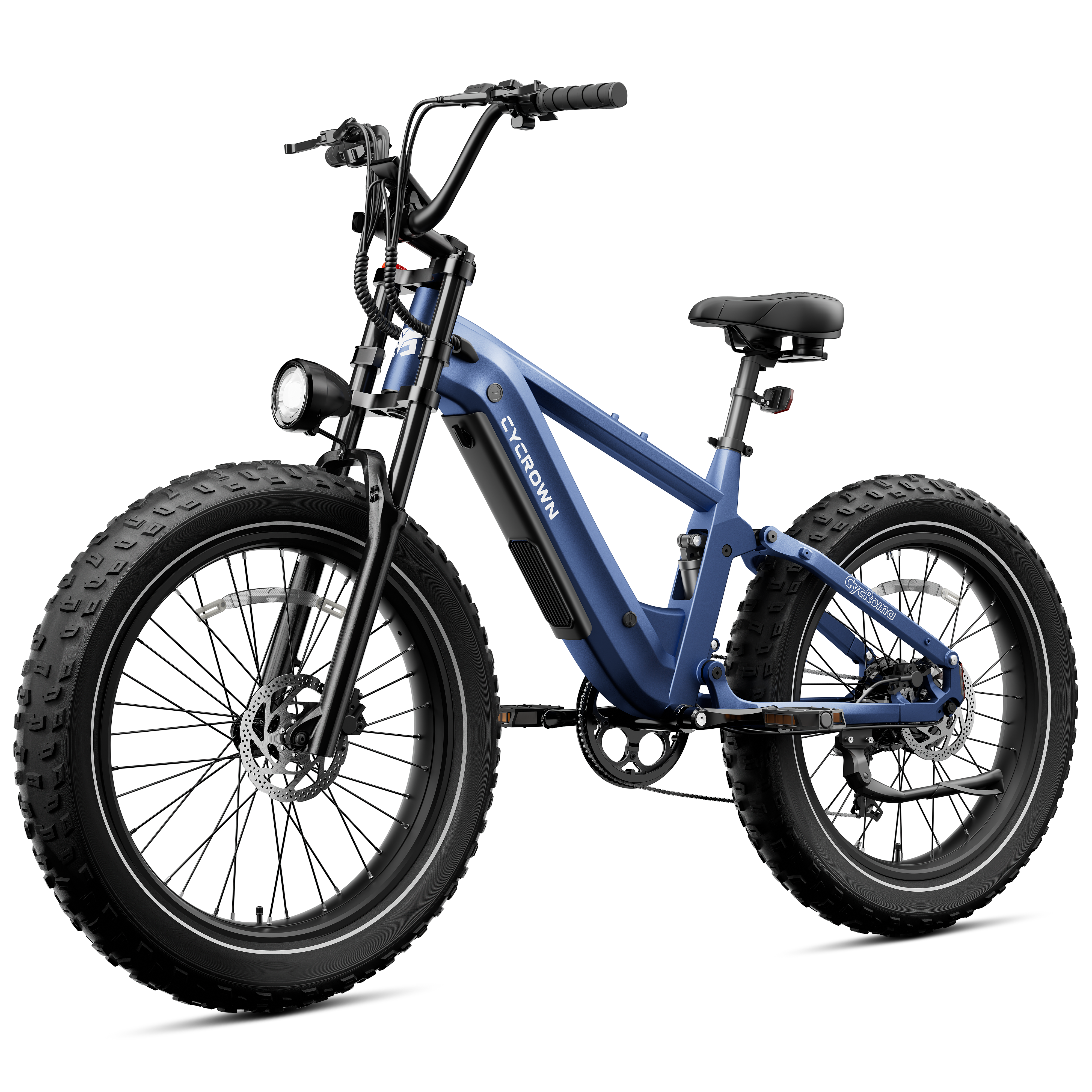

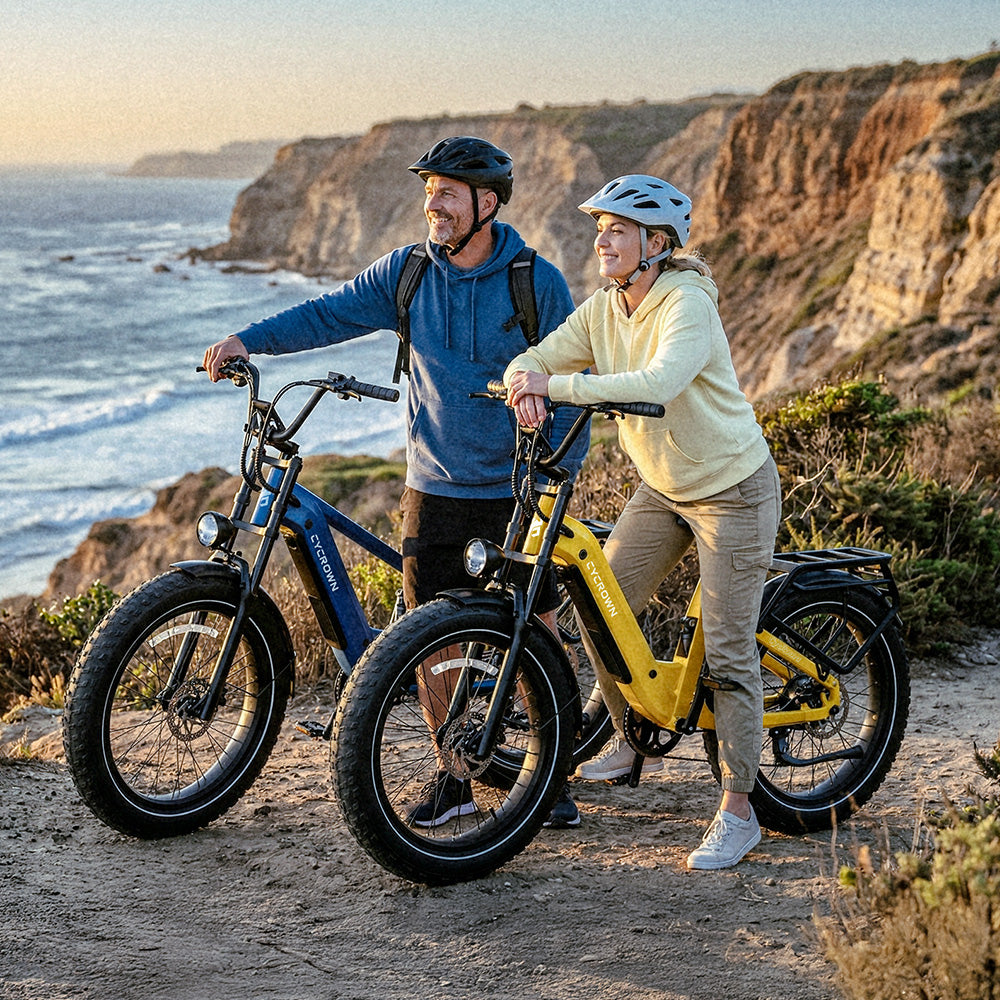
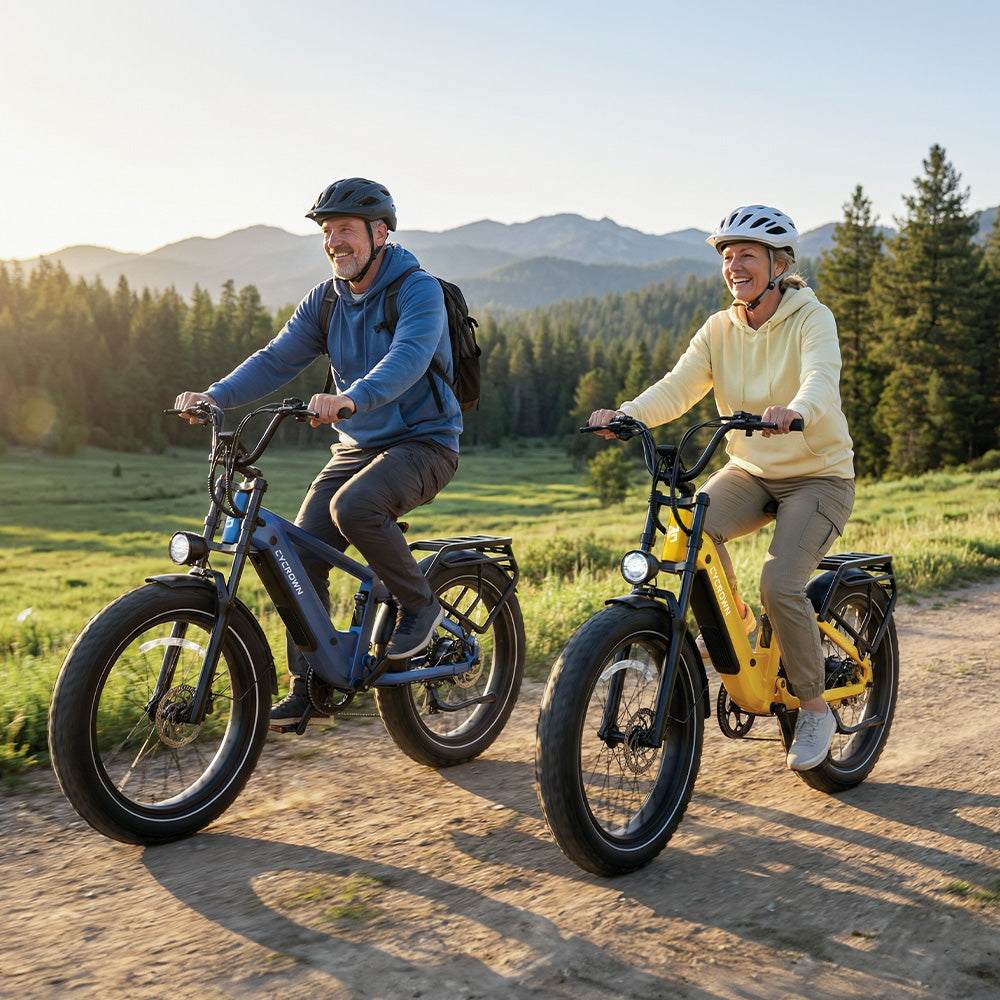

Learn how long electric bike batteries last, what affects lifespan, how many charge cycles to expect, and practical tips to extend battery life.
Introduction
 (Verve)
Three to five years. That's the honest answer for most riders.
But honestly, that number doesn't tell you much on its own. Some people are still riding on their original battery after six years. Others are shopping for a replacement at the two-year mark wondering what went wrong. The difference usually isn't the battery, it's everything around it. How you charge it, where you store it, how hard you push the motor on climbs.
This guide breaks all of that down. By the end, you'll have a clear picture of what's actually draining your battery's lifespan, and what you can do about it.
First, What Even Is a Charge Cycle?
Almost every e-bike battery spec sheet throws around a number like "800 charge cycles" but a lot of riders misread what that means.
A charge cycle isn't one full charge. It's 100% of the battery's total capacity used up, however that happens.
So if you ride until you've used half the battery, plug in, then do the same thing the next day, that's one cycle. Not two. The usage is cumulative. It's a small distinction but it actually changes how you should think about your daily habits.
And here's the thing about those 800 cycles: the battery doesn't die at cycle 801. It just gets worse gradually. By the time you've hit that number, you might be looking at 70-80% of the range you started with. Annoying, but not a dead bike.
So How Long Is That In Real Life?
Depends entirely on how often you ride.
|
Rider Type |
Cycles Per Year |
Rough Lifespan |
|
Weekend-only |
100-150 |
5+ years |
|
Regular commuter |
200-300 |
3-5 years |
|
Daily heavy use |
300-400+ |
2-4 years |
Here's a quick example to make that concrete. Say your daily commute is 30 km round trip and your battery does about 60 km per charge. That's a full charge every two days; roughly 180 cycles a year. On an 800-cycle battery, you're looking at around 4 to 4.5 years before range starts dropping off noticeably.
That's actually pretty solid. Most riders upgrade to a new bike at that point anyway. However, there could be factors that may affect your bike’s range.
What's Actually Killing Your Battery
How You Charge It
This one surprises people. The charger isn't the problem; the habits around charging are.
Lithium-ion batteries hate sitting at extremes. Fully drained, or fully topped up for long stretches. It stresses the cells in a way that compounds over hundreds of cycles. The practical fix is keeping it somewhere in the 20–80% range as your everyday habit. You don't need to be precise about it, just stop routinely charging to 100% and leaving it there overnight.
How Hard You Ride
Hammering the throttle from every stop, maxing out pedal assist on flat ground, treating every hill like a race, all of that burns through the battery faster per ride, which means more cycles per year. It adds up quicker than people think.
What You're Hauling Up What Kind of Hills
Steep terrain and extra weight both pull more power from every ride. There's nothing wrong with any of that, it's what e-bikes are built for, but if this describes your typical route, expect to replace your battery a bit sooner than the average numbers suggest.
Temperature
Hot summers accelerate chemical aging inside the cells. Cold winters temporarily tank your range. Neither extreme is great, but the real damage usually comes from storage; leaving a battery in a freezing garage all winter, or in a hot shed through summer, does lasting harm that no amount of good riding habits can fix.
Battery Size
A bigger battery (higher Wh) lasts longer, not because it's better built, but because it cycles less often. A 720Wh battery doing the same daily commute as a 360Wh one only needs to be charged half as often. Fewer cycles per year means more years before capacity drops.
Warning Signs Your Battery Is Wearing Out
These things happen gradually, so they're easy to miss until they're obvious:
-
Range keeps getting shorter, even on the same routes
-
Battery percentage jumps or drops suddenly rather than declining steadily
-
Takes noticeably longer to charge than it used to
-
Power noticeably weaker on hills compared to when the bike was new
-
The battery drains faster when the motor is working hard
Gradual decline over years is just aging. Sudden changes, especially sudden drops in capacity are worth getting checked out.
What Actually Extends Battery Life
 (ROMA)
Nothing complicated here. Just habits worth building:
Charging:
-
Aim for 20-80% as your everyday range
-
Unplug after a full charge; don't leave it overnight regularly
-
Use the charger that came with the bike
-
Fast charging is fine occasionally, not as your daily method
Storage:
-
Keep it indoors, temperature-controlled if possible
-
Long-term storage? Aim for 40-60% charge, not full and not empty
-
Give it a top-up every few weeks if it's sitting unused for a long time
One thing most people don't expect: leaving your e-bike unused for months is actually harder on the battery than riding it regularly. Consistent moderate use keeps things stable. A battery sitting fully charged in a shed for six months comes back worse than one that's been ridden all year.
For a more detailed step-by-step guide, you can read how to charge and maintain your e-bike battery for longer life, which explains proper charging routines and storage tips in depth.
Replacing the Battery: What to Know
Most e-bikes let you swap the battery when it's time. The downside is cost; expect to pay somewhere around 30-50% of what the whole bike originally cost. That stings.
Worth checking before you buy: does the brand actually support their batteries long-term? Some manufacturers make replacements easy to find for years. Others quietly discontinue them and leave you hunting for third-party options of questionable quality. It's the kind of thing you only think about when you need it, but it's smart to look into beforehand.
Conclusion
Three to five years, 500 to 1,000 cycles, that's the realistic window for most e-bike batteries. But those are averages, and averages hide a lot.
The riders who hit five or six years on a single battery aren't doing anything complicated. They're charging within a reasonable range, storing the battery properly when it's not being used, and not leaving it sitting at 100% for weeks at a time. Small habits, consistent application.
If you're deciding whether an e-bike battery is worth the long-term investment, it is. Just understand that how long it holds up is largely your call.
FAQ
How many years does an electric bike battery last?
For most riders, somewhere between 3 and 5 years. If you're riding less frequently and taking care of the battery, 5+ years is realistic.
How many charge cycles can an e-bike battery handle?
Most are rated for 500 to 1,000 full cycles. After that, the battery doesn't stop working, it just holds less charge than it used to.
Can I leave my e-bike battery charging overnight?
Occasionally it's fine. As a regular habit, it shortens lifespan, lithium batteries don't like sitting at 100% for long stretches.
Does cold weather permanently damage an electric bike battery?
Riding in the cold temporarily reduces range but doesn't cause lasting harm. Storing the battery in freezing conditions for weeks or months is a different story, that can permanently reduce capacity.
When should I replace my electric bike battery?
Most riders pull the trigger when range drops to around 60-70% of what it originally was, or when reduced performance genuinely affects how they use the bike day to day.


