









Your Move-In Day Packing List Just Got One More Item
If you're riding to class this fall, the accessories you pack matter almost as much as the bike itself. A good lock, a working light set, and somewhere to strap your backpack can be the difference between a smooth first week and a frustrating one. This guide walks through exactly what to buy before move-in day, in the order you'll actually need it.
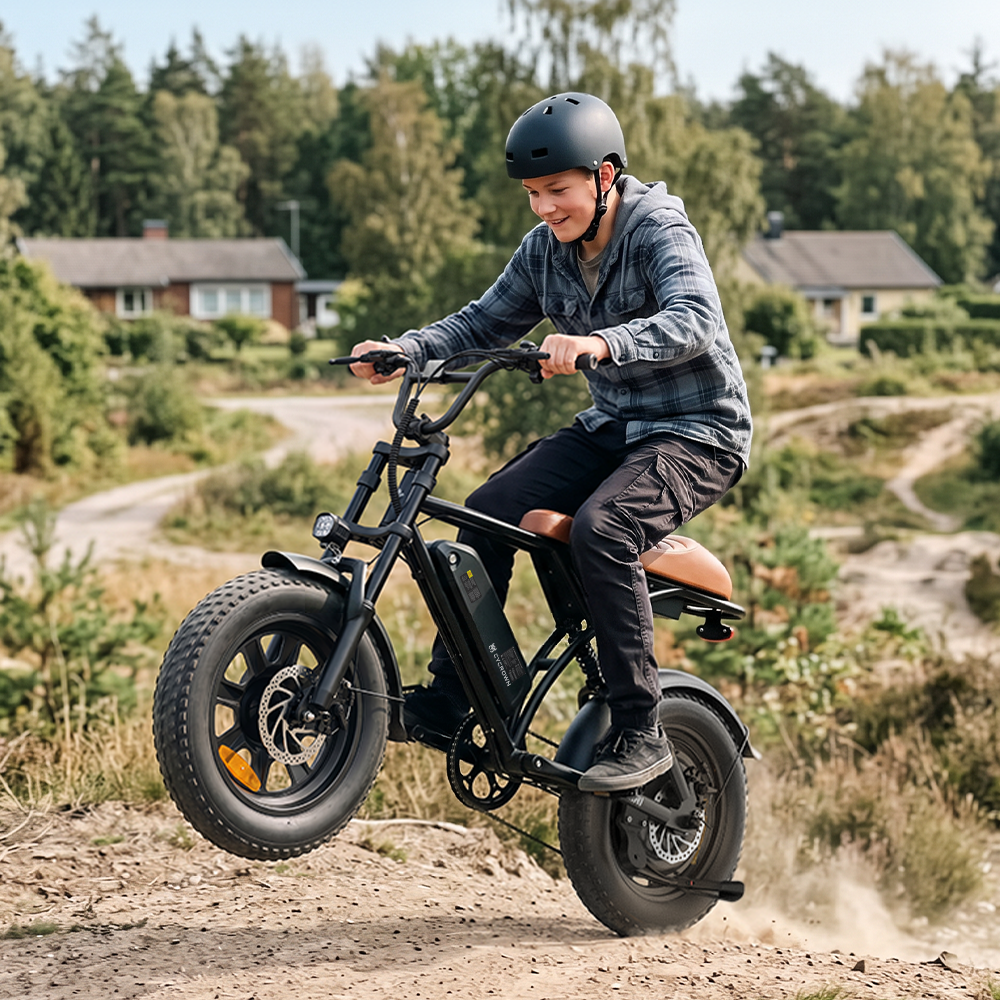
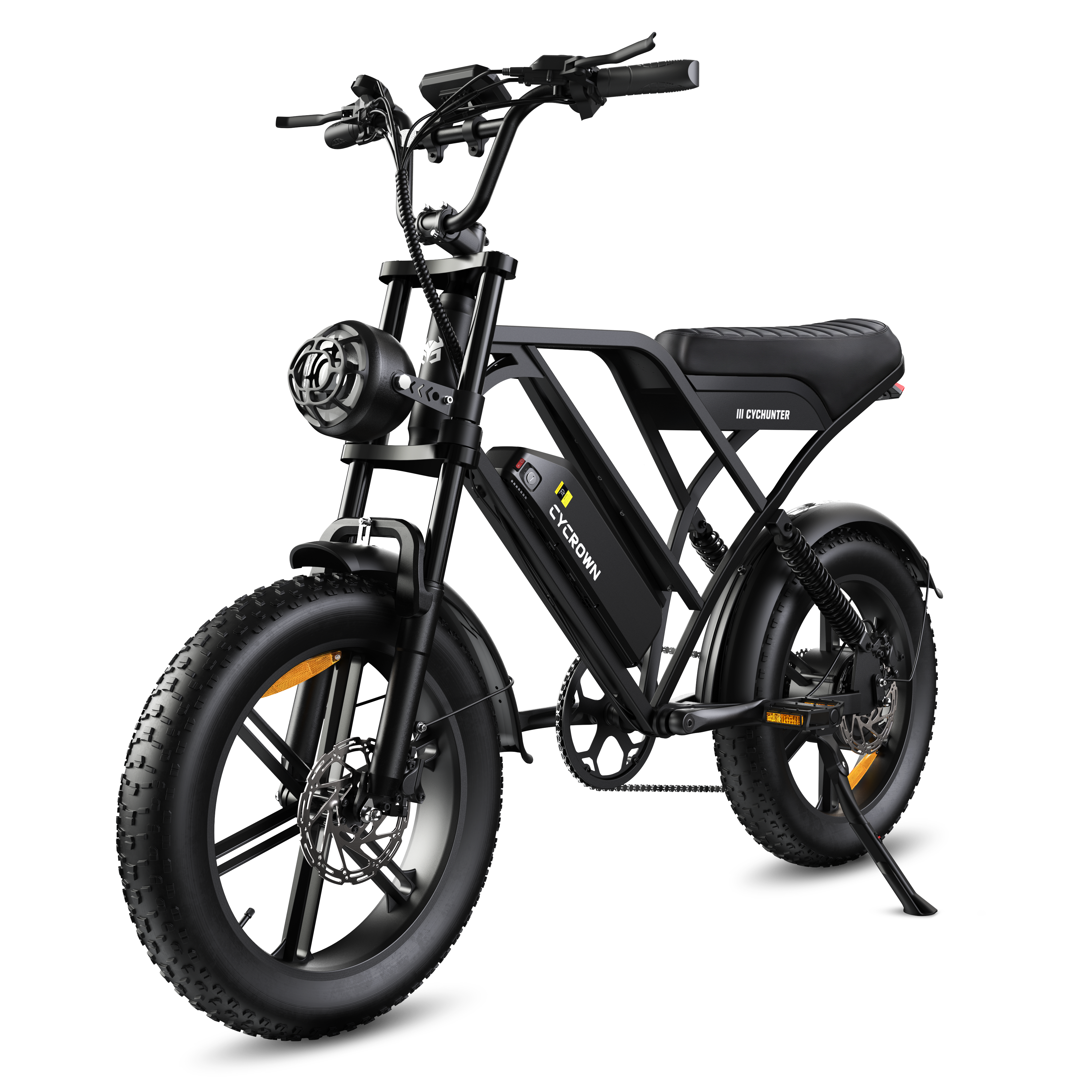
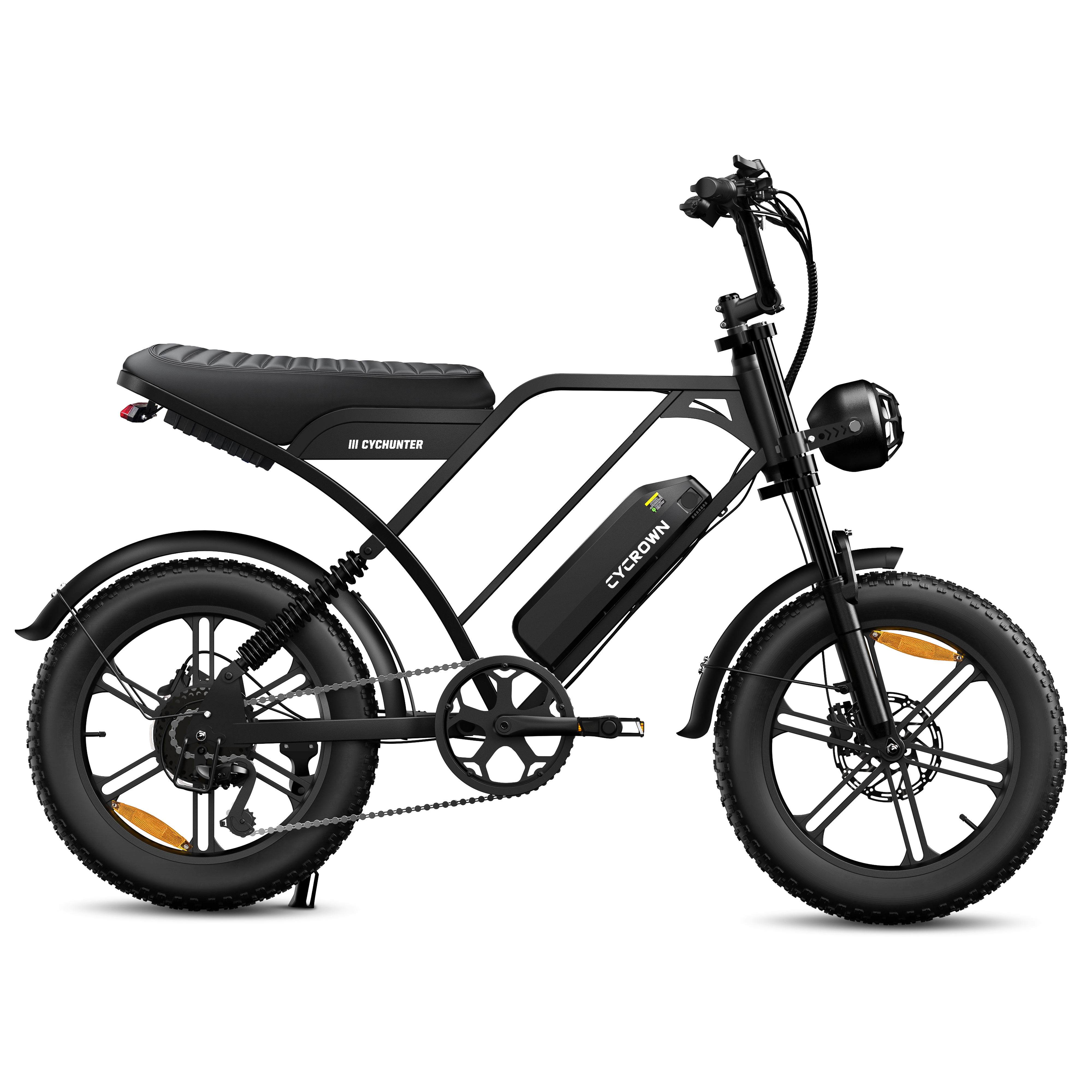
Most of this list applies whether you're riding a lightweight commuter e-bike across a small campus or covering longer city routes to an off-campus apartment. The gear below fills in the gaps that any electric bicycle leaves once you actually start using it every day.
Start With the Basics: Safety Gear
Before anything else, get the gear that keeps you upright and visible.
A helmet. Even if your state doesn't require one, campus paths get crowded fast between classes.
Front and rear lights. Early morning rides and evening study sessions mean you'll be riding in low light more often than you'd think. A basic light set covers both ends of the day.
A real lock. Dorm bike racks are a common target for theft, so skip the flimsy cable lock. If you're not sure how to set or change the code on a combination model, this step-by-step guide to resetting a bike lock from CYCROWN is worth bookmarking before your first ride.
If you're deciding between a pedal-assist-only model and an e-bike with throttle, know that throttle access can matter a lot for campus riding, it gets you moving from a stop without pedaling, which helps with quick starts at crosswalks and busy intersections. Just check your campus's e-bike rules first, since some paths restrict throttle use.
Make Carrying Your Stuff Easier
Backpacks get heavy fast once textbooks, a laptop, and a water bottle are involved. This is where a rear rack earns its keep.
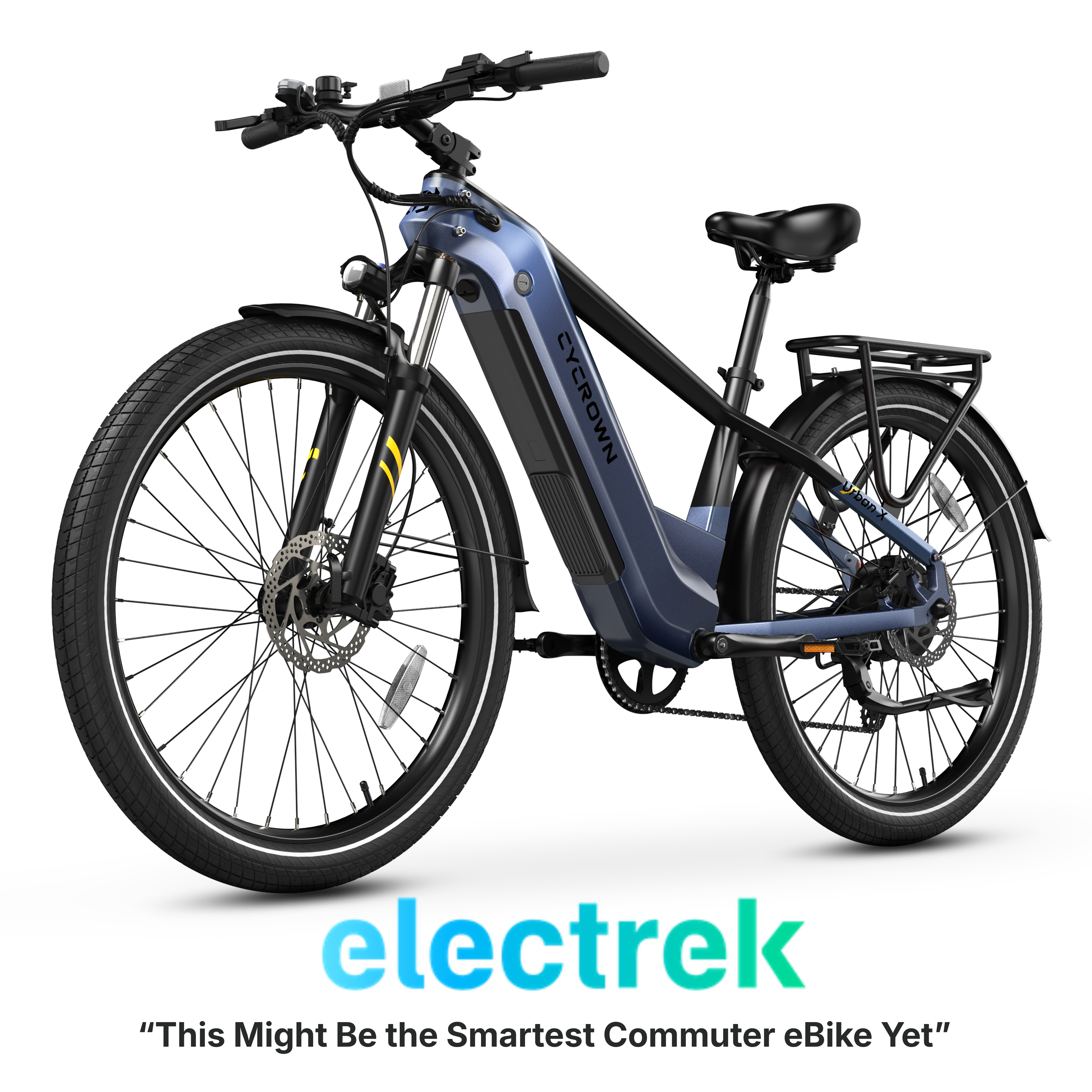
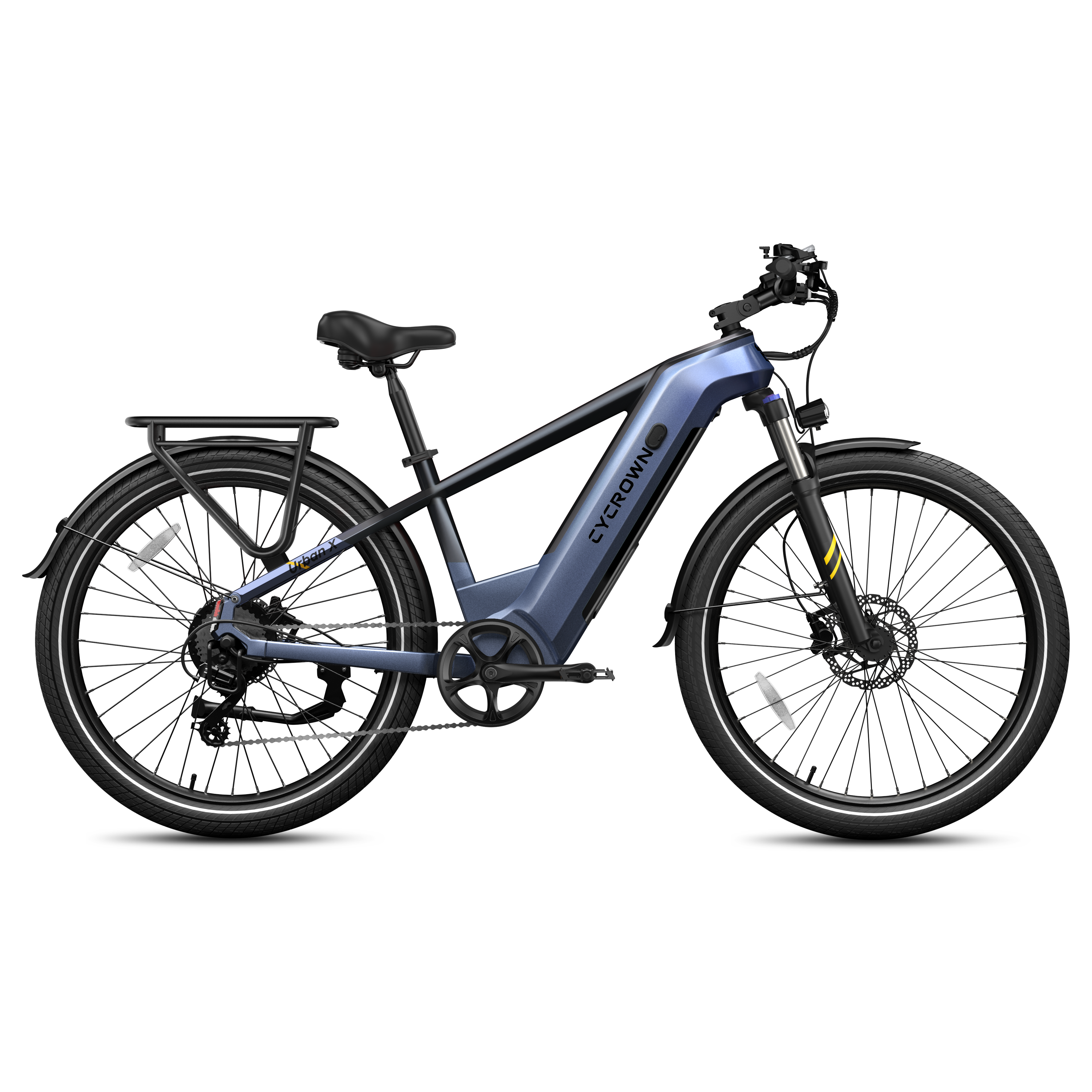
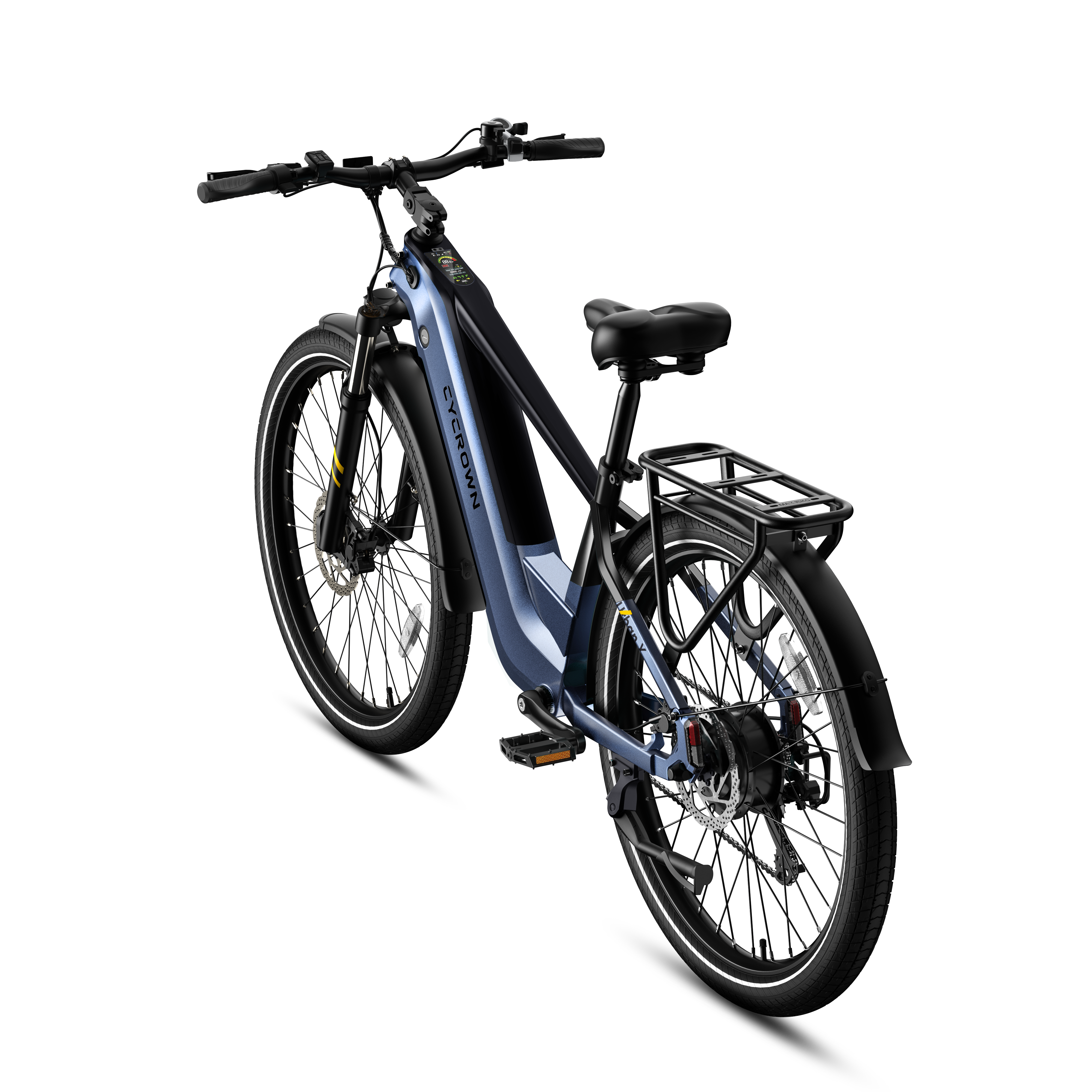
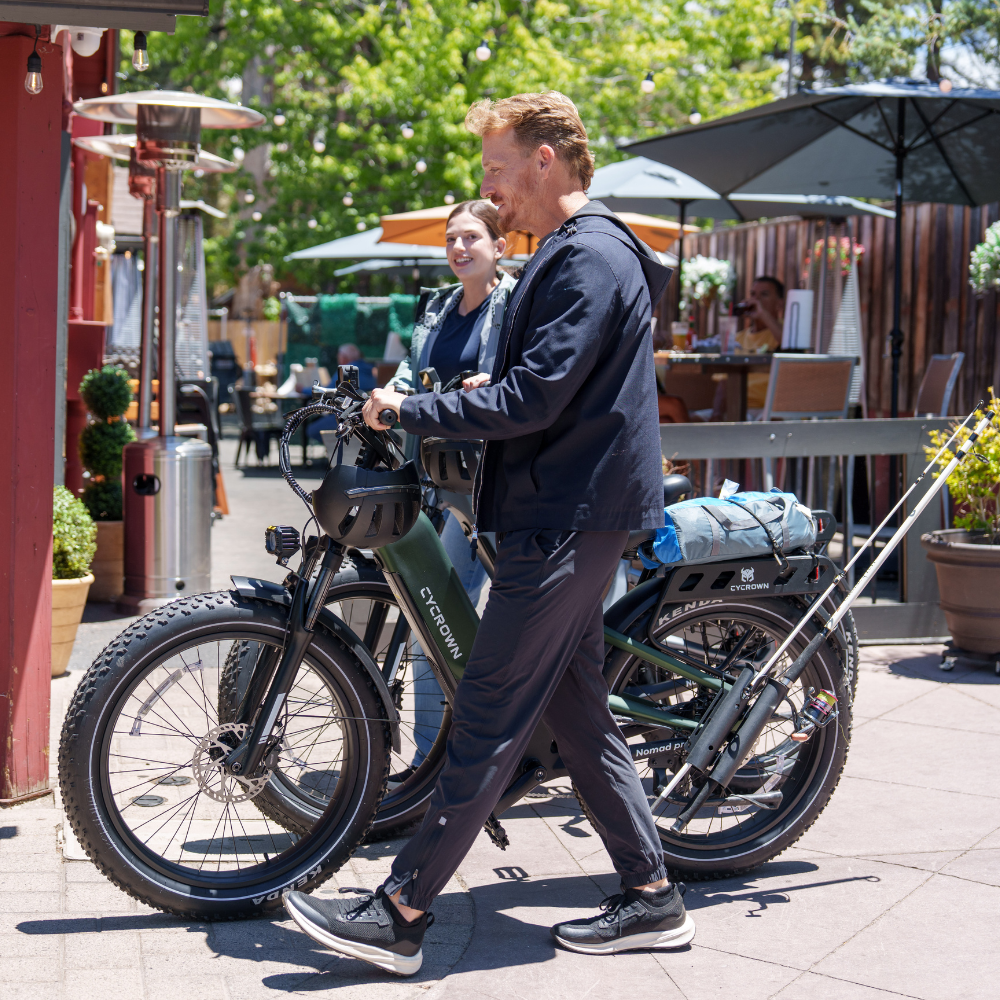
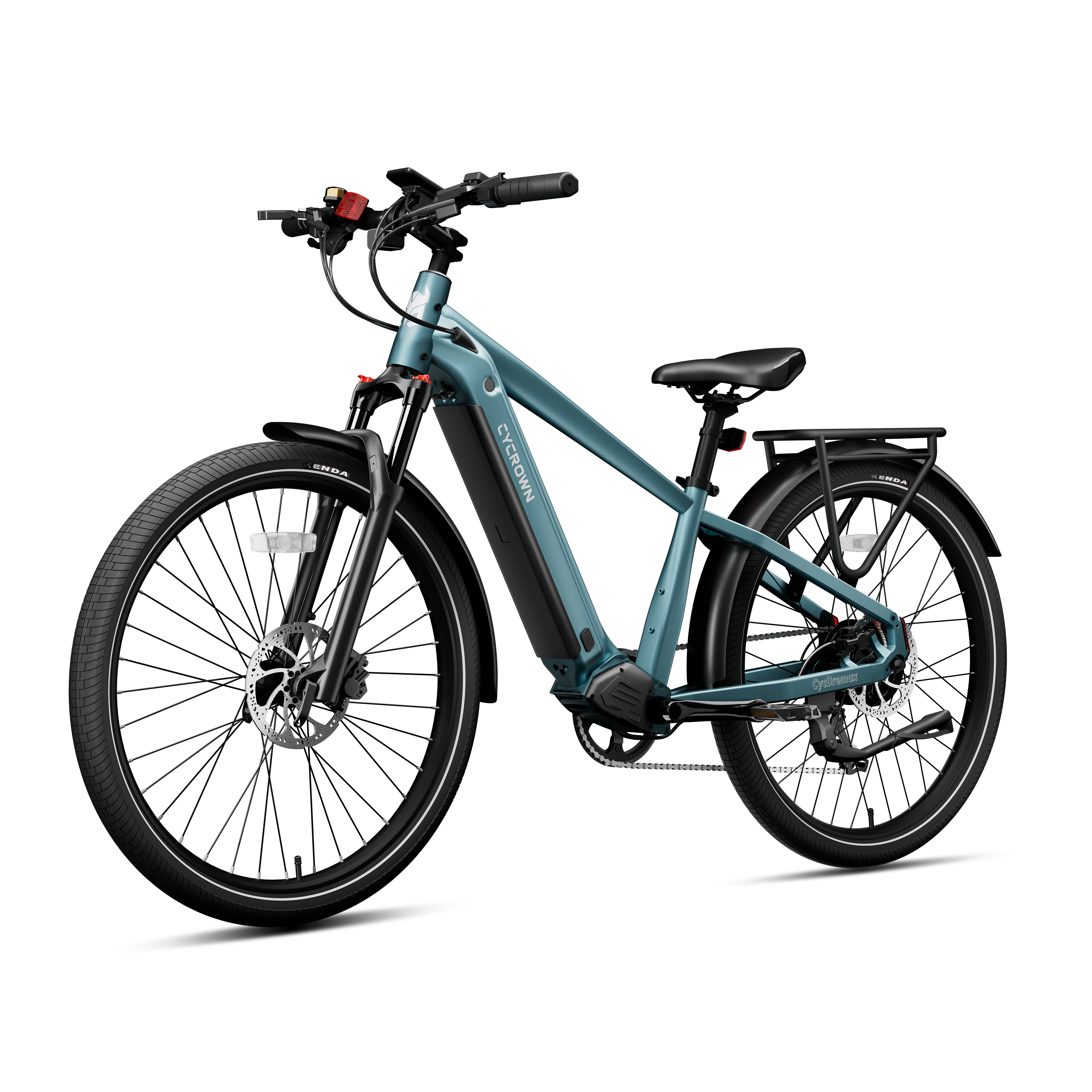
A rear rack. An electric bike with rear rack support turns your bike into real cargo transportation, not just a commute tool. Panniers or a milk-crate setup on an electric bike with rear rack means you're not riding with a strained back every day.
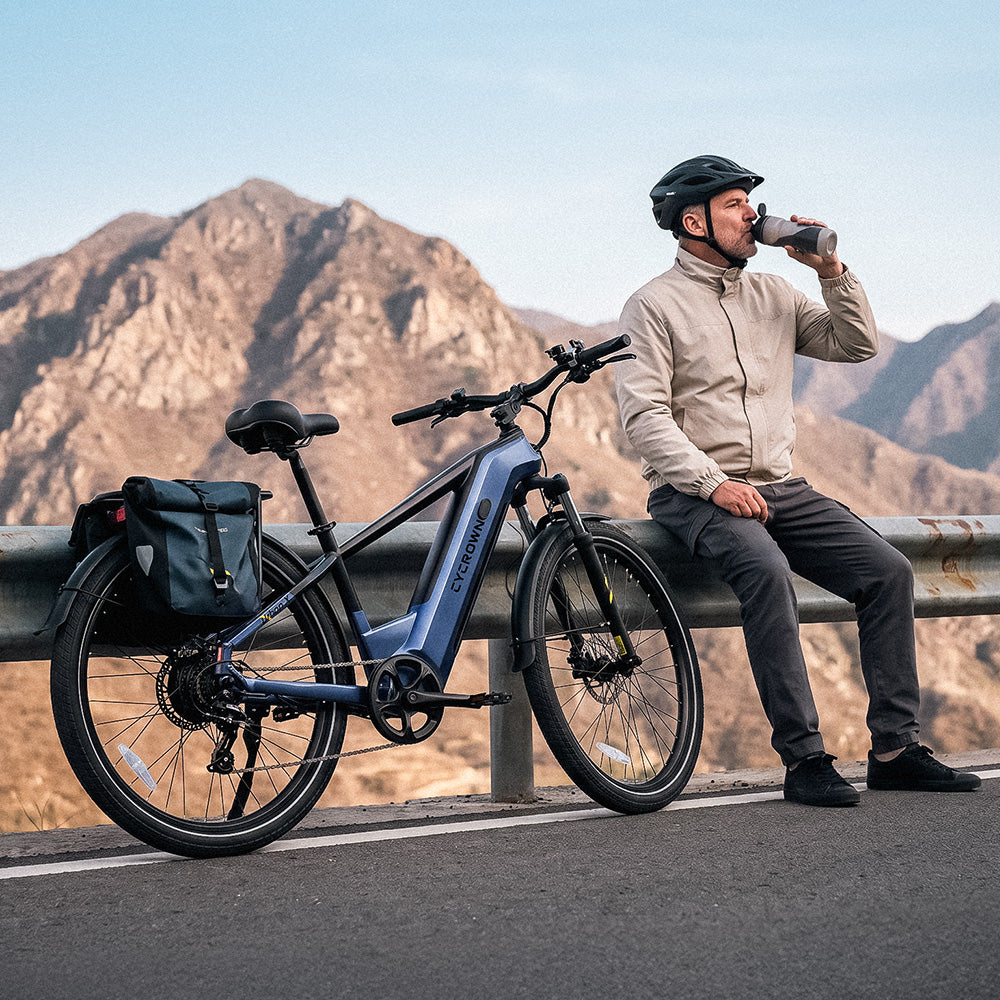
A pannier bag or basket. Pair it with your rack so groceries, gym clothes, or a change of shoes don't have to ride in your backpack.
A phone mount. Handy for navigation between unfamiliar buildings during the first few weeks.
If your current setup doesn't include one, most commuter ebikes can be fitted with an add-on rack, so you don't need to buy a whole new bike just to carry more. Riders who lean on their electric bike with rear rack setup for grocery runs and laundry days tend to get the most daily use out of their bike overall — it's genuinely one of the highest-value upgrades for a commuter e-bike.
How to Keep Track of Your E-Bike

Bike theft is a real concern near dorms and apartment buildings, and a lock alone isn't always enough. An e-bike with GPS tracker capability lets you locate your bike from your phone if it goes missing, and some models will alert you if the bike moves without your permission.
Even if your bike didn't come with a built-in e-bike with GPS tracker feature, third-party GPS tags are small enough to tuck into a frame bag or under the seat, giving you the same peace of mind without buying new hardware. It's a small add-on that matters a lot once you're parking outside unfamiliar buildings all semester.
Why Battery Convenience Matters
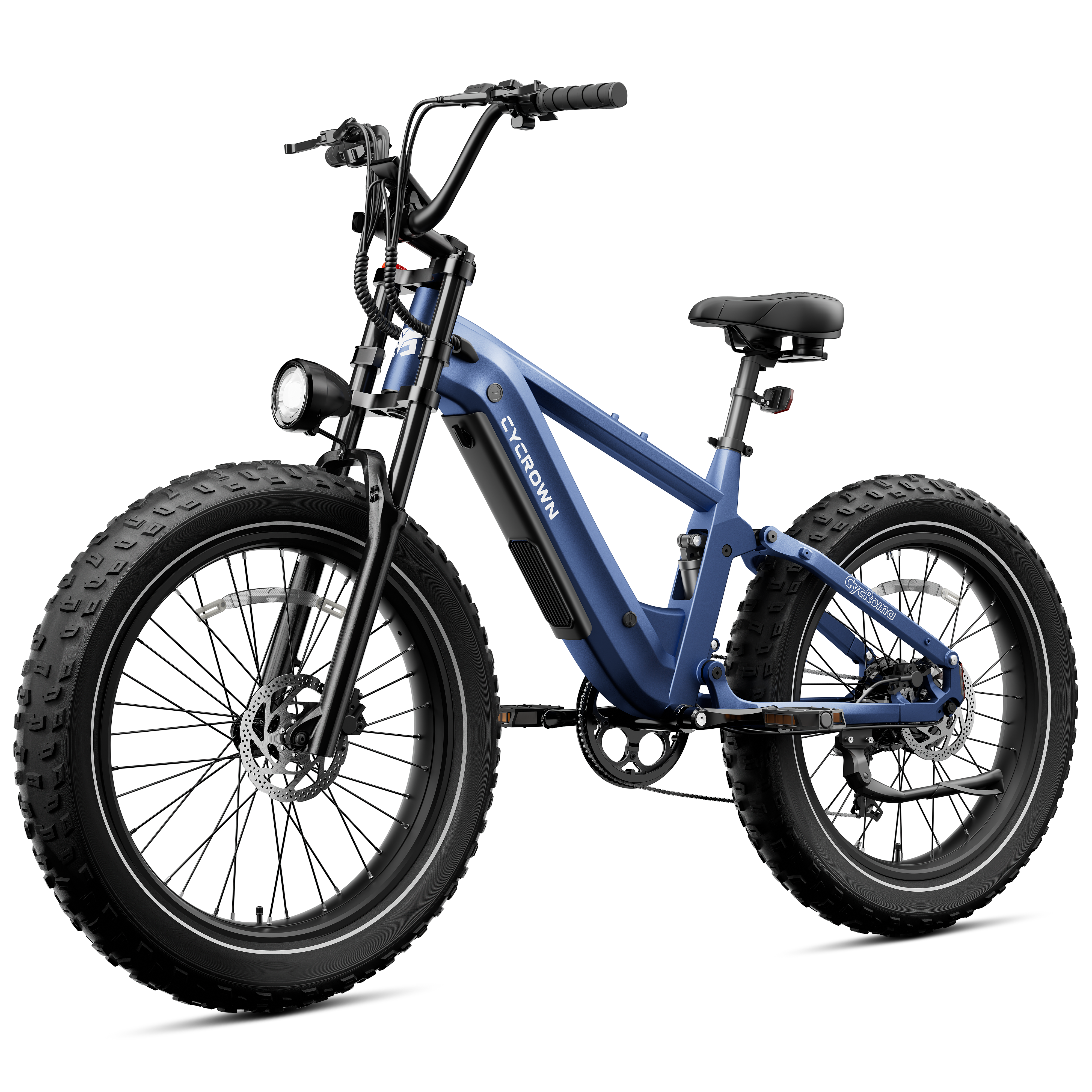
Dorm outlets are limited, and you won't always be near your bike when it's time to charge. An electric bike with removable battery design solves this — you can bring the battery inside to charge at your desk instead of leaving the whole bike plugged in in a hallway or bike room.
A spare battery is also worth considering if your rides are longer than average. An electric bike with a removable battery setup with a backup pack means one dead battery doesn't mean a missed class. If your display ever starts showing an inaccurate charge level or freezes mid-ride, this guide to resetting an e-bike display walks through the fix in a few minutes.
Your Back-to-School E-Bike Checklist
Here's the full list in one place:
-
Helmet
-
Front and rear lights
-
A sturdy lock (U-lock or chain, not just a cable)
-
Rear rack and pannier bag or basket
-
Phone mount
-
GPS tracker (built-in or add-on)
-
Spare or removable battery
-
Basic tool kit and tire pump
If you're still deciding on top speed, it's worth knowing that most e-bikes fall into a few standard classes — this breakdown of e-bike top speed by class is a useful read before you commit to a model, especially if your campus has posted speed limits on shared paths.
Ready to Roll Into Week One
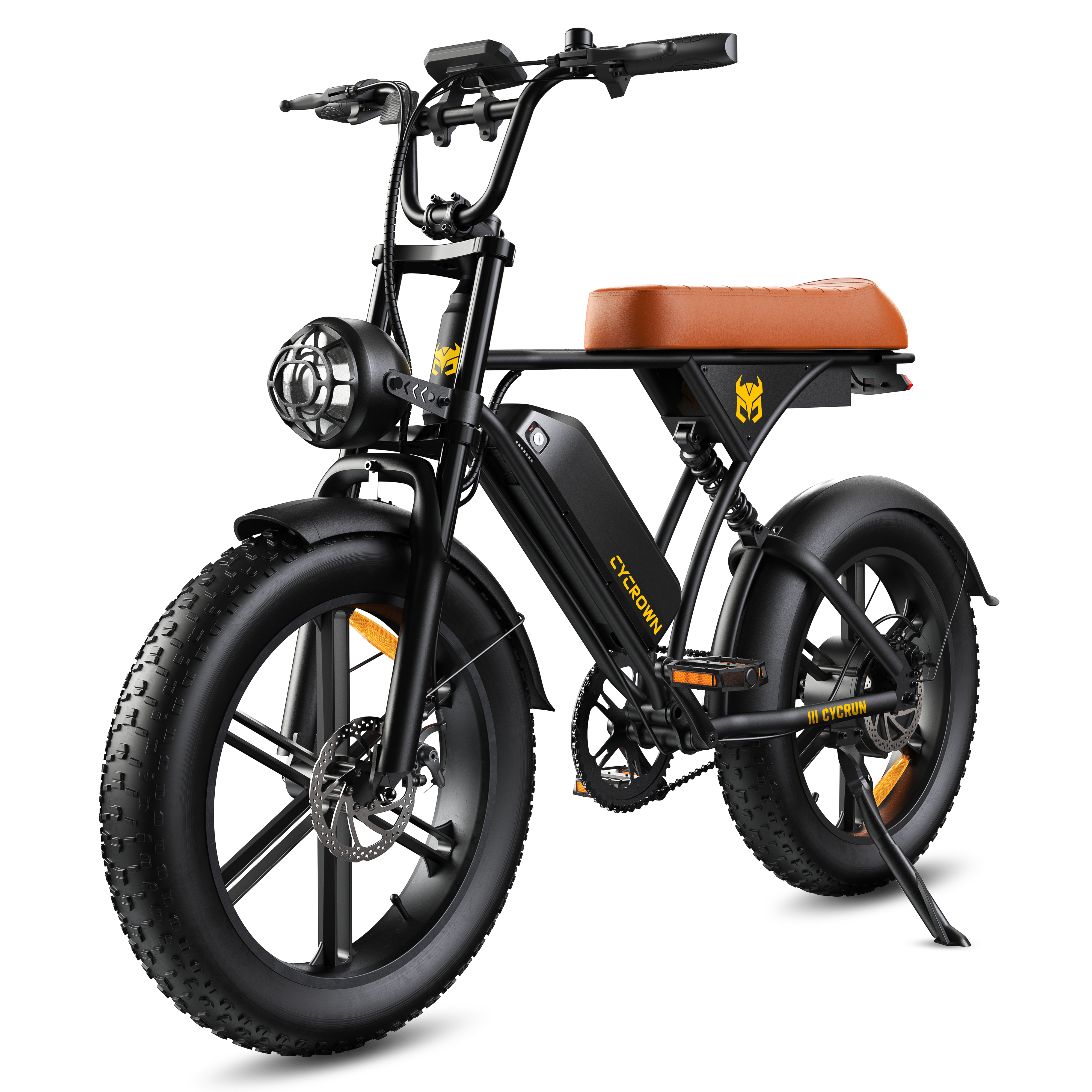
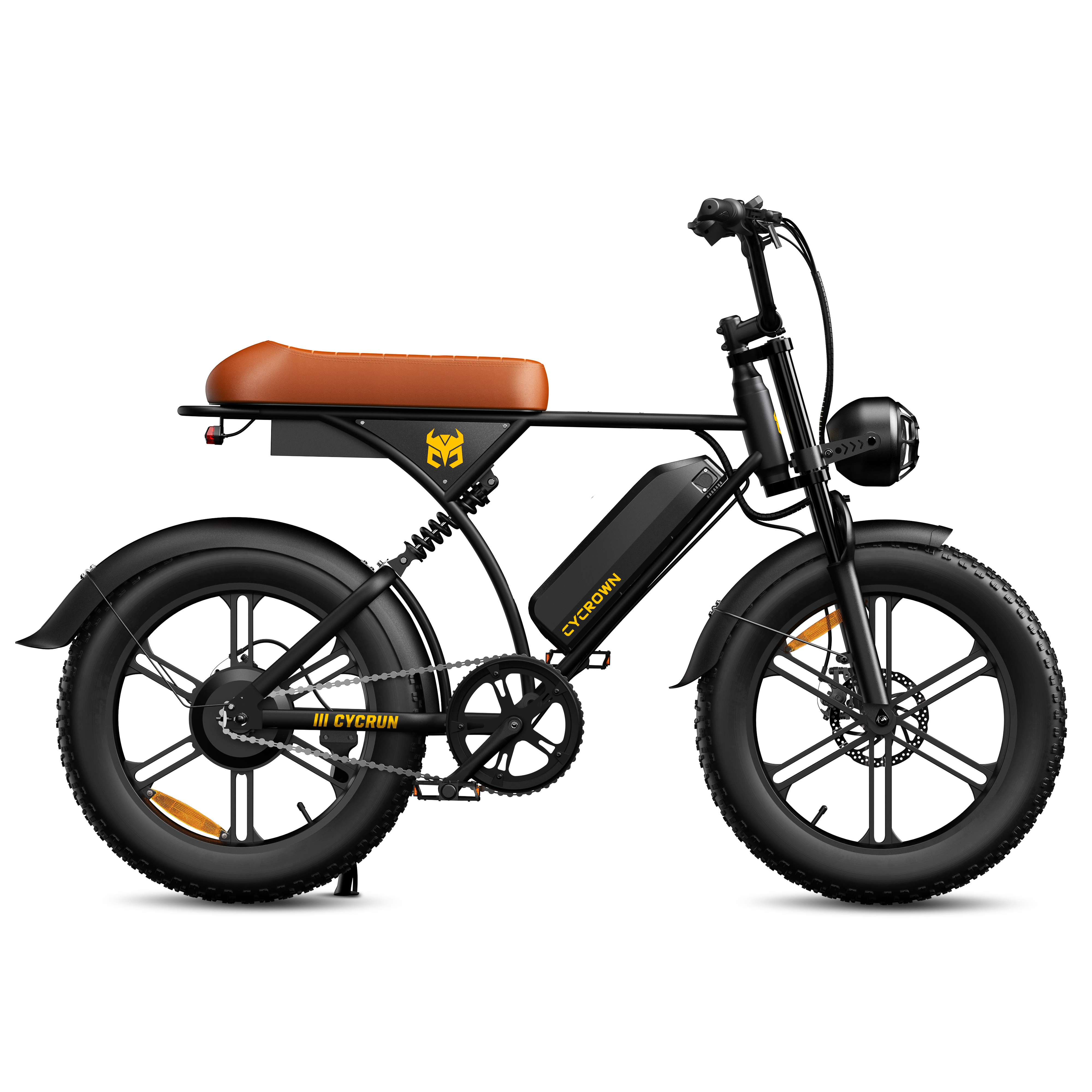
None of these accessories need to be bought all at once. Start with safety gear and a lock, then add the rack, tracker, and spare battery as your routine settles in. Riders coming from a compact e-bike built for tight dorm storage may prioritize different gear than someone riding a longer comfort-focused commuter route, so build your list around your actual commute.
What New Riders Want to Know
Do I really need a rear rack if I already have a backpack?
Not strictly, but a rear rack takes the weight off your back and makes it much easier to carry groceries, gym bags, or laundry.
Is a GPS tracker worth it for a dorm bike?
Yes. Bike theft near campus housing is common enough that even a basic tracker gives you a real shot at recovering a stolen bike.
Can I add accessories to any commuter e-bike, or do I need a specific model?
Most racks, lights, and phone mounts are designed to fit standard frames, so you can usually add them to whatever bike you already have.
How often should I charge a removable battery?
Charging after most rides, rather than letting it run all the way down, generally helps the battery last longer over time.
Should I choose throttle or pedal-assist for campus riding?
It depends on your route. Throttle helps with quick starts in stop-and-go traffic, while pedal-assist-only bikes are lighter and allowed on more paths.


