







Confused about e-bike laws by state? Get clear answers on licenses, registration, and age rules before you buy or ride your next electric bike.
Can You Legally Ride That E-Bike? Here's the Short Answer
Yes, in nearly every state you can ride an e-bike without a license or registration, as long as it fits the three-class system most states now use. The confusion usually isn't about whether e-bikes are legal. It's about which class your bike falls into, and what that means for where you can ride, how old you need to be, and what paperwork (if any) you need to carry.
Most riders never think about any of this until they're standing in a bike shop or shopping online, wondering if the bike they want is even street legal where they live. So instead of dumping a 50-state list on you, let's answer this the way riders actually ask it: can I ride it, do I need a license, and do I need to register it?
What Are the Basic E-Bike Rules in the U.S.?
Most states sort e-bikes into three classes based on speed and how the motor works:
Class 1 – pedal-assist only, tops out at 20 mph, no throttle.
Class 2 – has a throttle, also capped around 20 mph.
Class 3 – pedal-assist, faster, up to 28 mph.
This three-class framework, first built by the bicycle industry and adopted state by state, is now used in the large majority of states. It's why a well-built, street-legal electric bikes can usually ride in bike lanes and on roads without being treated like a moped or motorcycle. A handful of states haven't formally adopted any class system, and a couple more updated their laws just this year, so it's worth a quick check if you're outside the mainstream states.
Can You Ride an E-Bike in Your State?
For the most part, yes. If your e-bike falls into Class 1, 2, or 3 and your state follows the standard framework, you can ride on roads, in bike lanes, and often on multi-use paths. Class 3 bikes sometimes face restrictions on bike paths and trails, since their higher top speed raises safety concerns around slower foot traffic and cyclists.
Where It Gets More Complicated
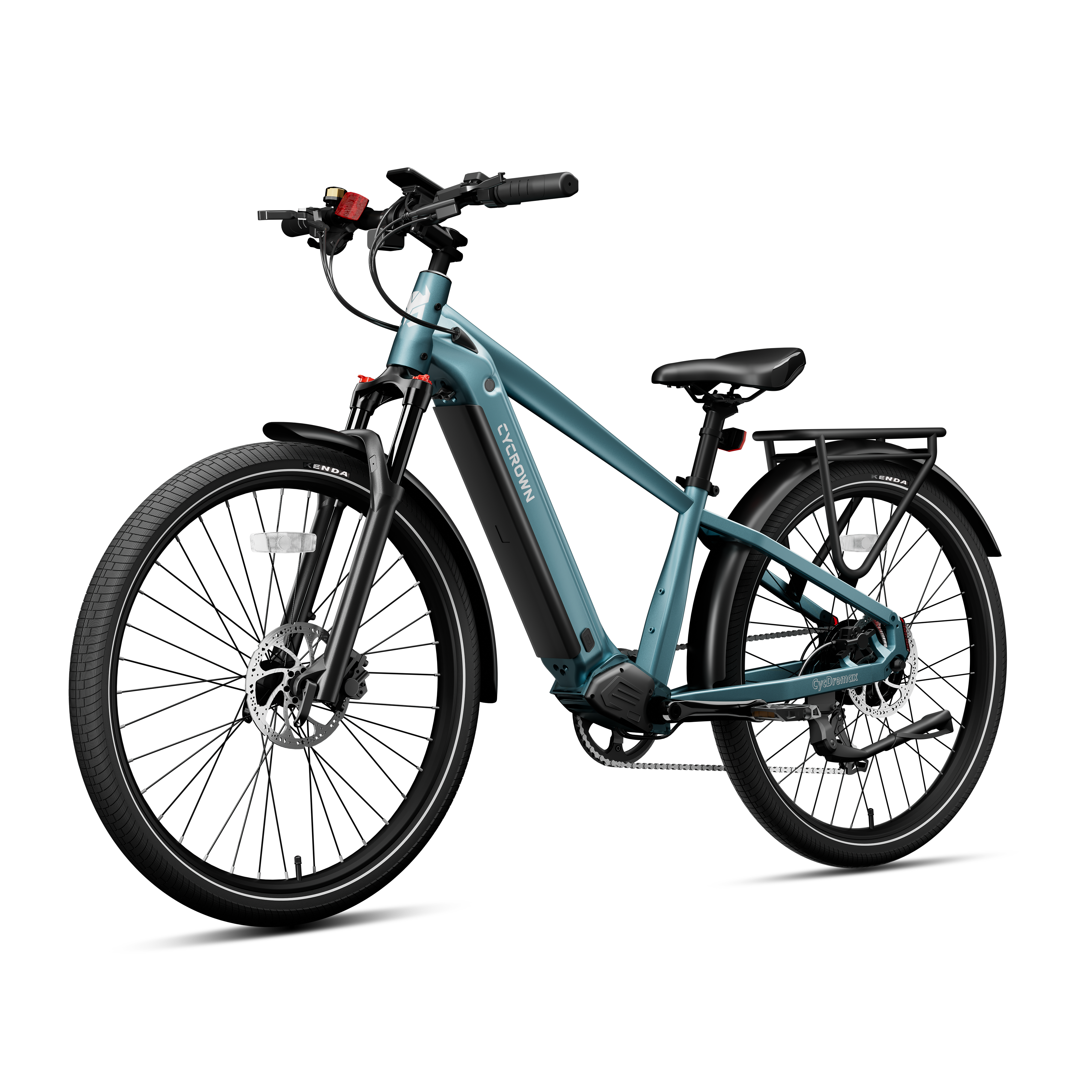
A few states add their own twist. California allows all three classes but restricts trail access for Class 3 models. Michigan generally welcomes Class 1 and 2 e-bikes on paved trails, while Class 3 riders are typically limited to roads and adjacent bike lanes. If you're planning to take a commuter bike like the Dremax off pavement and onto shared trails, it's worth checking local rules before you go, since city and county ordinances can be stricter than state law.

Do You Need a License for an E-Bike?
This is the question most new riders ask first, and the answer for almost everyone is no. If you're wondering if you need a license for an e-bike that fits Class 1, 2, or 3, the answer across nearly the entire country is still no. These bikes are treated legally like bicycles, not motor vehicles.
New Jersey is the major exception. As of a 2026 law, New Jersey now requires e-bike riders to carry either a standard driver's license (age 17+) or a motorized bicycle license (age 15–16), along with registration and basic liability insurance. It's a significant shift, and if you're buying an e-bike for someone in New Jersey, it changes the picture. A few other states, like Pennsylvania, treat certain high-speed or throttle-heavy e-bikes closer to mopeds, so always confirm classification before assuming standard bike rules apply.
Do Electric Bikes Need to Be Registered?
For the vast majority of riders, no. Standard e-bike registration rules simply don't exist in most states. A compliant Class 1, 2, or 3 e-bike is legally a bicycle, and bicycles aren't registered anywhere in the U.S.
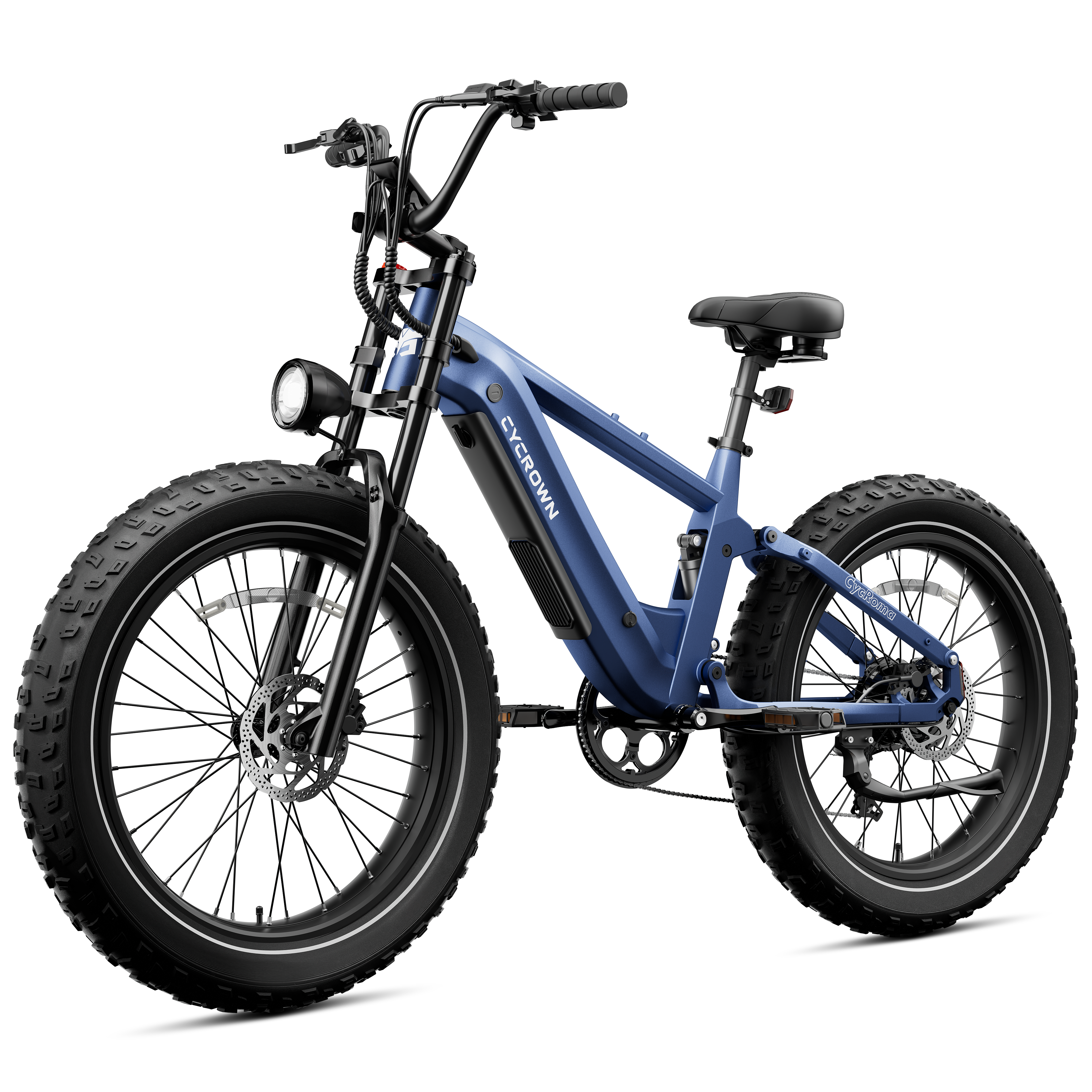
New Jersey again breaks the pattern, now requiring every e-bike to be registered with the state's Motor Vehicle Commission (fees are currently waived, with an annual fee starting in 2027). Outside of that one state, if someone asks if electric bikes need to be registered, the honest answer is almost never — whether you're eyeing an all-terrain bike like the Roma or a moped-style ride, you can typically buy, own, and ride without any paperwork.

How Old Do You Have to Be to Ride an E-Bike?
E-bike age requirements vary more than license or registration rules do. Class 1 and 2 e-bikes usually have no minimum age at the state level, though some states set youth helmet rules starting at 16 or 18. Class 3 e-bikes are a different story: many states, including California and New York, set a minimum rider age of 16 for Class 3 models because of their higher top speed.
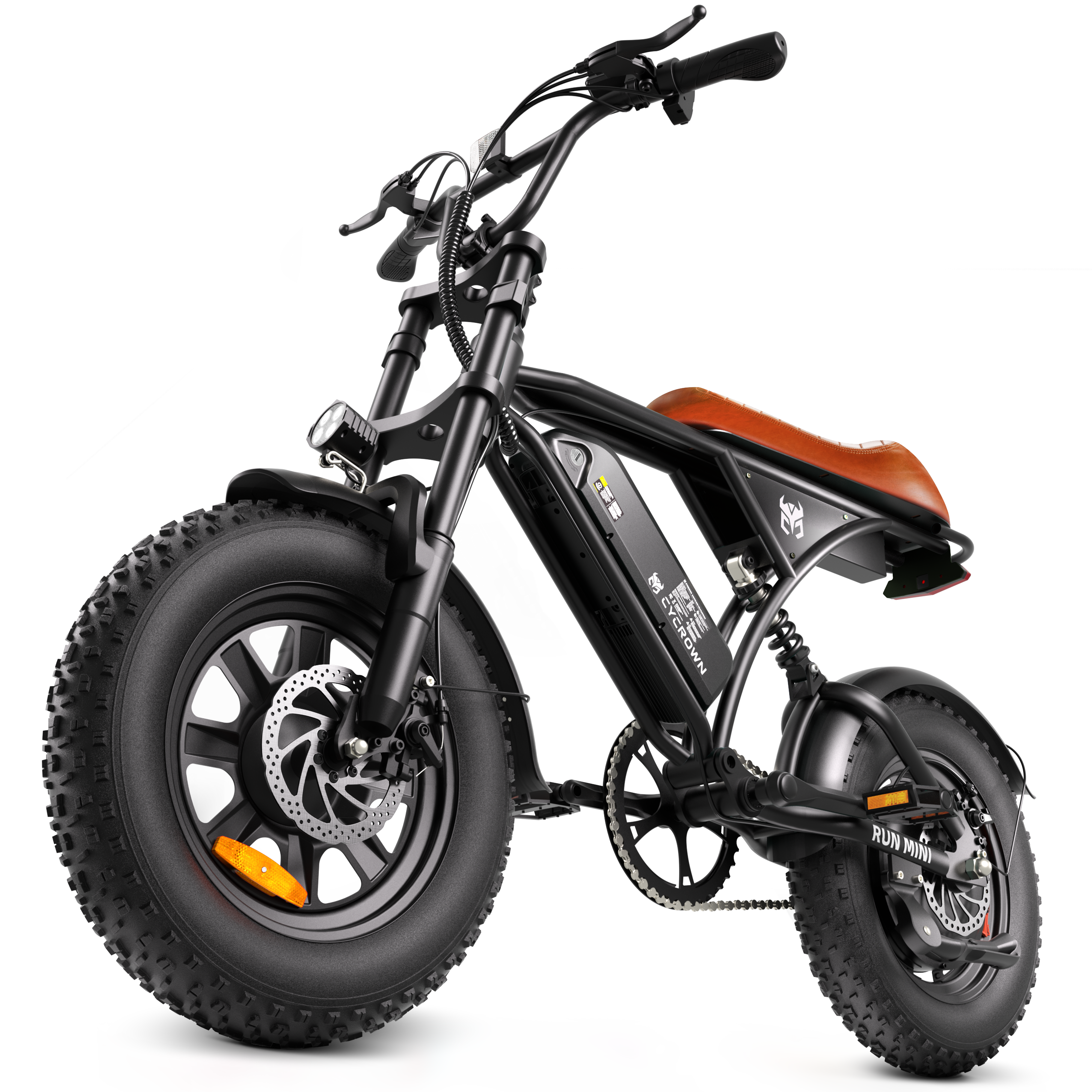
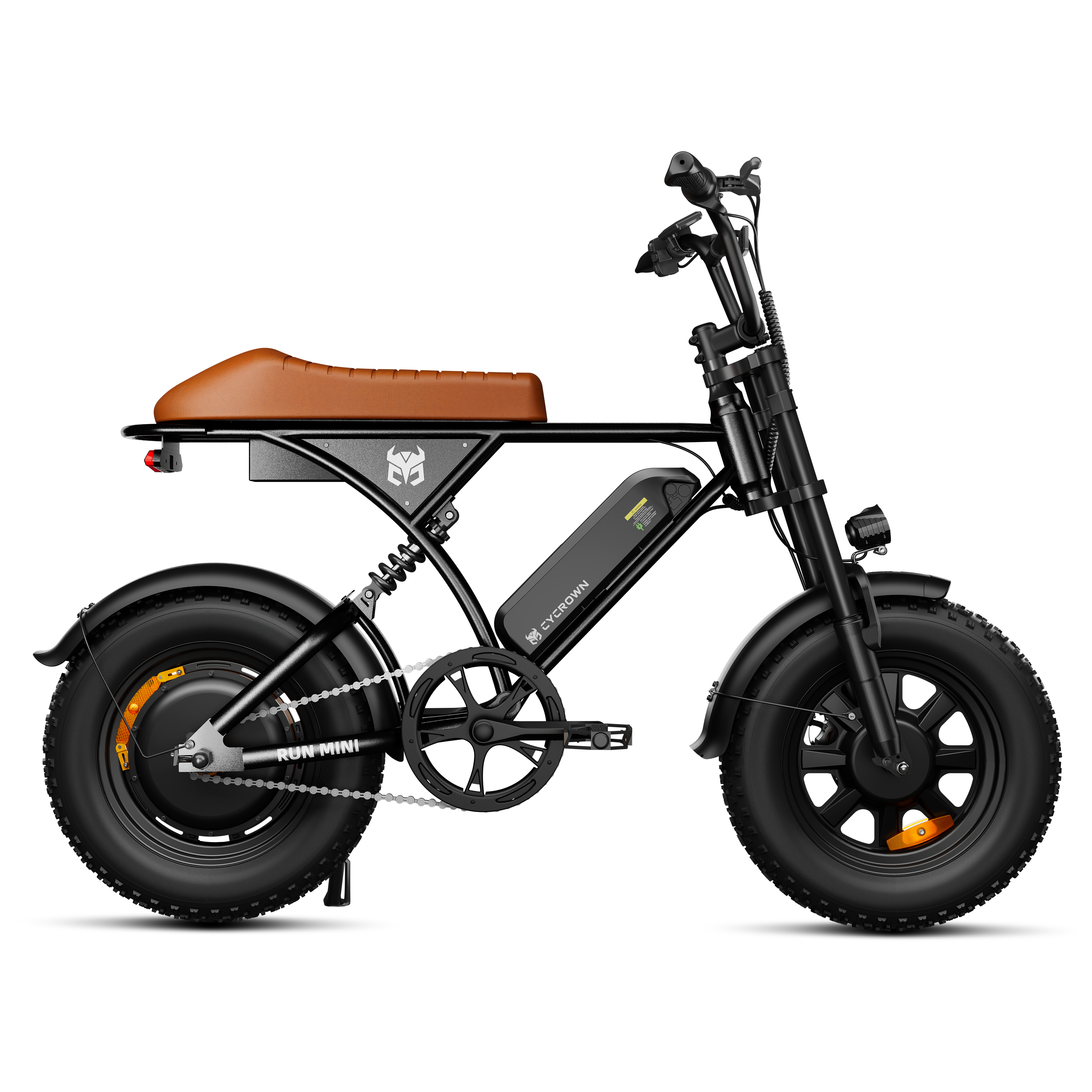
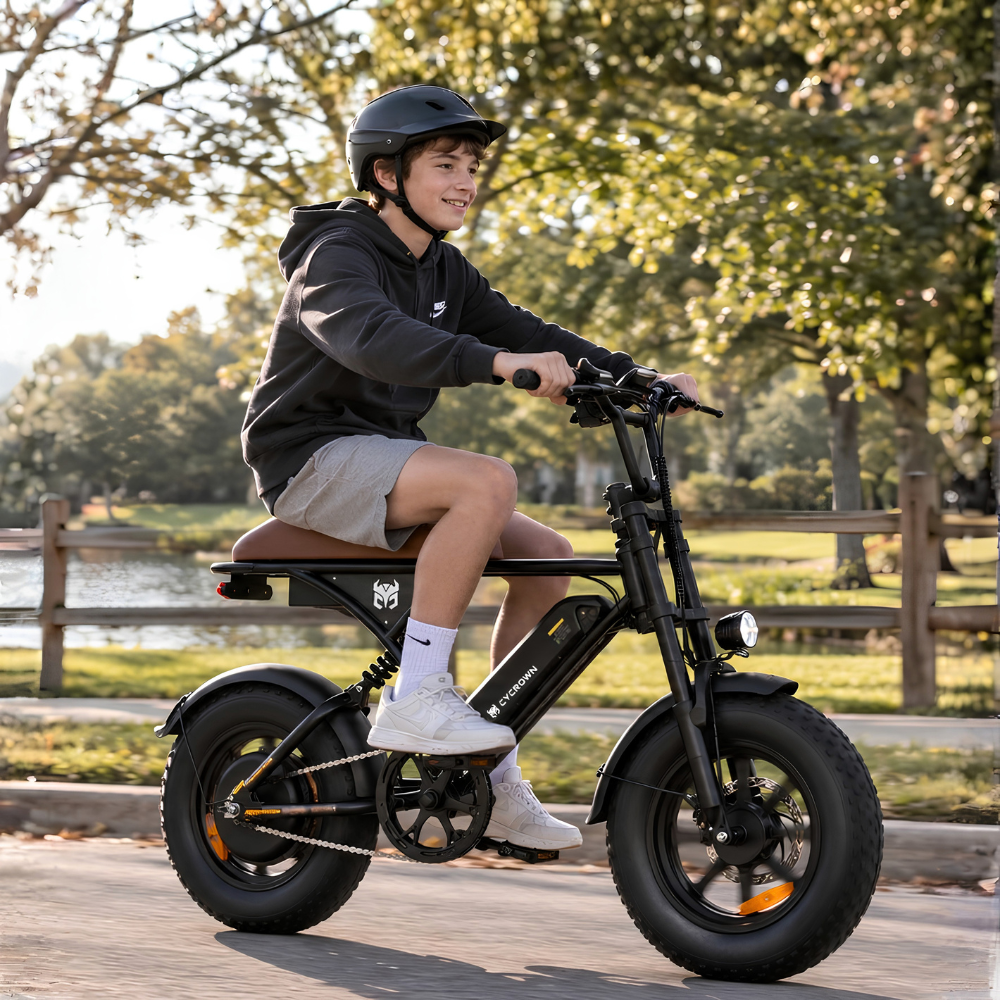
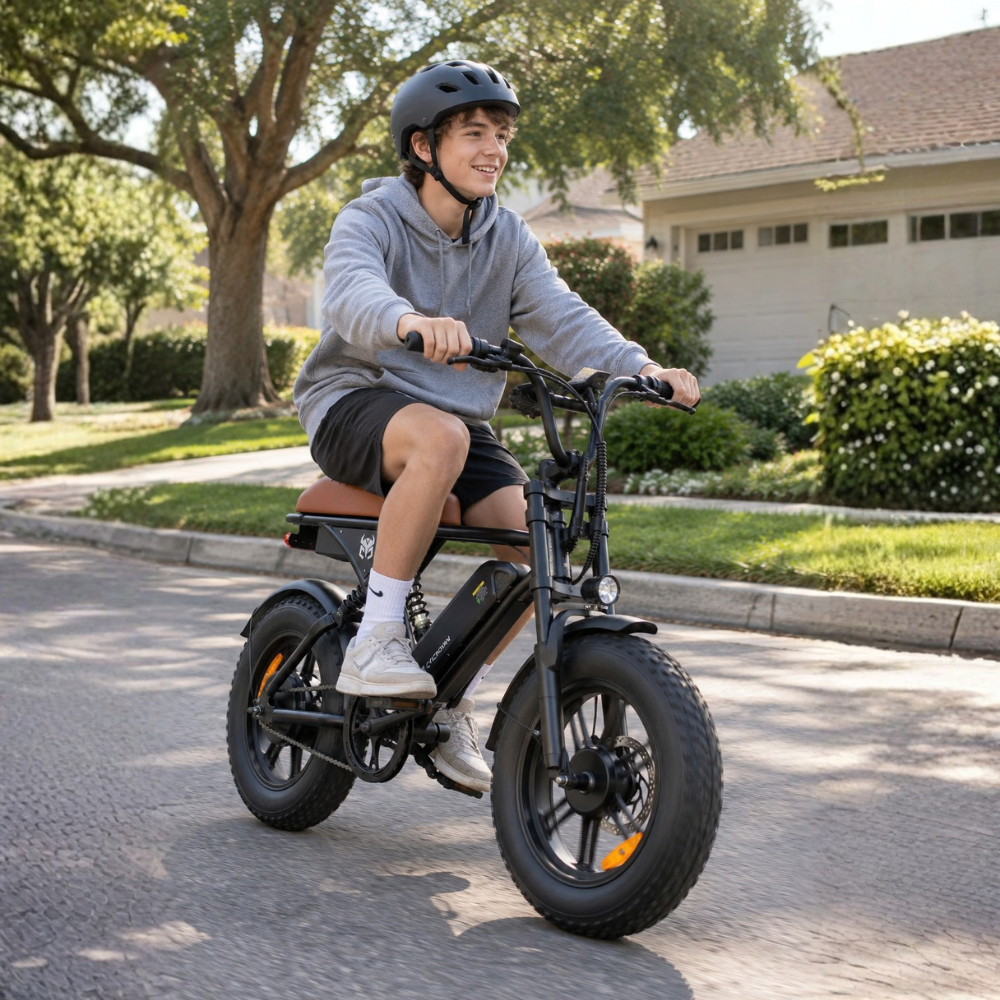
If you're shopping for a teen rider, age requirements for electric bikes matter more than most other factors. A lighter, lower-speed option like the Run Mini sidesteps most Class 3 age restrictions entirely, since it's built around a more moderate top speed that fits comfortably into Class 1 or 2 territory in most states.
E-Bike Laws by State: What Changes From One State to Another?
Once you look past the basics, electric bike laws by state differ in three main ways: minimum age for Class 3, helmet requirements, and trail access. Some states, like Connecticut, require helmets for every rider regardless of age or class. Others only require helmets for minors, or only for Class 3 riders. A few states, including Hawaii and North Carolina, adopted the three-class system for the first time in 2026, which means their rules are still settling in.
The practical takeaway: two states can both allow the exact same e-bike on the exact same roads, yet one requires a helmet and a minimum age, and the other requires neither. That gap is exactly why "check your state" isn't just boilerplate advice, it's the difference between riding legally and getting a ticket.
Before You Ride: A Quick Pre-Ride Checklist
Before you take a new e-bike out, or buy one for someone else, run through a short list:
Confirm the bike's class (1, 2, or 3) and its top speed.
Check your state's minimum age for that class.
Look up helmet requirements for your age and class.
Confirm whether your state allows that class on trails or bike paths.
If you're in New Jersey, plan for licensing, registration, and insurance.
A few minutes of research saves you from an awkward conversation with local law enforcement, or worse, a bike that sits in the garage because it's not legal where you live. CYCROWN’s blog covers state-specific updates as laws change, so it's worth bookmarking if you ride across state lines often.
FAQs
Do I need insurance to ride an e-bike?
In almost every state, no. New Jersey is currently the only state requiring e-bike insurance.
Can a 12-year-old ride an e-bike?
It depends on the state and class; many states have no minimum age for Class 1 or 2, but some set age limits as low as 12 with adult supervision.
Are throttle e-bikes legal on the road?
Yes, Class 2 throttle e-bikes are legal on roads and in bike lanes in nearly every state, following the same rules as pedal-assist models.
Do e-bike laws apply to bikes I modify myself?
Yes, if you unlock a higher speed or swap in a stronger motor, your bike may no longer meet the legal definition for its class.
Is a helmet required for adults on e-bikes?
It depends on the state; some require helmets for all ages and classes, while others only require them for minors or Class 3 riders.


