















When Can an E-Bike Replace Your Second Car?
If your household’s second car is mainly used for short solo trips and nearby errands, an e-bike may be able to replace many of those journeys. However, the decision depends on your typical travel distance, riding routes, weather, and access to other transportation when a car is still needed.
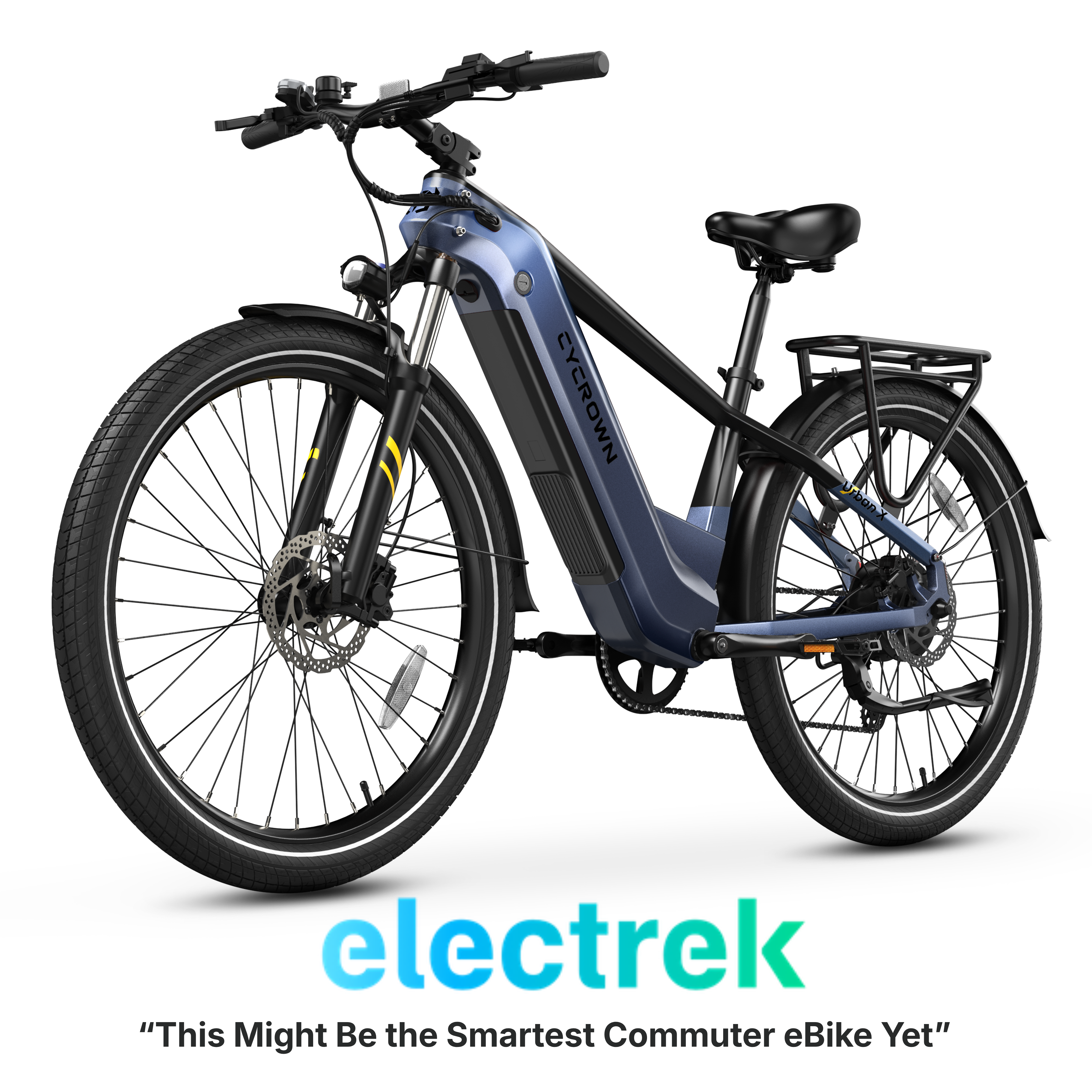
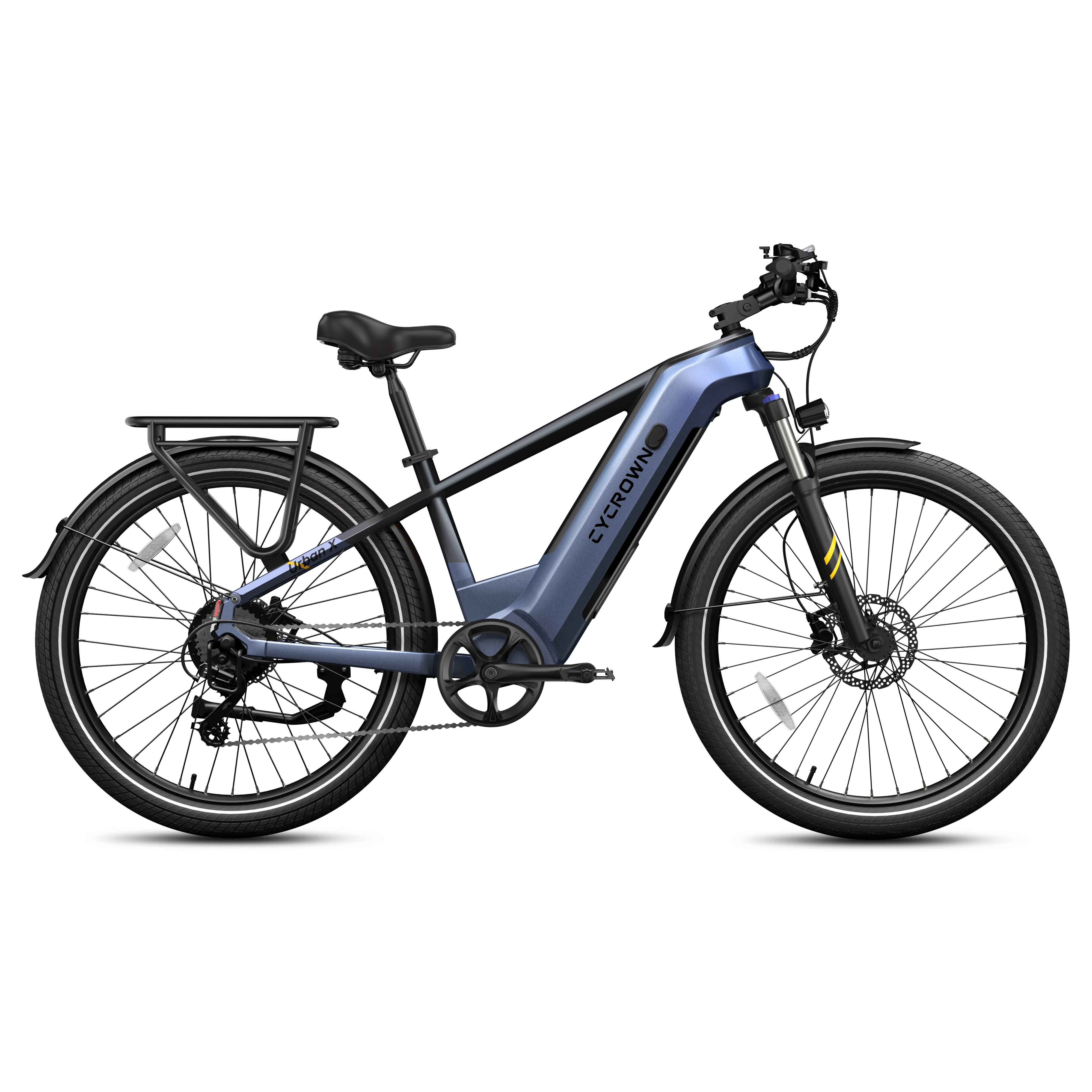
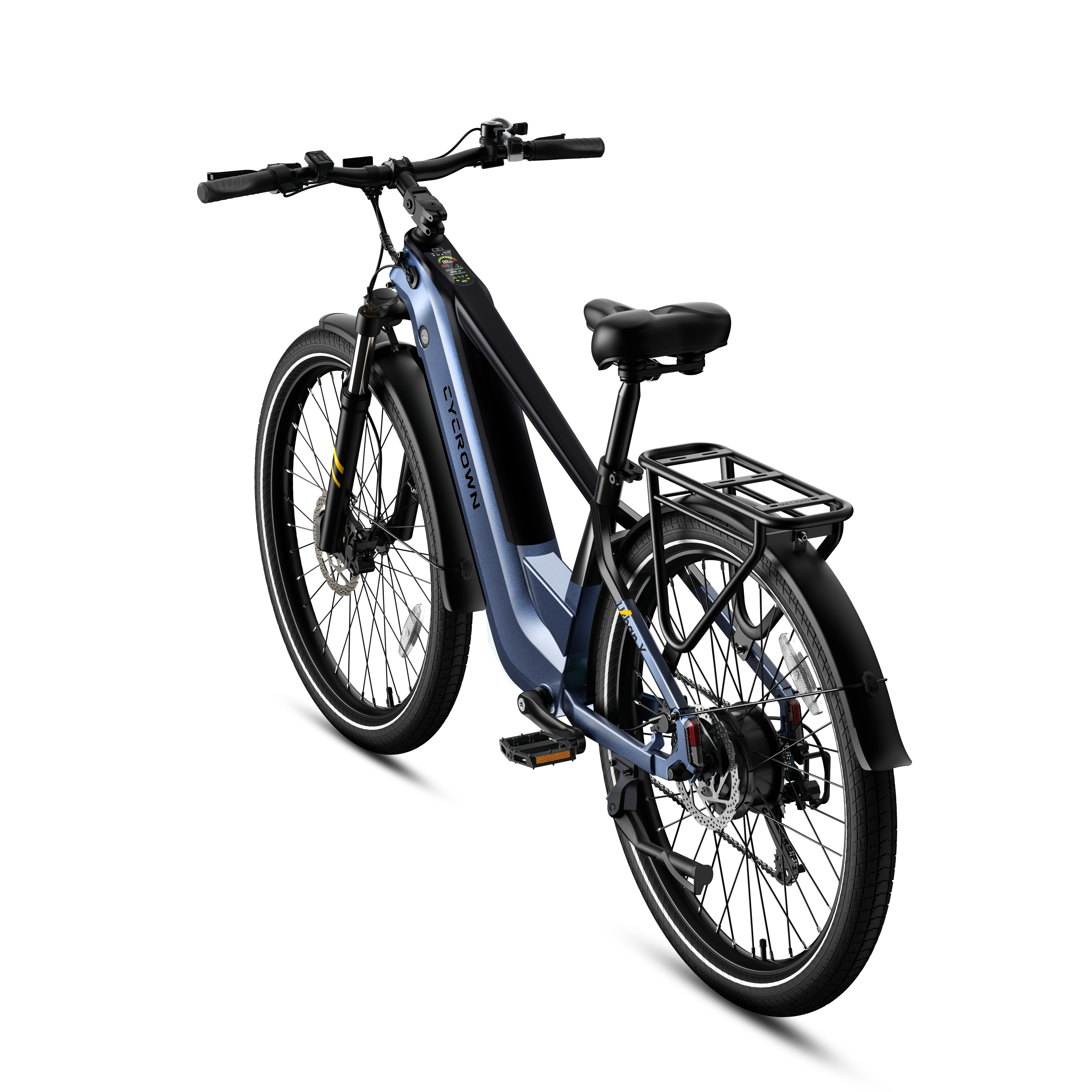
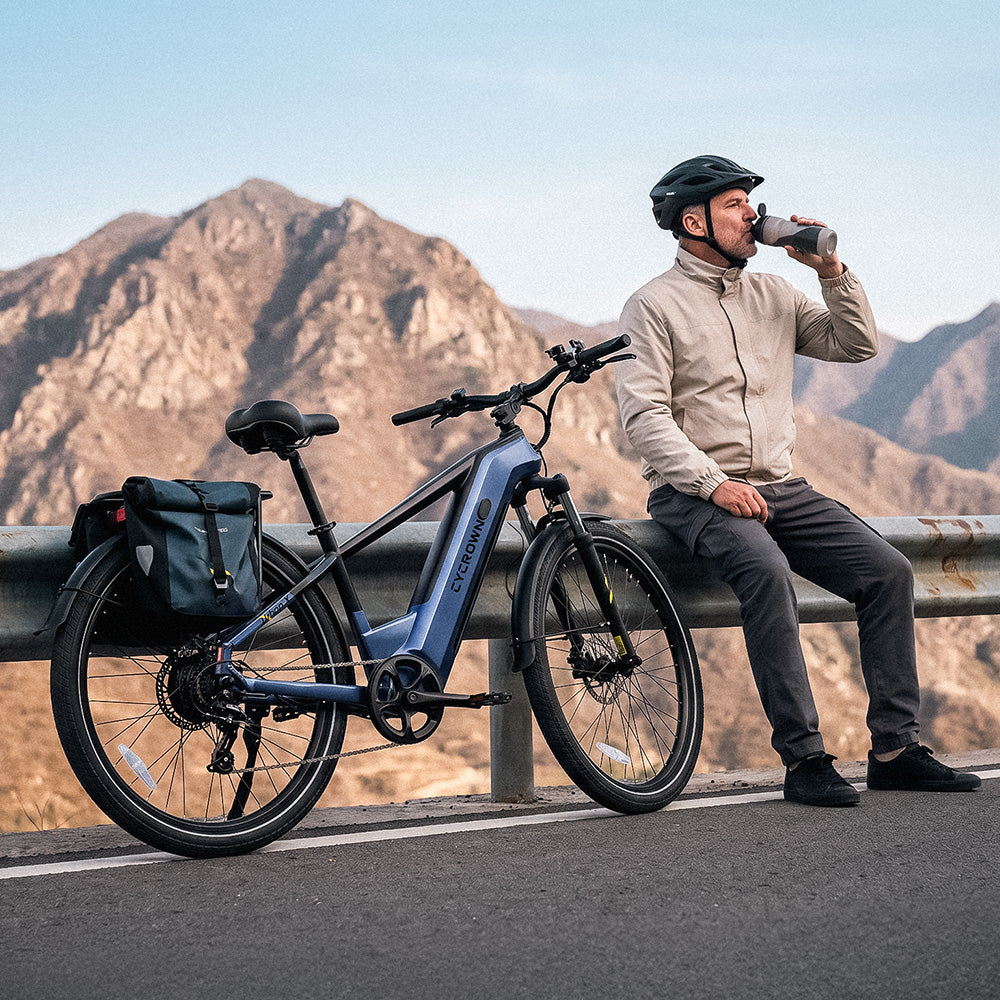
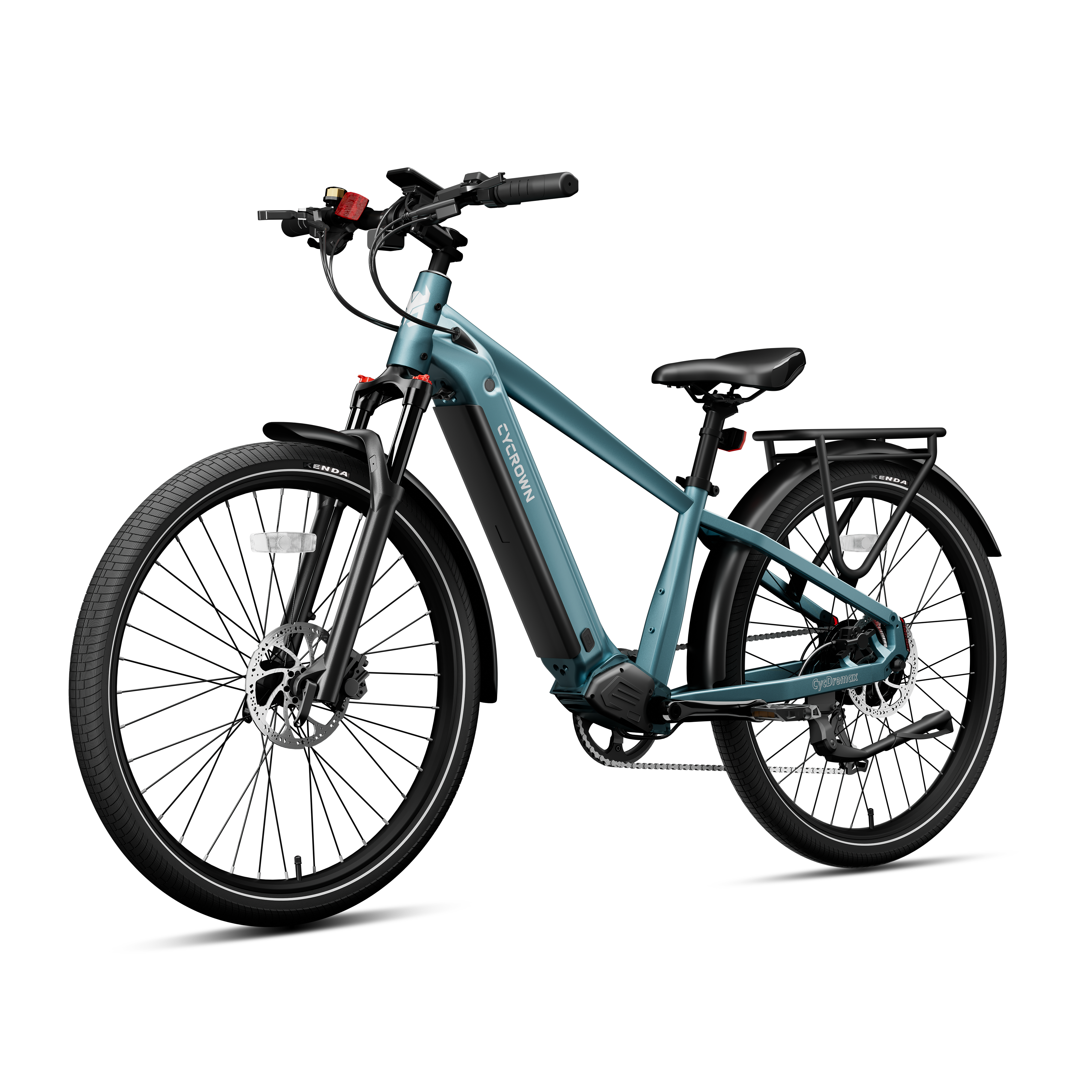
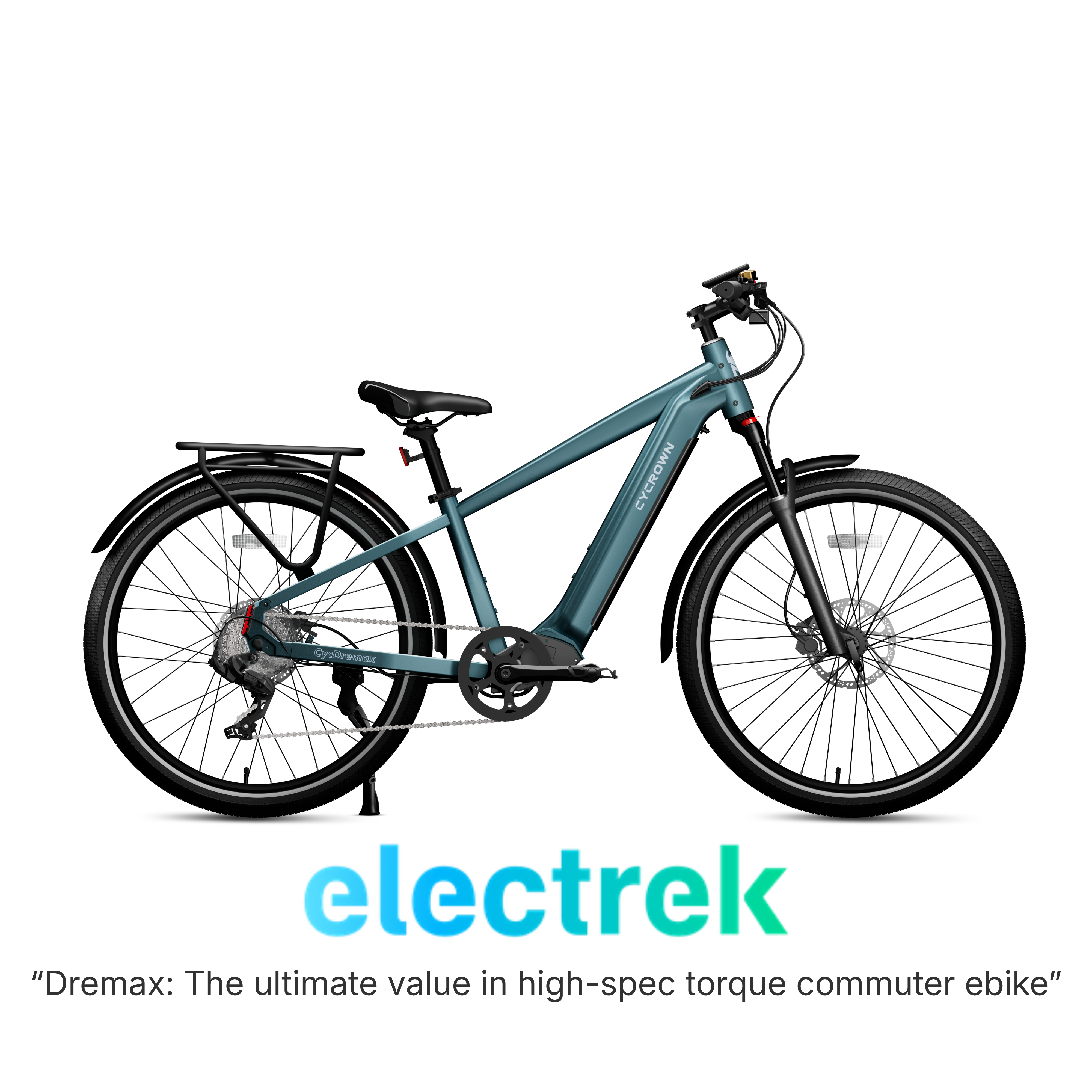
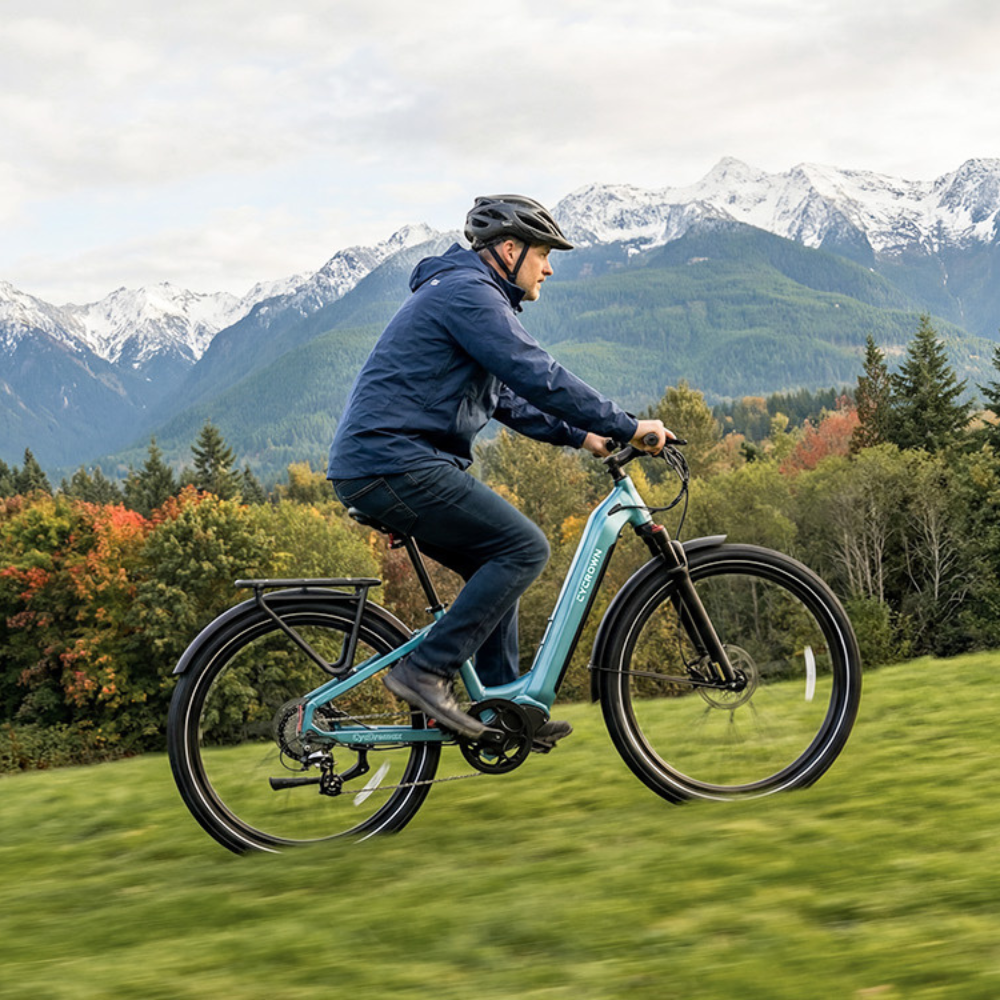
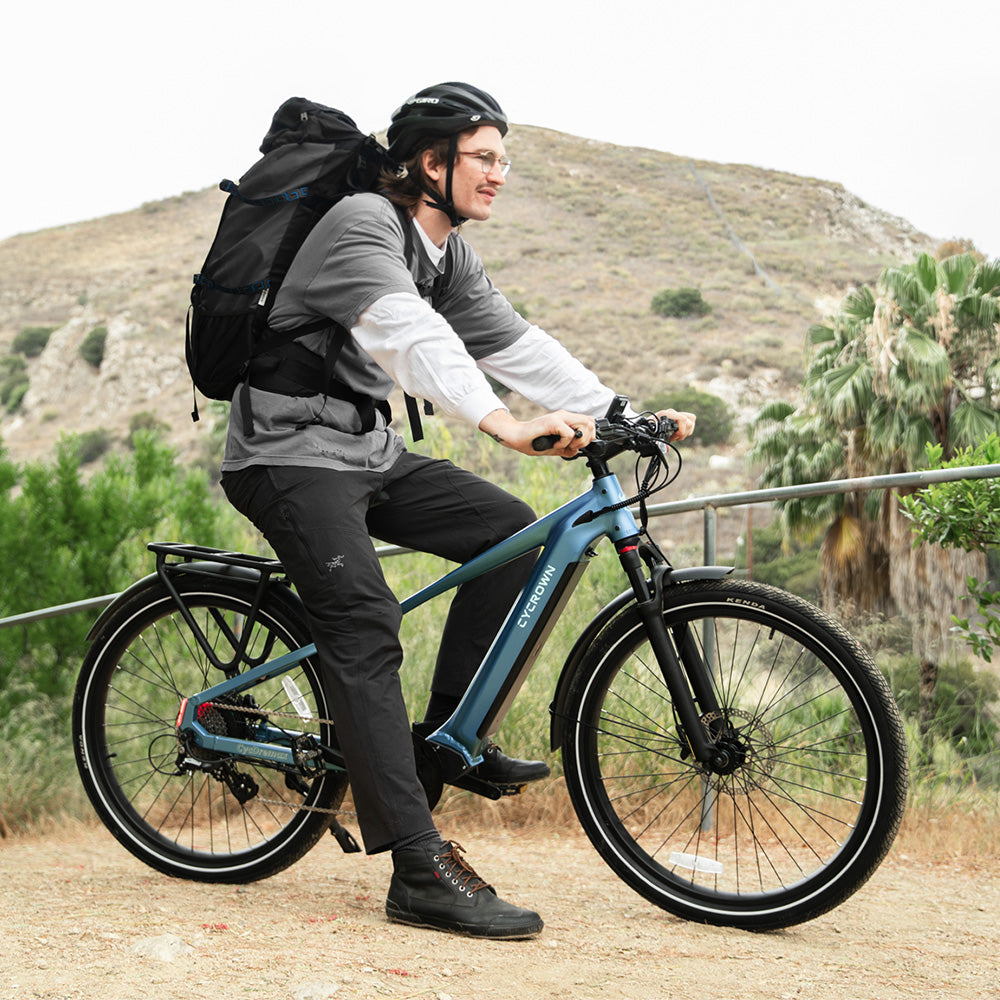
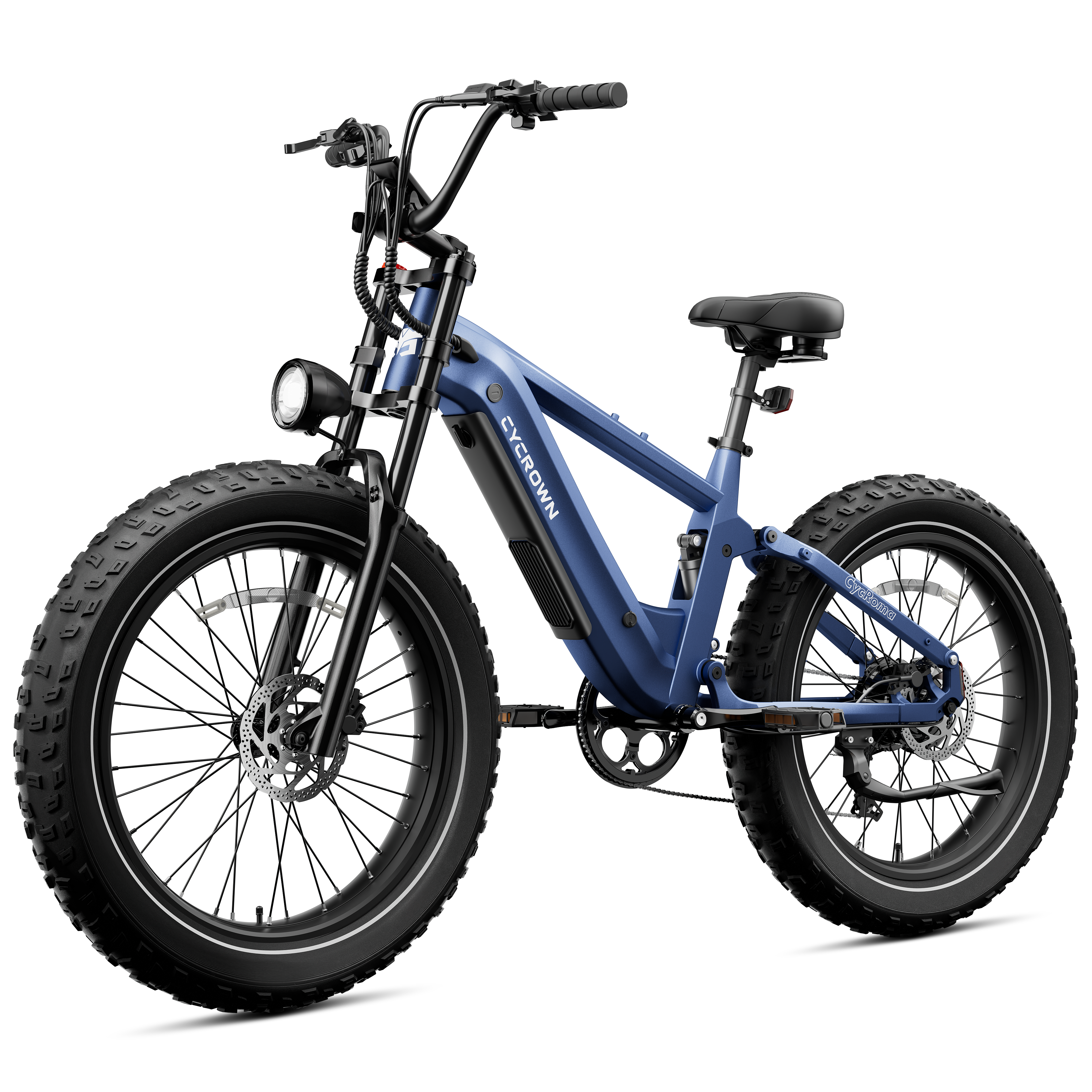
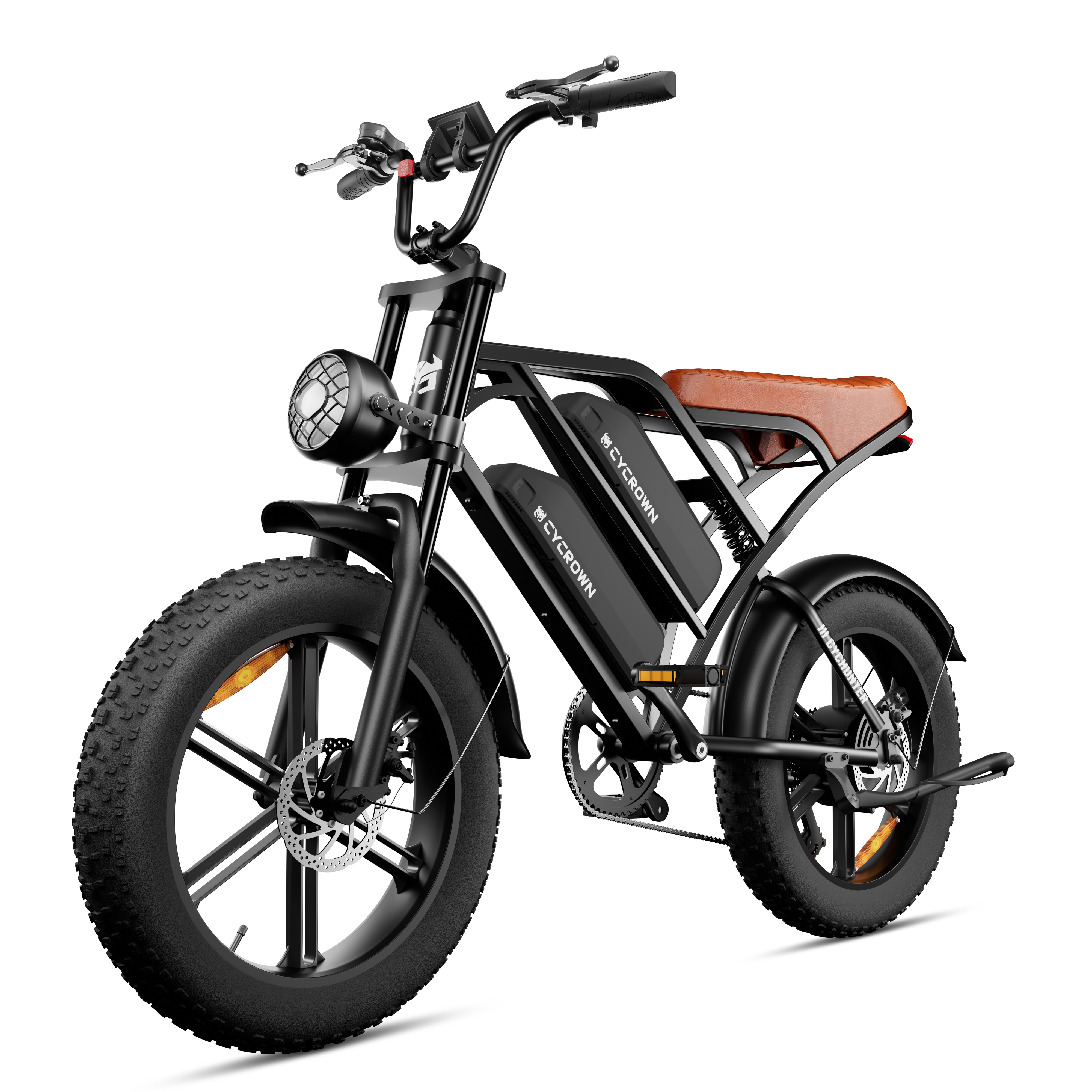
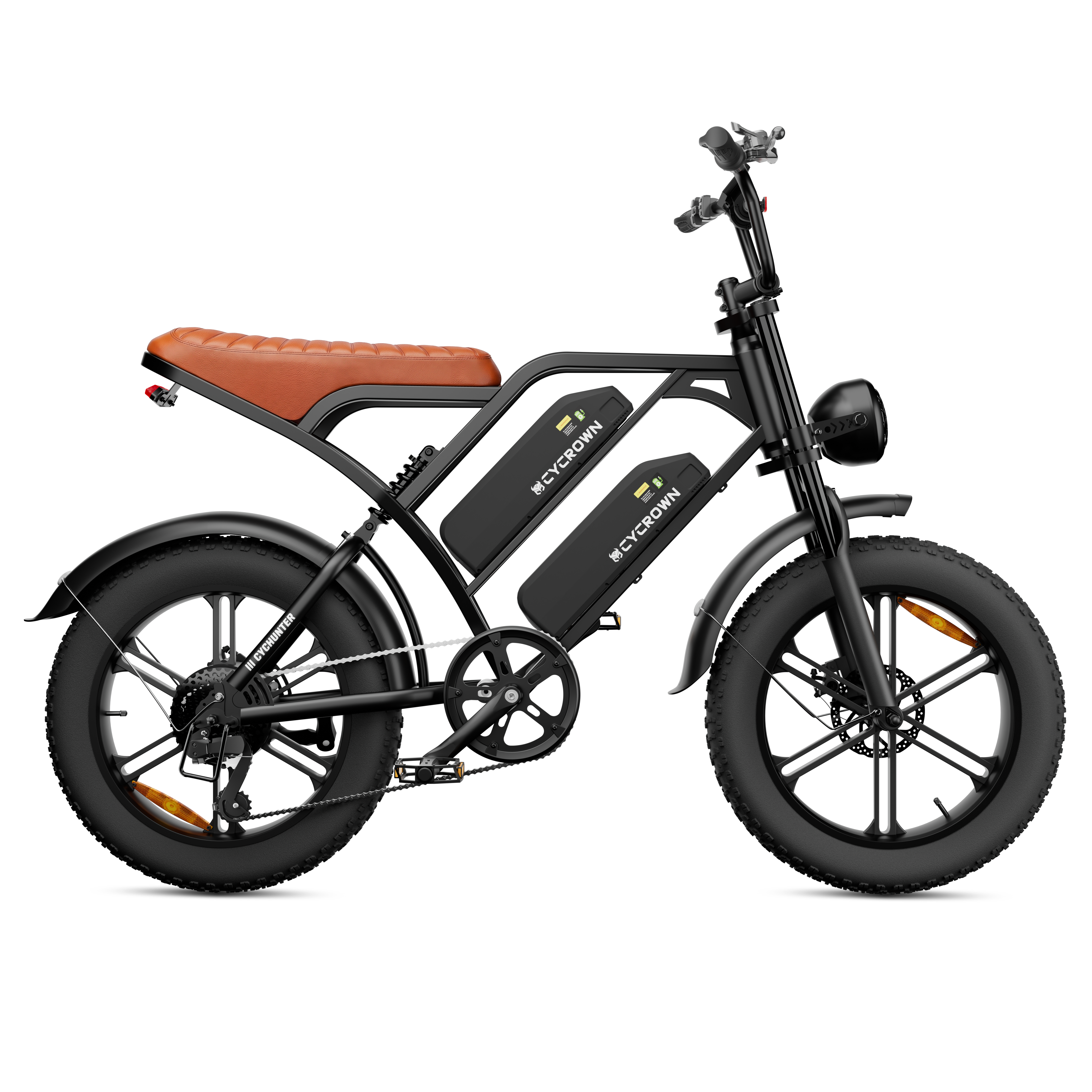
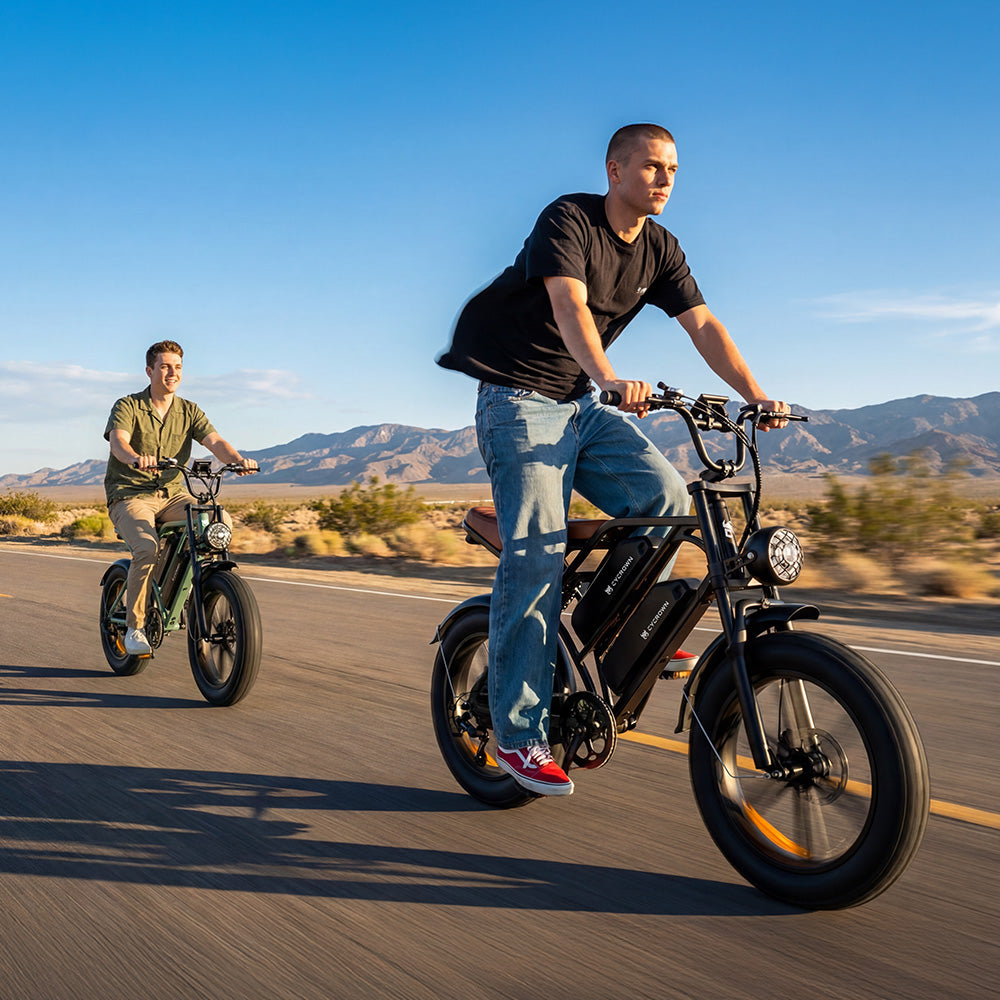
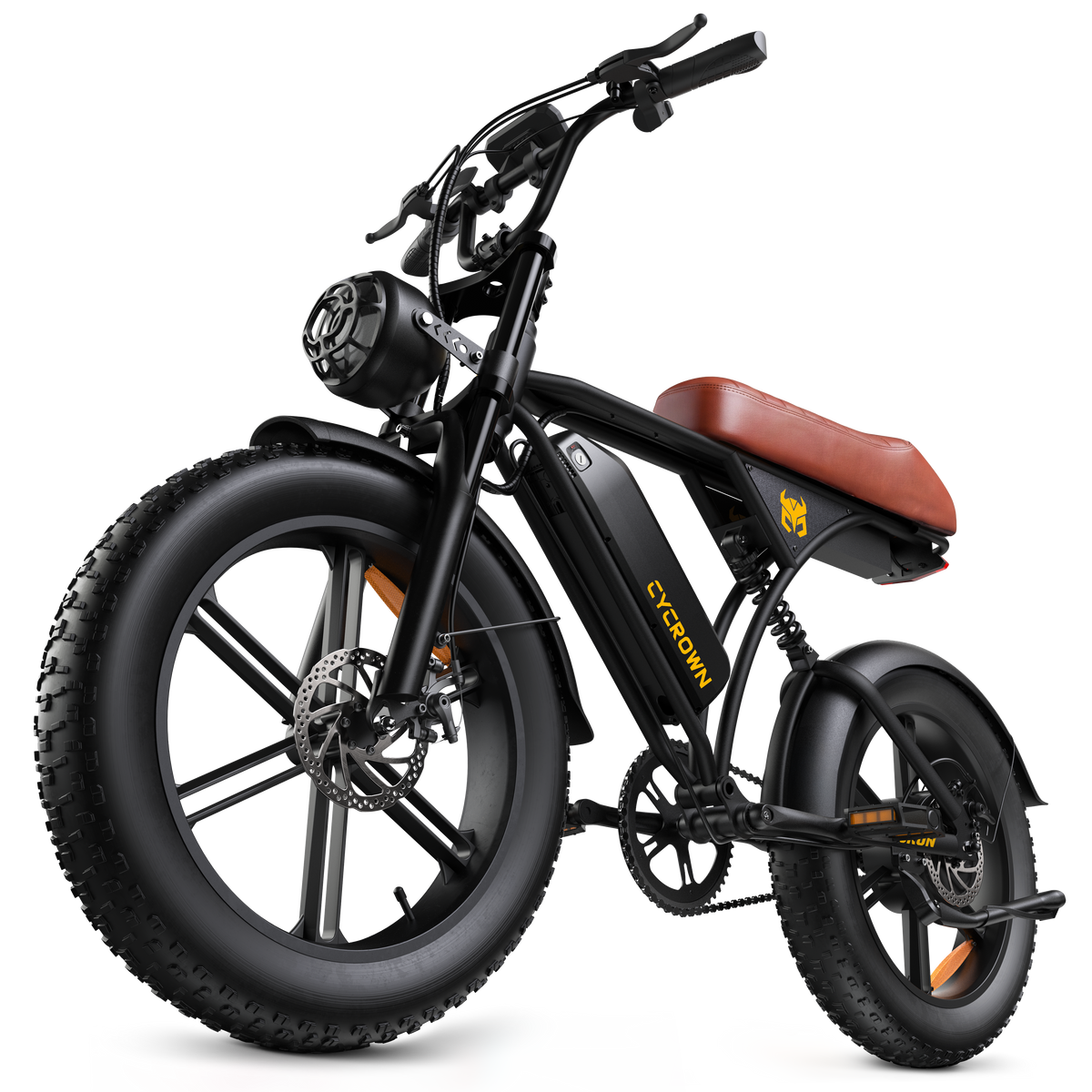
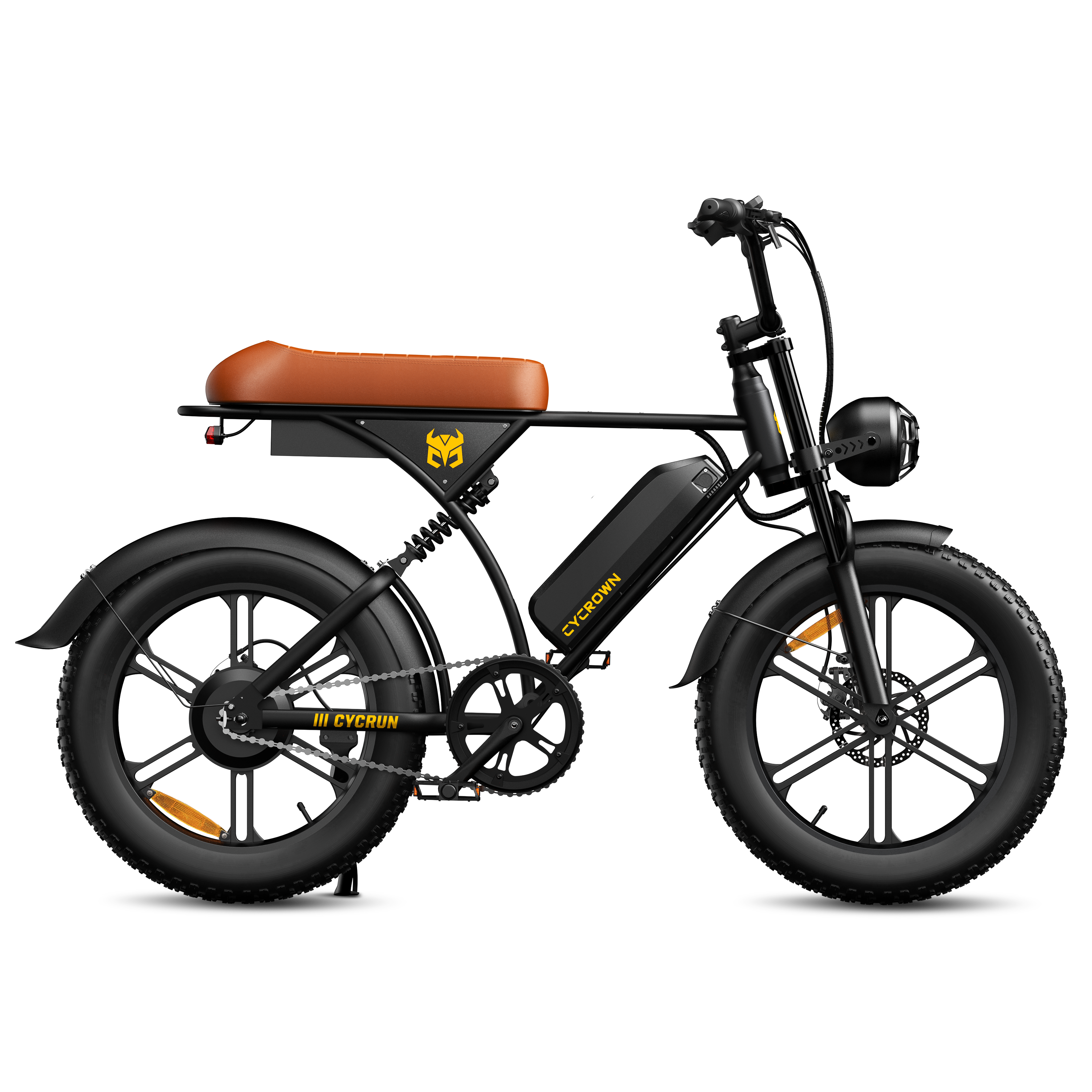
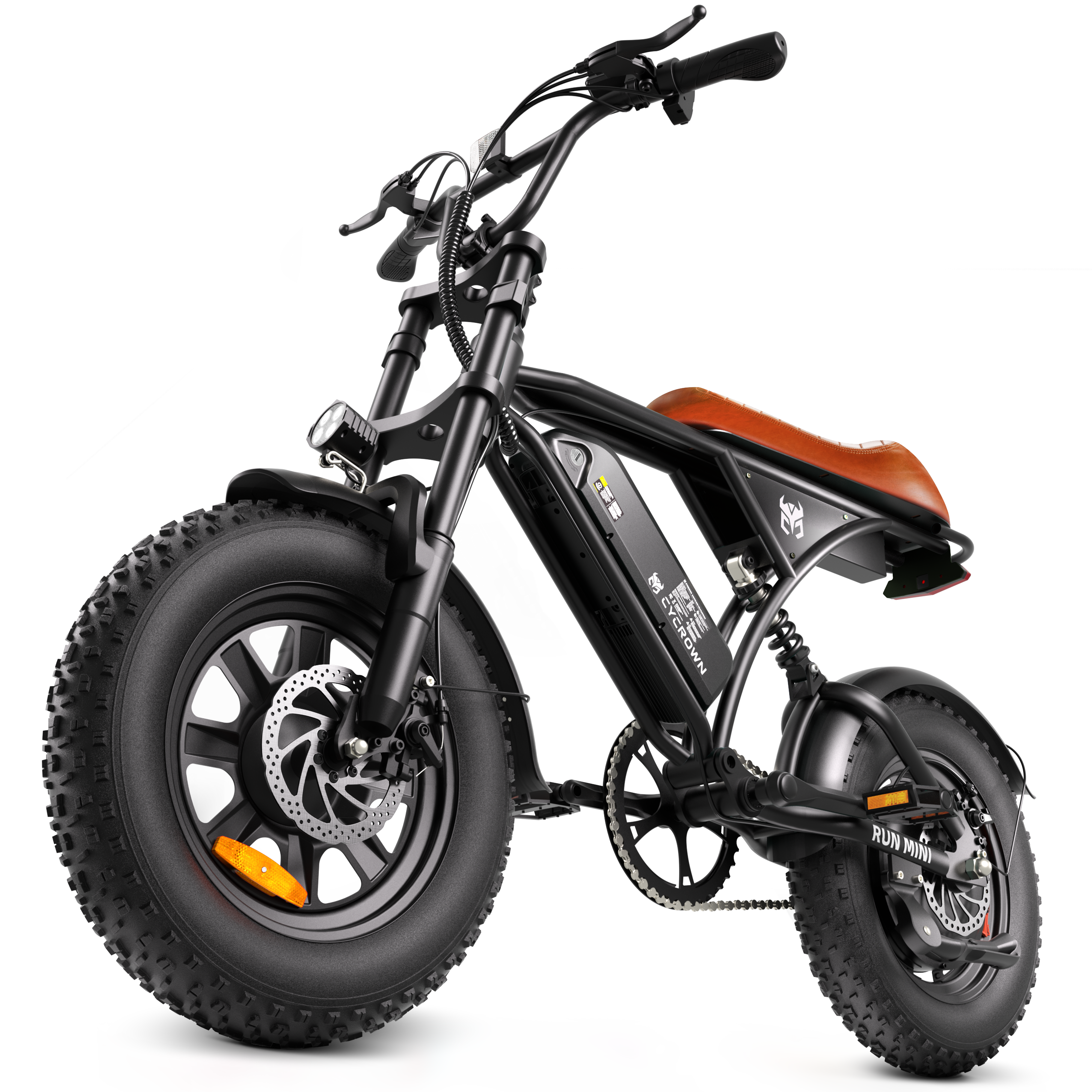
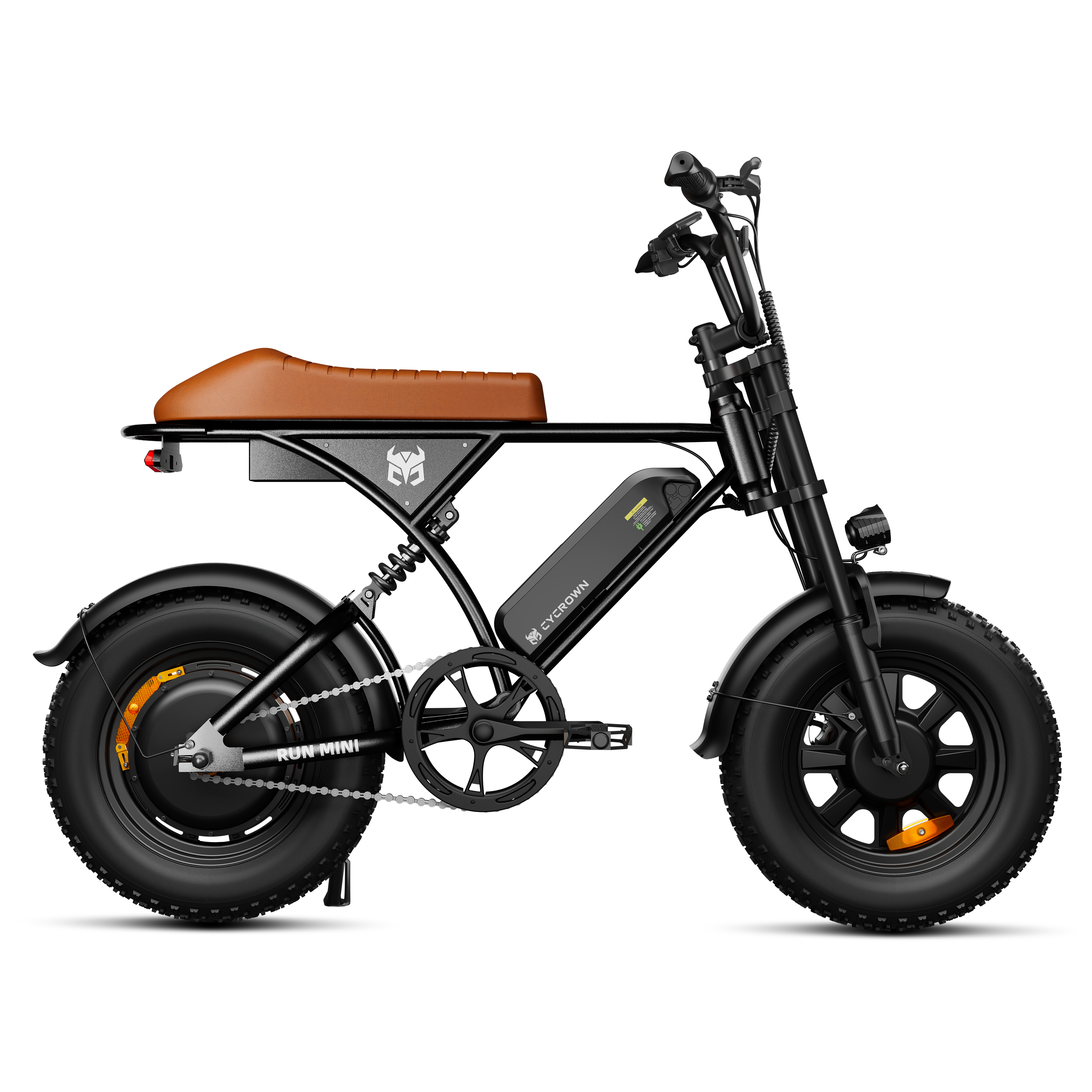
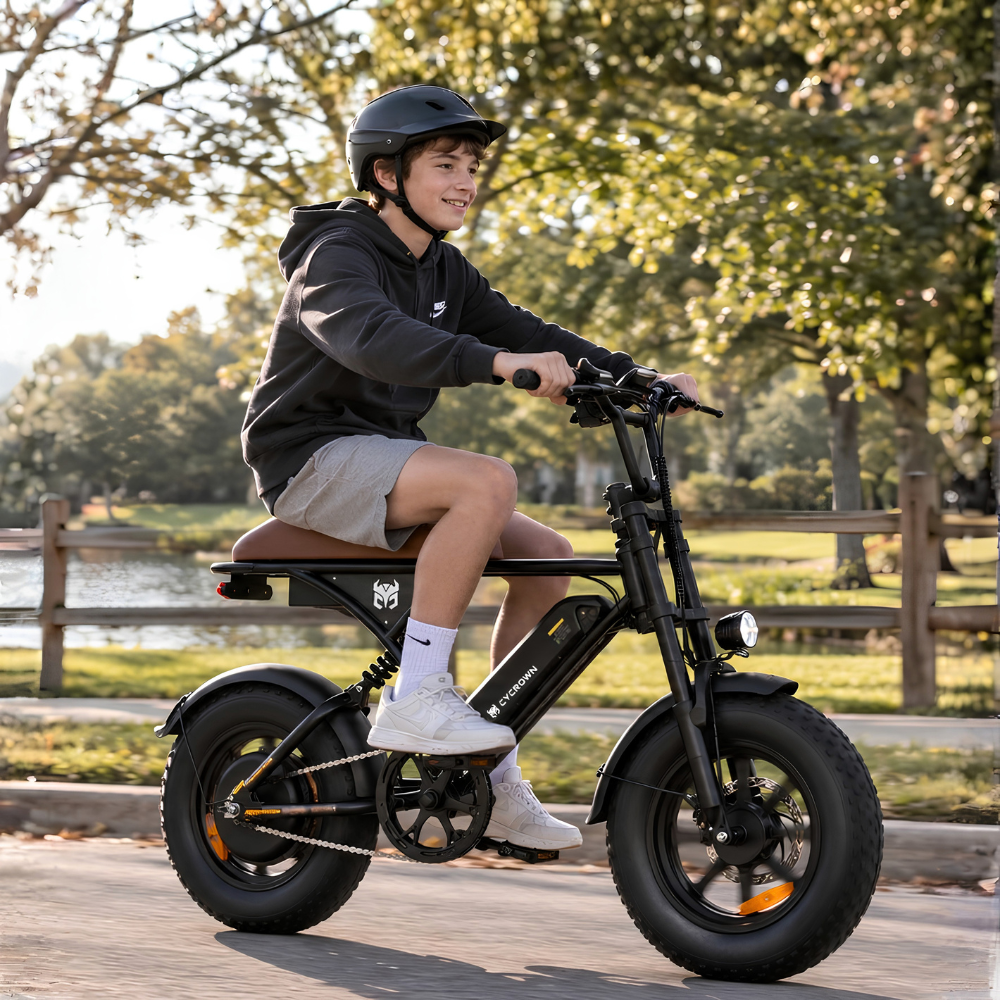
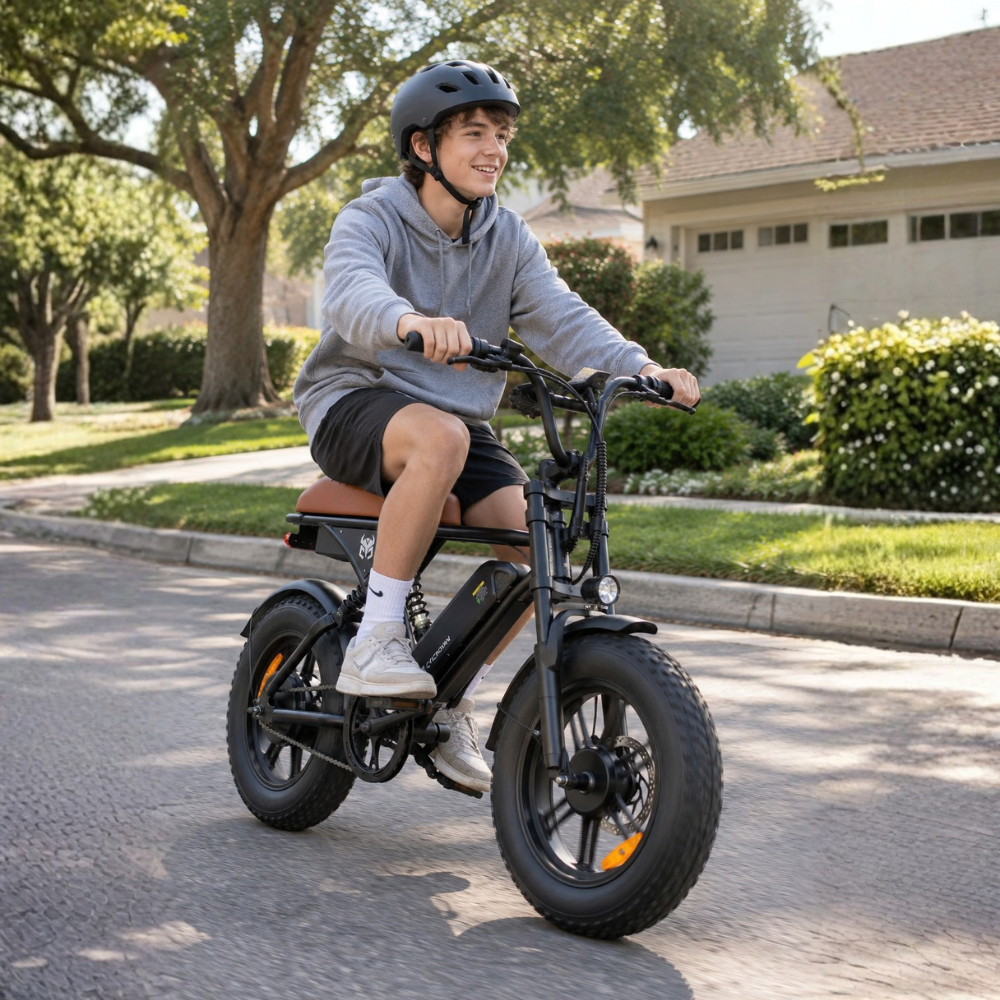
The CYCROWN Urban X Commuter Ebike provides a practical example for evaluating this option. Rather than replacing every function of a second car, it can handle suitable individual trips while another transportation option covers passenger travel, longer journeys, and situations where cycling is impractical.
What can you carry on the Urban X?
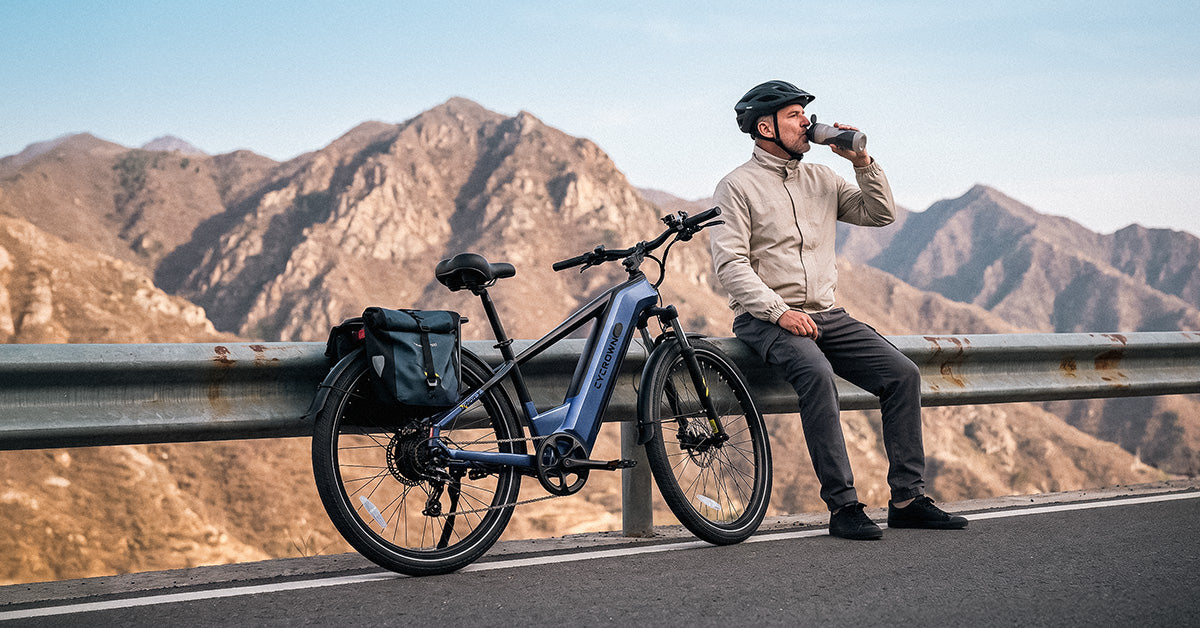
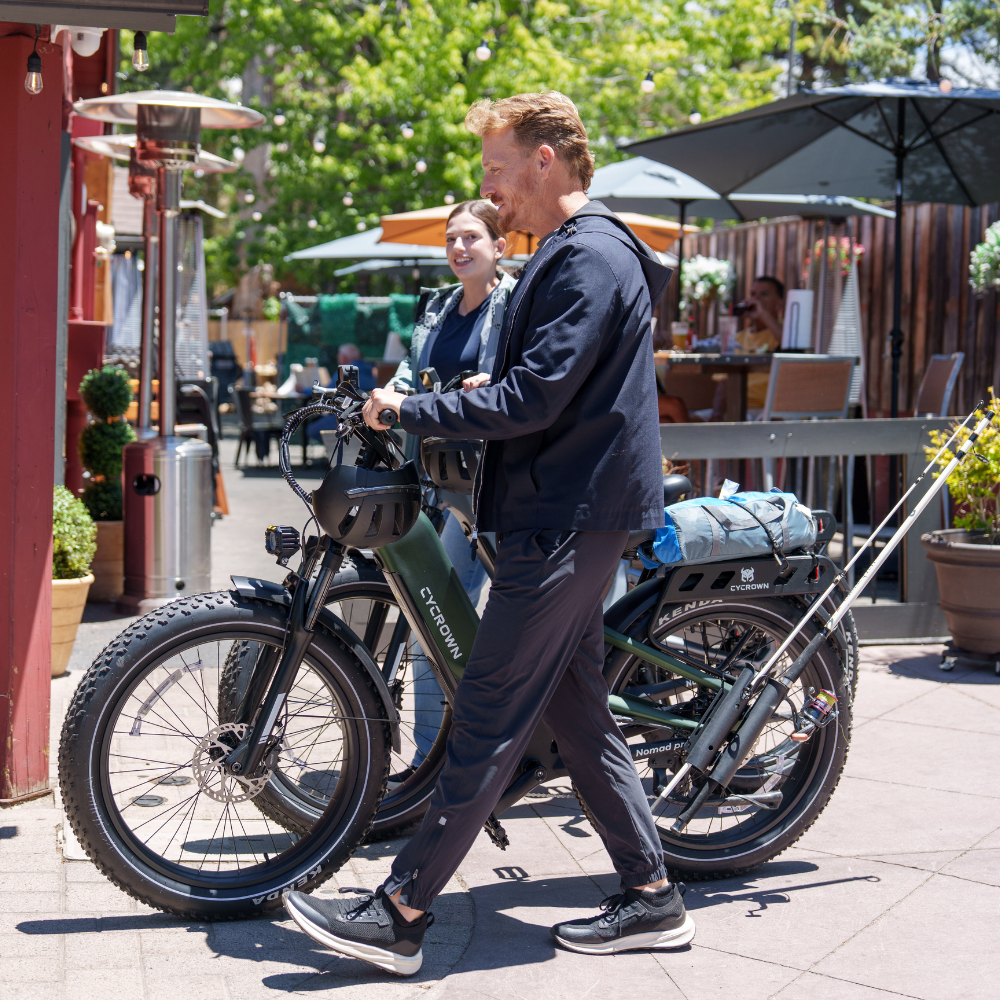
The Urban X has a rear rack rated for up to 66 pounds and a 330-pound maximum payload, including the rider and all cargo. This gives riders room to carry groceries, work essentials, and other everyday items on suitable trips. However, the rack and any attached bags must stay within their individual weight limits, and the load should remain balanced for safe handling.
Range and everyday riding
The Urban X features a 48V 20Ah battery with 960Wh of capacity and a listed maximum range of up to 90 miles under ideal conditions. Actual range varies with rider weight, terrain, weather, cargo, and assistance level. When evaluating whether it can replace regular car trips, compare your typical round-trip distance with the bike's realistic range and leave enough battery reserve for the return journey. Its 70.5-pound weight is also worth considering if you need to carry it upstairs or transport it by vehicle.
When Does a Second Car Make More Sense?
A second car makes more sense when two household members need separate transportation and one regularly carries passengers, travels far, or drives through conditions unsuitable for cycling. A car can also be the more workable choice for a rider with mobility limitations or a route without a reasonable place to ride.
Its flexibility comes with commitments even when it sits in the driveway. Insurance, maintenance, and depreciation can continue between trips, while age-related repairs may arise regardless of mileage. The relevant comparison is not whether a car is useful; it is whether this particular household needs a second one often enough to justify keeping it.
Consider whether the remaining household car is actually available when needed. If both adults leave at the same time, a backup plan that depends on sharing one car may fail on the very days it matters most. Record those conflicts before deciding the second vehicle is unnecessary.
E-Bike vs Second Car: Where Do Ownership Costs Differ?
The comparison below outlines the main ownership factors for each option, including energy, insurance, maintenance, and depreciation. Actual costs vary by location, coverage, vehicle condition, and how often each option is used.
| Dimension | Urban X Commuter Ebike | Second car |
|---|---|---|
| Main use | Solo trips and errands | Multiple household members, passengers, longer trips |
| Cargo | Rear rack rated for 66 pounds | Varies by vehicle |
| Energy | Battery charging | Fuel or vehicle charging |
| Insurance | Confirm theft and liability coverage | Obtain vehicle-specific quotes |
| Maintenance | Tires, brakes, drivetrain, battery | Tires, brakes, scheduled repairs |
| Depreciation | Purchase price minus future resale value | Current market value minus future resale value |
| Limitations | Weather, route, cargo, no assumed passenger capacity | Ongoing costs even when parked |
Insurance Coverage and Liability
Selling a second car can reduce your household's auto insurance costs because you can remove that vehicle from your policy. However, your remaining car's premium may increase if your household loses a multi-car discount. Ask your insurer for an updated quote showing the total annual premium after removing the second vehicle, then compare it with your current premium to estimate the actual savings.
In many states, e-bikes that meet the state's legal definition are treated more like bicycles than motor vehicles and are not subject to the same mandatory insurance requirements as cars. However, rules vary by state and vehicle classification, so check local requirements for your specific e-bike.
Even when separate insurance is not required, you may want additional coverage for e-bike theft, damage, or riding-related liability. Check your homeowners or renters insurance policy first, as coverage and exclusions vary. Compare the cost of any additional coverage with your auto insurance savings to estimate how switching from a second car to an e-bike could affect your household's total insurance expenses.
What Maintenance Should Owners Budget For?
For an e-bike, budget for tire and tube replacement, brake pads, chain and drivetrain wear, periodic adjustments, and shop labor. A battery replacement may fall outside your comparison period, but it is worth considering as a separate longer-term risk rather than assuming the original battery lasts forever.
A car needs its own schedule of inspections and repairs. Depending on the vehicle, that may include tires, brakes, fluids, filters, and larger mechanical or electrical work. Use the car’s maintenance schedule and recent repair history; do not assign identical expenses to a lightly used electric car and an older gasoline vehicle.
An e-bike generally has fewer major mechanical systems to maintain than a car, but that does not guarantee lower service costs in every case. Actual expenses depend on mileage, riding conditions, replacement parts, and local labor rates. Compare realistic estimates for both options rather than treating a generic annual figure as a guarantee.
How Should Depreciation Be Calculated?
Depreciation is the loss in an item's value over the period you own it. For a newly purchased e-bike, estimate the difference between its purchase price and expected resale value at the end of your chosen period. Include realistic selling expenses separately if applicable, and treat the resale estimate as uncertain.
For a car you already own, use its current resale value minus its expected value at the end of the same period. The original purchase amount is a past expense and should not determine whether keeping the car makes sense today. This distinction matters because a paid-off car still has a value you could recover by selling it.
Use a range of possible future values for each vehicle. Battery condition, mileage, maintenance history, physical condition, and changes in the used market can all affect resale value. Second-car depreciation can be modest or significant; it is not a fixed percentage for every vehicle.
Calculate the Household Cost Difference
To compare the cost of replacing a second car with an electric bike, use the same ownership period and account for the same transportation needs. Choose a period such as three years, then estimate what each option will cost from today forward. Do not count a past car purchase again, and do not assume the bike eliminates a trip that still requires another vehicle.
Build two comparable totals
For the e-bike option, calculate the cost of purchasing and using the bike over your chosen period:
- Purchase price and one-time setup expenses, such as a suitable lock and compatible cargo bags.
- Any change in insurance costs for the remaining household car after removing the second vehicle, including the loss of a multi-car discount, plus separate e-bike coverage if needed.
- Maintenance, expected repairs, and electricity for charging.
- Backup transportation, including rentals, transit, or occasional rideshares.
- Subtract the estimated resale value of the e-bike at the end of the period.
For the keep-the-car option, calculate the cost of keeping the second vehicle over the same period:
- Insurance and registration.
- Fuel or electricity, maintenance, and expected repairs.
- Parking and other applicable ownership expenses.
- Depreciation, calculated as the car's current market value minus its estimated future resale value.
- If the car has an outstanding loan, include interest as a financing cost, but do not count principal repayments as an additional ownership expense on top of depreciation.
If you sell the second car, record the sale proceeds separately as a one-time cash flow. Do not count the original purchase price of the car again when comparing future costs.
Test the Numbers Against Real Trips
Suppose your second car makes 12 trips in a month: eight solo errands, two passenger trips, and two longer appointments. If the e-bike replaces the eight errands but the other four still require a car or another transportation option, include the associated costs in the e-bike option. Repeat the exercise for winter or your local rainy season, when the mix of trips may change.
Compare the totals, then divide each by the number of trips it realistically serves if that helps your decision. Keep the total as the primary measure: a lower cost per e-bike trip does not automatically make selling the car practical. Consider nonfinancial trade-offs, including travel time and whether backup transportation is available at short notice.
Also consider whether you have a convenient place to charge and securely store the e-bike. Building or workplace restrictions may affect how practical it is to use the bike regularly.
E-Bike vs Second Car: Which Choice Fits Your Trips?
An e-bike may be a practical alternative when the second car is mainly used for short solo trips, and the routes, cargo, and travel distances are manageable by bike. Before relying on it regularly, check that you have a suitable place to store and charge it, test your usual routes with a realistic load, and arrange backup transportation for trips it cannot handle.
Keep the second car if it regularly carries essential passengers, covers long distances, or must be available when the household’s other car is in use. A mixed approach can also work: use the e-bike for nearby errands while keeping the second car until you have enough trip records to decide whether it is still necessary.
Before making the final decision, compare these three factors:
- Load: Can the bike carry the rider and cargo within its overall payload limit, while keeping the rack and bags within their individual limits?
- Route: Can you complete your usual round trip with enough battery reserve and access to safe, practical riding routes?
- Backup: Do you have another way to handle passenger trips, severe weather, and unexpected appointments?
Conclusion
An e-bike can reduce the need for a second car when it handles enough of the household’s regular trips. However, a car may still be necessary for passenger travel, longer distances, and situations where cycling is impractical. The deciding factor is the household’s total cost after insurance, maintenance, depreciation, energy, and replacement travel—not the cost of a single ride.
Review your last month of second-car trips, request insurance quotes, and calculate both options over the same period. If you are considering an e-bike, compare its specifications with your actual cargo, route, and storage needs before deciding whether to sell the car.
FAQ
Can an e-bike replace a second car?
Yes, an e-bike can replace some or most second-car trips if the household mainly uses that car for short solo journeys. Before making the switch, consider your typical trip distance, cargo needs, riding routes, and access to backup transportation. Still unsure whether an e-bike is worth the investment? Read our guide to what makes an electric bike worth the investment.
Is an e-bike cheaper than owning a second car?
An e-bike generally costs less to purchase and operate than a second car, but the actual savings depend on which car expenses you can eliminate. If you keep the car, insurance, registration, and depreciation may continue even when you drive less. If you sell it, account for occasional rentals, rideshares, or other transportation costs.
Do I need separate insurance for an e-bike?
Not necessarily. Start by checking your homeowners or renters insurance policy to see whether it covers e-bike theft, damage, and liability. Coverage limits and exclusions vary, and some policies may not cover certain types of e-bikes. A separate e-bike policy may be worth considering if your existing coverage is insufficient.
Will riding an e-bike reduce my car insurance costs?
It may, especially if switching to an e-bike significantly reduces your annual car mileage. Ask your auto insurer whether a low-mileage discount is available and whether your new estimated mileage could change your premium. Savings depend on your insurer, policy, and state.
How far can an e-bike go on one charge?
E-bike range depends on battery capacity, rider weight, terrain, weather, cargo, and pedal-assist level. A manufacturer's maximum range is usually an ideal-condition estimate, so plan around your actual riding conditions rather than relying on the highest advertised figure. Leave enough battery reserve for the return trip.


