












What Determines Whether an E-Bike Is Worth the Investment?
An electric bike can be a worthwhile investment when it fits your transportation needs and riding habits. Regular use can help reduce certain travel expenses, make everyday trips more convenient, and provide years of use with proper care. However, the initial price is only one part of the decision. Battery replacement, maintenance, accessories, and riding frequency also affect long-term value.
Is Buying an Electric Bike Worth the Investment?
It can be, especially if you ride frequently and choose a bike suited to your needs. Electric bike benefits include easier hill climbing, convenient trips, and an alternative to some short car journeys. However, you must also charge the battery, maintain components, and budget for replacement parts. The value depends on how much you use the bike and which transportation costs it helps you avoid.
Understand the Initial Cost and Long-Term Value of an E-Bike
Look Beyond the Price Tag
Many consumer e-bikes cost around $1,000 to $3,000, although entry-level and premium models can fall outside this range. Consider the cost per ride: a $2,000 bike used 300 times annually for three years costs about $2.22 per ride before maintenance. More frequent use over a longer period reduces that figure.
Count the Extras
A helmet, lock, lights, fenders, and mirrors can add to your initial spending. Include these accessories when calculating electric bike ownership costs.
How an Electric Bike Can Support Everyday Transportation

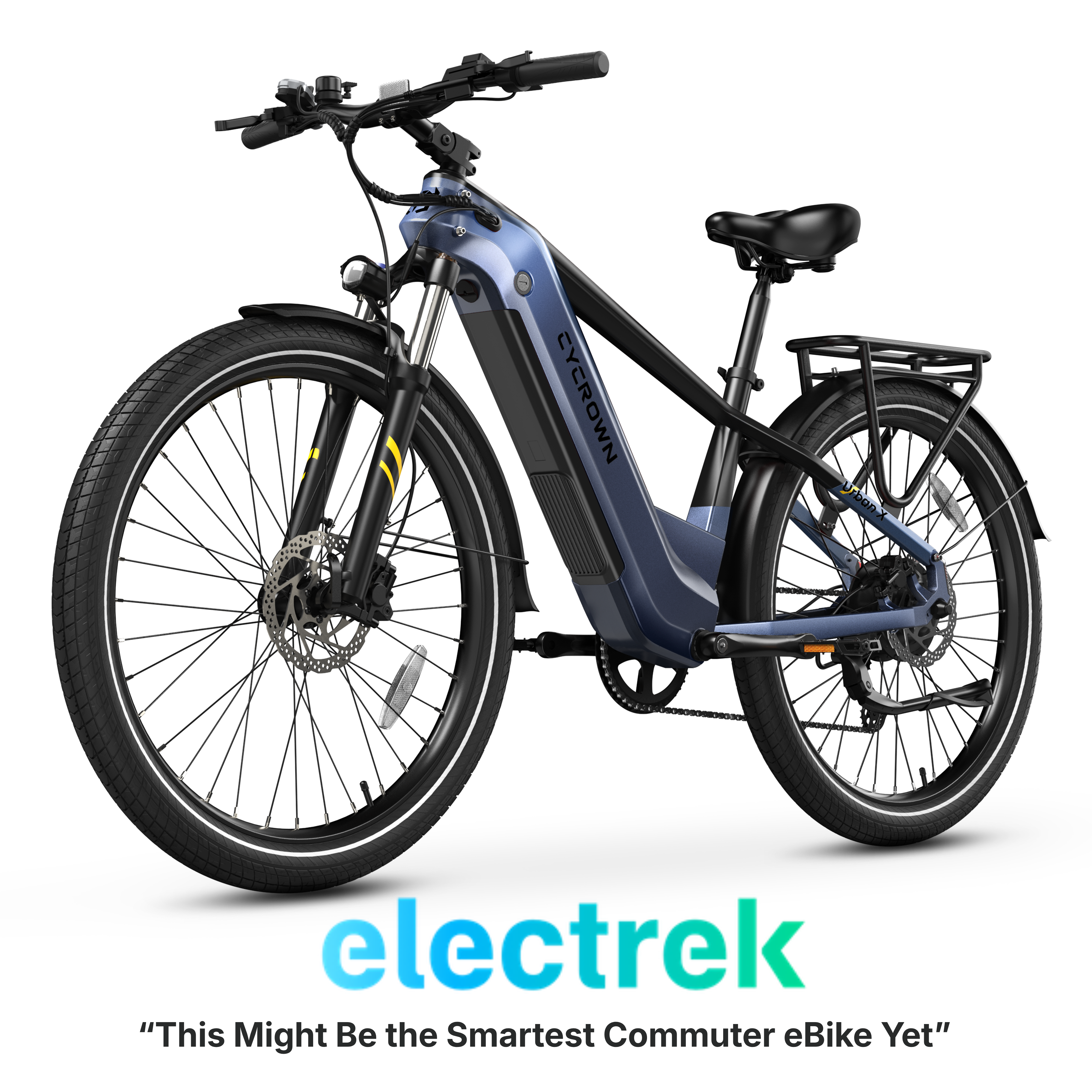
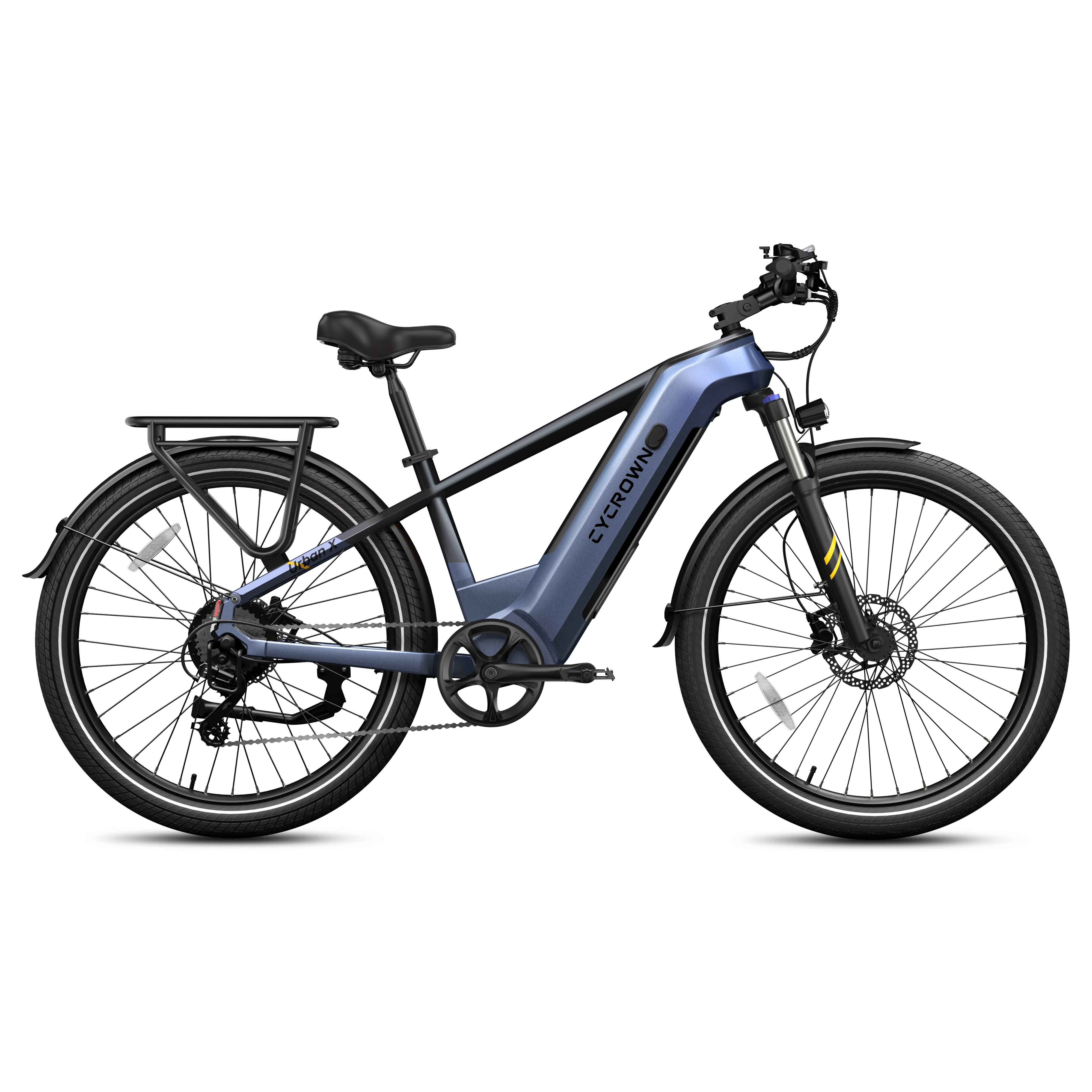
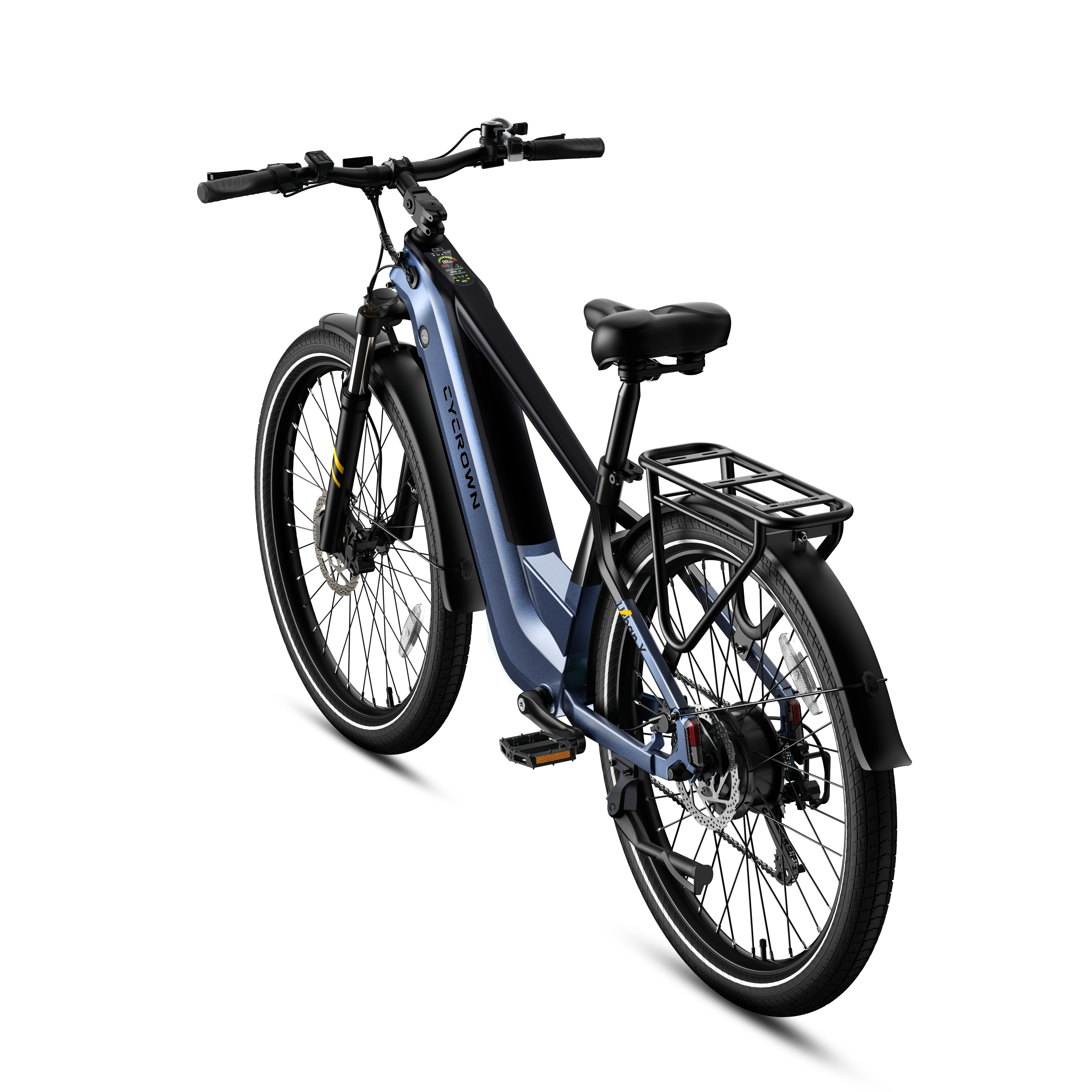
(Urban X)
Commuting, Errands, and Weekend Rides
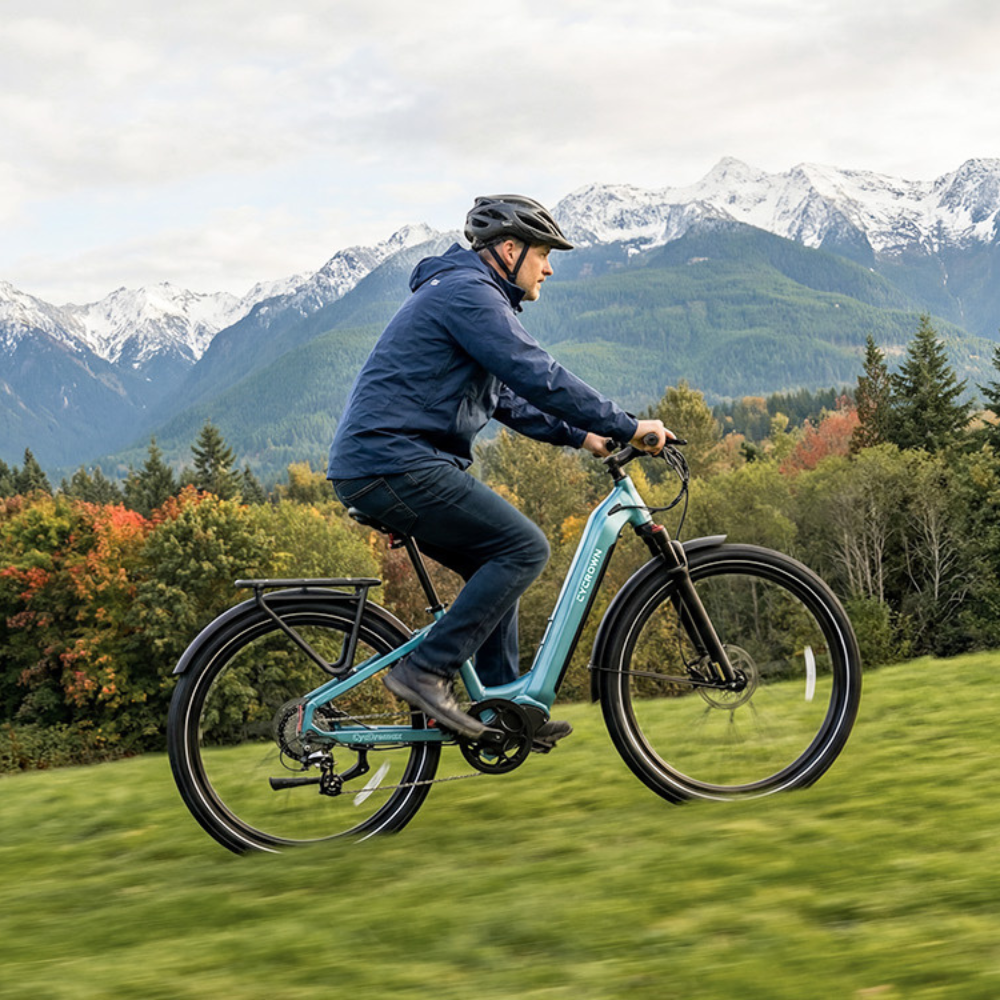
Electric bike commuting can work for trips of varying distances, depending on battery range, terrain, and your daily needs. Whether traveling across town or commuting into downtown Chicago, an e-bike can help you avoid some traffic and parking hassles. It can also handle grocery runs and weekend rides. These practical benefits contribute to its overall value.
Possible Savings Compared With Other Options
Suppose you drive five miles each way to work, five days a week, for 52 weeks annually. At 25 miles per gallon and $3.50 per gallon, your car would use approximately 104 gallons of fuel annually, costing around $364. In comparison, an e-bike with a 500Wh battery would cost approximately $0.10 per full charge, assuming 0.55 kWh of electricity per charge, including charging losses, and a U.S. average residential electricity rate of 17.3 cents per kWh. If you charge it once every workday (260 times annually), your estimated annual charging cost would be only $25. This means you could save approximately $339 annually in fuel and electricity costs alone by replacing those car trips with e-bike rides. However, this comparison excludes other ownership expenses, such as vehicle insurance, parking, maintenance, accessories, and potential battery replacement. Actual savings will depend on electricity rates, fuel prices, and riding habits.
Evaluate Battery Life, Riding Range, and Charging Needs
Battery lifespan significantly affects long-term ownership costs. Many lithium-ion e-bike batteries are designed for approximately 500 to 1,000 full-equivalent charge cycles, although actual lifespan varies with battery quality, usage, and storage conditions. A replacement may cost several hundred dollars, depending on the model.
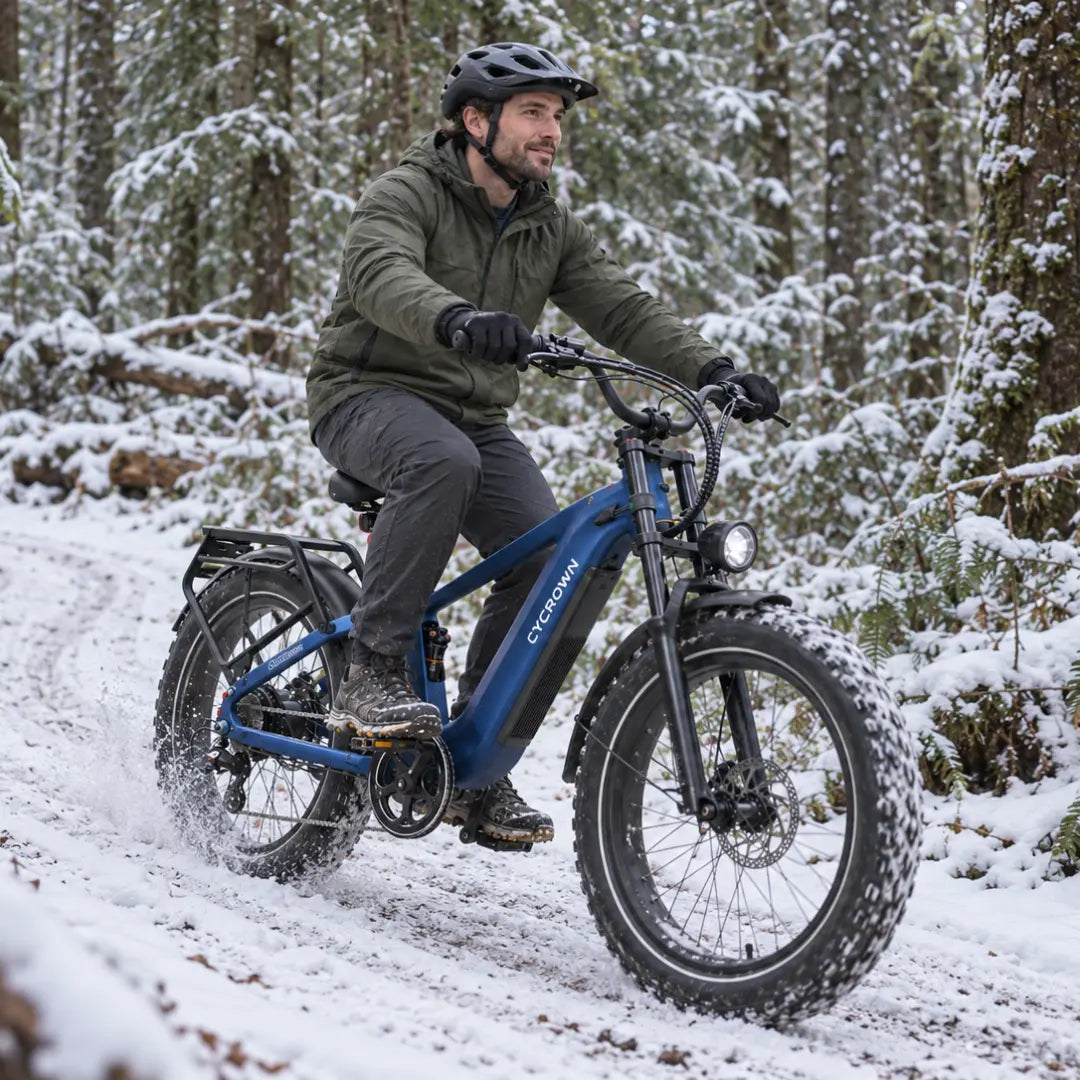
Electric bike range also varies. Battery capacity, hills, rider and cargo weight, wind, and assist level all affect distance per charge. Some bikes travel 20 to 40 miles under certain conditions, while others offer shorter or longer ranges. Check manufacturer specifications and independent reviews rather than relying on advertised maximums. Cold weather can temporarily reduce range, so store the battery away from temperature extremes.
For more guidance, read CYCROWN's guide to charging and maintaining an e-bike battery.
Look for Build Quality and Features That Support Durability
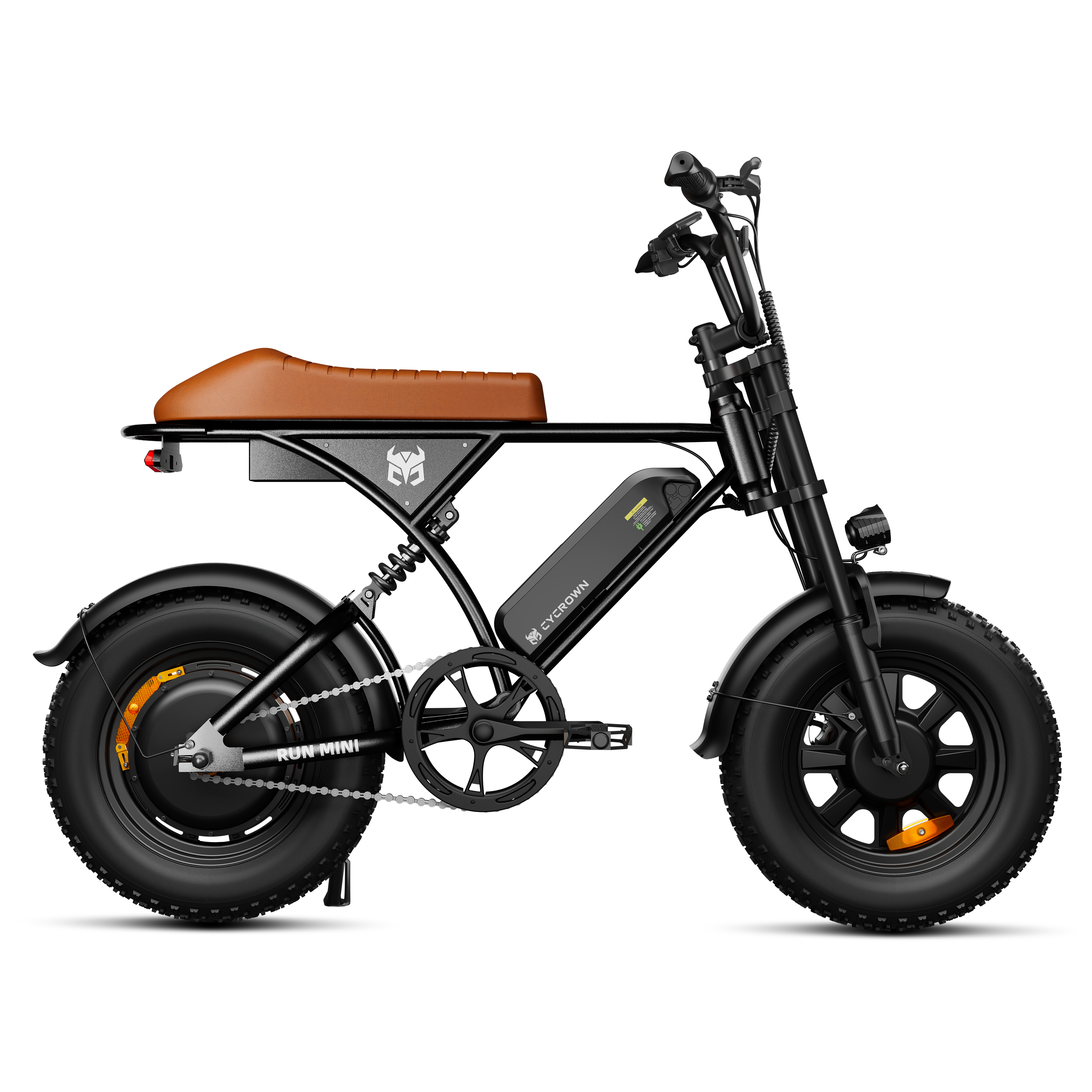
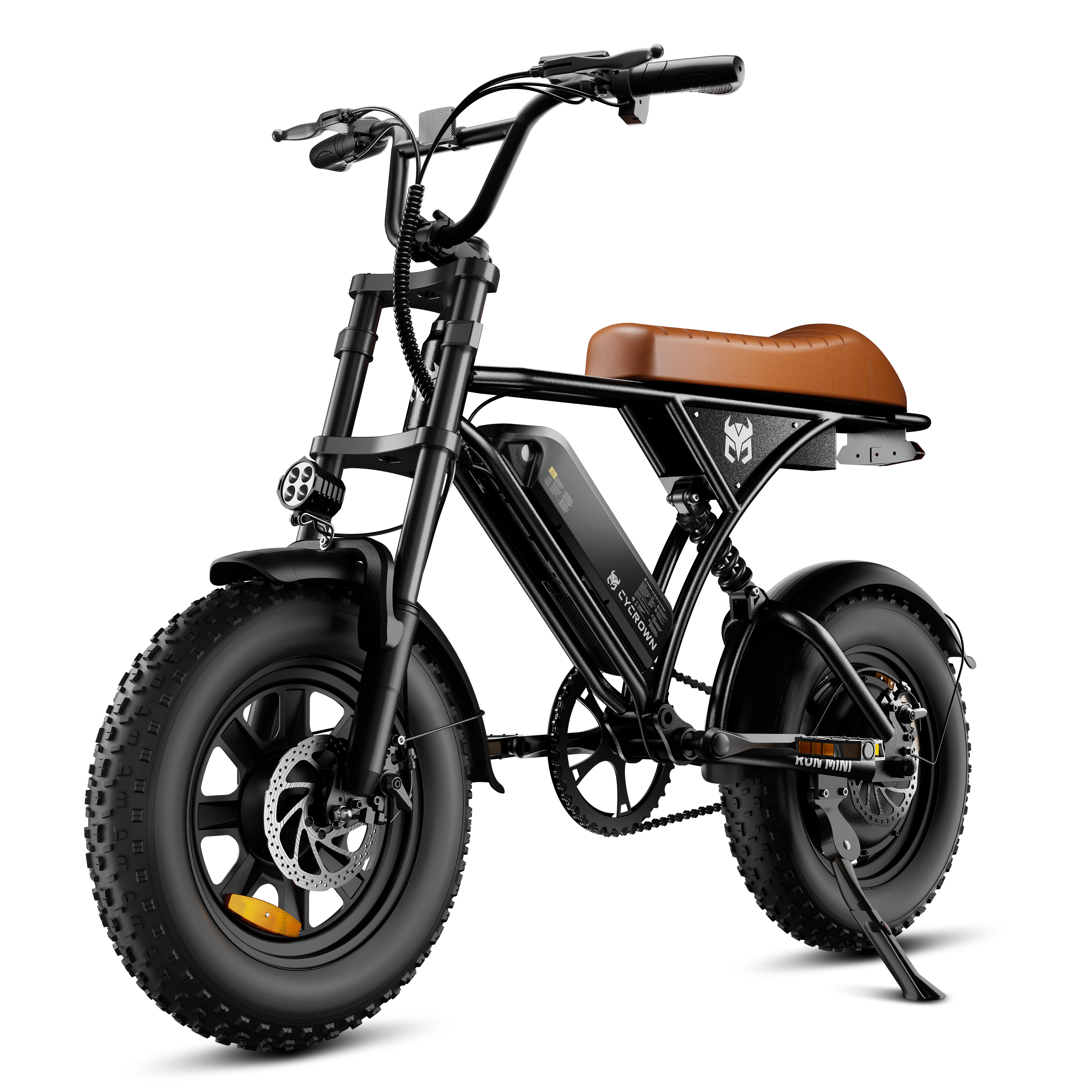
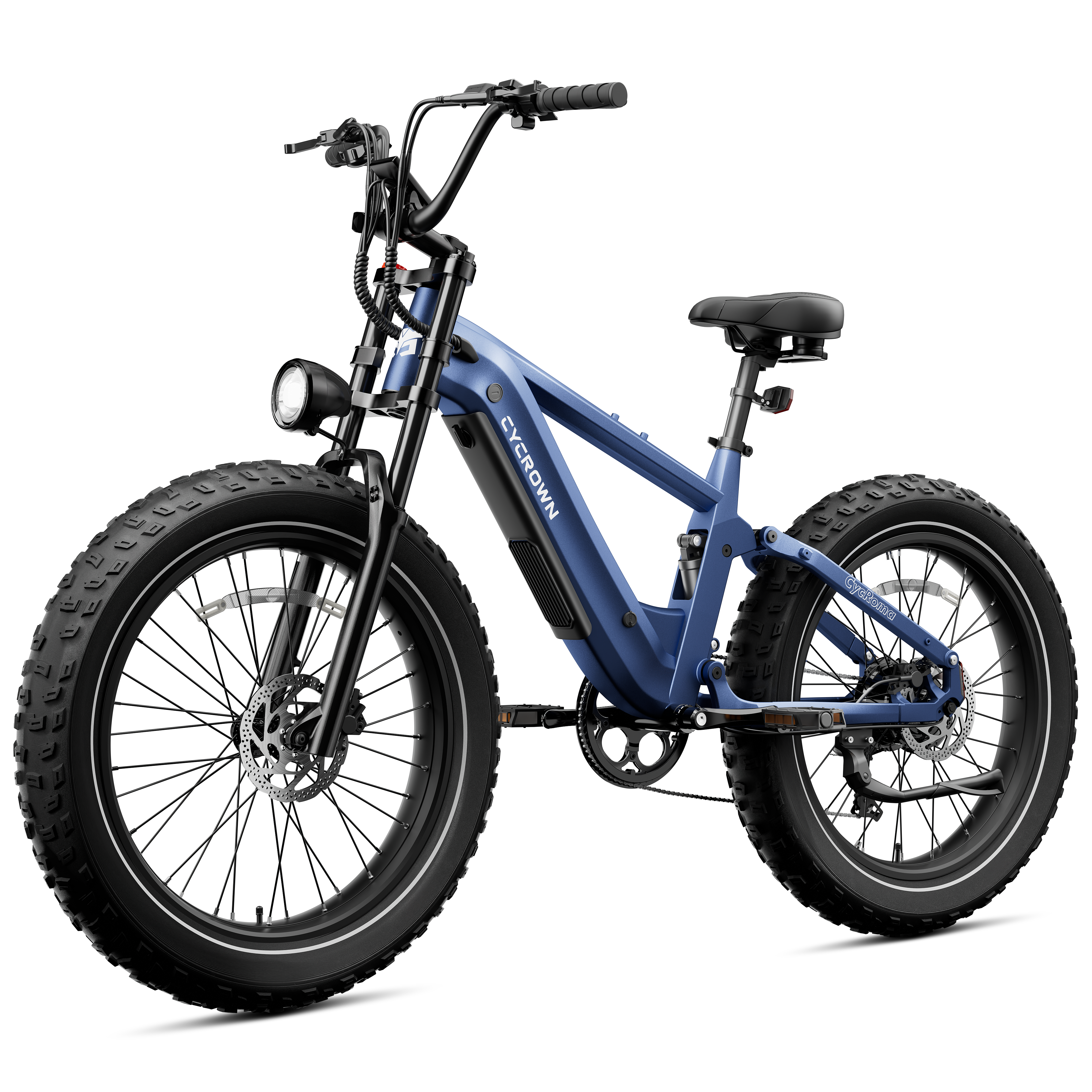
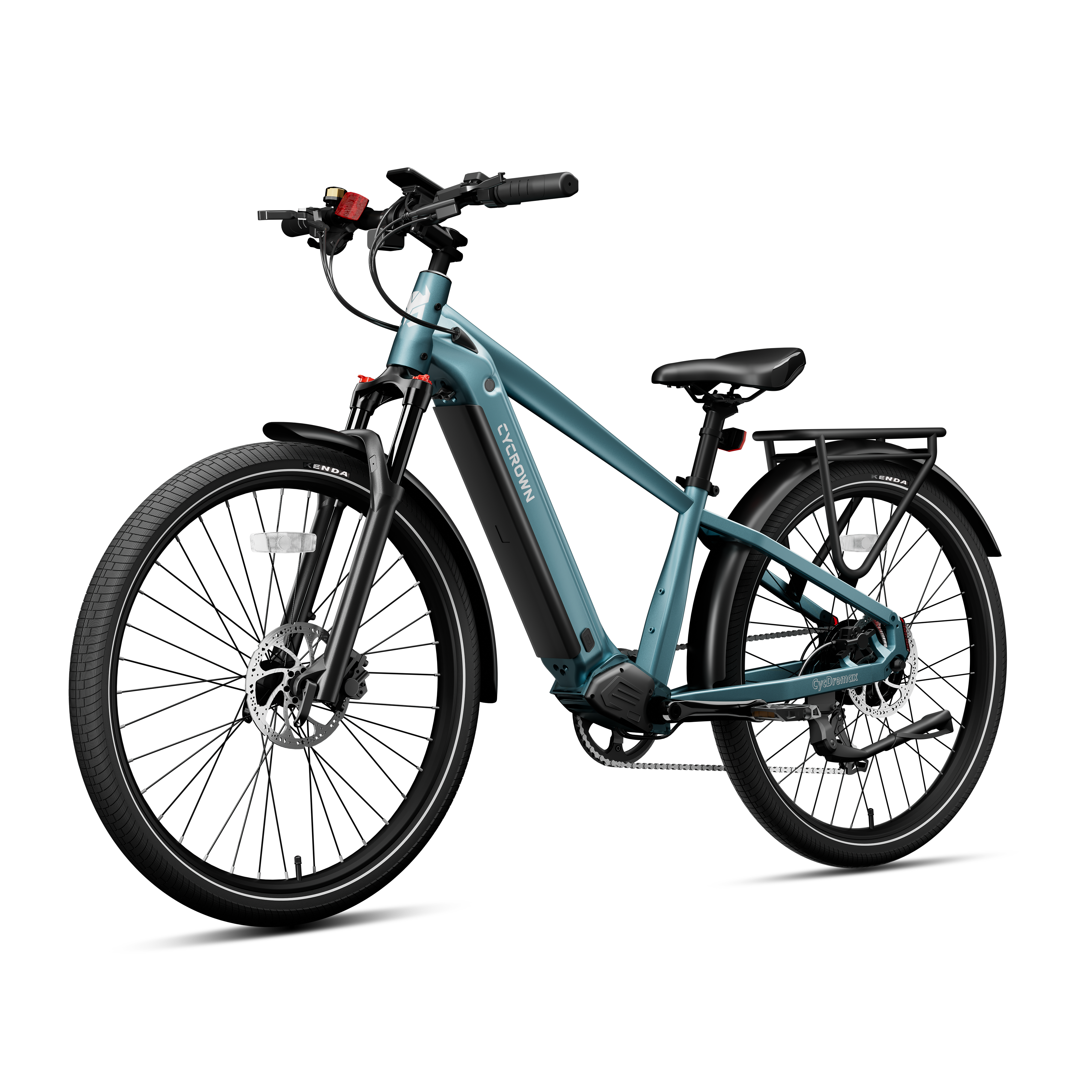
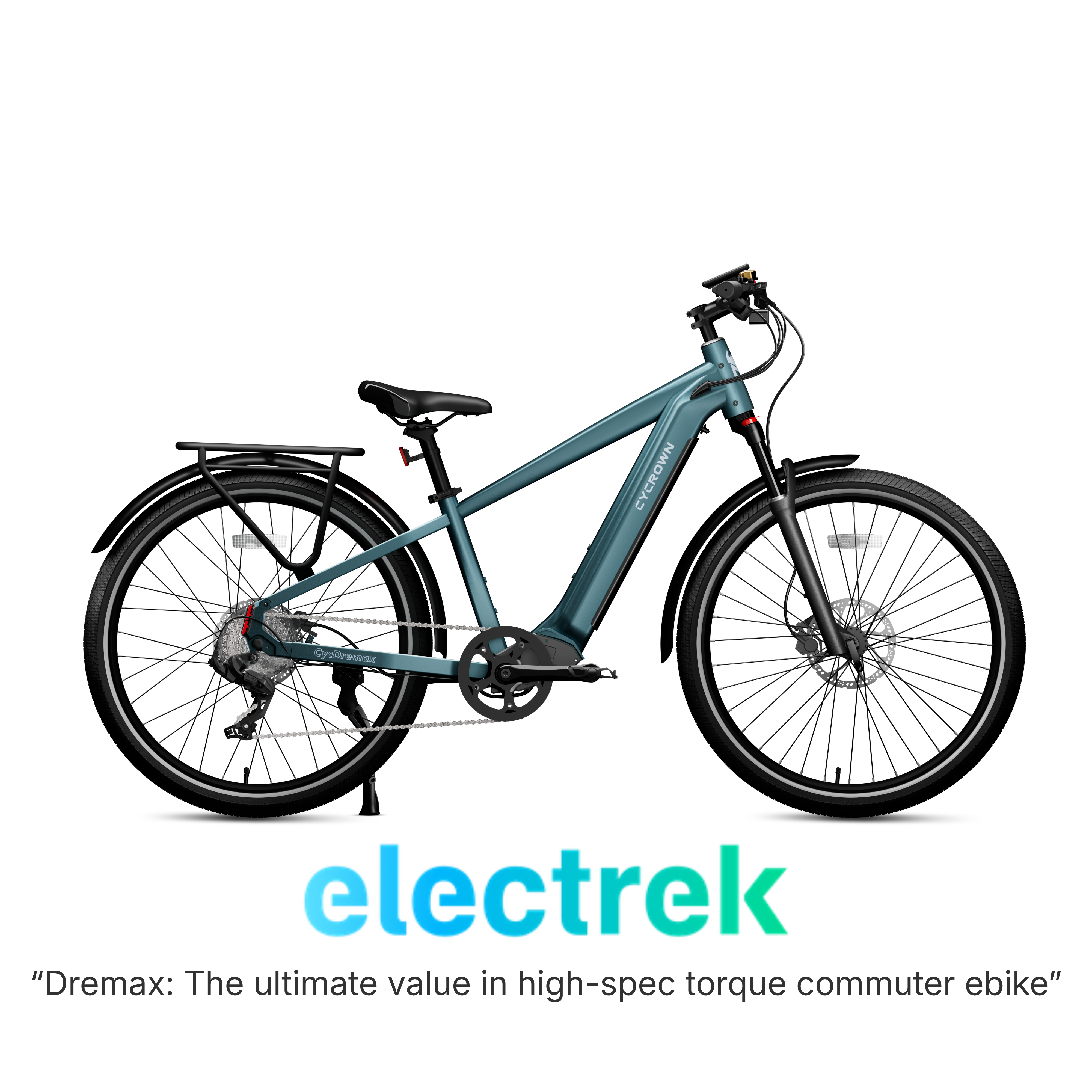
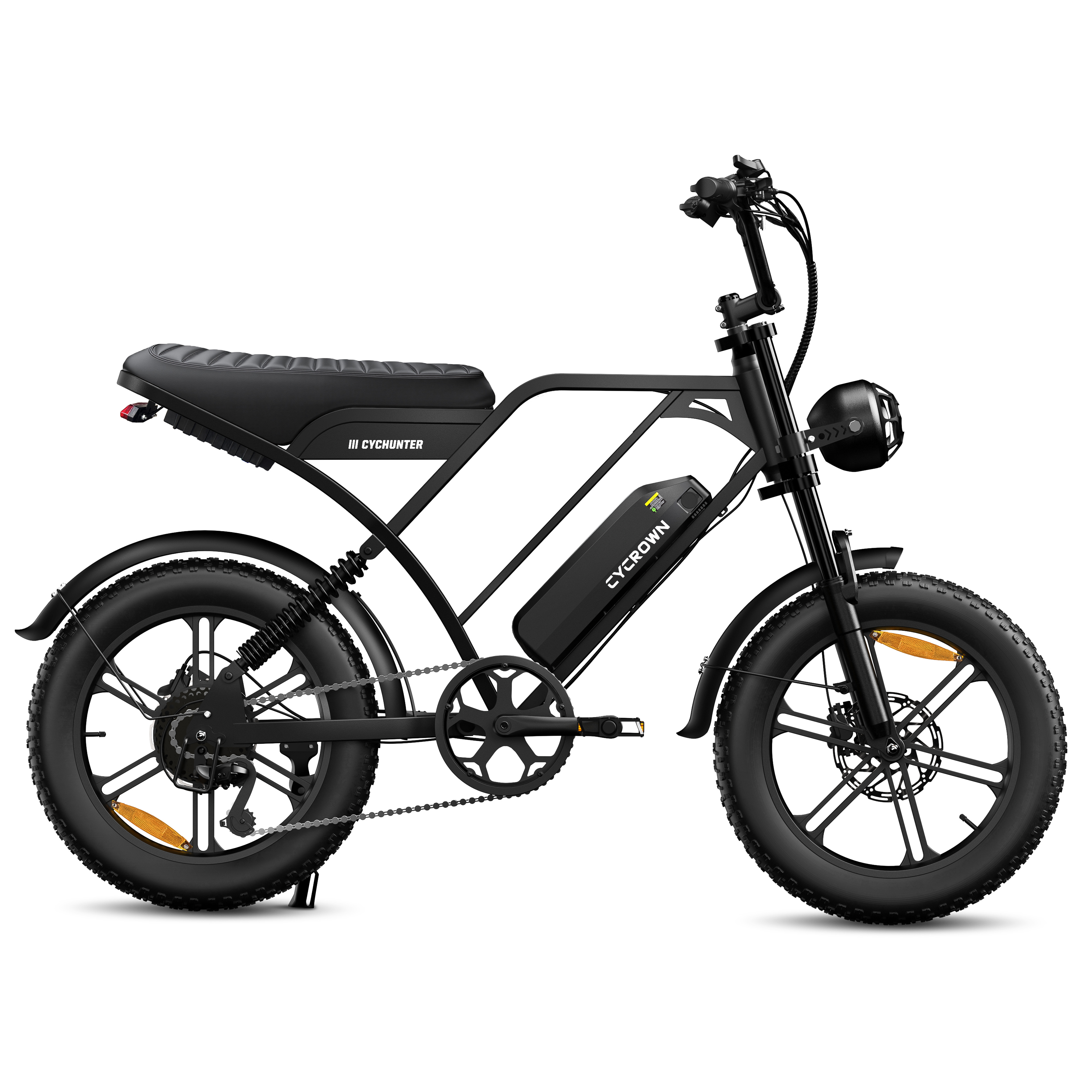
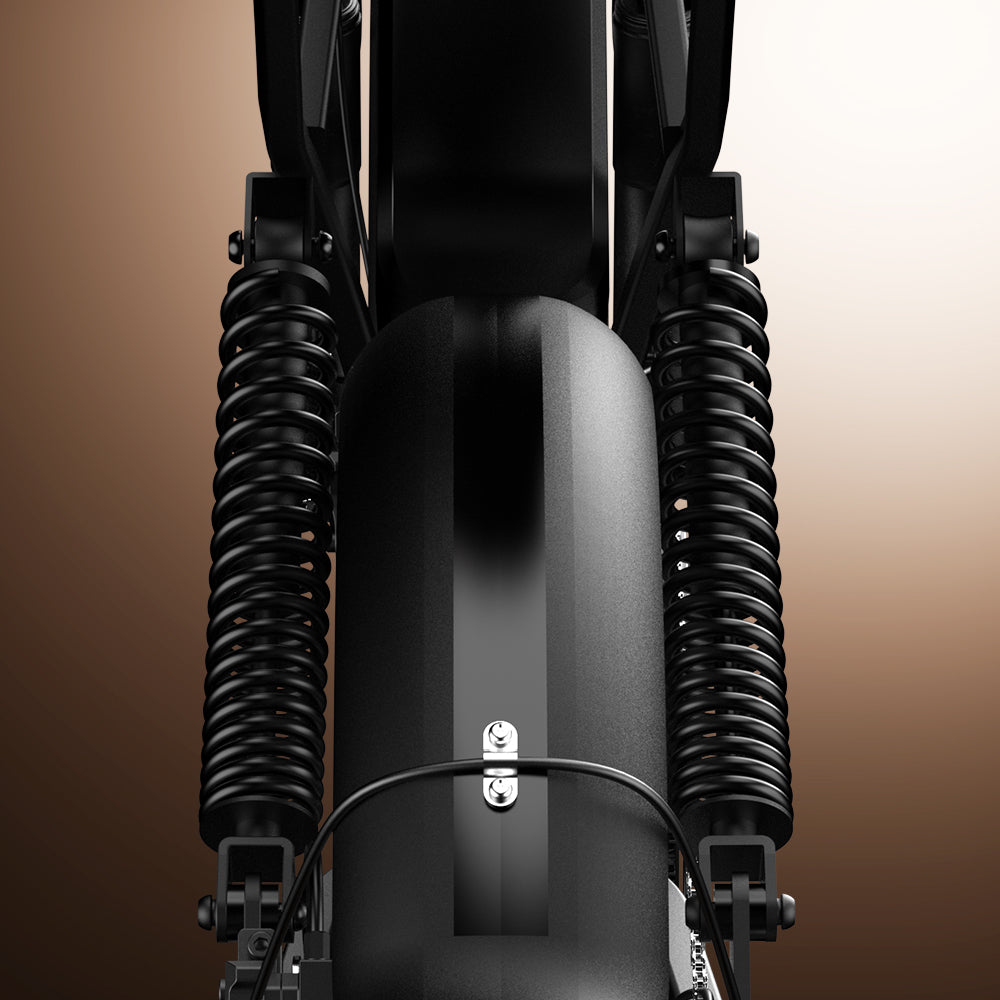
Electric bike durability depends on the frame, tires, brakes, and other components. Aluminum alloy is common because it balances strength and weight. Wider tires can improve cushioning and traction when suited to the riding surface, while hydraulic disc brakes can provide consistent stopping performance. A suspension fork can improve comfort on uneven roads.
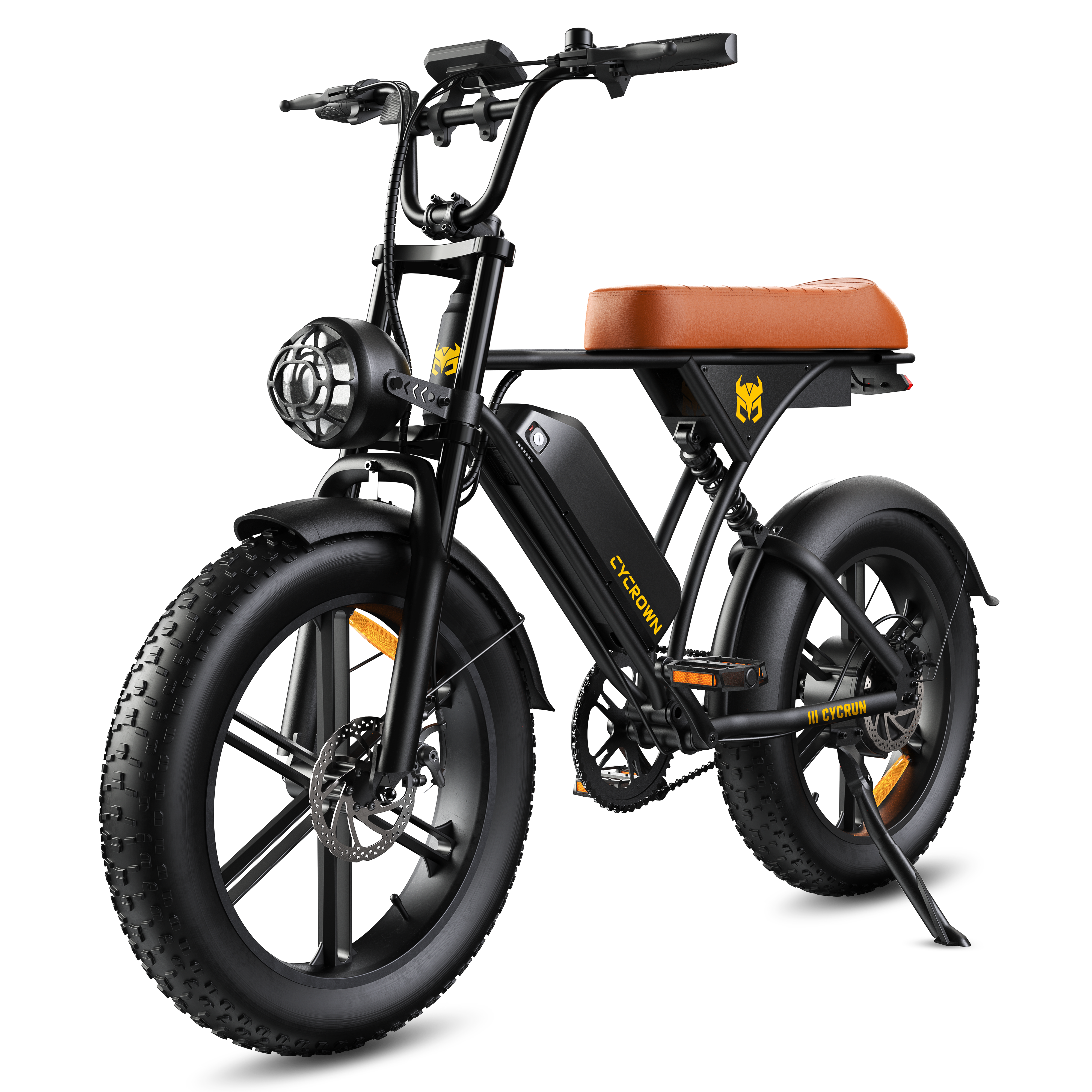
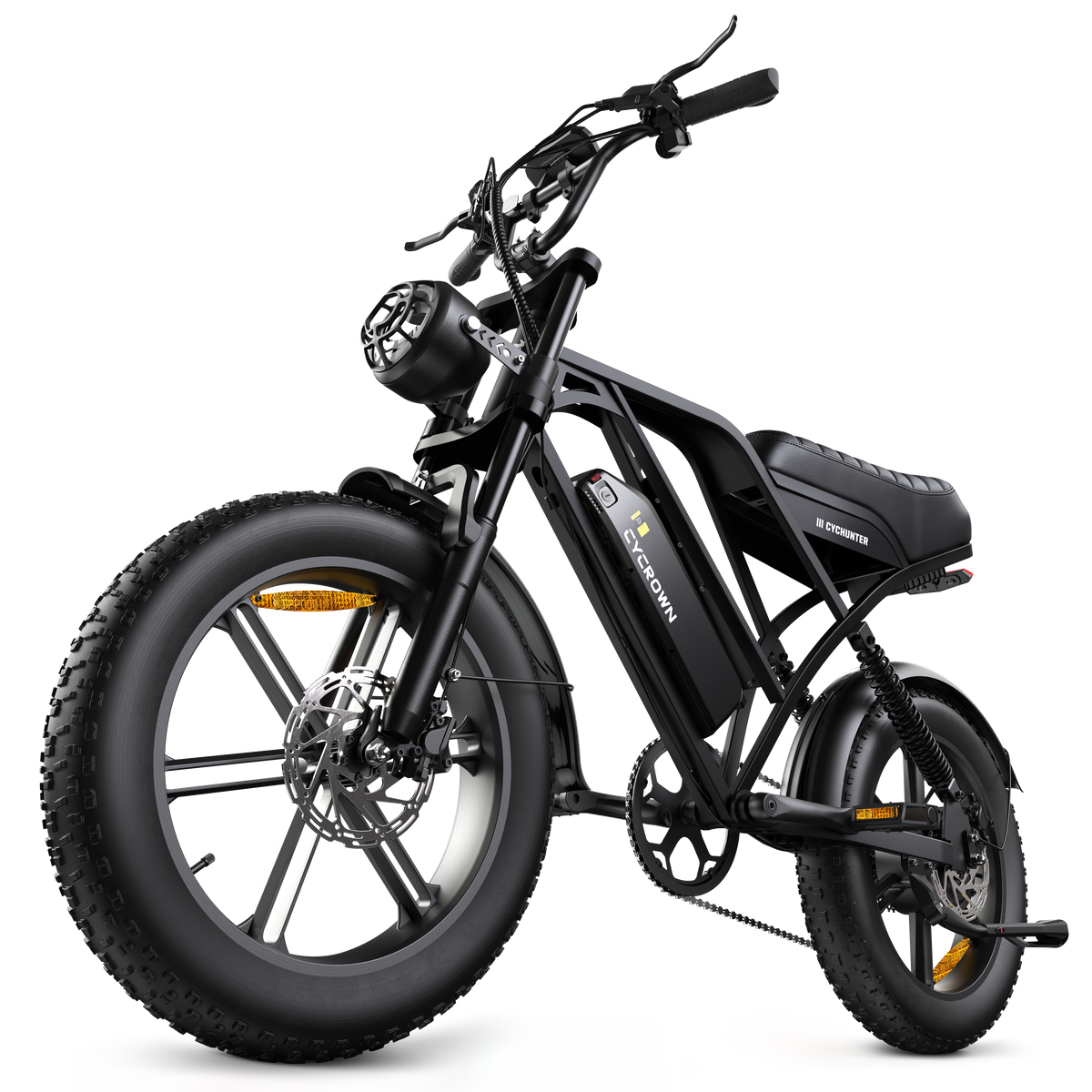
Also consider the motor, display, water-resistance rating, and warranty terms. Fat-tire e-bikes illustrate how tire size and frame design influence riding comfort. Choosing components suited to your routes can help manage repairs and extend the bike's useful life.
Calculate Maintenance and Other E-Bike Ownership Costs
Routine Checks
Electric bike maintenance costs depend on riding frequency and conditions. Check tire pressure regularly, keep the chain clean and lubricated, and inspect the brakes for wear. A basic annual tune-up may cost around $100 to $200 at some U.S. bike shops, although prices vary by location and service level.
Replacement Parts and Battery Care
Tires, brake pads, and chains eventually wear out, and heavier bikes may increase component wear. Budget for replacement parts, charging, and eventual battery replacement. Using the manufacturer's recommended charger and following its storage instructions can help protect battery performance.
For additional advice, see CYCROWN's comprehensive guide to electric bike maintenance.
Consider Comfort, Convenience, and Everyday Practicality
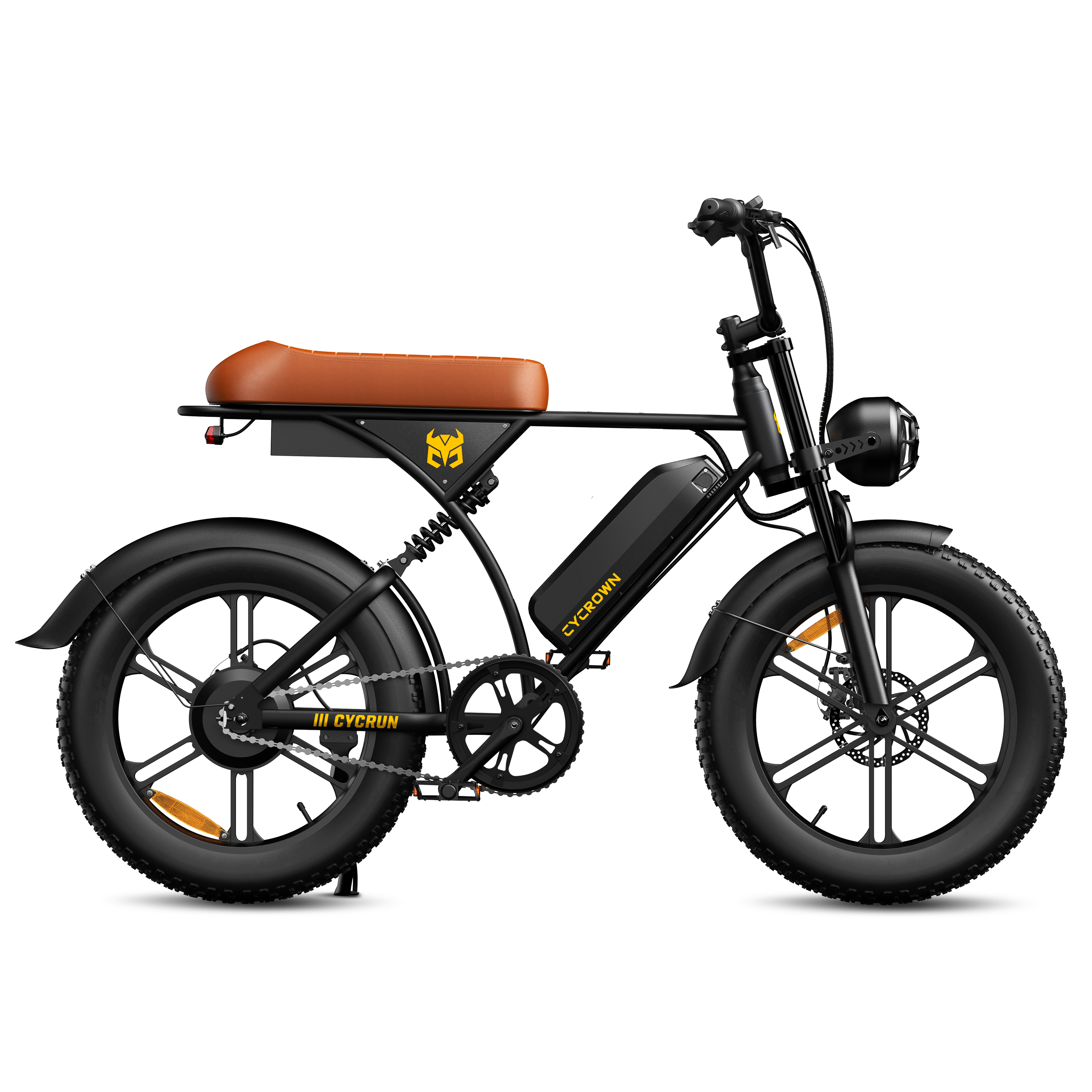
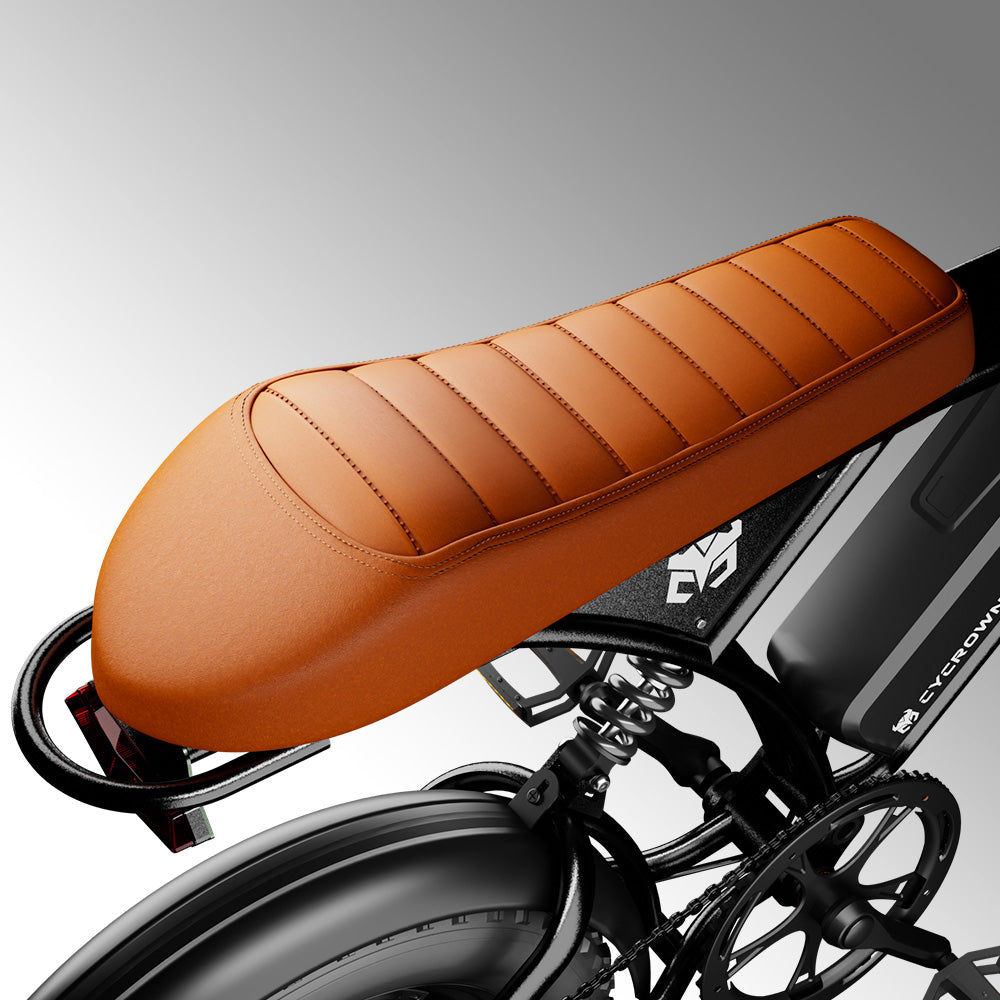
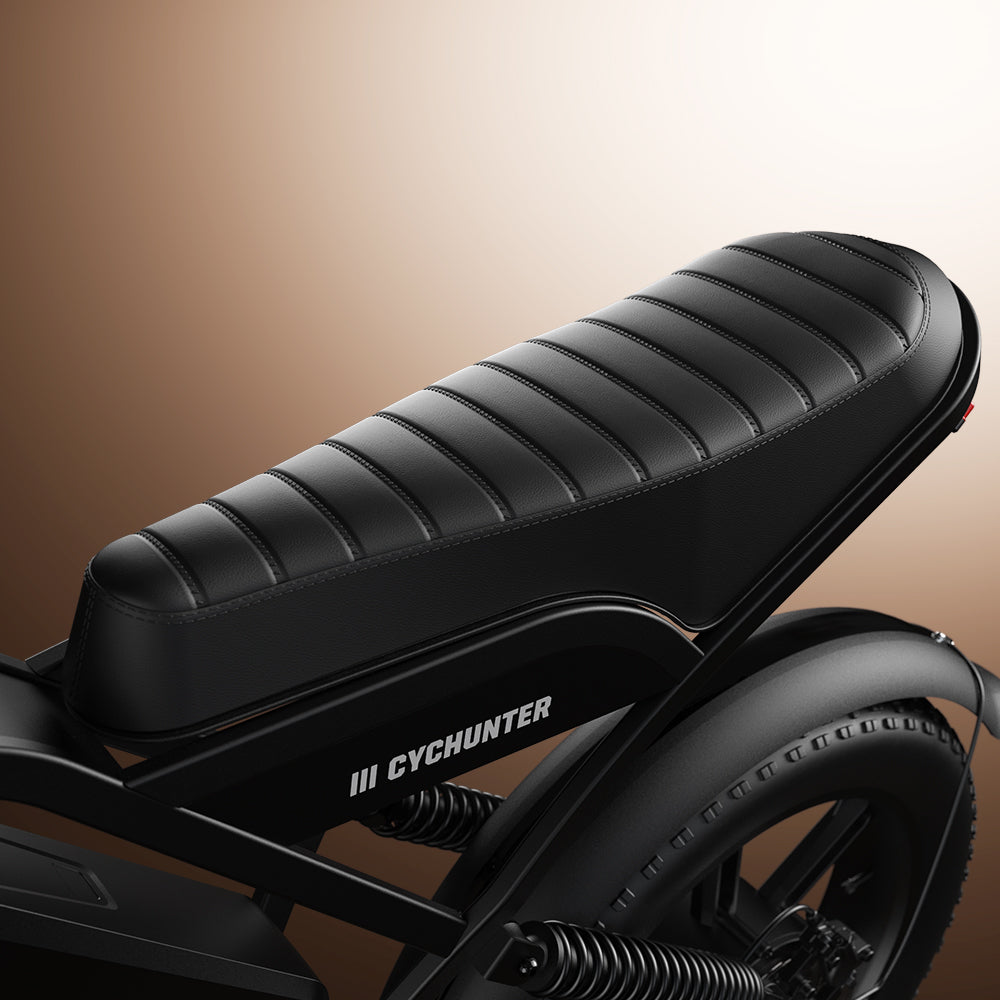
Comfort influences how often you ride. An upright position may feel more comfortable for some riders, while saddle design affects support on longer journeys. Racks, baskets, and panniers make errands easier, but always check the bike's payload limit. Multiple assistance levels can help manage battery use on different routes. Moped-style e-bikes offer an alternative seating design that some riders prefer.
How to Decide If an Electric Bike Fits Your Budget and Lifestyle
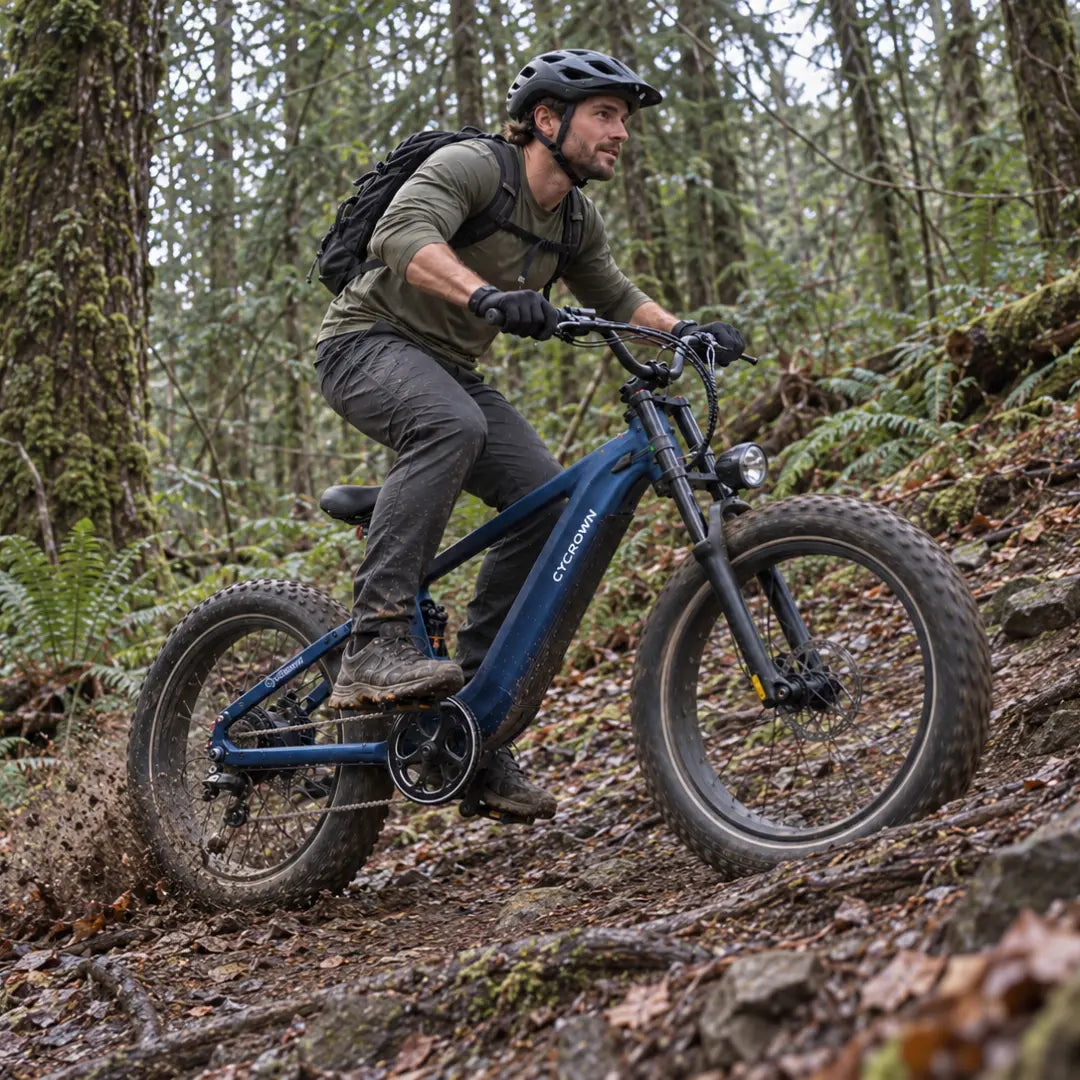
Start by considering your usual distance, terrain, and riding frequency. Hilly streets in San Francisco or Pittsburgh may require more battery power than flat routes. Set a budget that includes accessories and upkeep, then compare warranty coverage and local service options. If you ride on both pavement and trails, an all-terrain e-bike may suit your needs better than a basic commuter model.
The long-term value of an e-bike depends on how well it fits your needs and how frequently you use it.
The Bottom Line on Your E-Bike Purchase
An electric bike can be a worthwhile purchase when it matches your routes, habits, and budget. Consider the full cost of ownership, including accessories, maintenance, charging, and potential battery replacement, before comparing it with your current transportation expenses. By evaluating these factors, you can make an informed decision about whether an e-bike is a practical long-term investment.
What E-Bike Riders Want to Know
How long does an e-bike battery last?
Many e-bike batteries are designed for approximately 500 to 1,000 full-equivalent charge cycles. Actual lifespan depends on battery quality, usage, charging habits, and storage conditions.
Is an electric bike cheaper than a car?
An e-bike can cost less to operate for short, frequent trips. Actual savings depend on how many car journeys it replaces and the costs of maintenance, accessories, and charging.
How much do e-bike repairs cost each year?
A basic annual tune-up may cost around $100 to $200 at some U.S. bike shops. Repairs and replacement parts can increase the total depending on usage and riding conditions.
How far can an e-bike go on one charge?
Range varies by model, battery capacity, terrain, rider weight, and assist level. Some bikes cover 20 to 40 miles per charge, while others offer shorter or longer ranges.


