







Not All or Nothing: What an E-Bike Can Actually Replace
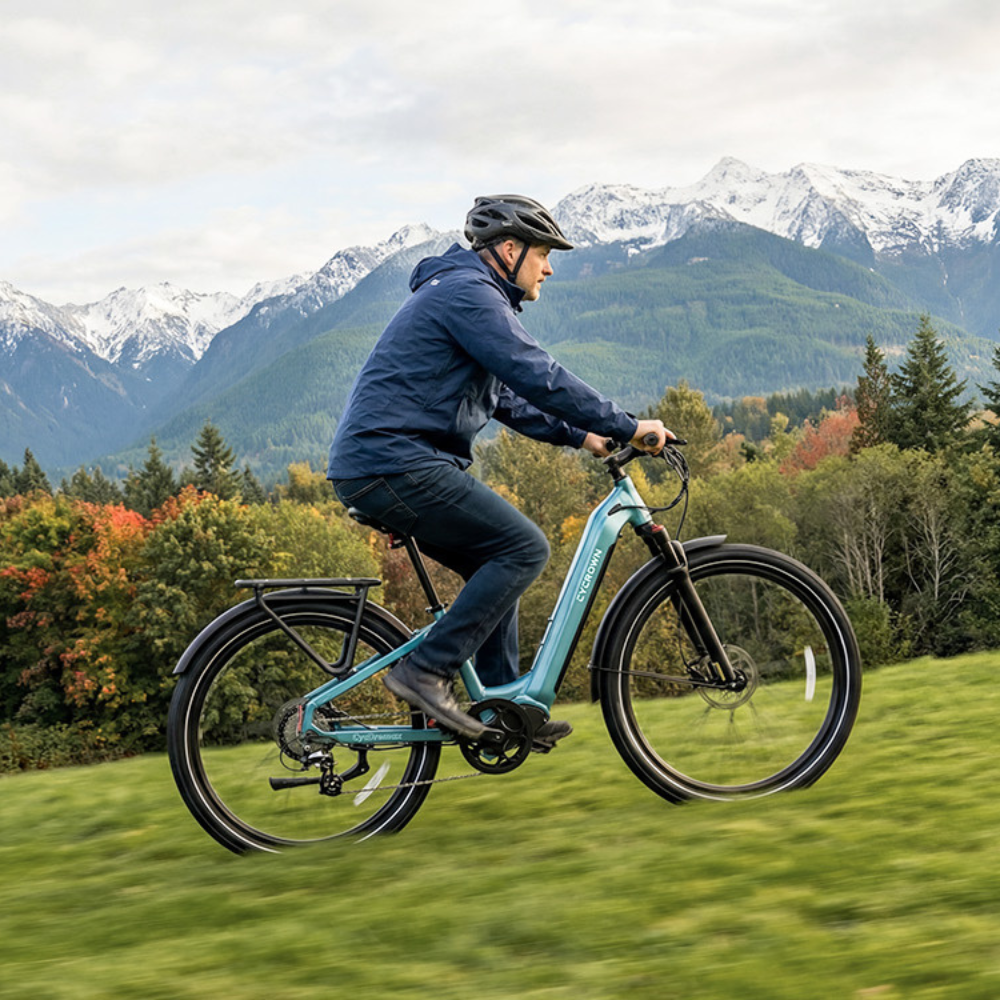
Can an e-bike replace a car? For most people, the honest answer is: not entirely, but more often than you'd expect. You don't need to sell your car or park it for good. The real opportunity is in the short, everyday trips that don't need a car at all, like coffee runs, the quick errand, the two-mile commute you drive out of habit rather than necessity. This is the practical side of e-bike car replacement: swapping the trips that make the least sense in a car, not the ones that require one.
Can an E-Bike Really Replace a Car?
An e-bike can't tow a trailer, carry a family of four, or get you through a snowstorm at highway speed. But it can absolutely replace the short, low-stakes trips that make up a surprising share of daily driving. Studies on urban trip patterns consistently show that a large portion of car trips are under five miles, which is well within e-bike range. So the question isn't really "e-bike vs car" as a single winner-take-all comparison. It's about matching the right tool to the right trip.
Car Trips That Are Easy to Replace With an E-Bike
Some trips are practically made for an e-bike:
-
Grabbing groceries for one or two people
-
Short commutes to work or school
-
Gym sessions, errands, or picking up prescriptions
-
Meeting friends for coffee or dinner nearby
-
Dropping off library books, dry cleaning, or mail
These are trips where parking is annoying, traffic is predictable, and the distance is short enough that a car barely gets up to speed before you arrive.
E-Bike Range for Common Car Trips
1-3 Miles
This is the easiest replacement zone. Almost any e-bike, including an entry-level commuter model, handles this distance without draining much battery or requiring much effort.
3-5 Miles
Still very manageable for most riders and most e-bikes, especially with pedal assist. This range covers a lot of grocery runs and short commutes.
5-10 Miles
This is where bike type starts to matter more. A rider with a longer-range battery and a comfortable riding position can still make this work daily, particularly for commuting.
10+ Miles
Doable for confident riders with the right setup, but this is also where a car starts to make more sense for daily consistency, especially in bad weather or tight time windows.
Replacing the Daily Commute With an E-Bike

It depends on four things: distance, terrain, traffic, and how much comfort you need to arrive ready for work. A flat, five-mile commute on quiet streets is an easy yes. A hilly twelve-mile commute through heavy traffic is a harder call, though pedal assist narrows that gap significantly compared to a regular bicycle. If you're weighing this decision, it helps to actually calculate your realistic range needs rather than guessing — CYCROWN’s guide on long-range e-bikes for commuters walks through how distance, terrain, and rider weight affect real-world battery range.
Using an E-Bike for Groceries and Everyday Errands
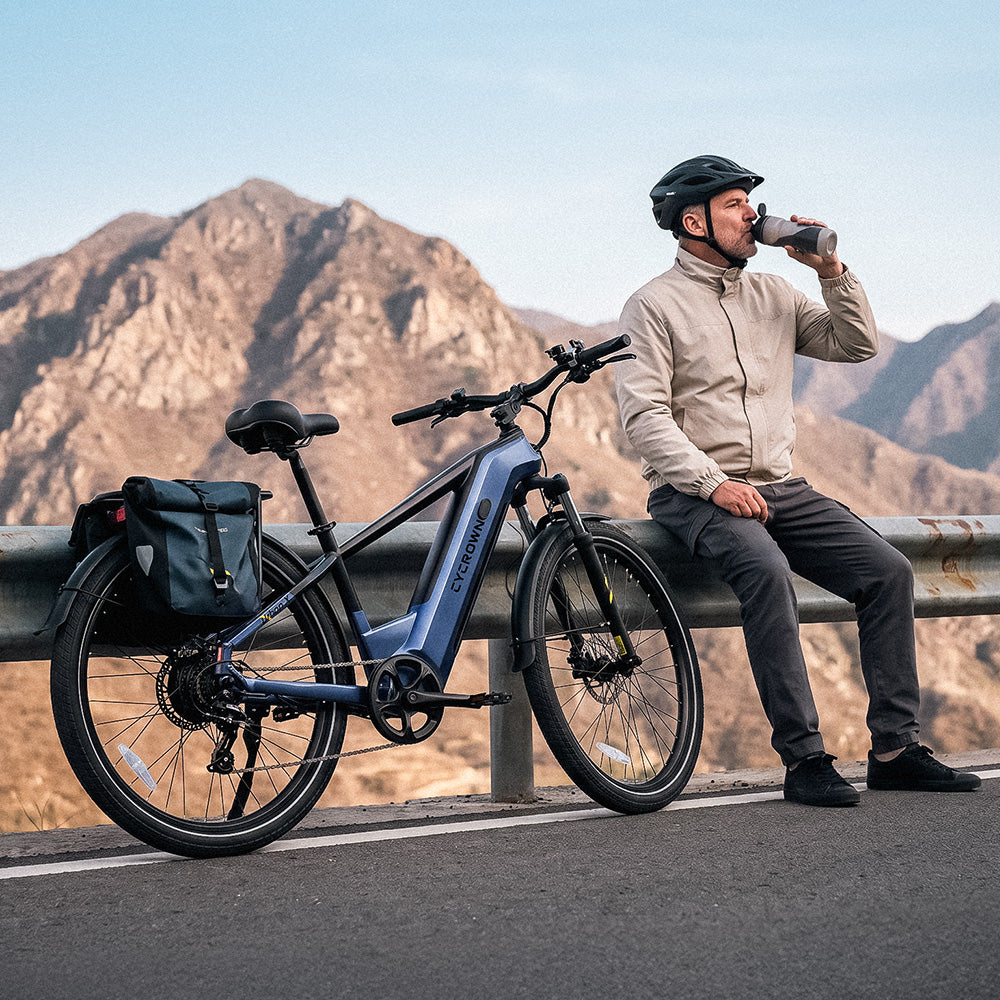
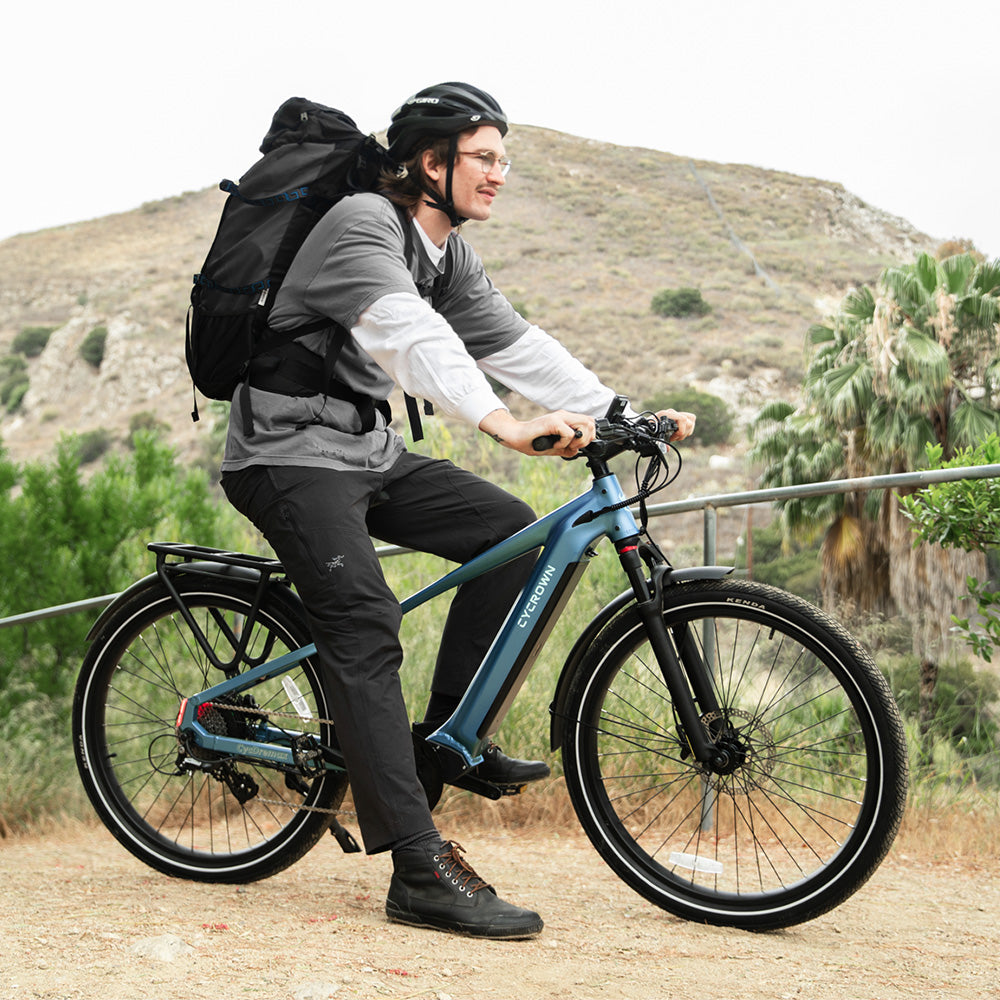
Yes, with the right accessories. Racks, baskets, and panniers turn an e-bike into a genuinely useful errand vehicle. A rear rack with panniers can easily carry a couple of bags of groceries, and a front basket handles smaller pickups like takeout or mail. This is one of the most underrated parts of e-bike for commuting and errand use — it's not about hauling everything at once, it's about handling the small, frequent trips that add up over a week.
E-Bike Types for Replacing More Car Trips
Different e-bike styles suit different replacement goals:
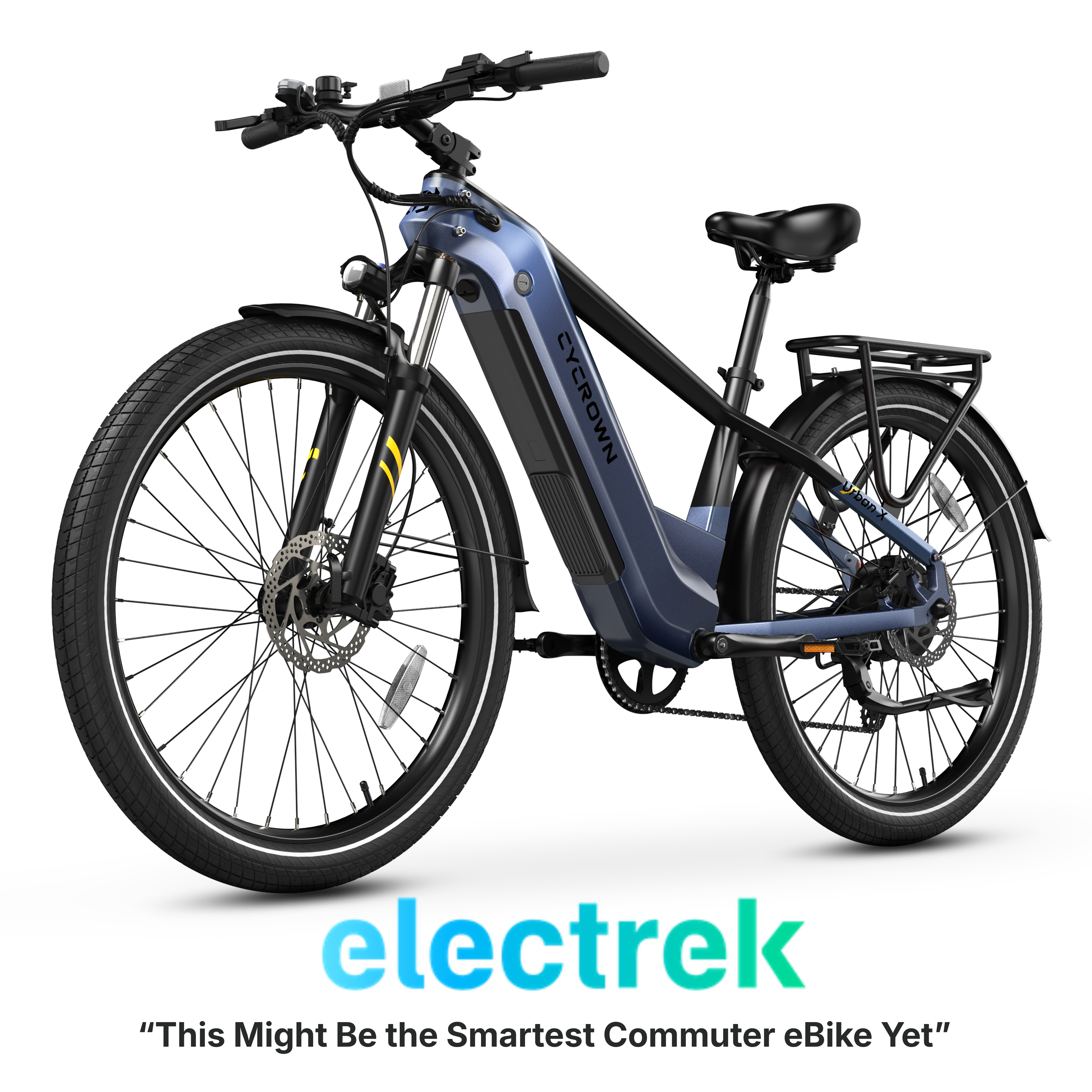
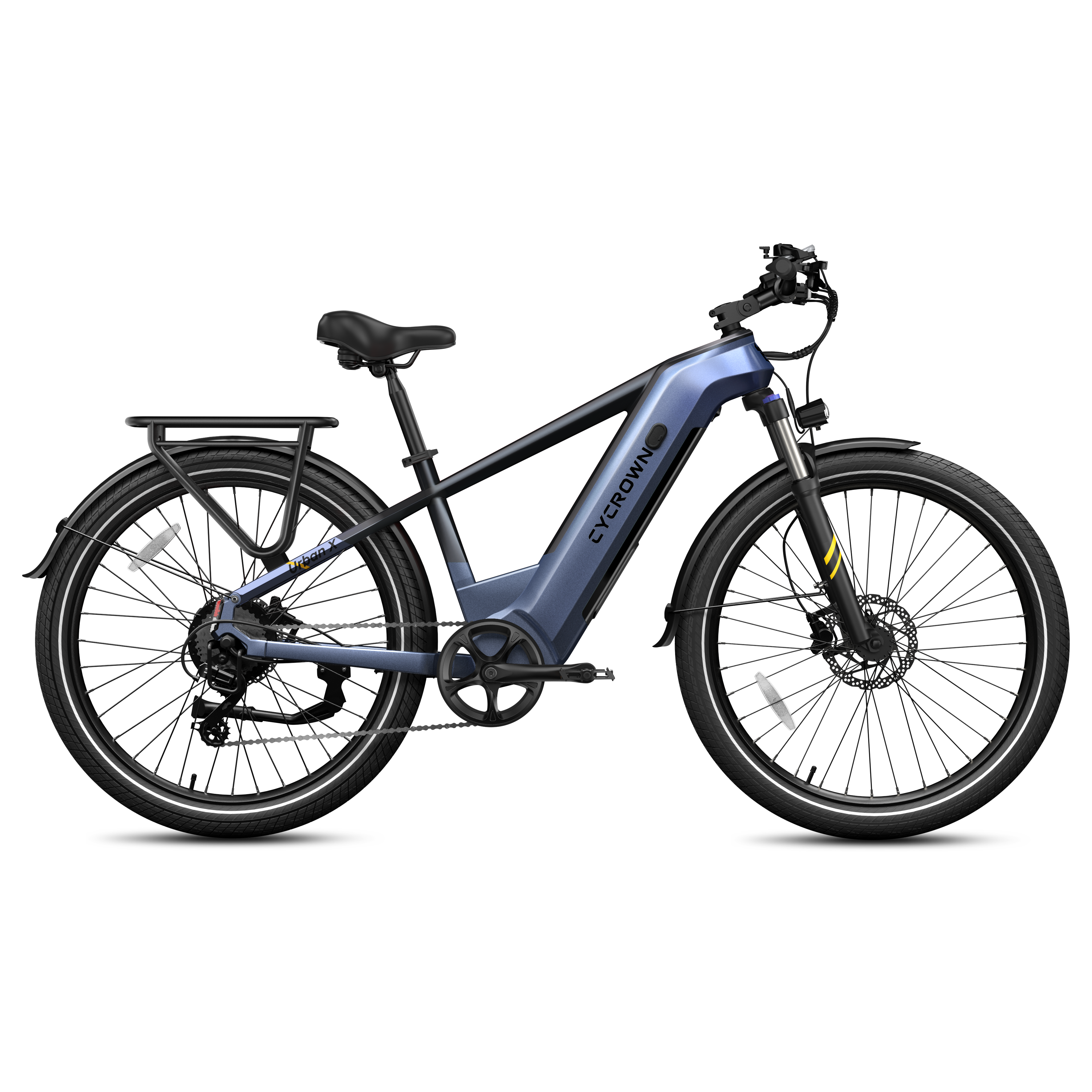
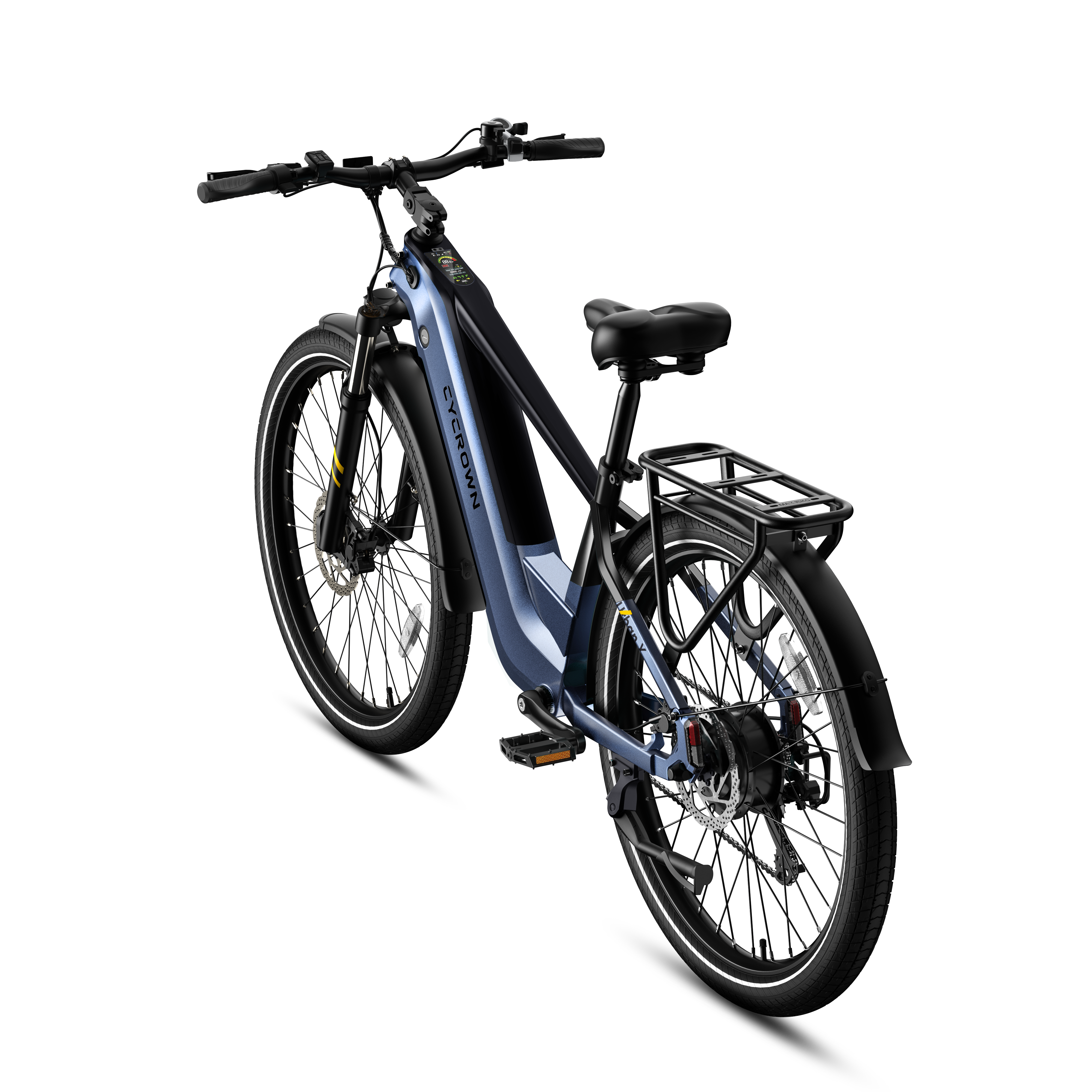
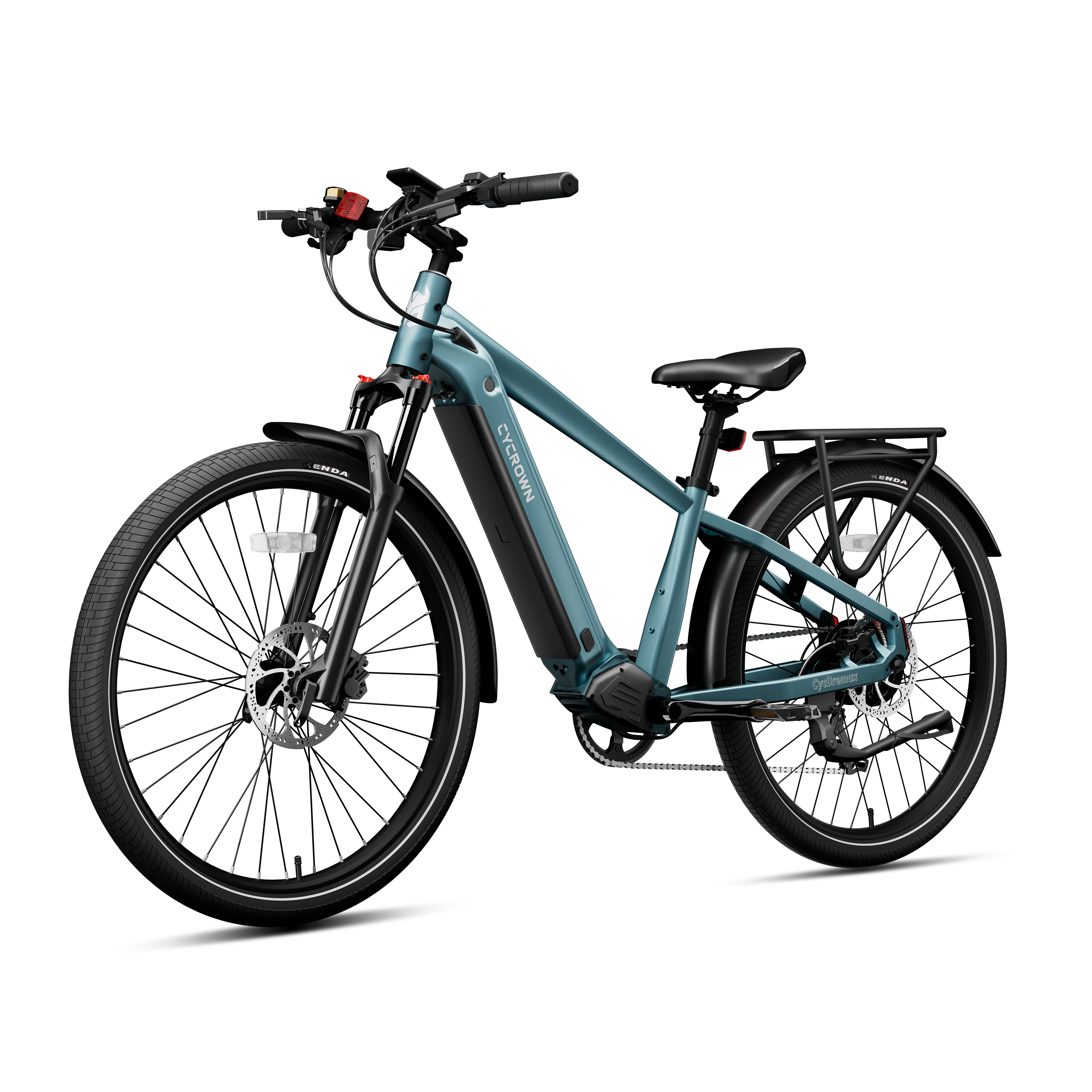
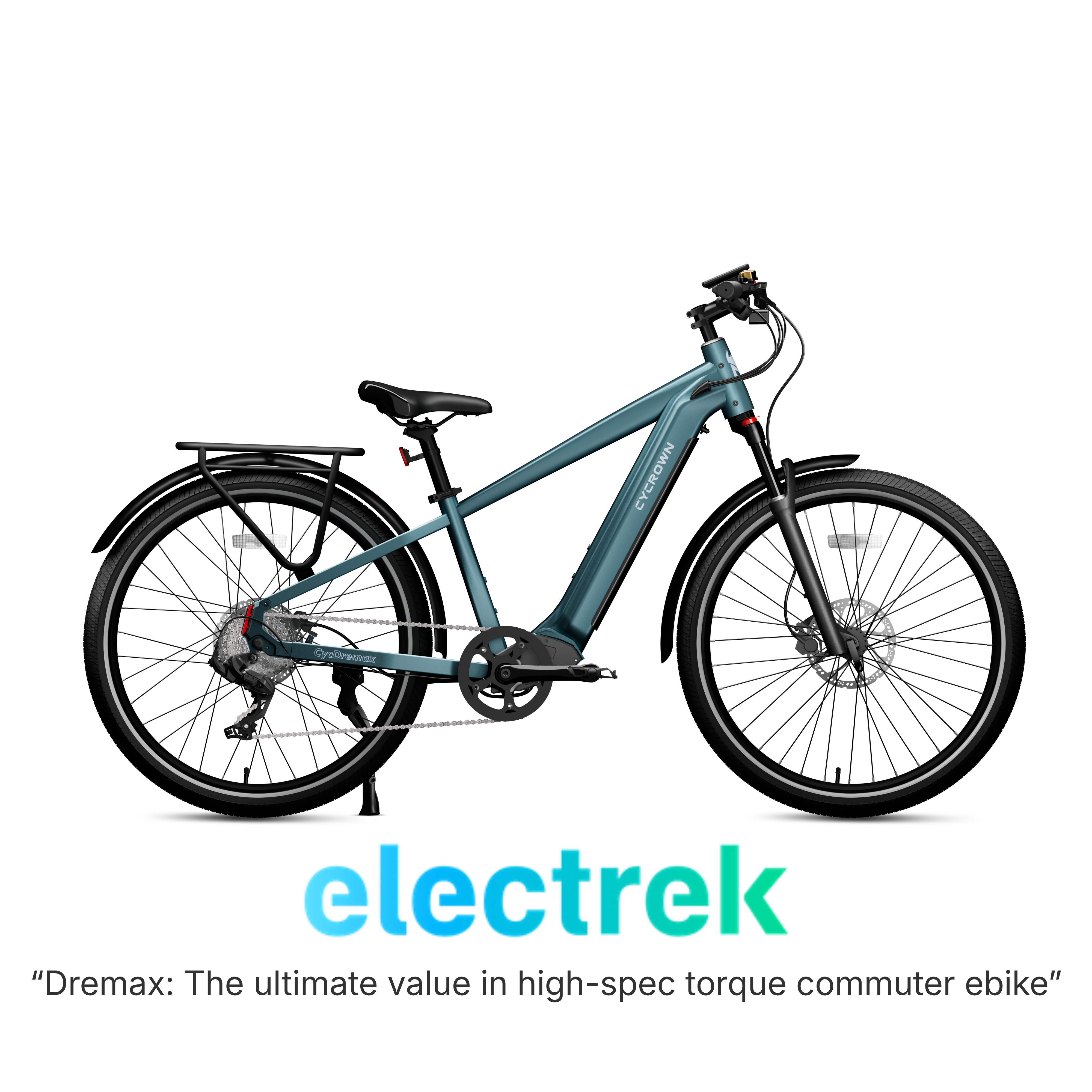
Commuter e-bikes are built for consistent daily riding, comfortable posture, and efficient range. The Urban X and Dremax are both built with this kind of daily riding in mind.
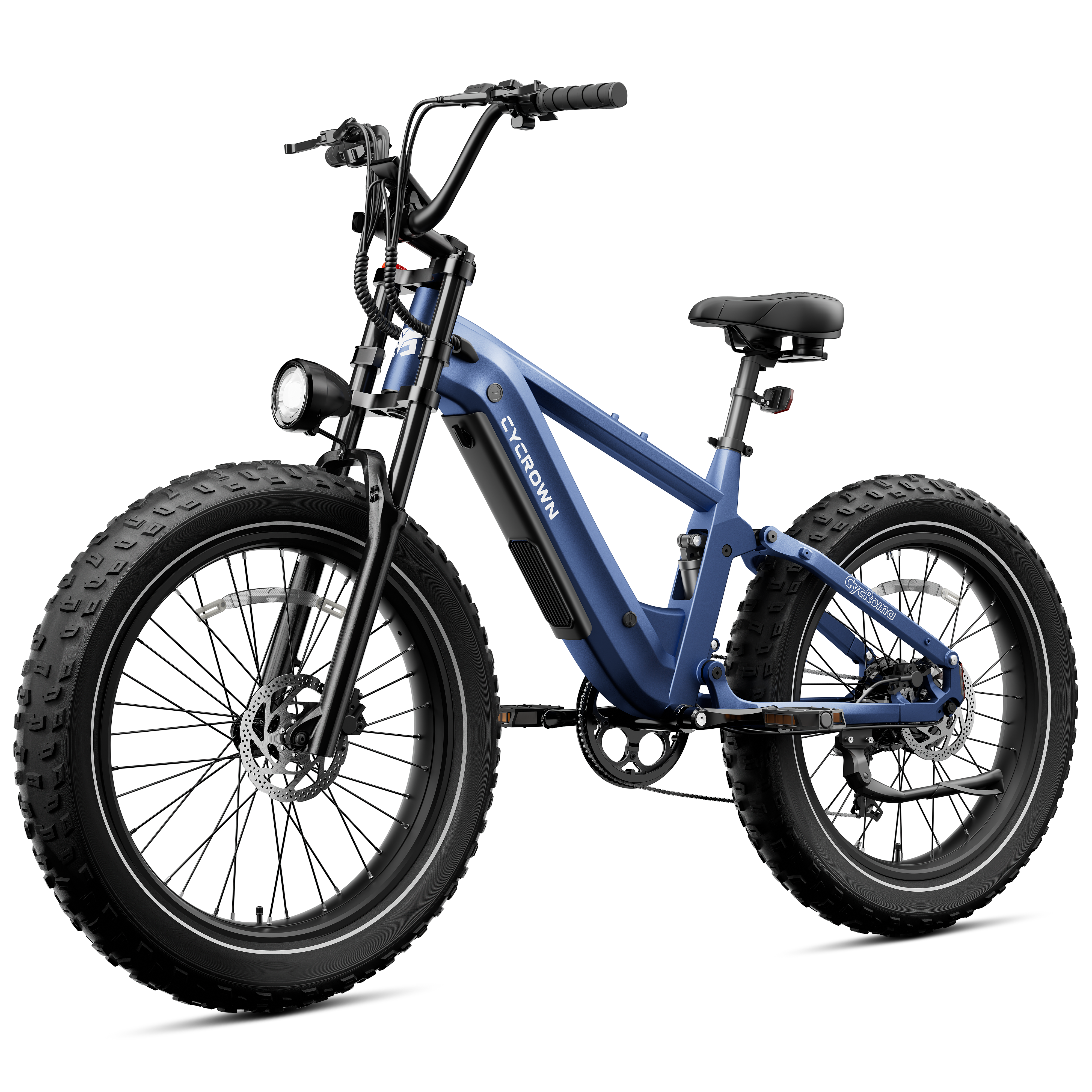
Fat-tire and all-terrain e-bikes, like the Roma, handle mixed surfaces and rougher routes, which matters if your errands take you off smooth pavement.
Long-range e-bikes matter most if your trips regularly push past the 5-mile mark and you don't want to think about charging mid-week.
City vs. Suburban vs. Rural E-Bike Use
Location changes the math. In a city, an e-bike often outperforms a car once you factor in parking and traffic. In the suburbs, it depends on how spread out your errands are, some trips fit easily, others don't. In rural areas, longer distances and fewer bike-friendly roads mean a car usually stays the default, with the e-bike filling in for closer trips around town.
When Is a Car Still the Better Choice?
An e-bike isn't the answer for every trip, and that's fine. A car still makes more sense for long highway drives, hauling large or heavy cargo, trips with multiple passengers, and genuinely severe weather. The goal was never to eliminate the car, but to stop using it for trips where it's overkill.
How to Calculate Your E-Bike Car-Replacement Potential
Look at your last week of car trips and sort them by distance and purpose. Trips under five miles for one person, without heavy cargo, are strong candidates. If you want a closer look at which commuter setups handle this kind of everyday riding well, this piece on choosing a commuter e-bike breaks down what to look for based on your regular routes.
Your Car Isn't Going Anywhere, It's Just Getting a Break
The real value of an e-bike isn't in replacing your car outright. It's in taking back the short, everyday trips that never needed four wheels in the first place — the ones that cost you parking, gas, and patience for no good reason. Start small: pick two or three regular trips under five miles, try them on an e-bike for a couple of weeks, and see how much of your driving was really just habit.
What Riders Want to Know
Can an e-bike really replace a car completely?
For most people, no, but it can realistically replace many of the shorter, everyday trips a car currently handles.
How far can I reasonably ride an e-bike instead of driving?
Most riders comfortably replace trips of 1 to 10 miles, depending on the bike's range and the terrain.
Can I carry groceries on an e-bike?
Yes, with a rear rack, panniers, or a front basket, most e-bikes can comfortably handle a couple of bags of groceries.
Is an e-bike commute realistic in bad weather?
Light rain or cool weather is manageable with the right gear, but heavy storms or snow are usually better left to the car.
Does an e-bike cost less than driving for short trips?
Yes. E-bikes use a fraction of the energy cost of a car and avoid expenses like gas, parking, and short-trip wear and tear.


