






How Many Miles Does an E-Bike Really Have in It?
A well-maintained e-bike can cover anywhere from 3,000 to 10,000 miles before major components need replacing, and with proper care, many riders keep the same bike running well past that mark for five years or more. The real answer to how long e-bikes last depends less on a fixed number and more on how the bike is ridden, stored, and cared for. Below, we break down what actually drives e-bike lifespan, how mileage adds up over time, and what you can do to keep your ride going strong for years to come.
What Determines E-Bike Lifespan

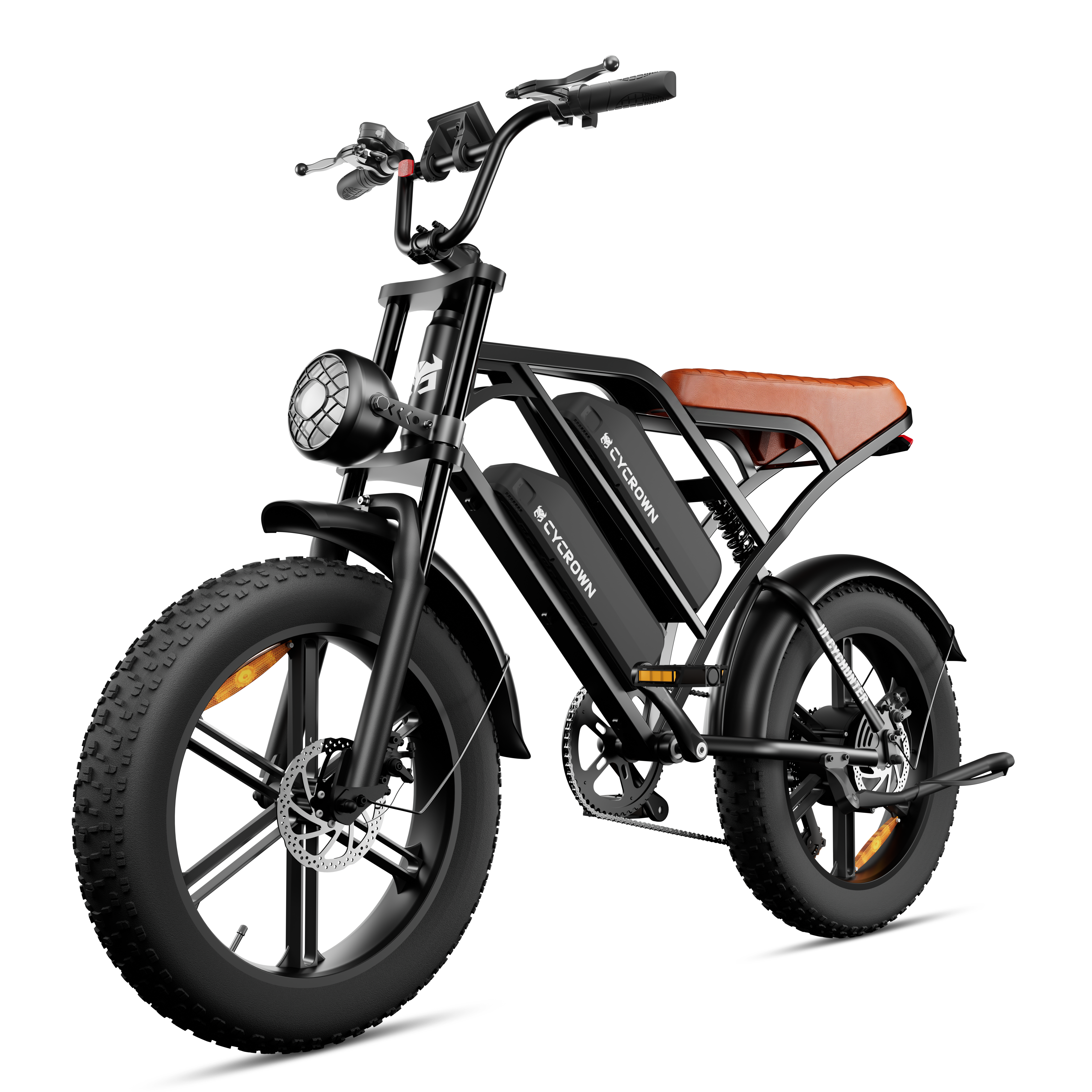
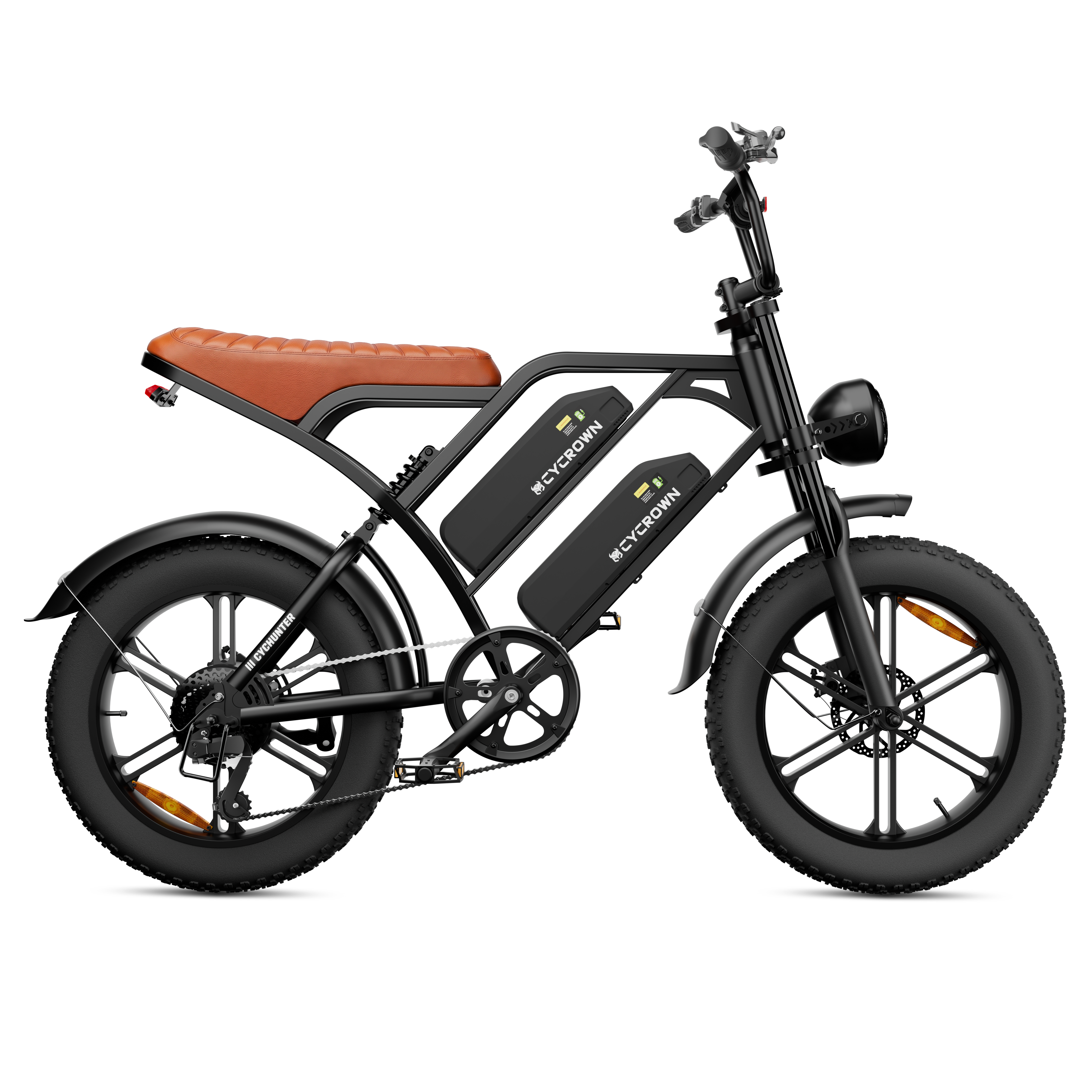
Every e-bike is a mix of mechanical and electrical parts, and each one wears differently. The frame itself, especially on a well-built aluminum model like those in the CYCROWN electric bike lineup, can outlast almost every other component. What usually limits total mileage first is the battery, followed by drivetrain parts like the chain and brake pads.
The Battery Factor
The battery is the piece most people worry about, and for good reason. Battery lifespan is usually measured in charge cycles rather than miles, with most lithium-ion e-bike batteries good for 500 to 1,000 full cycles. That typically translates to somewhere between three and five years of regular riding before you notice a real drop in range.
Signs Your Battery Is Starting to Wear Out
A battery nearing the end of its lifespan usually gives some warning signs before it fails completely. Watch for a noticeably shorter range compared to when the bike was new, longer charging times, or a battery that feels warmer than usual during charging. Some riders also notice the motor cutting out sooner on hills it used to climb easily. Catching these signs early lets you plan for a battery swap before you're left without power mid-ride. If your e-bike is still under warranty, it's worth checking coverage before buying a replacement out of pocket.
Motor and Drivetrain Wear
Motors on quality e-bikes are built to handle tens of thousands of miles with basic upkeep. The parts that wear out faster are the ones that touch the road or the chain, so regular attention to these areas keeps the whole system running smoothly.
How Riding Habits Affect E-Bike Mileage
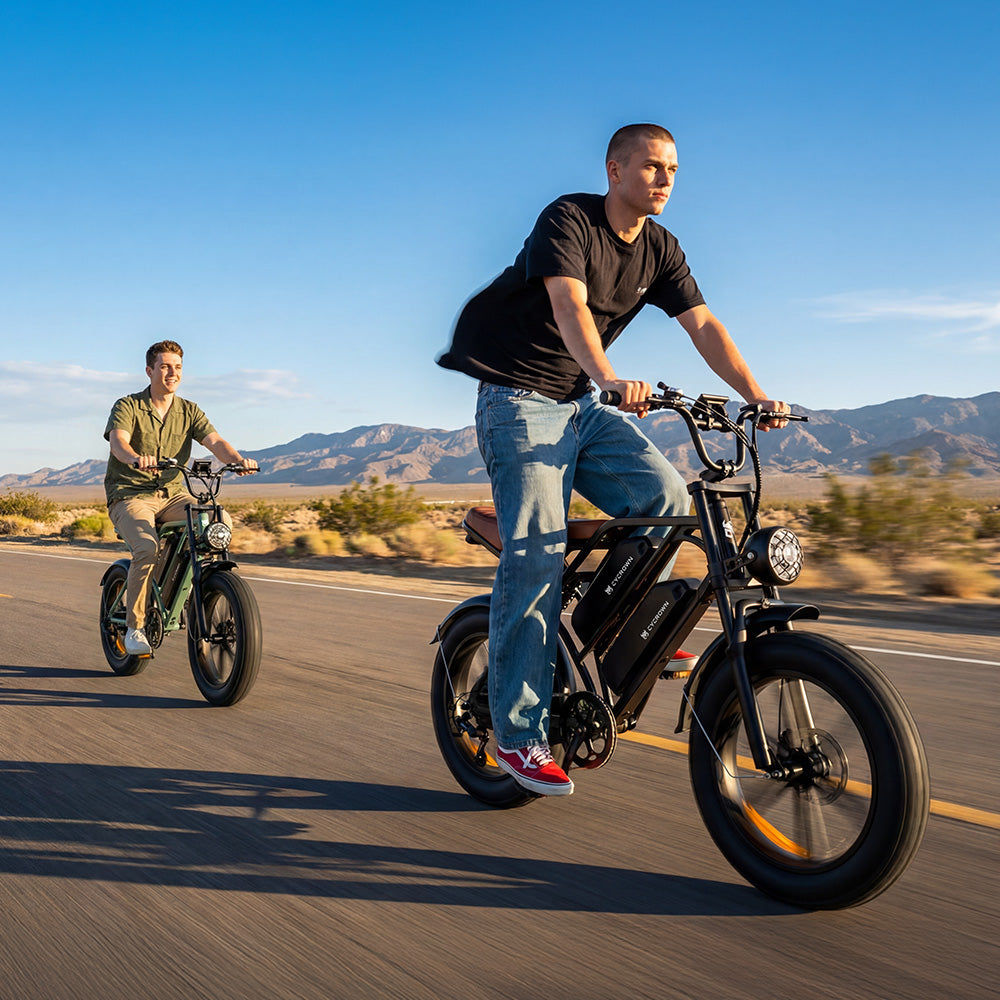
Two people can buy the exact same bike and get very different results. E-bike mileage adds up faster when a rider relies heavily on throttle-only riding, tackles steep hills constantly, or skips routine maintenance. On the flip side, riders who pedal along with the motor, stick to moderate assist levels, and keep tires properly inflated tend to squeeze more miles out of every component.
-
Riders who mix pedaling with motor assist often extend battery life significantly
-
Frequent short trips with proper charging habits are gentler on batteries than constant deep discharges
-
Riding on paved, flat routes generally causes less wear than steep or unpaved terrain
-
Carrying excess weight regularly can add strain to the motor and battery over time
Electric Bike Durability: What Actually Breaks First
Understanding electric bike durability means knowing which parts typically fail before others. Brake pads and tires are consumable by design, similar to a regular bicycle, and most riders replace them once or twice a year depending on mileage. Chains stretch over time and should be checked periodically, since a worn chain can damage the cassette and chainring if ignored too long.
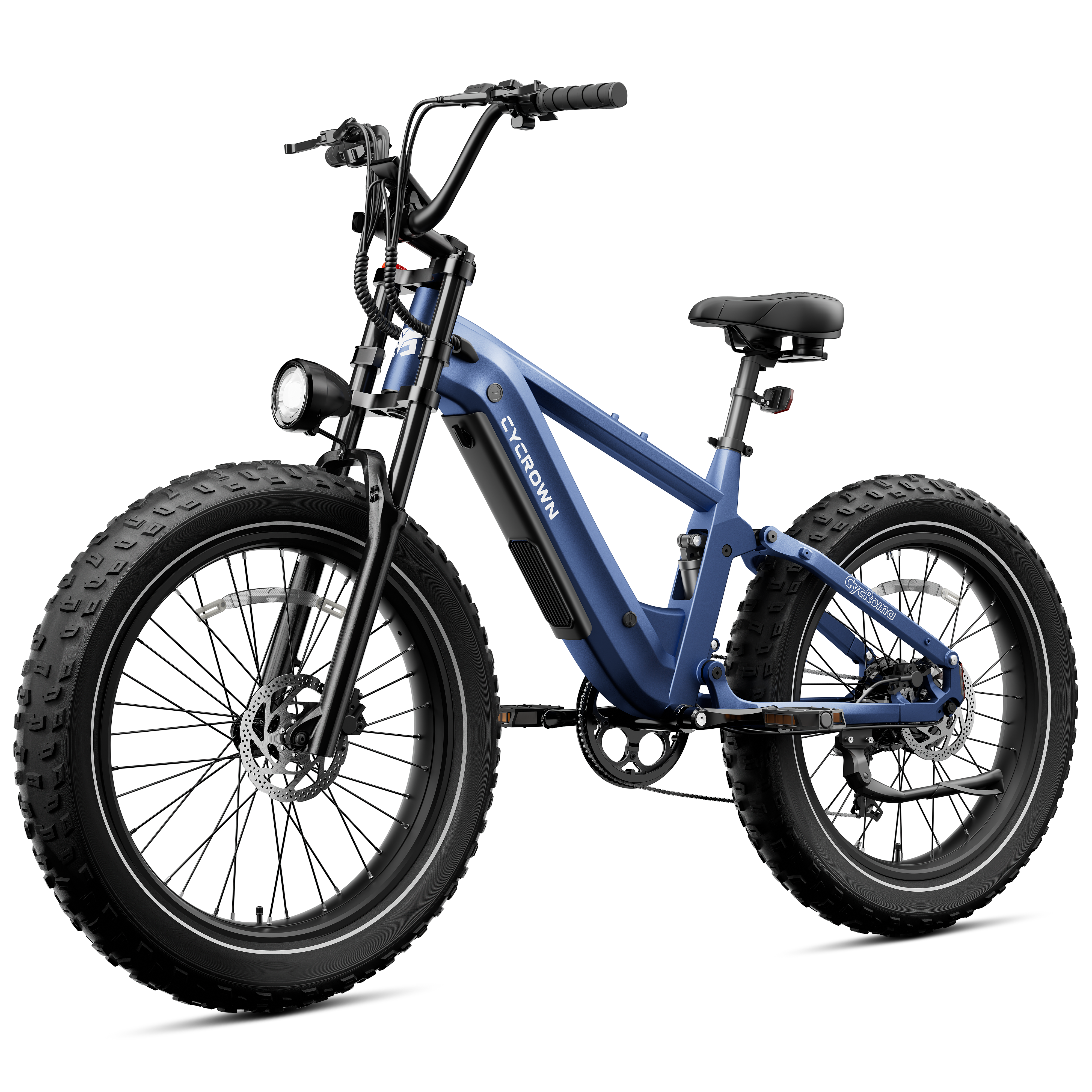
Frames rarely fail outright unless the bike has been in an accident or stored improperly in wet conditions for long stretches. If you're shopping for something built to hold up over time, models like the Roma All-Terrain Ebike and the CycHunter Moped-Style Ebike use sturdier frame construction designed for regular daily use.
Simple Habits That Add Years to Your E-Bike
A little routine care goes a long way toward stretching both mileage and battery lifespan. None of these habits take much time, but skipping them consistently is one of the fastest ways to shorten your bike's usable life.
-
Store the battery at partial charge if it won't be used for several weeks
-
Avoid leaving the battery in extreme heat or freezing cold for long periods
-
Clean and lubricate the chain every few hundred miles
-
Check tire pressure regularly to reduce rolling resistance and wear
-
Have brakes inspected at least once a year, or more if riding frequently
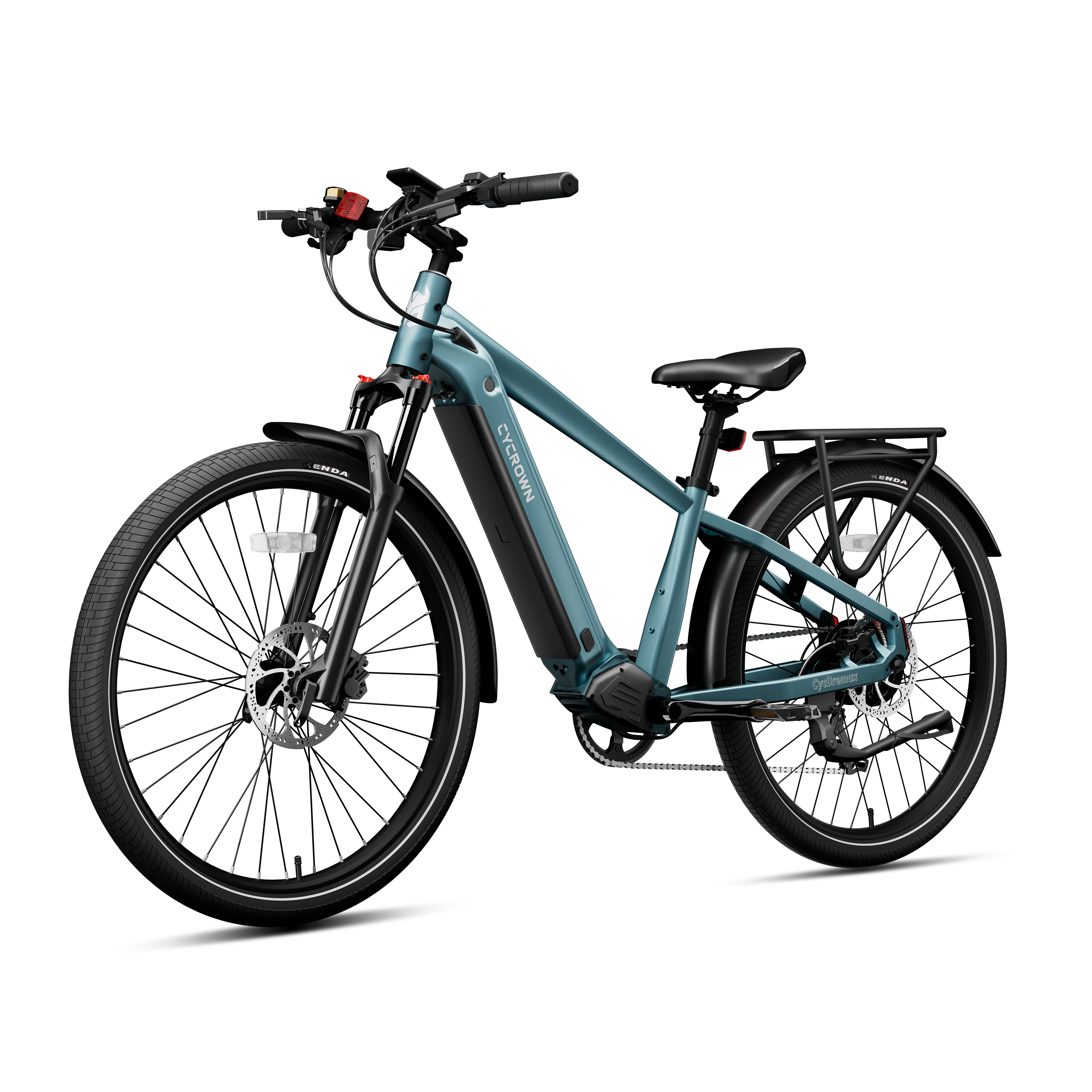
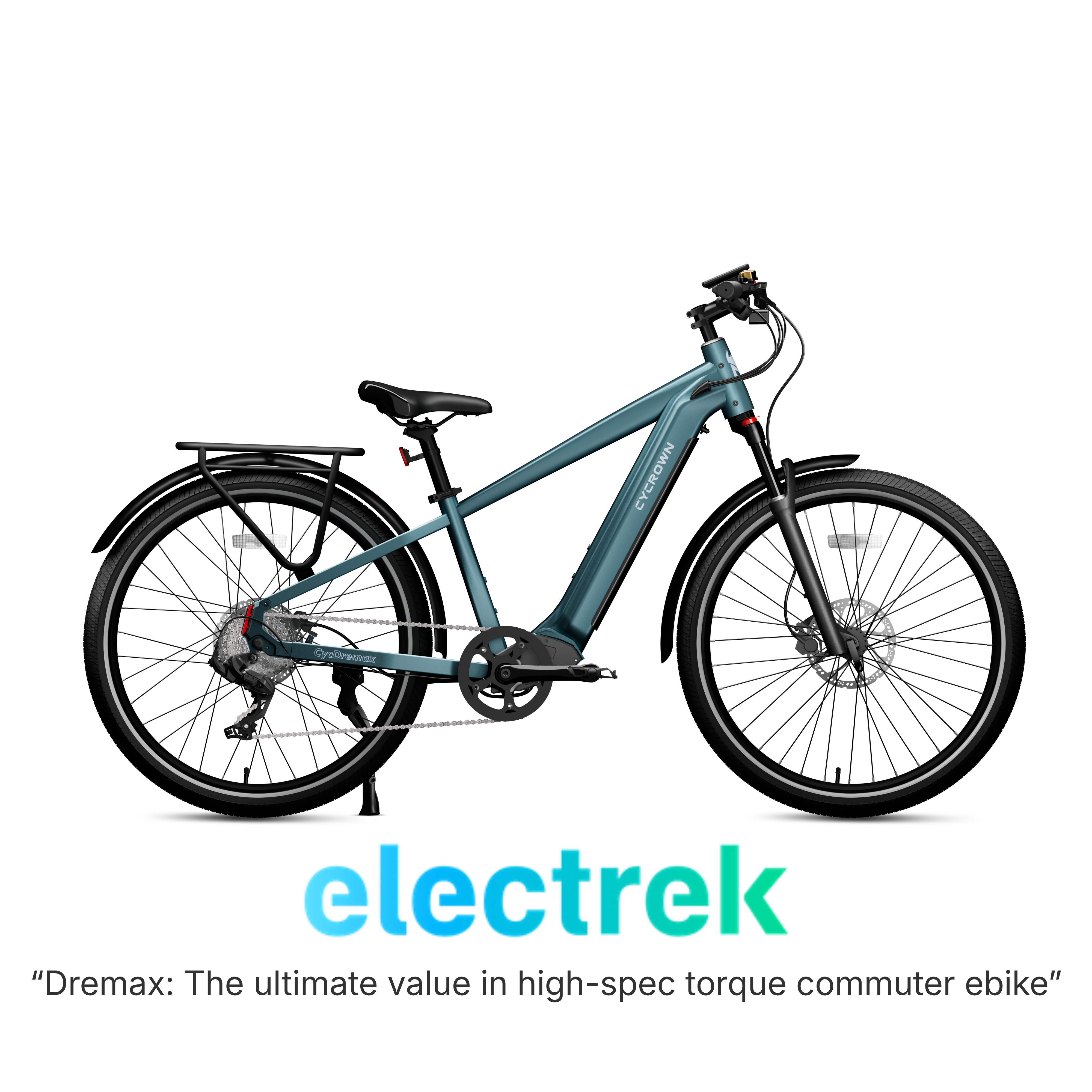
For riders who want a low-maintenance option built for daily commuting, the Dremax Commuter Ebike is designed with durability and easy upkeep in mind. You can also browse CYCROWN's commuter e-bikes to compare models based on how you plan to ride.
If you want more detail on keeping your ride running efficiently, CYCROWN's blog has a helpful piece on how much it costs to charge an electric bike, which ties directly into battery habits and long-term costs. There's also a good read on planning e-bike routes for longer rides if you're looking to get more enjoyable miles out of your bike this season.
Getting the Most Out of Every Mile
At the end of the day, an e-bike's lifespan isn't set in stone. It's shaped by the choices you make every time you ride, charge, or park it. Treat the battery gently, stay on top of small maintenance tasks, and choose a bike built with quality components from the start, and you'll likely get years of reliable riding well beyond what the average estimate suggests.
Quick Answers About E-Bike Lifespan
How long do e-bikes last on average?
Most e-bikes last three to five years of regular use before major components, particularly the battery, need replacing, though frames often outlast that timeline.
Does riding in the rain shorten an e-bike's life?
Occasional light rain is generally fine, but leaving the bike wet for long periods or submerging the battery can speed up corrosion and wear.
Can I replace just the battery instead of buying a new e-bike?
Yes, most e-bike batteries are replaceable on their own, which is often far cheaper than replacing the entire bike.
How many miles can an e-bike battery handle before it needs replacing?
Most e-bike batteries handle 500 to 1,000 charge cycles, which for many riders adds up to several thousand miles of use.
Does the type of terrain affect e-bike mileage?
Yes, hilly or unpaved terrain puts more strain on the motor and battery, which can reduce the total mileage compared to flat, paved riding.


