









Most Students Are Overthinking Their Battery Size
Here's the short answer: most college students only need 15 to 25 miles of real-world range, and a lot of campus riders get by comfortably on less. Unless you're commuting from off-campus housing several miles away or running errands across town between classes, you probably don't need the biggest battery on the shelf. The real question isn't which bike has the most range on paper, it's how far you actually ride in a normal week, and that's what this guide will help you figure out.
Why Range Anxiety Hits Students Harder Than It Should
Range anxiety is real, but it's usually driven by worst-case thinking rather than an actual daily routine. Students see marketing numbers like "90 miles on a single charge" and assume more is always better. In practice, most riders charge overnight, so the battery rarely starts a ride at zero. What matters more is whether your bike comfortably covers your actual trips with some buffer for detours, hills, or a forgotten charge.
Map Your Routine Before You Shop
Instead of asking "which bike has the biggest battery," ask yourself how far you ride on a typical day. Here's how that breaks down for three common student routines.
The 3-Mile Rider (On-Campus or Near-Campus Housing)
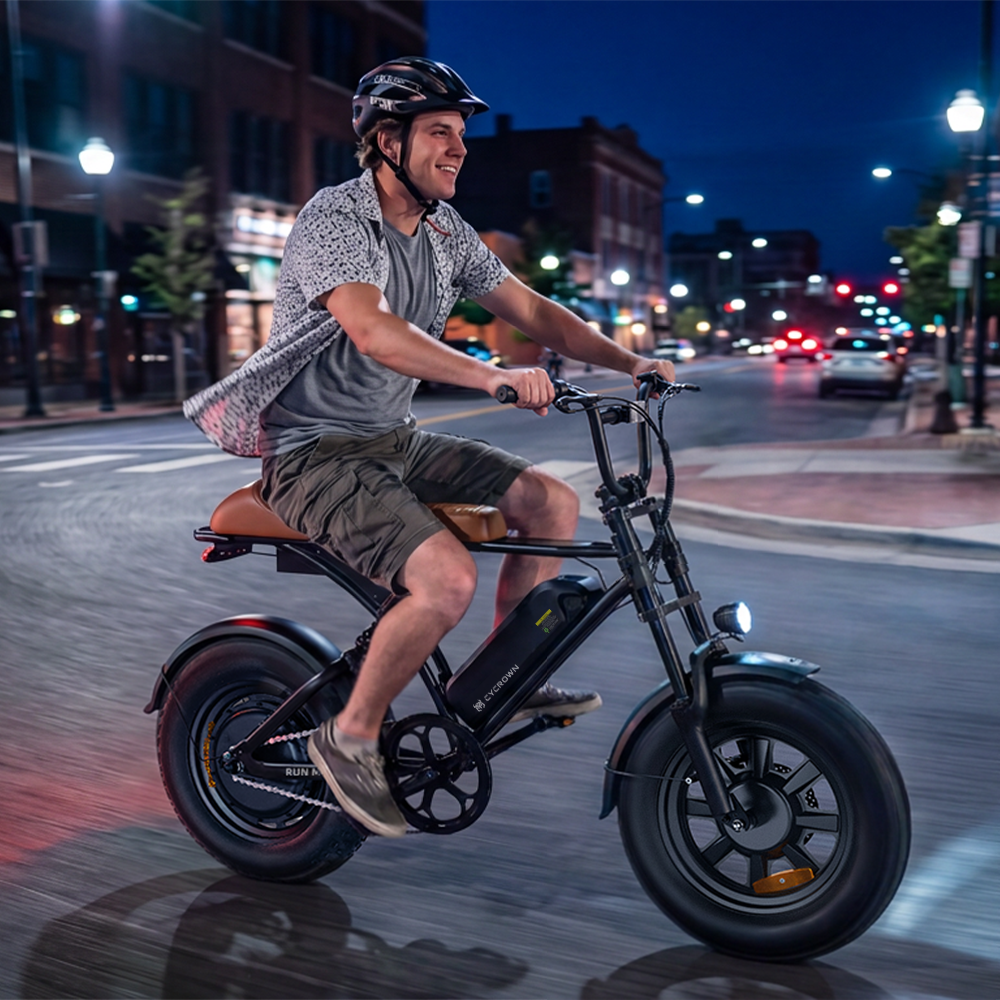
If your dorm, apartment, or campus job is within a mile or two of your classes, you're looking at maybe 3 to 6 miles of riding a day. A smaller battery in the 300 to 400Wh range handles this easily, even with several trips back and forth. This is a light, low-stress use case where an e-bike for daily commute purposes doesn't need to be a long range e-bike at all.
The 10-Mile Rider (Off-Campus Apartment or Part-Time Job)
A lot of students fall into this middle category: living a few miles from campus, maybe with a part-time job or internship added into the mix. Round trip, that can add up to 8 to 12 miles a day. A mid-size battery around 500 to 650Wh handles this kind of e-bike for daily commute use comfortably, with room for weather, hills, or an unplanned stop at the store, without paying for capacity you'll rarely use.
The 20-Mile Rider (Commuting From Farther Out or Running Multiple Errands)
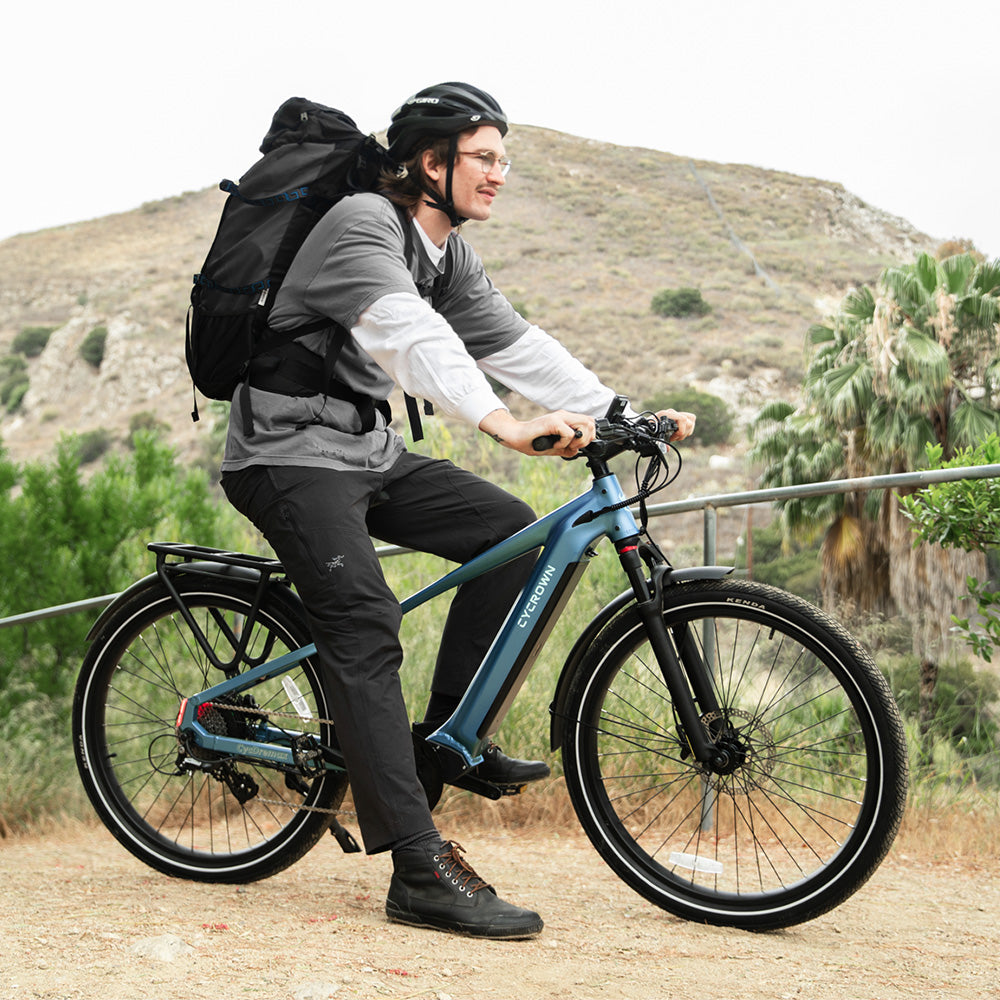
This is where a long range e-bike starts to make real sense. Students commuting from farther neighborhoods, working multiple jobs, or combining classes with errands across town can easily rack up 15 to 25 miles a day. Here, a long range e-bike with 700Wh or more gives you the cushion to skip daily charging and ride with confidence, even in cold weather or with a loaded backpack.
Matching Battery Capacity to Your Daily Miles

Use this as a rough starting point when comparing specs (real-world pedal-assist estimates, not max-throttle numbers):
Under 6 miles/day: 300-400Wh is typically plenty for a commuter e-bike used mostly on flat campus paths.
6-12 miles/day: 500-650Wh covers most off-campus students comfortably, with a buffer for detours.
12-20 miles/day: 650-800Wh keeps you from charging daily and handles moderate hills.
20+ miles/day or multi-stop routines: Look at a long range e-bike in the 800Wh+ class, or one with a removable second battery option.
What Actually Eats Into Your Range
Range numbers on a spec sheet assume ideal conditions, which rarely match campus life. A few things quietly shrink real-world mileage:
-
Rider weight and cargo (backpacks, laptop bags, grocery runs)
-
Hills and stop-and-go traffic near campus
-
Cold weather, which temporarily reduces battery output
-
Riding mostly on throttle instead of pedal-assist
-
Higher assist levels used for speed over efficiency
These factors explain why two students with the "same" battery size can get very different mileage from a single charge.
When a Long Range E-Bike Actually Makes Sense
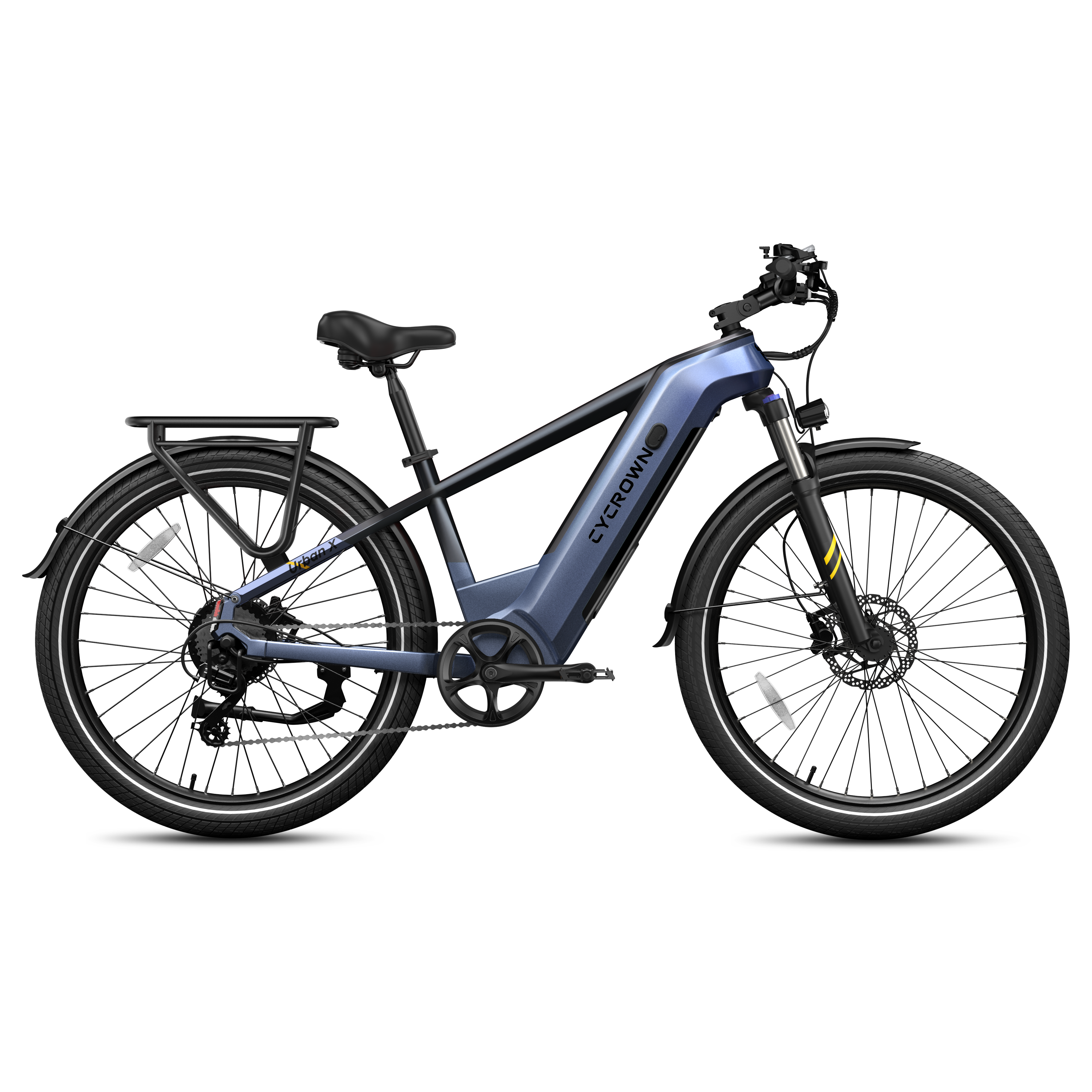
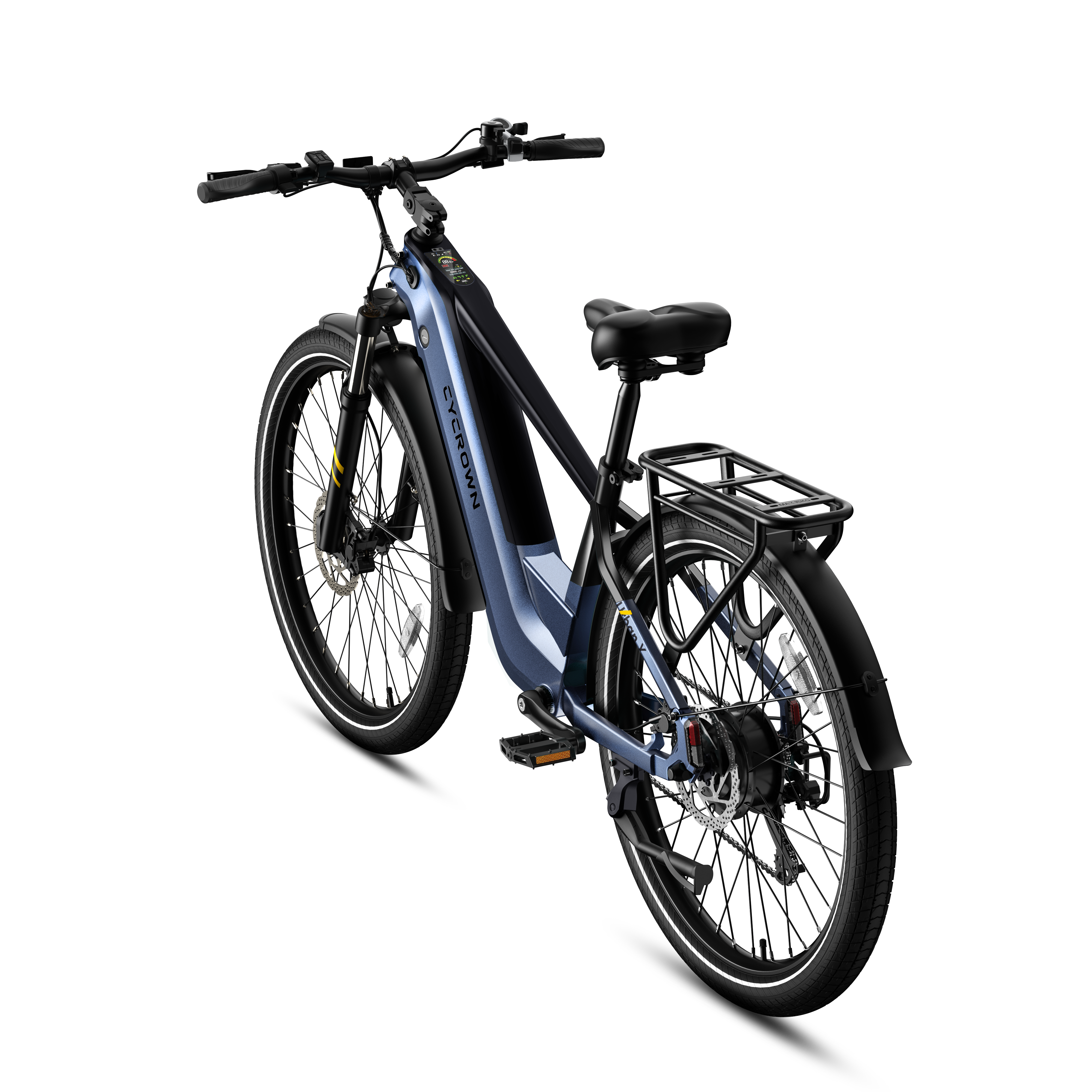
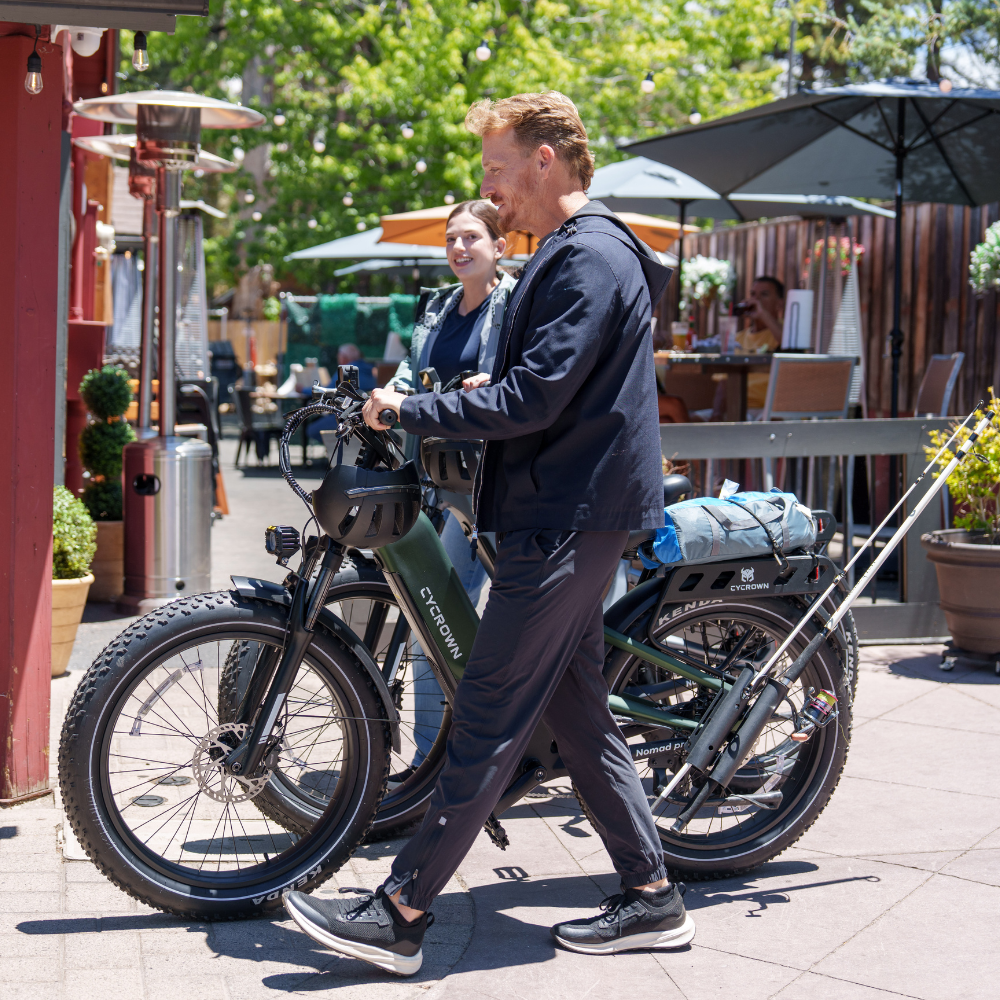
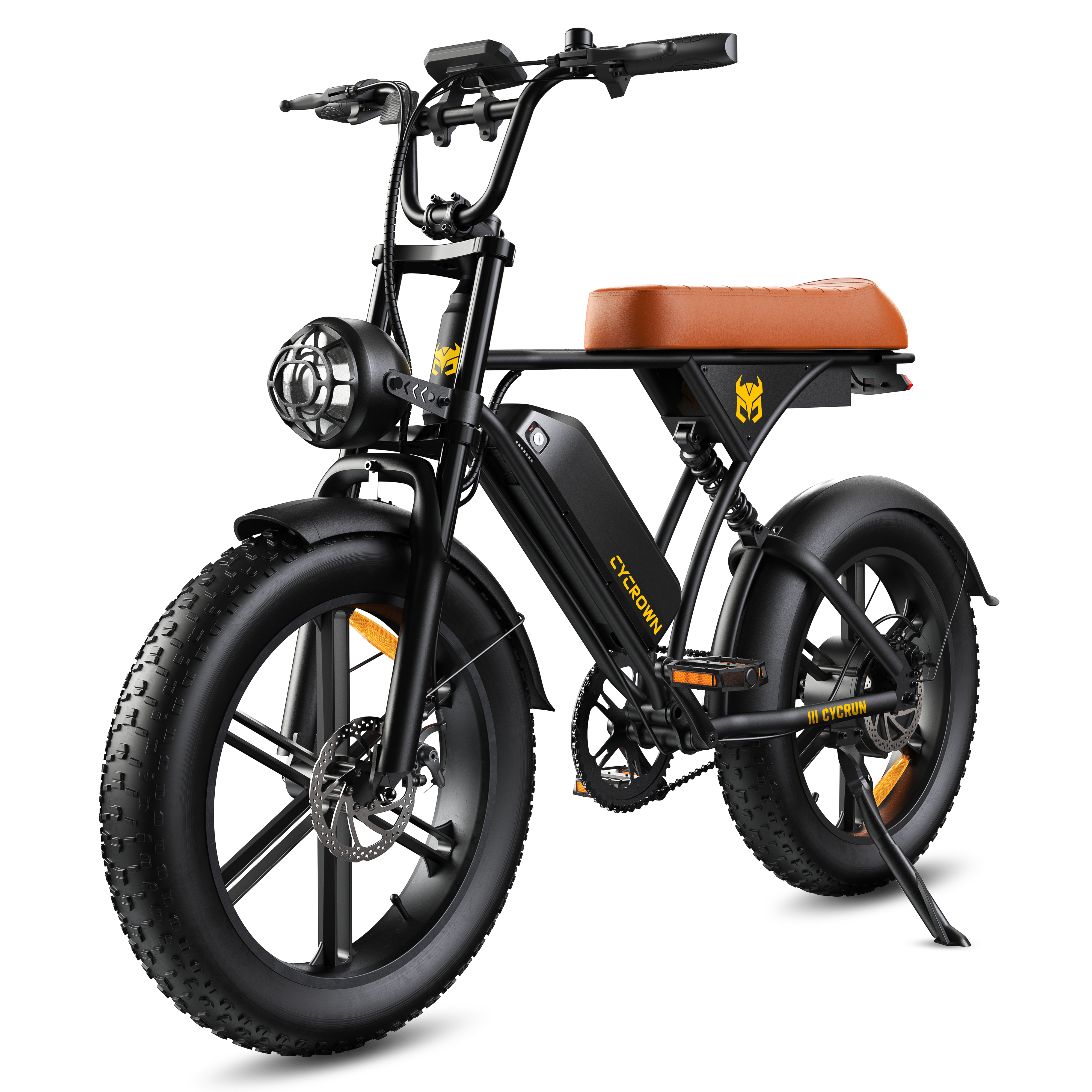
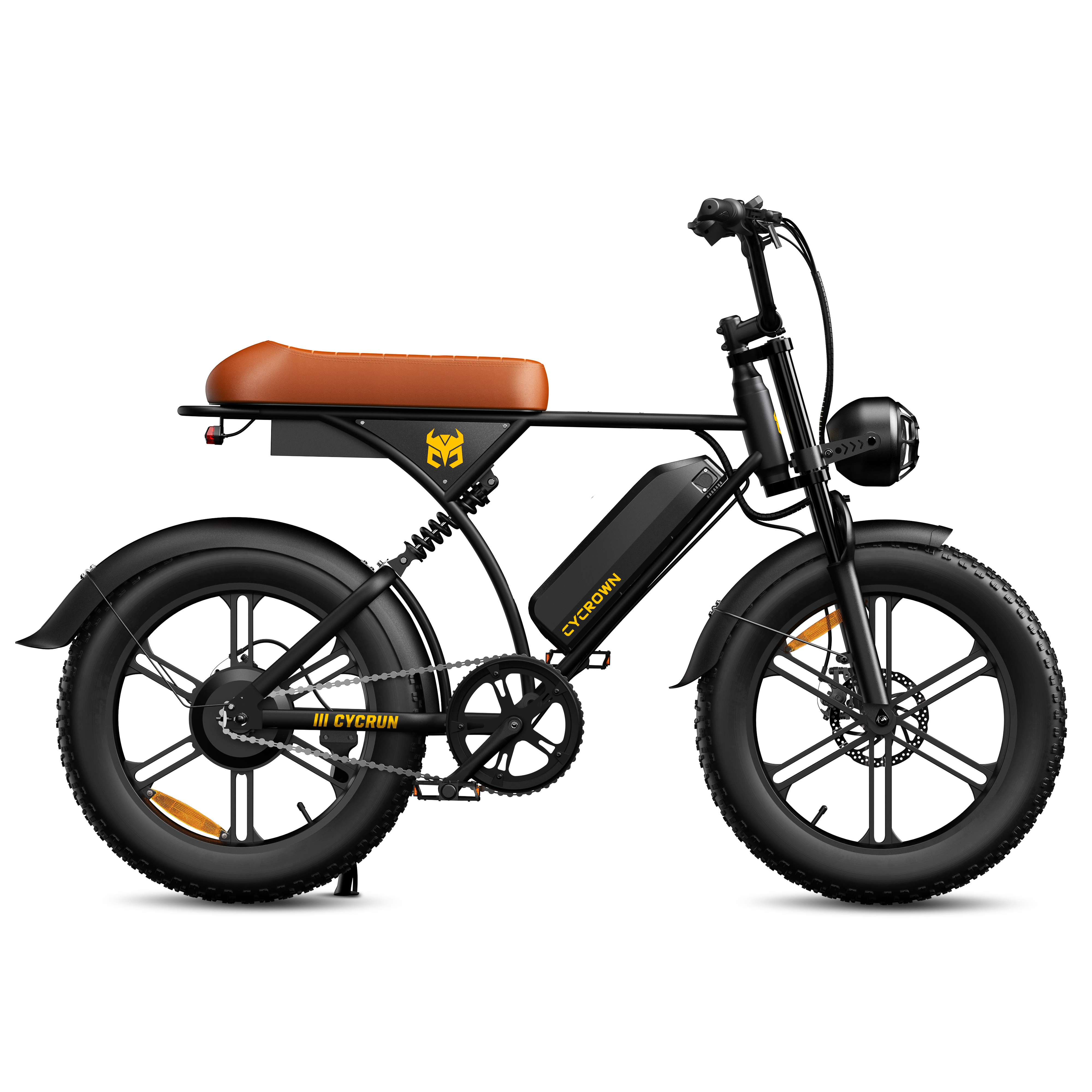
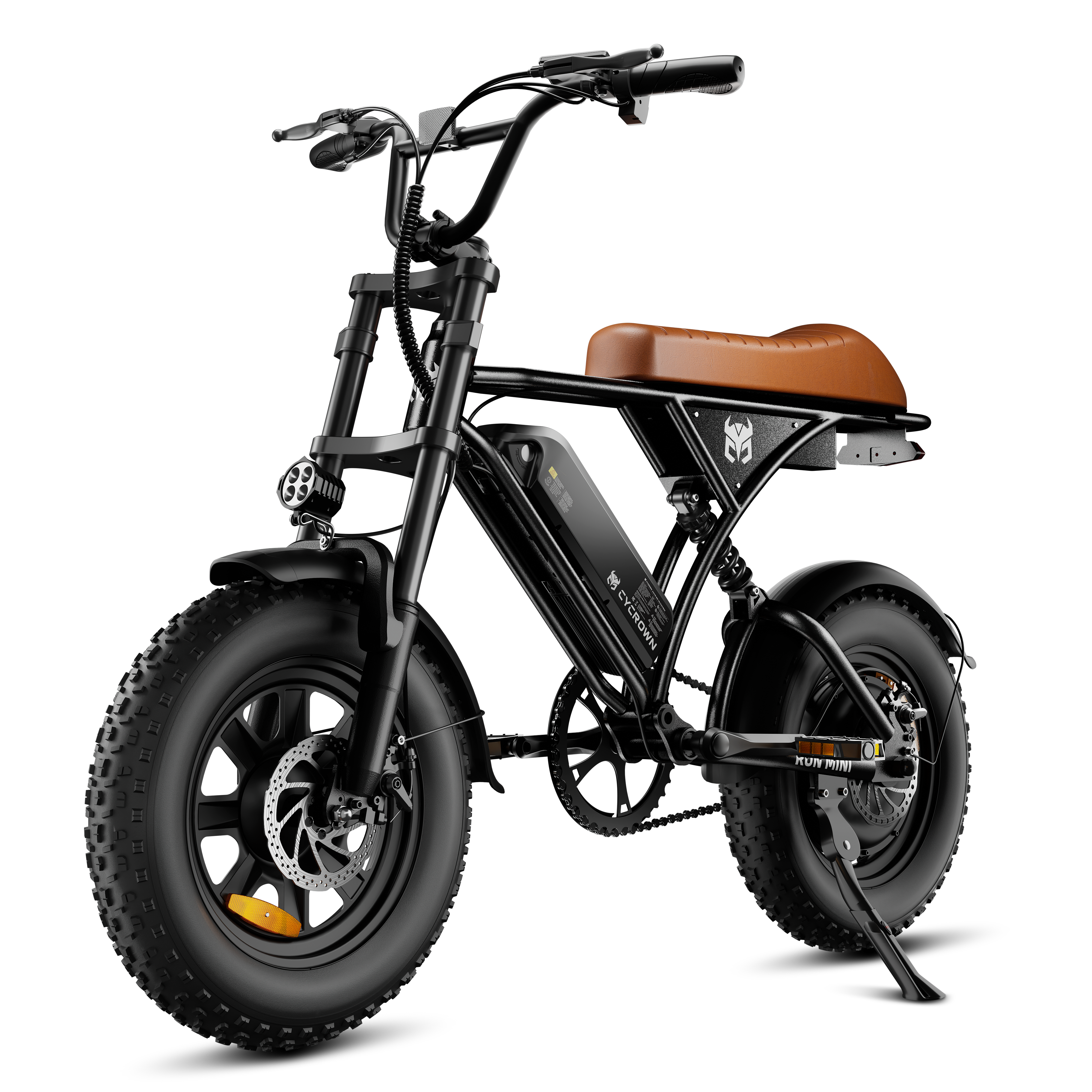
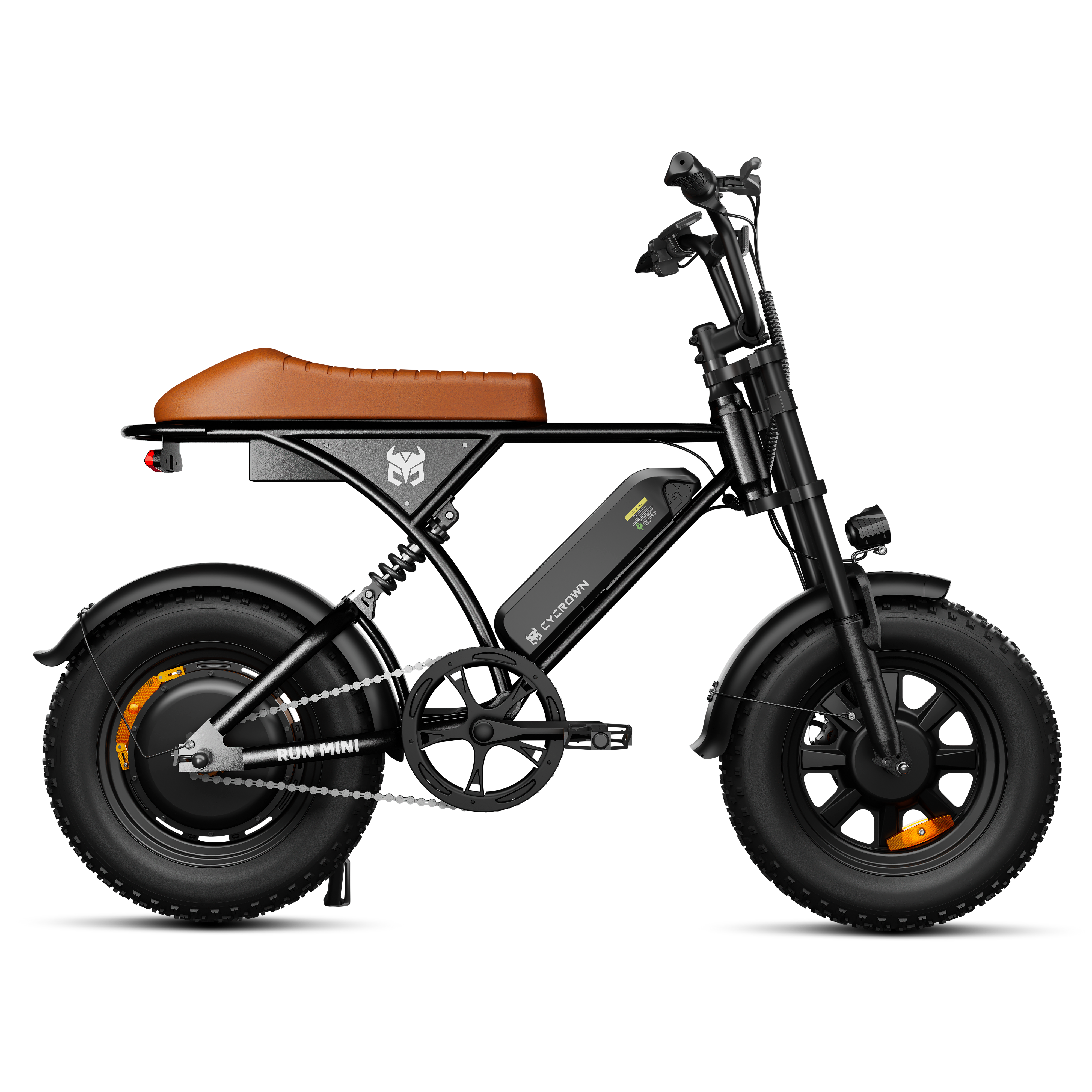
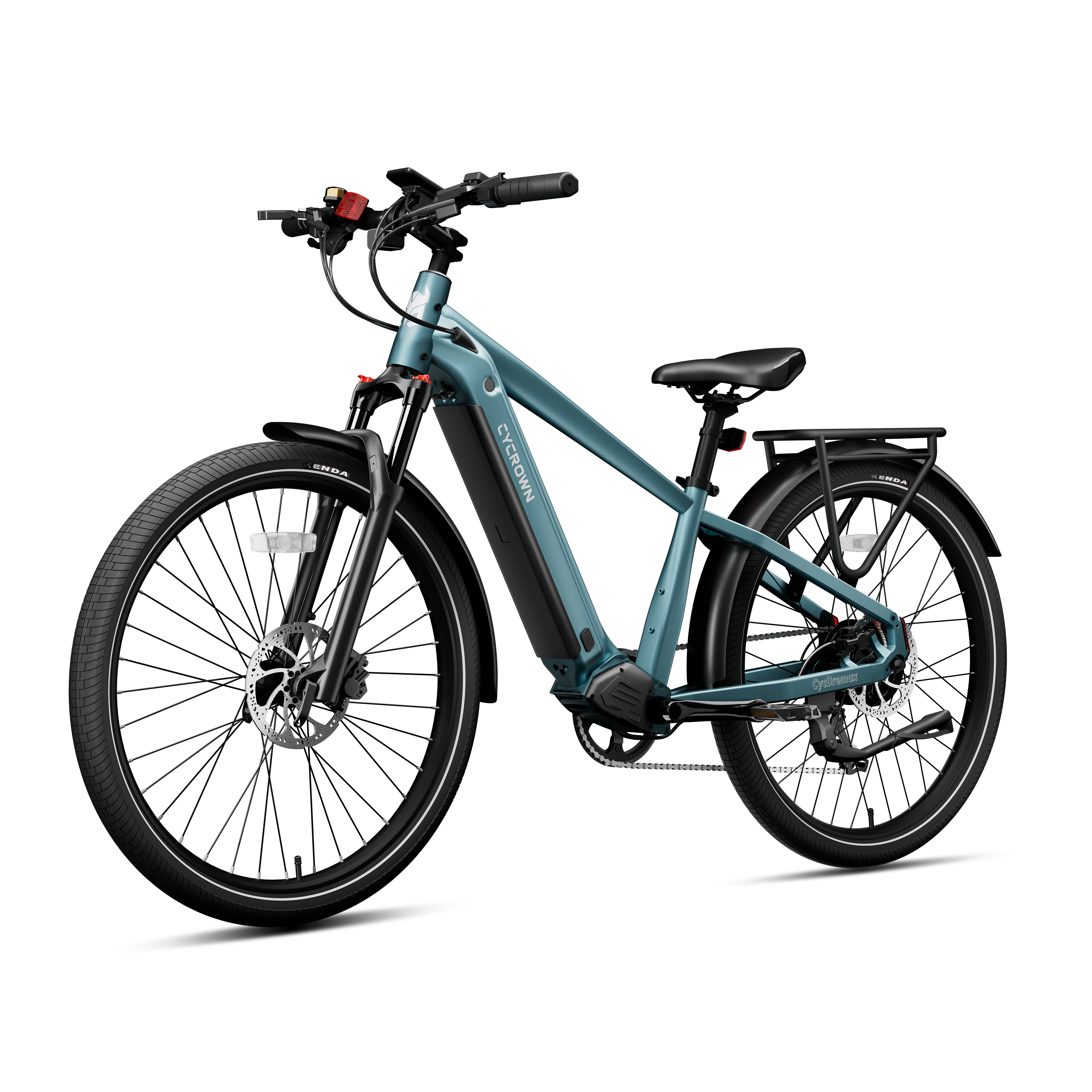
A long range e-bike isn't overkill for everyone, it genuinely helps students with longer commutes, unpredictable schedules, or no easy way to charge during the day. If that's your situation, a model like the Nomad Pro gives you a wide safety margin so a busy week doesn't turn into a dead battery on the way to a final. For most everyday campus trips, though, a lighter commuter e-bike is the more practical, affordable choice, and CYCROWN's Dremax and Urban X are both built around that kind of daily-use riding. Before adding battery capacity, it also helps to understand what can go wrong once you're putting real miles on any bike, our guide on common e-bike problems and easy fixes covers what to watch for. If comfort matters as much as range, this breakdown of why the Urban X fits everyday city commuting is worth a look too.
Right-Size Your Ride, Not Your Spending
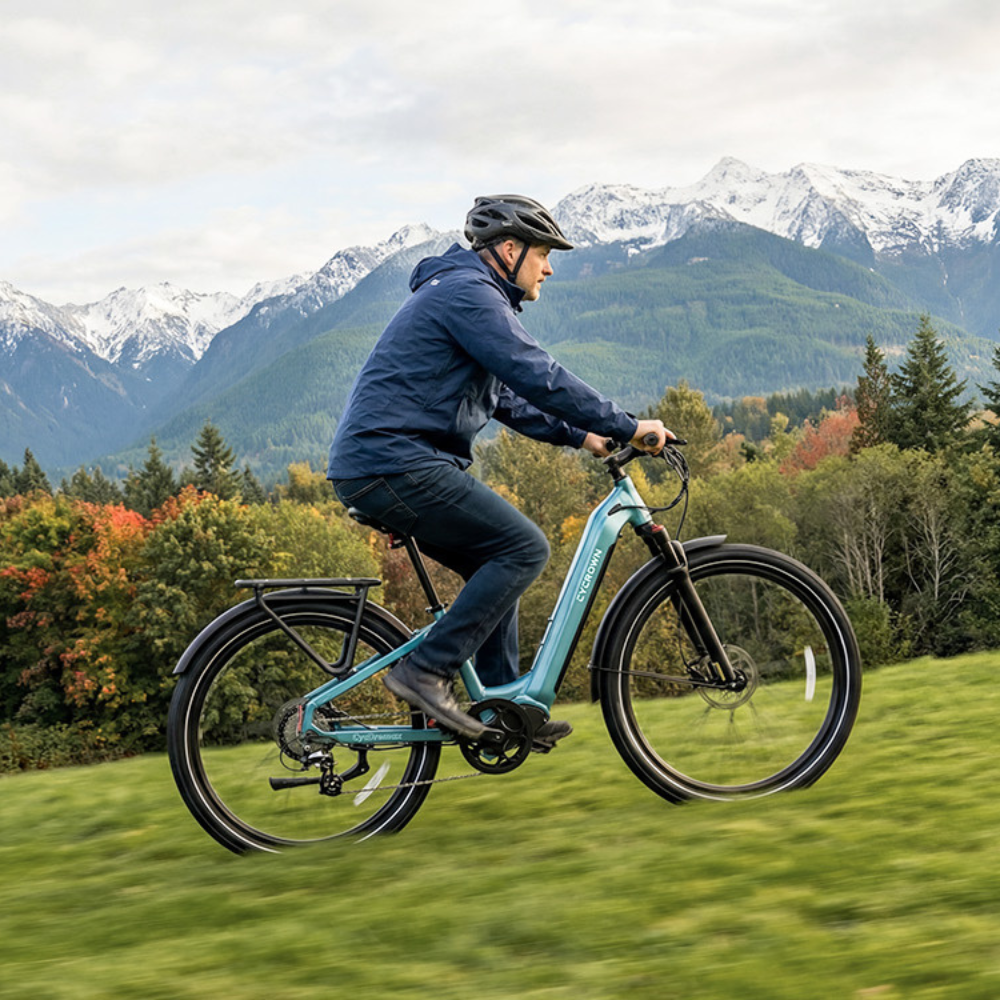
The best e-bike for daily commute needs isn't the one with the highest number on the spec sheet, it's the one that matches how you actually get around campus. Map your typical week, add a little buffer for weather and detours, and you'll land on a battery size that fits your routine instead of your fear of running out of charge. For most students, a well-built commuter e-bike covers the semester just fine, and a long range e-bike is there when your schedule genuinely calls for it.
E-Bike Range for College Life
Do I need a long range e-bike if I live on campus?
Probably not, most on-campus riders do fine with a smaller battery since daily mileage tends to stay under 6 miles.
How much range do I need for a 10-mile round-trip commute?
A battery in the 500 to 650Wh range usually covers that comfortably with buffer left over.
Does cold weather really reduce e-bike range?
Yes, cold temperatures temporarily reduce battery output, so colder climates often see less range in winter.
Is it better to oversize my battery just in case?
A little buffer helps, but oversizing significantly mostly adds cost and weight without matching your riding habits.
Can I just charge my e-bike battery every night at my dorm?
Most students can, and doing so means you rarely need maximum range since you start most days at a full charge.


