














A full e-bike grocery run can go wrong when the bags fit on the bike but overload the rack or shift on the ride home. You need enough payload, a rack rated for the load, and containers that attach securely.
The following checks turn your actual shopping list into a practical cargo plan. Weigh the load, test the containers, and practice with the e-bike before relying on it for a full weekly shop.
Can Your E-bike Grocery Run Fit Safely?
1. Weigh and measure a typical grocery run
Use a recent shopping trip as your test load rather than guessing from the number of bags. Include the items you buy most weeks, plus an occasional bulky item such as paper towels. This gives you two numbers to work with: the weight you need to carry and the space your groceries occupy.
- Pack the groceries into the bags or containers you intend to use. A bathroom scale can measure a loaded bag; subtract the weight of the empty bag to find the grocery weight.
- Record the weight of each loaded container and the total grocery weight. Repeat with a heavier-than-usual shop if your purchases vary.
- Measure each packed container’s approximate height, width, and depth. Count awkward items that will not fit inside.
- Note fragile or refrigerated items that need separate space. Eggs, bread, and frozen food may limit how tightly you can pack.
A 20-pound load of paper products can take up more space than 20 pounds of canned food. Treat volume as a separate check: a haul that is light enough still needs to fit without blocking your legs, lights, or wheels.
2. Calculate the available payload
Payload is the weight the e-bike can carry, not a grocery-only allowance. Subtract your weight and the weight of your clothing, carried gear, and added accessories from the stated maximum. Count each item once in the overall calculation, even though rear-mounted items must also be checked against the rack limit.
- Example payload: 330 pounds maximum, minus a 190-pound rider and 10 pounds of gear and accessories, leaves 130 pounds for groceries.
- Separate rack check: That 130-pound remainder does not let you put 130 pounds on a rack rated for 66 pounds.
- Accessories: Include bags, locks, baskets, straps, and other added equipment. Confirm with the manufacturer how factory-installed or added equipment is counted if the instructions are unclear.
- Practical margin: Avoid planning every trip right at a limit. Extra room makes it easier to accommodate a larger purchase or a wet bag.
If your calculated allowance is smaller than the shop, remove items or split the trip. Do the same if the overall calculation works but a rack or container limit does not.
3. Check rack and container limits
The e-bike rack weight limit applies to what the rack supports, including the containers and their contents. Each bag, basket, mounting system, or individual side may have its own rating. The lowest applicable limit controls that part of the setup, so check the labels and instructions before packing.
- For a 40-pound grocery haul in 6 pounds of rear-mounted bags and straps, the rack carries 46 pounds. That is under a 66-pound rack rating, assuming no other rear-mounted items.
- Weigh each loaded side bag separately. A pair’s combined rating does not necessarily permit the full amount on one side.
- Check that hooks, rails, and lower retaining attachments fit the rack securely. A rack’s weight rating alone does not prove a bag will fit it.
- Verify that loaded bags clear your heels, the rear wheel, spokes, brake parts, and lights. Recheck after the bags settle under their weight.
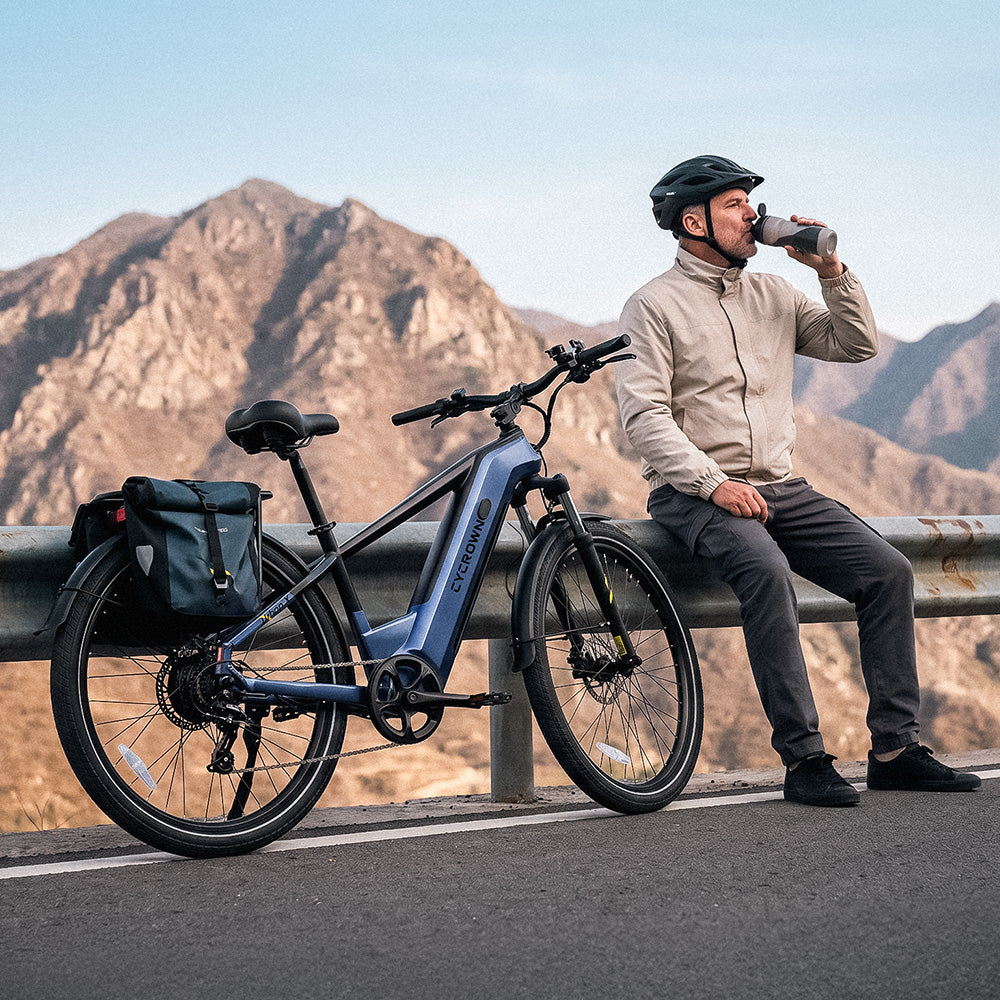
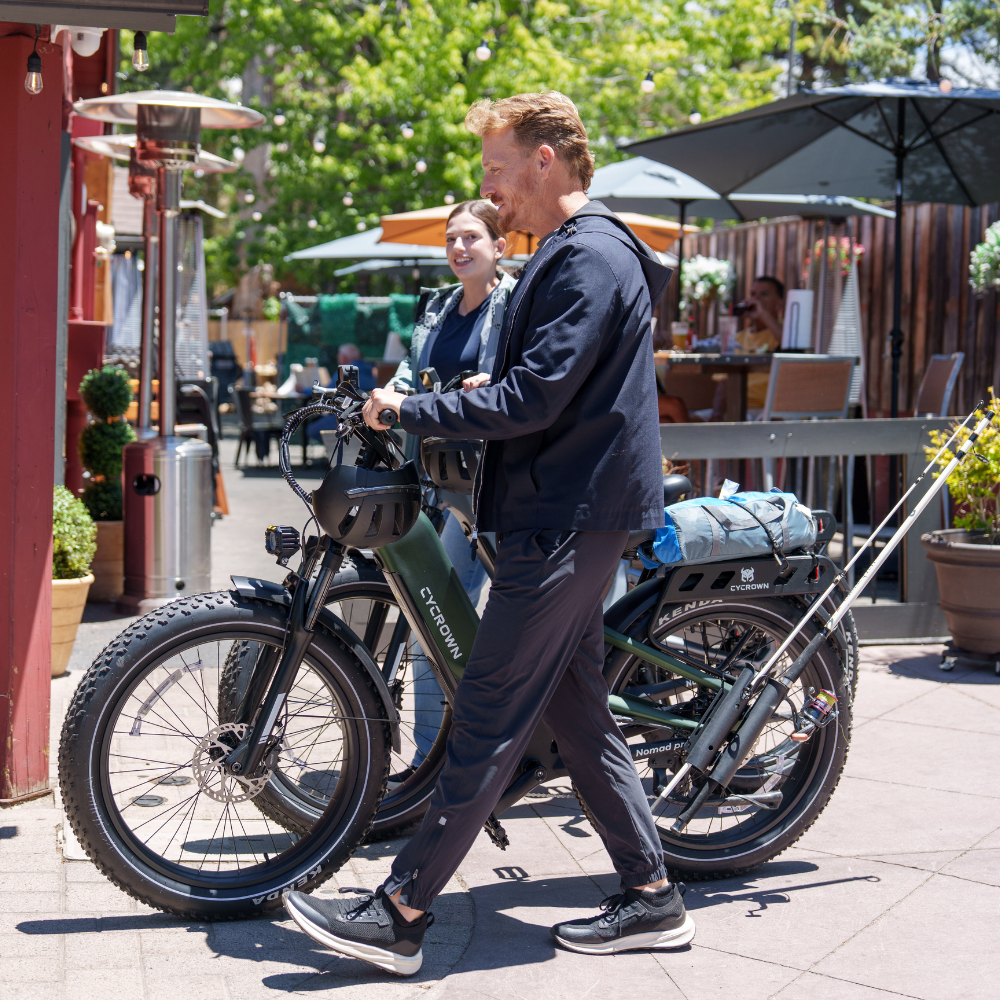
E-bike grocery panniers are side-mounted bags designed to attach to a suitable rack. If a bag’s fit or load rating is uncertain, confirm compatibility before using it; do not rely on a loose hook or a stretched strap to make it work.
4. Pack for balance and clearance
A good packing plan keeps dense items low, close to the bike, and as evenly distributed as practical. It also keeps the cargo from shifting when you turn or brake. Load the bike on level ground, hold it steady, and check the attachment points again after everything is in place.
- Put cans, jars, and dense food low in compatible side bags. Cushion glass and keep bread or produce above heavier items.
- Compare the left and right loaded bag weights. Move an item across if one side is noticeably heavier, while staying within each bag’s limit.
- Secure loose straps so they cannot reach a wheel, chain, brake, or pedal. Keep the rear light and reflectors visible from behind.
- Check heel clearance by turning the pedals by hand with the bike safely supported. A bag that clears an empty bike can move when loaded.
- Do not hang grocery bags from the handlebars. Keep both hands available for steering and braking.
Give each bag a gentle tug before leaving. If it shifts, touches a moving part, or prevents you from comfortably getting on the bike, repack it or remove it. Do not assume you will adjust to an unstable load once you are in traffic.
5. Plan the route and battery reserve
A grocery trip includes the ride home under load, not just the easy ride to the store. Check the round-trip distance, hills, pavement, weather, and a secure place to lock the bike. Charge before leaving and leave a reserve rather than treating a maximum-range figure as a promise for your route.
- Favor streets or bike routes where you have room to ride predictably and avoid difficult crossings.
- Account for headwinds, cold weather, hills, and the assist level you use. These can change how much battery remains at the end.
- Check local rules for your e-bike and intended route, including any restrictions on paths or sidewalks.
- Use the charger supplied or approved for your bike. An incompatible charger can cause a battery fire.
For the first few trips, note the battery indication before leaving and after returning. Those observations are more useful for your regular route than a range claim measured under different conditions.
6. Rehearse the ride before the full shop
Practice with a small, secured load in a quiet area before adding a week’s groceries. The goal is to see whether you can mount, balance, start, turn, and stop comfortably. Build up gradually, keeping every test load within the payload, rack, and bag limits. Before each ride, check your tire pressure, brakes, lights, and rack fasteners. Follow our electric bike maintenance checklist for more pre-ride and routine maintenance tips.
- Walk the loaded e-bike first. Check that you can hold it upright and maneuver it without a bag catching your leg.
- Practice a controlled start, a wide turn, and a gradual stop. Then try the tighter turns and stops your route may require.
- Add weight in stages and repeat. Allow more stopping room as the load increases, and slow down before turns or rough pavement.
- Stop if a bag swings, rubs, or covers a light. Reattach it or reduce the load before continuing.
- If the setup still feels unmanageable, split the shop or use another way to carry the extra items.
A successful rehearsal is not just reaching the listed weight limit. You should also be able to control the bike at low speed and support it while stopped.
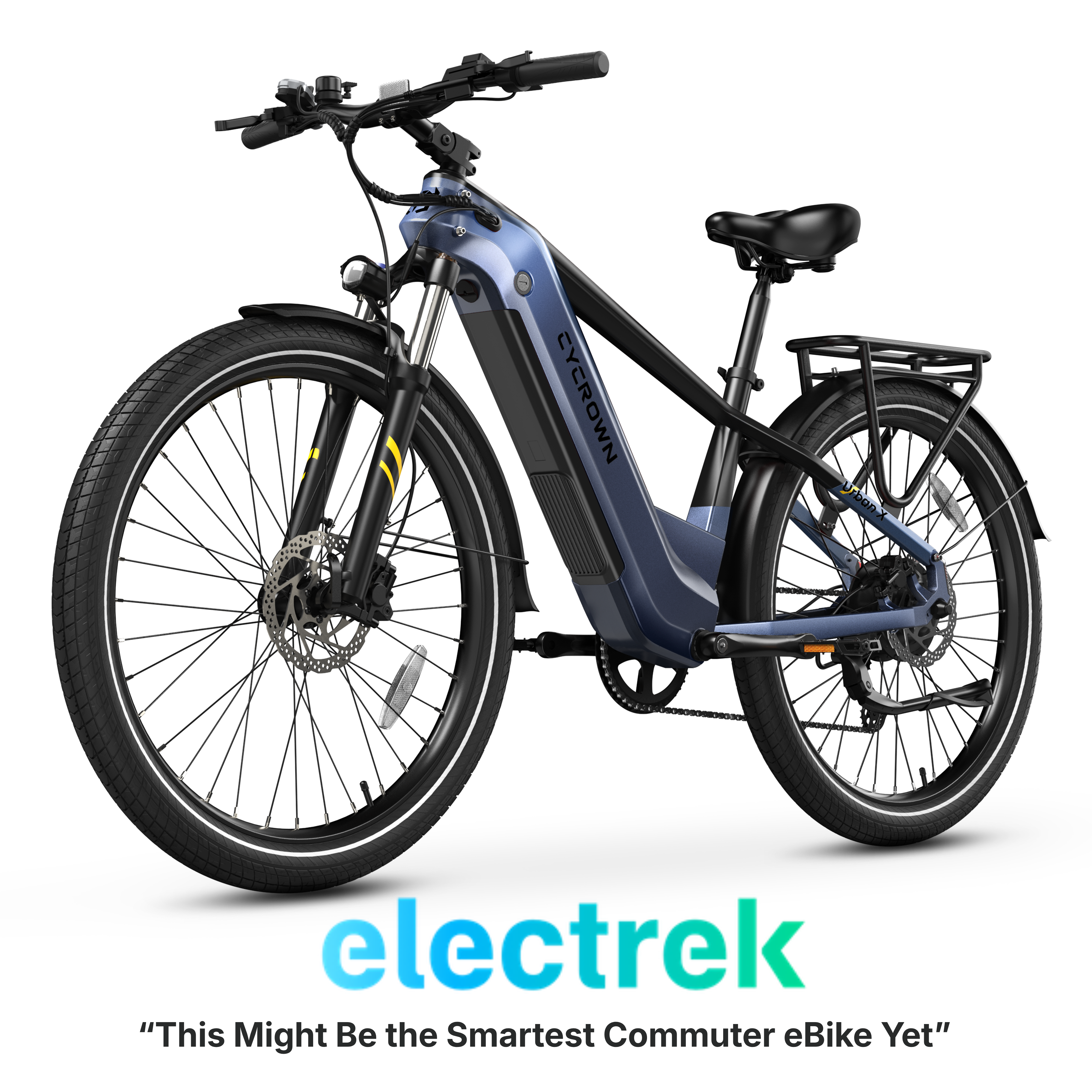
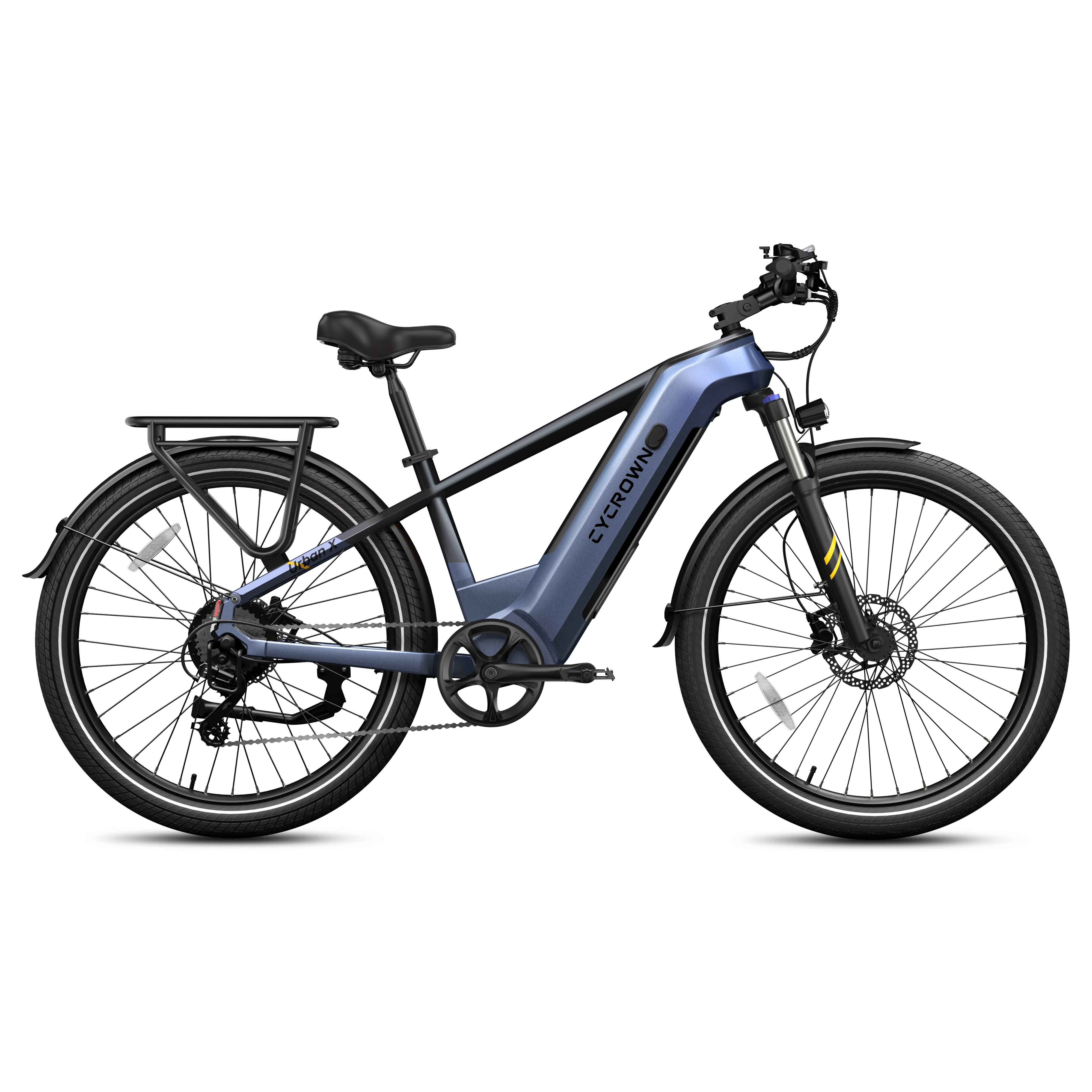
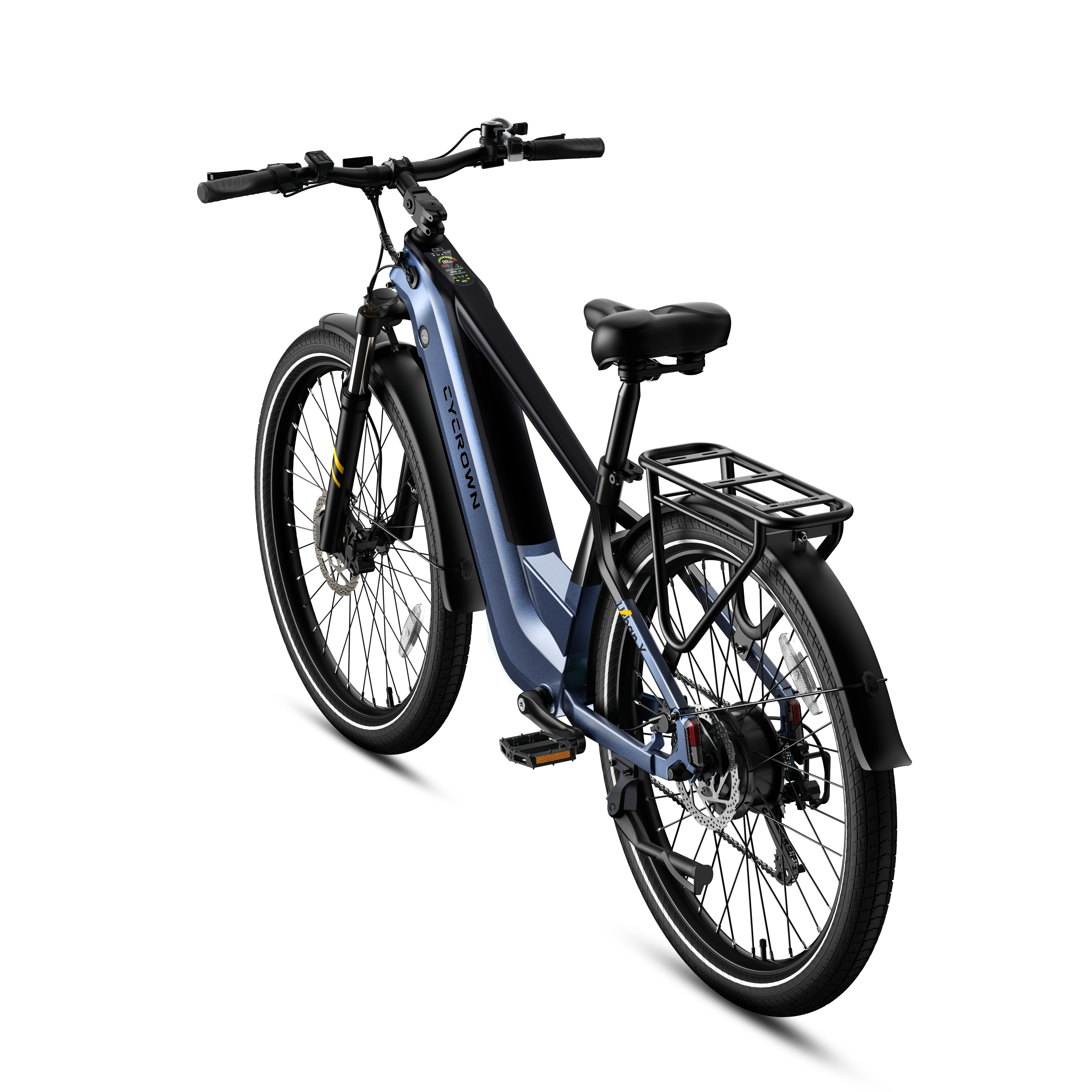
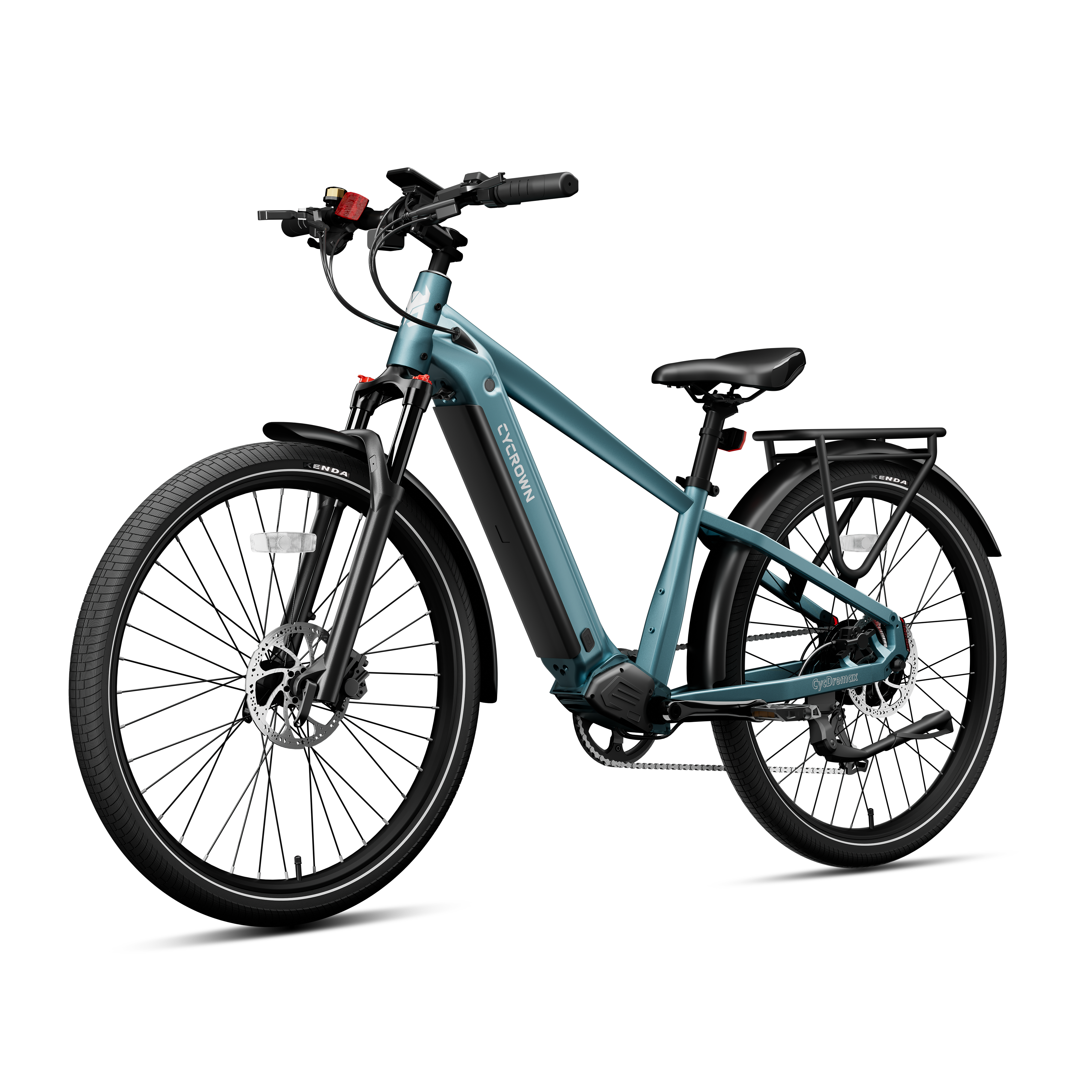
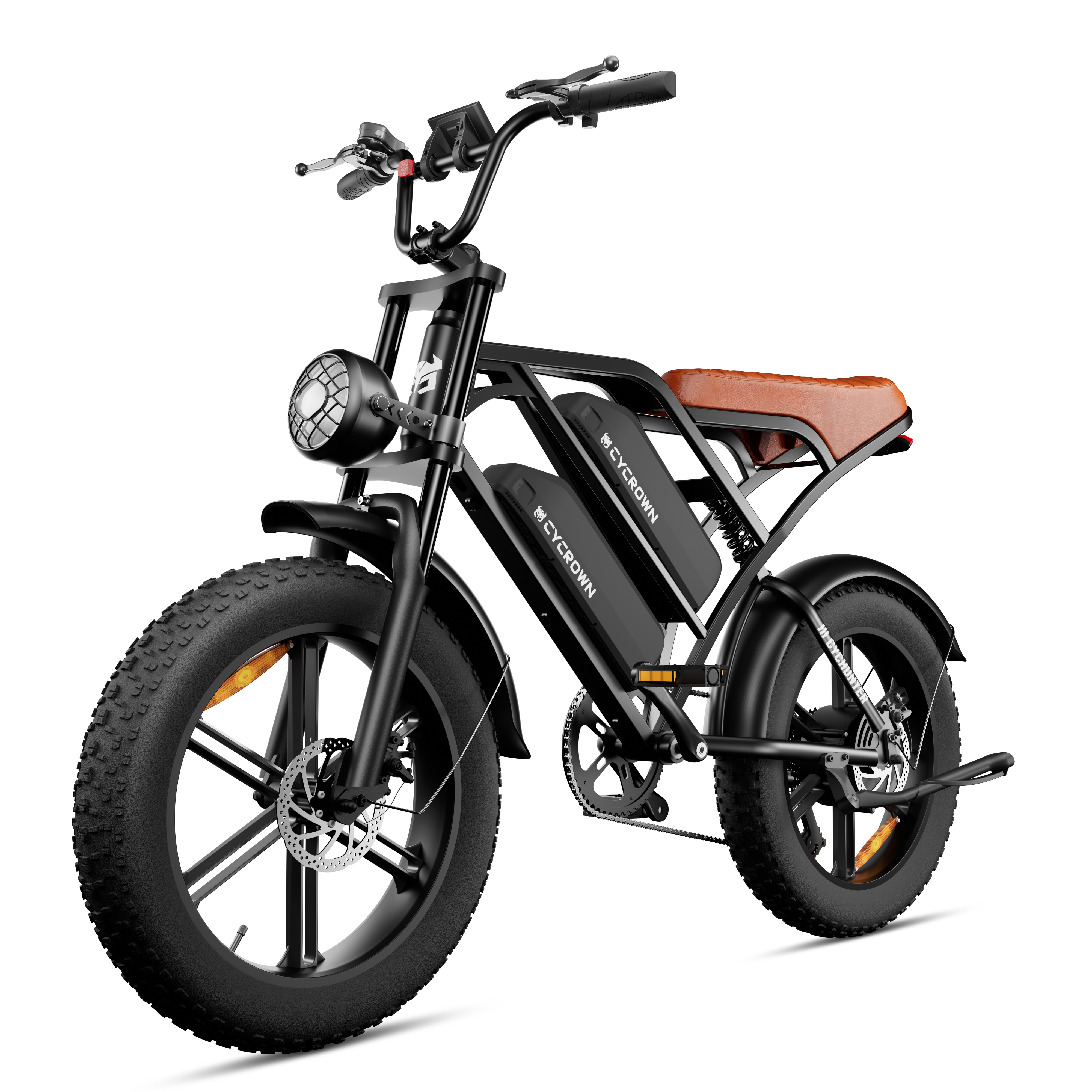
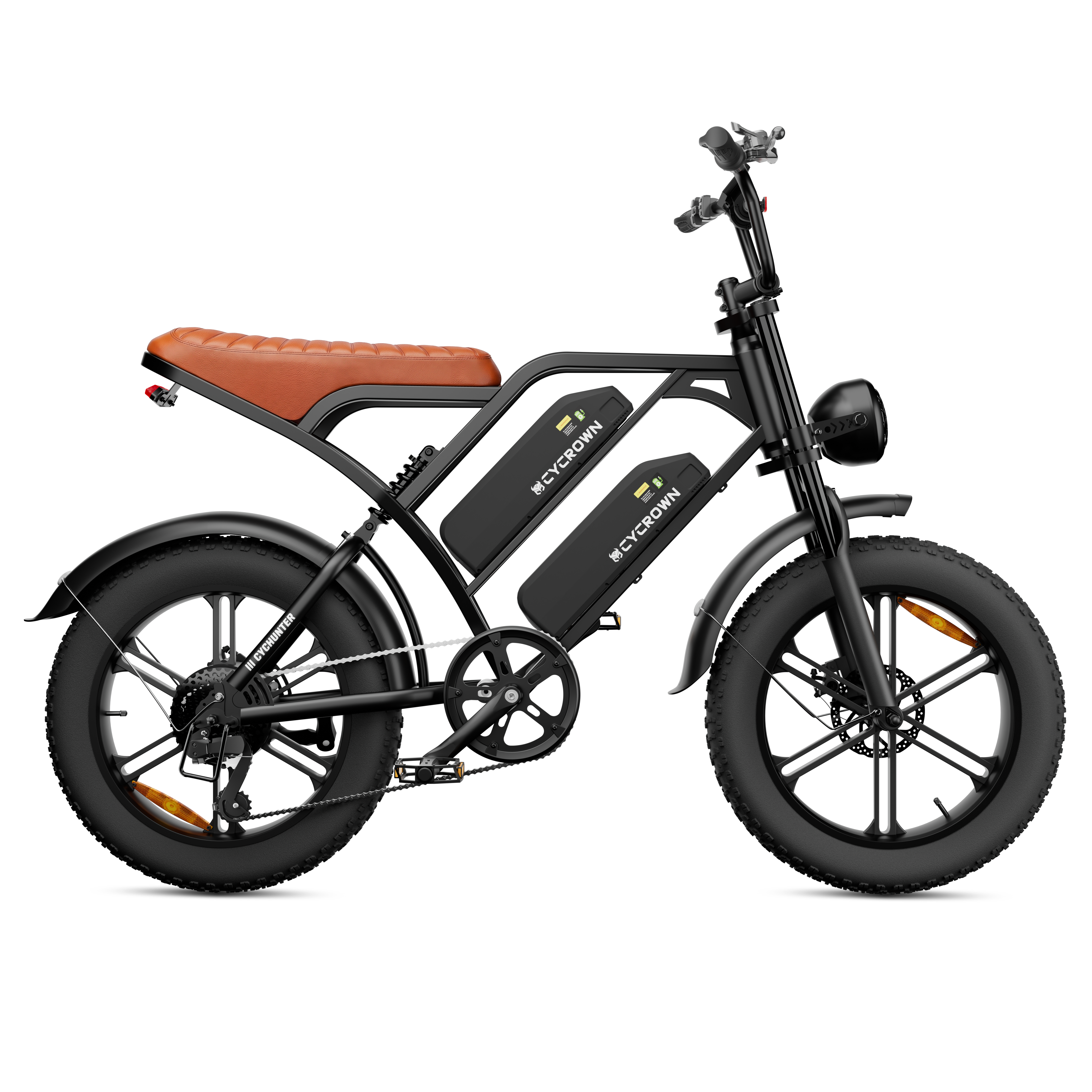
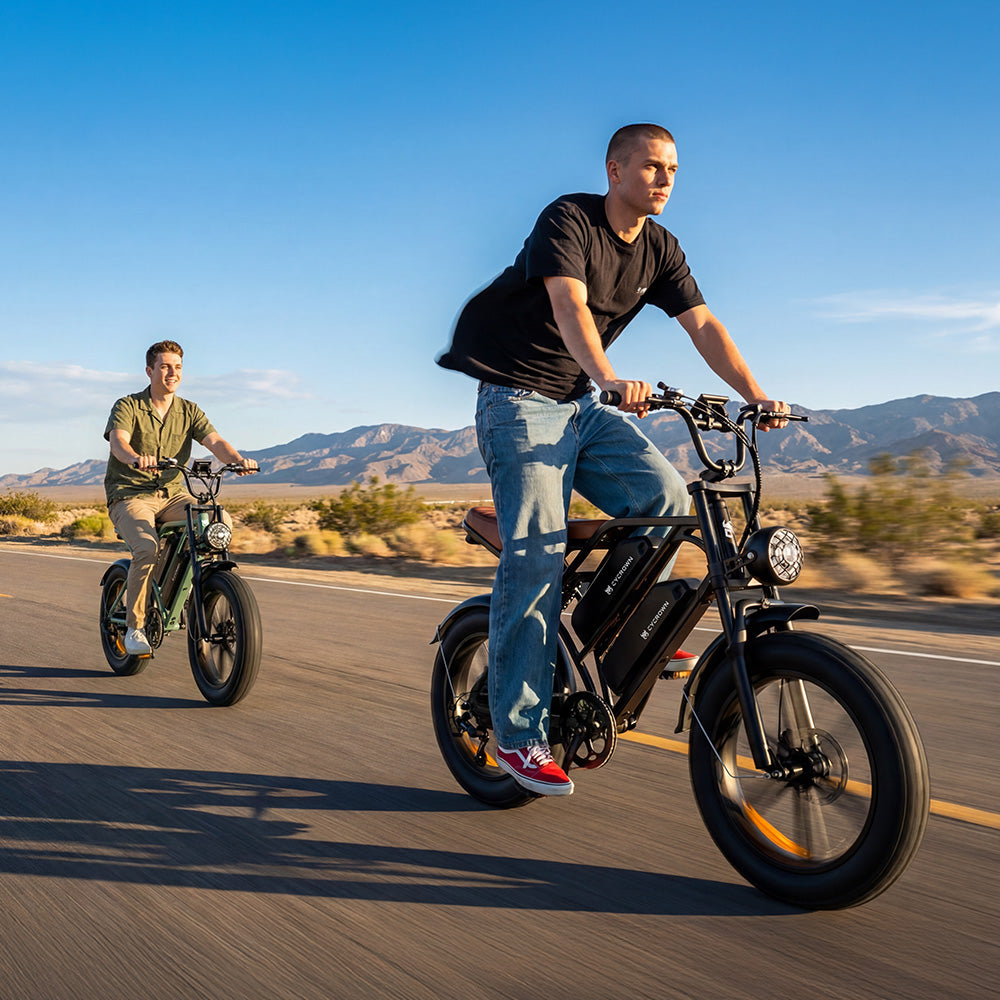
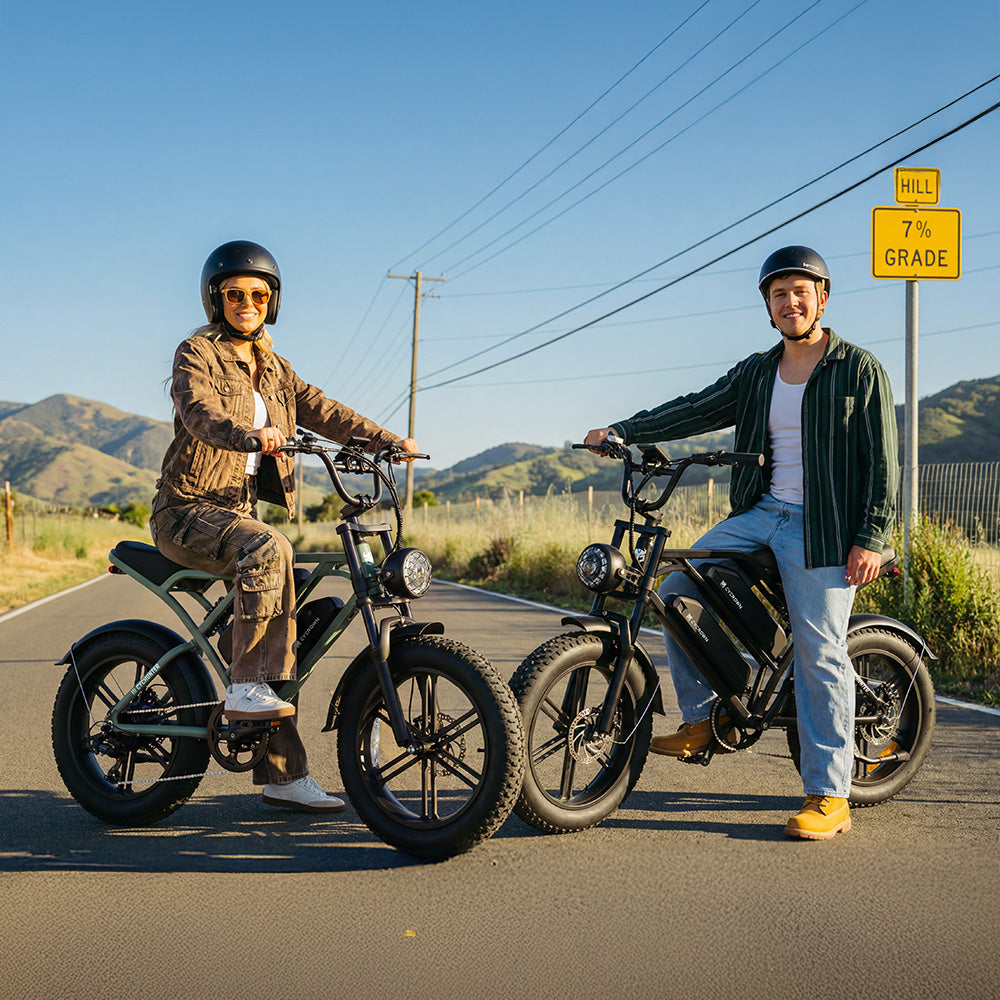
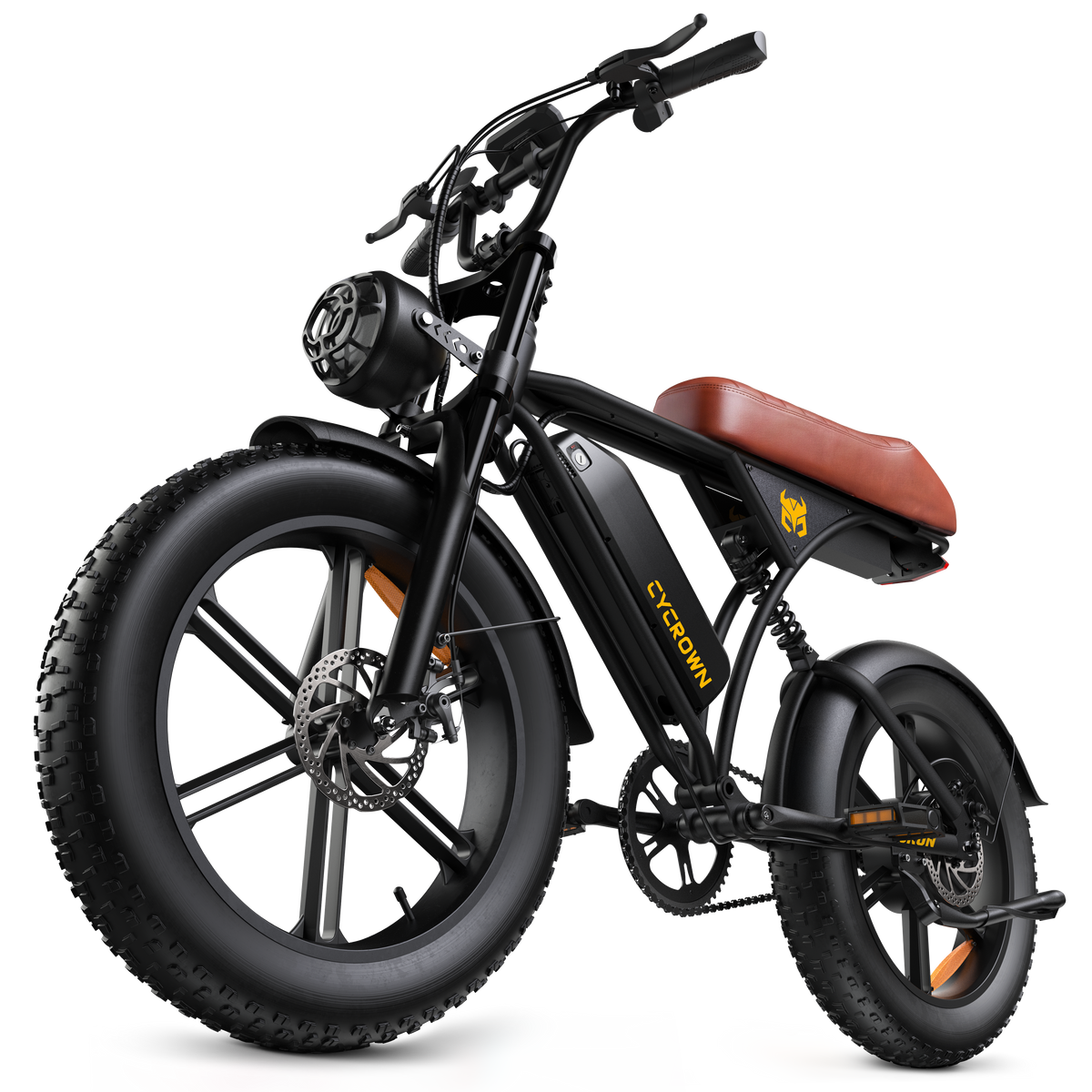
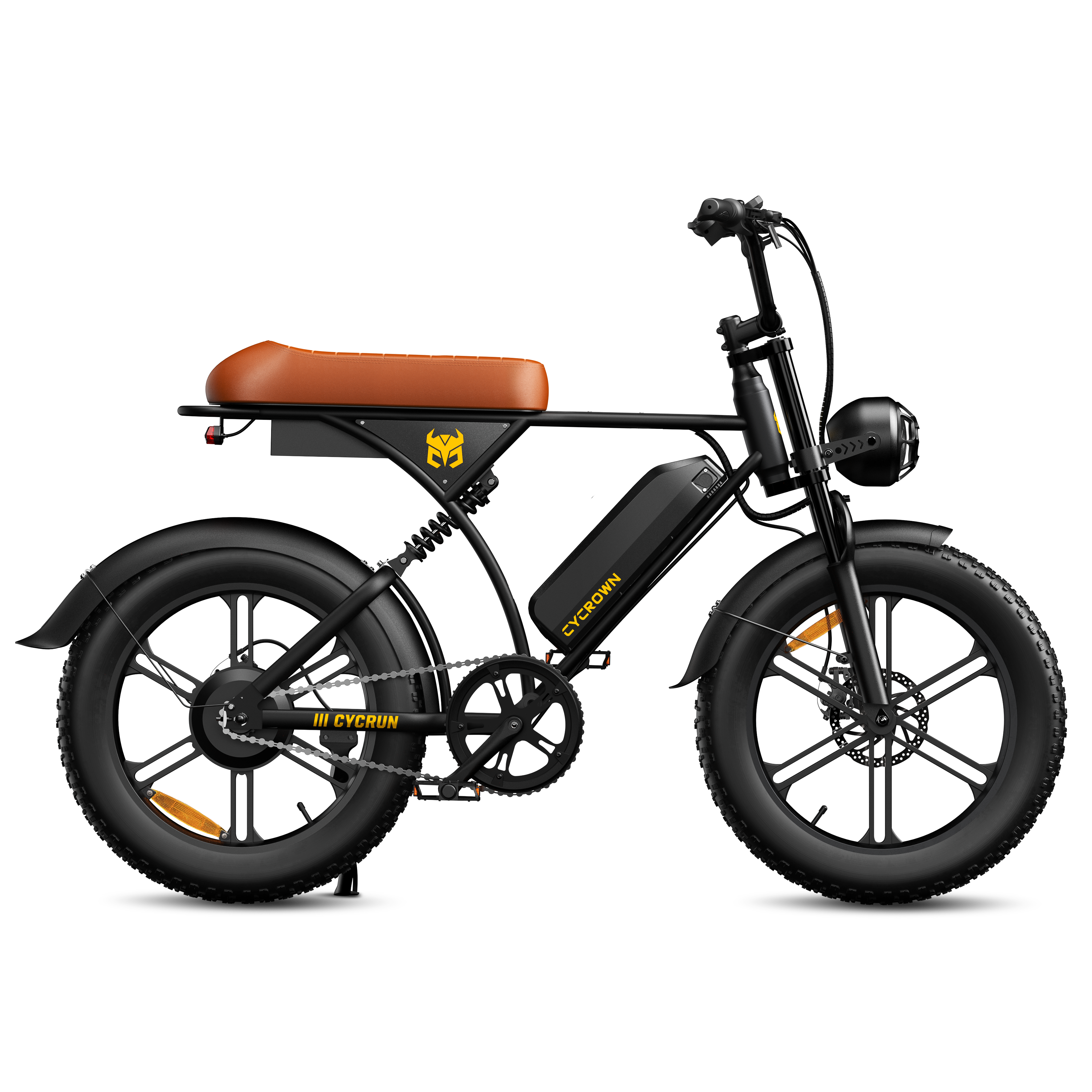
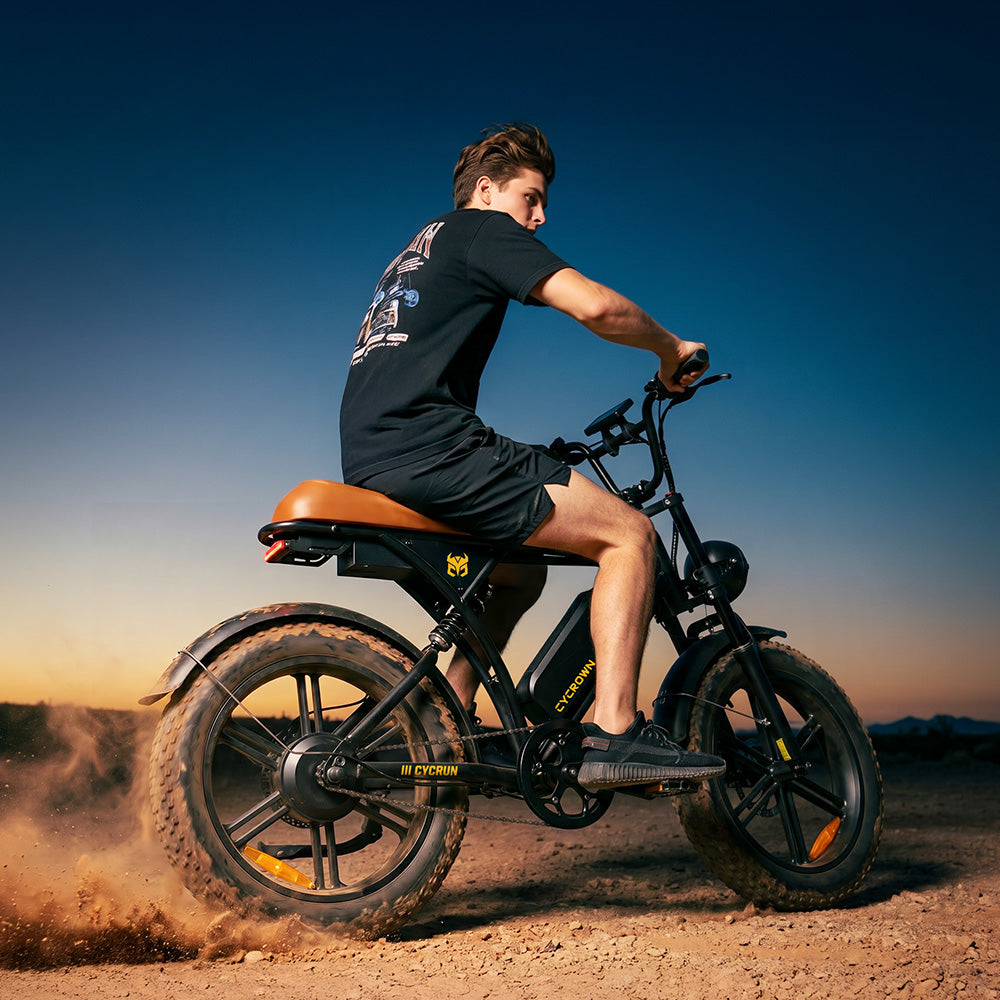
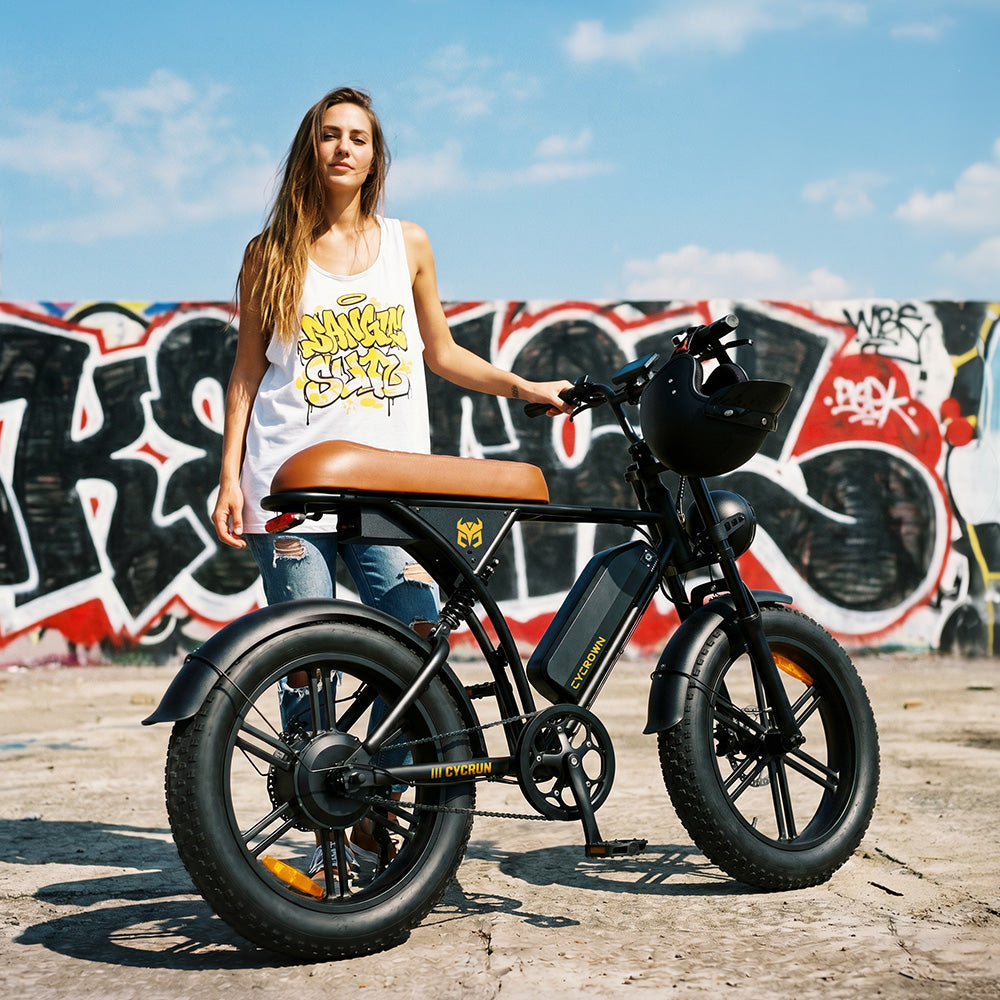
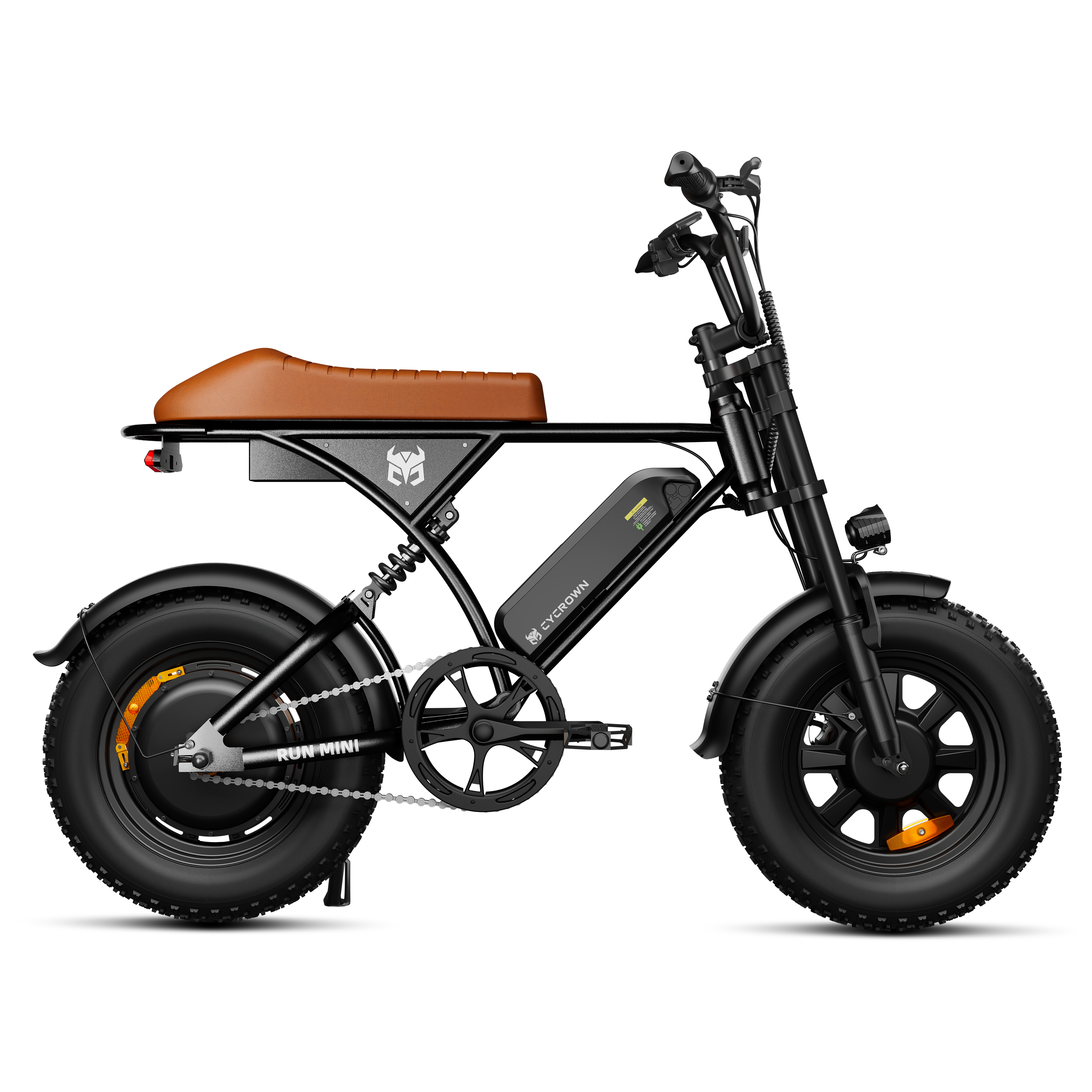
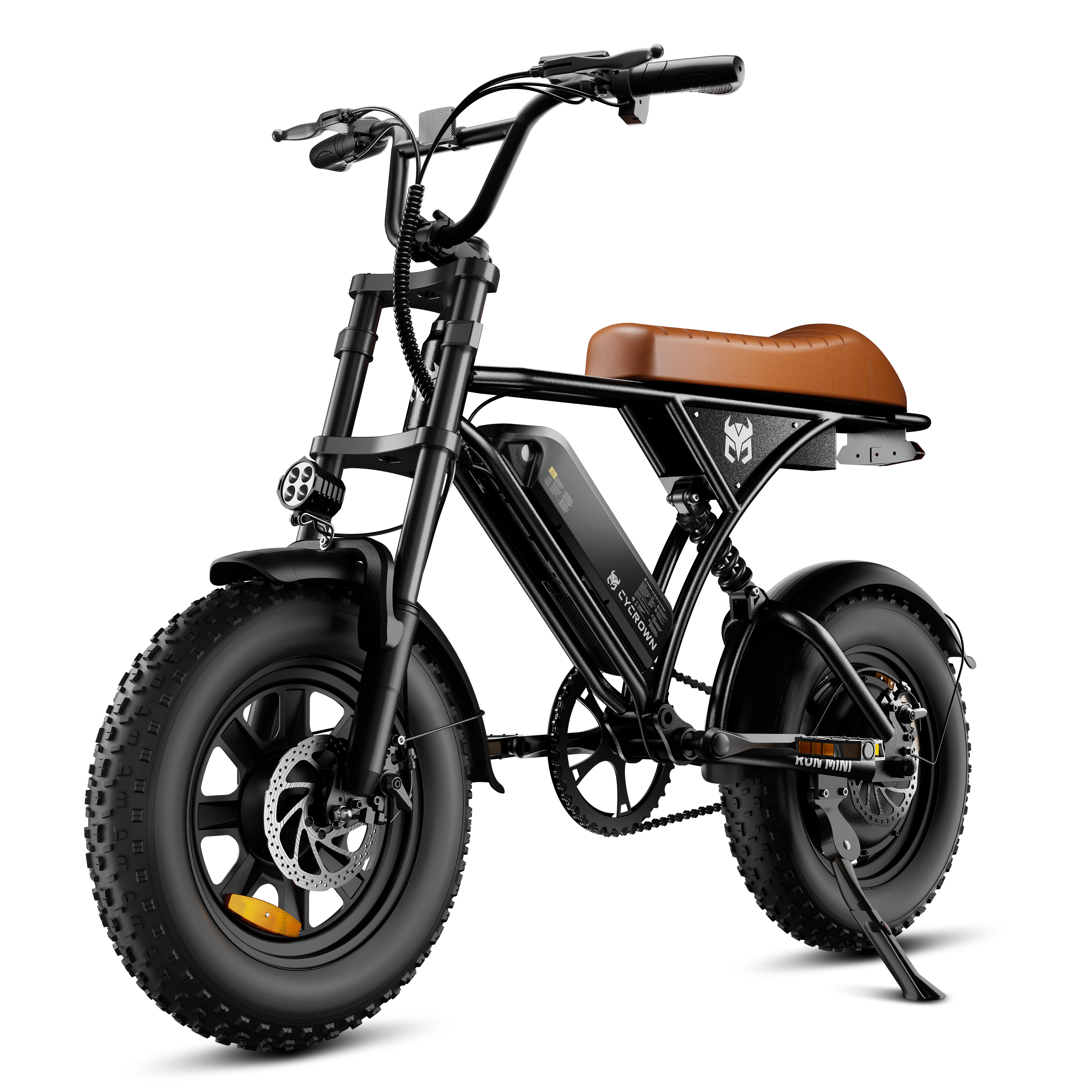
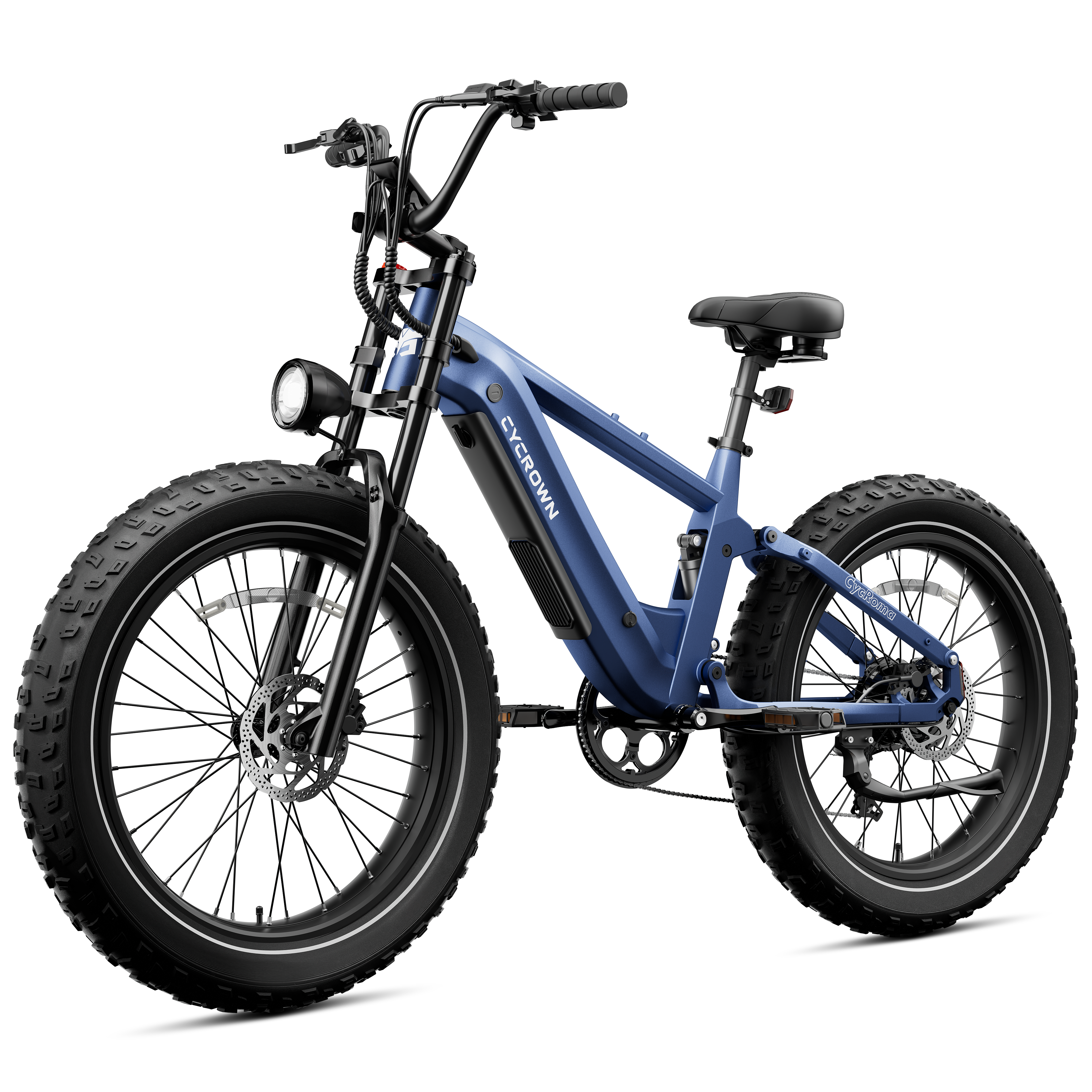
CYCROWN Urban X Commuter Ebike: Fit for a Grocery Run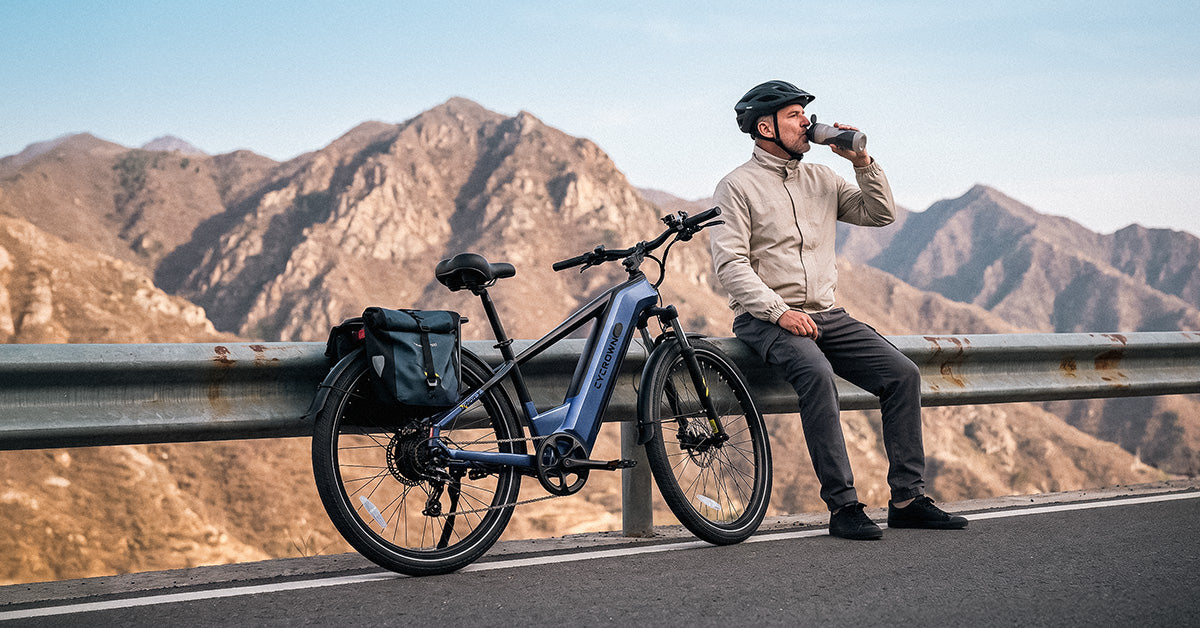
The Urban X offers a practical option for weekly grocery trips, with a 66-pound rear rack and a 330-pound maximum payload. The rack rating includes the rear-mounted bags and load; the overall payload also has to accommodate the rider and other carried equipment. Neither figure tells you how much volume a particular bag will hold.
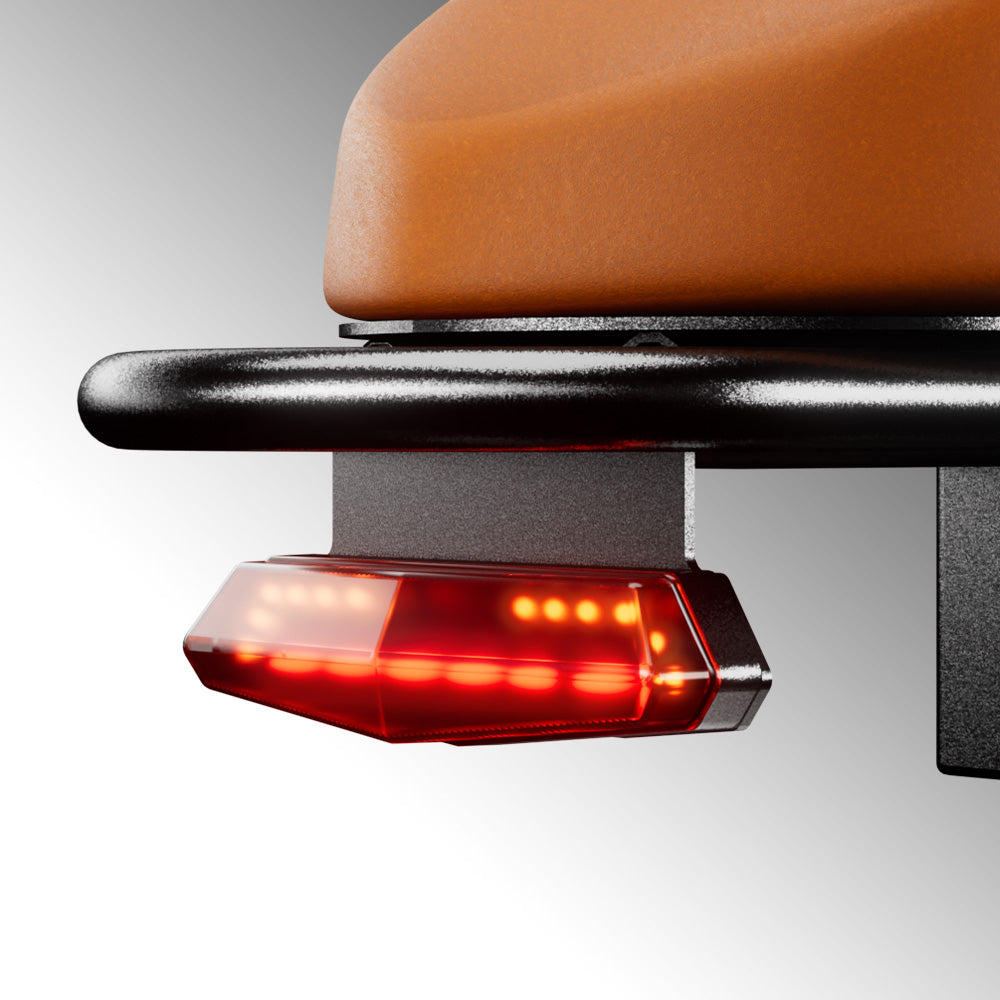
Its fenders and integrated lights are useful for everyday errands, while hydraulic disc brakes help you control speed. A torque sensor measures your pedaling force to adjust motor assistance. The bike also has a 48-volt, 20-amp-hour battery, but your usable range depends on the route and riding conditions. Test loaded braking and starting rather than assuming these features eliminate the need for practice.
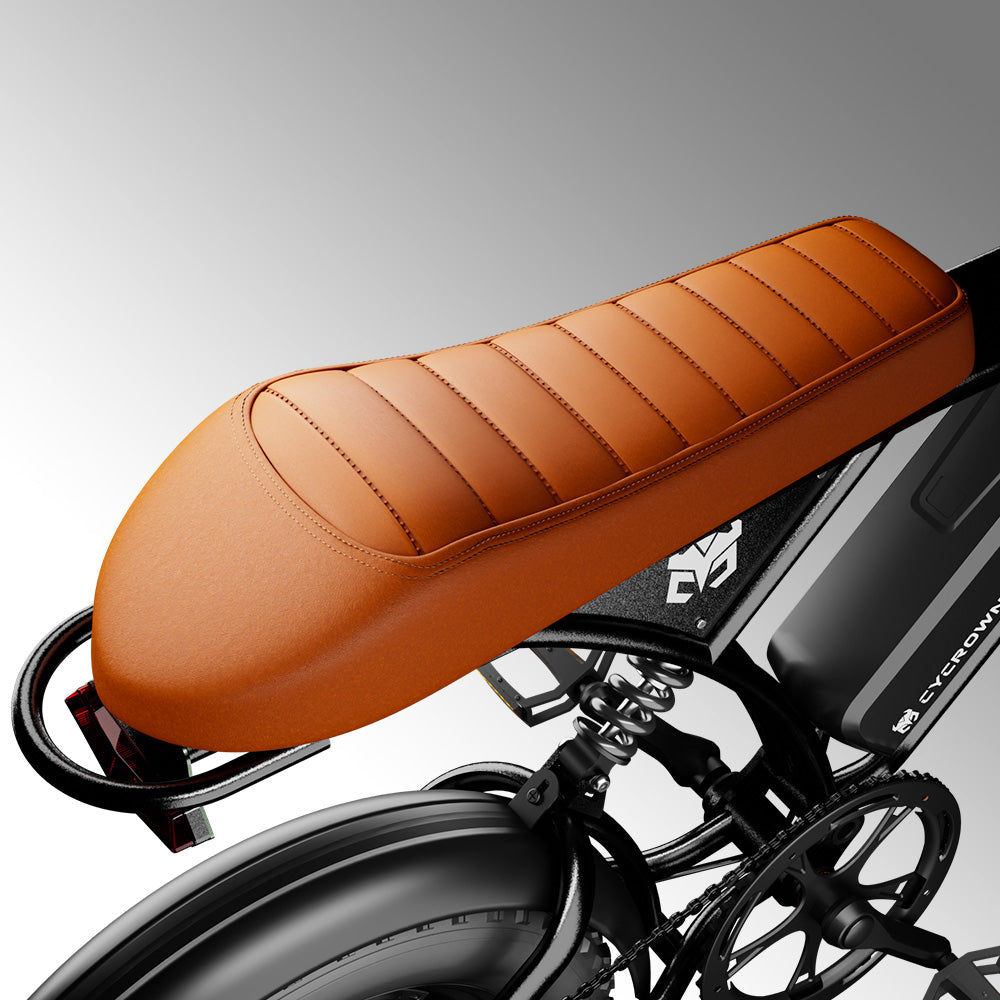
The listed rear-rack platform measures 370 by 135 millimeters, approximately 14.6 by 5.3 inches. Use those dimensions as an initial check, not as proof that a basket or pannier will attach: mounting hardware, heel clearance, and the accessory’s own rating still matter. A bulky shop may require two trips even when the weight is within limits.
Adapt Your Setup to the Errand
Different purchases stress different parts of your setup. Consider the heaviest, bulkiest, and most temperature-sensitive items before you leave, then choose a load you can secure and handle. You do not have to carry every purchase in one trip for the bike to be useful.
- Weekly shop: Weigh the whole haul and use two compatible side bags if they attach securely. Record their loaded weights so you can repeat a balanced arrangement.
- Bulky paper goods: Check dimensions first. A large pack may use all available space long before you reach a weight limit; a separate trip can be simpler.
- Cold groceries: Use an insulated bag with cold packs, and count both in the load. Keep raw meat or seafood separated from ready-to-eat food.
- Heavy bulk purchase: Weigh the item rather than estimating it. Split the purchase across trips if any bag, rack, or payload limit would be exceeded.
Troubleshooting a Loaded Grocery Ride
| Problem | Likely cause | Fix |
|---|---|---|
| Bike feels unsteady | High, uneven, or shifting weight | Stop; lower and rebalance cargo |
| Bags rub the wheel | Poor fit or loose mounting | Reposition or remove bags |
| Weight fits; volume does not | Bulky items or small containers | Repack or split the trip |
| Battery reserve runs low | Hills, heavy cargo, weather, or high assist use | Reduce assist use where practical, shorten the route, or plan a charging stop |
Make Your First E-bike Grocery Run Count
A successful grocery run depends on more than an e-bike's maximum payload. Choose a setup that fits your shopping needs, secures your groceries, and remains comfortable to handle on your usual route.
FAQ
Can you do a full grocery run on an e-bike?
Yes, if the e-bike can safely carry your groceries and the load fits securely. Check the bike’s total payload limit, rear rack capacity, and available cargo space. For especially large or heavy shops, two trips may be more practical.
How should you pack groceries for a safer ride?
Keep heavy items low and distribute weight evenly between compatible bags. Secure loose straps away from the wheels, pedals, and lights. Protect fragile items, use insulated bags for cold groceries, and test the loaded bike before riding in traffic.
Can an e-bike replace a second car for grocery shopping?
It can replace some grocery trips, but not every car trip. Consider your usual shopping volume, route distance, weather, and available cargo space. You may still need another transport option for bulky purchases or longer trips.
How much weight can an e-bike carry for groceries?
It depends on the e-bike's payload limit and rear rack rating. The total payload includes the rider, groceries, accessories, and other gear, while the rack has its own weight limit. Check both before loading your groceries.


