










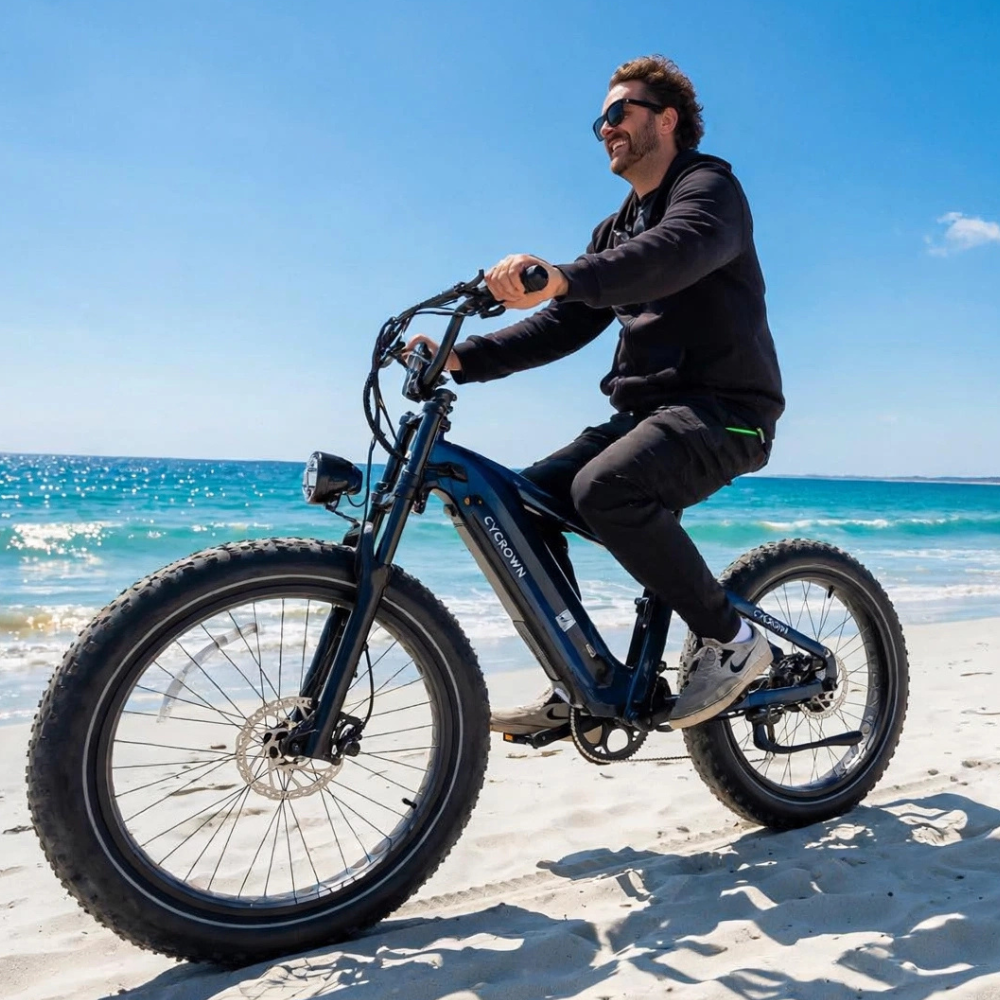
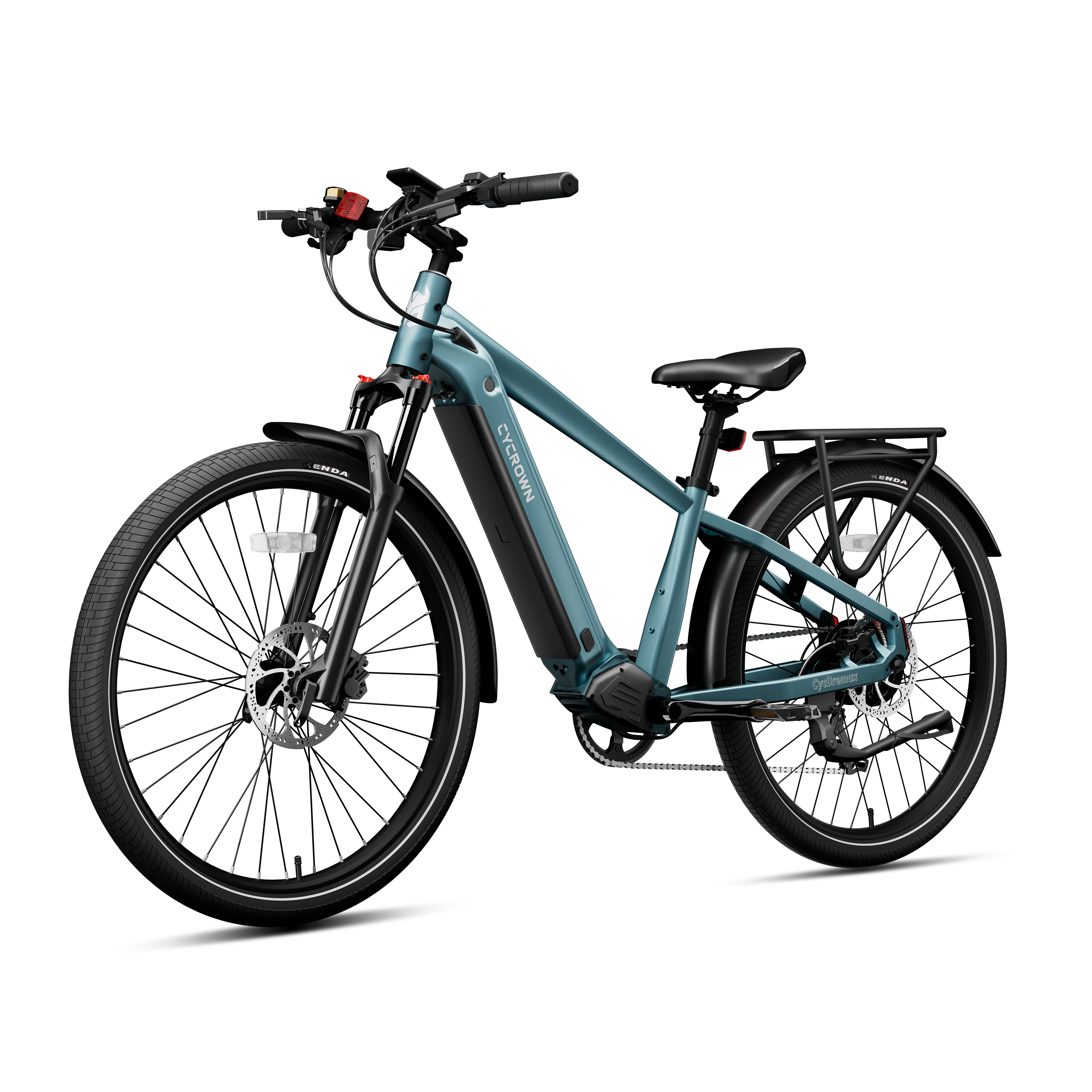
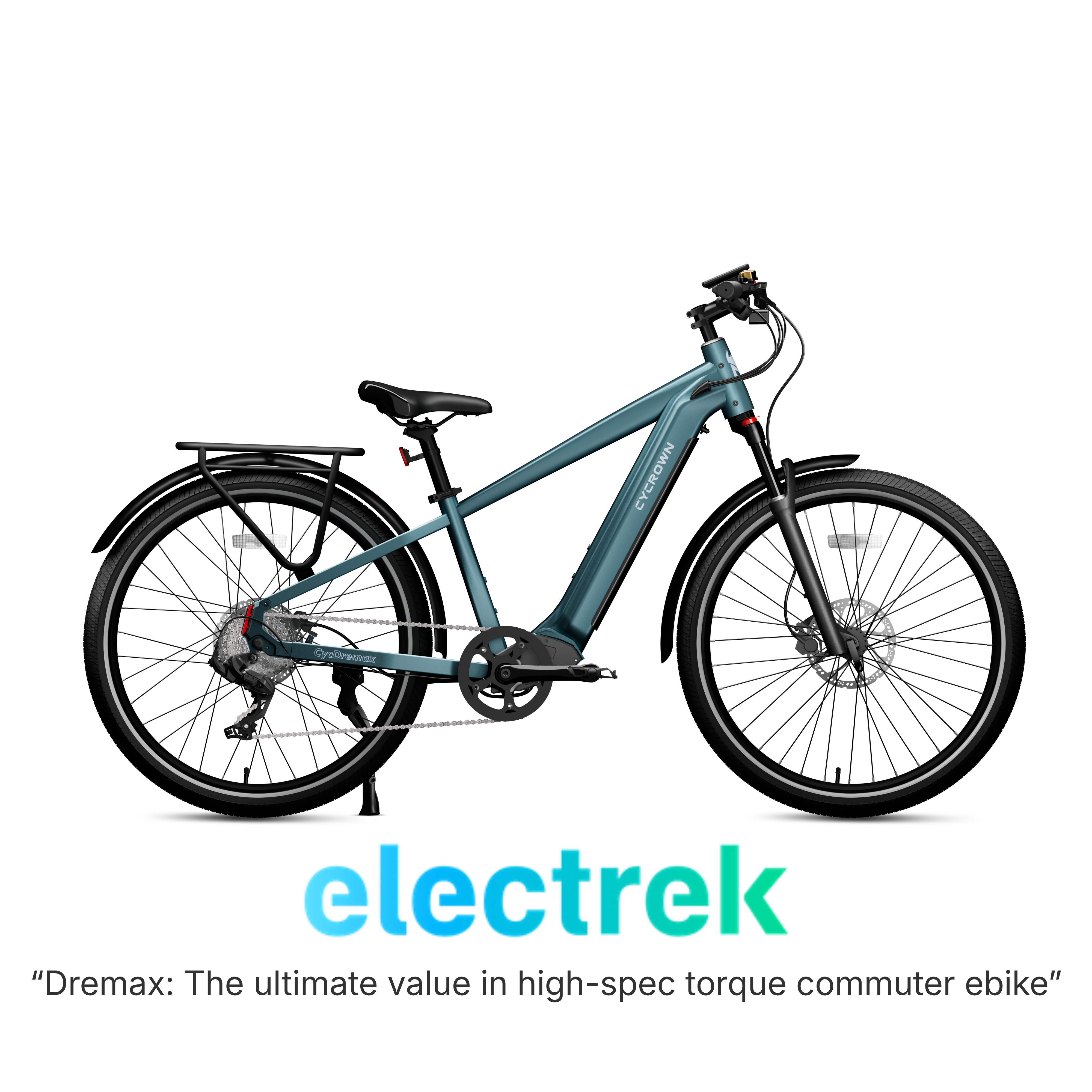
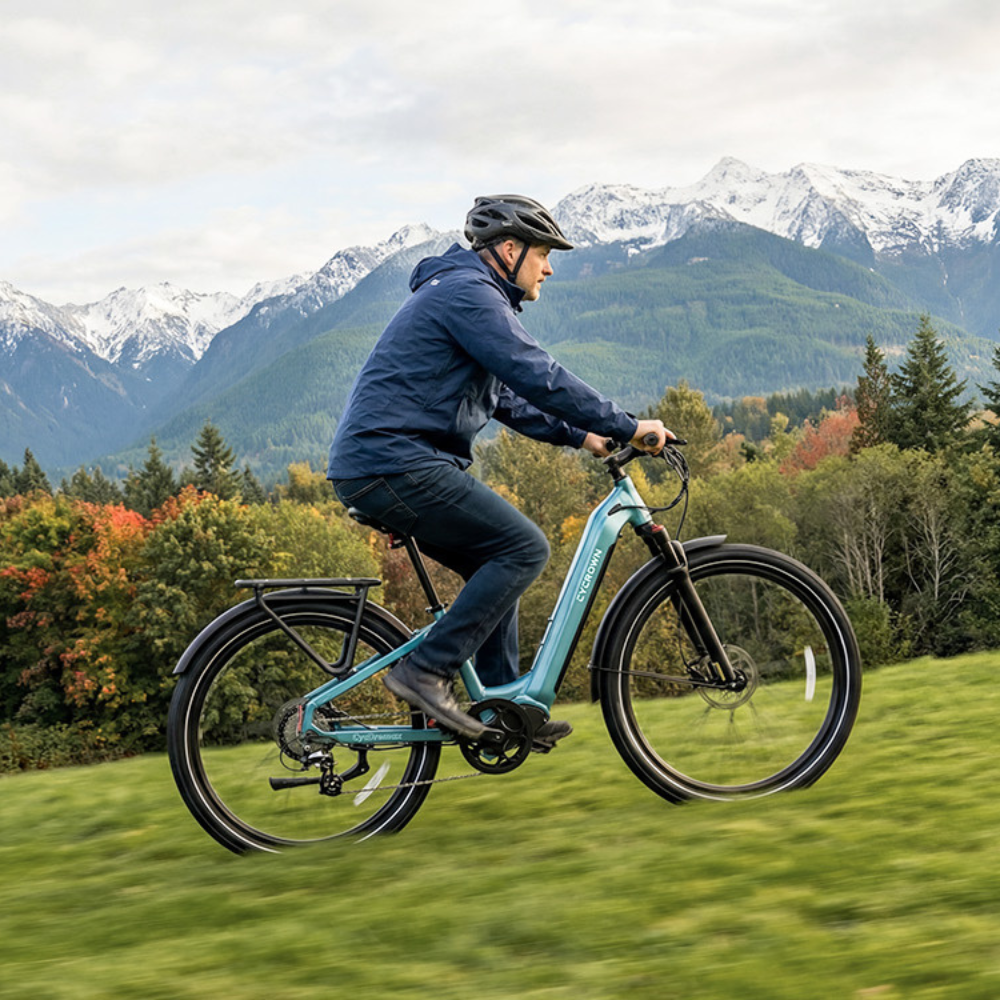
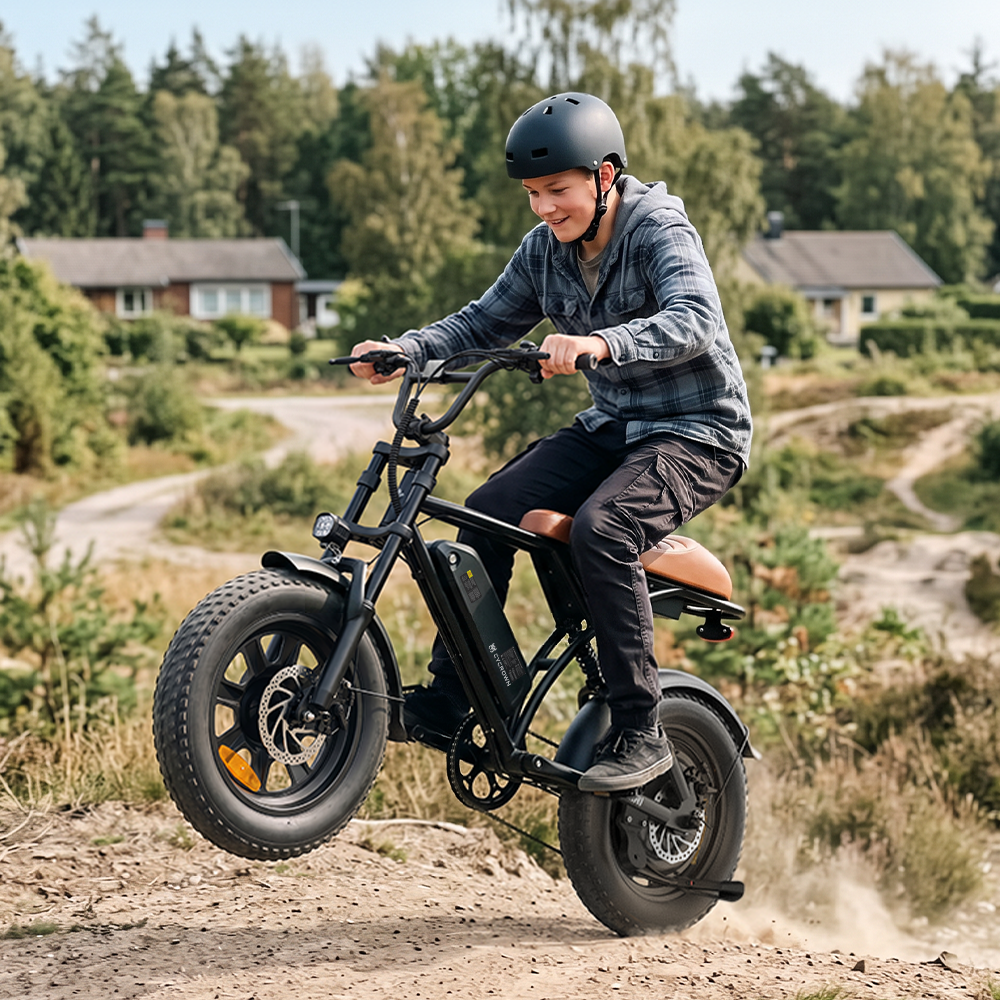

Celebrate Earth Day by switching to electric bikes. Learn how e-bikes reduce emissions, save energy, and support eco-friendly commuting.
Introduction
Riding an electric bike is one of the most practical things you can do for the environment. Not only is it an eco-friendly choice, but it also actively improves your daily life.
Transportation accounts for a significant share of global carbon emissions, and short car trips are the least efficient category. Replacing even a few of those weekly with an e-bike ride reduces your personal footprint in a measurable way without any sacrifice in convenience. This Earth Day is a good moment to look at what that switch actually involves and what it's worth.
Why Transportation Is Where Individual Choices Matter Most

Most large-scale environmental impact comes from systems that individuals can't meaningfully influence on their own. Transportation is one of the exceptions. The choice of how to get somewhere, regardless of car, transit, or bike, is made millions of times a day, and it adds up.
Short trips are the low-hanging fruit. The majority of daily urban car trips cover distances that an e-bike handles easily and often faster once traffic and parking are factored in. These are also the trips where a car's fuel consumption is the worst. For example, cold engines on short distances burn disproportionately more fuel than sustained highway driving. Replacing them with an e-bike eliminates that inefficiency entirely.
What Makes Electric Bikes Genuinely Eco-Friendly
Lower Carbon Emissions
E-bikes run on rechargeable batteries rather than fossil fuels, and even when the electricity used for charging comes from a mixed-source grid, the emissions per kilometer traveled are a fraction of what a car produces. For short to medium distances, e-bikes are among the most carbon-efficient transportation options available and are significantly better than cars, motorcycles, and comparable to public transit on a per-passenger basis.
As electricity grids continue shifting toward renewable sources, the environmental case for e-bikes strengthens further. A bike charged on solar or wind power produces essentially zero operational emissions.
Energy Efficiency
E-bikes use a remarkably small amount of energy per kilometer compared to any other motorized vehicle. A full charge typically requires less electricity than running a laptop for a few hours. That efficiency means more distance from less energy, which benefits both the environment and your electricity bill.
Reduced Air Pollution
Unlike gas-powered vehicles, e-bikes produce no exhaust. In dense urban environments where air quality is already compromised by vehicle emissions, replacing car trips with e-bike trips has a direct, local impact on the air people breathe. Cleaner air in cities isn't an abstract environmental benefit but rather a public health one with measurable effects on respiratory health and quality of life.
Less Noise Pollution
E-bikes are quiet in a way that even small motorcycles aren't. Reduced noise in residential areas and city centers is an environmental and quality-of-life benefit that gets less attention than emissions but is genuinely significant for the people who live with it.
How E-Bikes Support Sustainable Daily Life
Replacing Short Car Trips
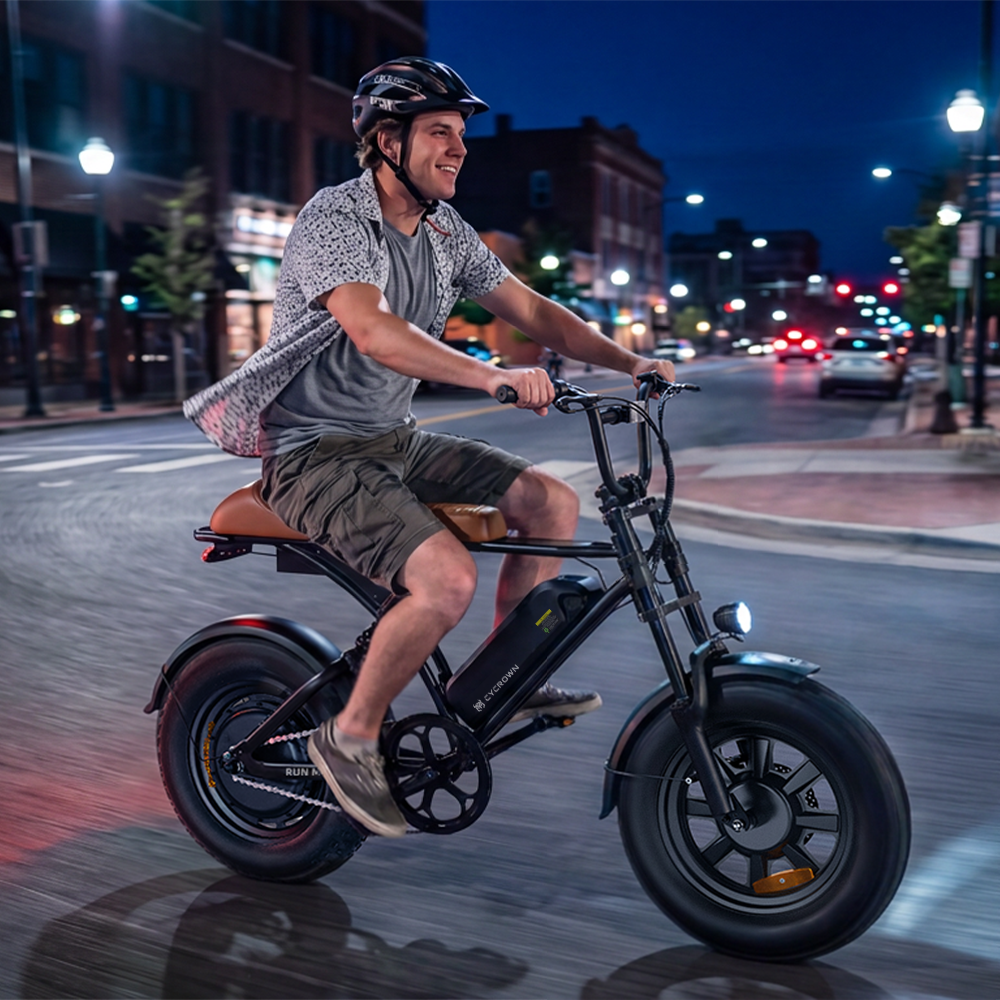
The average commute and most daily errands fall well within the range of a modern e-bike, and these are exactly the trips where the environmental savings are greatest. Switching even two or three weekly car trips to an e-bike over the course of a year adds up to a meaningful reduction in personal emissions. Switching the daily commute entirely produces results that compound across hundreds of working days.
If you're thinking about making commuting by e-bike part of your routine, it helps to understand what that actually involves day to day.
Supporting Cleaner Cities
Urban transportation is increasingly a policy priority as cities try to reduce congestion, lower emissions, and improve livability. E-bikes fit cleanly into that agenda because they take up less space than cars, produce no local emissions, and contribute to a quieter, more navigable urban environment. Individual adoption supports a broader shift that has multiplier effects when enough people make the same choice.
Low Manufacturing Impact Relative to Cars
Manufacturing any vehicle has environmental costs, but e-bikes require significantly fewer materials and less energy to produce than cars or motorcycles. The environmental footprint of the production process is lower, and the product lasts for years with basic maintenance, meaning the impact is spread across a long useful lifespan.
The Practical Side: What You Actually Get
Choosing an e-bike for environmental reasons is more sustainable when it also makes your life better. The good news is that it usually does.
Motor-assisted pedaling means you arrive at places without being exhausted or sweaty. In addition, you travel faster than walking, faster than many car trips in congested urban areas once parking is factored in, and at a fraction of the cost. E-bikes also keep you physically active in a way that transit doesn't, and the mental health benefits of outdoor riding are well-documented. Read this article to know more about its mental and social advantages.
Choosing the Right E-Bike for Eco-Friendly Riding
Not all e-bikes are equally suited to replacing car trips. For maximum environmental impact, you want something reliable, comfortable enough to use daily, and well-matched to your actual riding conditions.
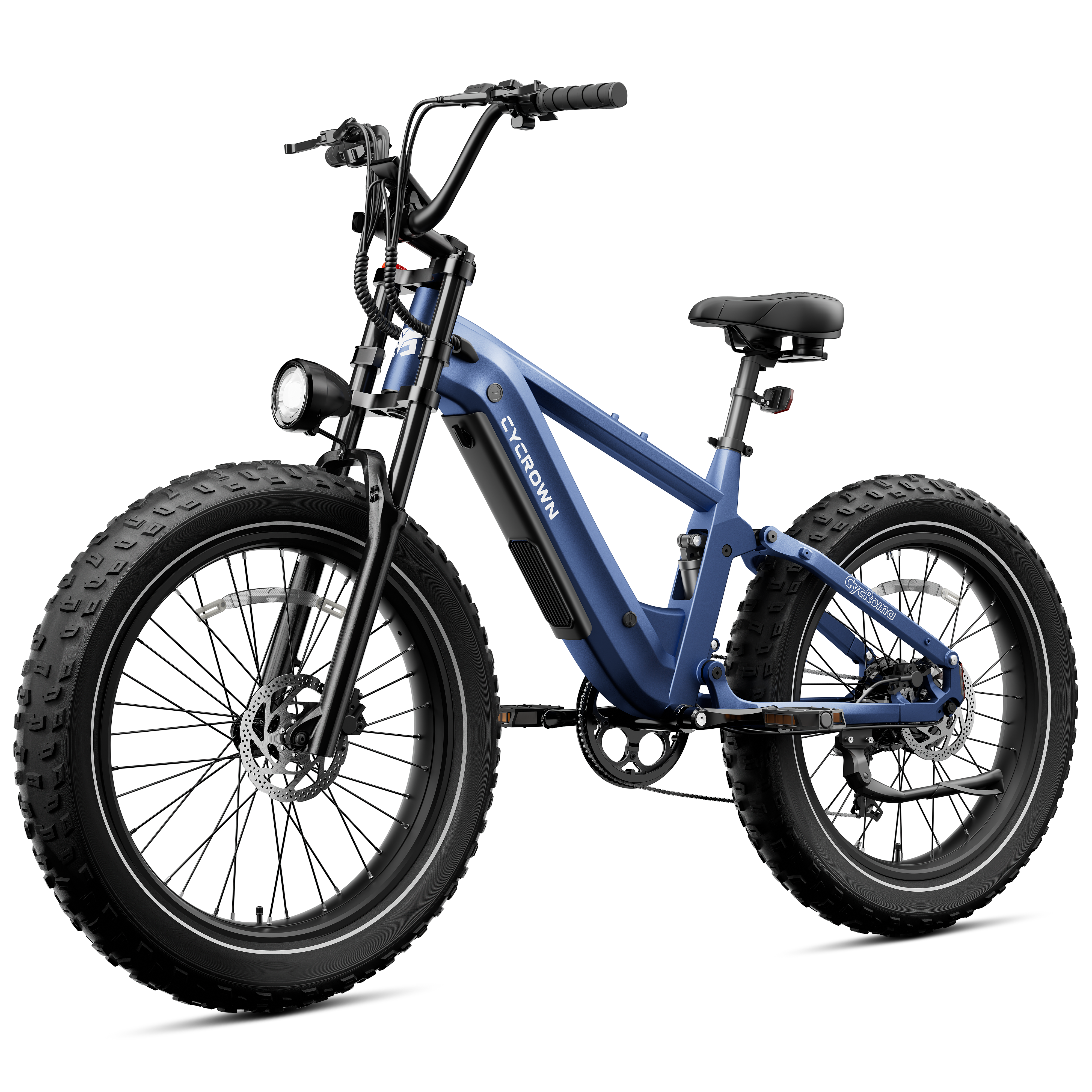
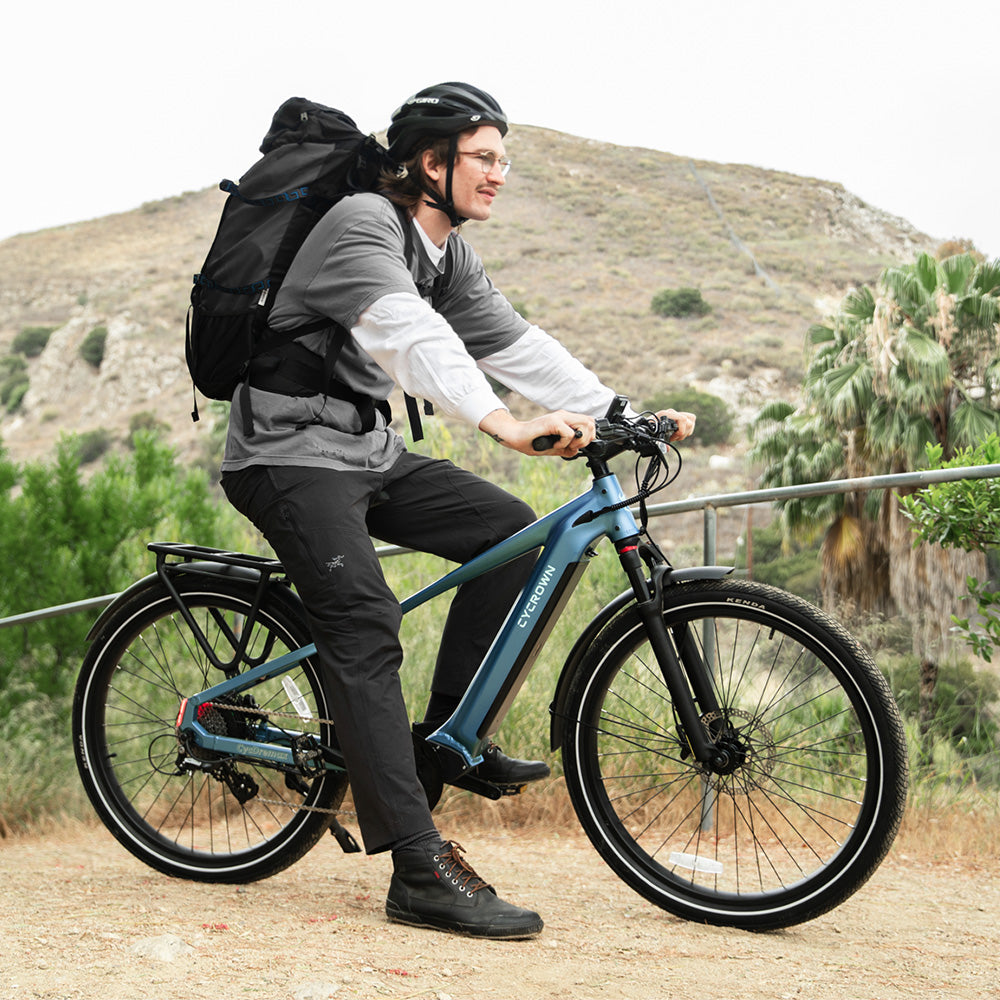
For riders who want all-terrain capability with serious range, the CYCROWN Roma All-Terrain E-Bike is worth considering. Its 1500W peak motor and 90-mile range on a Samsung battery mean it handles everything from daily commutes to longer weekend rides on a single charge. The four-link full suspension and dual torque/cadence sensor system make it one of the more versatile and comfortable options available.
For riders focused on urban and mixed-surface commuting, the CycVerve Fat Tire E-Bike offers a solid combination of stability and range. This includes a 1000W peak power, 60-mile range, and hydraulic disc brakes that provide reliable stopping in all weather conditions. The wide, fat tires handle city surfaces and light gravel equally well.
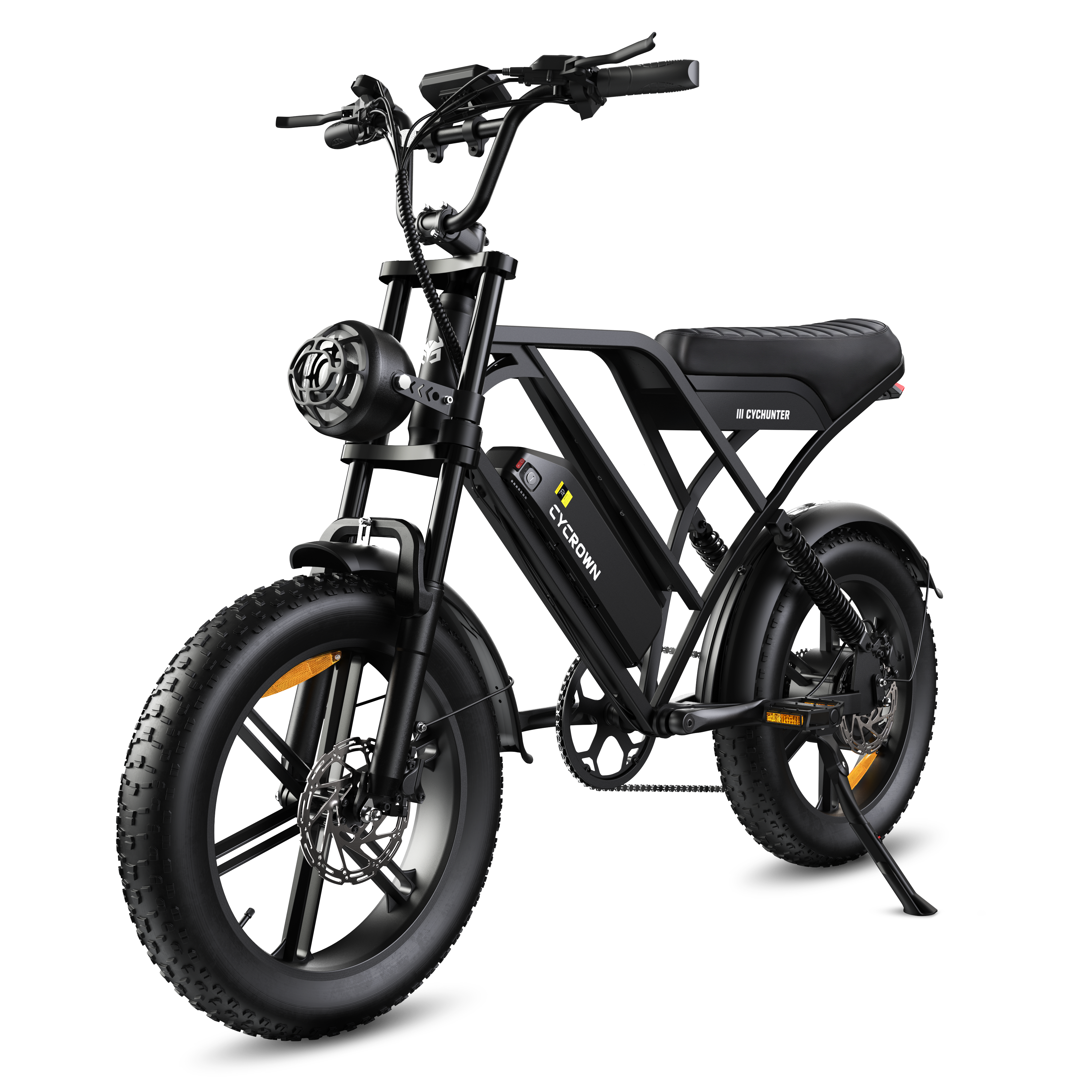
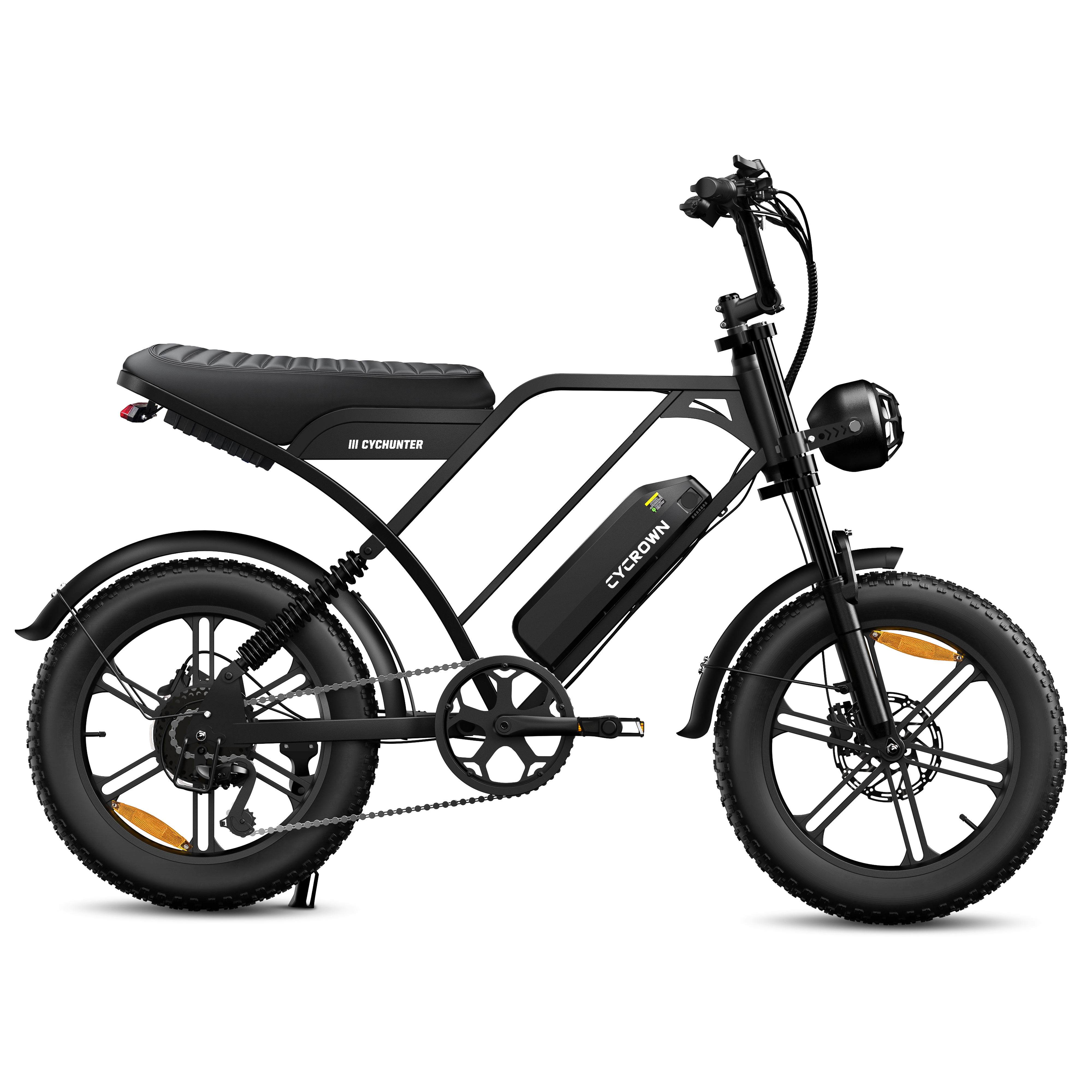
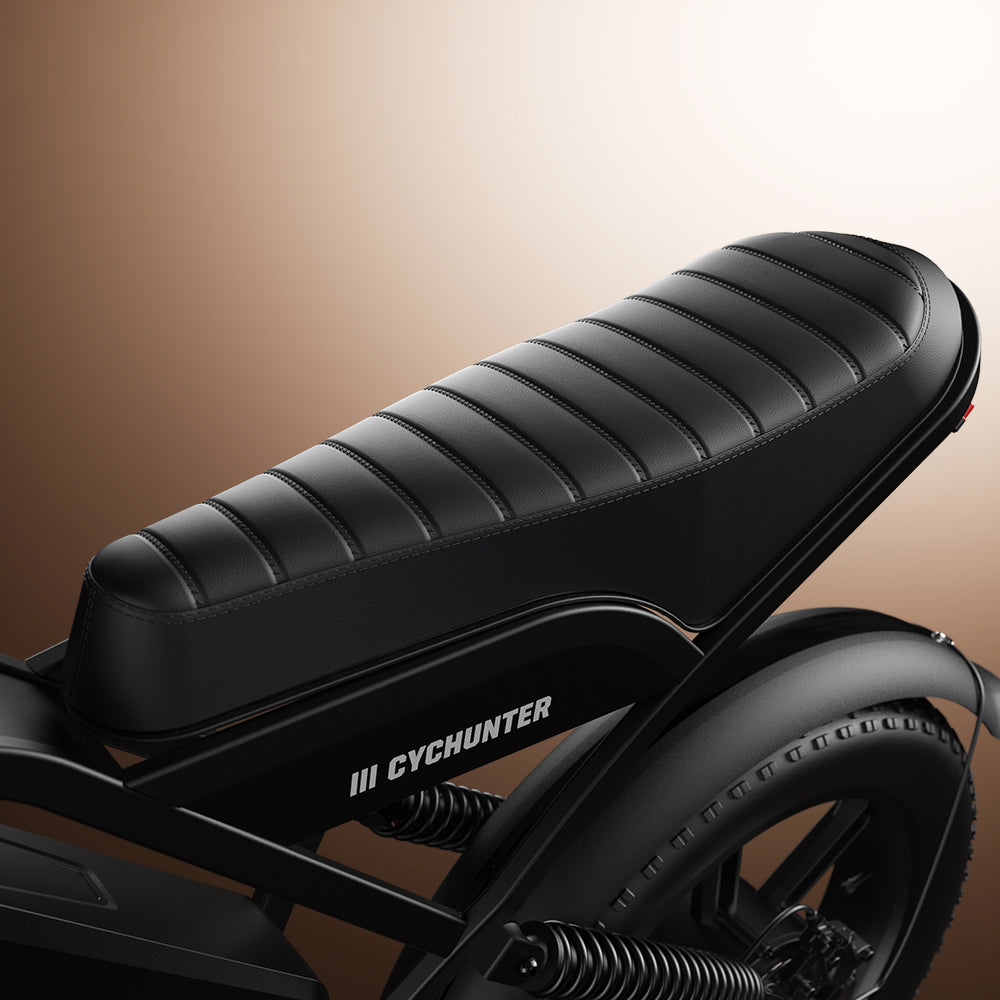
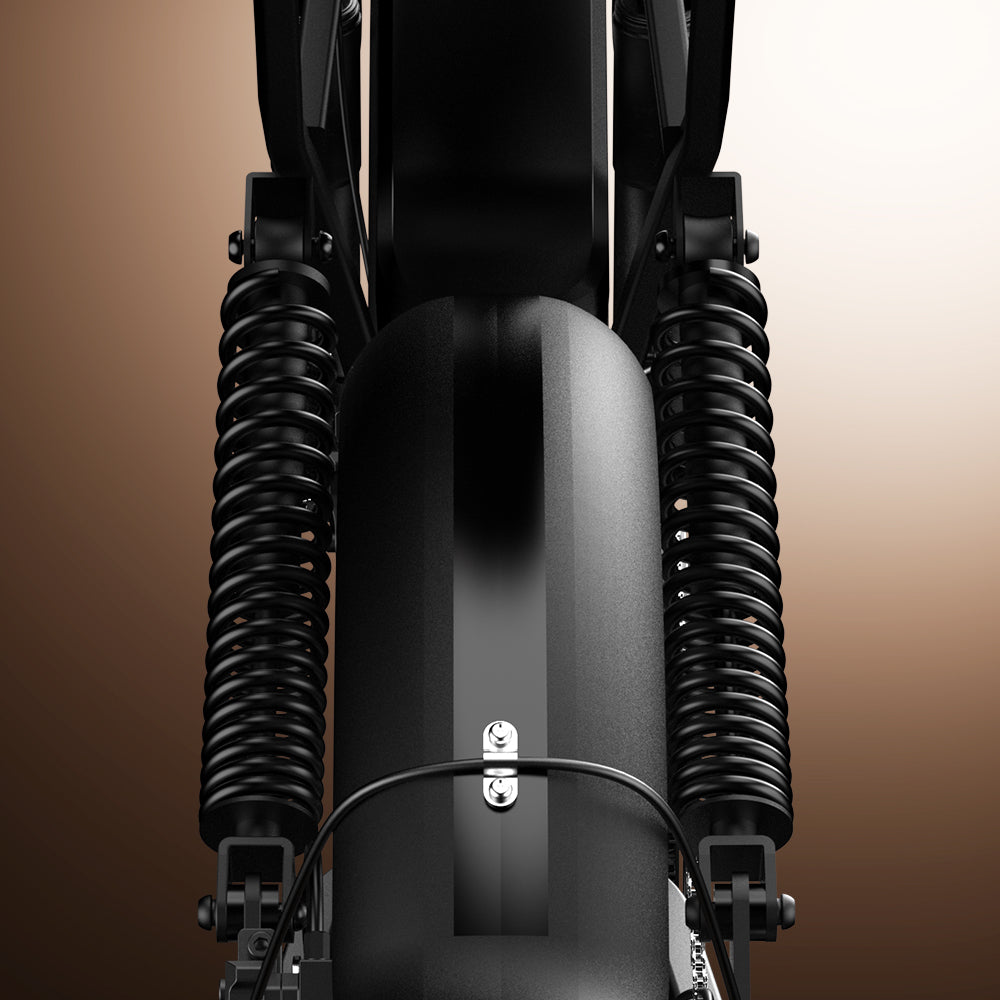
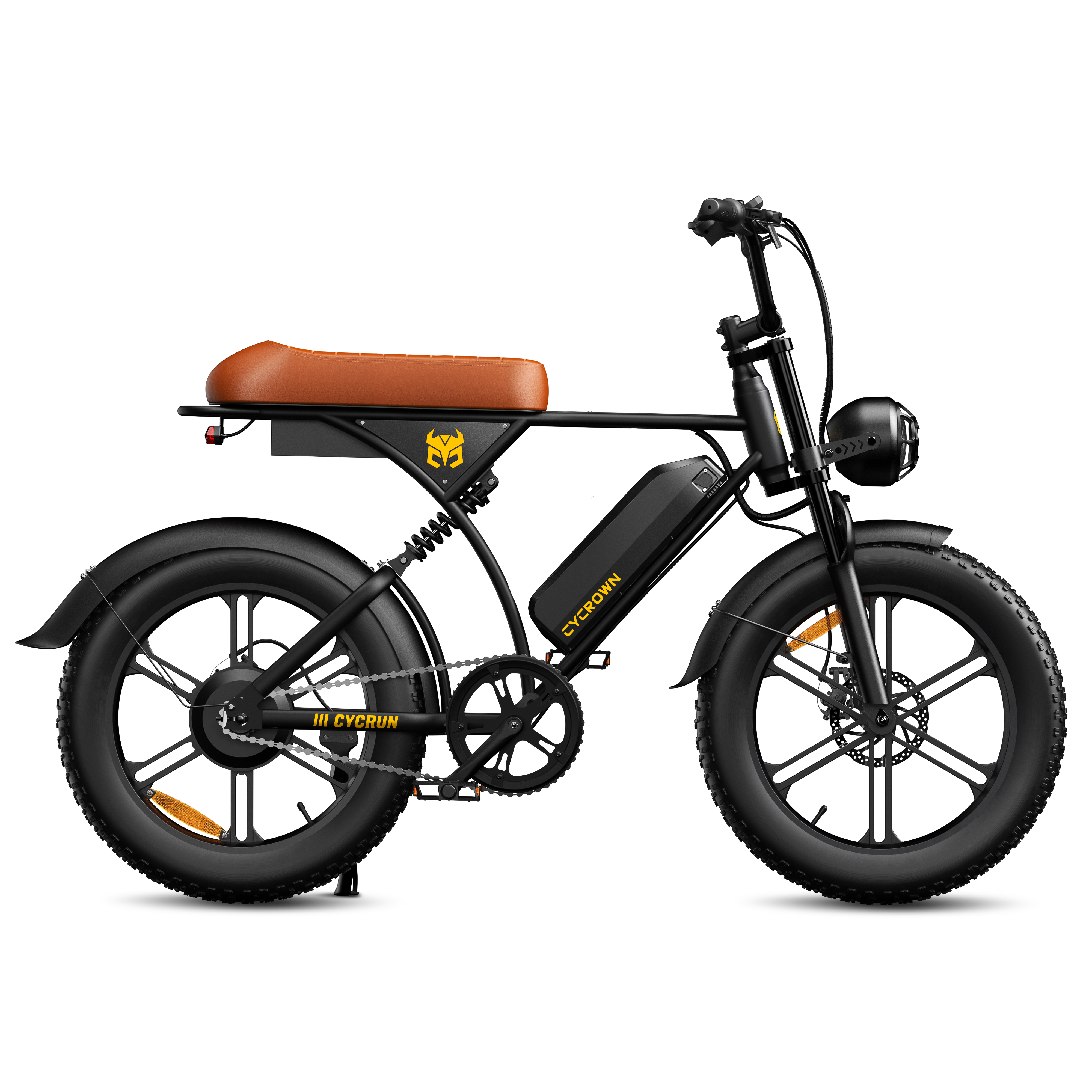
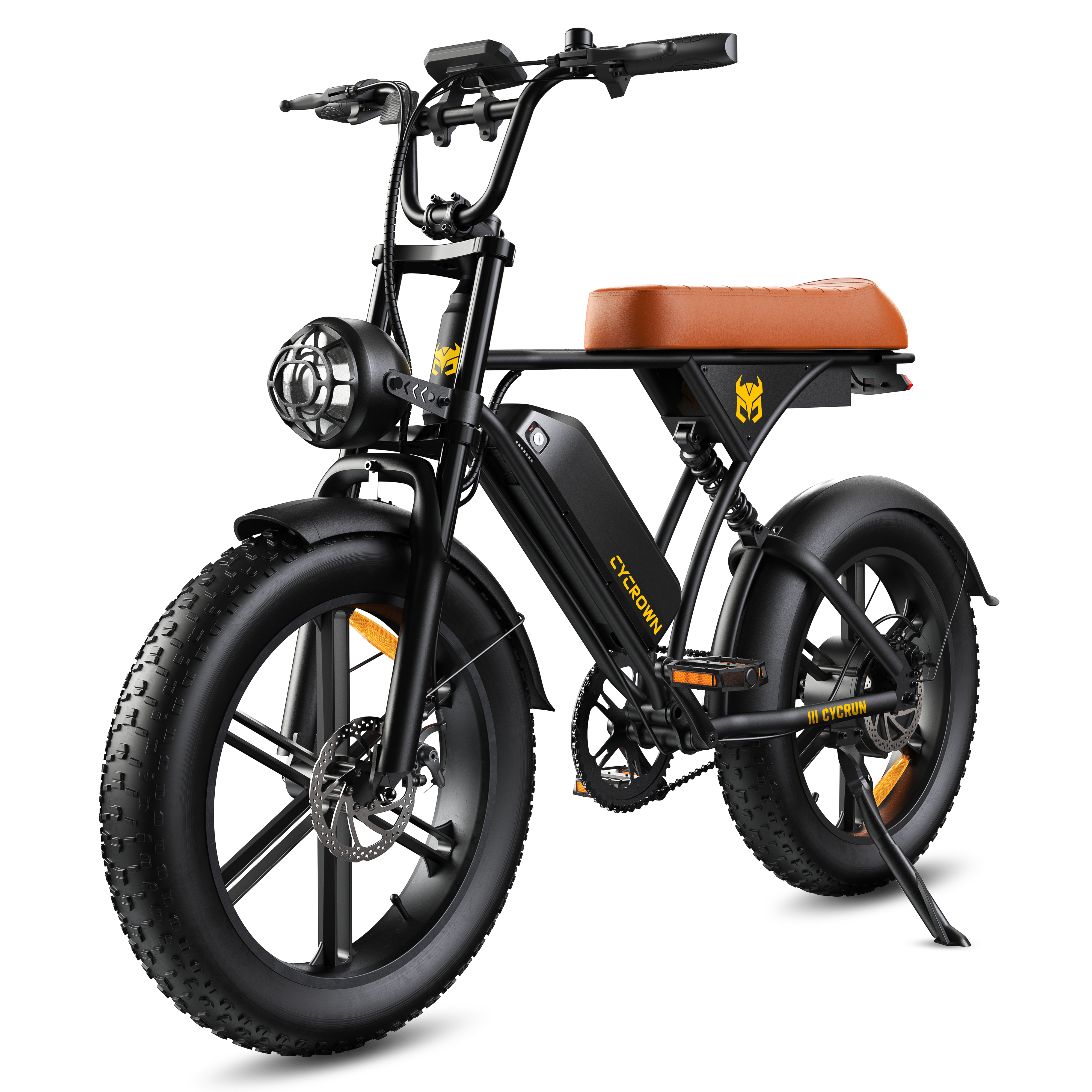
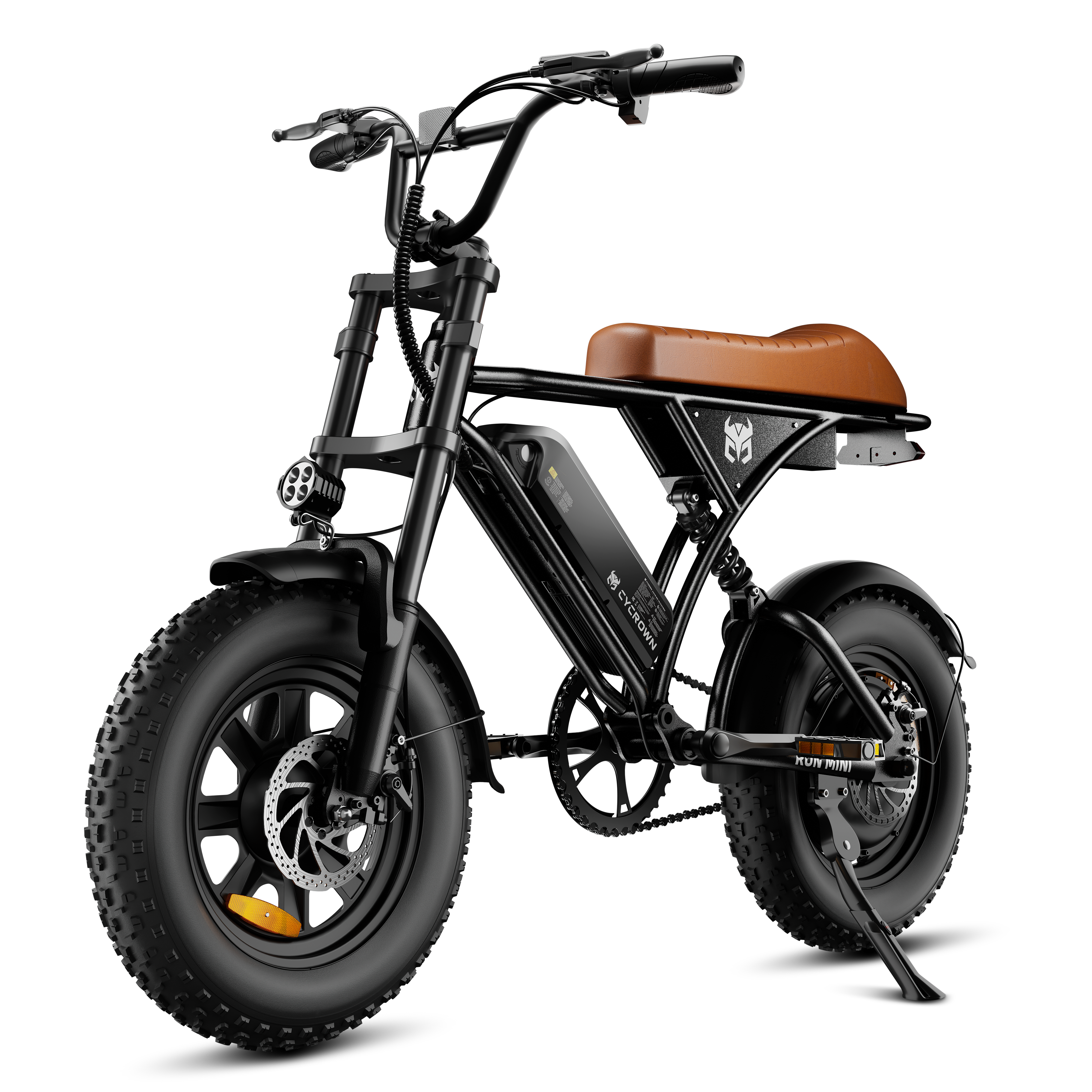
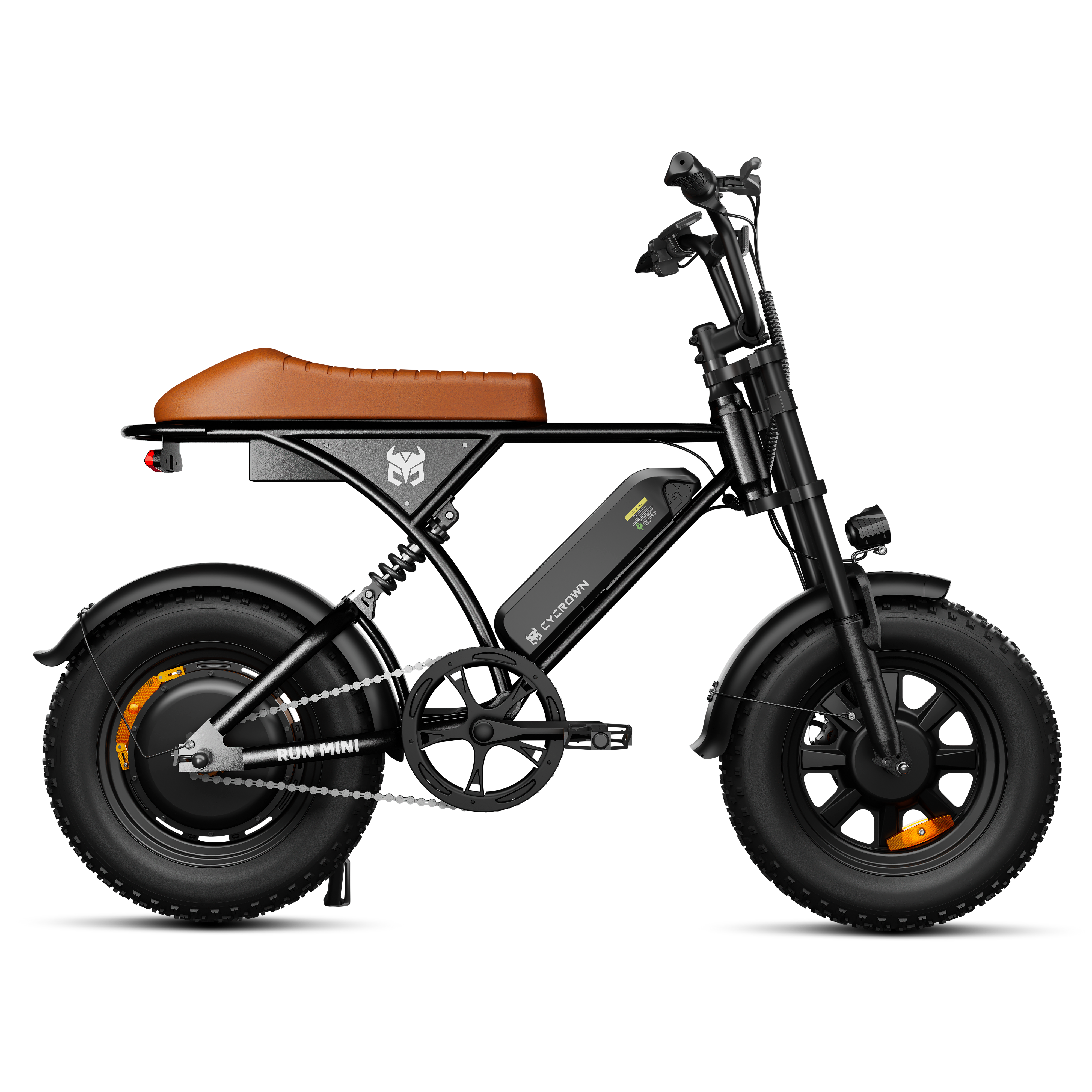
For riders who want a moped-style build with extended range for longer daily routes, the CycHunter delivers 120 miles of range with its 1248Wh battery, making it one of the longest-range options in the lineup and a genuinely practical car replacement for medium-distance commuters.
If you're still deciding between models, this guide on how to choose the right electric bike breaks down what to look for based on your riding needs. And if all-terrain versatility is the priority, this all-terrain e-bike comparison goes deeper into the options.
Making Your E-Bike Use Even Greener
A few habits extend the environmental benefit beyond just the riding itself.
Charging with renewable energy like solar panels, a green electricity tariff, or simply charging during hours when your grid's renewable mix is higher can reduce the already small per-charge footprint further.
Moreover, proper battery care extends the battery's lifespan and delays replacement, and reduces the manufacturing impact associated with producing a new one. Also, combining e-bike rides with public transit for longer journeys reduces car use further without the e-bike needing to cover distances beyond its range.
And, keep in mind that maintaining the bike properly keeps it running efficiently for longer, which is both economically and environmentally better than replacing it prematurely. A consistent maintenance routine doesn't need to be time-consuming to make a meaningful difference in how long the bike performs well.
The Bigger Picture

E-bike adoption isn't just an individual choice with individual effects. When enough people make the same switch, the cumulative impact on urban congestion, air quality, and emissions becomes significant at a city-wide level.
Infrastructure follows use. And when cities invest in cycling infrastructure, when cycling becomes common, it makes cycling safer and more accessible, which encourages more people to cycle. The virtuous cycle is real, and it starts with individual decisions made consistently.
This Earth Day is a reasonable moment to ask whether your current commuting and errand habits could work better for you and for the environment, with an e-bike in the picture. For most urban riders with commutes under 20 miles, the honest answer is yes.
Conclusion
Riding an electric bike is one of the more concrete, immediately actionable environmental choices available to most people. It reduces emissions, eliminates local air pollution from your trips, costs almost nothing to operate, and typically improves the commuting experience rather than compromising it.
You don't need to make dramatic lifestyle changes to make a difference. Replacing short car trips with e-bike rides, done consistently, adds up to real environmental impact over a year. Not only is it beneficial to the environment, but it also happens to be a more enjoyable way to get around. That combination is rare enough that it's worth taking seriously.
Browse CYCROWN's full e-bike collection to find the right fit for your commute, your terrain, and your riding style.
FAQs
Are electric bikes really better for the environment than cars?
Significantly, for the short to medium distance trips that make up most daily travel. E-bikes produce a fraction of the emissions per kilometer, use far less energy, and produce no local air pollution. The comparison is most favorable for short urban trips, where cars are least efficient.
Do e-bikes still help the environment if they use electricity?
Yes. Even on a mixed-source electricity grid, the energy required per kilometer of e-bike travel is so much lower than a car's fuel consumption that the total emissions footprint is substantially smaller. As grids shift toward renewables, the advantage grows.
How far can I travel on an electric bike?
It depends on the model and battery capacity. Most modern e-bikes manage 30–60 miles per charge under real-world conditions. Higher-capacity models like the CYCROWN Roma reach up to 90 miles, and the CycHunter reaches up to 120 miles, which is more than enough for daily commuting with a comfortable buffer.
Is riding an e-bike suitable for daily commuting?
Yes. It's one of the primary use cases e-bikes are designed for. Motor assistance makes longer distances and hilly routes manageable, and the combination of speed, low cost, and no parking hassle makes e-bikes competitive with cars for most urban commutes.
How can I make my e-bike rides even more eco-friendly?
Charge using renewable energy where possible, maintain the battery properly to extend its lifespan, combine e-bike rides with public transit for longer journeys, and keep the bike well-maintained so it performs efficiently over its full useful life.


