








Learn e-bike rights on the road, including where riders can ride, traffic rules, lane use, signals, safety habits, and driver responsibilities.
Start With the Road Rule That Matters Most
E-bike riders usually have the right to use many public roads and bike lanes, but they do not have exactly the same legal status as car drivers. In most US states, e-bikes are treated more like bicycles than motor vehicles, which means riders often have the right to share the road while also following traffic laws, yielding when required, signaling turns, using lights at night, and respecting local e-bike class rules.
That is the practical answer. The more complete answer is that e-bike rights on the road depend on where you ride. A Class 1 or Class 2 e-bike may be allowed on bike lanes and certain paths in one state, while Class 3 access may be more restricted in another. Local rules can also change between city streets, multi-use trails, parks, campuses, and waterfront paths.
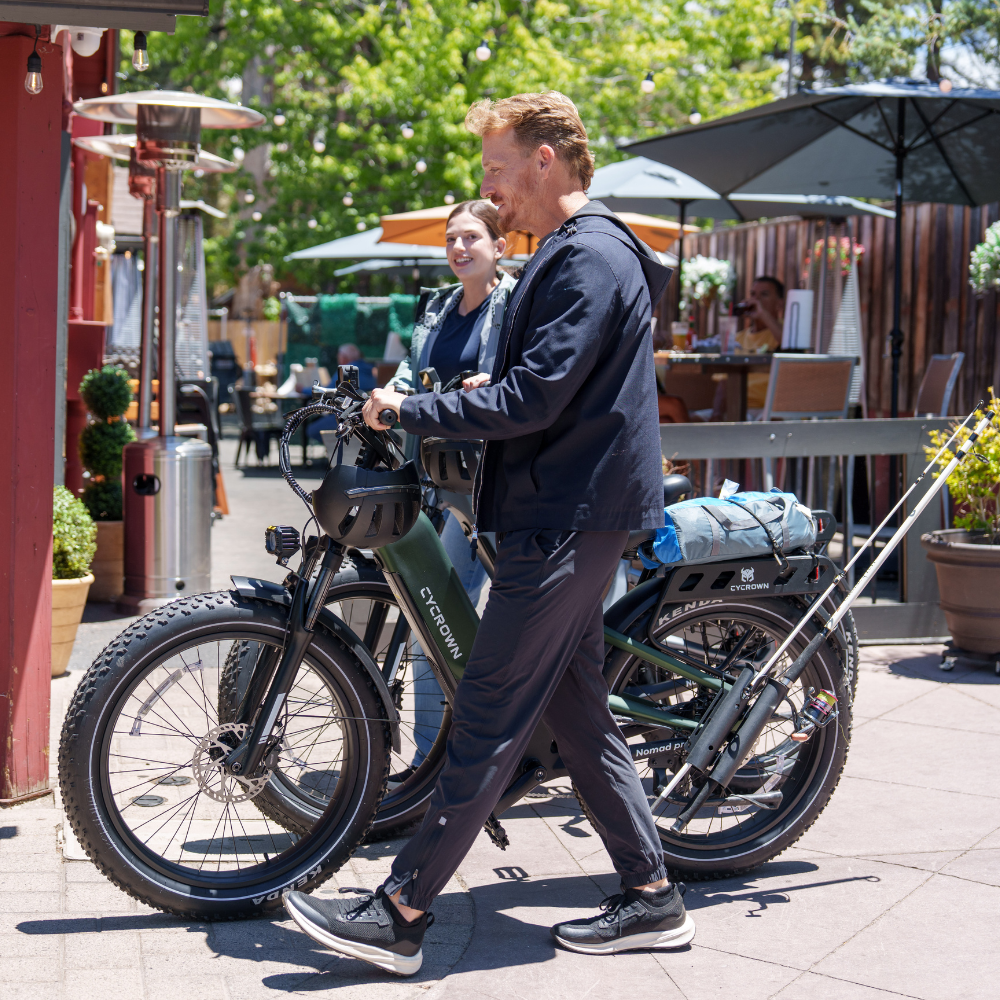
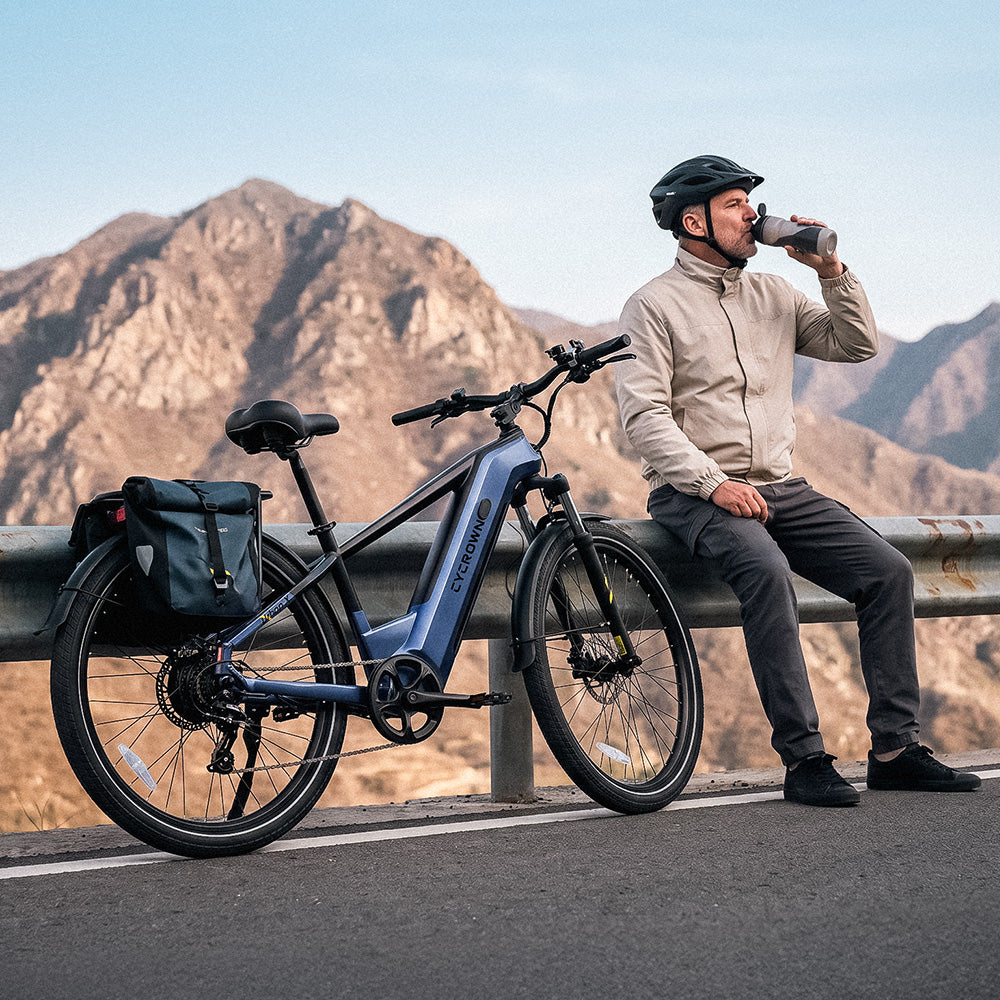
If you ride a CYCROWN e-bike for commuting, errands, fitness, or weekend exploring, the safest mindset is simple: ride like a cyclist, think like traffic, and stay visible enough that drivers do not have to guess what you are doing.
E-Bikes Usually Have Bicycle-Style Road Rights
In many places, e-bike riders can use bike lanes, shared roads, and streets where bicycles are allowed. That means drivers should give e-bike riders space, avoid unsafe passing, and treat them as legitimate road users.
However, e-bike riders also need to follow bicycle traffic rules. That may include stopping at red lights and stop signs, riding in the proper direction, yielding to pedestrians, using lights after dark, and avoiding sidewalks where riding is not allowed.
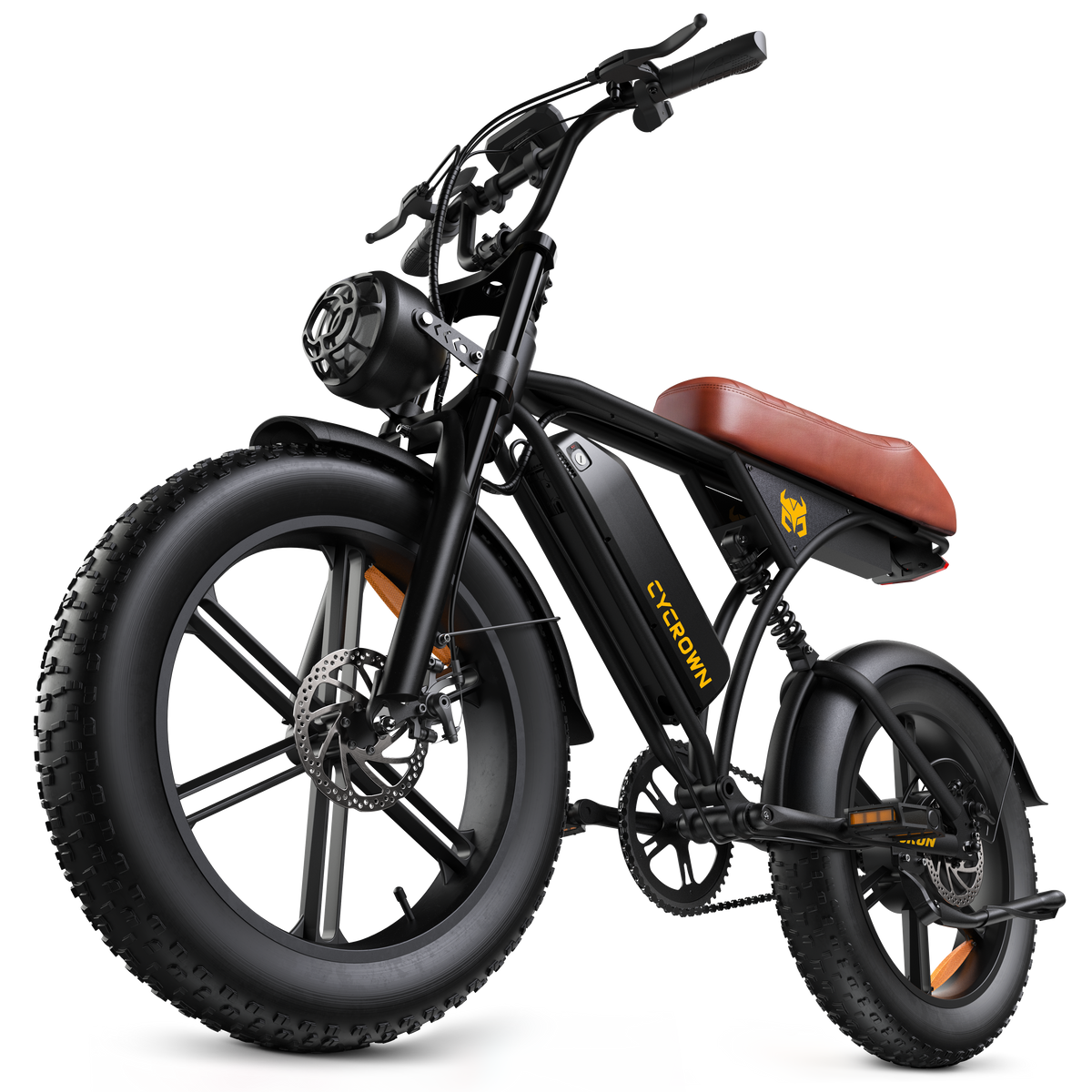
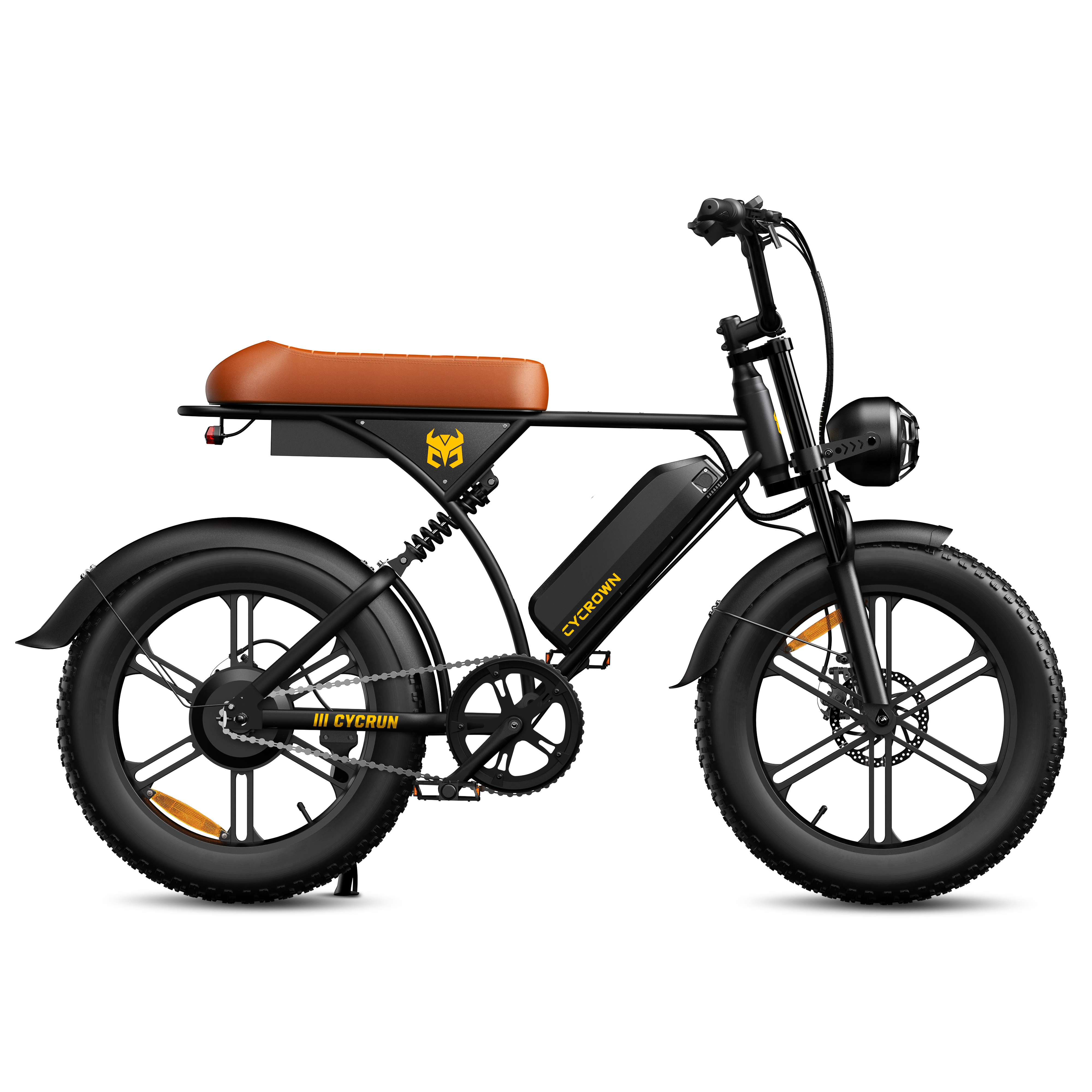
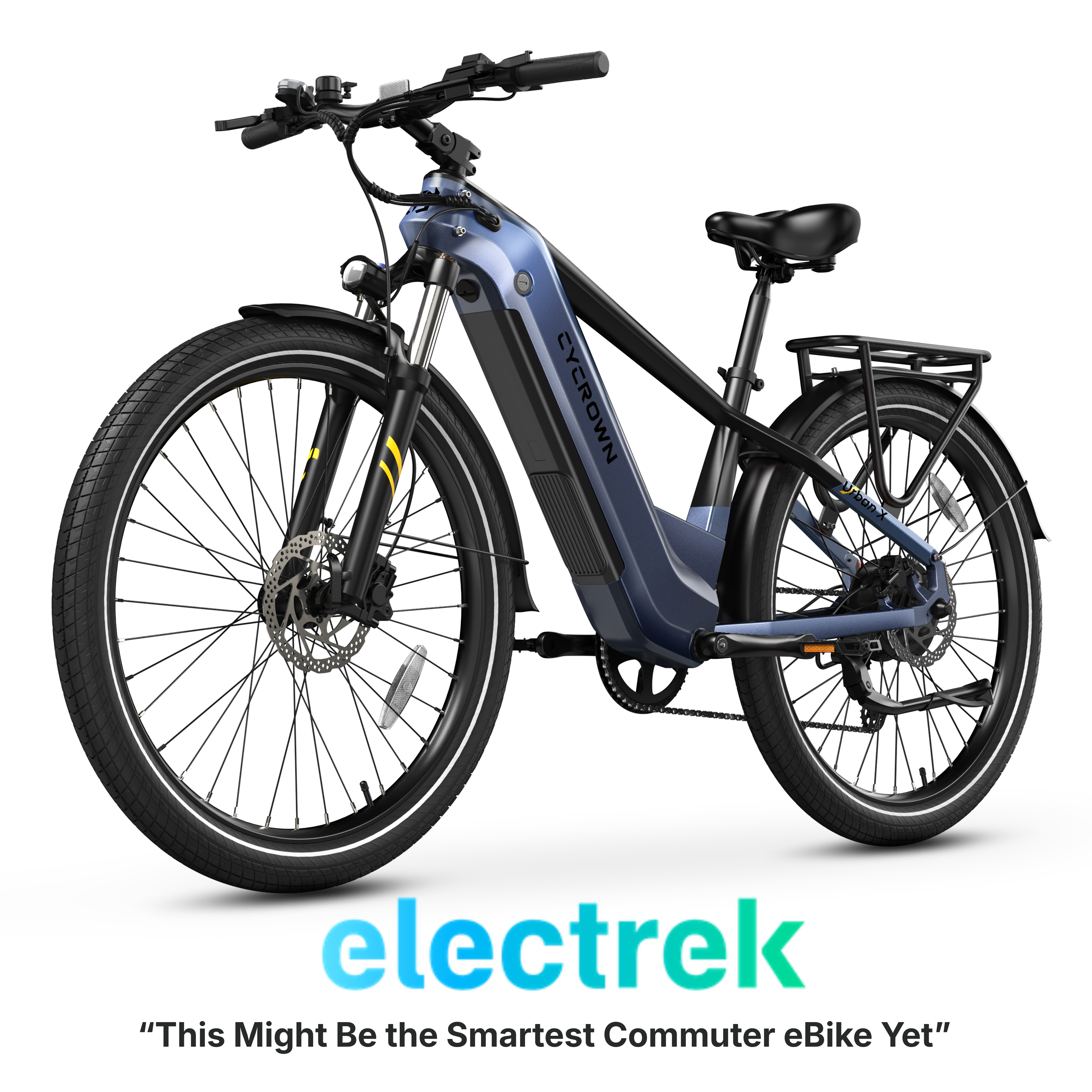
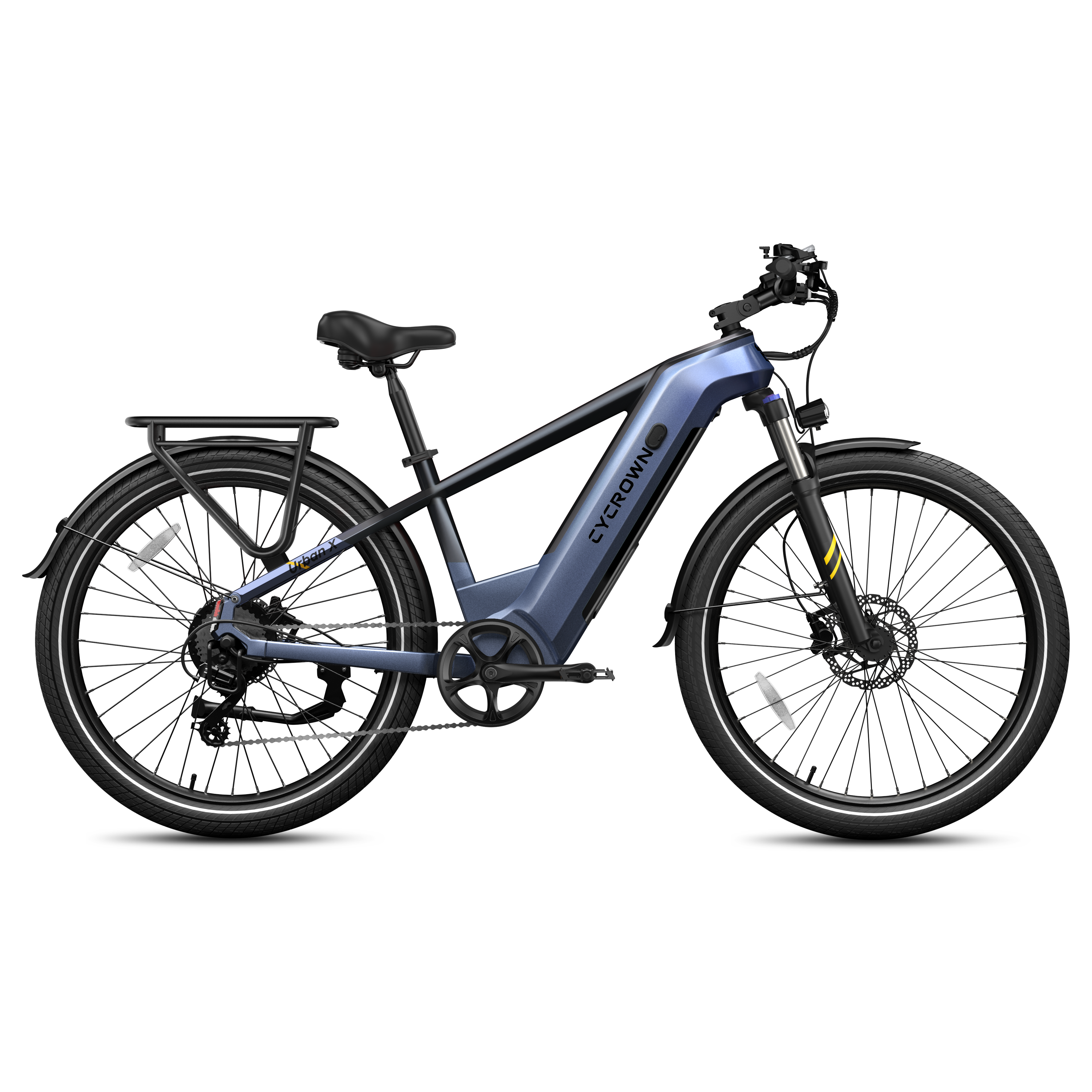
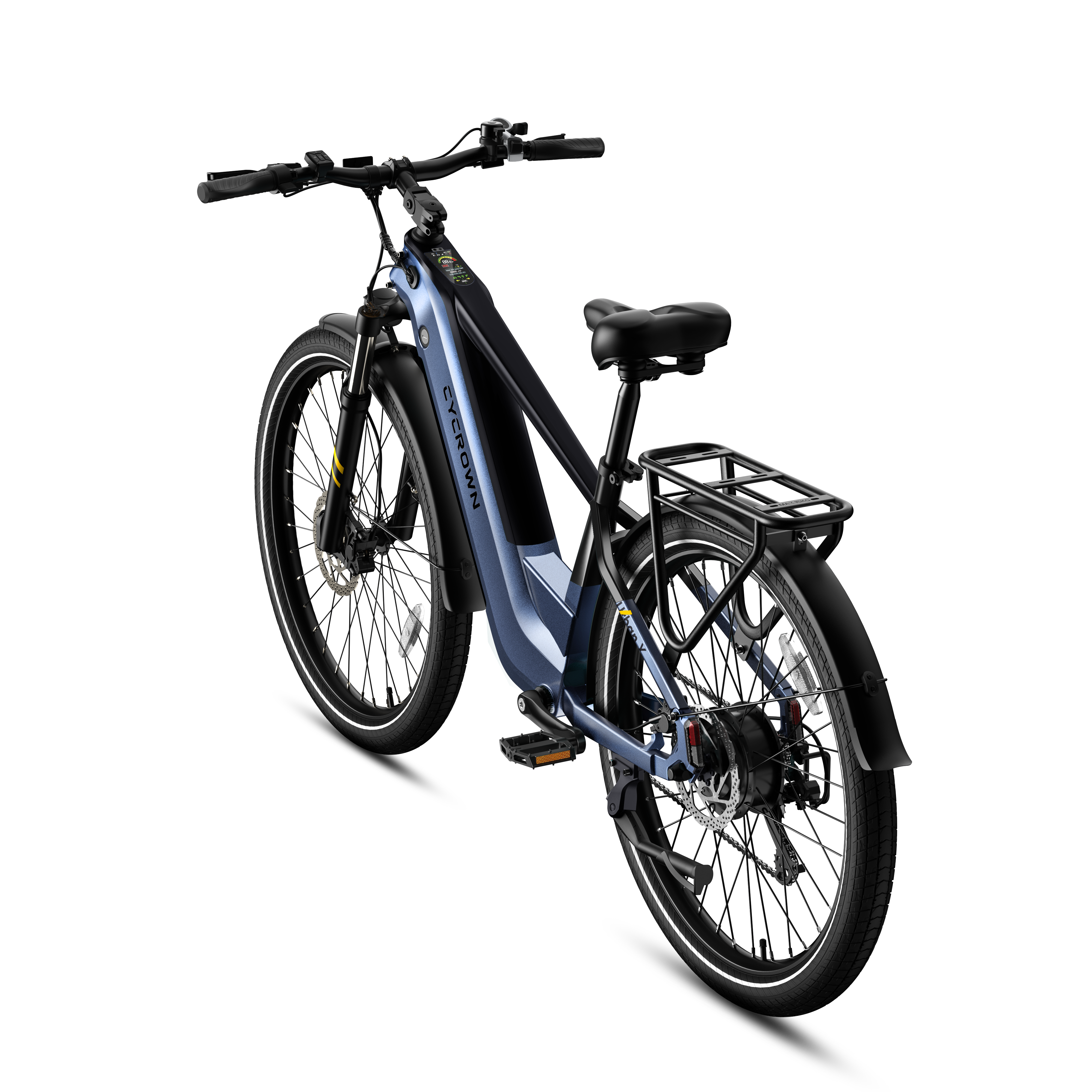
For riders using an e-bike like the CYCROWN Urban X Commuter E-Bike, this matters on everyday routes through places like Chicago bike lanes, Denver neighborhood streets, Austin commuter corridors, or New York’s protected lanes. You may not be driving a car, but you are still part of traffic.
E-Bikes Are Not Cars

E-bike riders may share the road with cars, but they do not have every right or obligation that applies to drivers. Most e-bikes do not require a driver’s license, registration, insurance, or license plates when they fit state e-bike definitions. Cars do.
That difference matters. A car can use highways and high-speed roads where bicycles and e-bikes are often prohibited. E-bikes may be allowed on bike paths where cars are not. Some roads are legal but still uncomfortable or unsafe for e-bike riders because of speed, traffic volume, or narrow shoulders.
If your route forces you onto roads with fast traffic, it may be better to choose a calmer street, greenway, or protected bike lane. CYCROWN’s guide to the 3 core features of a commuter e-bike is useful if you are thinking about daily road comfort, range, and control.
Know Your E-Bike Class
US e-bike rules often use a three-class system:
Class 1 E-Bikes
Class 1 e-bikes provide pedal assist only and stop assisting at 20 mph. These are often allowed anywhere regular bicycles are allowed, though trail and park rules can still vary.
Class 2 E-Bikes
Class 2 e-bikes include throttle assistance and also stop assisting at 20 mph. These are common for commuting because they help riders start from stops, climb hills, and move through traffic more easily.
Class 3 E-Bikes
Class 3 e-bikes provide pedal assist up to 28 mph. They may be allowed on roads and bike lanes, but some states or cities restrict them from certain paths or require helmets and minimum rider ages.
Before riding a higher-powered or faster e-bike, check your state and city rules. A bike’s product capability is not the same thing as legal permission to use full speed everywhere. If your e-bike has different assist levels, use the mode that fits the route and local law.
Riders Have Responsibilities in Traffic
E-bike riders are responsible for riding predictably. That means drivers, cyclists, and pedestrians should be able to understand your movements before you make them.
A few habits make a big difference:
-
Ride in the same direction as traffic.
-
Stop where required.
-
Use hand signals before turning or changing lanes.
-
Keep a steady line instead of weaving around parked cars.
-
Use lights in low visibility.
-
Slow down near pedestrians, driveways, and intersections.
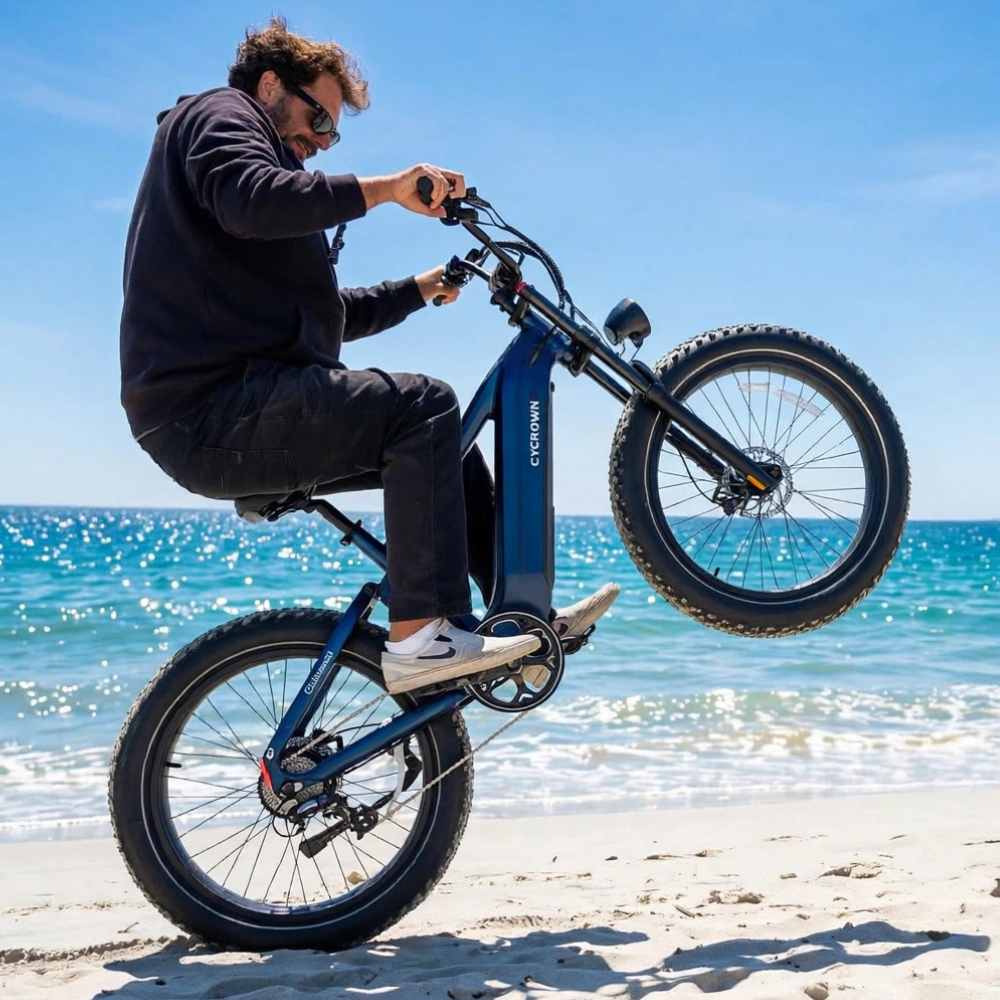
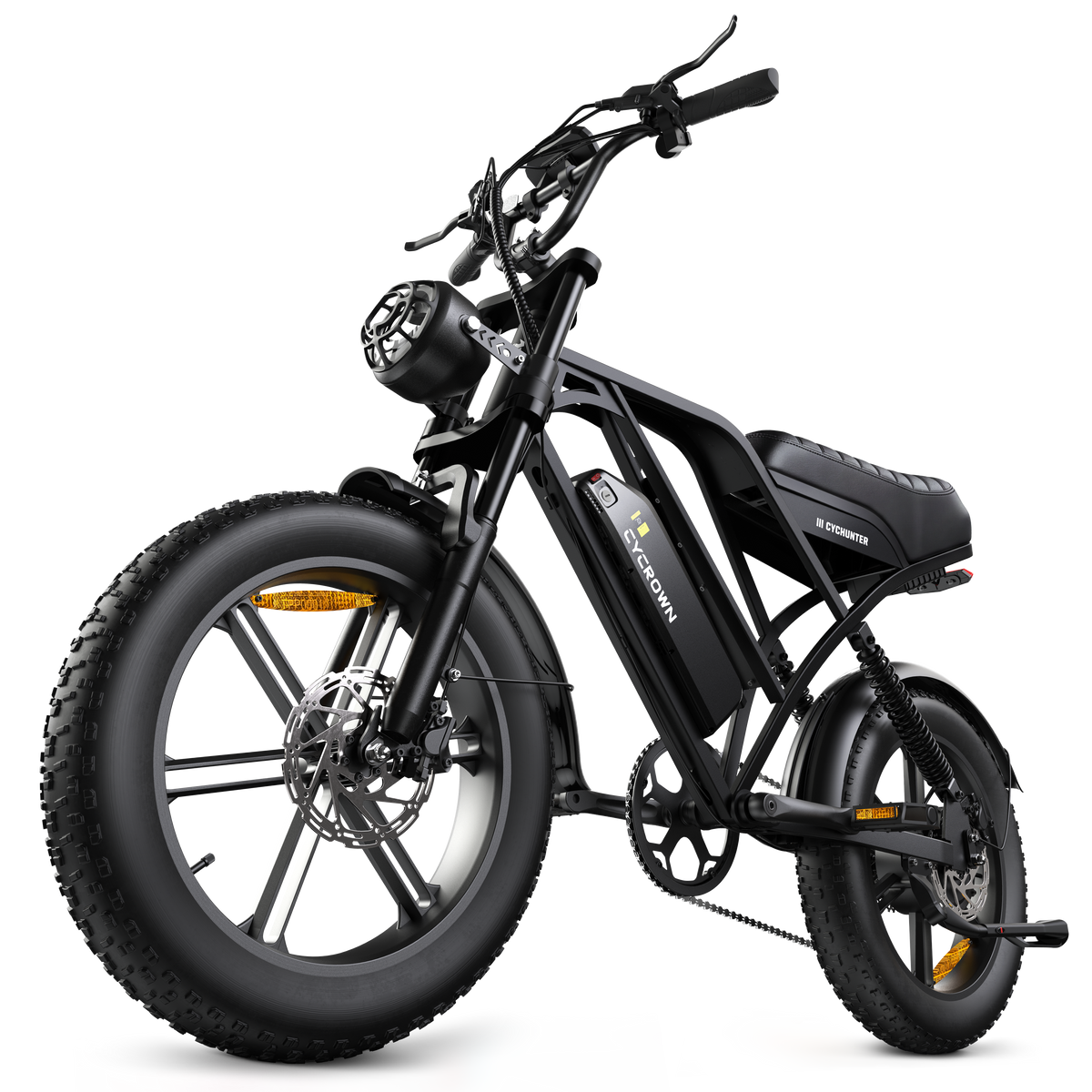
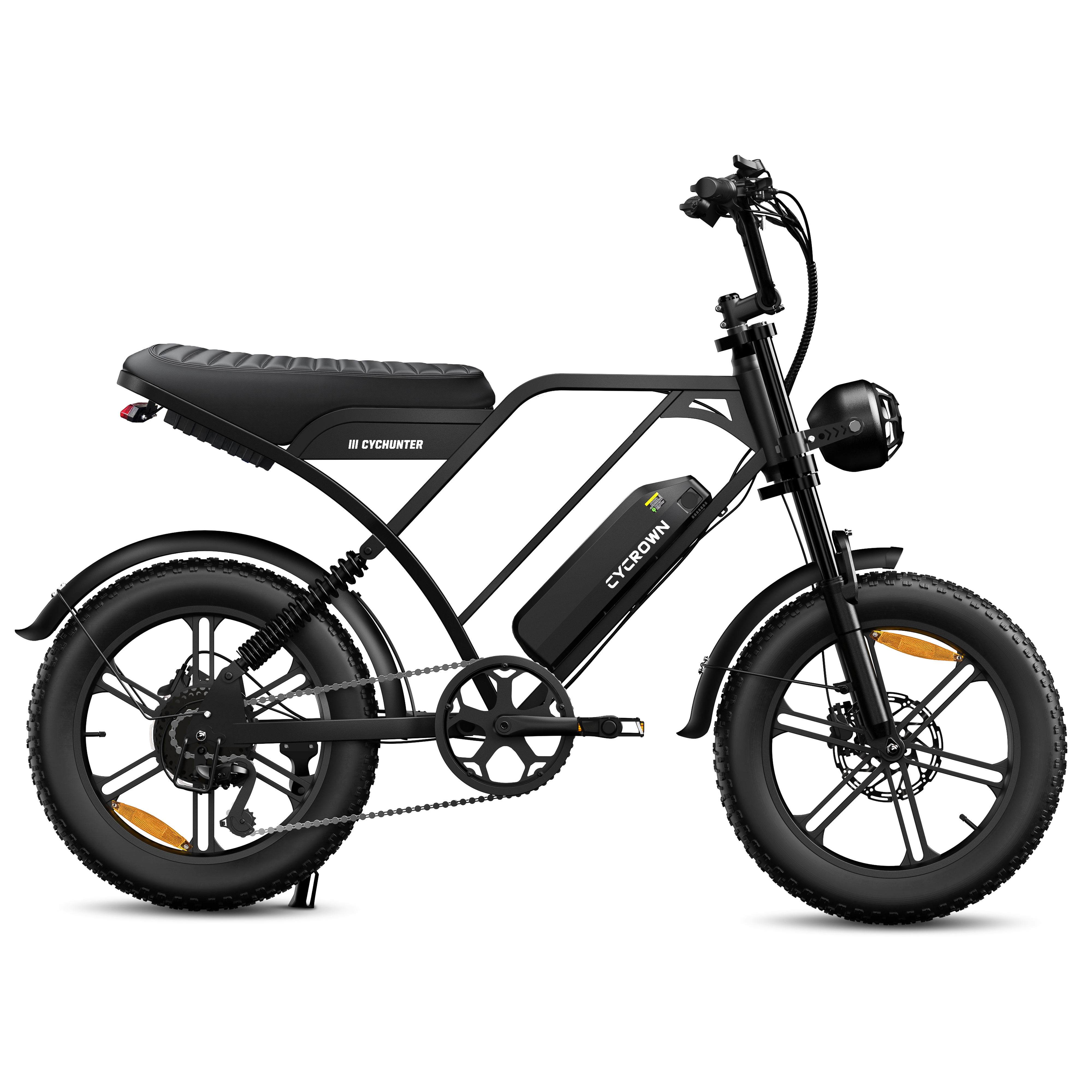
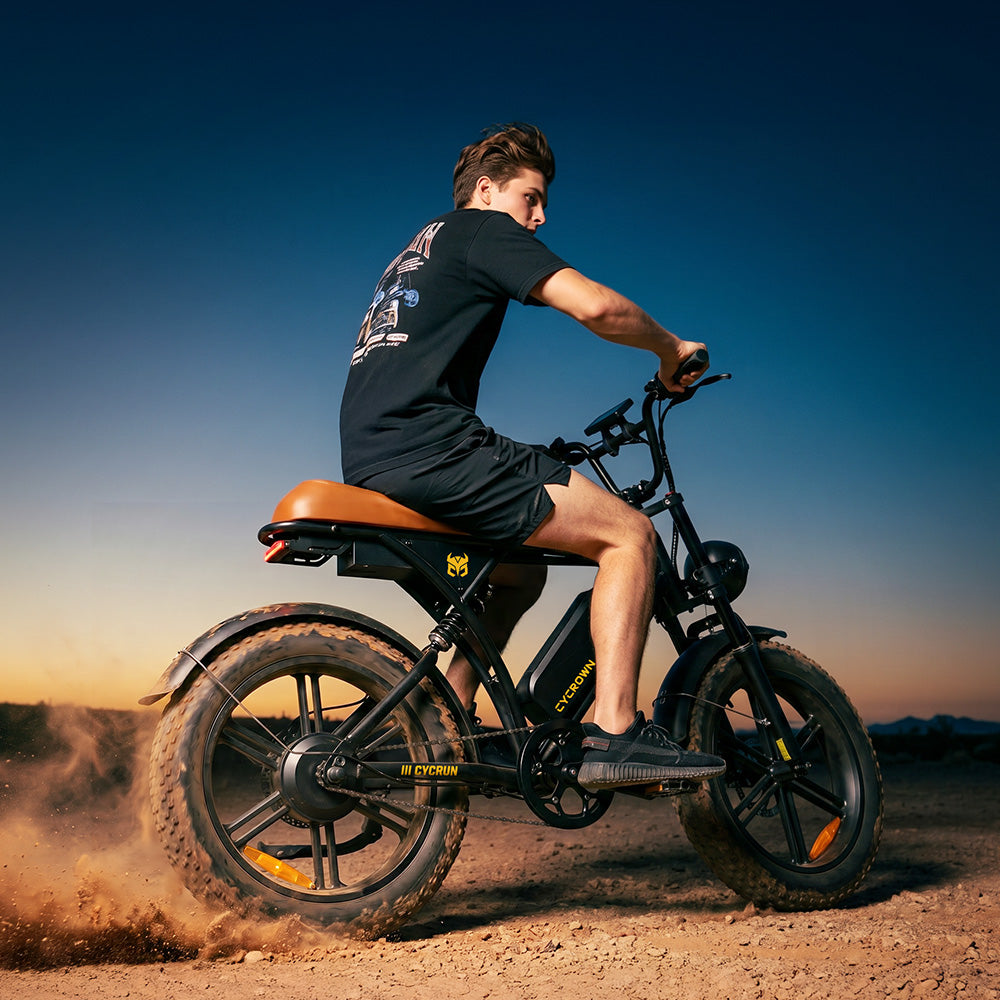
This is especially important on moped-style or all-terrain models, where acceleration can feel strong. If you ride something like the CYCROWN CycHunter 2.0, the extra power should come with extra patience. Nobody wins when a rider treats a shared street like a private test track.
Sidewalks, Bike Lanes, and Trails Are Different
One common mistake is assuming that if an e-bike is allowed on the road, it is allowed everywhere else. That is not always true.
Sidewalk riding is often restricted, especially in busy downtown areas. Bike lanes are usually more e-bike friendly, but local rules may still depend on class. Multi-use trails and park paths can be more limited, especially for Class 3 e-bikes or throttle-assisted riding.
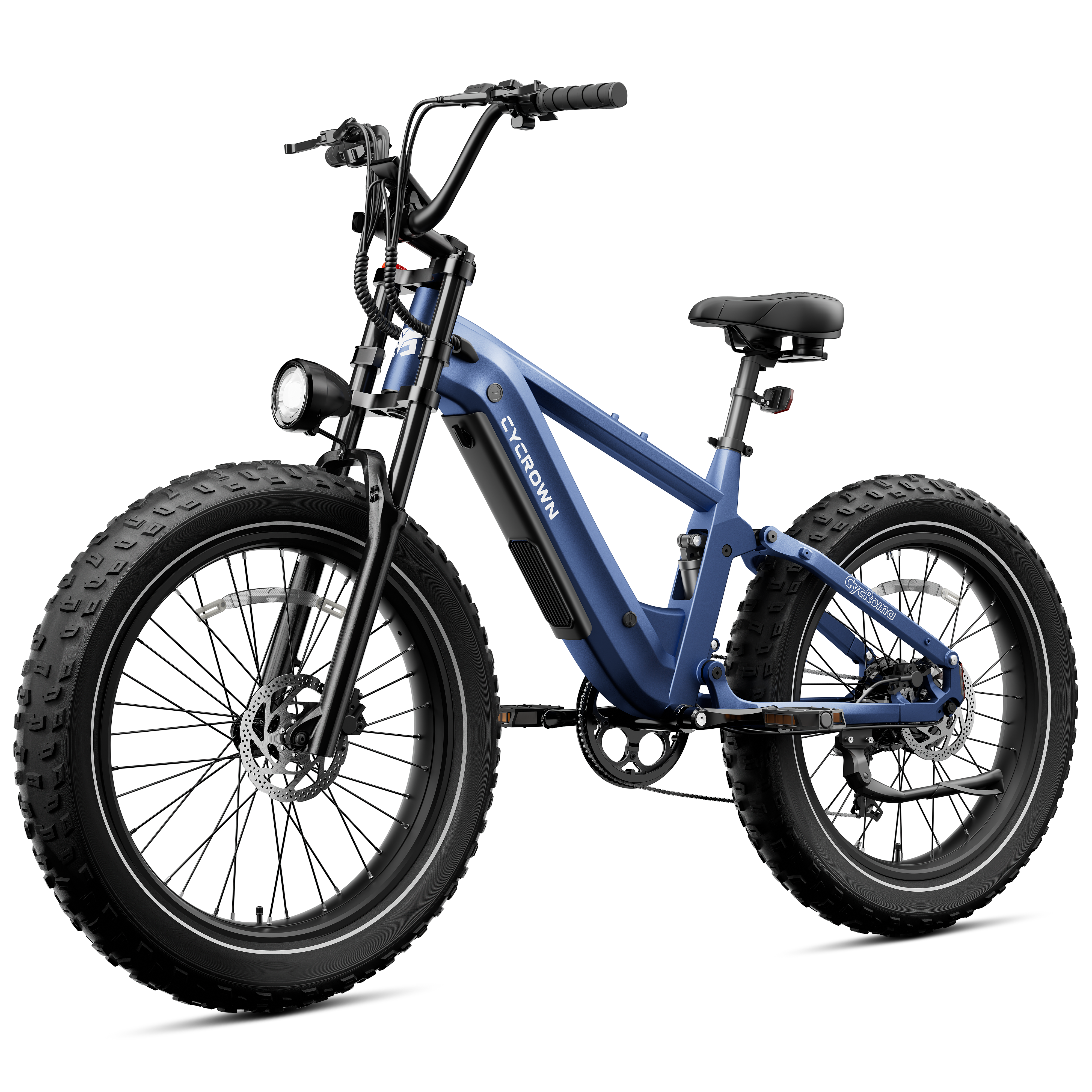
If you are planning recreational rides with an all-terrain model like the CYCROWN Roma All-Terrain E-Bike, check the rules for the specific trail system. A paved urban greenway, a state park path, and a mountain-bike trail can all have different access rules.
CYCROWN’s Best All-Terrain eBikes of 2026 can help riders compare mixed-surface features, but access still depends on local rules.
Cars Must Share the Road Safely
Drivers have responsibilities around e-bike riders too. They should pass with safe clearance, avoid opening doors into bike lanes, check mirrors before turning, and avoid blocking bike lanes.
Many crashes happen because a driver does not expect an e-bike to move faster than a regular bicycle. That is why visibility and predictability matter. Use a front light, rear light, reflective gear, and clear hand signals. When drivers understand where you are going, the road gets less tense for everyone.
CYCROWN’s e-bike lights collection is a practical internal link here because lighting is one of the easiest ways to improve your road presence.
Choose Routes That Match Your Confidence
Having the right to ride on a road does not always mean that road is the best choice. New riders should start with low-speed streets, protected bike lanes, neighborhood routes, and familiar paths.
For example, a beginner in Portland may choose neighborhood greenways instead of major arterials. A rider in San Diego may prefer beach-area bike paths during quieter times. Someone in Washington, DC may combine protected lanes with transit for a calmer commute.
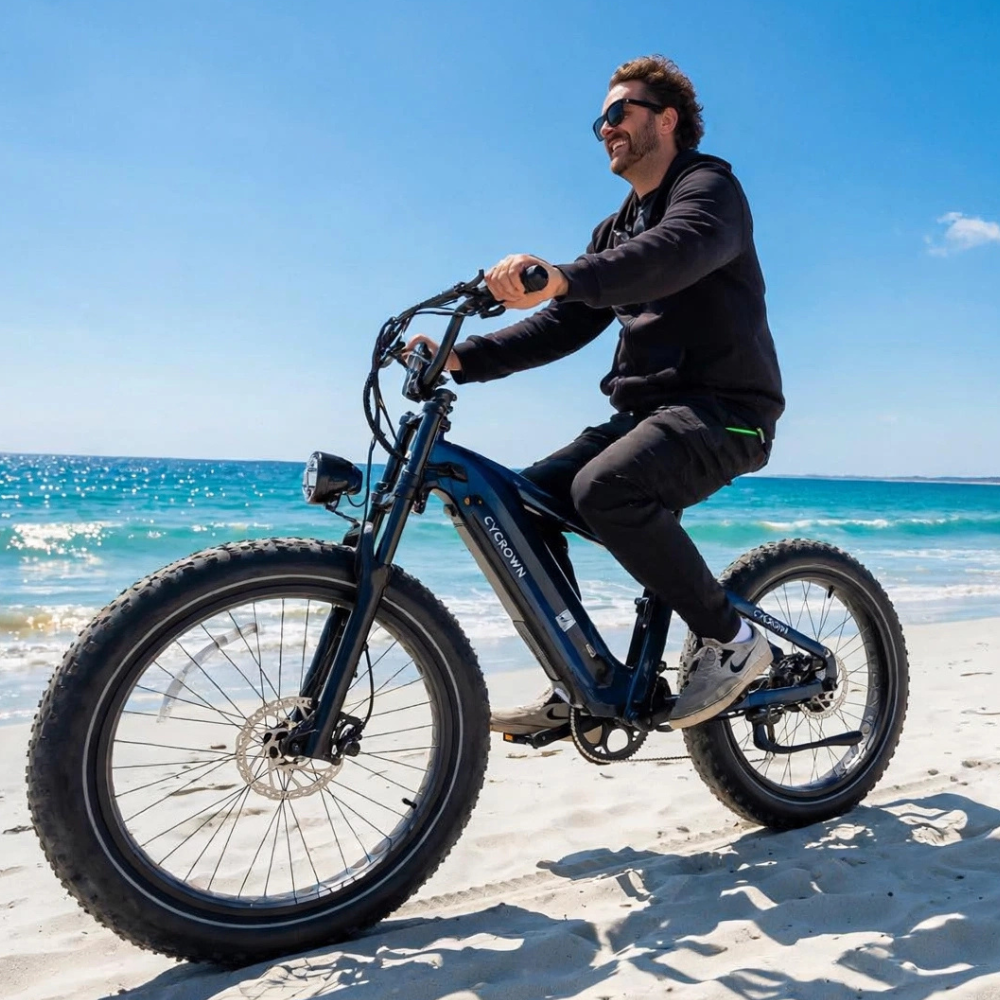
A practical route should have lower traffic speeds, decent pavement, space to ride, and clear intersections. If your commute includes rough pavement, hills, or longer distances, a fat tire model like the CYCROWN Nomad Pro Fat Tire E-Bike may offer more comfort and stability, though legal access still depends on where you ride.
Safety Gear Helps You Use Your Rights Well

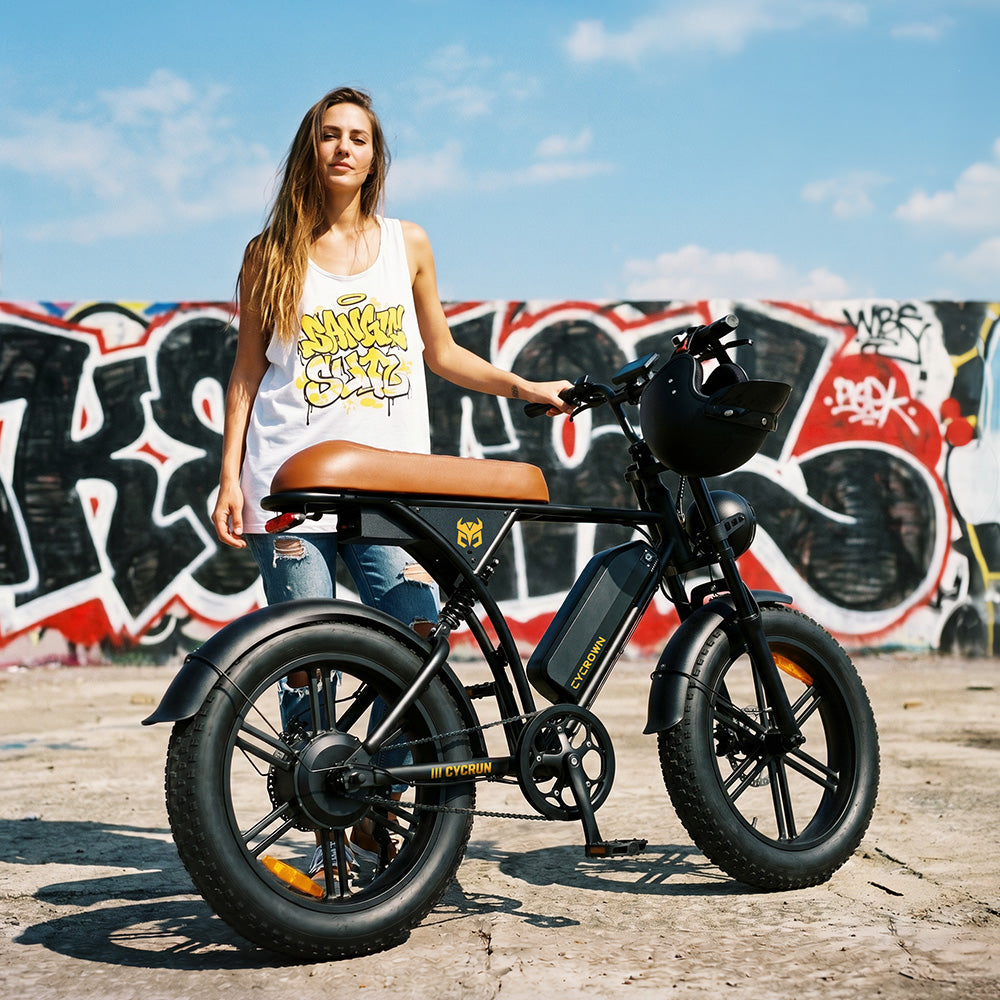
Rights are easier to exercise when you are visible and protected. A helmet, lights, reflective clothing, bell, mirror, and lock are simple upgrades that make daily road riding safer.
The CYCROWN accessories collection is a useful place to connect this topic naturally because responsible road riding is not just about law. It is also about preparation.
If you ride at night, in rain, or through heavy traffic, add more visibility than you think you need. Drivers are not always looking for e-bike riders, especially at intersections.
Ride Like You Belong, Not Like You Own the Road
E-bike riders do have road rights, but those rights work best when paired with good judgment. Use the lane when needed, take space when it is safer than squeezing beside parked cars, and avoid unpredictable moves.
At the same time, do not ride aggressively just because you are legally allowed to be there. Share space with pedestrians, slow down near crosswalks, and respect other cyclists. A calm rider tends to get more room than a chaotic one.
The Balanced Answer
E-bike riders often have many of the same rights as cyclists on the road, including the right to use bike lanes and share public streets where permitted. But they are not exactly the same as car drivers, and local e-bike rules can limit where certain classes may ride.
The smartest approach is to know your local rules, choose routes that fit your skill level, keep your e-bike visible and maintained, and ride predictably. Road rights are not just about what you are allowed to do. They are about moving through traffic in a way that keeps you and everyone around you safer.
What E-Bike Riders Usually Ask
Do e-bike riders have to follow traffic laws?
Yes. E-bike riders generally need to follow traffic signals, stop signs, lane rules, yielding rules, and local bicycle laws.
Can e-bikes ride in bike lanes?
Often, yes, but access can depend on state, city, and e-bike class. Check local rules before assuming every bike lane or trail allows every e-bike.
Do e-bike riders need a license in the US?
Most class-compliant e-bikes do not require a driver’s license, registration, or insurance, but laws vary by state and city.
Can e-bikes ride on sidewalks?
Sometimes, but many cities restrict sidewalk riding, especially in downtown or high-pedestrian areas. Bike lanes or low-speed streets are usually safer.
Are e-bike riders treated like car drivers?
Not exactly. E-bike riders share some road responsibilities with drivers, but e-bikes are usually regulated more like bicycles than cars.


