







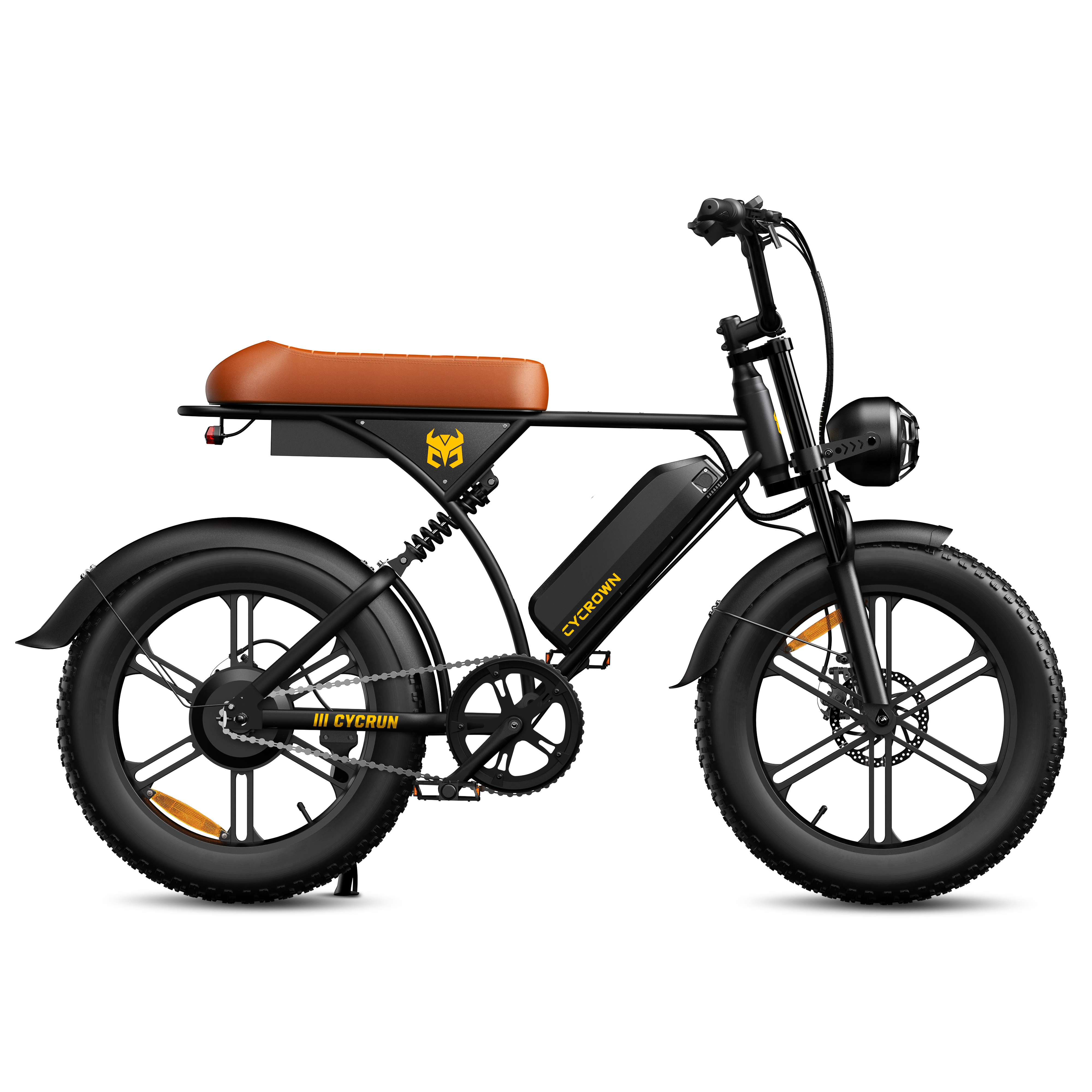

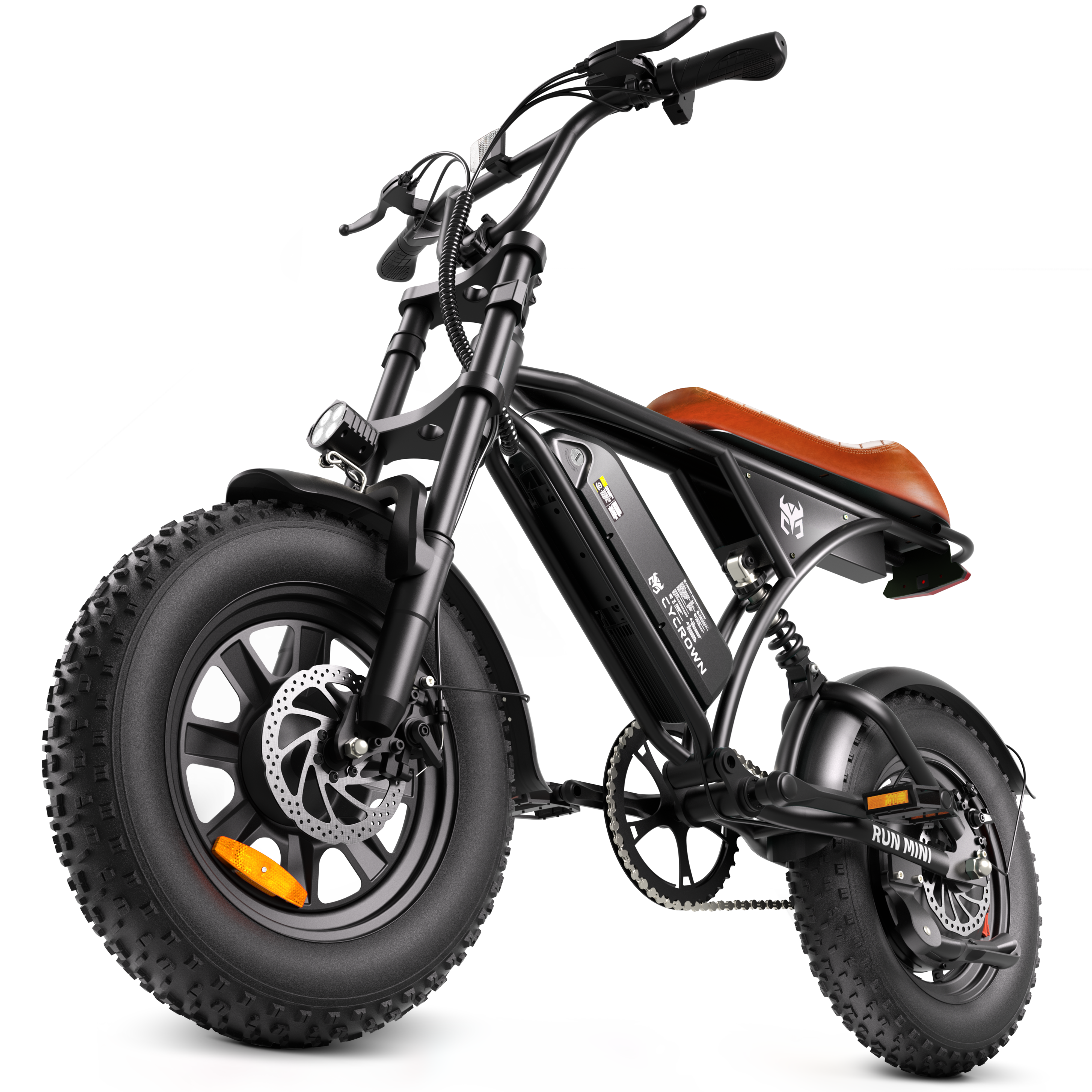


Riding Legally Starts With Knowing the Rules
E-bike laws in the US are set mostly at the state level, and they generally depend on which "class" your e-bike falls into (Class 1, 2, or 3) based on motor power, top speed, and whether it has a throttle. Whether you're commuting to work, running errands, or just riding for fun, understanding these rules matters more than most riders realize. A bike that's perfectly legal in one state might need a helmet, a minimum age, or extra equipment in another. This guide walks through the basics so you can ride with confidence, no matter where you live.
What Is Considered an E-Bike?
In most US states, an e-bike is a bicycle with two or three wheels, working pedals, and an electric motor under 750 watts that stops assisting once the bike hits 20-28 mph, depending on class. The key difference between an e-bike and a moped or motorcycle usually comes down to power and pedal function. If a bike has no pedals, a motor over 750 watts, or a top speed well beyond 28 mph, many states will classify it as a moped or motor-driven cycle instead. This brings a whole different set of rules, including registration and licensing.
Understanding Class 1, 2, and 3 E-Bikes
Most states follow a three-class system:
Class 1 - Pedal-assist only, no throttle, max assisted speed of 20 mph.
Class 2 - Has a throttle in addition to pedal assist, max speed of 20 mph.
Class 3 - Pedal-assist only (sometimes throttle up to 20 mph too), max assisted speed of 28 mph, often requires a speedometer.
Class 1 and 2 bikes are usually treated the most like traditional bicycles. Class 3 bikes, because of their higher speed, often come with extra requirements like a minimum age or mandatory helmet use.
Where Can You Ride an E-Bike?
Generally, e-bikes are allowed anywhere regular bicycles are: streets, bike lanes, and multi-use paths. Class 1 and 2 e-bikes are typically welcome on most bike paths and trails, while Class 3 access is more limited and sometimes restricted to roads and bike lanes only. Local governments and park systems can set their own rules on top of state law, so it's worth checking local ordinances before you assume a route is open.
Riding on Public Roads
On public roads, e-bikes generally follow the same traffic laws as regular bicycles. Always ride with traffic, obey signals, and use bike lanes where available.
Are E-Bikes Allowed on Sidewalks?
Sidewalk rules vary widely and are often set by cities rather than states. Some municipalities allow lower-speed e-bikes on sidewalks in areas without bike lanes, while others ban all e-bikes from sidewalks to protect pedestrians. Because this is one of the most locally inconsistent rules, checking your specific city's ordinance is a smart move before assuming sidewalks are fair game.
Can You Ride an E-Bike on Trails and Bike Paths?
Trail access typically depends on class and who manages the land. Many public multi-use paths welcome Class 1 and 2 e-bikes, but natural-surface hiking trails often exclude all motorized bikes, including e-bikes. State parks, national forests, and local trail systems each set their own policies, so a quick check of posted signage or a park website can save you a ticket.
Do You Need a License or Registration for an E-Bike?
In most states, Class 1, 2, and 3 e-bikes do not require a driver's license, registration, or license plate, which is one of the biggest advantages over mopeds or motorcycles. A handful of states have unique rules for Class 3 bikes, sometimes requiring riders to be a certain age with no separate license needed. Insurance is not typically mandatory, though some riders choose it for theft or liability protection.
Do You Need a Helmet to Ride an E-Bike?
Helmet laws depend heavily on both class and age. Many states require helmets only for Class 3 riders, or only for riders under 18, regardless of class. Some states have no statewide helmet law at all. Since this is one of the more commonly enforced rules for younger riders, it's worth checking your state's specific age cutoff.
Are There Age Restrictions for E-Bike Riders?

Minimum age requirements usually apply to Class 3 e-bikes, often set at 16, since these bikes reach higher speeds. Class 1 and 2 e-bikes tend to have fewer or no age restrictions, though some states set a minimum age around 14-16 for any class. Rules about carrying a passenger, such as a child in a rear seat, also vary and are worth checking separately.
What Equipment Is Required on an E-Bike?
Standard required equipment often includes:
Front and rear reflectors or lights (especially for night riding)
Working brakes capable of stopping the bike within a set distance
A bell or audible signal in some jurisdictions
A visible class label on the bike, particularly for Class 3
Mirrors aren't typically required by law but are a practical add-on for riders navigating busy traffic.
Are Modified E-Bikes Legal?
Modifying an e-bike to exceed its class's speed or power limit, commonly called "derestricting", can push it out of the legal e-bike category entirely. Once a bike exceeds 750 watts or rides faster than 28 mph with motor assistance, many states reclassify it as a moped or motorcycle, triggering registration, licensing, and insurance requirements. Riding a modified bike as though it's still a standard e-bike can result in fines, so it's best to keep any upgrades within your state's legal thresholds.
How Do E-Bike Laws Differ Across the US and Canada?
The US largely follows the three-class system described above, though a few states haven't formally adopted it and rely on older, less specific definitions. Canada takes a different approach: most provinces regulate "power-assisted bicycles" under a single set of rules based on motor wattage (usually 500W max) and speed (32 km/h), without the same three-class structure. Helmet requirements are more consistently mandatory across Canadian provinces than in the US.
E-Bike Laws by State and Province
Because rules shift from state to state and province to province, it's worth treating this as a quick-reference starting point rather than a final answer. States like California, New York, and Colorado have detailed class-based laws, while others still use broader "motorized bicycle" definitions. If you're still weighing your first e-bike purchase, CYCROWN’s guide on whether an e-bike is the right choice is a useful companion to read before checking your local rules.
How to Check E-Bike Laws Where You Live
The most reliable approach is layered: start with your state or provincial transportation department's website, then check city or municipal ordinances, and finally look at rules specific to parks or trails you plan to ride. Laws are updated periodically as e-bike classifications become more standardized, so it's worth a quick re-check each year. If range and daily mileage factor into your decision, our guide on planning realistic e-bike range can help you match a bike to your actual routine.
Riding Smart Starts With Knowing Your Rules
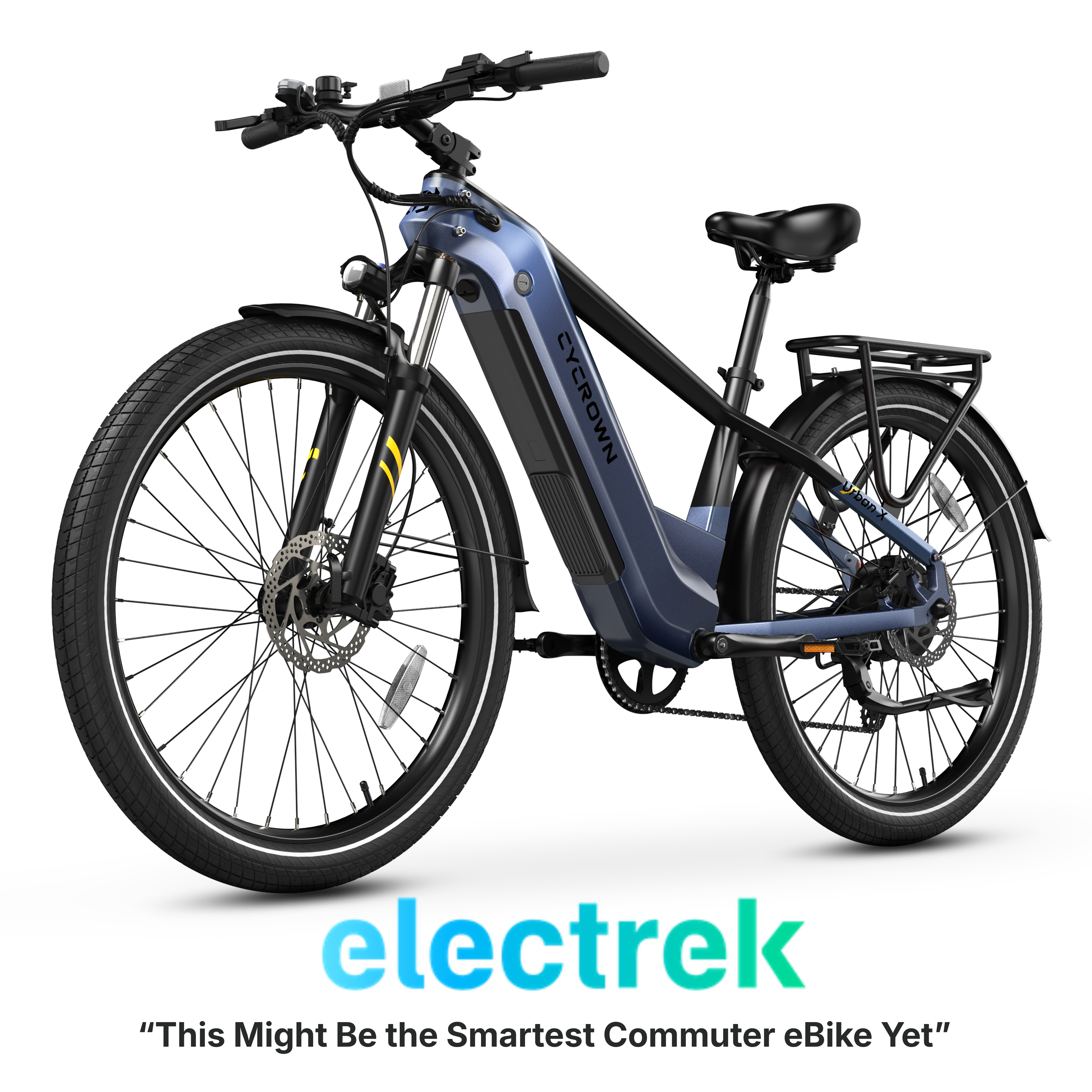
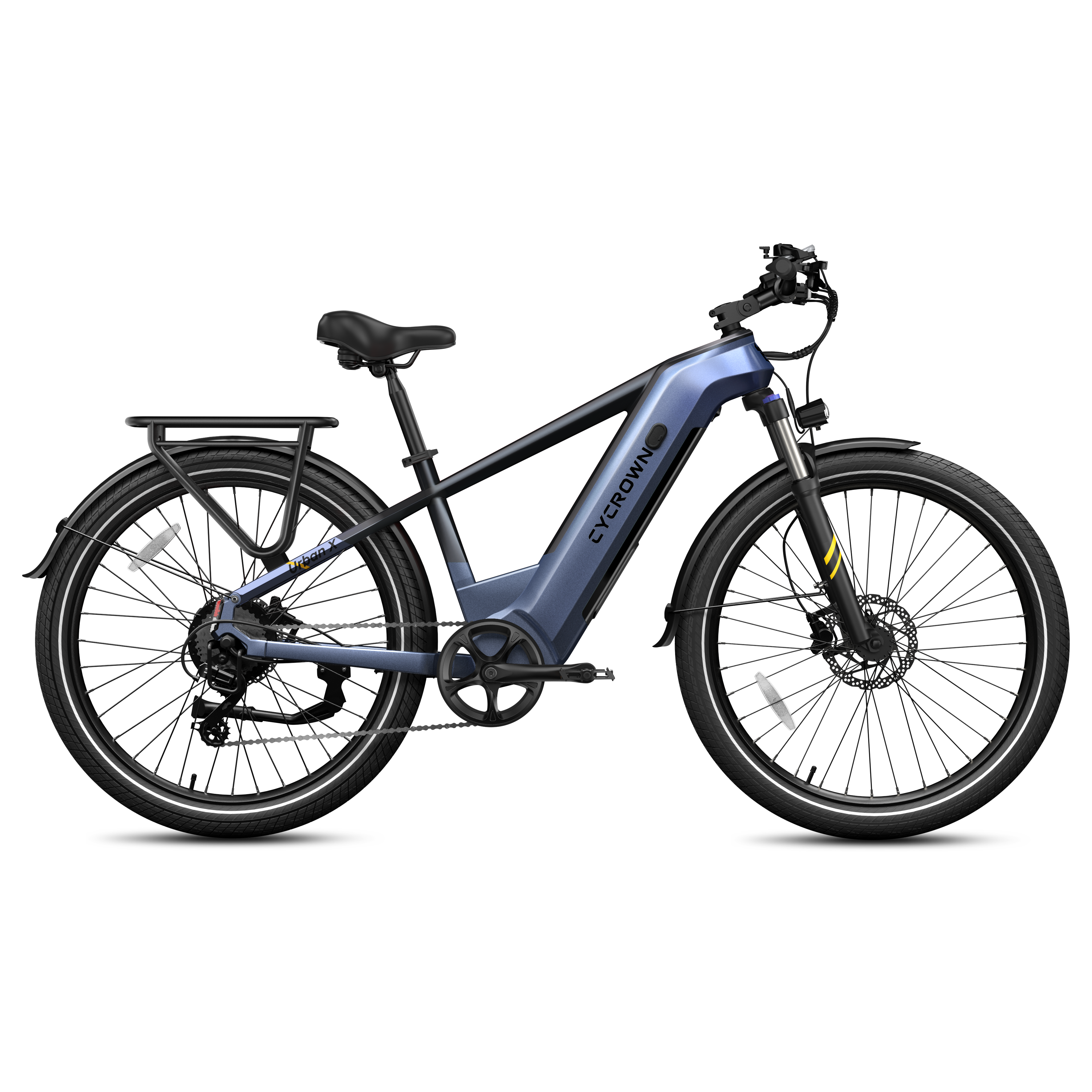
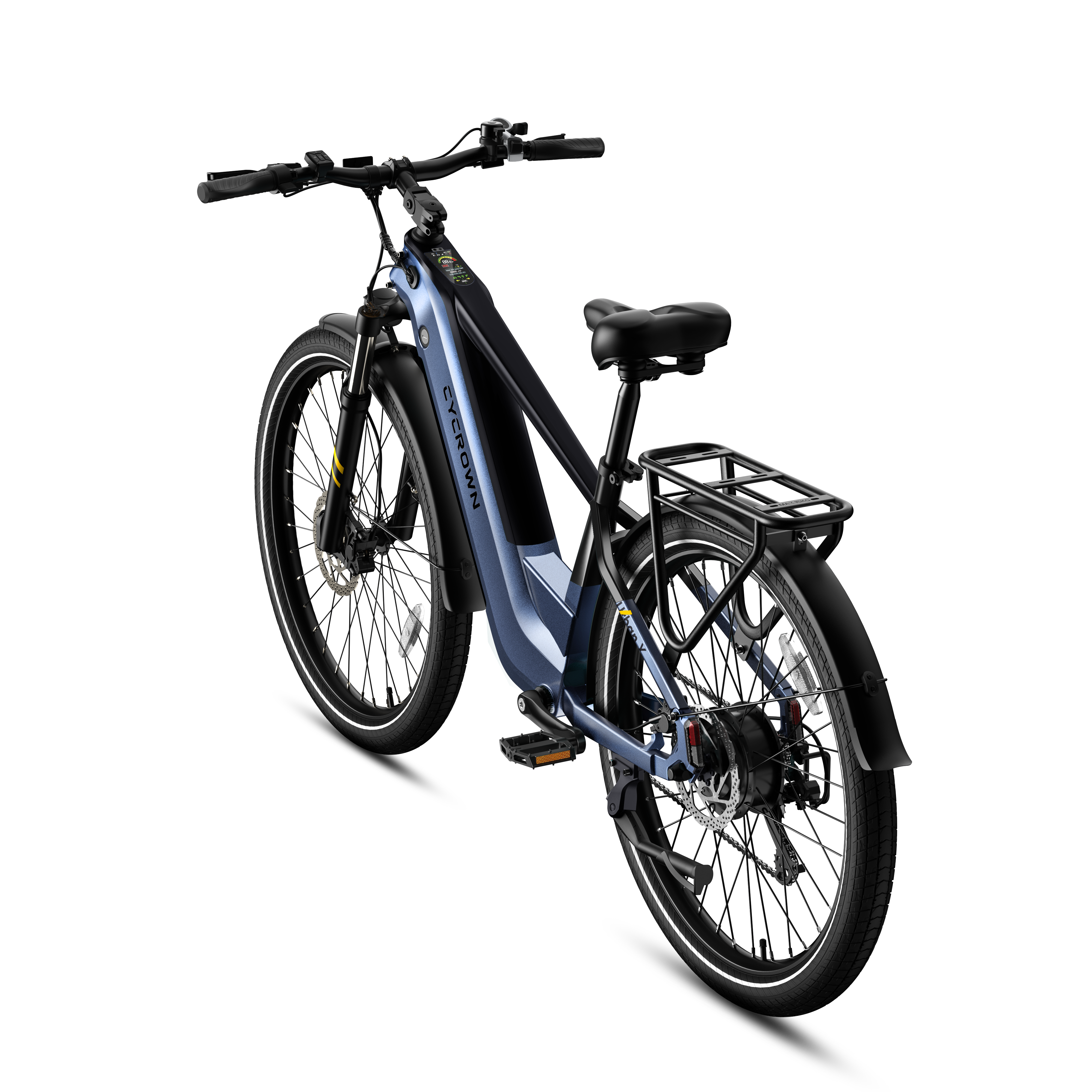
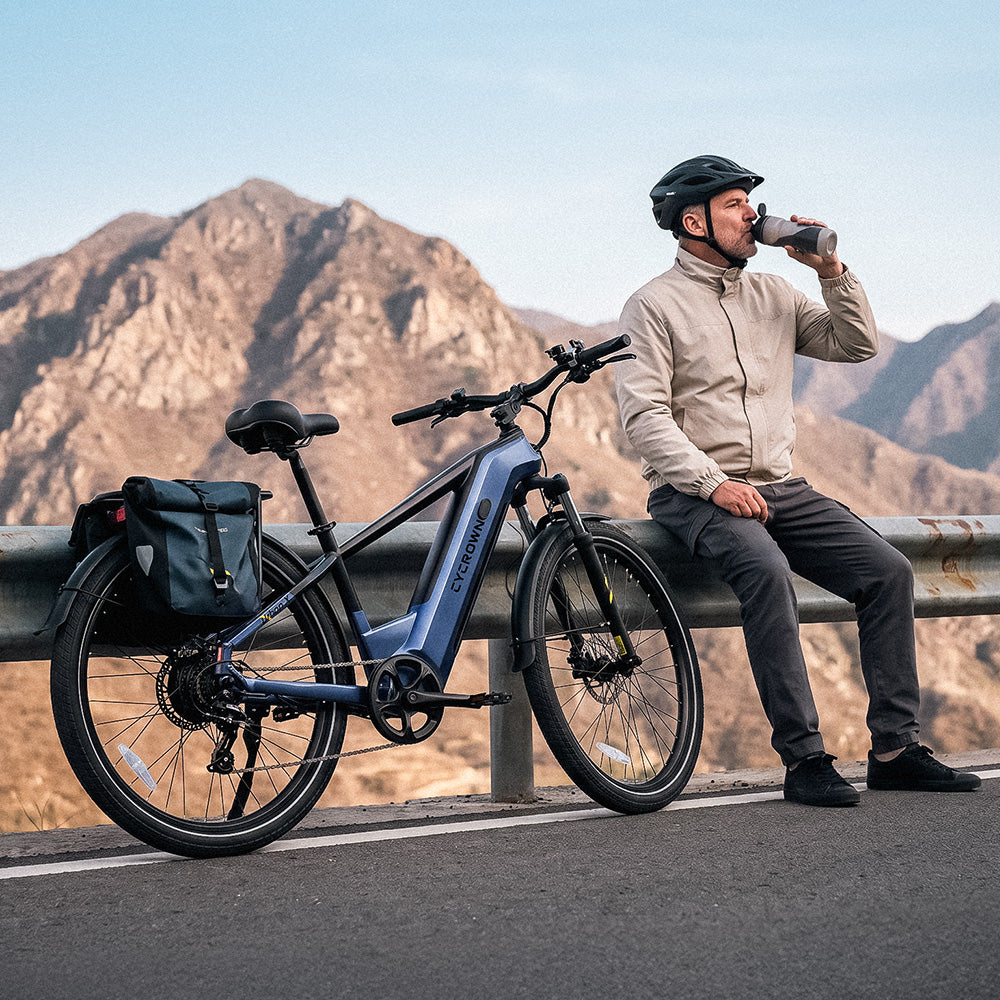
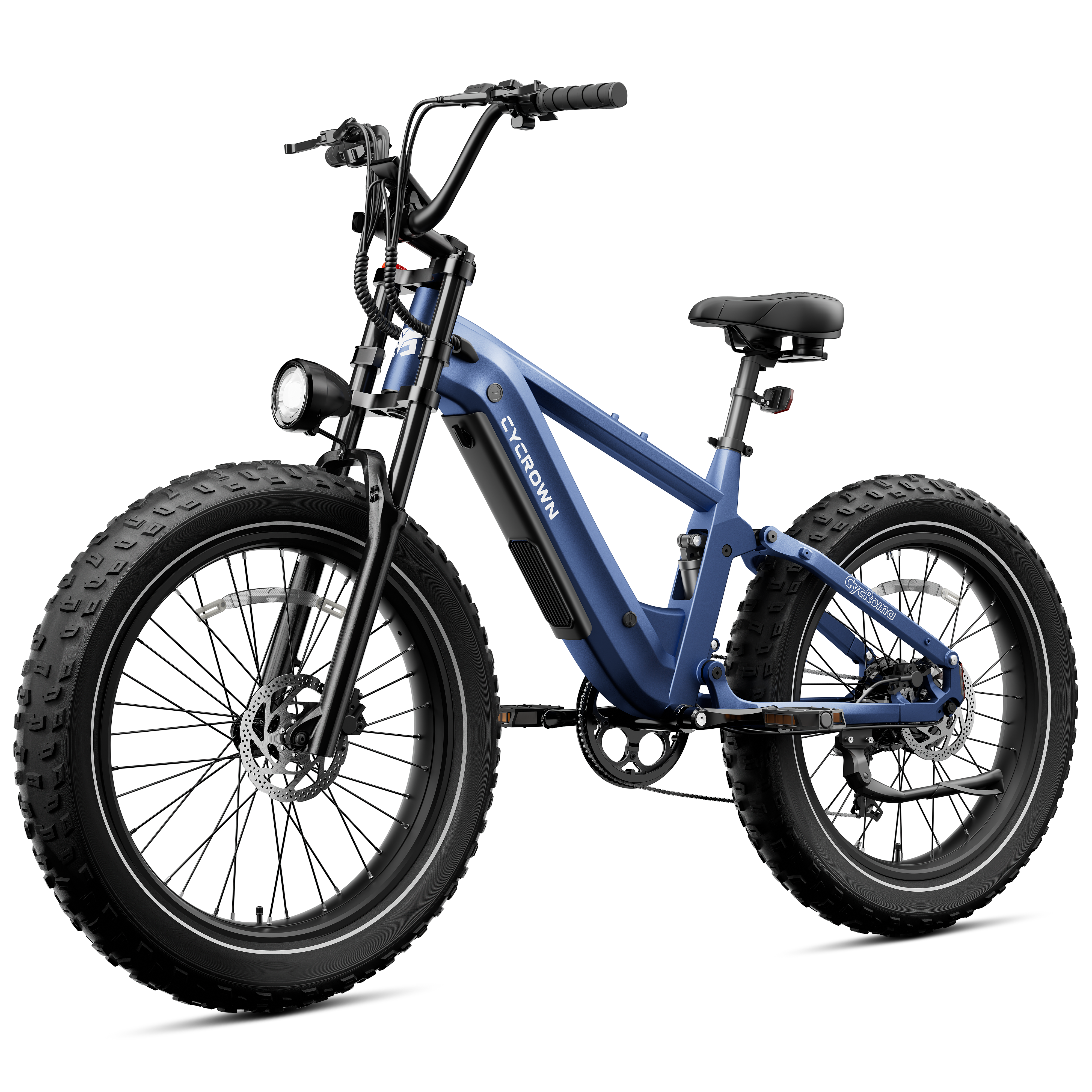
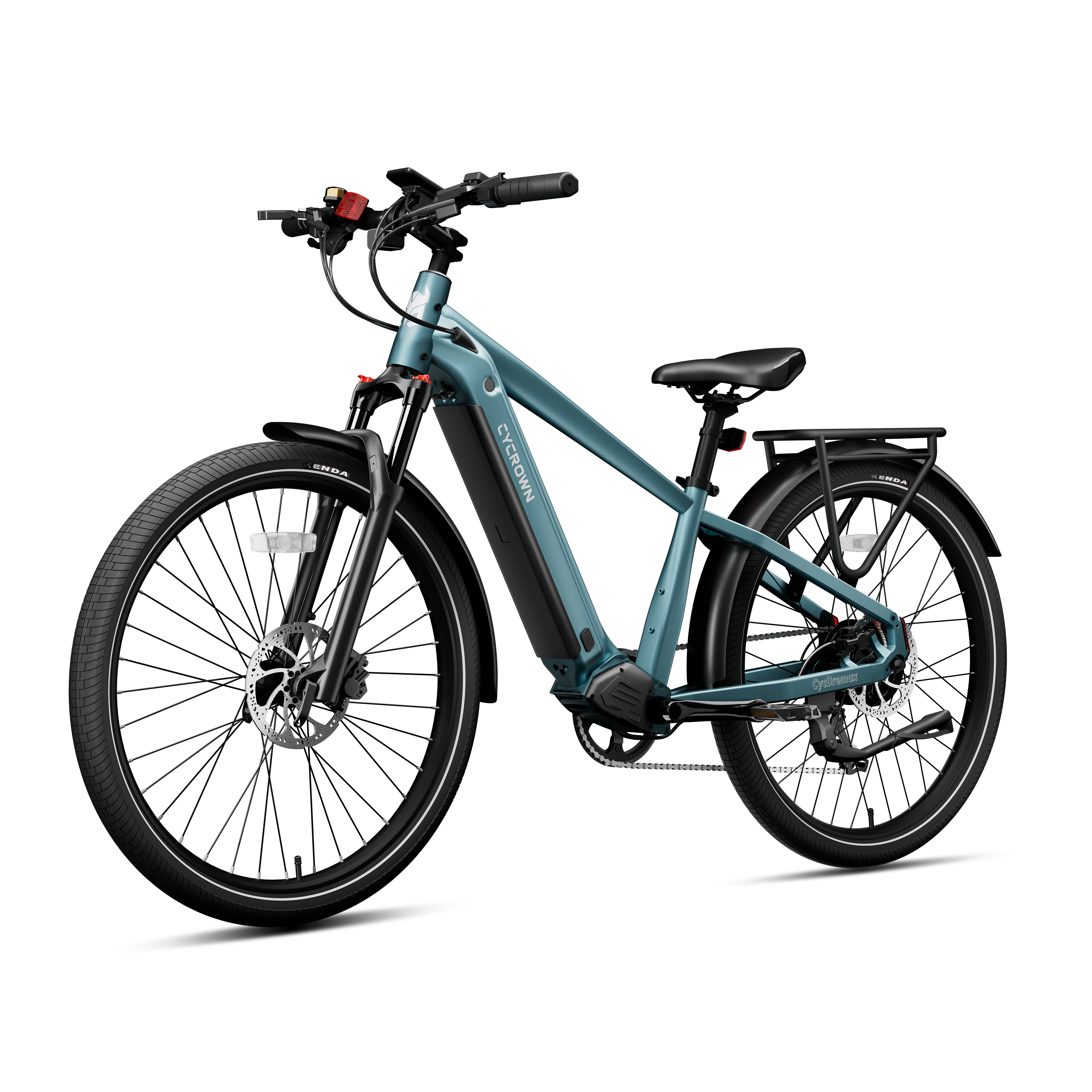
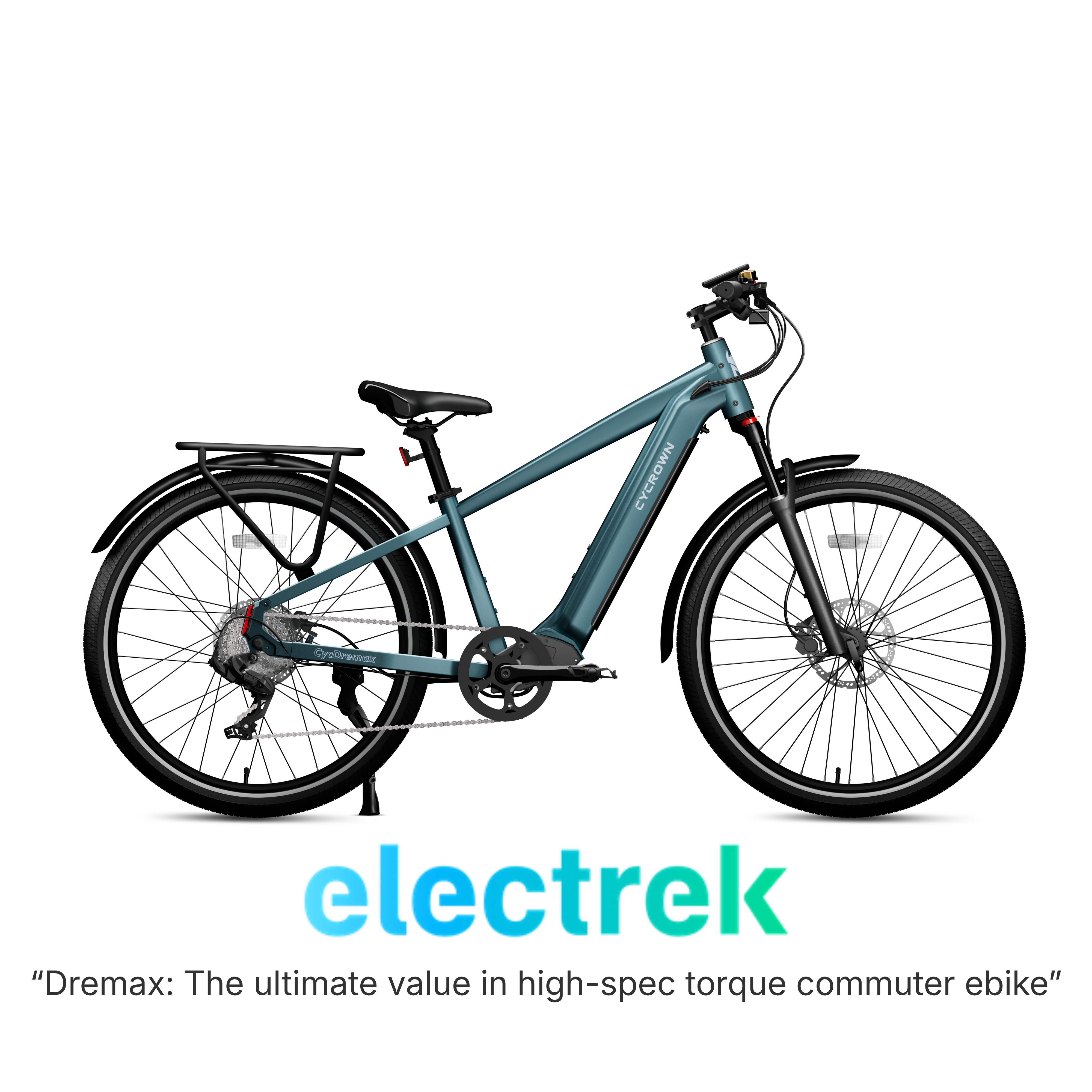
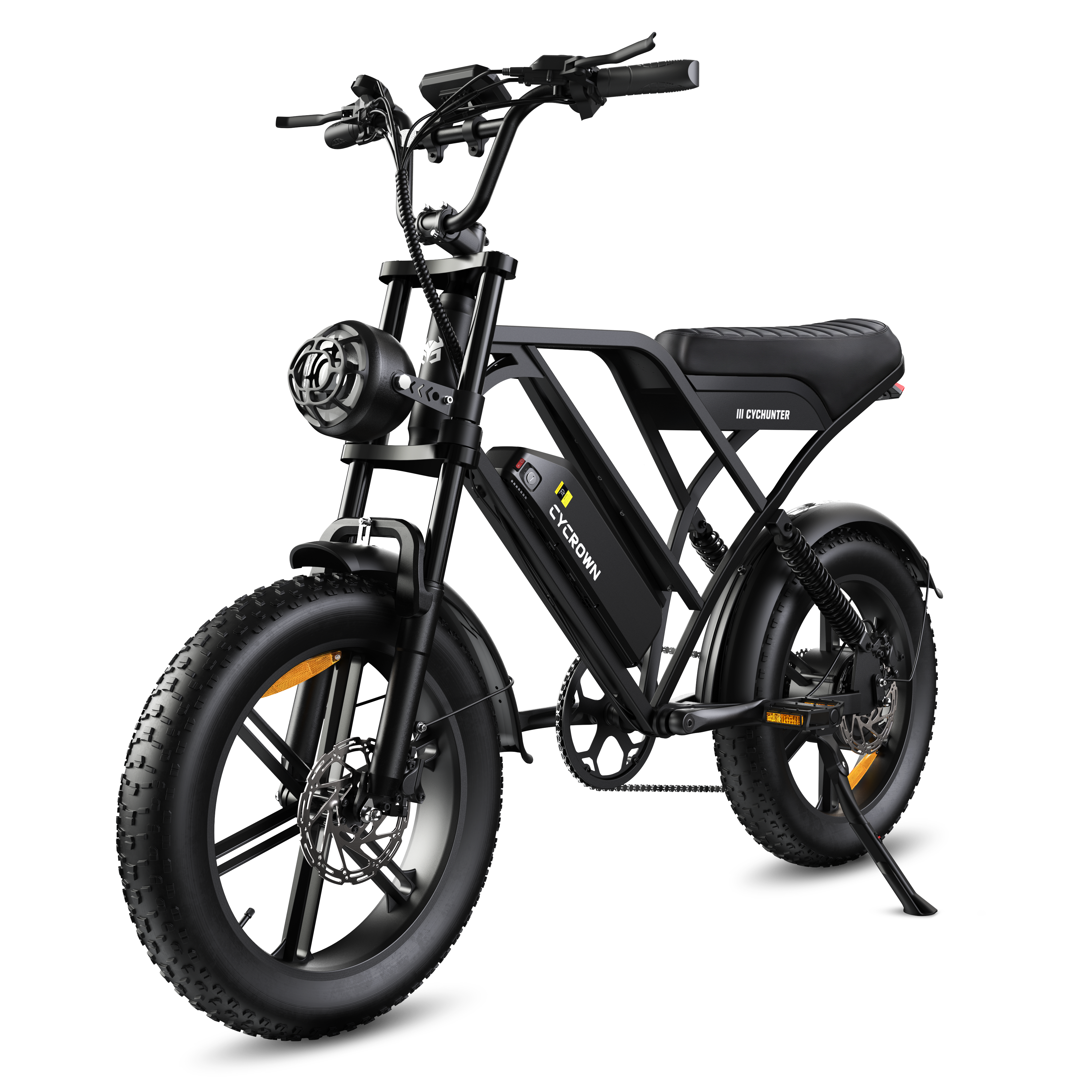
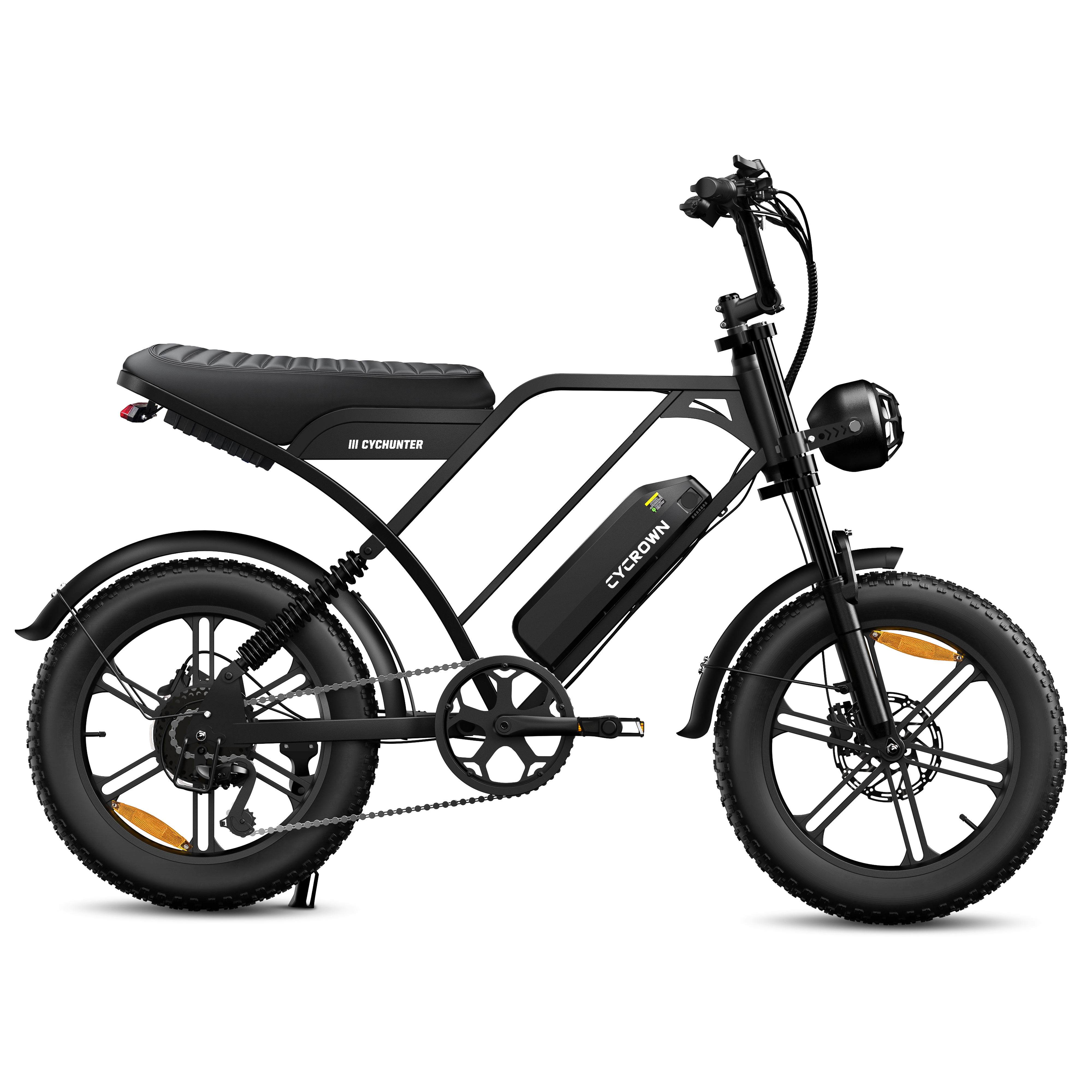
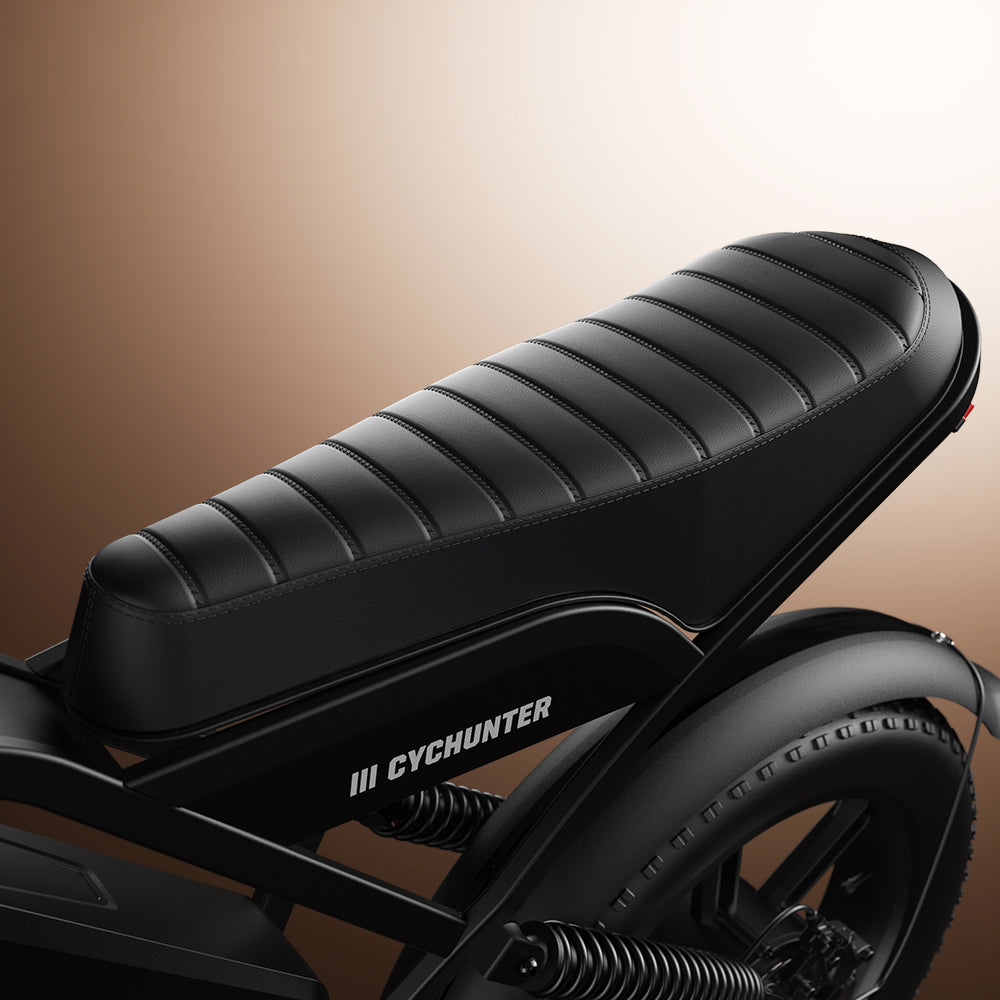
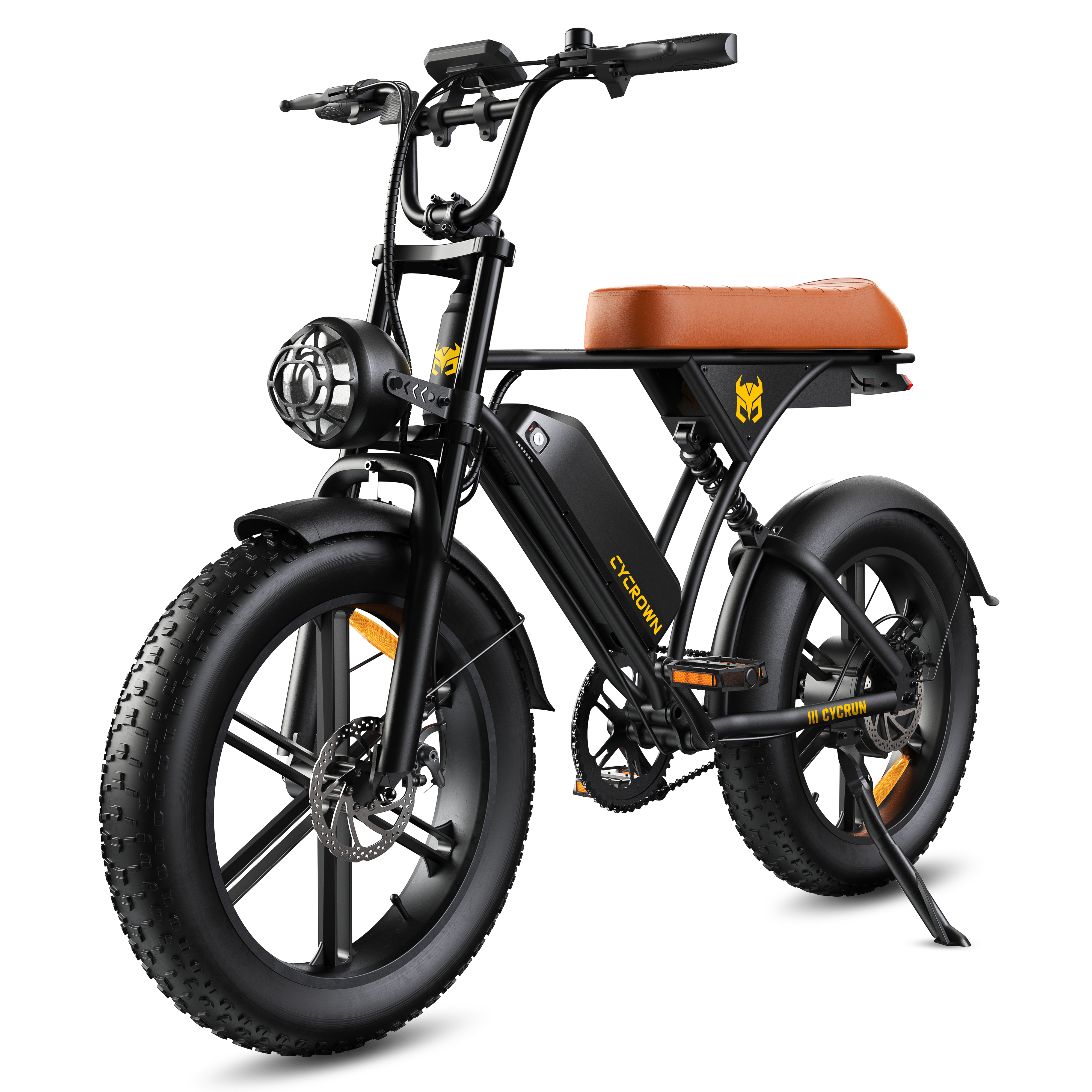
E-bike laws aren't as intimidating as they first appear once you break them down by class, location, and equipment. The short version: know your bike's class, check your state or province's specific rules, follow basic equipment and helmet guidelines, and avoid modifications that push your bike out of its legal category. A little research up front means fewer surprises later. If you're still deciding which bike fits your routine, models like the Urban X, Dremax, and CycHunter are worth comparing for everyday riding.
What Riders Want to Know
Do I need a license to ride an e-bike?
No, most states and provinces don't require a license for standard Class 1, 2, or 3 e-bikes.
Can I ride my e-bike on the sidewalk?
It depends on your city because some allow it, many don't, so check local ordinances.
Is a helmet required for e-bikes?
Often yes for Class 3 riders or riders under 18, but requirements vary by state.
Will modifying my e-bike's speed get me in trouble?
It can. Exceeding class limits may reclassify your bike as a moped, requiring registration and insurance.


