








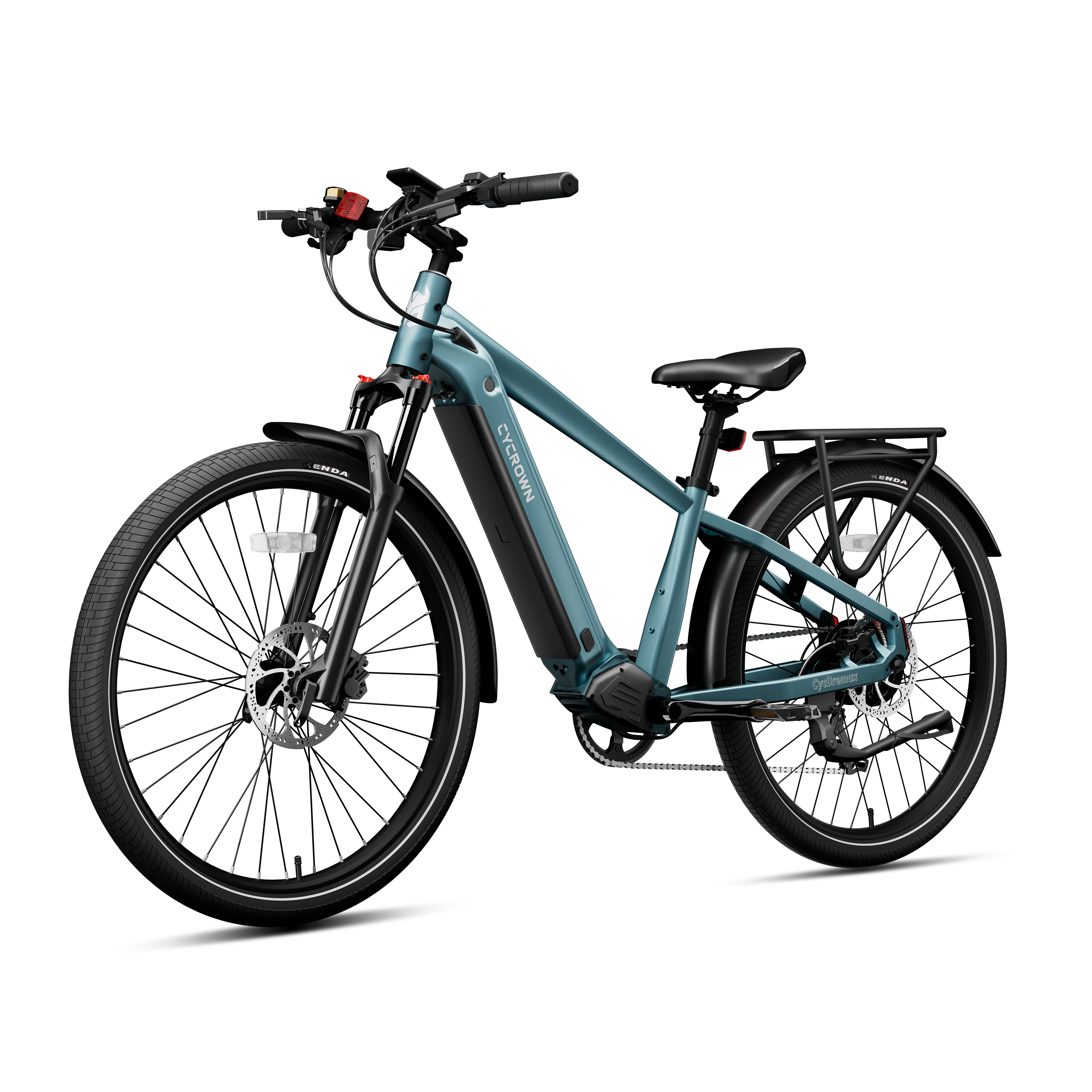
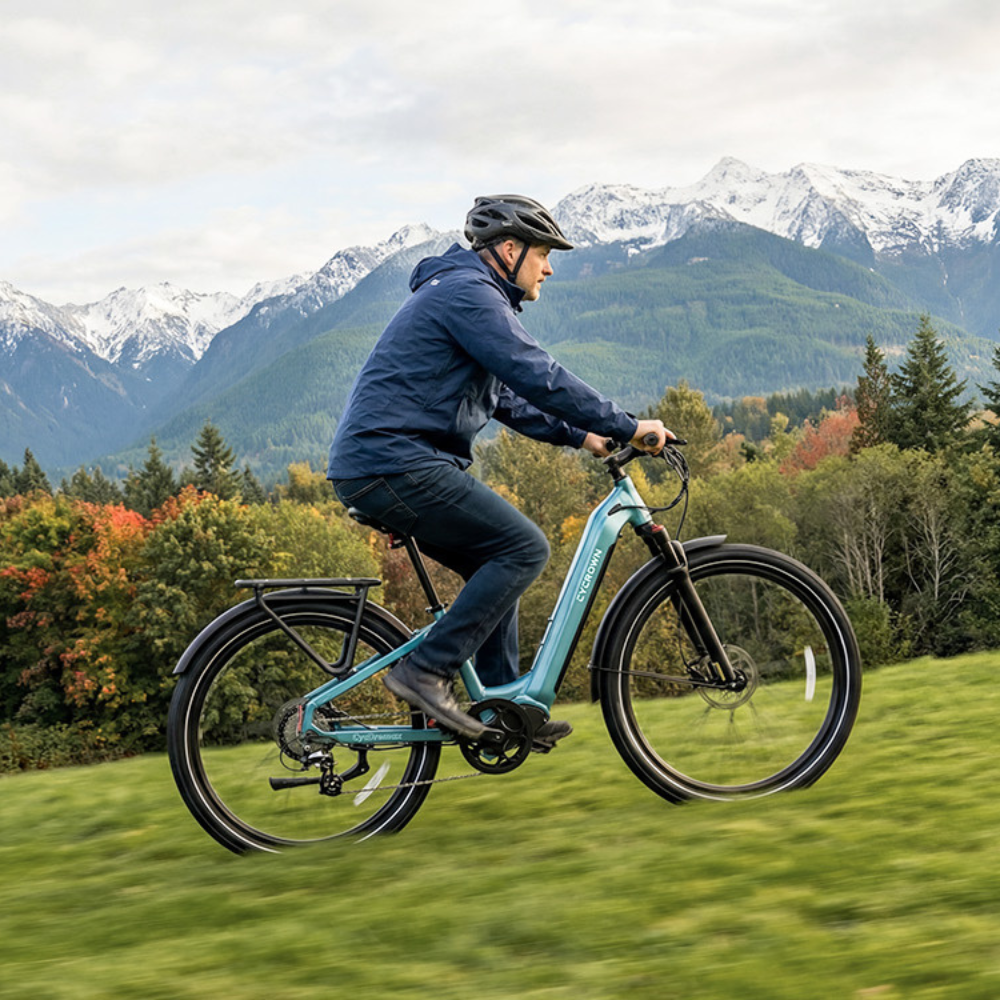
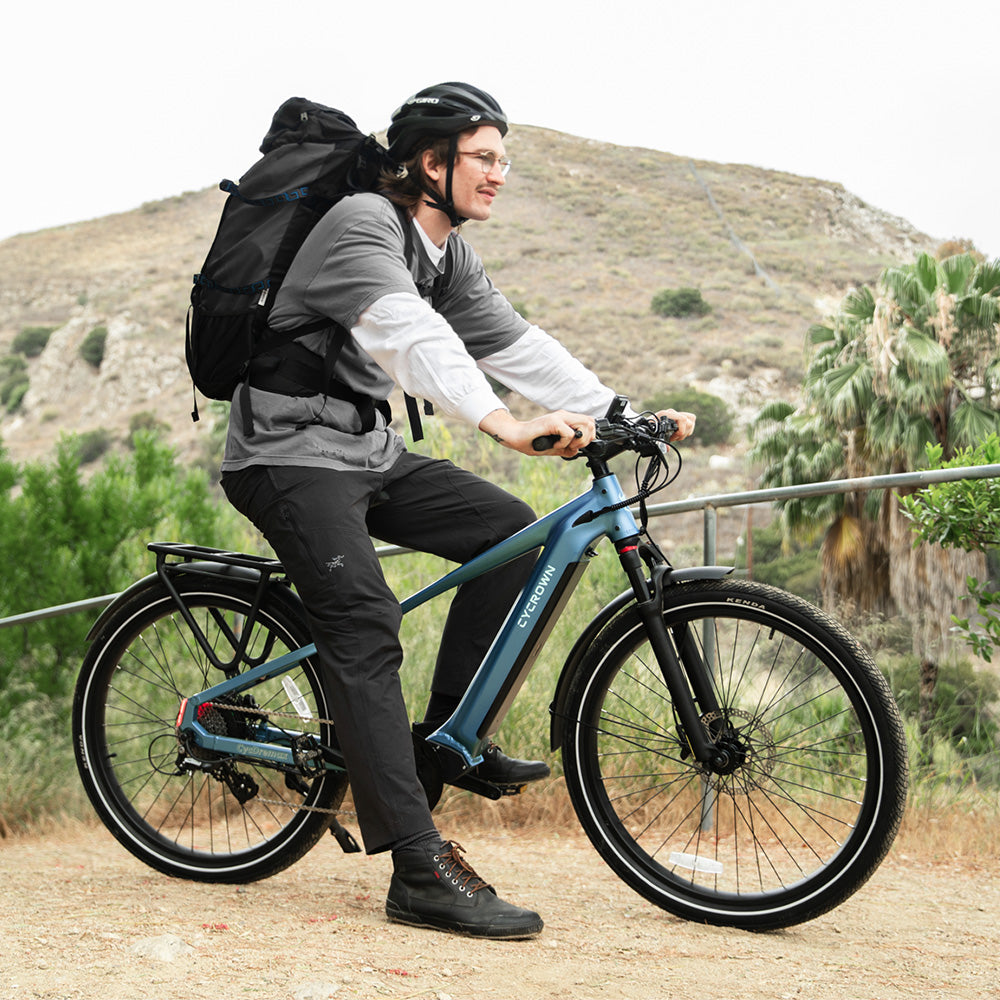

Learn electric bike braking tips for safer stops in traffic and on trails, with simple advice on brake use, speed, terrain, and daily ride control.
Brake Before You Need To
The most important electric bike braking tip is to slow down early, apply both brakes smoothly, and adjust your braking before the road or trail forces you to react. E-bikes are heavier and often faster than traditional bicycles, so riders need more space, better timing, and calmer brake control.
This matters whether you are riding through downtown Austin, along the Chicago Lakefront Trail, around a college campus, or on gravel paths near state parks. Traffic, pedestrians, trail users, potholes, wet leaves, and loose dirt can all change how quickly your e-bike stops.
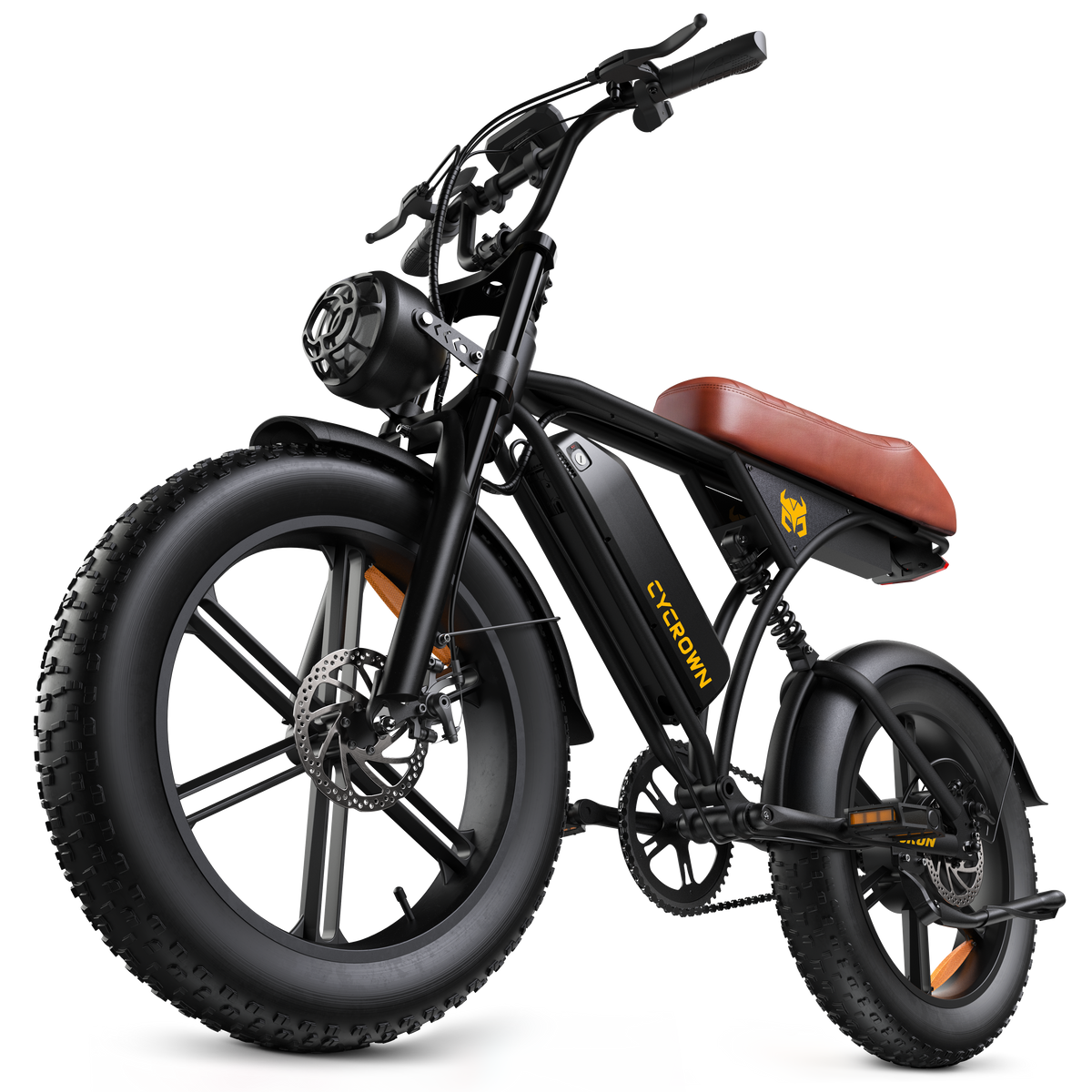
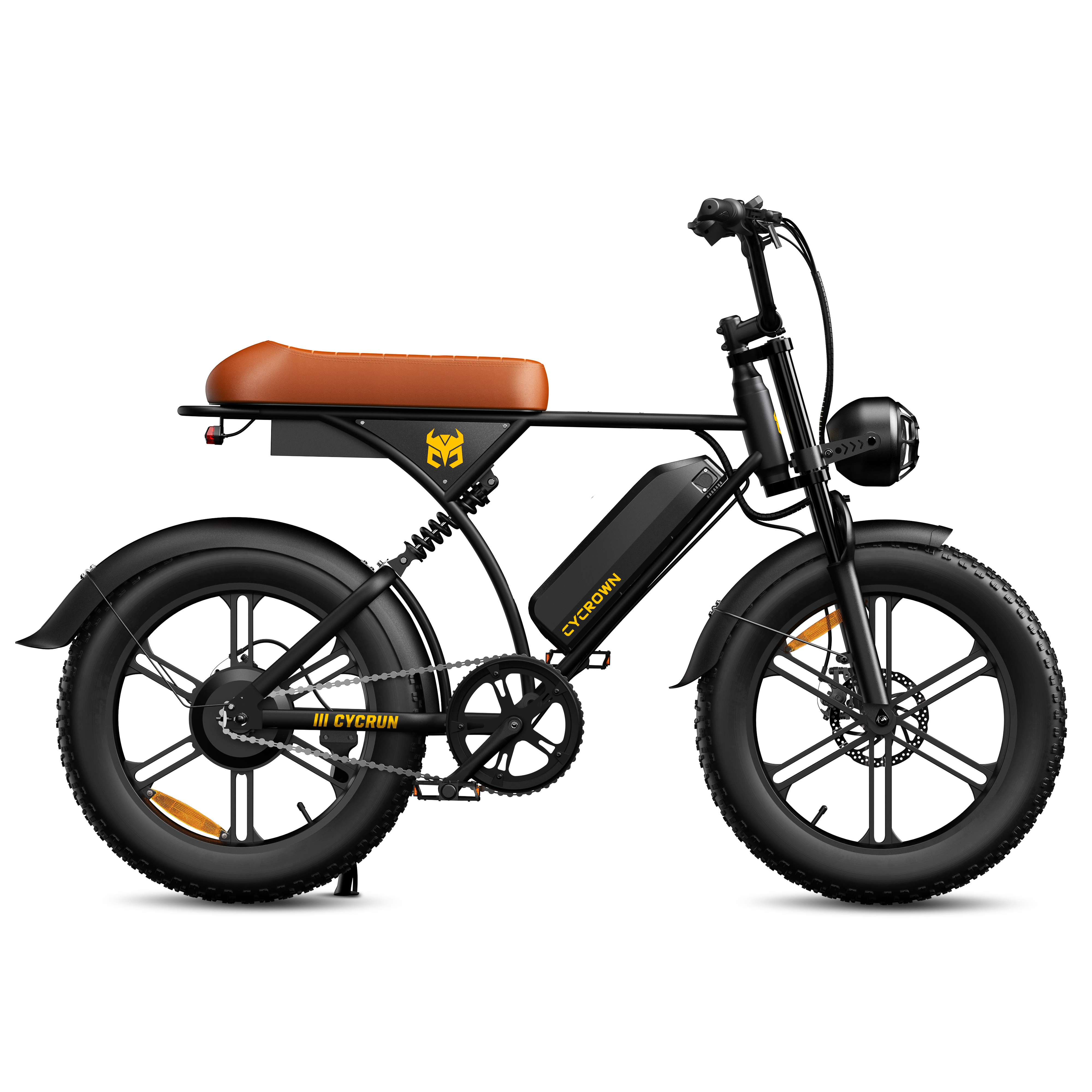
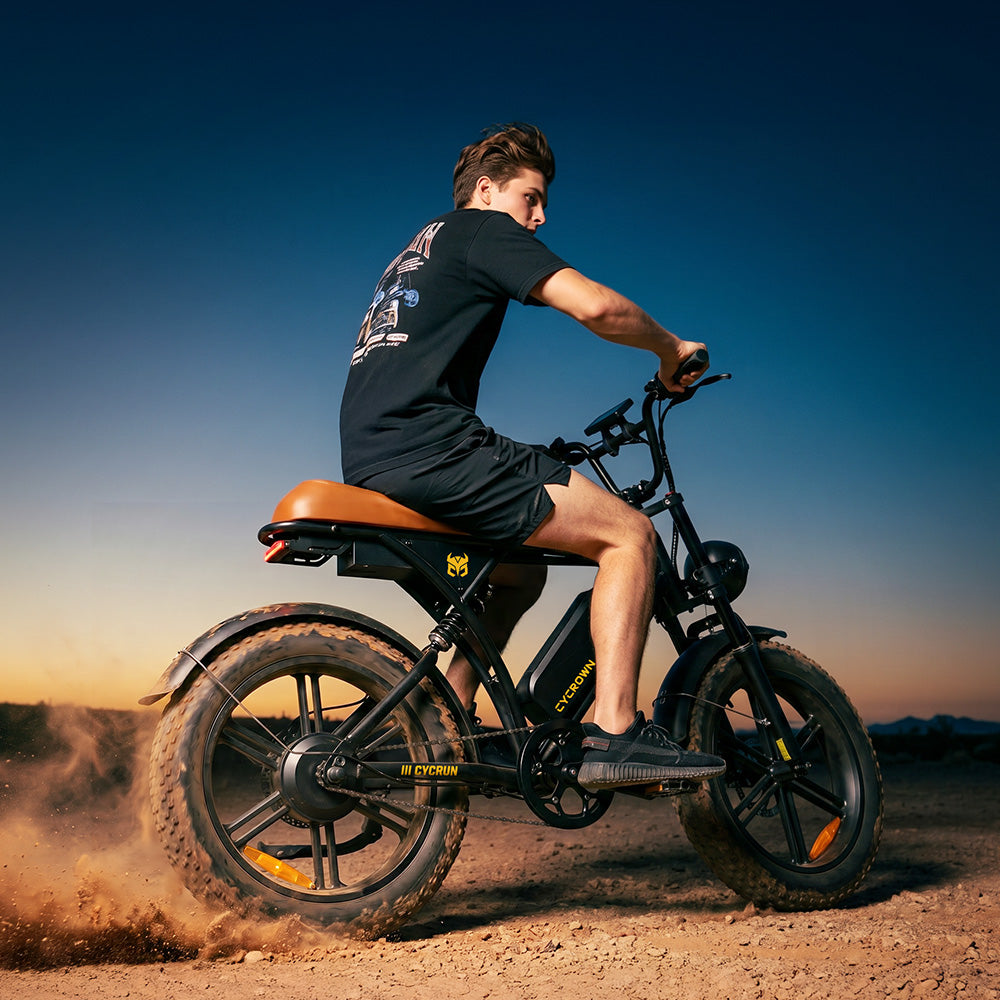
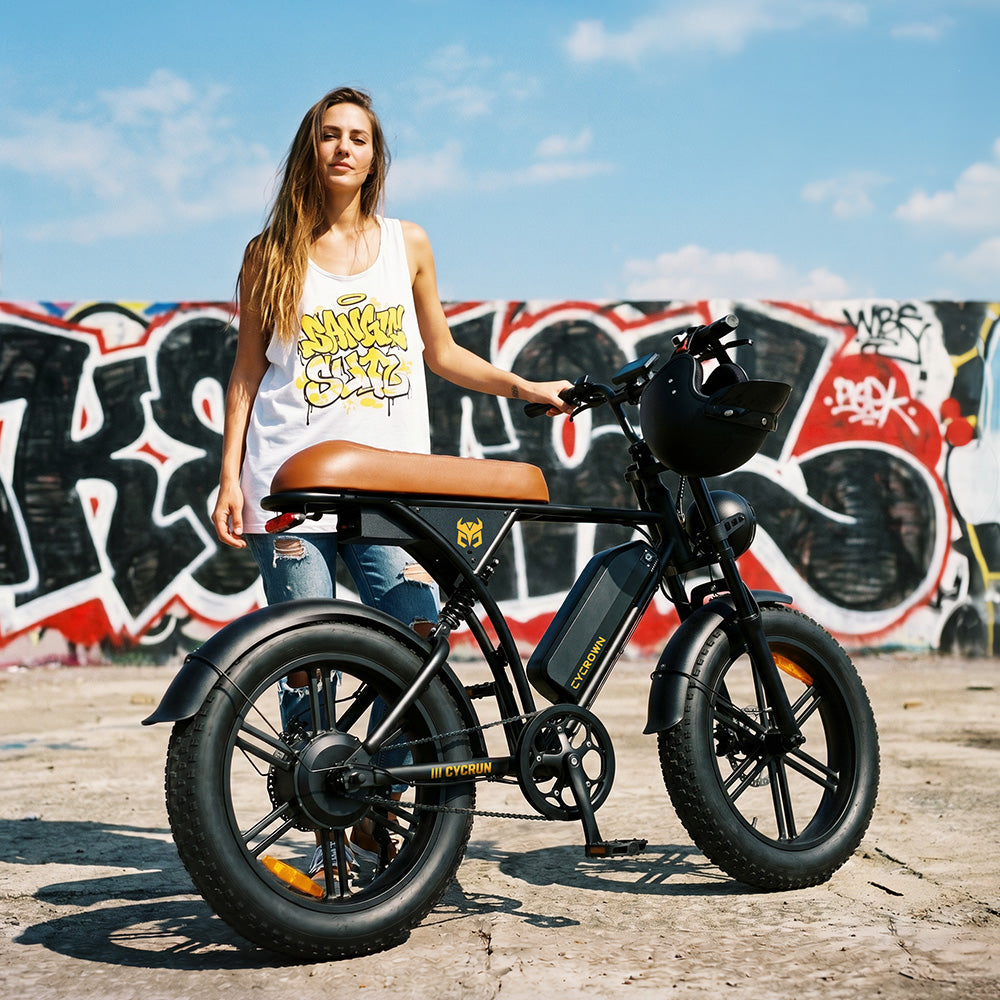
CYCROWN’s electric bike collection includes commuter, fat tire, moped-style, and all-terrain models. No matter which style you ride, braking technique is what keeps power, speed, and comfort under control.
Understand How E-Bikes Stop Differently
E-bikes often weigh more than standard bikes because of the motor, battery, frame, and accessories. That extra weight can increase stopping distance, especially on downhills, wet roads, or loose surfaces.
Speed also changes the equation. If you are using pedal assist on a city street or trail, you may be moving faster than you realize. A stop that feels easy at 10 mph can feel very different at 20 mph.
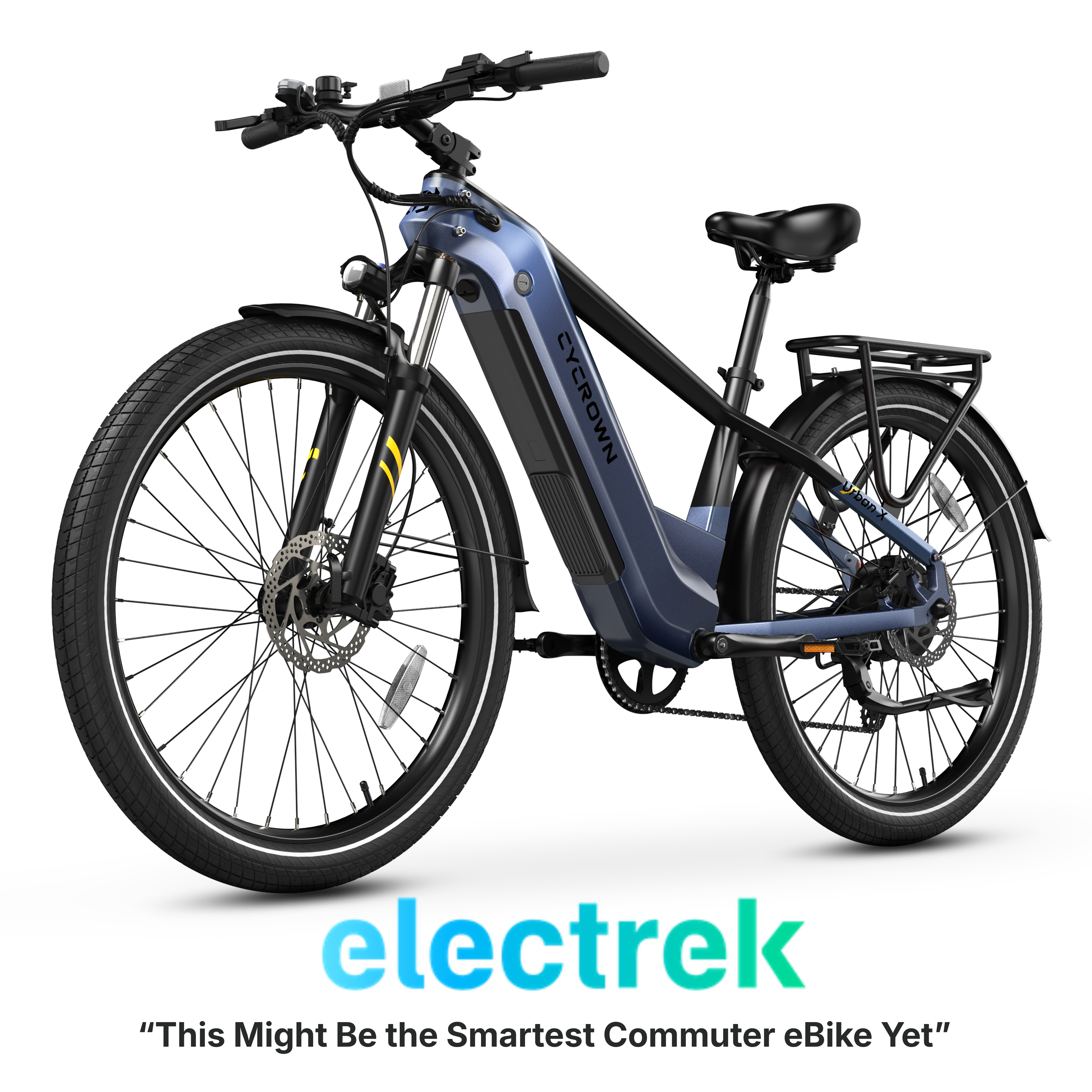
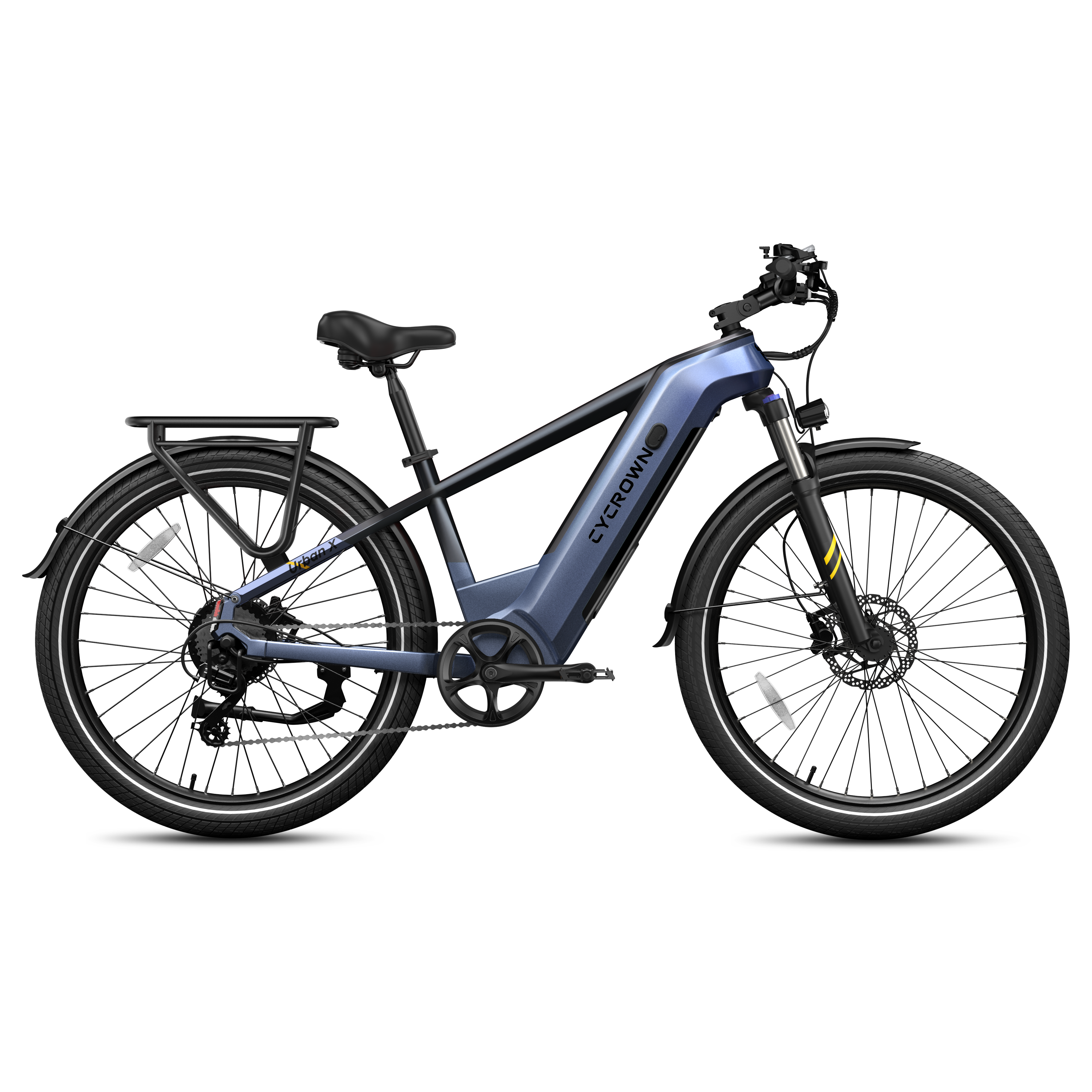
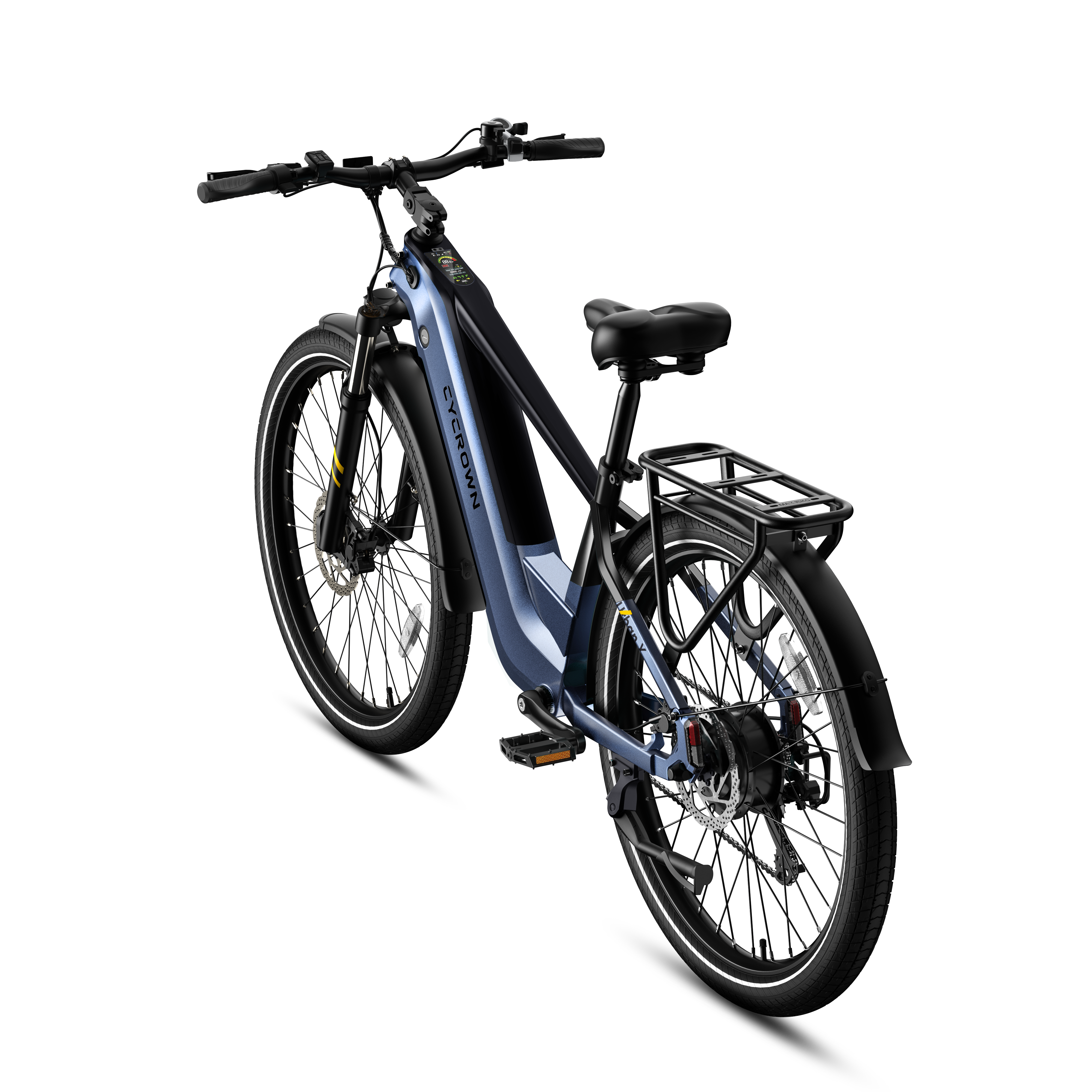
For commuters, a model like the CYCROWN Urban X Commuter Ebike is designed for daily riding, with a 750W motor (1000W peak), a 960Wh battery, up to 90 miles of range, and a 28 mph top speed. These features support longer rides, while safe stopping still depends on rider awareness and proper brake control.
Use Both Brakes Smoothly

Most e-bikes have front and rear brakes. The front brake provides strong stopping power, while the rear brake helps with control and stability. Beginners sometimes rely too much on one brake, but balanced braking usually feels safer and smoother.
Apply the brakes gradually instead of grabbing them suddenly. Sudden braking can shift your weight forward, make the rear wheel feel light, or cause a skid on loose ground.
A simple habit helps: squeeze, do not yank. Start with light pressure, then increase smoothly as the bike slows.
Practice in a Quiet Area
Before testing your braking in traffic, practice in a calm space. An empty parking lot, quiet street, or wide park path works well. Try stopping from different speeds and notice how much space you need.
This is not glamorous training, but it is the kind that saves you when a car door opens or a pedestrian steps into the bike lane.
Brake Earlier in Traffic
Traffic braking is about timing. In city riding, riders should slow before intersections, crosswalks, driveways, and parked cars. Waiting until the last second makes the ride feel tense and gives you fewer options.
Watch for turning vehicles, delivery trucks, rideshare stops, and pedestrians looking at phones. In cities like New York, Los Angeles, Seattle, or Boston, the biggest braking moments often happen near intersections and curbside activity.
Leave space between yourself and cars. If a vehicle stops suddenly, you need enough room to brake without panic. Predictable braking also helps riders behind you understand what you are doing.
Slow Down Before Turns
One of the easiest ways to lose traction is braking hard while turning. This is especially true on gravel, wet pavement, painted road lines, metal plates, sand, and leaves.
Try to finish most of your braking before the turn. Enter the corner at a comfortable speed, keep your body relaxed, look through the turn, and accelerate gently once the bike is stable again.
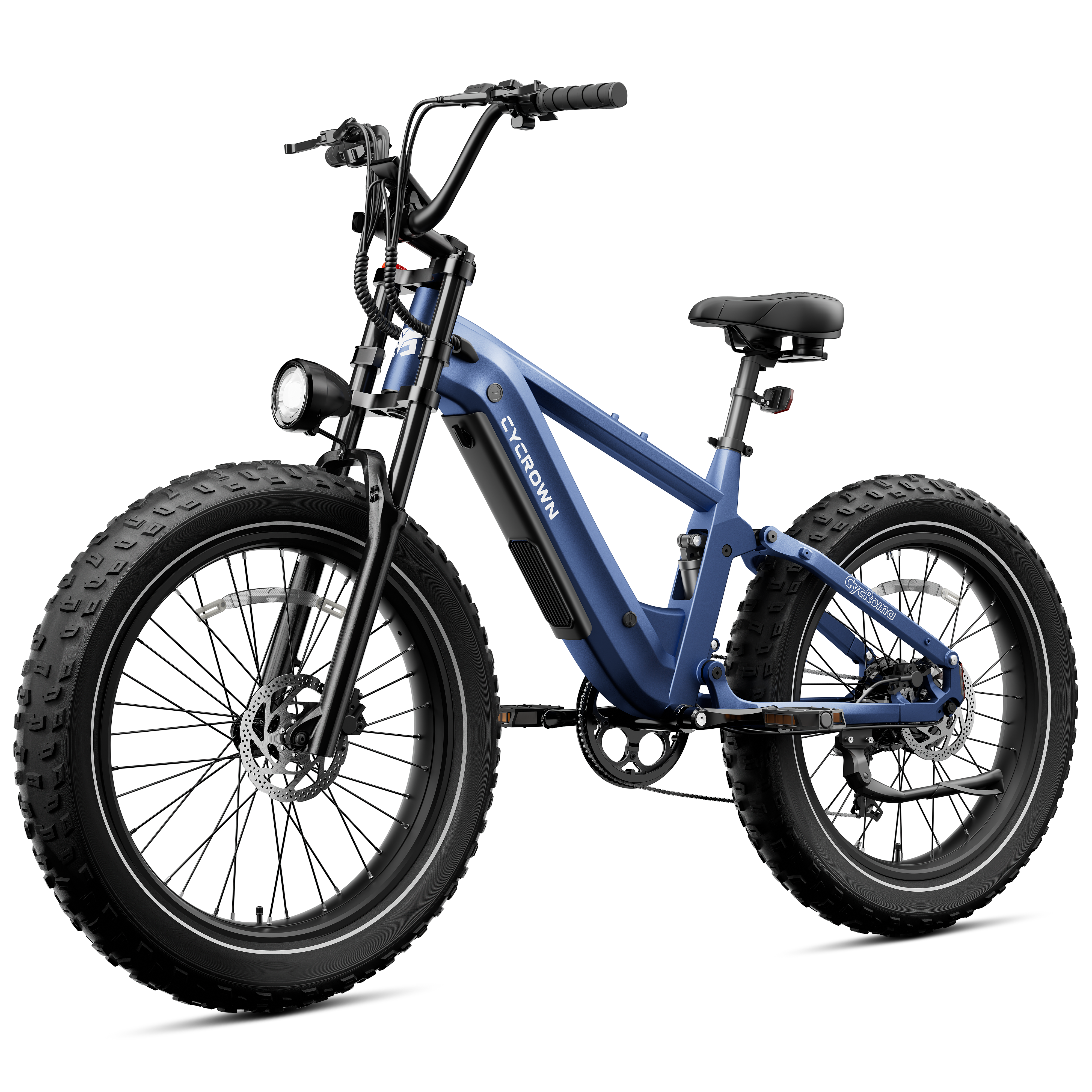
For riders who use mixed surfaces, the CYCROWN Roma All-Terrain Ebike is a useful example of a bike built for rougher conditions. It lists 1500W peak power, a 960Wh Samsung battery, 90 miles of range, and full-suspension comfort. Even with better equipment, turning and braking still need a calm touch.
Adjust Braking for Trails and Gravel
Trail braking is different from traffic braking. On dirt, gravel, or packed trails, the ground can move under your tires. If you brake suddenly, the wheels may slide instead of gripping.
Use lighter brake pressure and give yourself more distance. Keep your body centred, bend your elbows and knees, and look ahead so you can slow before obstacles. Rocks, roots, ruts, and loose gravel all require earlier decisions.
CYCROWN’s Best All-Terrain eBikes of 2026 is a helpful read for riders comparing bikes for rougher surfaces, because braking, tire grip, range, and suspension all work together on mixed terrain.
Let Tires Help You Stop
Your brakes slow the wheels, but your tires grip the ground. If the tires are worn, underinflated, overinflated, or wrong for the surface, stopping becomes harder.
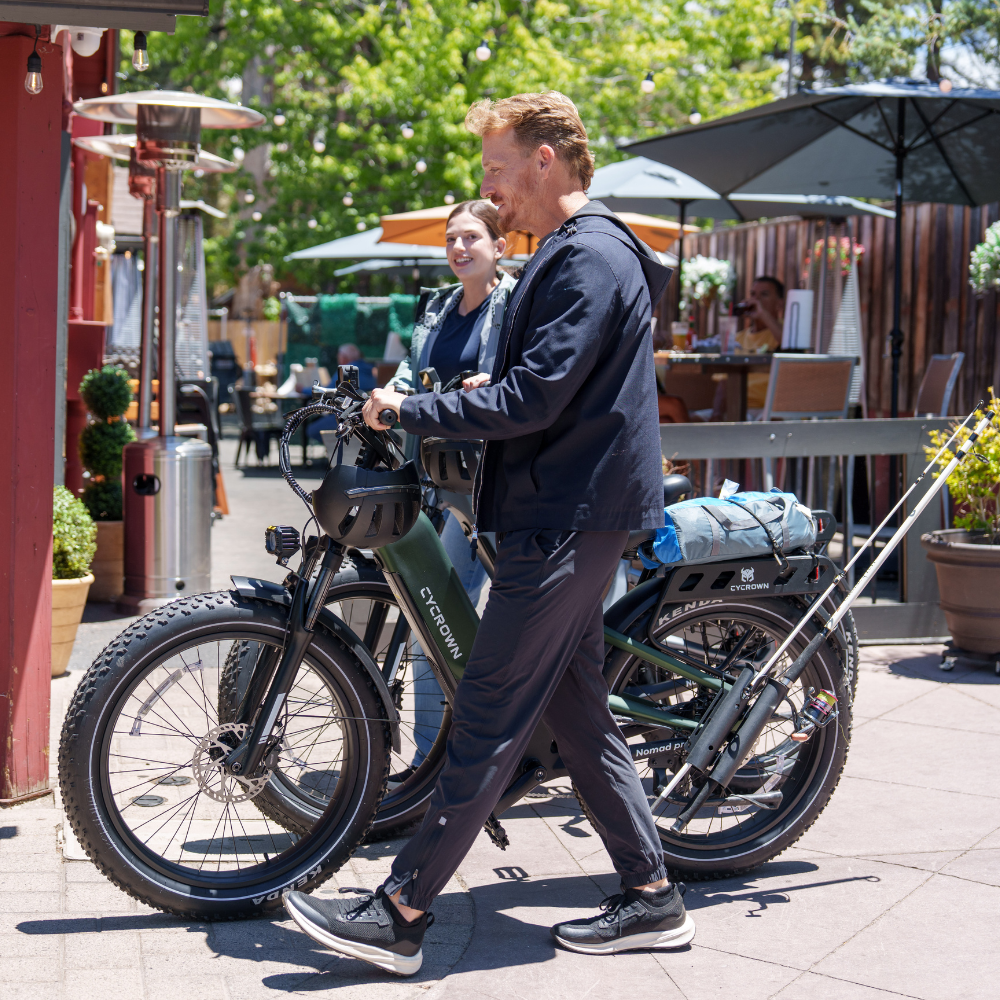
Fat tire e-bikes can feel more stable on gravel, dirt, sand, and rough pavement because wider tires create more contact with the ground. The CYCROWN Nomad Pro Fat Tire Ebike lists 1000W peak power, a 960Wh battery, 90 miles of range, and 28 mph top speed, making it a practical example for riders who want more grip and comfort on mixed routes.
Check tire pressure regularly and inspect tread for wear. A strong braking system cannot do much if the tires cannot hold traction.
Brake Differently Downhill

Downhill braking needs patience. If you let speed build too much, you may need harder braking later. Instead, control your speed early and use gentle, steady braking.
Avoid dragging the brakes constantly for long descents. On longer hills, alternate pressure and give the bike time to stay controlled. Keep your weight slightly back, stay relaxed, and look ahead.
This matters on hilly streets in San Francisco, mountain towns, or trail routes where the descent is longer than expected. Downhill speed can sneak up quietly, like it is paid rent.
Watch Weather and Surface Changes
Wet roads increase stopping distance. Painted lines, metal grates, leaves, sand, and oily pavement can reduce grip. In colder months, braking can also feel different if roads are damp or gritty.
CYCROWN’s guide to winter riding tips for e-bike riders is useful for riders who commute or ride year-round. Winter conditions require slower speeds, better visibility, and more careful braking.
After rain, test your brakes gently before riding at normal speed. If they feel weak, noisy, or uneven, inspect them before continuing.
Keep Your Brakes Maintained
Good technique depends on equipment that works. Before daily rides, test both brakes at low speed. Listen for scraping, squealing, rubbing, or a soft brake lever feel.
If your brakes feel different than usual, do not ignore it. Brake pads wear down, cables can stretch, hydraulic systems may need service, and rotors can get dirty or misaligned.
The CYCROWN ROMA Electric Bike User Guide is useful for understanding setup, ride modes, gearing, and safe operation. For any brake adjustment beyond a simple check, follow the manual or get help from a qualified bike mechanic.
Stop With Confidence
Safe e-bike braking is not about squeezing harder. It is about braking earlier, staying relaxed, using both brakes smoothly, reading the surface, and keeping your bike maintained.
For city commuters, braking gives you space to handle traffic calmly. For trail riders, it helps you stay balanced over loose or uneven ground. The better your braking habits become, the less dramatic your rides feel, which is exactly the point.
What E-Bike Riders Usually Ask
What are the most important electric bike braking tips?
Brake early, use both brakes smoothly, slow before turns, leave more stopping distance, and adjust your braking for wet roads, gravel, hills, and traffic.
Should I use the front or rear brake more?
Use both brakes together. The front brake provides strong stopping power, while the rear brake helps with stability. Avoid grabbing either brake suddenly.
Why does my e-bike take longer to stop?
E-bikes are often heavier and faster than traditional bikes, which can increase stopping distance. Rider weight, speed, tires, weather, and brake condition also matter.
How should I brake on gravel trails?
Brake earlier and more gently. Avoid hard braking while turning, keep your body relaxed, and choose a stable line before entering loose sections.
How often should I check my e-bike brakes?
Check brake response before every ride. Inspect pads, rotors, cables, or hydraulic feel regularly, especially if you ride daily or on rough terrain.


