



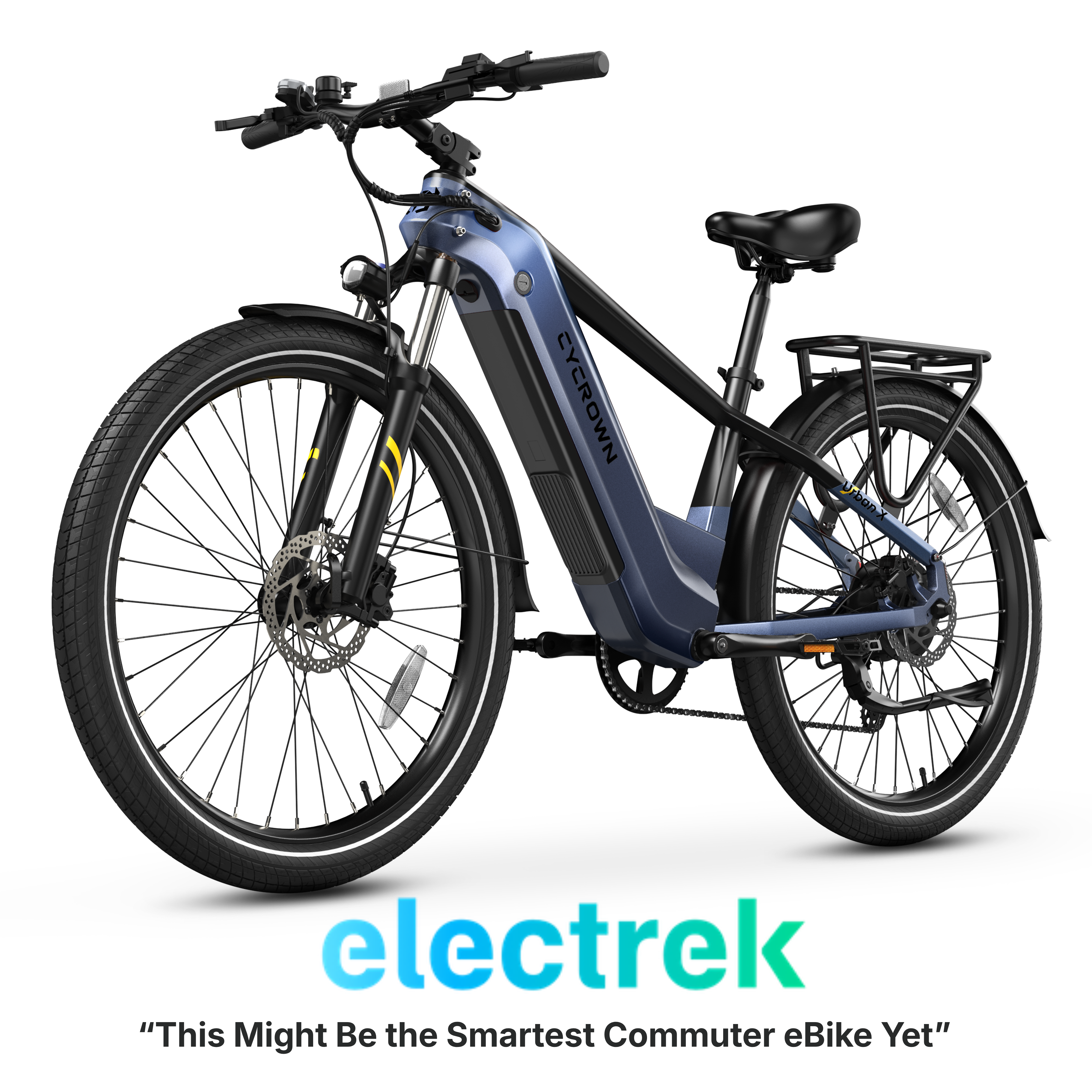
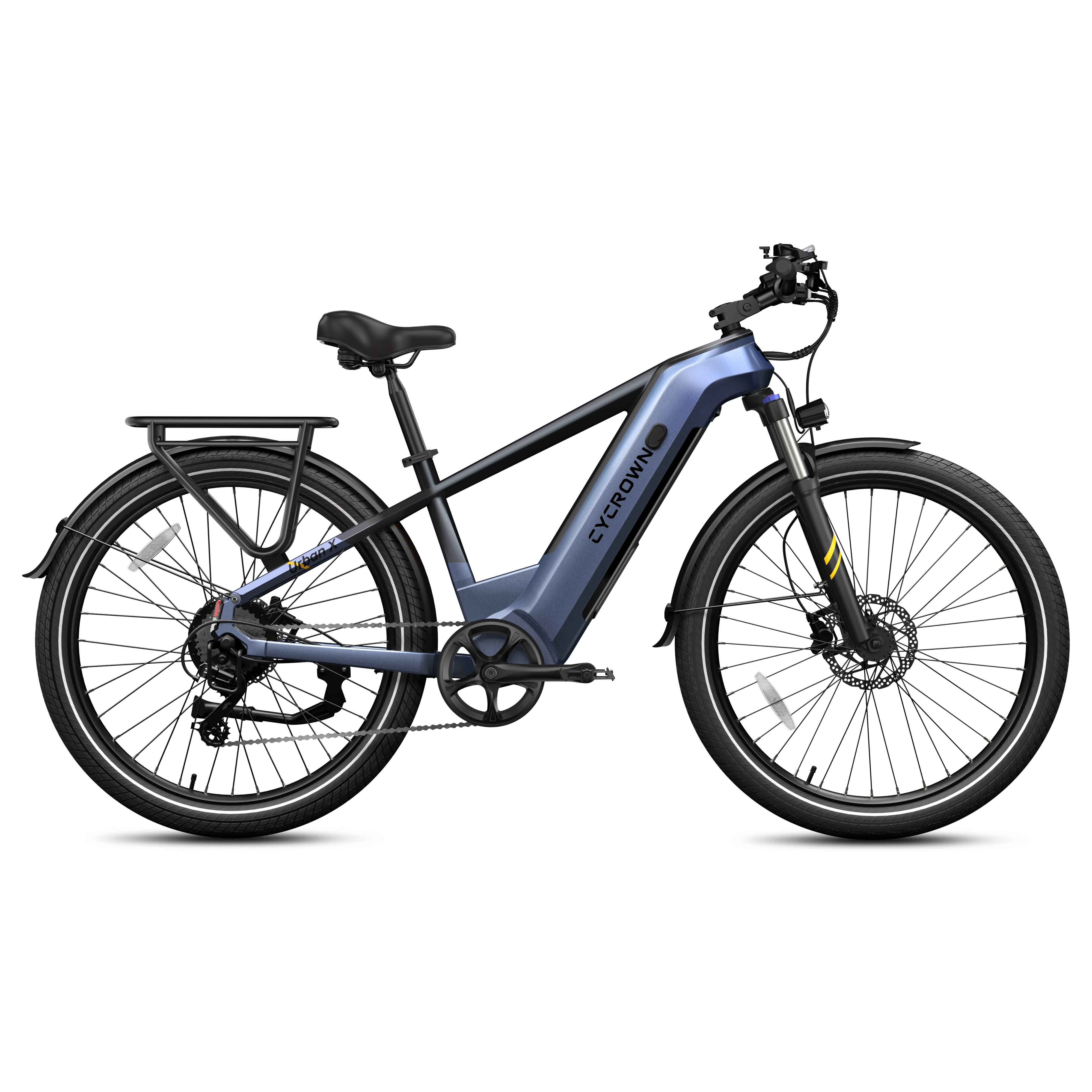
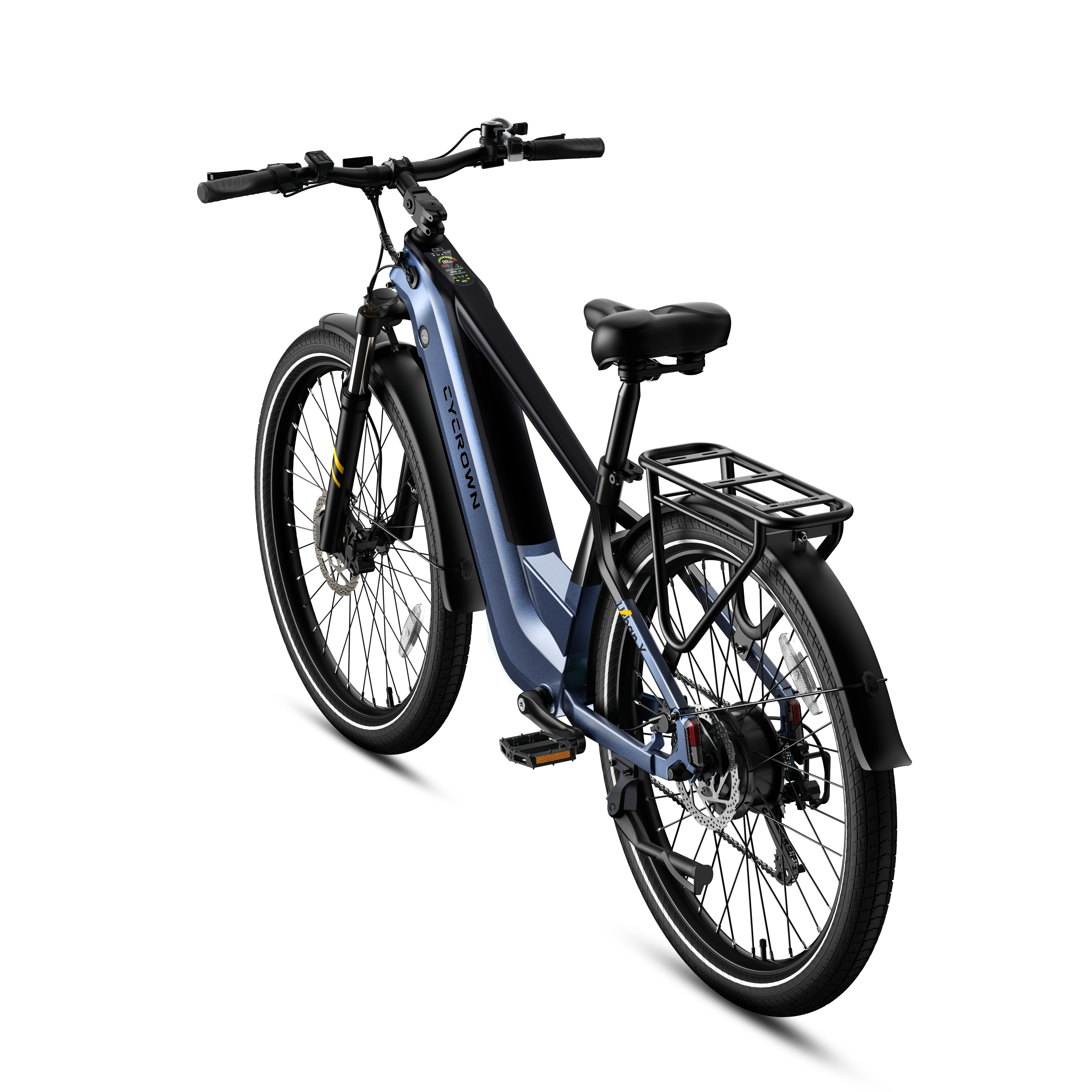








Display On, Wheels Still? Here's the Quick Answer
If your e-bike turns on but won't move, the cause is usually simple: a loose battery connection, a brake sensor cutting power, a wrong assist setting, or a loose cable. A failed motor is much less common. Most initial checks take only a few minutes, and you don't need special tools.
A lit display only proves a small amount of power reaches the screen. This e-bike troubleshooting guide goes from the easiest checks to the harder ones, so you can fix an e-bike that turns on but won't move.
Why Does an E-Bike Turn On but Won't Move?
The battery supplies power, the controller is the brain, the sensors and throttle give instructions, and the motor does the work.
Power Is Not the Same as Permission
The screen needs little electricity, but the motor needs strong current and a clear "go" signal. A weak contact, a brake cutoff, or a wrong mode can block that signal while the display looks normal. That is why an e-bike can turn on without responding to the throttle or pedals.
Throttle Problems vs. Pedal-Assist Problems
Does the bike fail with the throttle, with pedaling, or both? If only the throttle fails, treat it as an e-bike throttle not working issue and check its settings and visible cable connections. If neither works, suspect the battery, a brake sensor, or the controller. This distinction helps narrow down why your electric bike has power but no movement.
Check the Battery and Its Connections
Start here, because e-bike battery problems are a common reason the motor won't respond.
Turn the bike off and remove the battery if your model allows it.
Check the contacts for dirt, corrosion, or visible damage. Wipe them dry with a clean cloth.
Reinstall the battery according to the manufacturer's instructions, making sure it is properly secured.
Check the charge level and consult your manual for charging guidance.
Cold temperatures can temporarily reduce battery performance, even when the display shows an adequate charge. If the battery is cold, allow it to return to the temperature range specified in the owner's manual before using or charging it.
For more tips on keeping your battery in good condition, read our guide to e-bike battery charging and maintenance.
Inspect the Brake Sensors and Cutoff System
Each brake lever usually has an e-bike brake sensor that cuts motor power when you squeeze. If a sensor sticks, shifts, or the brake cable is too tight, the controller may think you are braking all the time. Then your e-bike turns on but won't move.
Check whether the brake levers return fully to their normal positions.
Look for visible damage, pinched wires, or loose external connections.
If your bike uses a magnetic sensor, consult the owner's manual for the correct magnet alignment and clearance.
Avoid disconnecting brake sensors yourself. They are important safety features. If the motor remains disabled despite the levers appearing normal, have a qualified technician inspect the cutoff system.
Check the Throttle and Pedal Assist Settings
Settings are an easy place to start. If pedal assist not working persists at every level, the sensor needs a closer look.
Why Is My E-Bike Not Responding to the Throttle?
If your e-bike throttle not working is caused by a setting, check the assist level first, since level 0 may turn motor assistance off. Look for a throttle option and a speed limit set too low. Then inspect the plug for visible looseness and check that the cable isn't pinched.
Why Is My E-Bike Pedal Assist Not Engaging?
When pedal assist not working is the issue, suspect the pedal sensor. It reads a magnet disc near the crank, and if the disc is loose or misaligned, the controller may not detect that you are pedaling. Pedal a full turn or two, since many systems wait a moment before assisting. On a Nomad Pro or Urban X, consult the owner's manual for model-specific sensor information.
Look for Loose Cables and Display Error Codes
Vibration loosens connectors over time. With the power off, visually inspect accessible connections around the display, throttle, brake levers, and motor. Look for frayed cables, damaged insulation, or loose plugs. Avoid pulling wires or opening electrical components.
Next, read the screen. E-bike error codes tell you what the controller has detected, but meanings vary by brand. Write the code down and compare it with your manual. A code that keeps returning points to a sensor, cable, or controller fault, which could explain why the motor isn't responding.
When to Suspect an E-Bike Motor or Controller Problem

(EVO)
If simple checks fail, you may have an e-bike motor not working, or a sensor feeding it incorrect information.
Pay attention to these symptoms:
Unusual motor noises: Humming or clicking may indicate an electrical or mechanical issue.
No motor response: If the display works but the motor remains inactive, there may be a wiring, controller, or sensor fault.
Repeated error codes: Persistent warnings may point to a component that needs professional inspection.
Avoid performing powered motor tests or opening the motor yourself. A qualified technician can safely inspect the motor, controller, and electrical connections.
When Should You Take Your E-Bike to a Technician?
DIY e-bike troubleshooting is fine, but get help if you notice:
A burning smell, melted plastic, or unusual heat around the battery or plugs
A swollen, leaking, or visibly damaged battery
Water inside the display, controller, or motor
The same error code after checking accessible cables and settings
If the battery is swollen, leaking, unusually hot, or visibly damaged, stop using and charging the e-bike. Never open the battery casing or attempt to repair it yourself. Contact the manufacturer or a qualified service provider.
If your e-bike turns on but won't move after these checks, review your warranty and contact the seller first.
How to Prevent E-Bike Power and Motor Problems
Regular electric bike maintenance keeps small problems from stopping your ride.
Store the battery wisely. Follow the manufacturer's recommended storage temperature and avoid leaving it drained for extended periods.
Keep connectors dry. After a wet ride, wipe accessible external connections and let the bike dry. CYCROWN’s post-ride routine for e-bike care explains how.
Rinse off salt carefully. Winter road salt can corrode electrical contacts. Follow your manufacturer's cleaning instructions and avoid spraying water directly onto electrical components.
Back on the Road: Your Quick Fix Checklist
When an e-bike turns on but won't move, work from simple to complex: battery, brake sensors, settings, cables and error codes, then a possible motor or controller fault. If you notice unusual heat, battery damage, water intrusion, or repeated error codes, let a technician take over. Good e-bike troubleshooting starts with simple checks, and regular care helps keep your e-bike running smoothly.
What E-Bike Riders Want to Know
Why does my e-bike turn on but not accelerate?
Usually an active brake cutoff, an incorrect assist setting, or a loose battery or cable connection.
Can a bad battery cause an electric bike not moving?
Yes, a worn or cold battery can light the display but fail to provide sufficient power to the motor.
Is it safe to unplug an e-bike brake sensor to test it?
It is not recommended. Brake cutoff sensors are important safety features. Have a technician inspect a suspected faulty sensor rather than disconnecting it.
How do I know if the motor is the problem?
If the battery, settings, and accessible connections appear normal but the motor still won't respond, ask a qualified technician to inspect the motor and controller.
Can an e-bike display work even if the battery is faulty?
Yes. The display may receive enough power to turn on even when the battery cannot supply sufficient current to the motor.


