














Load Up and Go: Moving Your E-Bike the Smart Way
The best way to transport an e-bike by car is to choose a compatible rack, prepare the e-bike according to the manufacturer's instructions, and secure it so nothing can move. A suitable rack, careful preparation, and a final safety check help your bike arrive ready to ride. Whether you're heading to a state park, a lake, or a friend's house, preparation makes the journey easier. Still choosing a destination? Explore CYCROWN’s beginner-friendly e-bike routes.
What to Know Before Transporting an E-Bike by Car
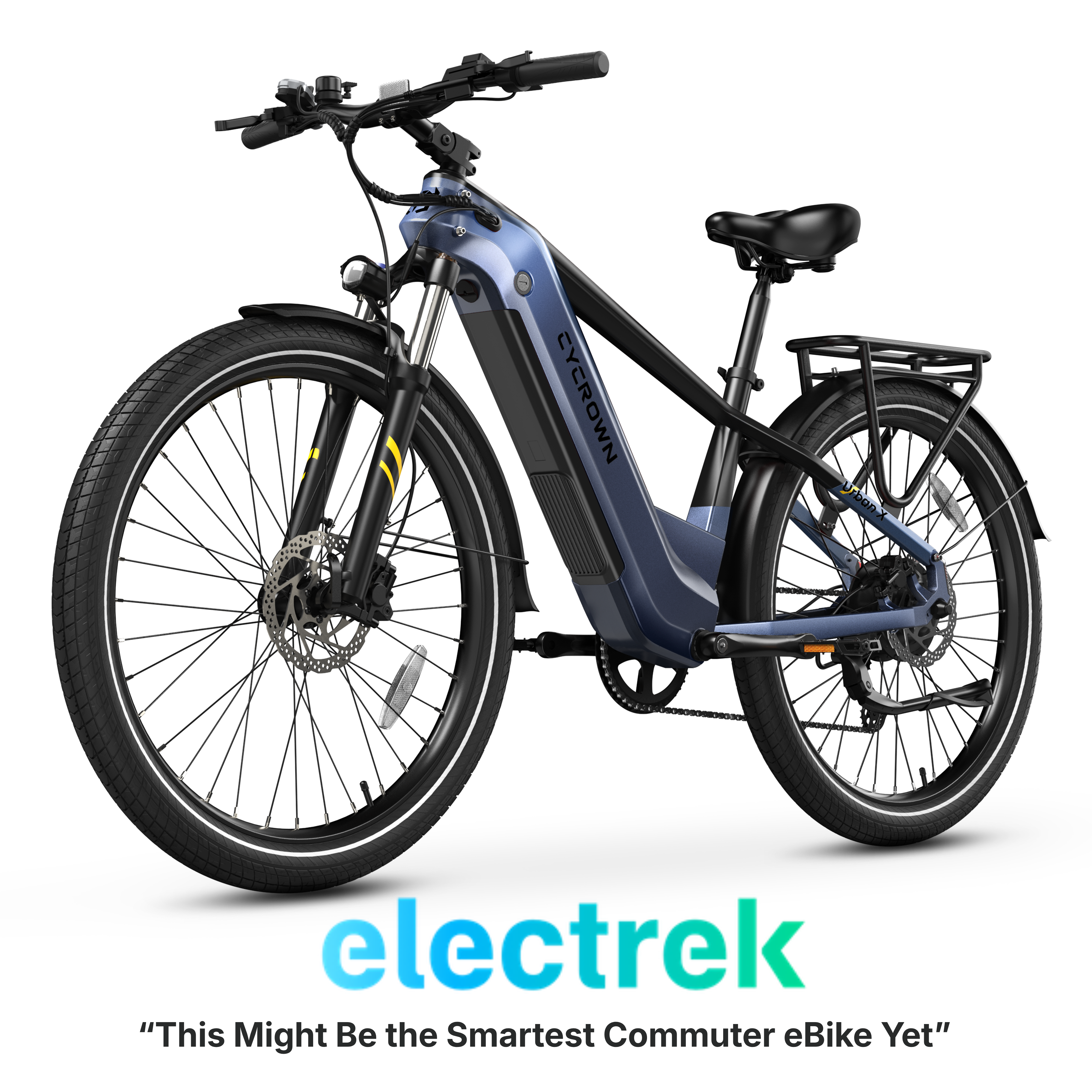
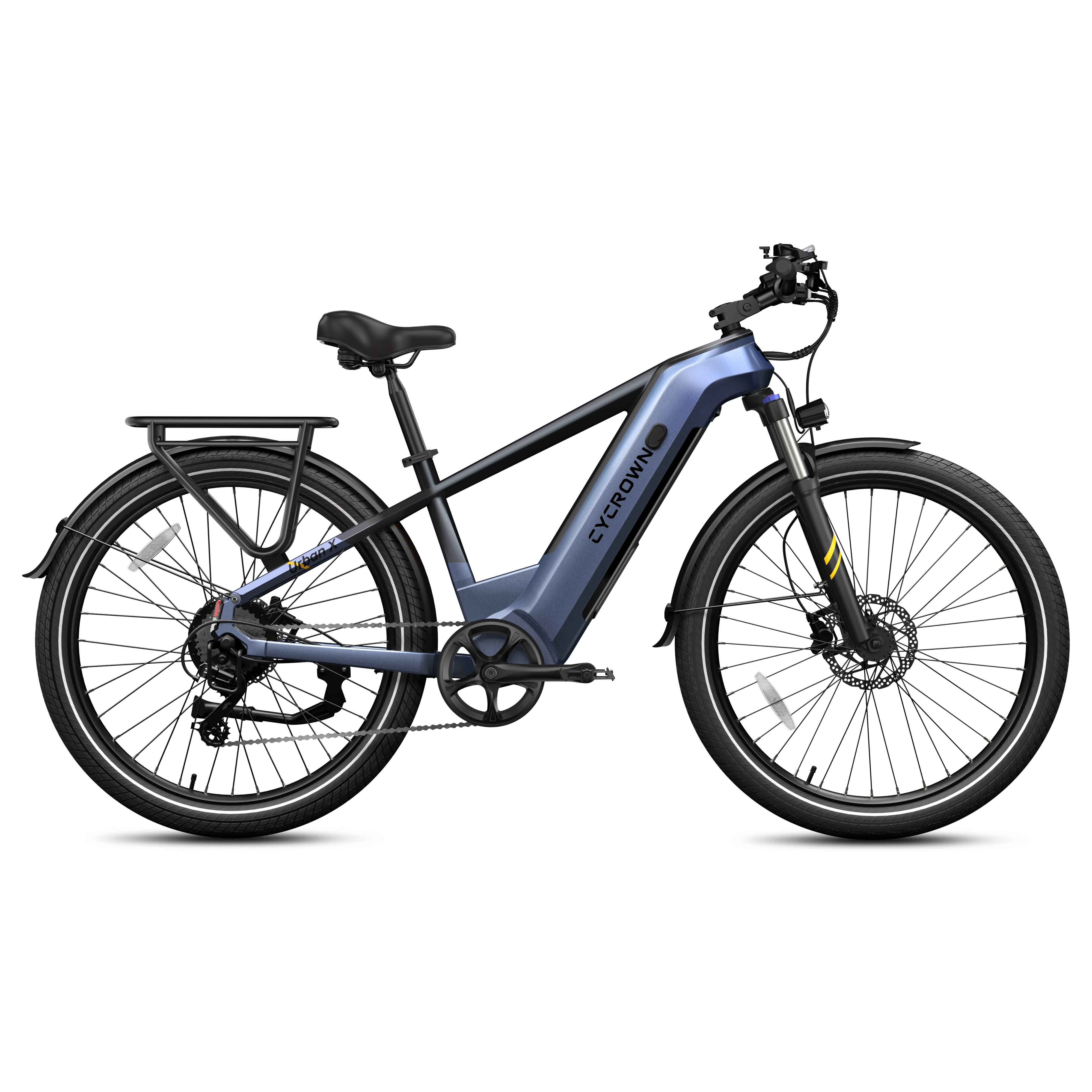
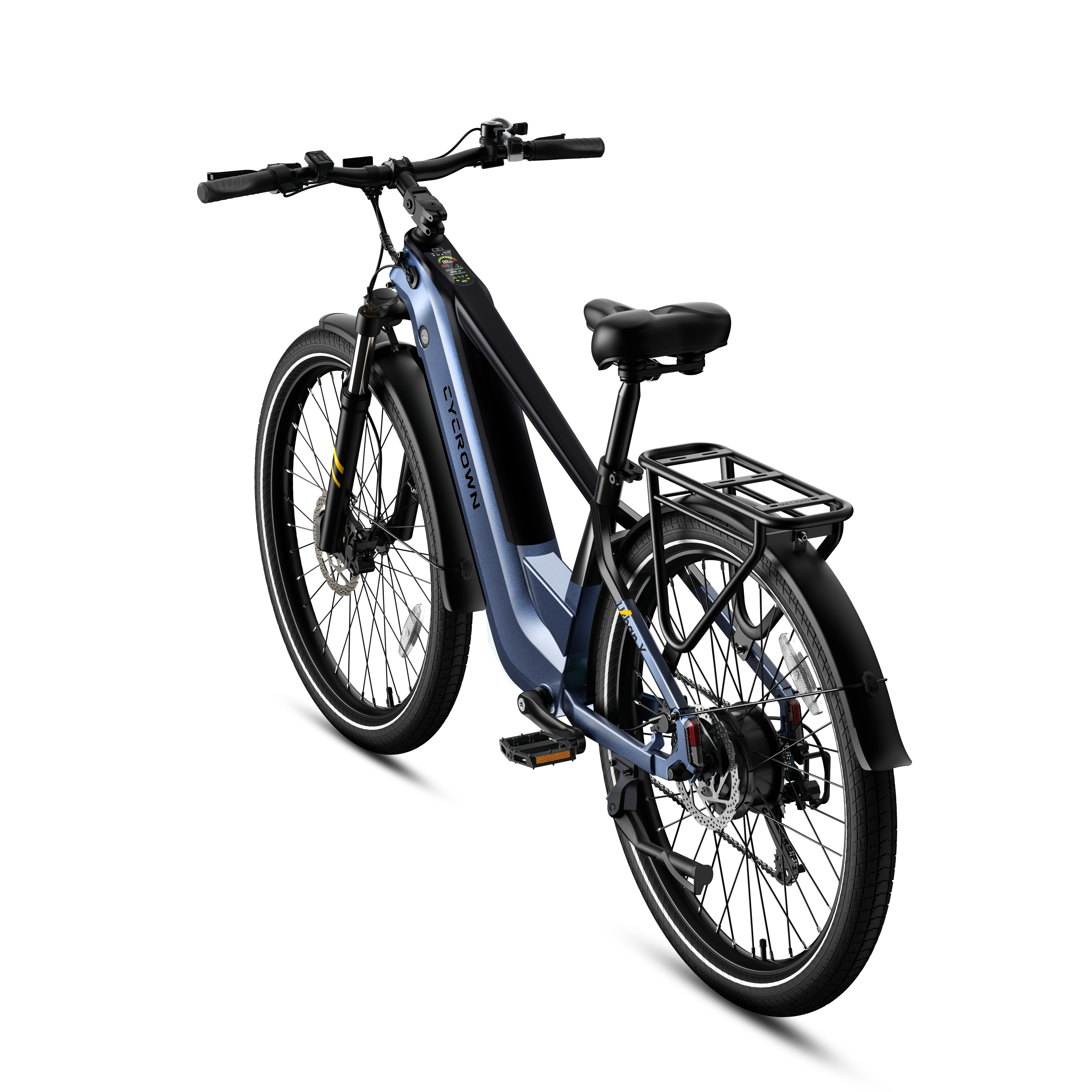
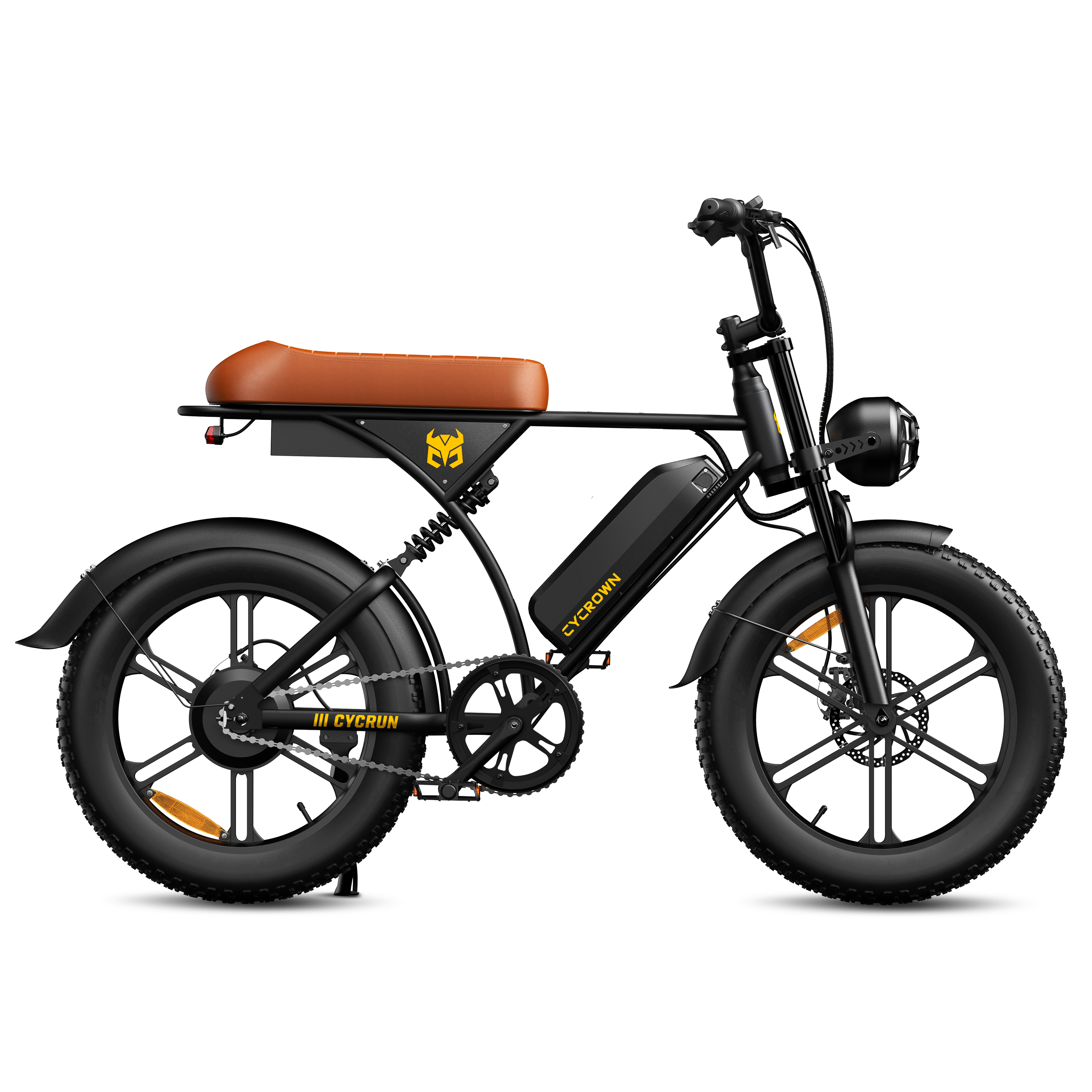
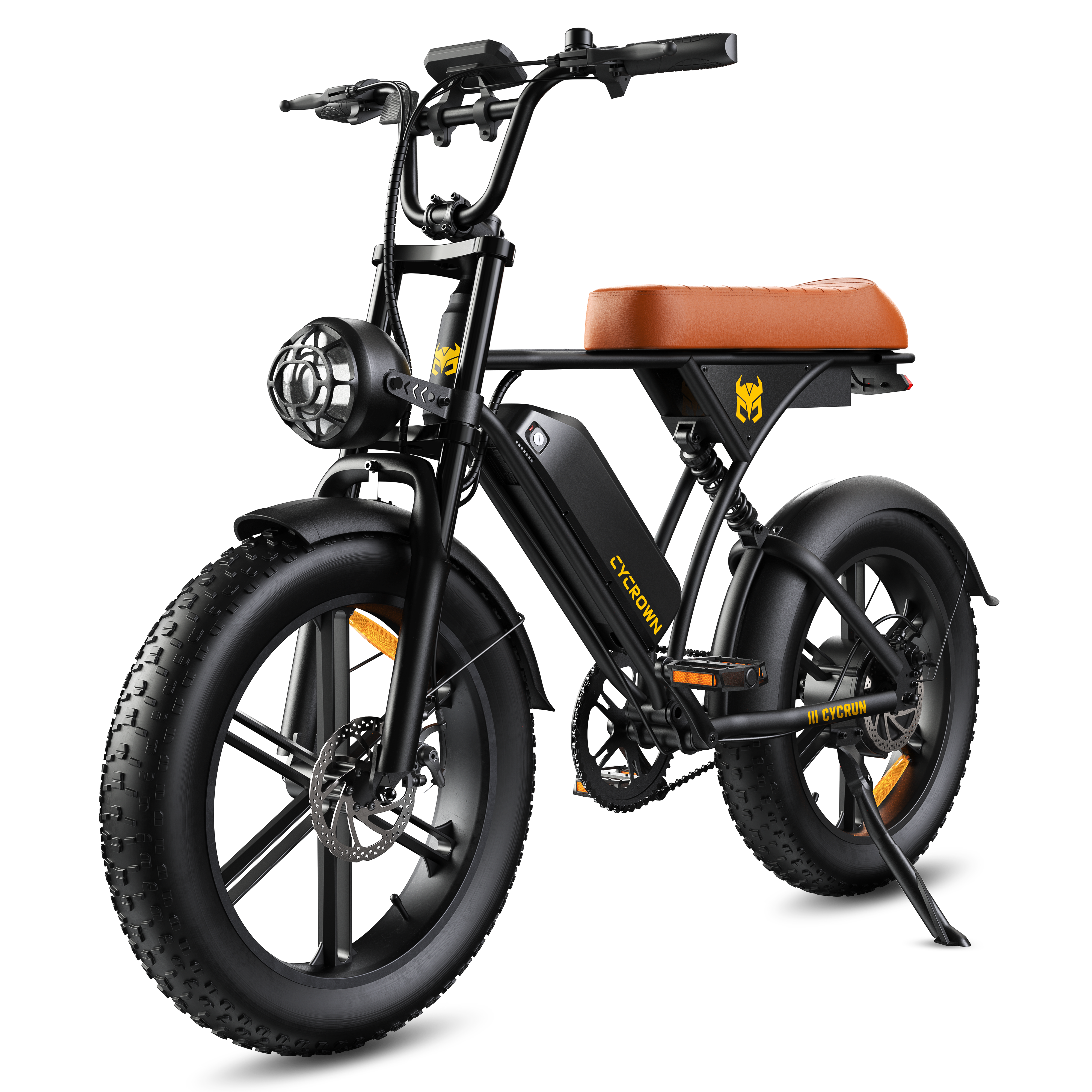
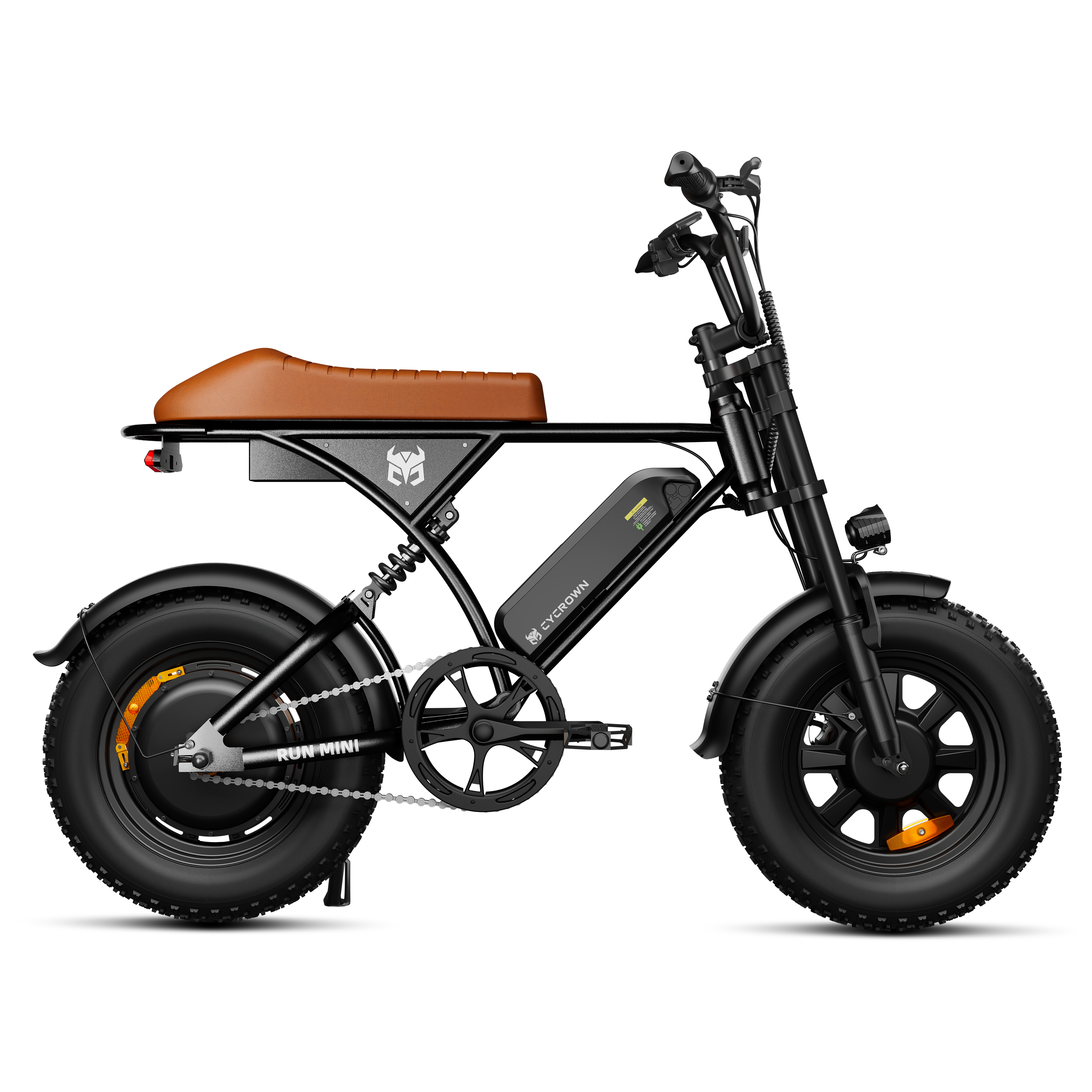
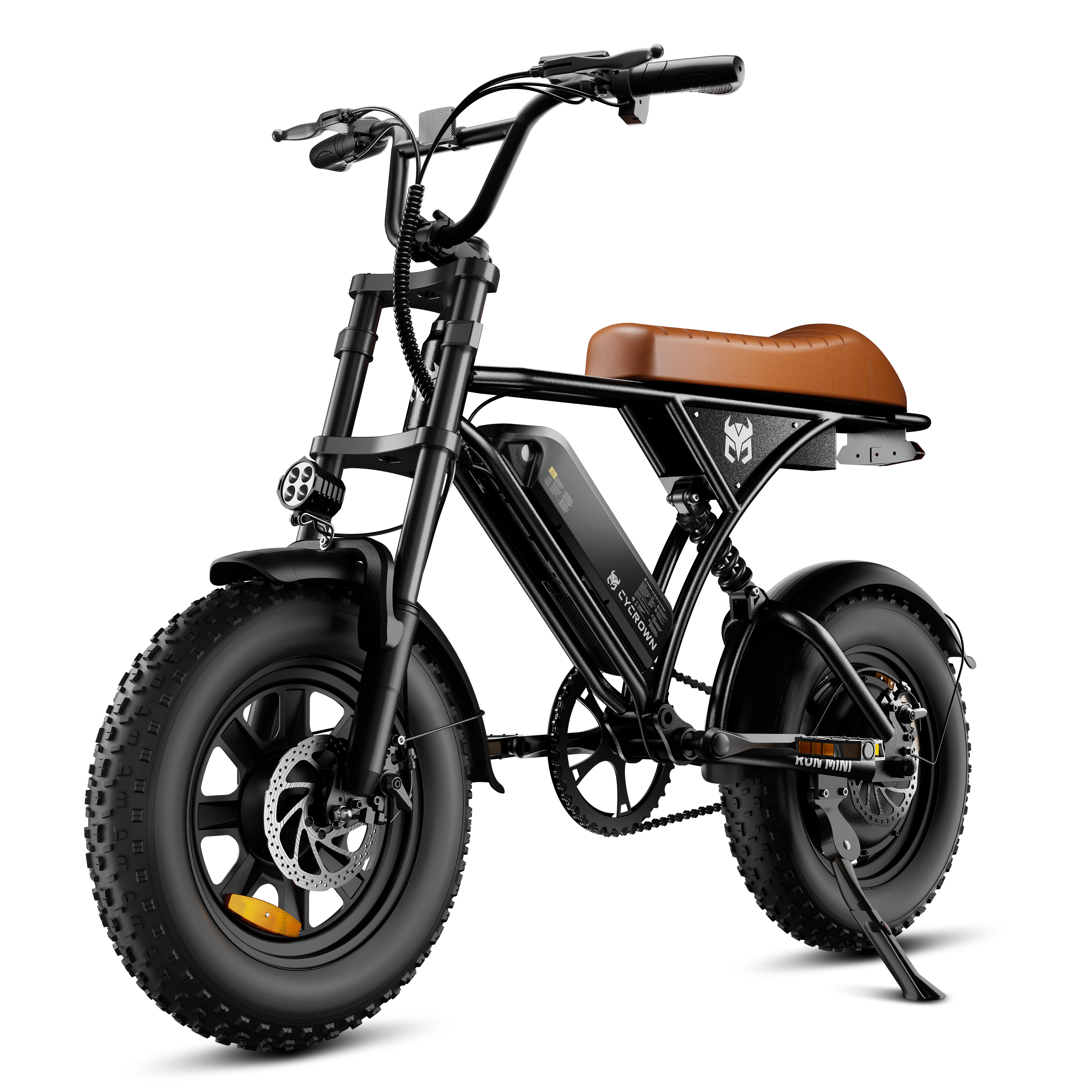
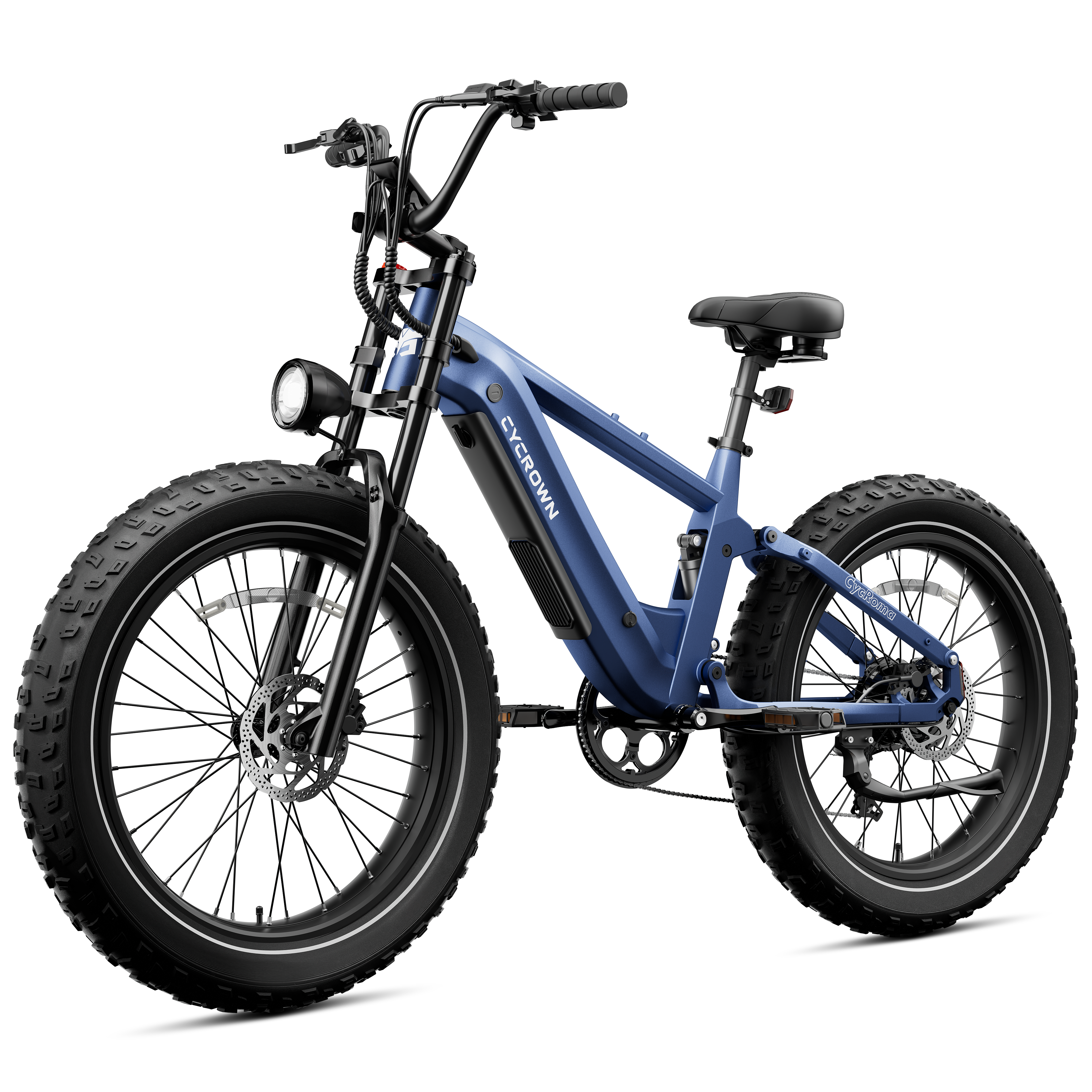
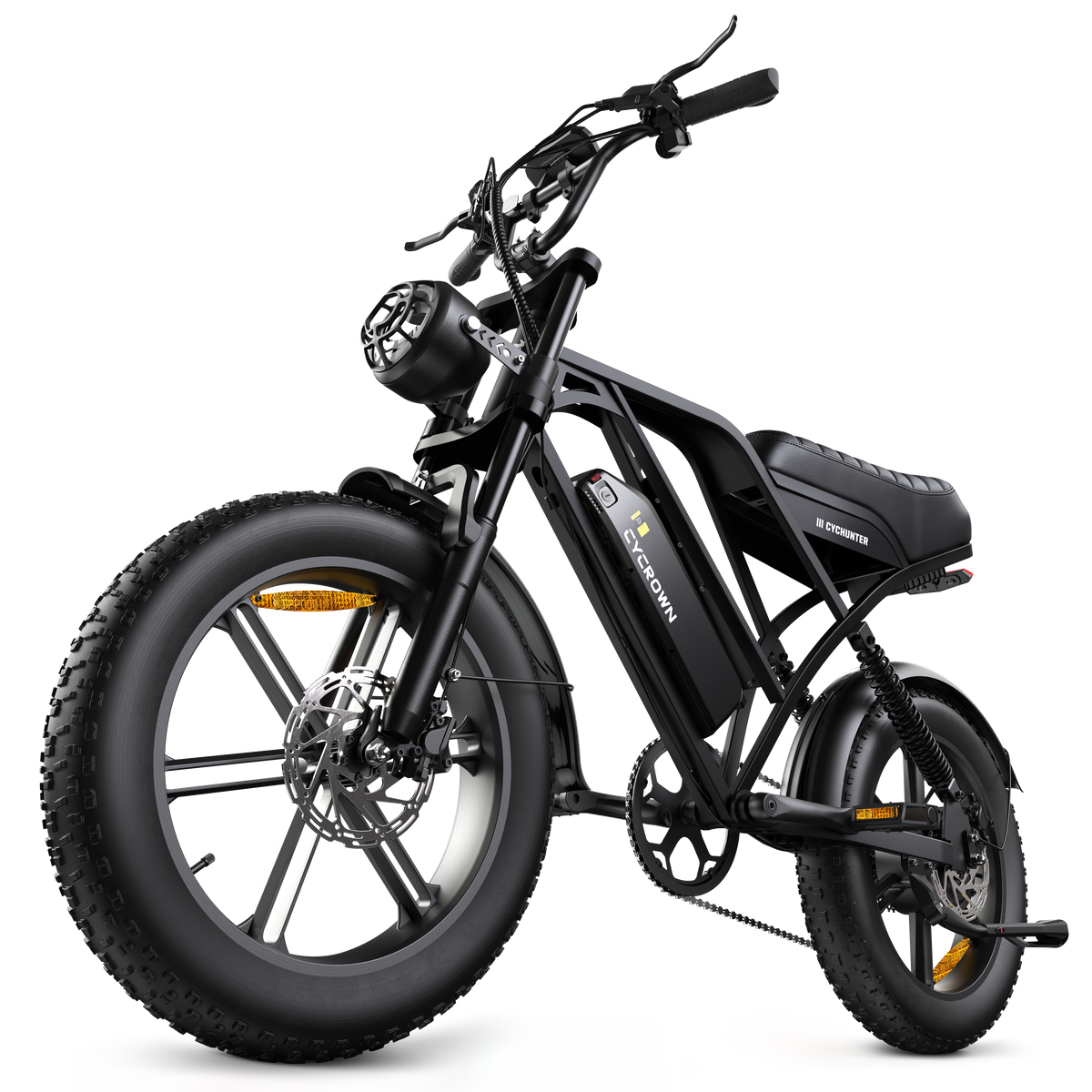
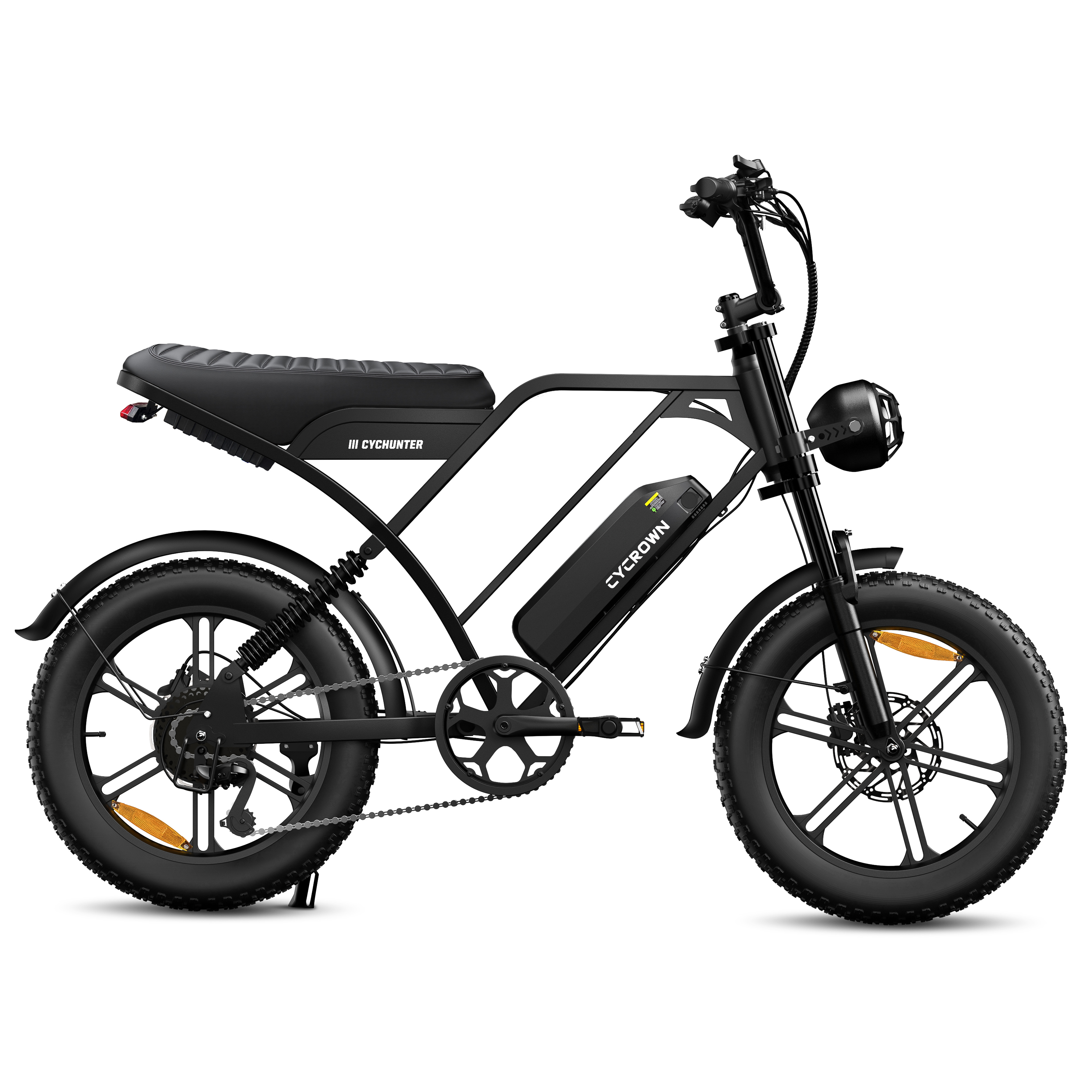
Transporting an electric bike by car requires more planning than carrying a conventional bicycle. Many e-bikes weigh 70 to 90 pounds or more, while others are lighter. Fat-tire and moped-style models may also have wider tires and longer frames that affect rack compatibility.
Check your e-bike's actual weight, dimensions, and battery specifications in the owner's manual before choosing a transport method.
Choose the Right Method to Transport Your E-Bike
You have three main options, and each suits a different situation.
Hitch Racks
An e-bike hitch rack attaches to your vehicle's receiver and holds the electric bike on a tray. Platform-style racks designed for e-bikes can make loading easier. Check the receiver size, rack capacity, and vehicle compatibility before purchasing.
Trunk-Mounted Racks
Trunk-mounted racks can be affordable, but many are not designed for heavier electric bikes. Use one only if the manufacturer explicitly approves it for your e-bike's weight, frame style, and dimensions. For heavier models, a compatible platform-style hitch rack is often more practical.
Inside the Vehicle
Carrying the e-bike inside protects it from weather and reduces exposure to theft while parked. This option suits smaller or folding models, provided the bike fits securely. Use a suitable ramp or ask someone to help lift a heavy bike, and protect the vehicle's interior with a blanket.
Check Your Car Rack's Weight Capacity and Compatibility
An e-bike car rack must support your e-bike's weight and fit its dimensions. Check the maximum weight per bike, total rack capacity, permitted tire width, and wheelbase.
For hitch-mounted racks, account for the rack's own weight and the combined weight of the e-bikes when checking your vehicle's tongue-weight limits. Removing a battery may reduce the load, but it does not make an incompatible rack safe to use.
A rack with a loading ramp can make lifting easier, especially for heavier models. Confirm that the rack fits your vehicle and does not obstruct the license plate, rear lights, or hatch.
Prepare Your E-Bike Before Loading It
Turn off the e-bike, remove the key if applicable, and take off bags, baskets, and phone mounts. Lower the seat post if needed, and clean away mud or grit that could scratch the frame or vehicle.
Remove a detachable battery if the manufacturer recommends it. Removing unnecessary accessories also reduces loose items that could shift during transport.
How to Secure an E-Bike on a Car Rack
Secure the e-bike according to the rack manufacturer's instructions. Position the wheels in the trays and tighten the wheel restraints as directed. If the rack uses a frame clamp, attach it only to an approved frame section, away from cables, the display, and vulnerable components.
Check that the electric bike's tires, frame, and accessories fit the rack properly. Once secured, gently test the bike for movement and tighten the restraints if necessary. Tuck loose strap ends away from the tires and other moving parts.
Protect the Battery and Electrical Components During Transport
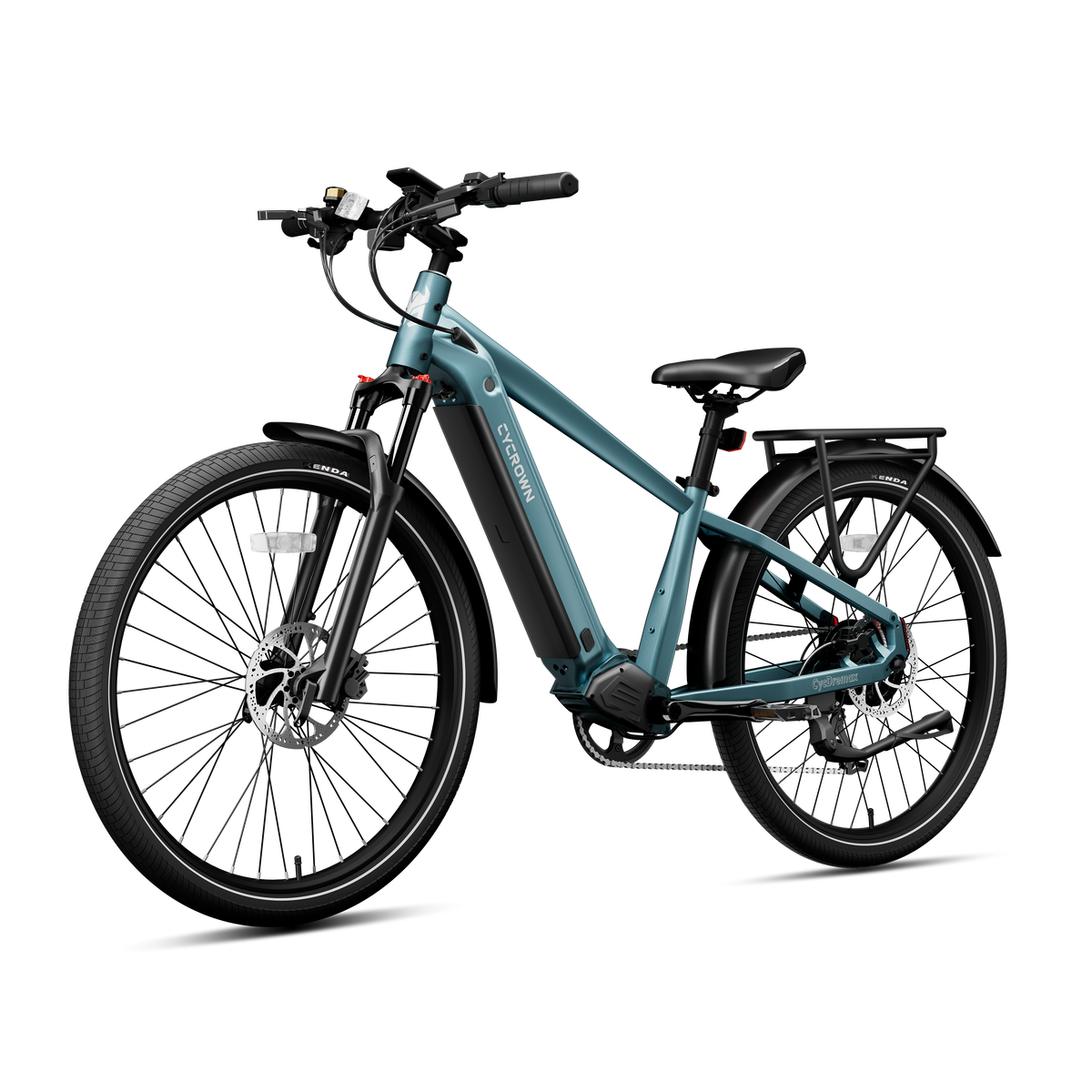
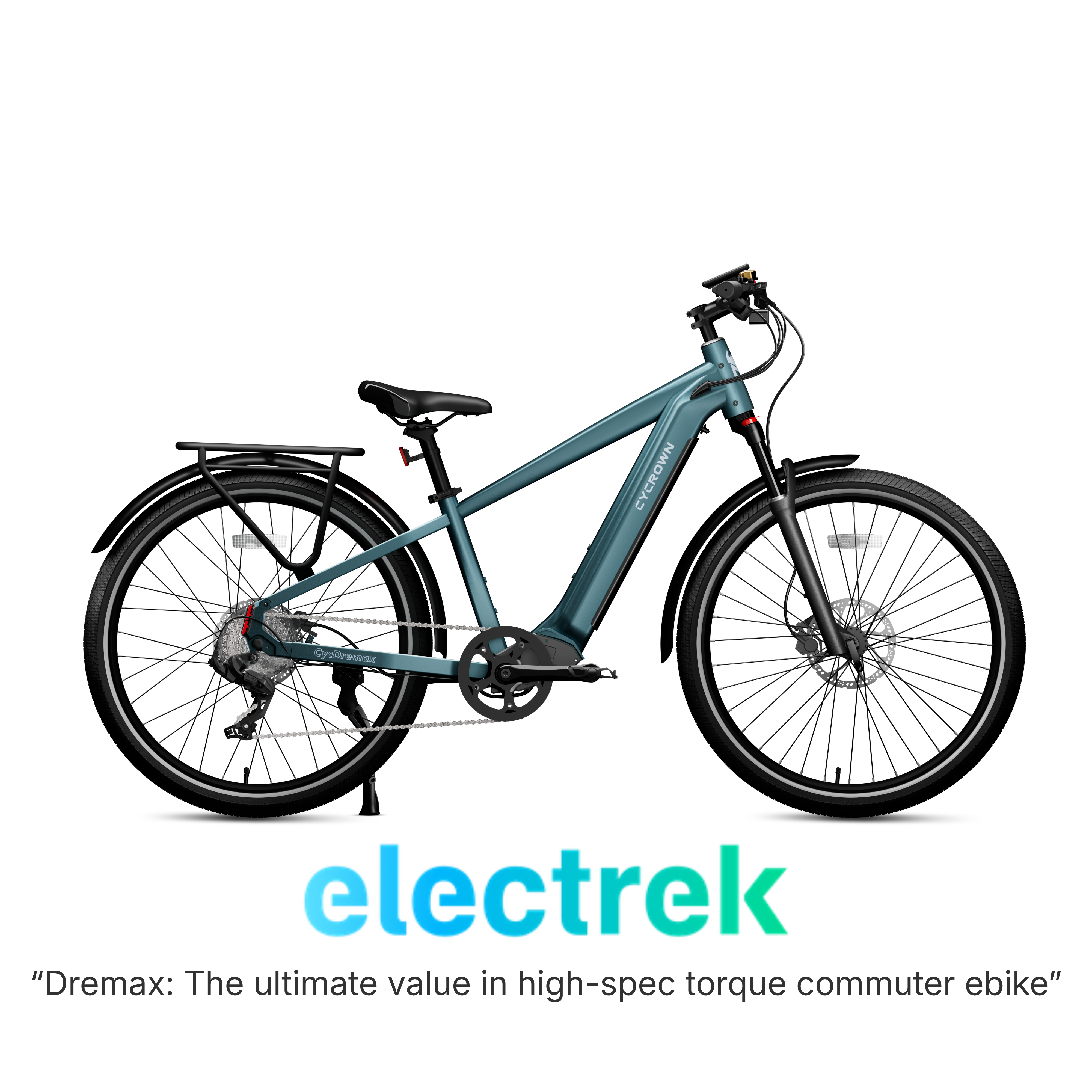
 (Dremax)
Removing a removable e-bike battery can reduce the bike's weight and help protect the battery from road spray and debris. Turn off the e-bike and follow the manufacturer's instructions for removal and storage.
Carry the battery securely inside the vehicle, away from excessive heat, direct sunlight, and sharp objects. Protect its terminals from contact with metal objects. If the battery is integrated into the frame or is not designed for removal, follow the manufacturer's transport guidance instead of attempting to remove it.
Cover the display and exposed electrical components with suitable protection. Secure any bike cover according to the rack manufacturer's instructions so it cannot flap into the wheels or other moving parts.
Common E-Bike Transportation Mistakes to Avoid
Using a rack that is not rated for the e-bike's weight
Ignoring tire width, wheelbase, or frame compatibility
Leaving loose accessories attached
Failing to secure the wheels and frame correctly
Blocking the license plate or vehicle lights
Skipping the final stability check
One of the best electric bike transportation tips is to ask for help when loading a heavy model. Lifting alone can increase the risk of back strain or accidentally dropping the bike.
Follow This E-Bike Transport Checklist Before Driving
The rack supports the e-bike's weight and dimensions.
The rack is properly attached to the vehicle.
Wheels and frame are secured according to the manufacturer's instructions.
The battery is handled as recommended by the manufacturer.
Loose accessories have been removed.
The license plate and vehicle lights remain visible.
After driving a short distance, stop somewhere safe and check that the rack, wheels, and straps remain secure. Repeat inspections at intervals recommended by the rack manufacturer and whenever you notice unusual movement or noise. Correct any problems before continuing.
Ready for the Road: Your E-Bike Is Good to Go
Learning how to transport an e-bike by car starts with choosing a compatible rack, preparing the battery correctly, and securing the electric bike according to the manufacturer's instructions. Check everything before departure and inspect the setup during your journey. With the right preparation, you can help your e-bike reach its destination safely.
What E-Bike Riders Want to Know
Can I use a regular bike rack for an e-bike?
Only if the manufacturer confirms that the rack supports your e-bike's weight, dimensions, and frame style. Many conventional racks are not designed for heavier electric bikes.
Should I remove the battery before driving?
If the battery is removable, follow the manufacturer's instructions on whether to remove it for transport. Removing it can reduce the e-bike's weight and help protect the battery from road debris.
Is an e-bike hitch rack better than a trunk rack?
A hitch-mounted platform rack designed for e-bikes is often a better choice for heavier models. Check its weight limits, your vehicle's hitch capacity, and the bike's dimensions before use.
How often should I check the straps on the road?
Check the rack and straps shortly after departure, then at intervals recommended by the manufacturer. Stop safely to inspect them whenever you notice movement or unusual noise.


