







The Ride Before the Workday Starts
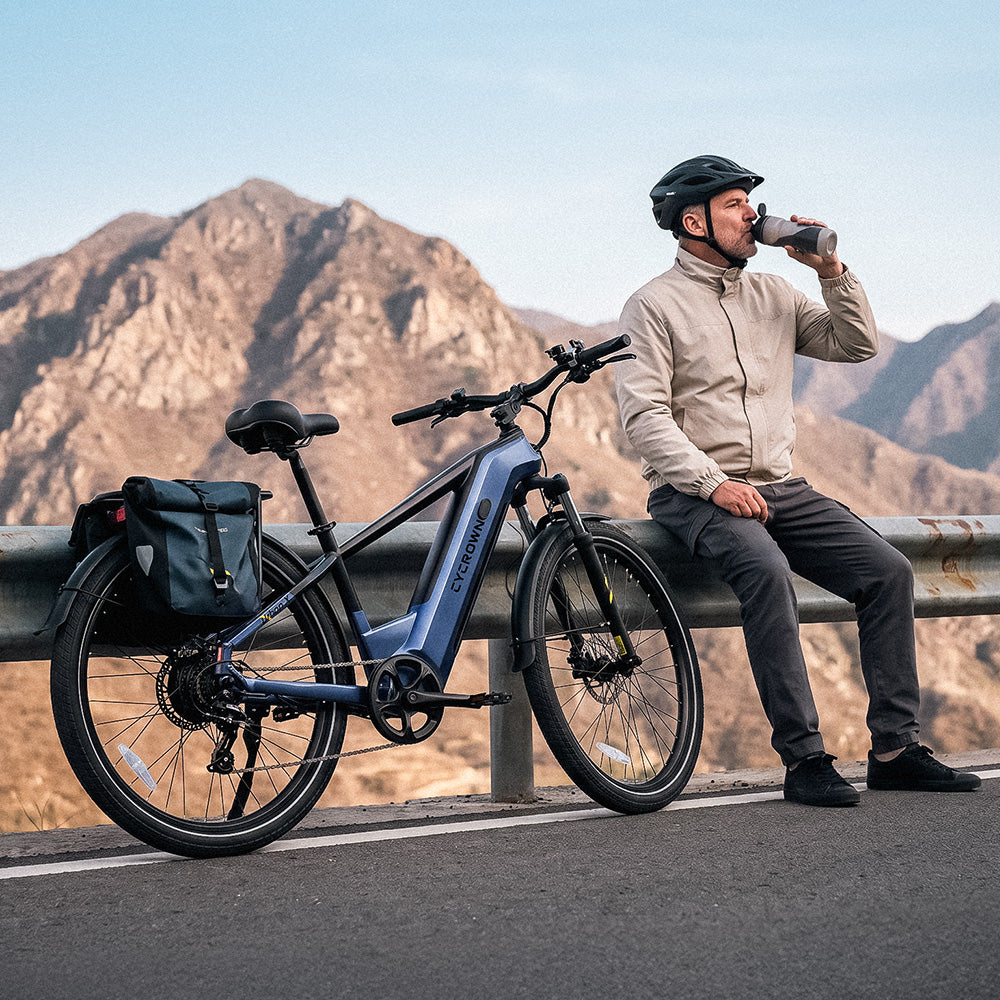
An e-bike can turn a stressful, unpredictable commute into one of the more reliable parts of your day, cutting down on traffic delays, lowering what you spend on gas or parking, and giving you a little fresh air before you even clock in. Labor Day is a chance to recognize the people who keep businesses, communities, and cities moving. It's also a good opportunity to rethink one of the biggest parts of the working day: the commute.
Why Your Daily Commute Matters More Than You Think
Most people don't think much about their commute beyond getting through it. But the time you spend getting to and from work adds up fast. A 30-minute commute each way works out to five hours a week and well over 200 hours a year, time that could go toward sleep, family, or simply a slower morning.
Commuting also affects your mood and energy before the workday even begins. Sitting in traffic or waiting on a delayed bus is a stressful way to start, while a smoother, more predictable ride can set a calmer tone. On top of that, the cost of commuting by car, between gas, parking, and maintenance, quietly eats into a paycheck most people don't fully track.
How an E-Bike Can Make Work Commutes Easier
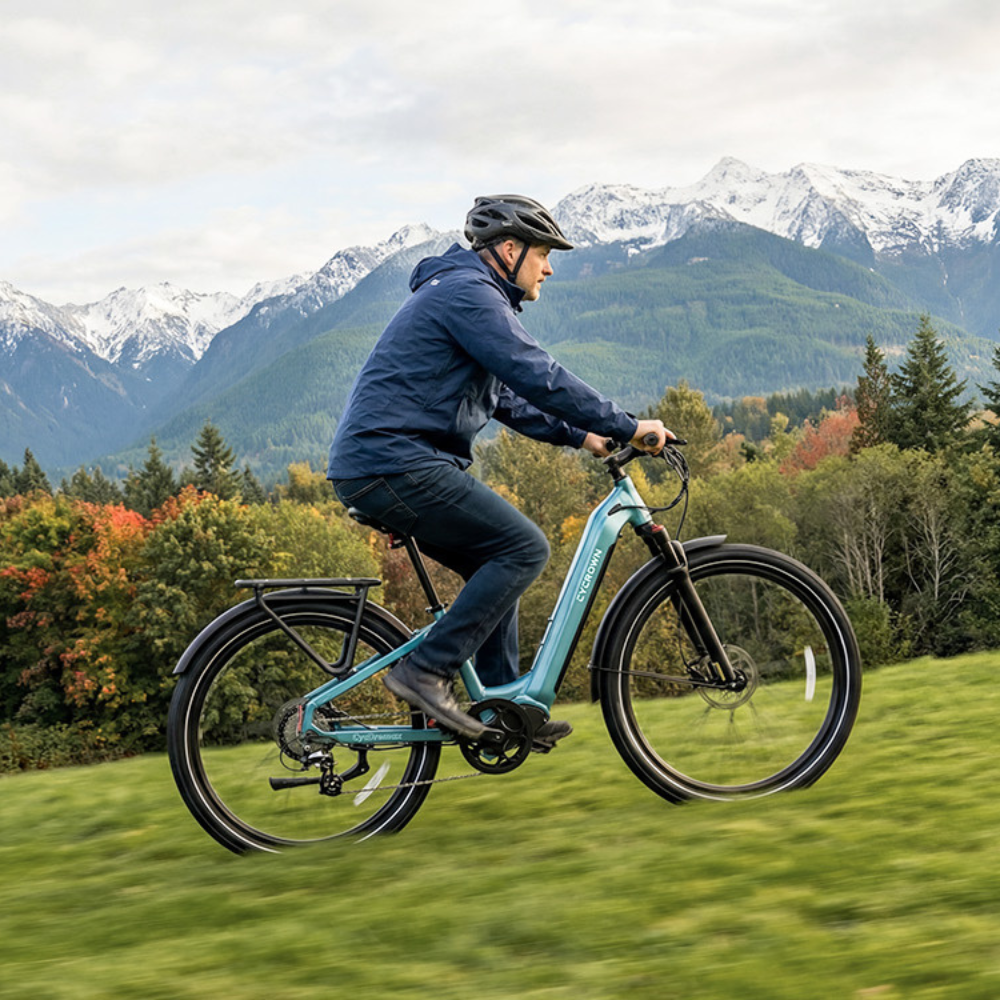
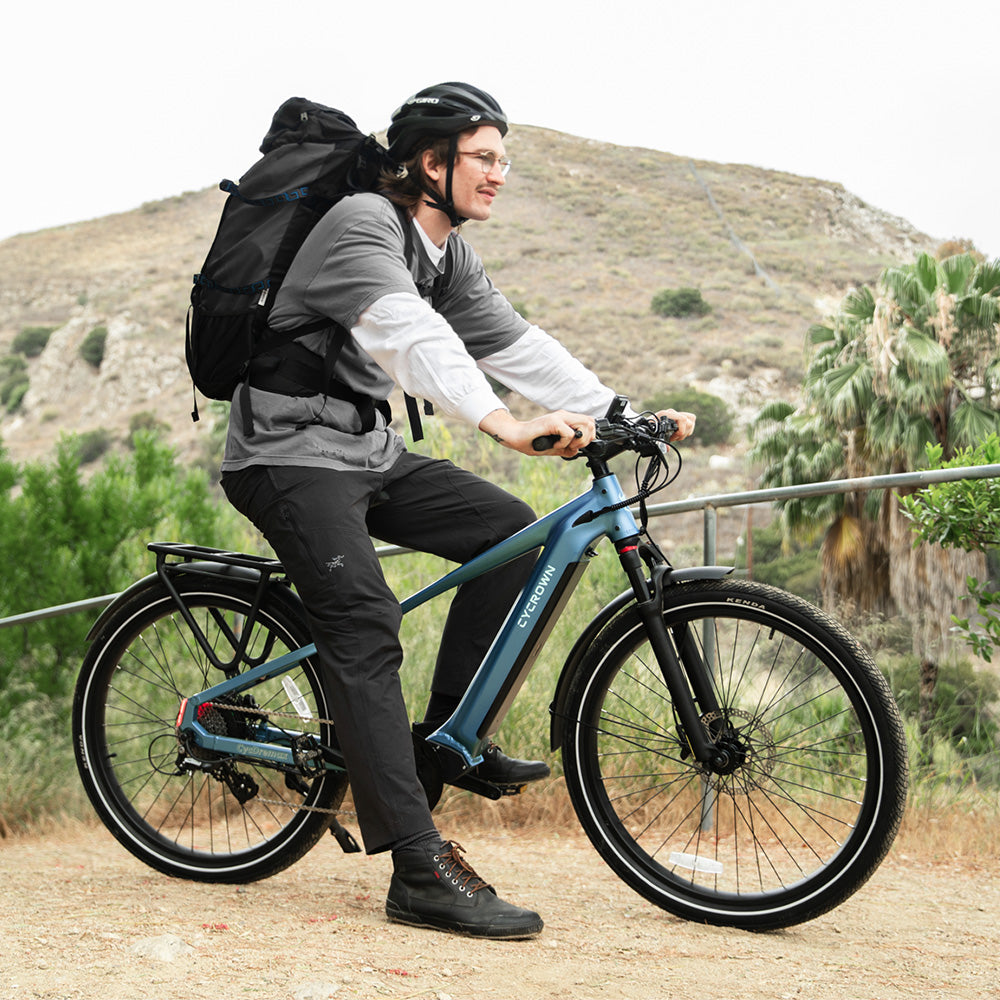
An e-bike doesn't eliminate a commute, but it changes what that commute feels like. Pedal assist takes the effort out of longer distances or hills, so you can arrive at work without showing up out of breath. Many riders also find their commute time becomes more predictable, since an e-bike isn't stuck behind stalled traffic or waiting on a bus that's running late.
More Control Over Your Schedule
Because you're not relying on public transit timetables or guessing at traffic patterns, an e-bike commute tends to take roughly the same amount of time every day. That predictability alone is worth a lot when you're trying to plan a morning around work, school drop-offs, or other responsibilities.
A Built-In Break From Screens
A commute on an e-bike is also one of the few stretches of the day that isn't spent staring at a phone or a computer. For a lot of riders, that short window outdoors becomes something they look forward to rather than dread.
5 Ways E-Bikes Help Workers Save Time and Money

Lower fuel and parking costs - charging an e-bike costs a small fraction of what gas does, and many workplaces don't charge for bike parking the way they do for cars.
Less time stuck in traffic - e-bikes can use bike lanes and shortcuts that cars can't, which often shortens the actual door-to-door time.
Fewer maintenance expenses - e-bikes have far fewer moving parts than a car, which usually means lower repair costs over time.
No searching for parking - most workplaces and city blocks have far more bike parking available than car parking.
Built-in exercise without extra time - pedal assist still requires some pedaling, so you get light physical activity without setting aside a separate workout.
What to Look for in an E-Bike for Work
Not every e-bike is built with commuting in mind, so it helps to know what actually matters for a daily work ride.
Range and Battery Life
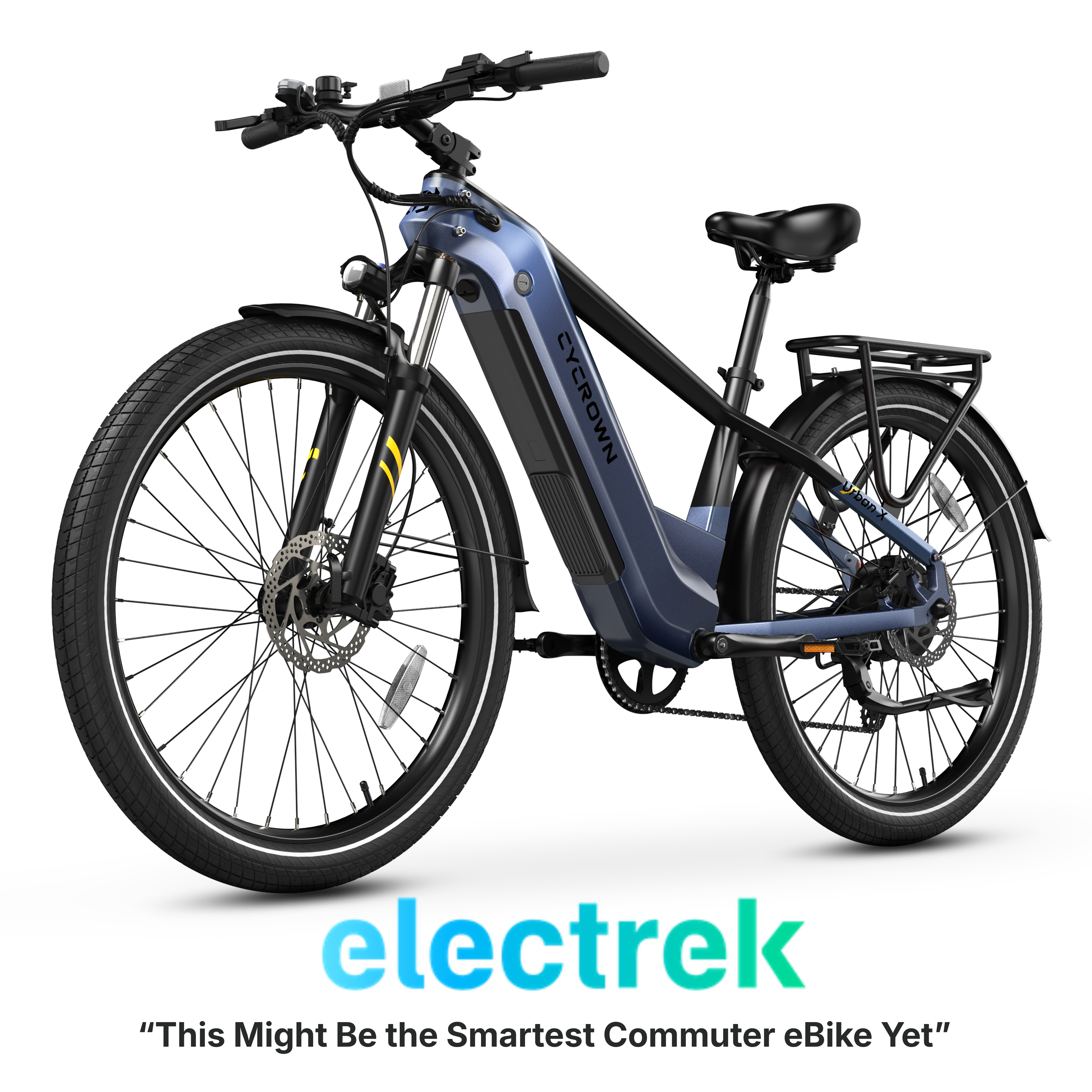
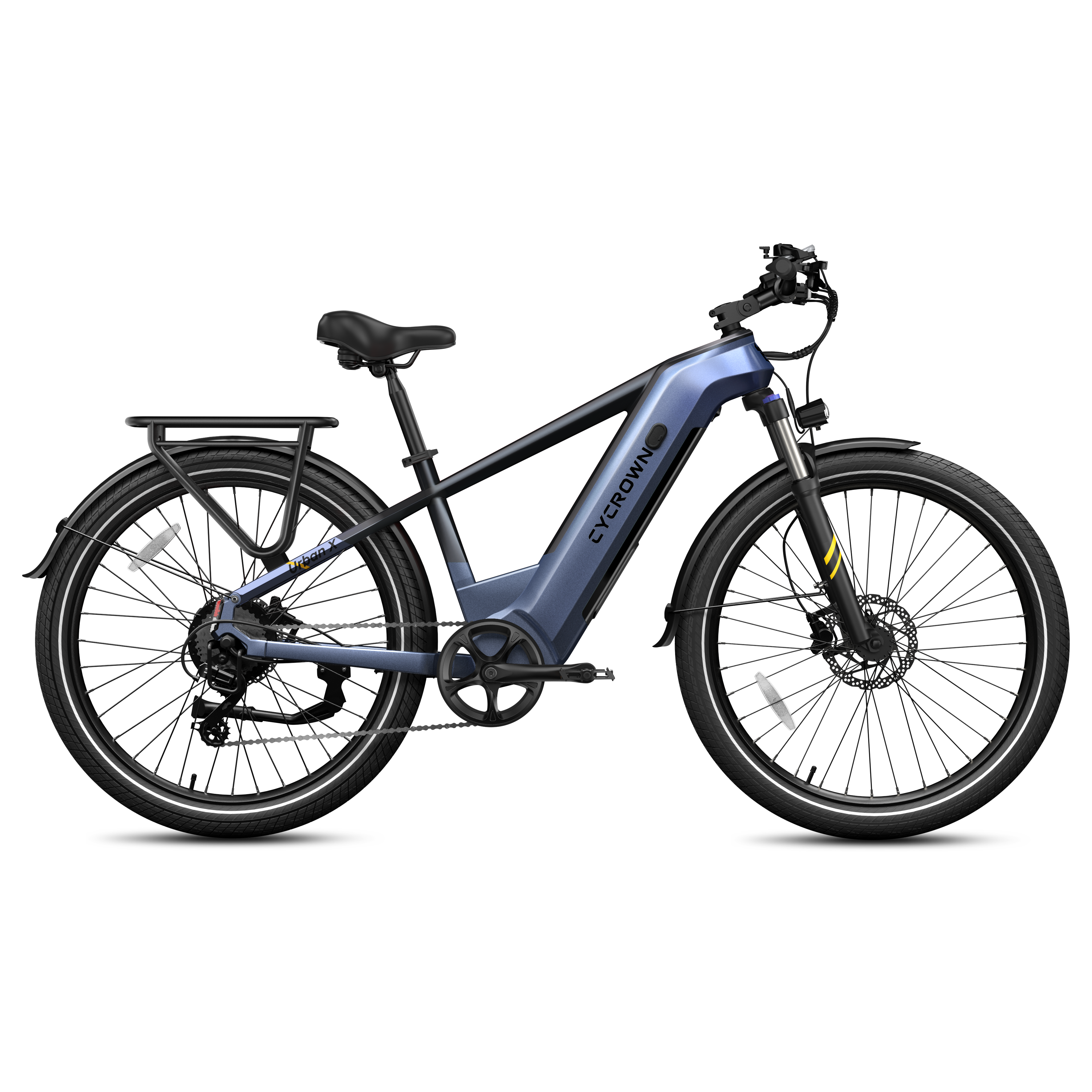
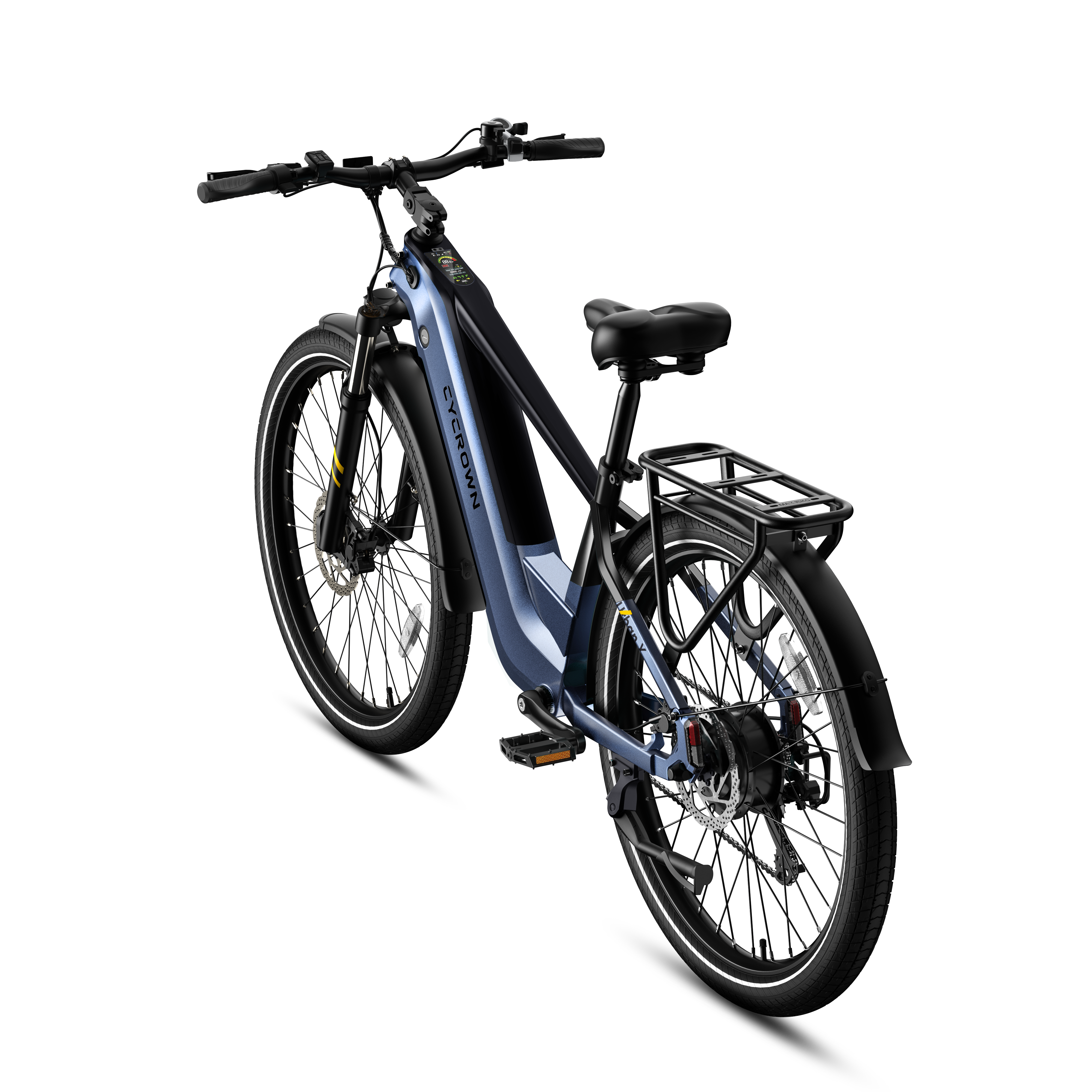
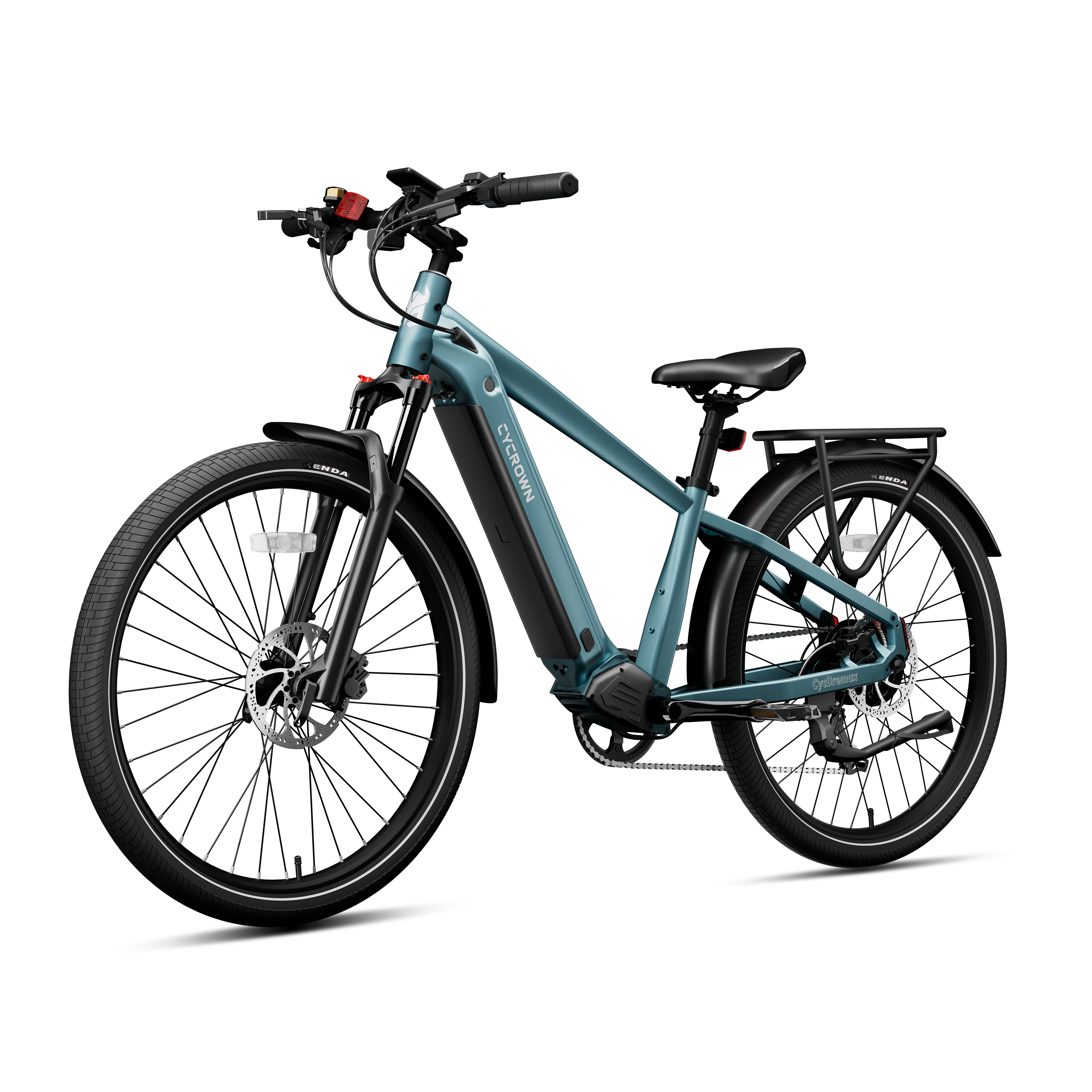
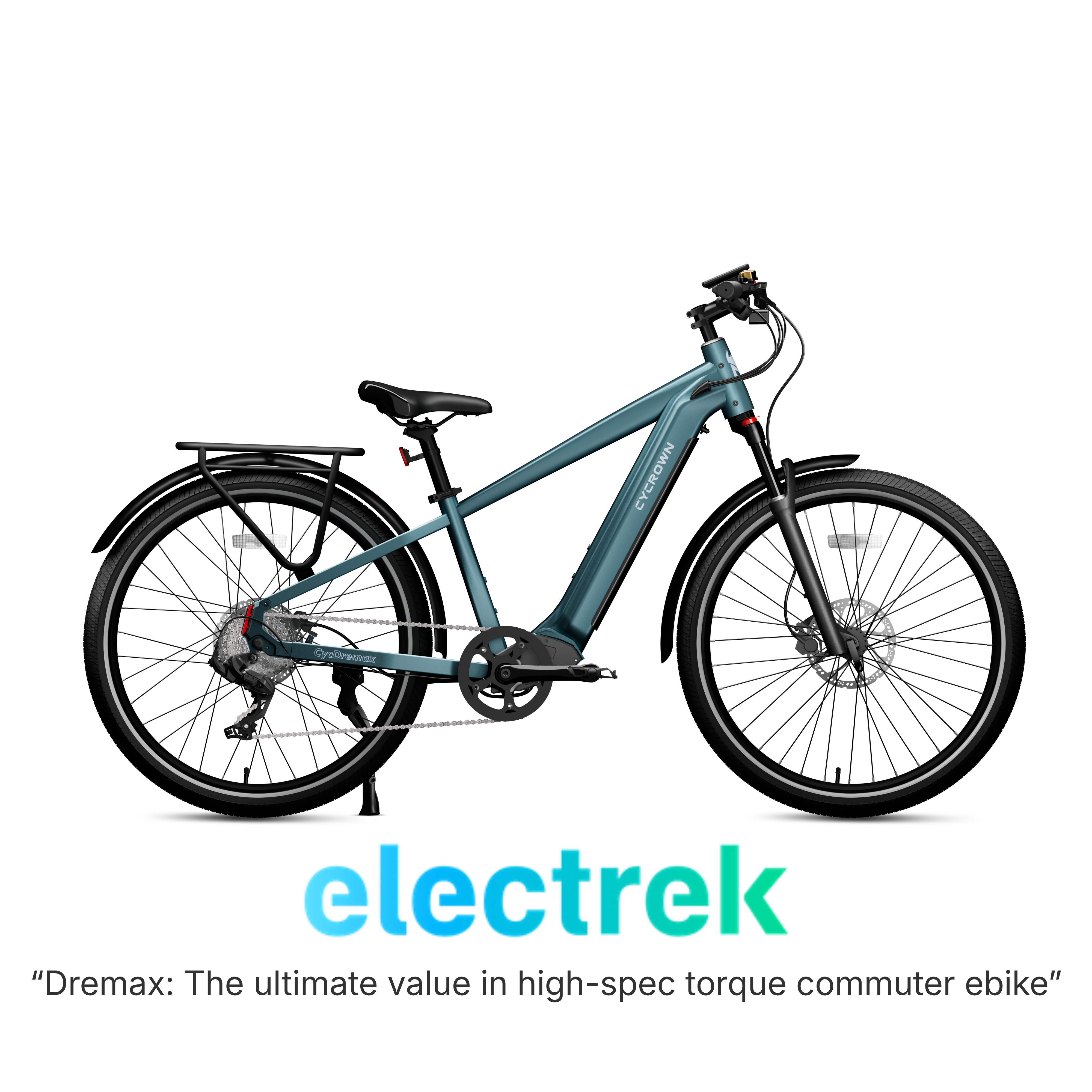
Look at your round-trip distance and add a buffer for errands or detours. A bike like the Dremax Commuter Ebike is built around efficient daily-range riding, while something like the Urban X Commuter Ebike offers a longer range for people with a farther commute or less predictable charging access at home.
Comfort, Storage, and Weather Readiness
A commuter e-bike should have a comfortable riding position, fenders to keep road spray off your clothes, and enough frame or rack space for a bag or laptop case. It also helps to understand electric bike top speed classes before buying, since your local laws and route conditions may make one class a better fit than another.
How to Choose an E-Bike for Your Daily Route
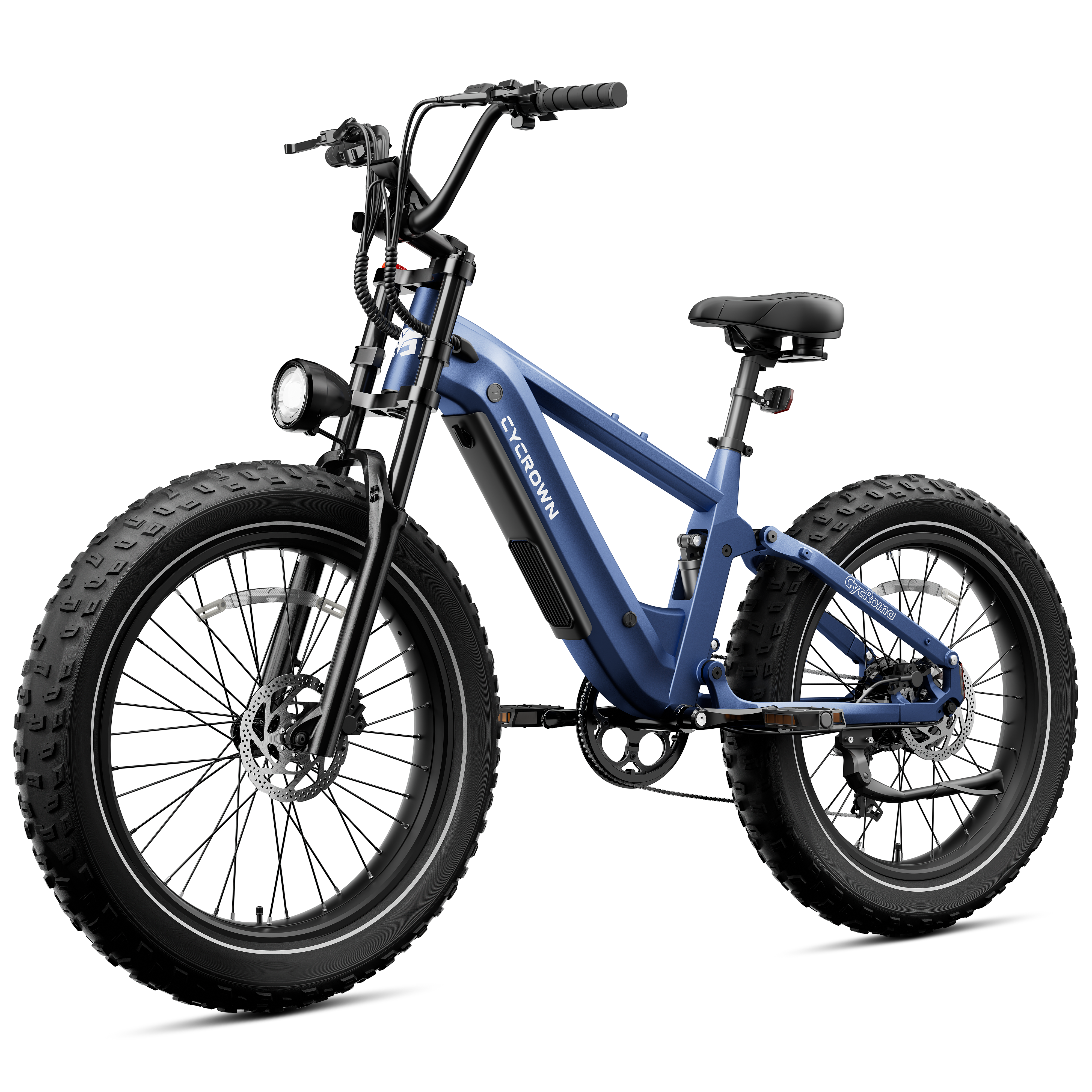
The best e-bike for your commute depends on the route itself, not just the specs on paper. A flat, paved city commute usually calls for a lighter, street-focused bike, while a route with hills, gravel, or mixed terrain benefits from something sturdier, like the Roma All-Terrain Ebike.
It's also worth thinking honestly about your comfort level as a rider. If you're new to e-bikes, it's worth reading through what to consider before buying your first electric bike and CYCROWN’s breakdown of finding the right e-bike fit for your lifestyle, both of which walk through questions about distance, storage, and daily habits that apply just as well to commuting adults as they do to students.
Making Your E-Bike Part of Your Work Routine
Switching to an e-bike commute works best when it becomes a habit rather than a one-off experiment.
Charge on a set schedule, such as every night or every other night, so you're never caught with a low battery on a workday morning.
Keep basic settings familiar, including knowing how to handle resetting your e-bike display if it ever glitches or needs a restart.
Secure your bike properly at work, and know how to reset your bike lock if you ever forget a combination or need to change one.
Plan for weather, keeping a light rain jacket or extra layer at your desk for unpredictable days.
Test your route on a low-stress day, like a weekend, before relying on it for a workday commute.
Labor Day Is a Good Time to Rethink Your Commute
Labor Day is really about the people who show up, day after day, to keep things running. Part of showing up well is having a commute that doesn't wear you down before the workday even starts. An e-bike won't fix every part of a hard job, but it can make the trip to and from it lighter, more predictable, and a little more enjoyable. If your current commute has been feeling like a daily grind, this long weekend is as good a time as any to think about a better way to get there.
Commute Questions Riders Often Ask
Do I need a special license to commute on an e-bike?
In most U.S. states, e-bikes under 750W with a top speed of 28 mph or less are treated like regular bicycles and don't require a license.
How far can I realistically commute on an e-bike?
Most commuter e-bikes comfortably handle daily round trips of 20 to 60 miles depending on battery size and terrain, so check a model's range against your actual route.
Will I arrive at work sweaty?
Pedal assist reduces physical effort compared to a regular bike, so most riders arrive far less winded, especially at lower assist levels.
Can I ride an e-bike in light rain?
Yes, most e-bikes handle light rain and wet roads fine, though it's best to avoid submerging the battery or motor and to dry the bike off afterward.
What if I don't have a place to charge at work?
A single home charge typically covers a full round-trip commute for most riders, so daily charging at work usually isn't necessary.


