










Yes, E-Bikes Can Be a Real Part of Your Daily Travel
Yes, e-bikes can work well for many short-to-medium trips, including commutes, errands, and local travel. They will not replace every car or bus ride, but they can handle many regular trips that might otherwise require a car.
Electric bikes for transportation have become popular because motor assistance can make hills, headwinds, and longer distances easier to manage. E-bike transportation gives many people another option between walking, driving, and public transit while potentially reducing reliance on cars for shorter trips.
What Makes E-Bikes Practical for Everyday Transportation?
The strength of e-bikes for everyday transportation is flexibility. You leave when you are ready, skip most traffic, and usually park close to your destination.
Short-to-Medium Trips Are Often Practical
Many daily trips are short enough to make an e-bike a practical alternative to driving. This makes them useful for repeat journeys such as commuting, visiting nearby businesses, picking up groceries, or running local errands.
Everyday E-Bike Use Adds Up
Everyday e-bike use builds a habit. When the bike is ready by the door, you start choosing it for small trips you might have driven. Having an e-bike ready to use can make short trips feel more convenient and may reduce the number of short car journeys you take over time.
How E-Bikes Fit Into Daily Commutes
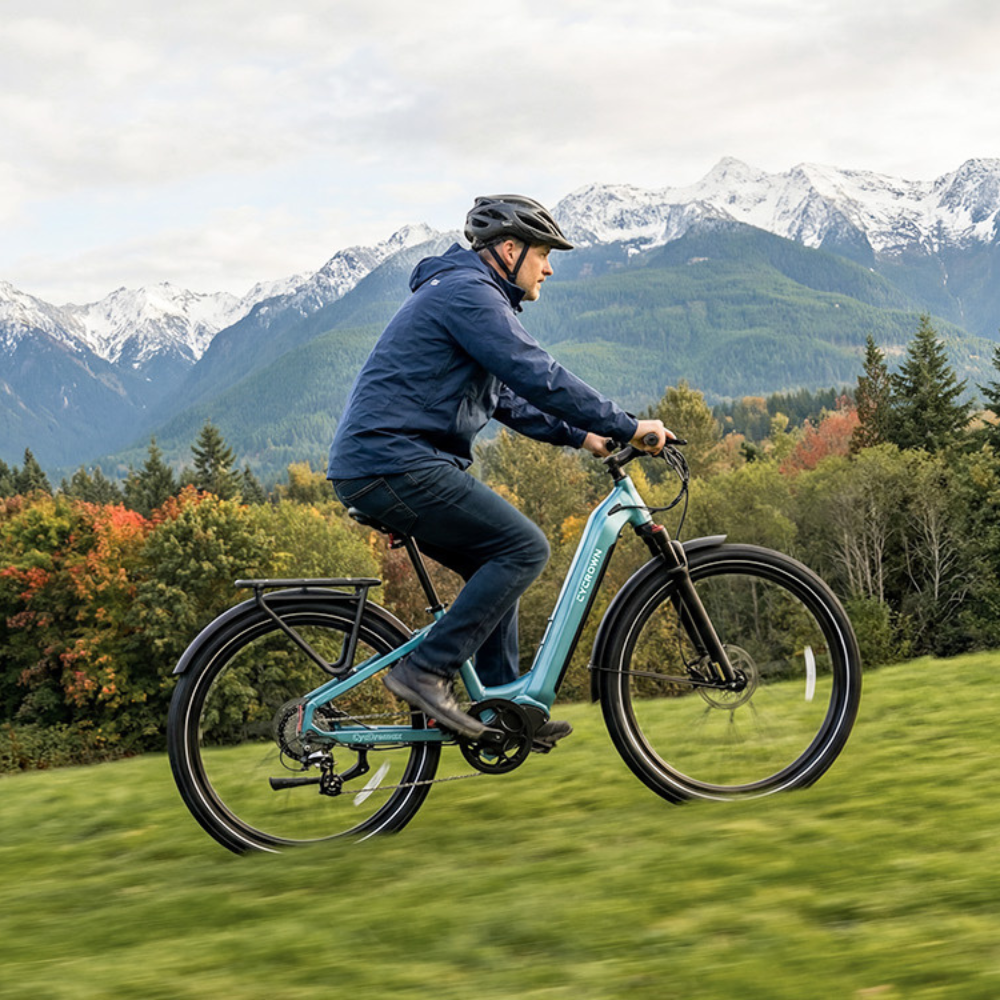
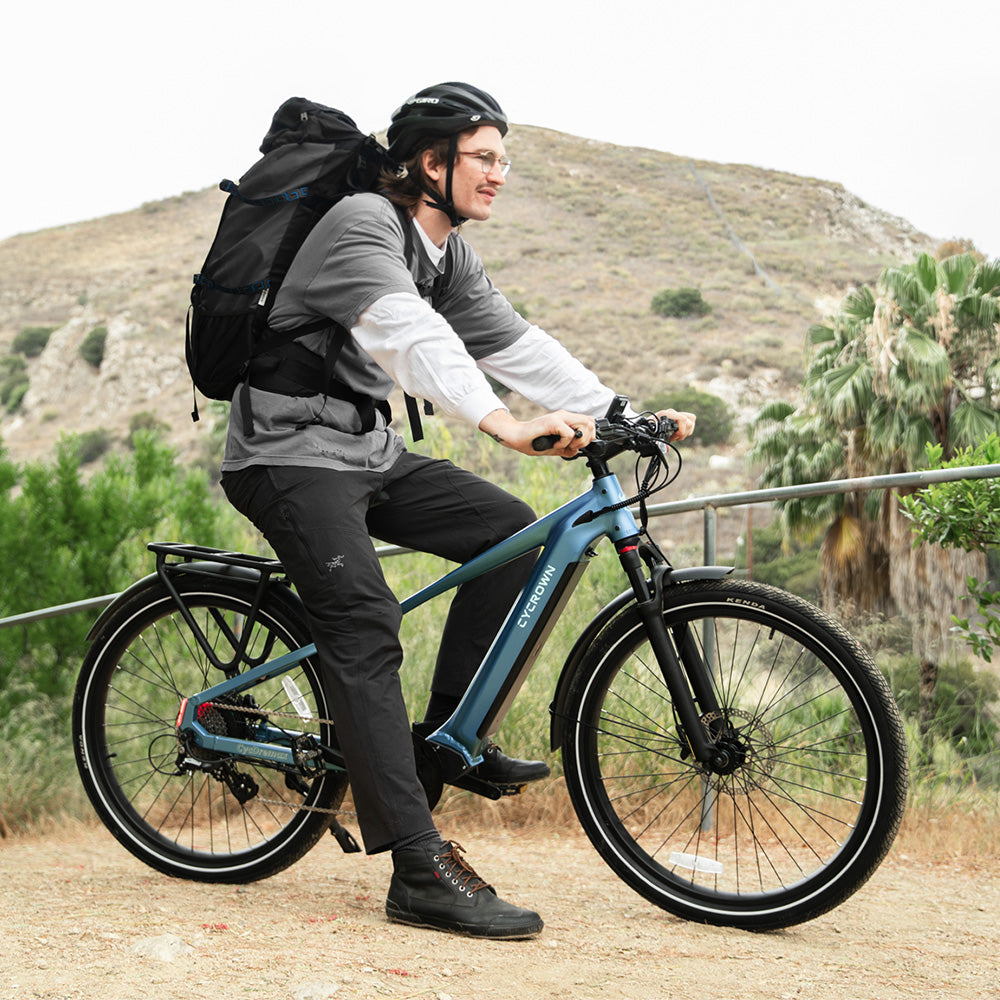
E-bike commuting can work for a wide range of distances, depending on your route, battery range, terrain, and local infrastructure. On some urban routes, an e-bike can offer competitive door-to-door travel times when traffic slows down driving. Potential benefits include:
Potentially more predictable travel times on suitable bike routes
Less time spent searching for parking
Physical activity that can be adjusted with pedal assistance
These benefits can make e-bike commuting practical for regular weekday travel. For commuter-friendly options, see CYCROWN's guide to the best commuter electric bike for beginners. Before making the switch, try your planned route on a weekend so you can check traffic, hills, bike lanes, charging needs, and parking arrangements.
Using an E-Bike for Errands and Short Trips
Errands are another practical use for e-bike transportation, particularly when destinations are nearby and parking is limited. Trips to nearby stores, cafés, pharmacies, or other local destinations may not require a car when you have an appropriate e-bike and a suitable route. An e-bike can simplify these trips by reducing parking concerns and allowing you to stop closer to your destination where permitted.
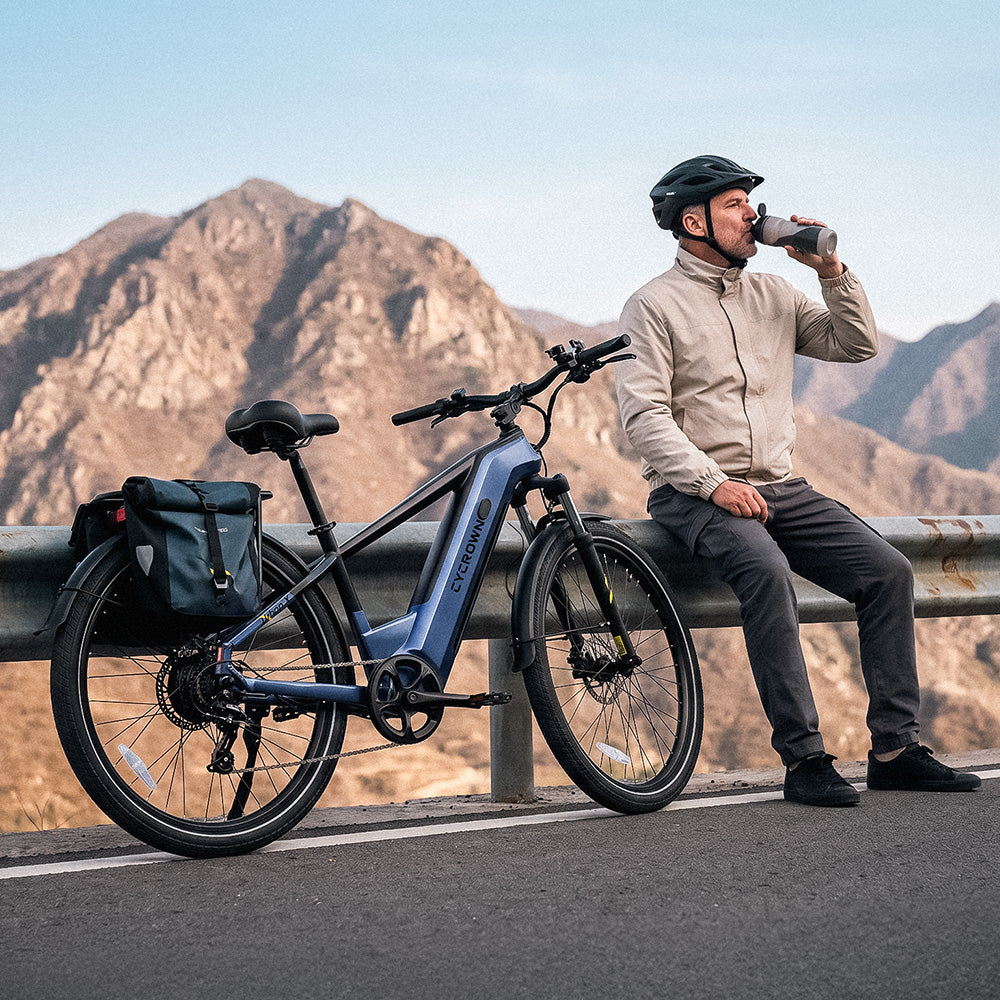
Electric bikes can carry more with a rack, basket, or pannier bags, though extra weight can affect range and braking. For short trips, an e-bike may also reduce operating and parking costs compared with driving, although the difference depends on the route and local conditions.
E-Bikes vs. Cars for Everyday Travel
An e-bike vs. car for short trips comparison depends on the trip. For some short urban trips, an e-bike can be competitive with driving when traffic and parking add time to the journey. For long highway journeys, multiple passengers, very heavy cargo, or trips outside practical cycling routes, a car may remain more suitable.
Costs and Maintenance
The operating costs also differ. Cars typically involve fuel, insurance, registration, maintenance, and parking, while e-bikes require electricity, routine maintenance, replacement parts, and eventual battery replacement. Budget for tires, brake pads, and a good lock as well.
Time Savings
In dense urban areas, an e-bike may offer competitive door-to-door travel times when traffic and parking slow down car journeys. In a spread-out area with few bike lanes, the gap shrinks. Comparing the two based on the actual route, traffic, parking, and travel conditions gives you a more realistic picture.
Can E-Bikes Work With Public Transportation?
Yes. E-bikes can be useful for first-mile and last-mile transportation, connecting your home or workplace with a bus stop or train station. The e-bike handles the shorter part of the journey while the train or bus covers the longer distance.
For example, someone living several miles from a train station could ride to the station, secure the e-bike, and continue downtown by train.
Check whether your transit system allows bikes on board
Look for secure bike parking at stations
Use a strong lock, and take the battery with you if it detaches
Combining e-bikes with public transportation can make daily travel more flexible and may reduce reliance on car trips.
What to Consider Before Using an E-Bike for Transportation
E-bikes have practical limits, and knowing them can help you avoid frustration.

Weather and Road Conditions
Rain, snow, ice, and strong winds can make e-bike travel more difficult and may increase braking or handling challenges. Wet roads lengthen braking distance, and cold weather can reduce battery range. In freezing conditions, riders may also need to account for reduced battery performance, slippery surfaces, and changing road conditions.
Trip Distance and Local Rules
Longer rides require more careful range planning, so choose routes that leave enough battery capacity for unexpected delays, hills, wind, or detours. E-bike speed limits and where you can ride differ by state and local jurisdiction, so check the rules that apply to your route and use appropriate safety gear.
How to Choose an E-Bike for Your Daily Routes
Start with your real routes, not the spec sheet. The right electric bikes for transportation depend on distance, hills, and what you carry.
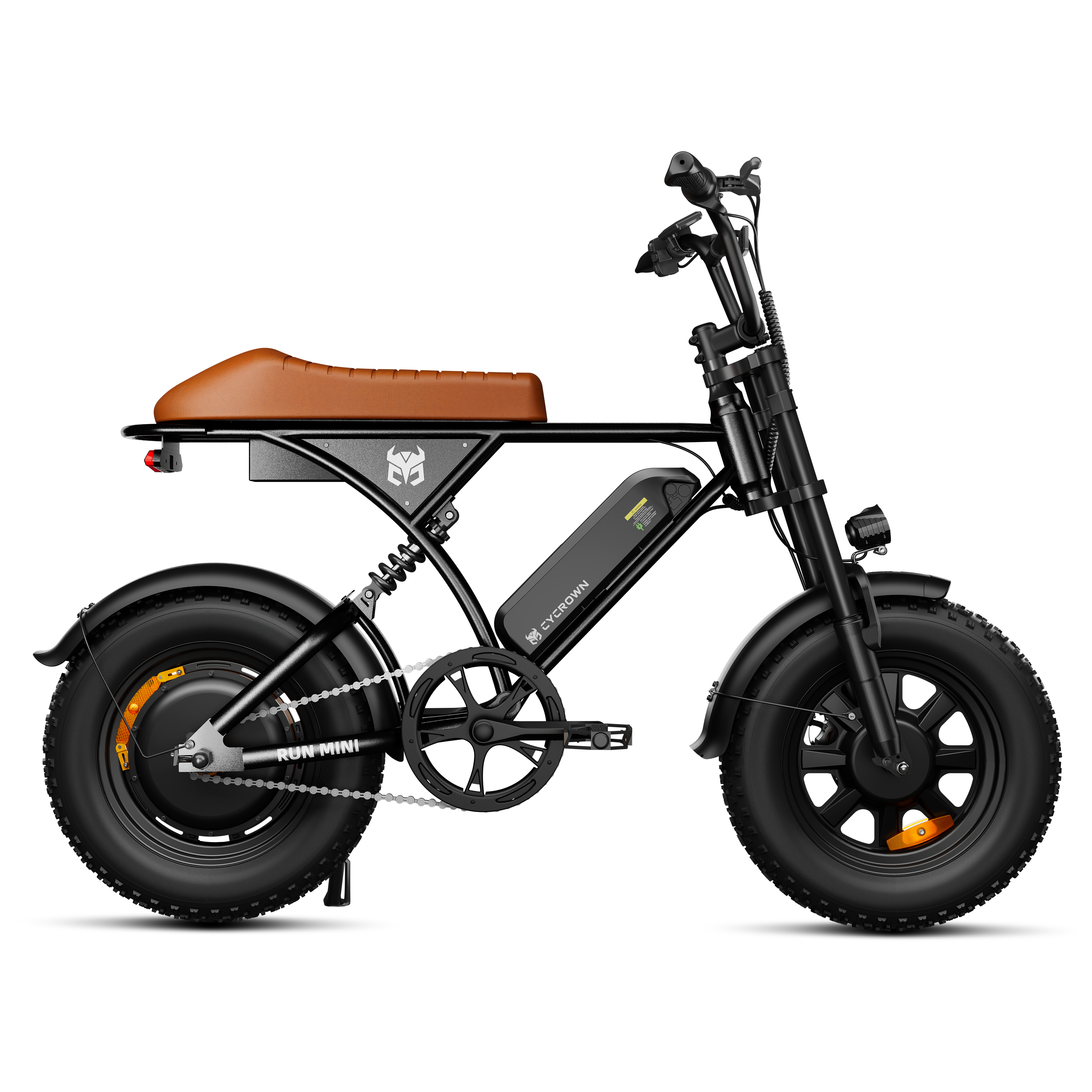
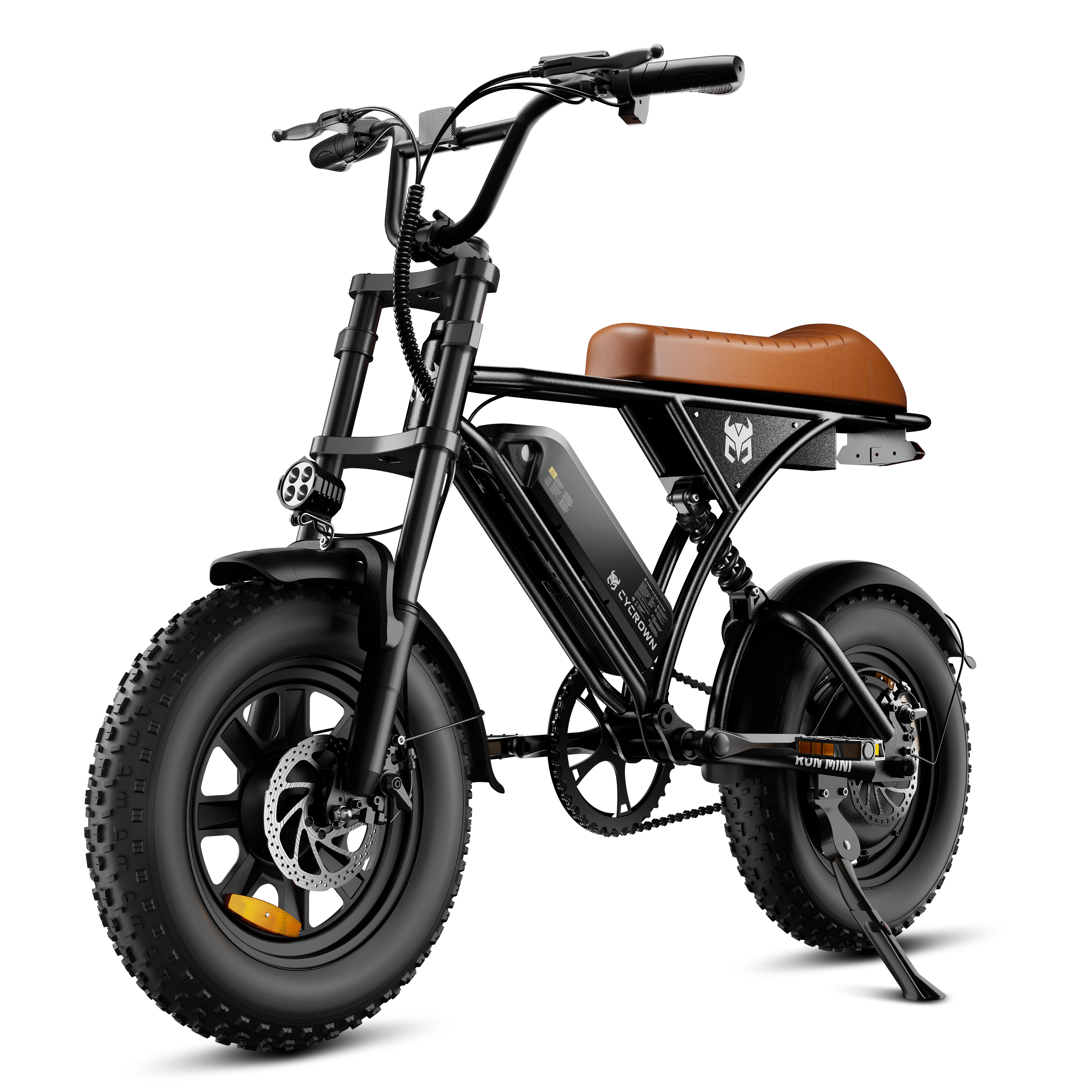
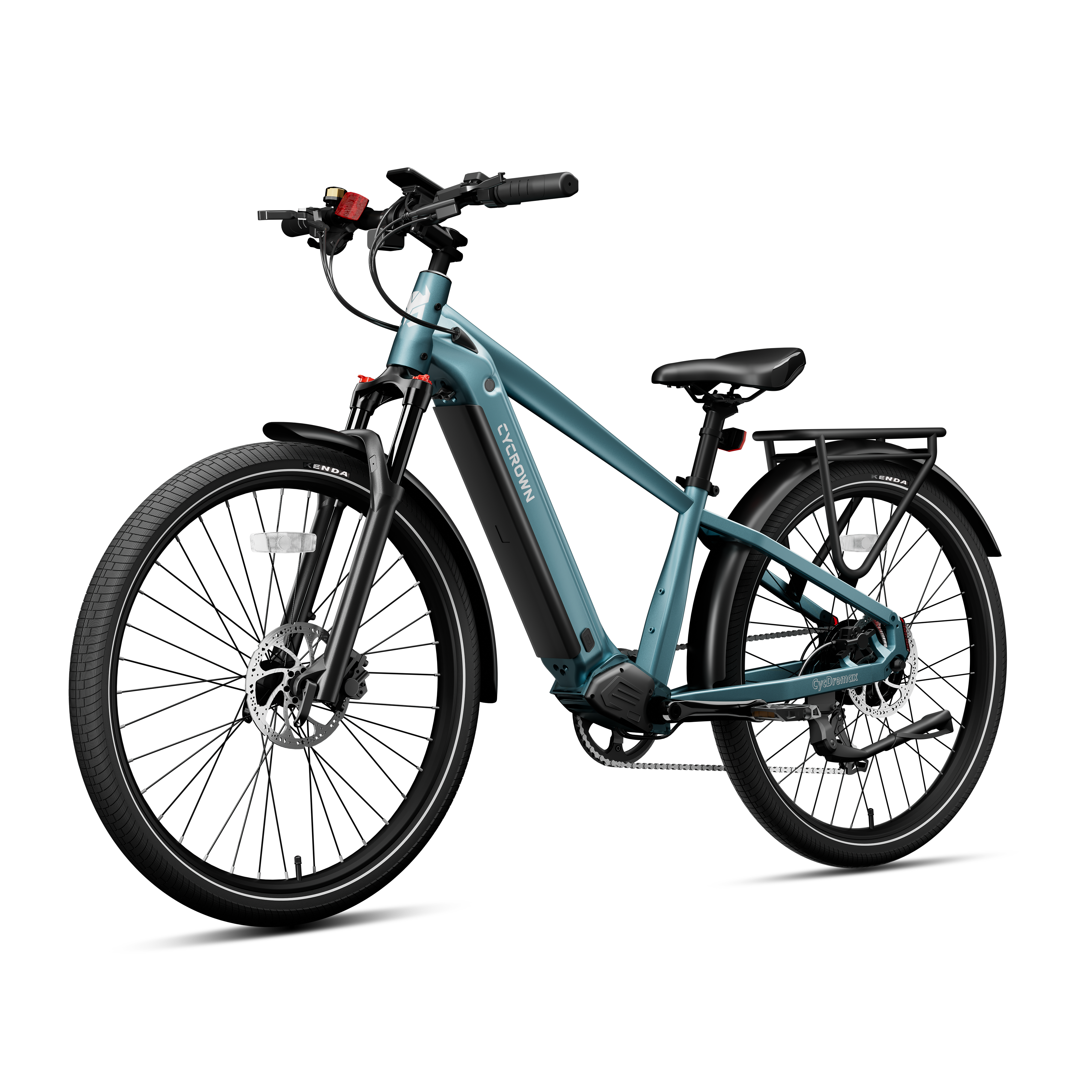
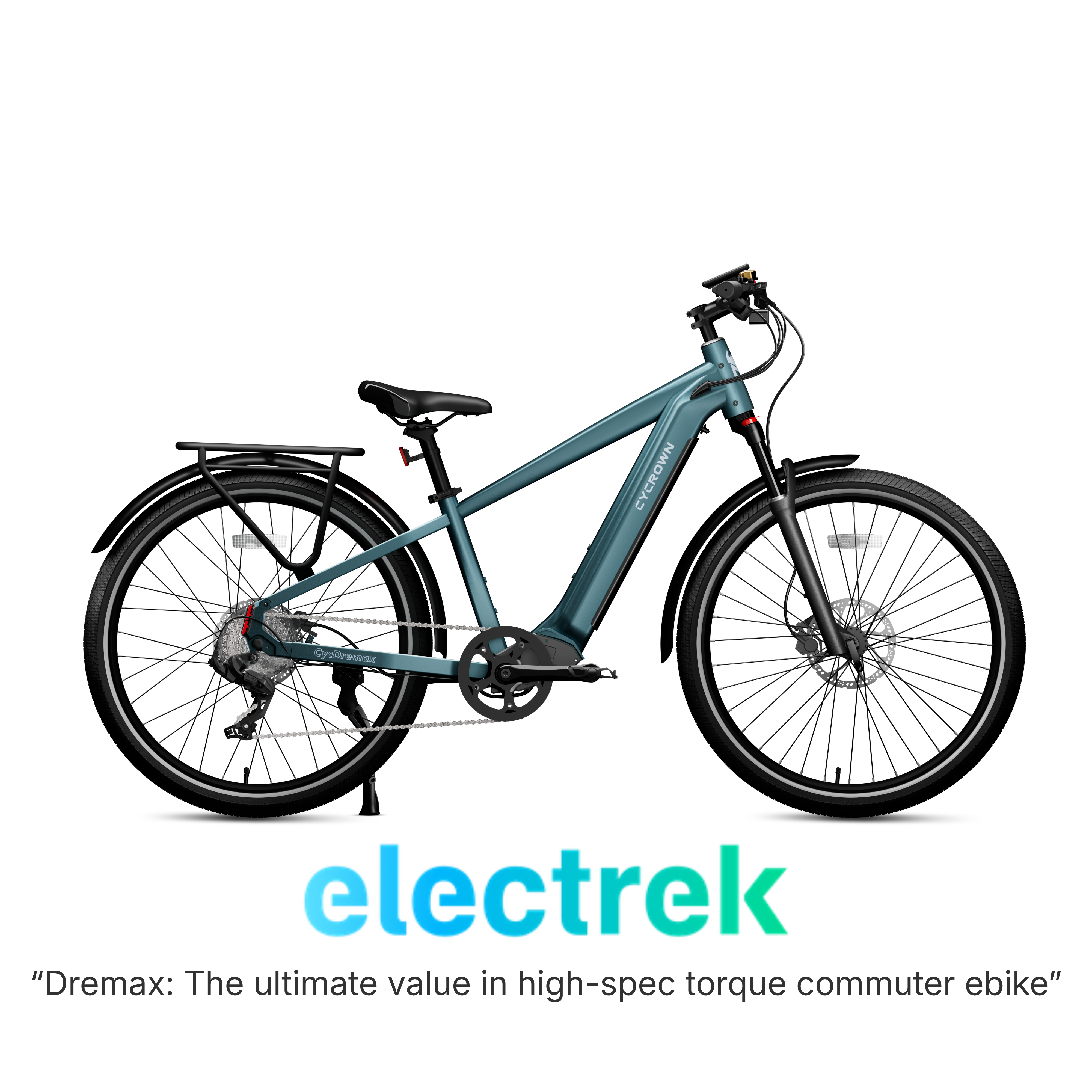
Flat city commute: a commuter-friendly model suits smooth roads and everyday e-bike use.
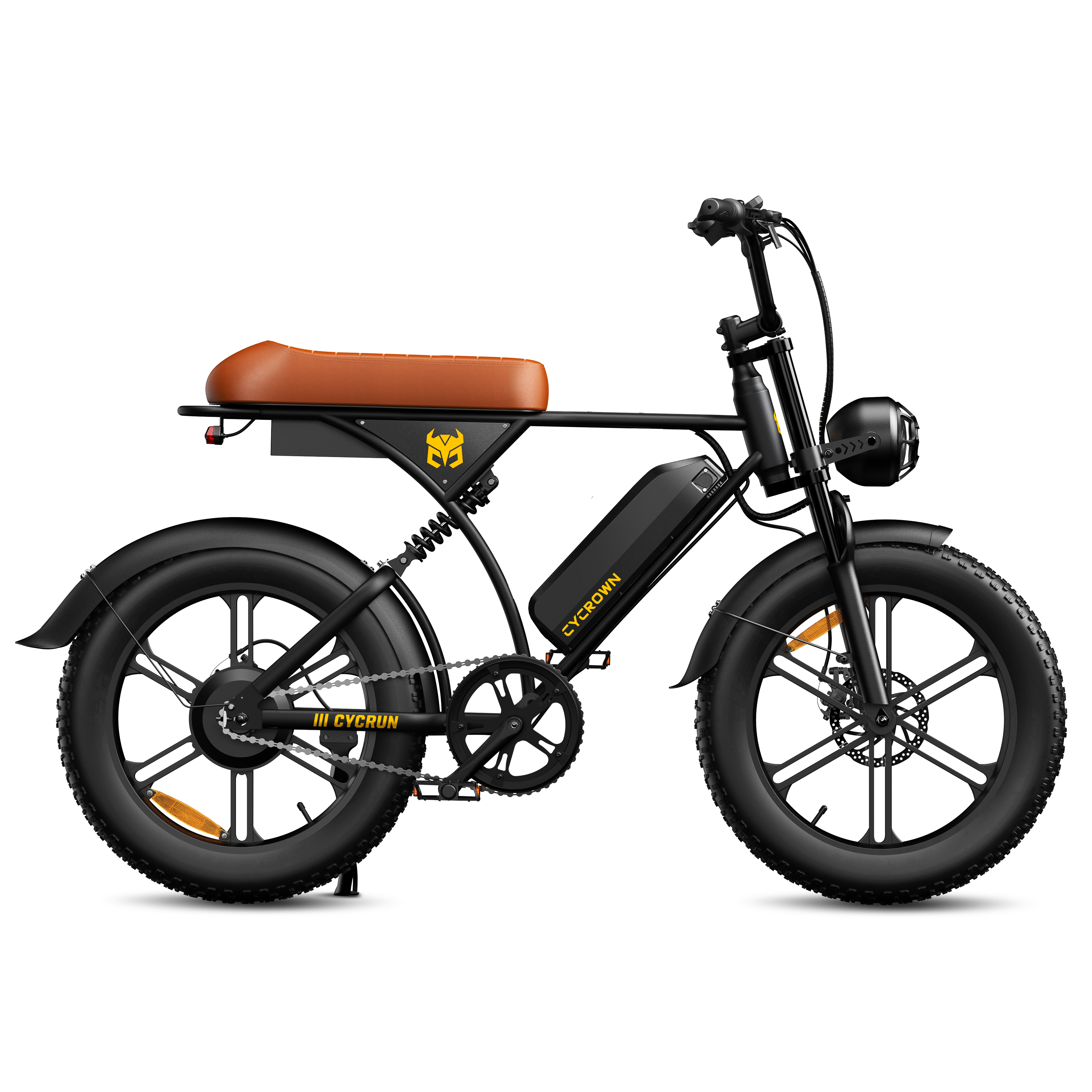
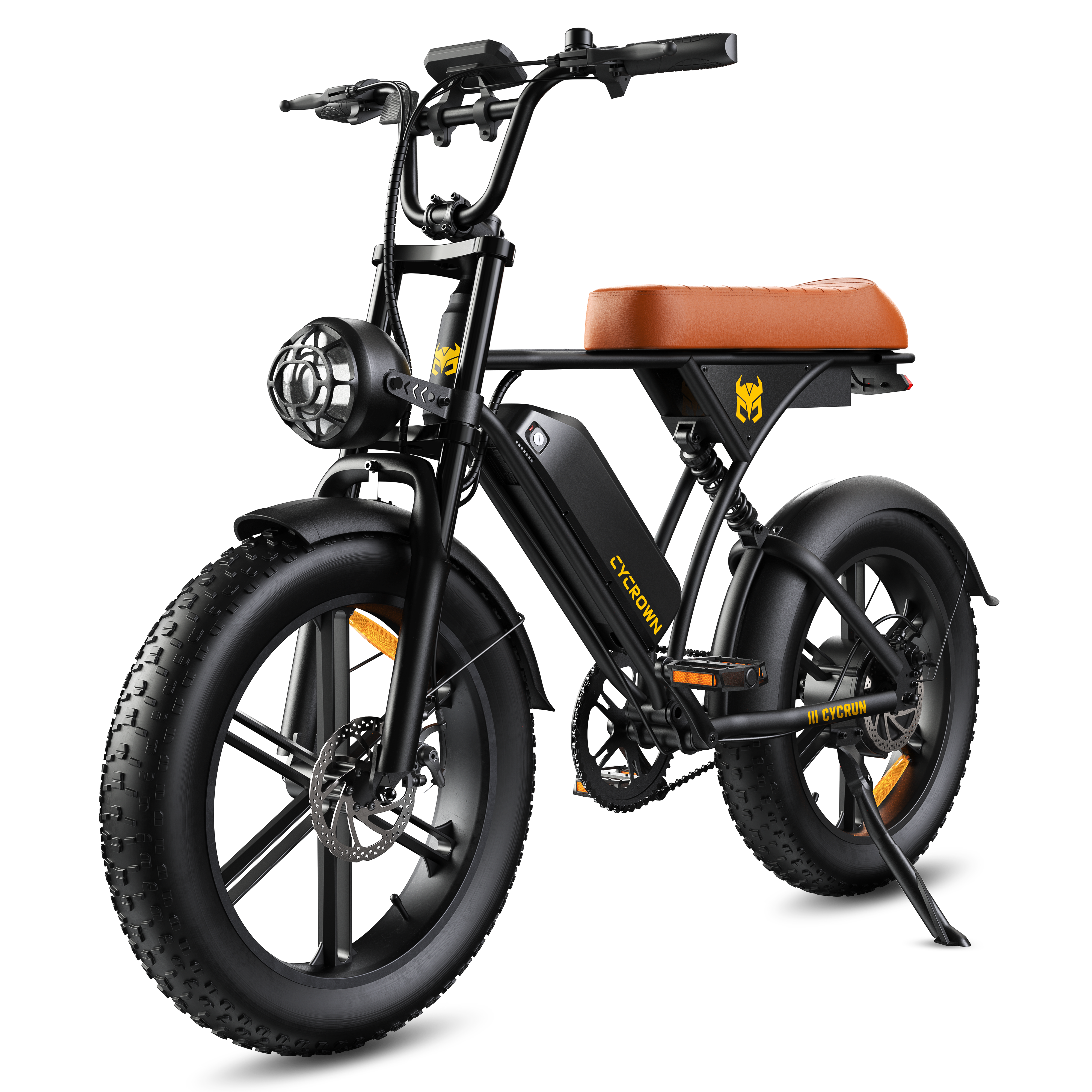
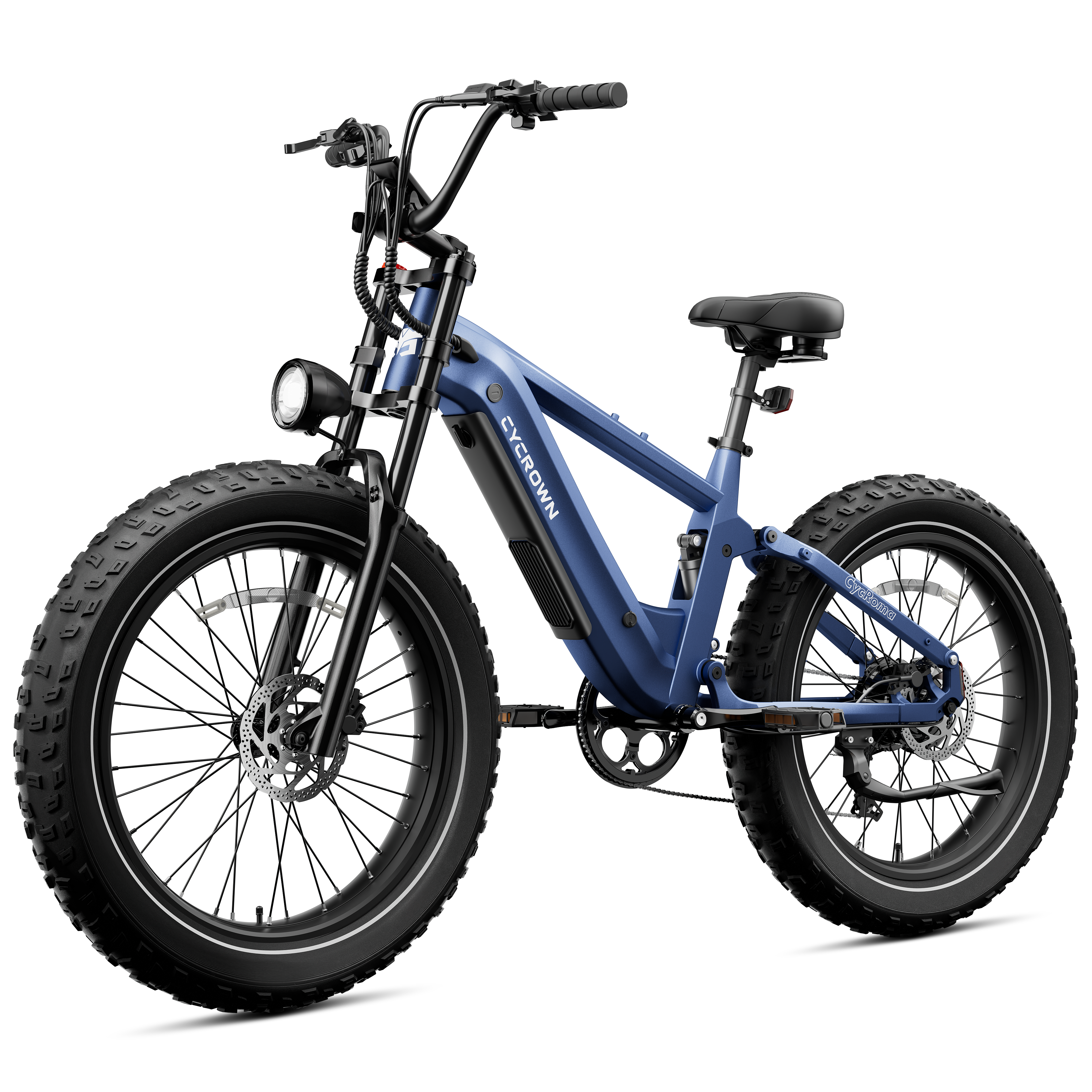
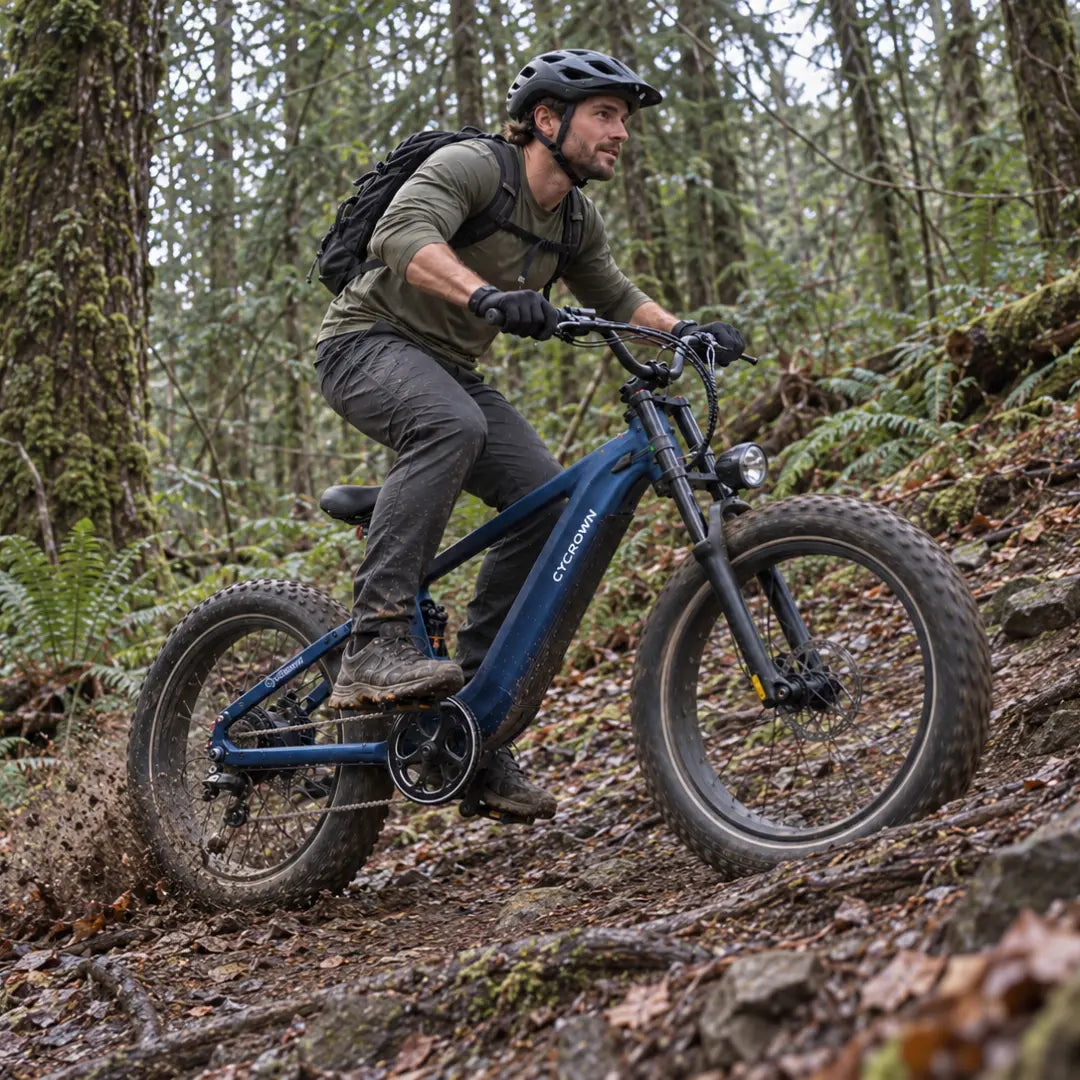
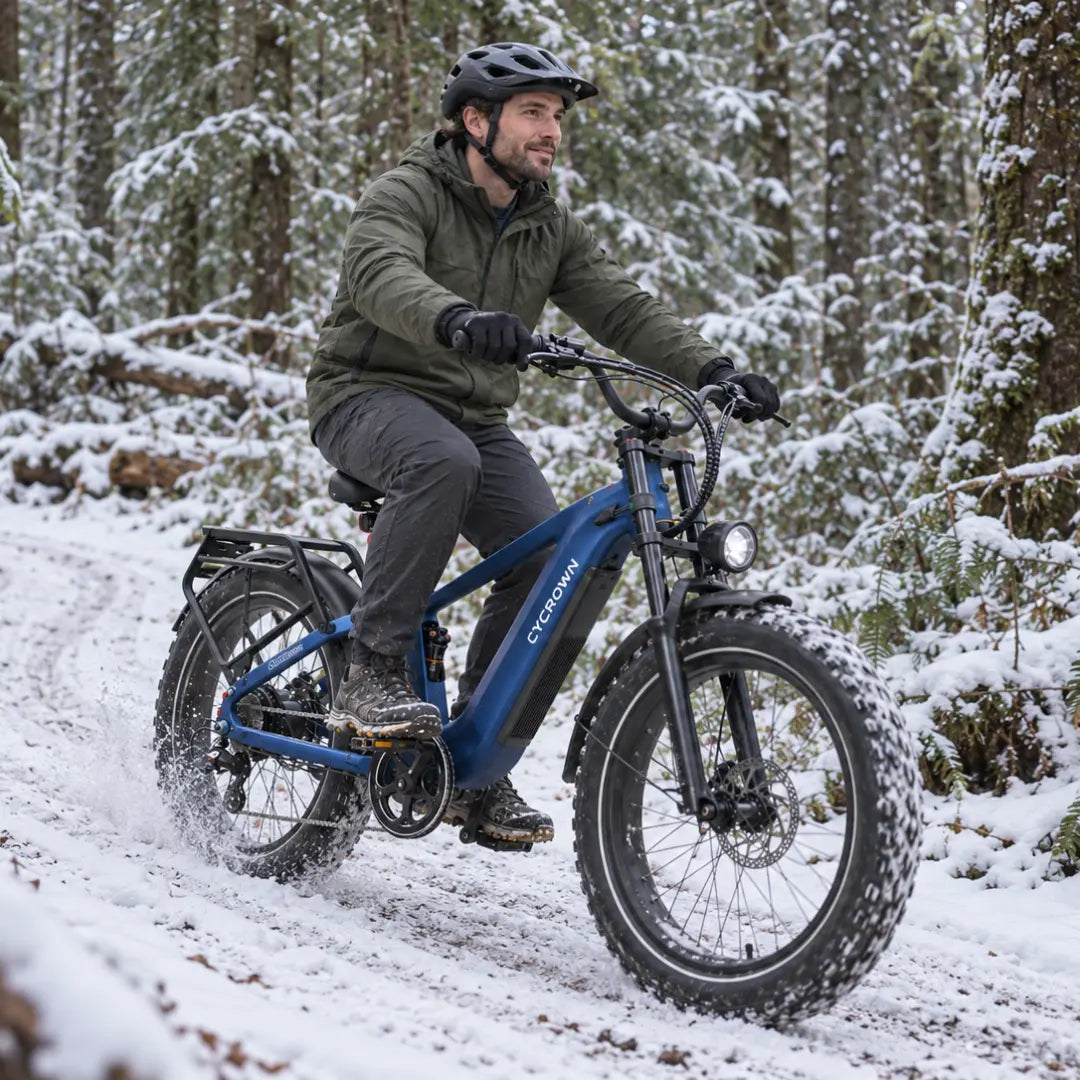
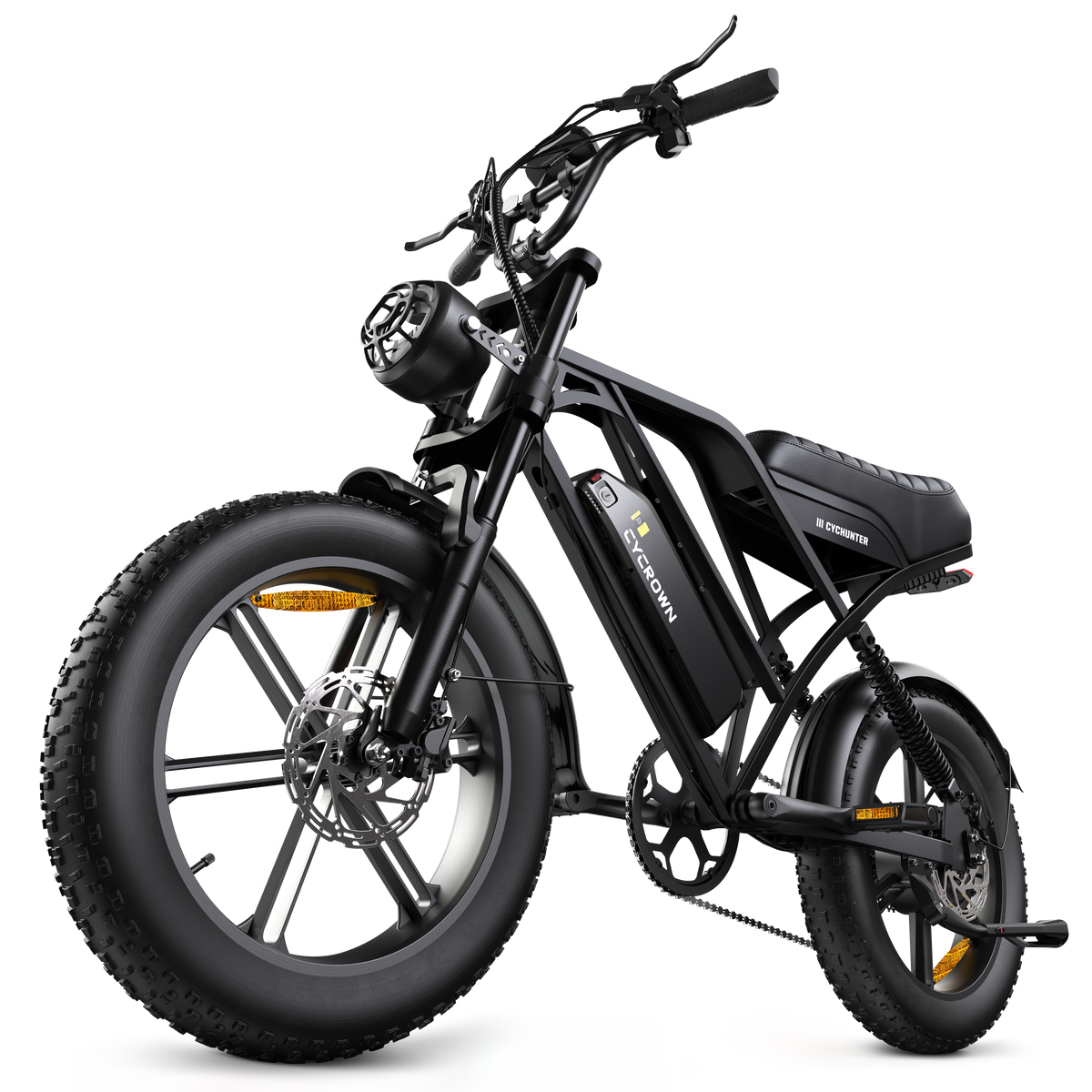
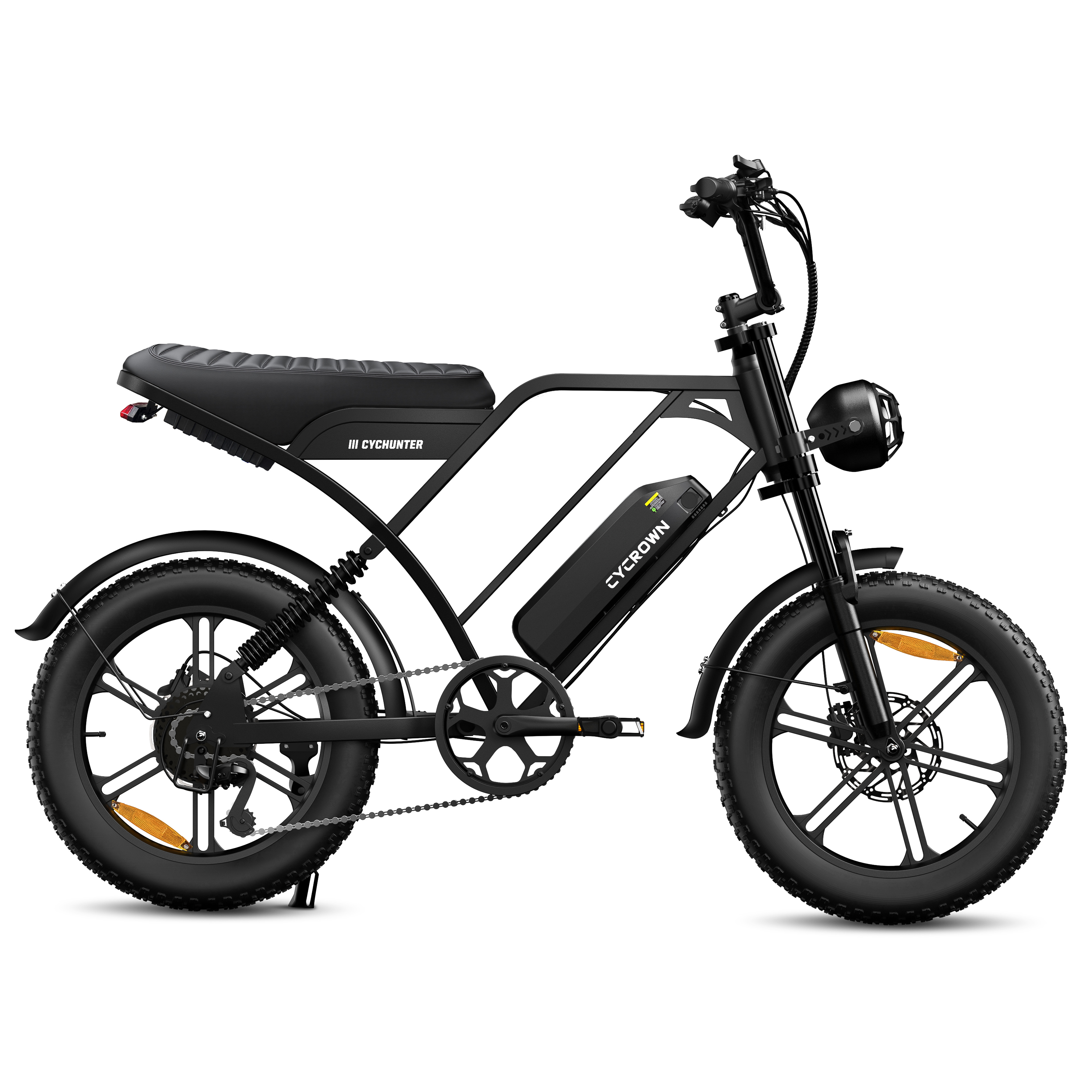
Mixed surfaces, hills, or heavier loads: an all-terrain fat tire such as the Roma all-terrain model adds stability.
Smart features and comfort: fat tire models option with app-based features.
For e-bike commuting, check that the battery range covers your longest regular trip. See CYCROWN's article on how many miles an e-bike can last, or browse the CYCROWN electric bike collection.
Building E-Bikes Into a More Flexible Transportation Routine
Think of trips, not vehicles. Walk when the destination is close, ride when an e-bike is practical, take transit for longer journeys, and drive when necessary. Start with one regular trip, such as a grocery run or commute. If it works well, gradually add another.
Where E-Bikes Fit Into Everyday Transportation
E-bikes do not need to replace every car or transit trip to be useful. They can fill the gap between walking and driving for commutes, errands, and transit connections. Match the bike to your routes, weather, and transportation needs to determine where it fits into your daily routine.
Quick Answers for Curious Riders
Are e-bikes practical for daily transportation?
Yes. E-bikes can be practical for many short-to-medium trips, including commuting, errands, local travel, and connections to public transportation.
How far can an e-bike be used for everyday travel?
An e-bike can handle anything from short local trips to longer commutes, depending on its battery capacity, terrain, rider and cargo weight, weather, and assist level. Check the manufacturer's stated range and allow some reserve for real-world conditions.
Can an e-bike replace some car trips?
Yes. An e-bike can replace some short car trips, particularly when the route is bike-friendly and does not require significant cargo or multiple passengers.
What type of e-bike is suitable for commuting?
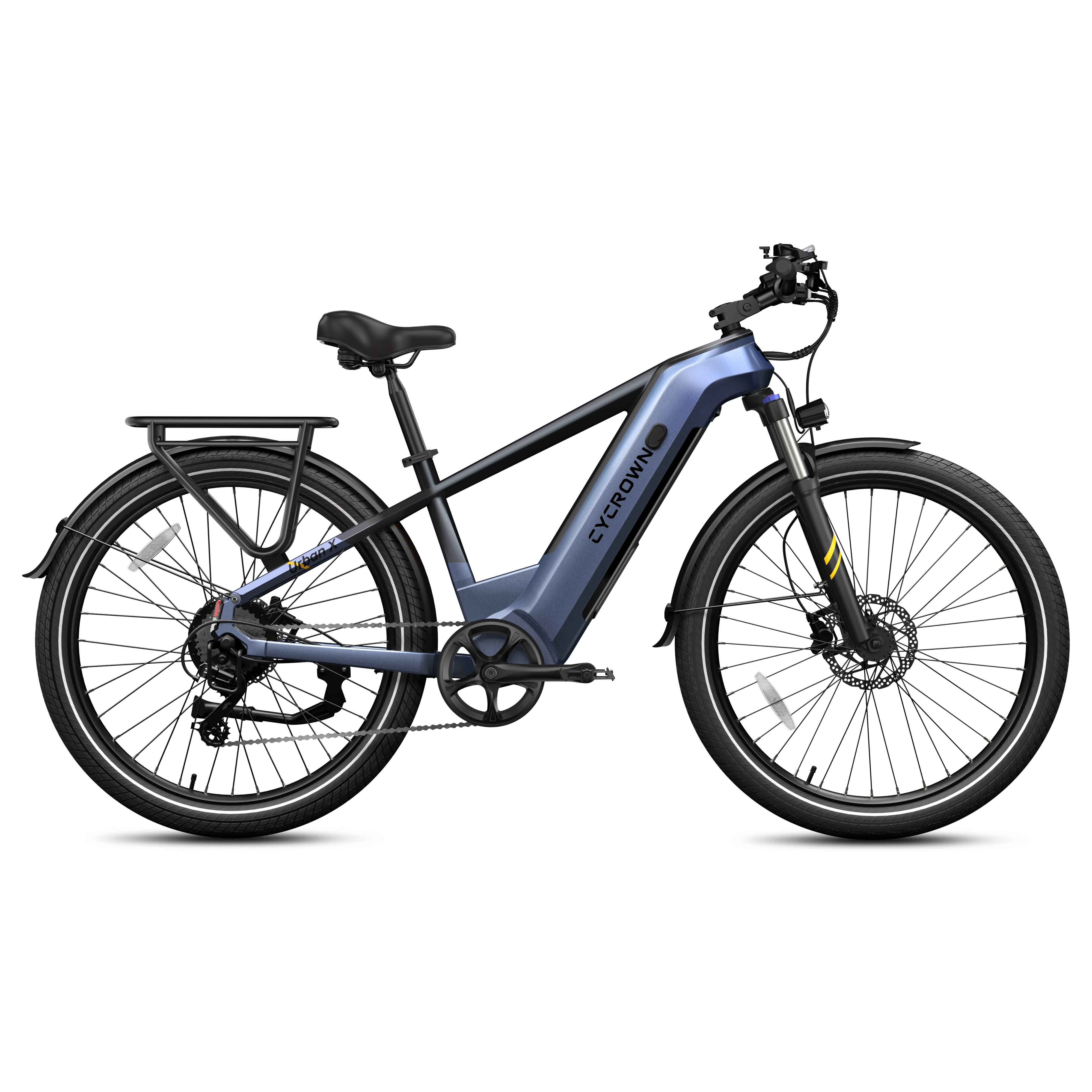
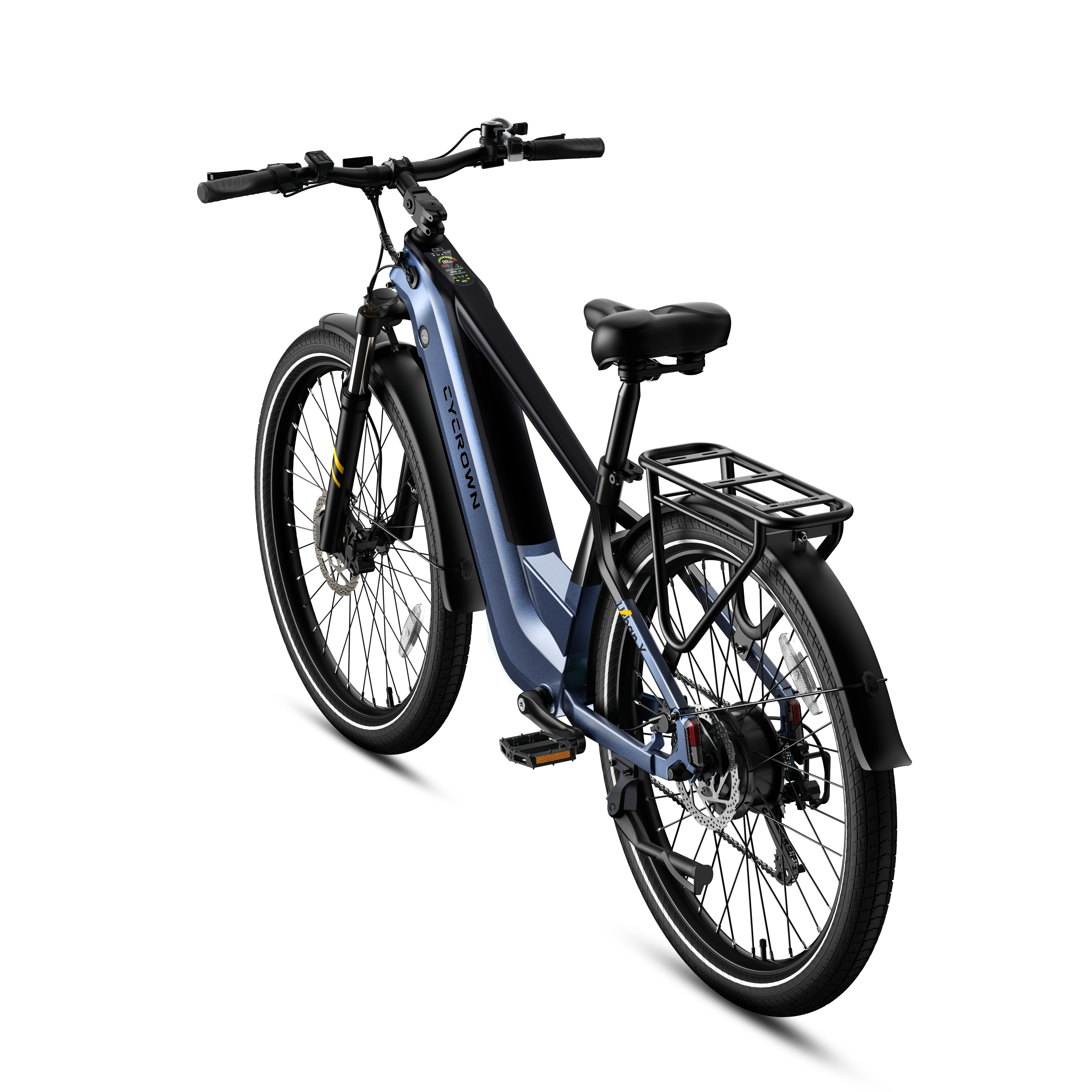
A commuter-oriented e-bike with sufficient range, reliable brakes, lights, comfortable geometry, and compatibility with racks or fenders can work well for regular commuting.


