















Keep Rust Away for Good: The Short Answer
The best electric bike rust prevention is a simple routine: clean the e-bike after wet rides, dry it fully, lube the chain, and store it somewhere covered. These habits keep moisture off bare metal, which is how rust starts.
Rust grows slowly, so it is easy to ignore until the chain turns orange. This guide shows where e-bike corrosion starts and how to prevent rust on electric bike parts before damage shows.
What Causes Rust and Corrosion on an Electric Bike?
Electric bike rust prevention starts with understanding the cause. Rust forms when iron or steel meets water and oxygen. This process, called oxidation, turns bare metal into flaky red-brown rust.
Moisture and Humidity
Rain, puddles, and morning dew are obvious culprits, but damp air in a shed can be just as harmful. Water also hides between chain links and under bolt heads long after wet-weather riding.
Road Salt, Mud, and Dirt
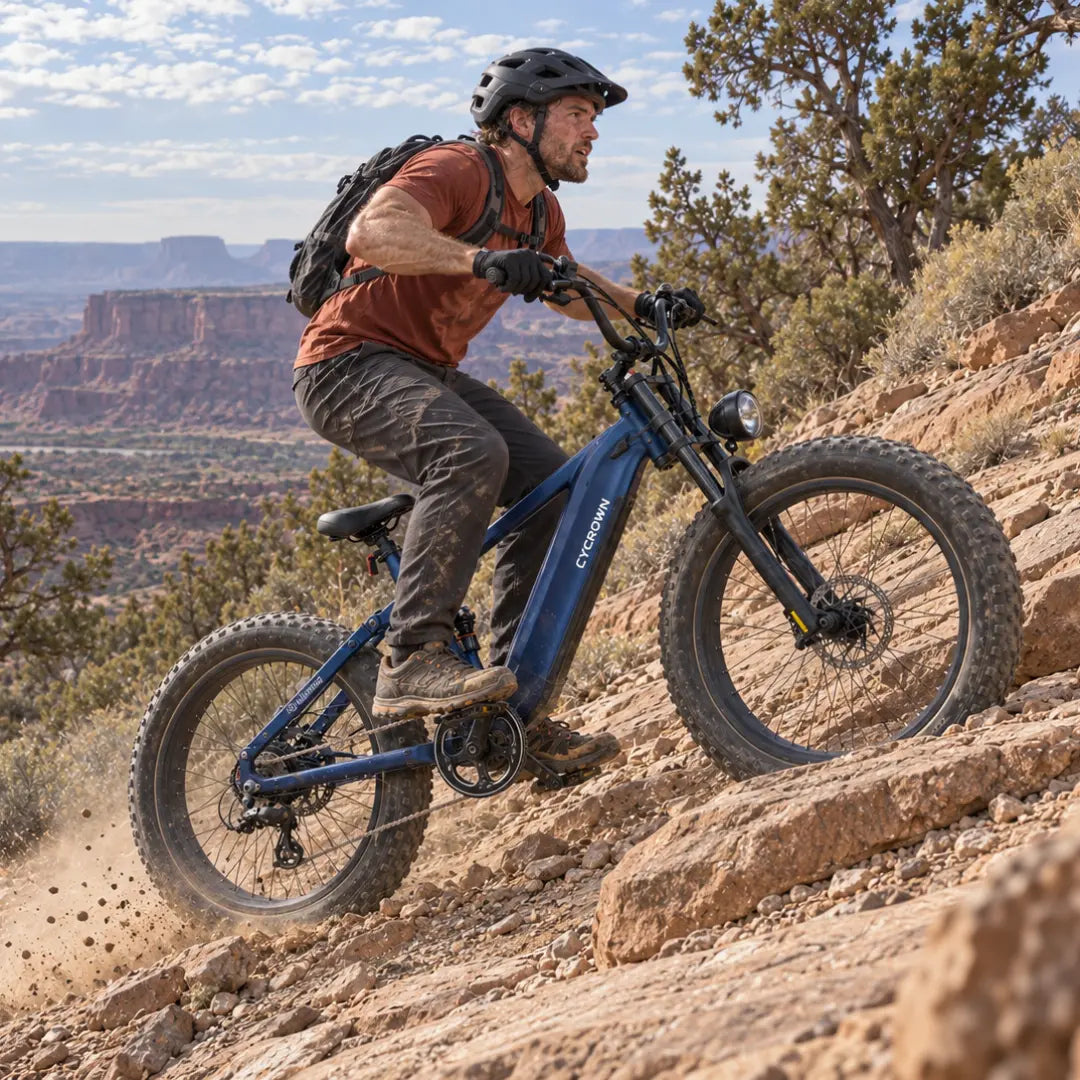
In the Northeast and Midwest, where crews salt roads all winter, salt clings to the e-bike and speeds up its corrosion. Mud and dirt hold moisture against the metal and hide early rust. Riders near the Jersey Shore, the Gulf Coast, or the California coast face the same problem from salty sea air.
Improper Storage
An electric bike left outside, or put away wet, can develop surface rust surprisingly fast.
Which Electric Bike Components Are Most Vulnerable to Rust?

Good electric bike rust prevention begins with knowing which parts need attention:
Chain: It moves constantly and gets sprayed with water, so rust on bike chain links is often the first sign.
Gears and cassette: Dirt and moisture collect between the teeth.
Bolts and fasteners: Small bolts on racks, fenders, and the stem rust quickly.
Spokes: Steel spokes rust where they meet the rim and hub.
Other exposed metal: Brake rotors, kickstands, and cable ends.
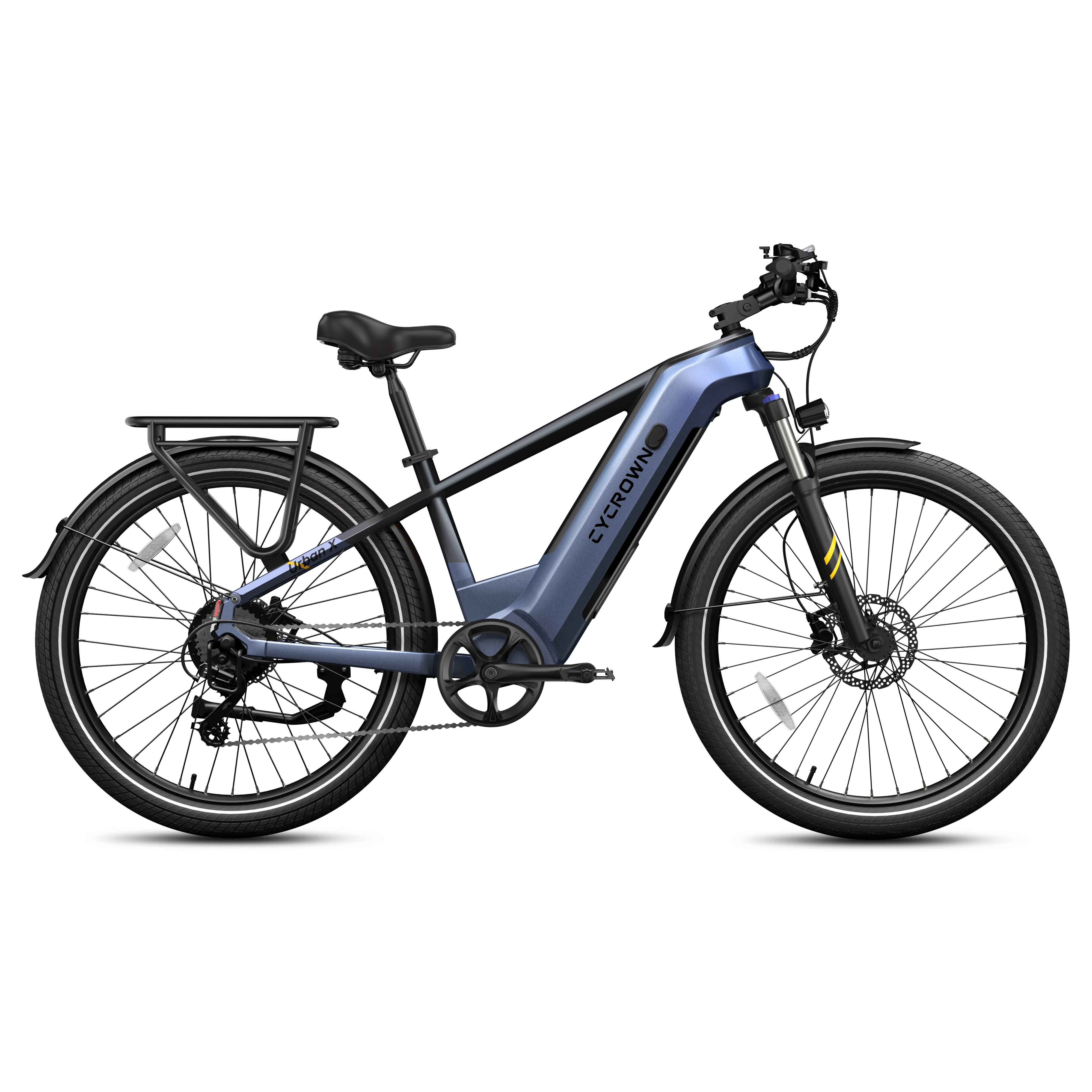
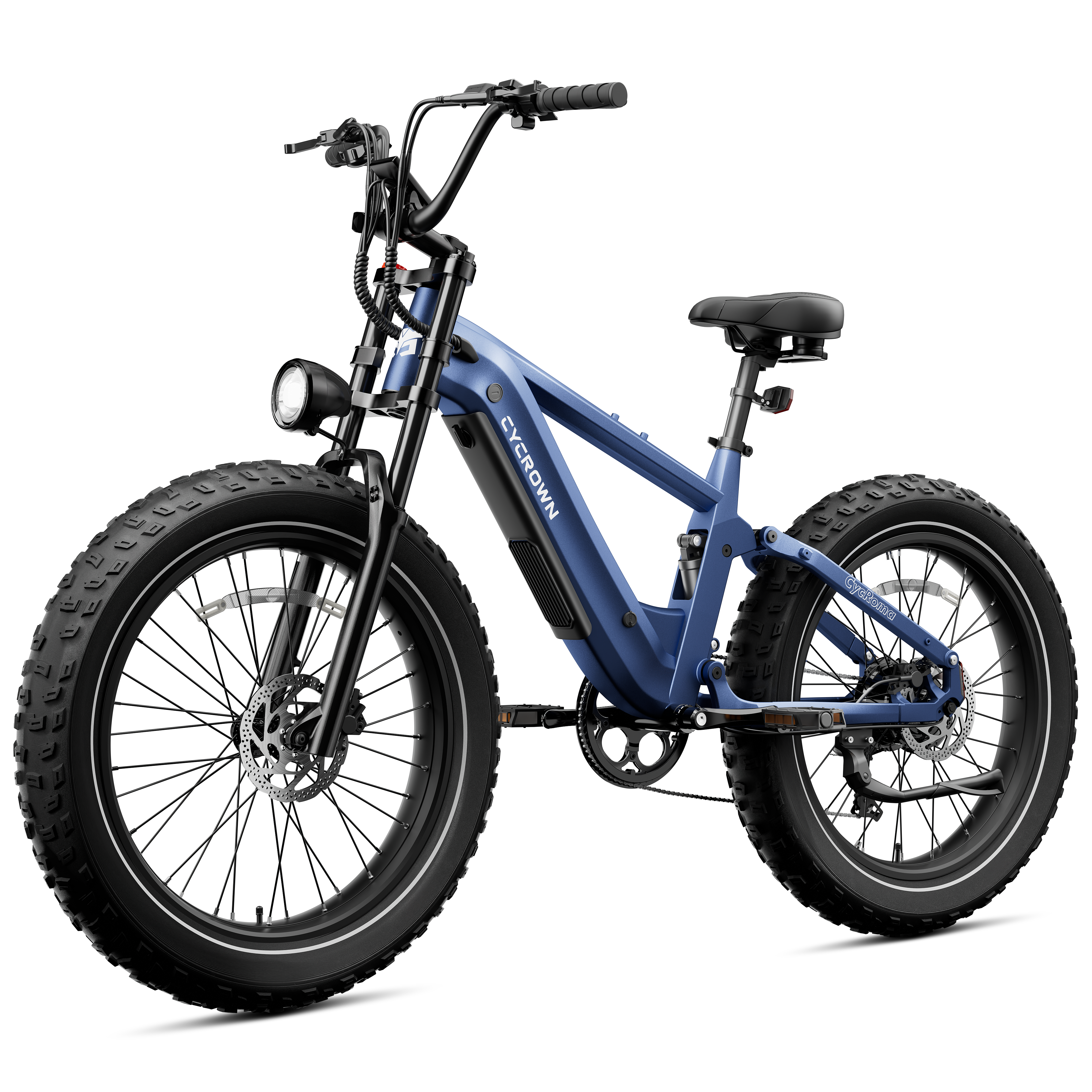
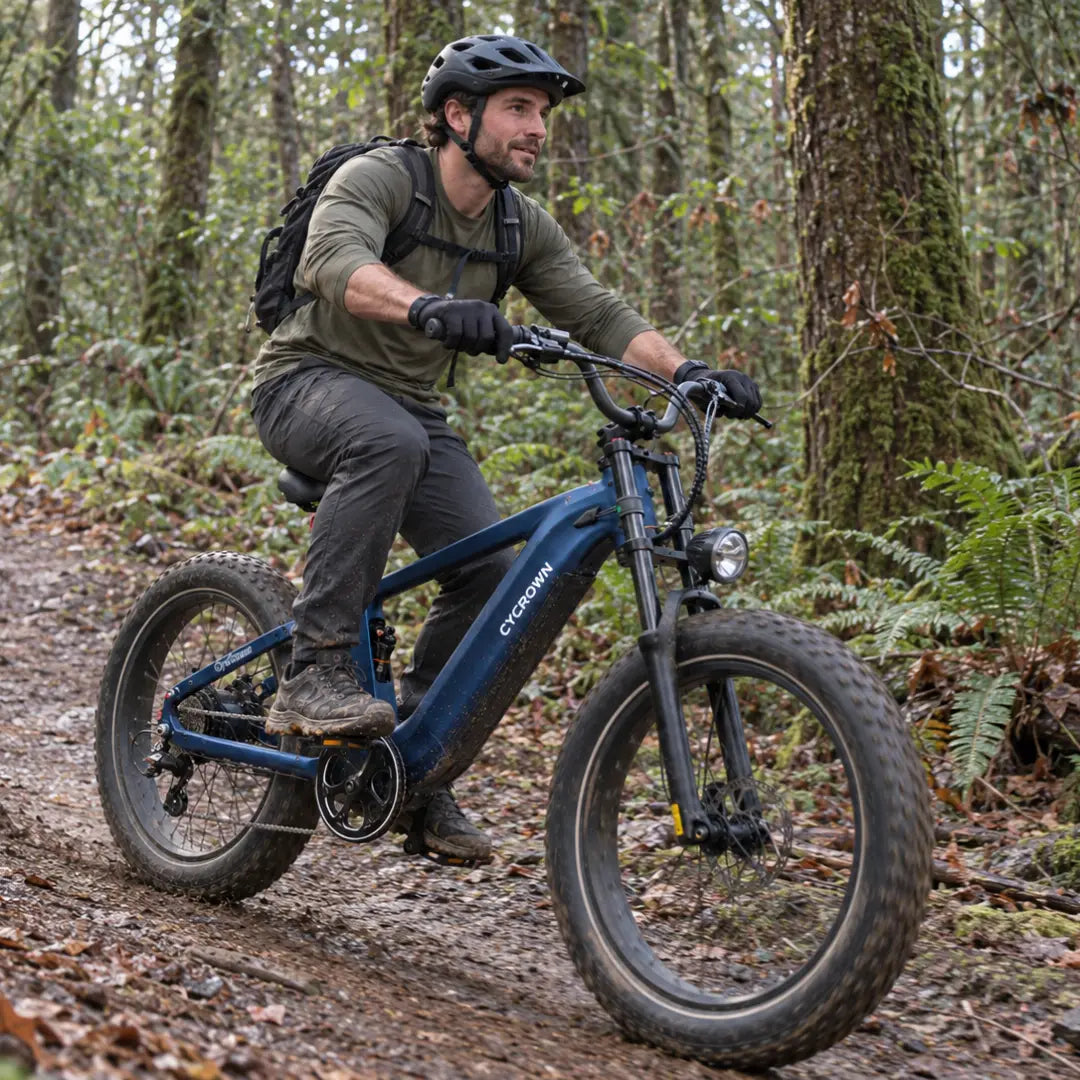
Aluminum frames do not rust like steel, but they can still corrode and develop white, chalky oxidation. Batteries and motors are designed to resist moisture, yet their electrical contacts can corrode if kept damp. Keep battery terminals, charging ports, motor connections, and electrical connectors clean and dry. Avoid spraying water directly into these areas and follow your owner's manual for cleaning instructions. E-bikes that see mud, such as the Roma or the Nomad Pro, benefit most from regular checks.
Clean Your E-Bike After Wet or Muddy Rides
Electric bike cleaning is the first step of electric bike rust prevention. Do it soon after a wet, muddy, or salty ride, before dirt dries into a crust.
Step-by-Step Cleaning
You need warm soapy water, two soft brushes, microfiber cloths, and a garden hose on low pressure.
Turn the e-bike off and remove the battery if your manual says so.
Rinse off loose mud gently. Skip pressure washers, which force water into bearings and connectors.
Wash the frame, fork, and fenders with a soft brush.
Scrub the chain, cassette, and derailleur with a second brush.
Rinse lightly, then dry right away.
After Salty Rides
After a long winter in cities like Chicago or Boston, salt residue hides in every crevice. A gentle rinse with plain water over the chain, brakes, and frame underside helps remove residue. Wet roads also change how brakes feel, so see our electric bike braking tips.
Dry Your Electric Bike Thoroughly Before Storage
Water left on metal is what rust needs, so drying is central to electric bike rust prevention and a core part of electric bike maintenance.
Wipe and Air Out
Dry the frame first. Then rotate the pedals slowly by hand while holding a clean cloth against the chain, keeping your fingers and loose clothing clear of moving parts. Finish with the cassette, bolts, spokes, and other exposed metal components. Allow the bike to air-dry completely in a well-ventilated area before storage.
Dry Before Long-Term Storage
Before a winter break, do a full wash, a complete dry, and a fresh coat of lube. Store the battery in a dry location within the temperature range specified in your owner's manual. Proper electric bike storage starts with a dry bike.
Lubricate the Chain and Protect Moving Components
Chain care is the heart of e-bike chain maintenance and wider electric bike maintenance. The motor adds force to the drivetrain, so a dry or dirty chain wears faster and rusts sooner. It is also a key piece of electric bike rust prevention.
Pick the Right Lubricant
Choose a bike chain lubricant that fits your weather. Wet lube lasts longer in rain and slush, while dry lube stays cleaner in dust. Skip heavy grease, which attracts grit.
Apply It Correctly
Clean the chain first, since oil over dirt grinds the dirt in.
Add one drop per link while pedaling slowly backward.
Wipe off the excess after a few minutes.
Check your chain regularly and lubricate it when it becomes dry, noisy, or after cleaning and wet rides, following the lubricant manufacturer's instructions. Add a light drop to derailleur pivots and the kickstand hinge, but keep lube off brake pads and rotors. A little rust on bike chain links may be removable with appropriate cleaning and lubrication, but a stiff, heavily rusted chain should be replaced. Steady e-bike chain maintenance also protects costly drivetrain parts.
Protect Your E-Bike Frame From Scratches and Moisture
To protect electric bike frame paint, keep it clean and sealed, because a scratch exposes bare metal and moisture finds it fast. It is a simple electric bike rust prevention step.
Wash off grit, which wears down paint.
Check for chips near cable guides and rack mounts.
Dab touch-up paint on scratches right away.
Add bike wax or a protective coating on high-wear areas.
Fenders also cut spray. Our list of essential electric bike accessories covers fenders and more.
Store Your Electric Bike in a Dry and Covered Area
Smart electric bike storage is a big part of electric bike rust prevention. The goal is no rain, no puddles, and no trapped dampness.
Best: Indoors, in a hallway or spare room.
Good: A closed garage or shed with airflow. In humid places like Florida or the Pacific Northwest, even a closed garage can feel damp.
Cover: Use a breathable cover, not plastic that traps condensation.
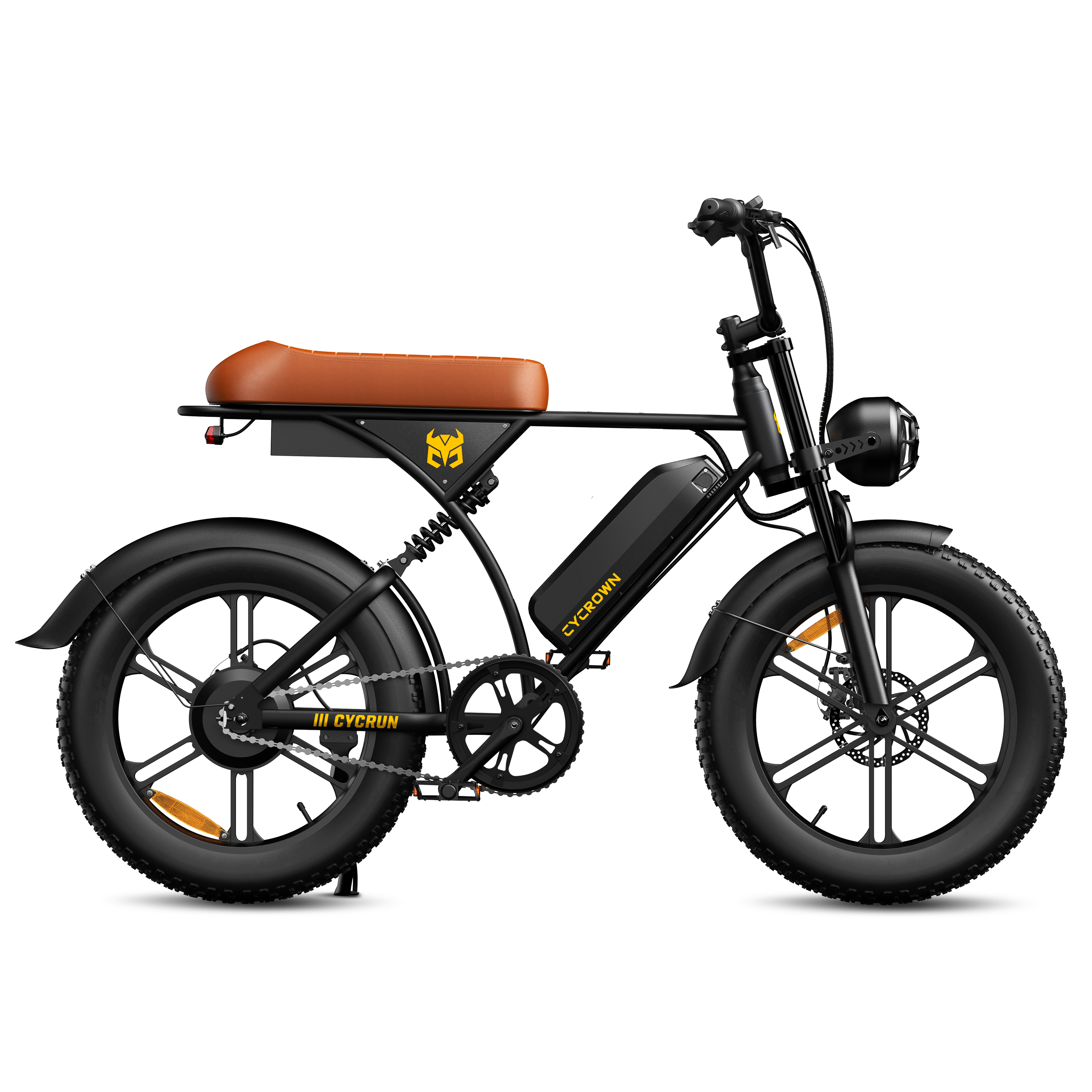
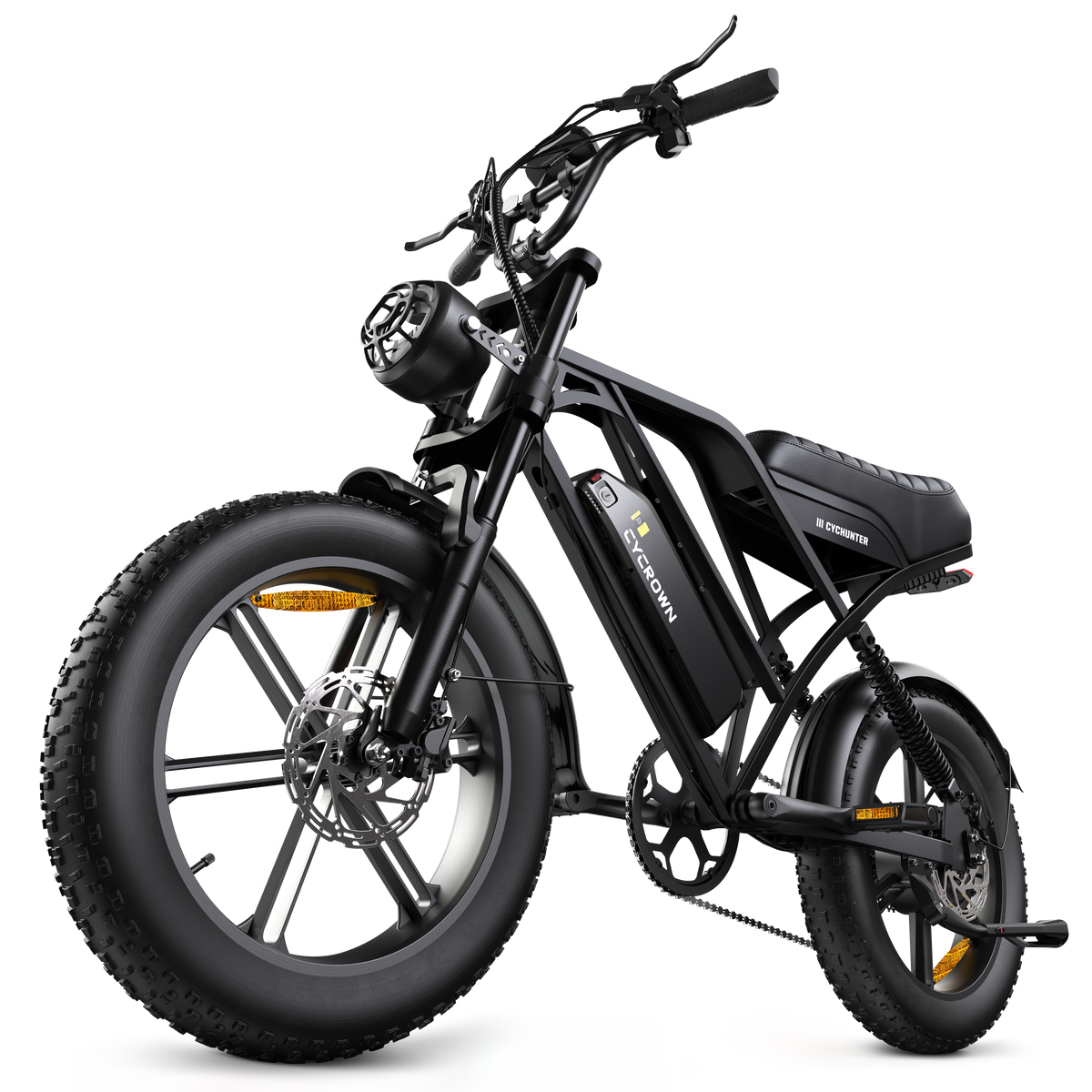
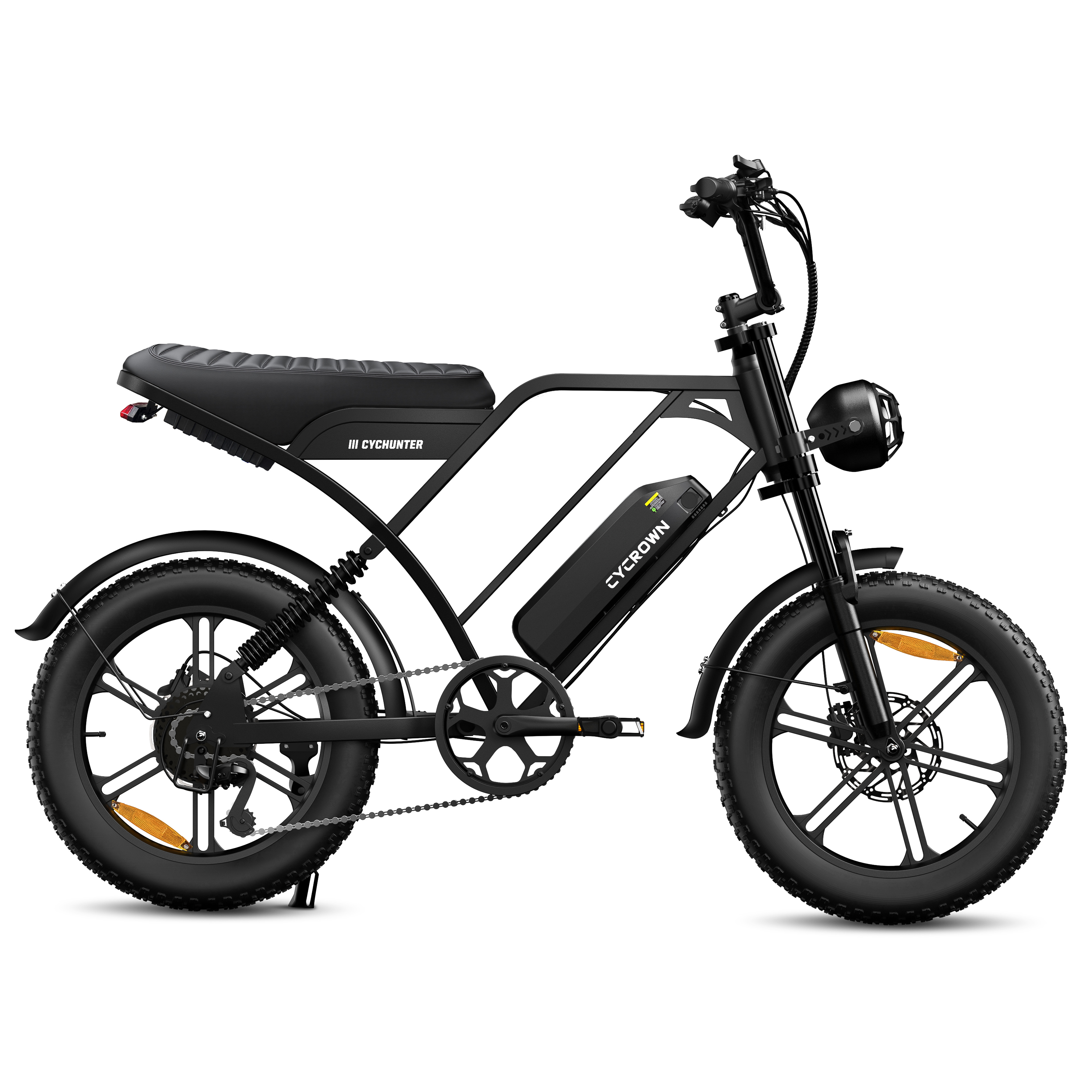
Compact bikes like the CycHunter are easy to roll into a hallway or garage corner.
Inspect Your E-Bike Regularly for Early Signs of Corrosion
Regular electric bike maintenance includes a five-minute monthly check that catches e-bike corrosion early. Look for:
Orange or brown spots on the chain, bolts, or spokes
Stiff links or a gritty chain
White, chalky powder on aluminum
Bubbling or flaking paint
For light surface rust on suitable non-braking metal parts, use a compatible bike-safe rust remover according to its instructions, then dry and protect the area. Avoid applying cleaners or lubricants to brake pads and rotors. Have corroded braking components or electrical issues inspected by a qualified e-bike shop. Riding on the coast or on sand? Read our guide on fat tire e-bikes and beach sand for post-ride cleaning tips.
Small Habits, Long-Lasting Metal
Electric bike rust prevention does not need a complicated routine. Clean after wet rides, dry completely, lube the chain when needed, and store the bike dry and covered. Add a monthly check, and you can help protect your e-bike's metal components for years.
Quick Answers for Rust-Conscious Riders
What causes an electric bike to rust?
Water, humidity, road salt, and dirt sitting on bare metal cause oxidation, especially on the chain, bolts, and spokes.
How often should I lubricate my e-bike chain?
Check it regularly and lubricate when it becomes dry or noisy, and after cleaning or wet rides, following the lubricant manufacturer's instructions.
Can riding an electric bike in the rain cause rust?
Rain alone will not ruin your bike, but leaving it wet can encourage corrosion, so dry it and check the chain afterward.
How do I remove early rust from an electric bike?
Use a compatible bike-safe rust remover on suitable non-braking metal parts, following the product instructions. Dry and protect the area afterward.
Is it okay to store an electric bike in a garage?
Yes, good electric bike storage in a garage means keeping it dry, ventilated, and covered, with the bike off wet floors.


