








What Makes an E-Bike Practical for Families?
A family-oriented e-bike is one that makes everyday trips easier. It should feel comfortable and stable, offer enough range for regular errands, and handle normal cargo without becoming difficult to control. Motor power can help with hills and heavier loads, but it cannot make up for poor comfort, weak braking, or a bike that is difficult to store.
Family use also doesn't automatically mean carrying children. For many households, an e-bike for families simply means one dependable ride for groceries, appointments, commuting, and weekend outings.
Whether a bike can safely carry a child or passenger depends on its rated capacity, approved accessories, manufacturer's guidance, and local laws. Always confirm these requirements before adding a seat or carrying another passenger.
Which Features Matter for Family E-Bike Use?
Six things matter most: comfort, stability, range, simple controls, carrying capacity, and everyday usability. Comfort makes repeat trips easier, while stability helps riders feel confident when the bike is loaded. Sufficient range reduces battery concerns, and clear controls can make the bike easier for newer riders to use. Practical features such as lights, fenders, and a rack can also make an e-bike more useful for daily transportation. If you're still comparing styles, CYCROWN’s guide to the best commuter electric bikes for beginners is a helpful companion.
How Comfort and Stability Affect Family Rides
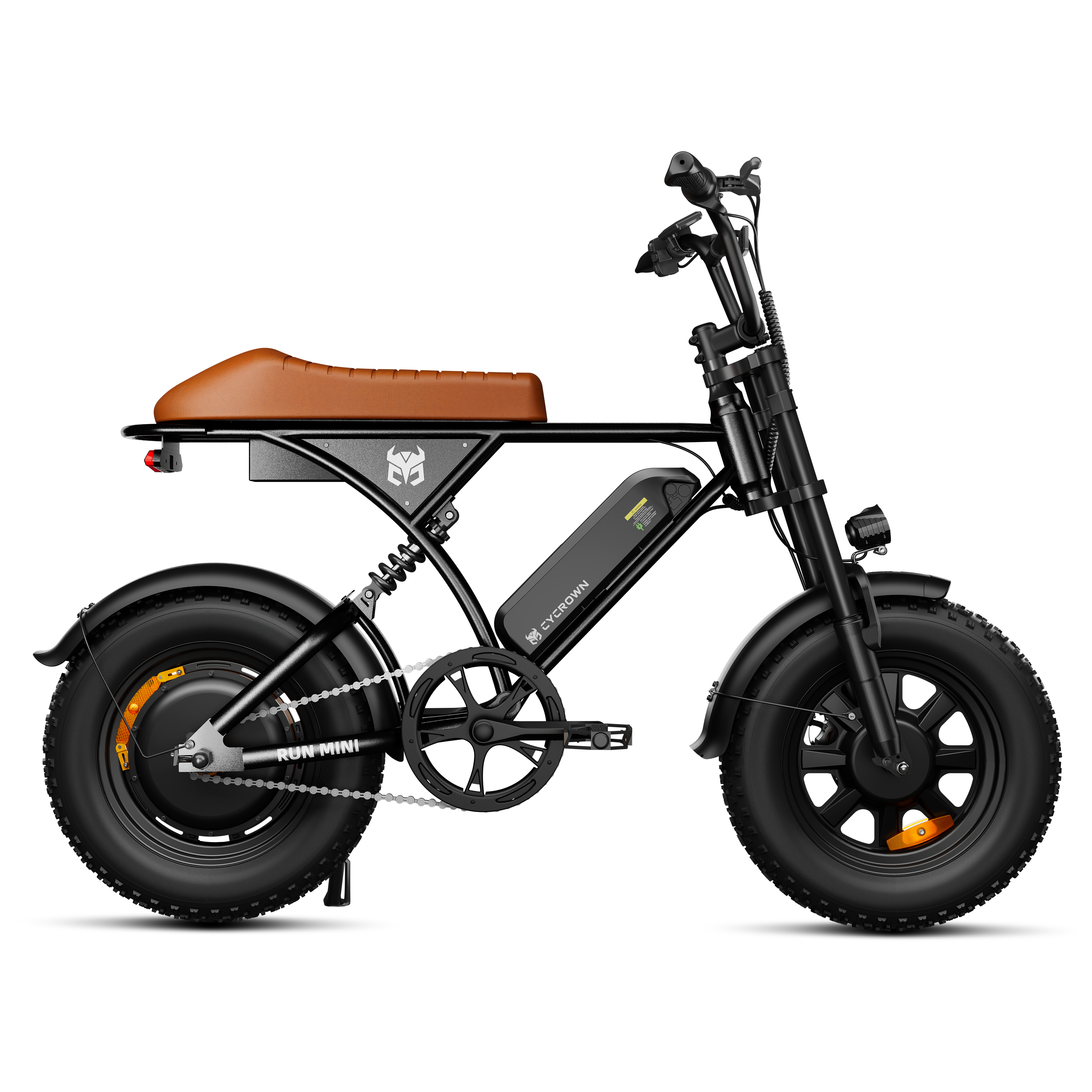
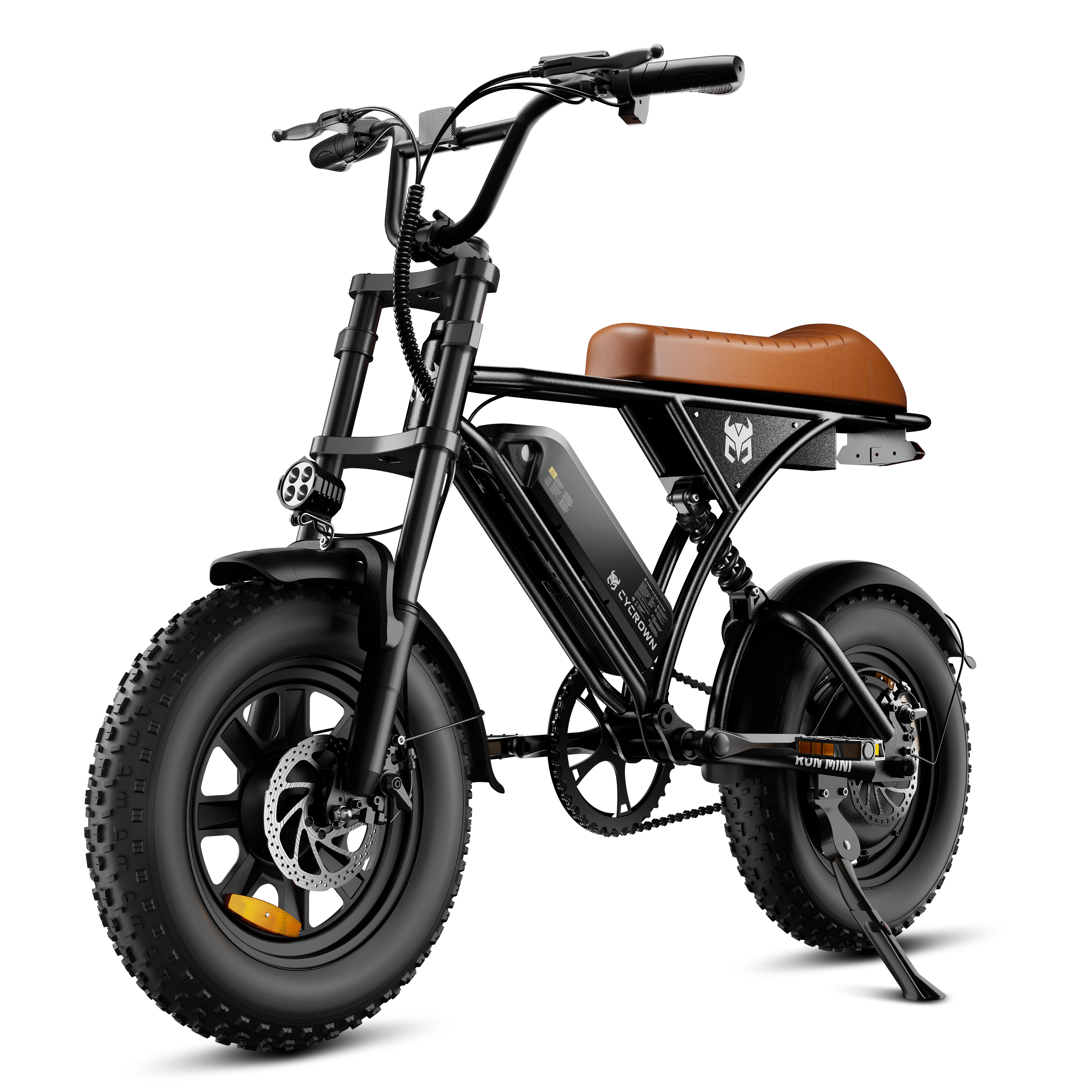
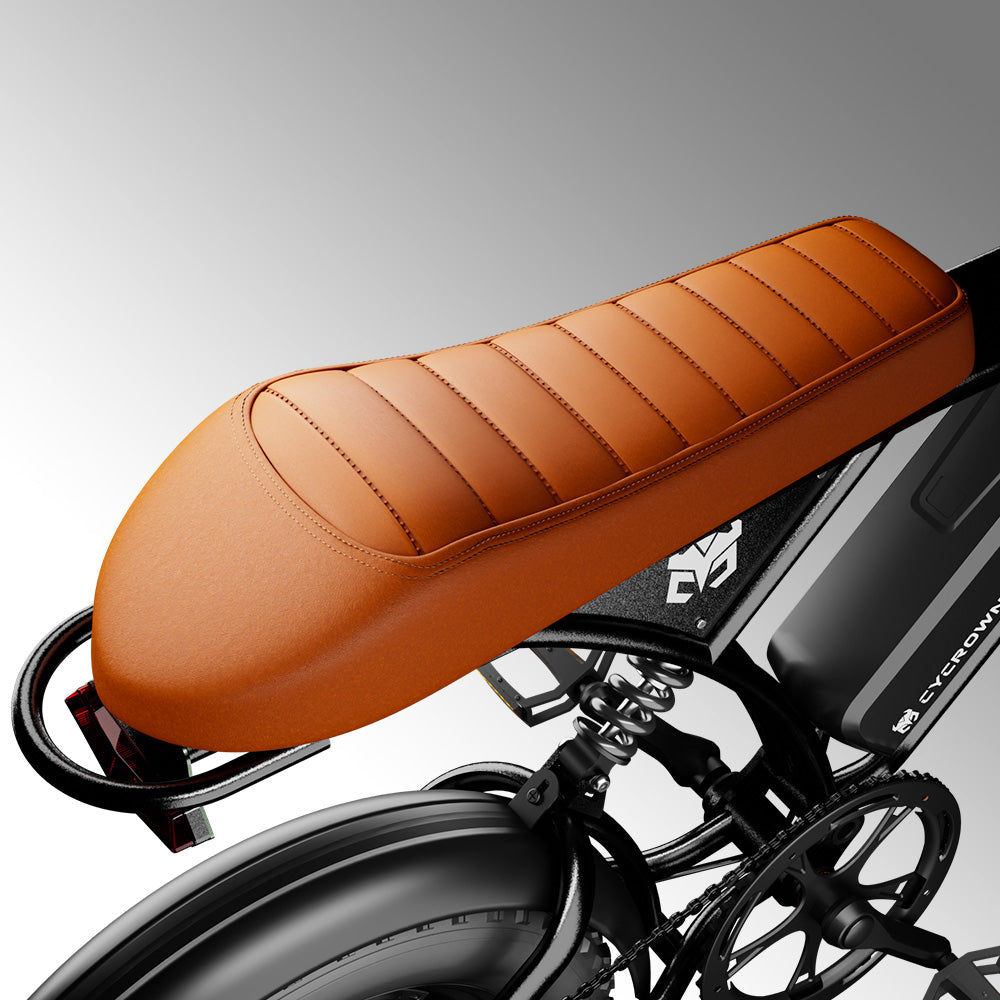
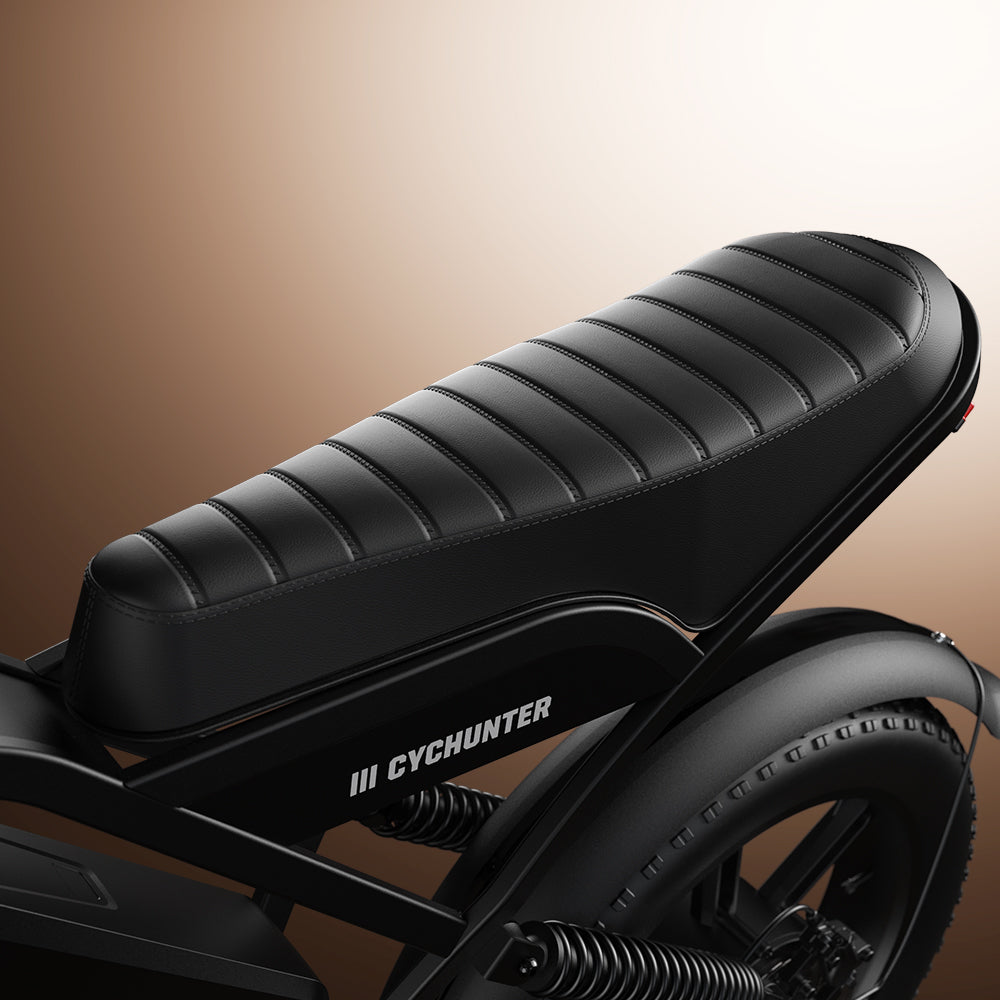
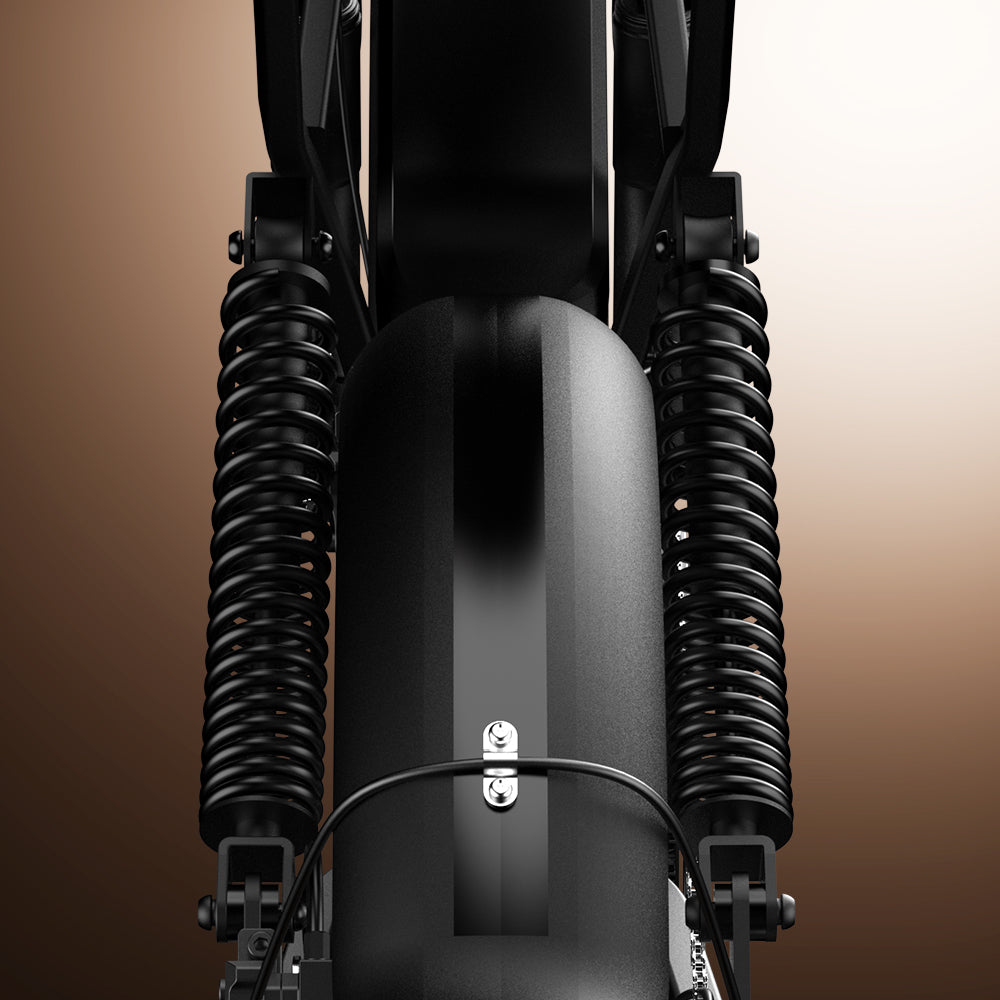
A comfortable e-bike can make a one-time ride easier to turn into a regular habit. An upright riding position can reduce strain on the back and wrists, while a wide saddle can improve comfort on longer trips. Suspension can also help absorb bumps and uneven pavement.
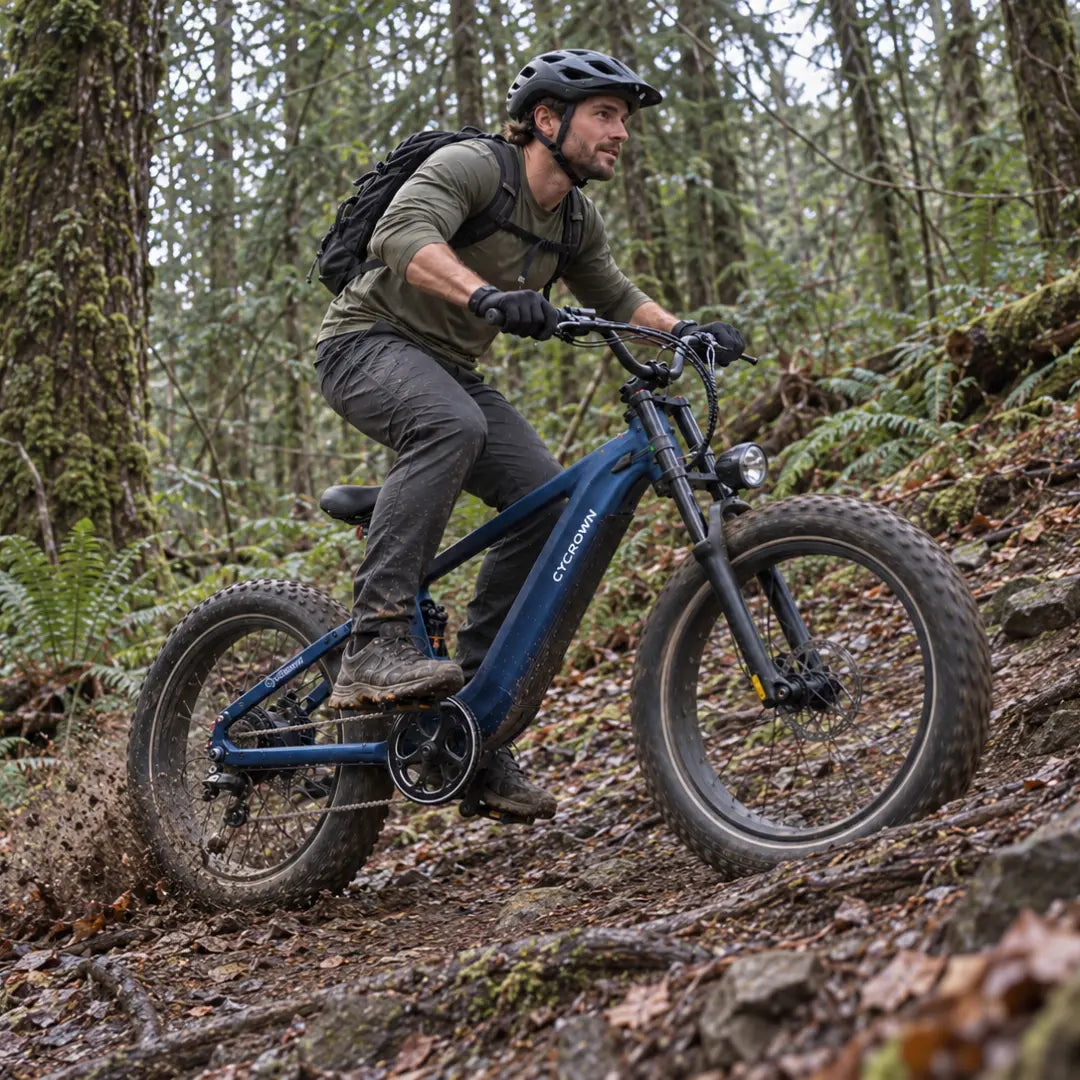
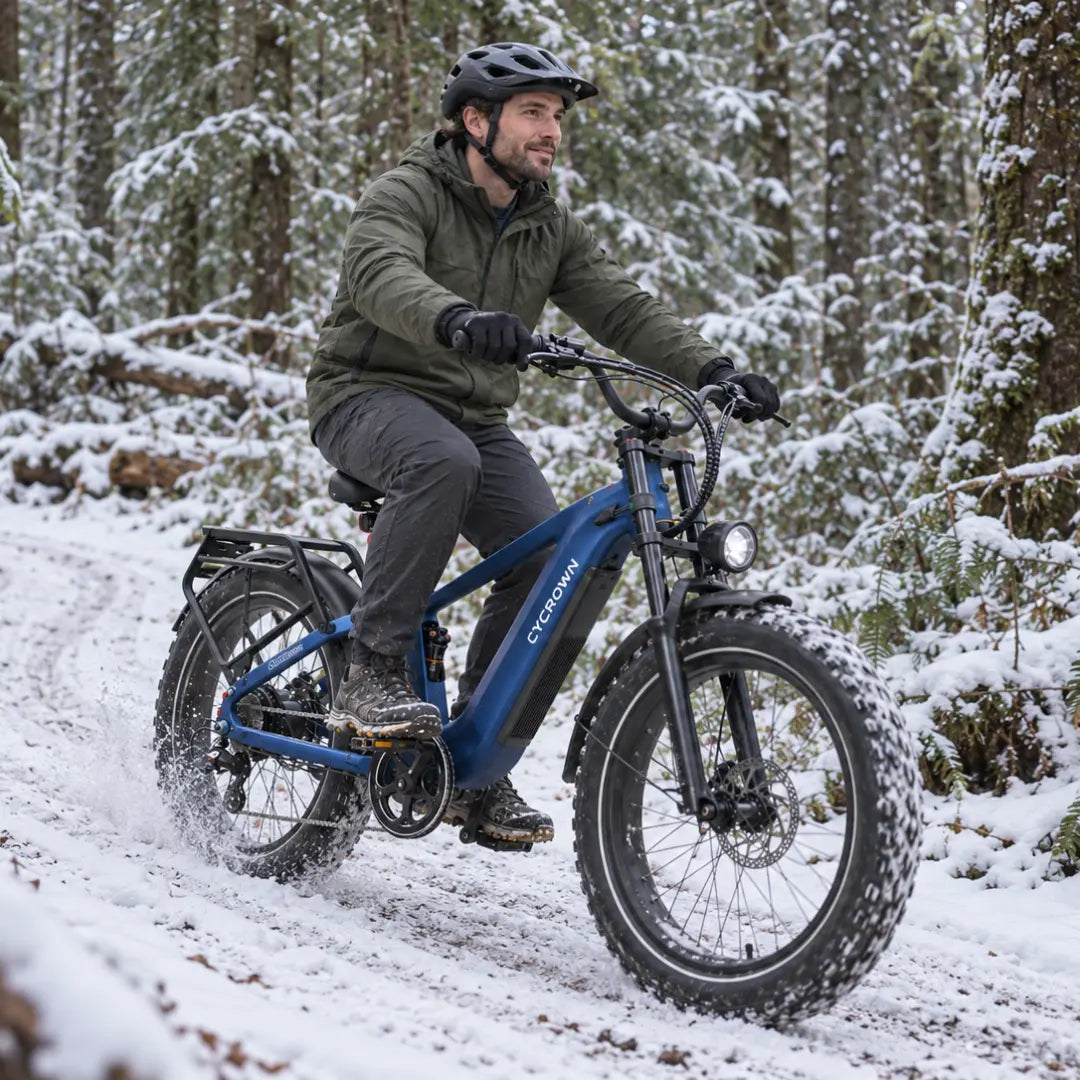
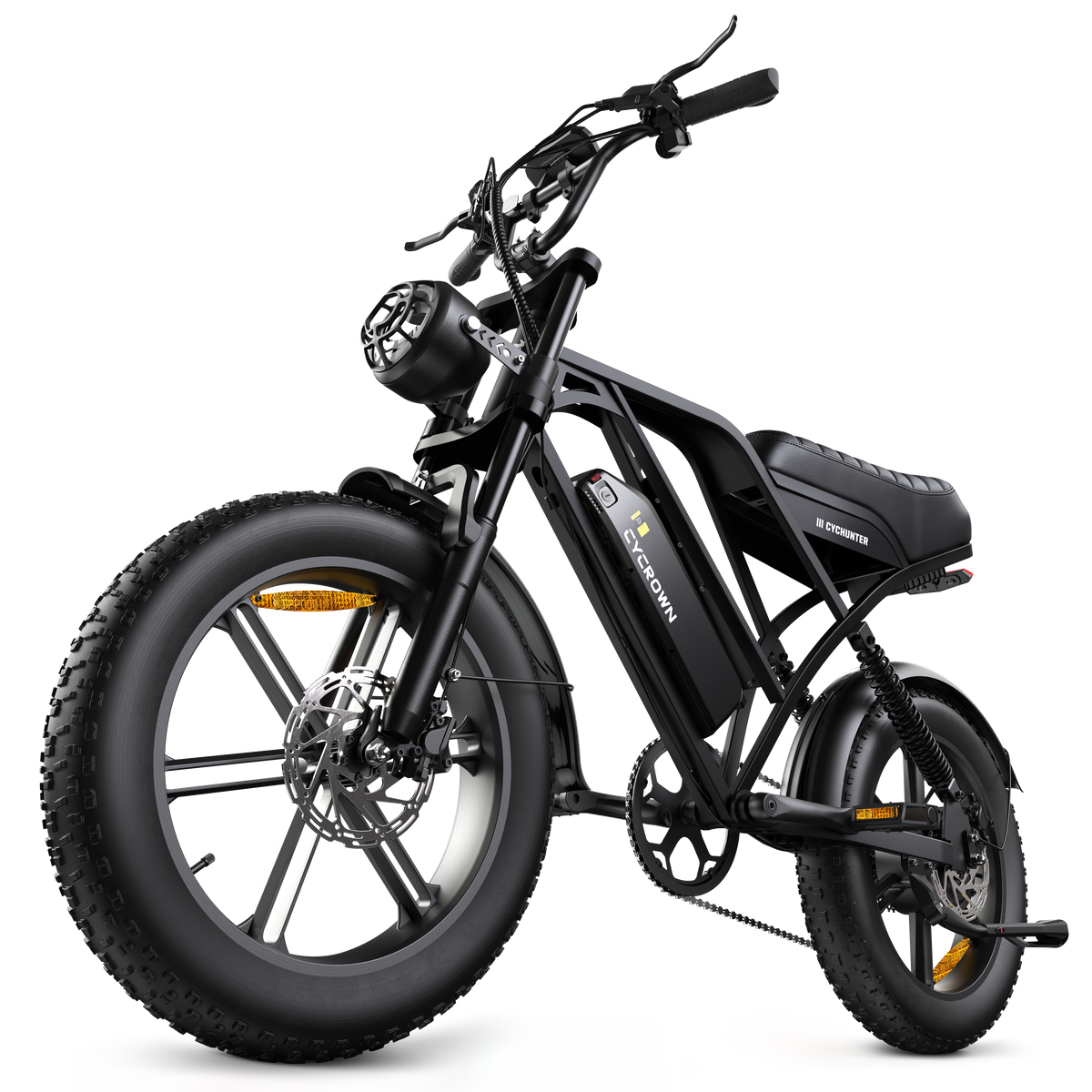
Wide tires can add cushioning and grip on uneven surfaces, making fat-tire models appealing for relaxed everyday riding. Stability also comes from frame design and predictable low-speed control, which can matter when carrying groceries or stopping frequently. The goal is simple: choose a bike that feels comfortable enough to use repeatedly.
 (
Why Range Matters for Everyday Family Errands
An e-bike for everyday errands should have enough range to handle a busy day without creating unnecessary battery concerns. A school drop-off, pharmacy stop, grocery run, and ride home can add up quickly.
Actual range depends on factors such as rider weight, terrain, assist level, speed, and weather, so published figures should not be treated as guaranteed results. Choosing more range than you normally need gives an e-bike for families a useful buffer for hills, headwinds, and colder conditions. That extra capacity can make everyday trips more convenient and reduce the chance of needing a recharge during the day.
How Carrying Capacity Supports Everyday Tasks
Racks, panniers, and baskets can make an e-bike more practical for carrying groceries and everyday items, but e-bike carrying capacity is more than a number on a rack. On any family-oriented e-bike, check the total rated payload, which covers the rider, bags, and anything else on board, as well as the rack's own weight limit. Keep heavy items low and centered, and never assume a rack is approved for a child seat. When in doubt, follow the manufacturer's limits. A clear understanding of e-bike carrying capacity keeps an e-bike for everyday errands safe and predictable.
What Makes the Nomad Pro Practical for Family Use?
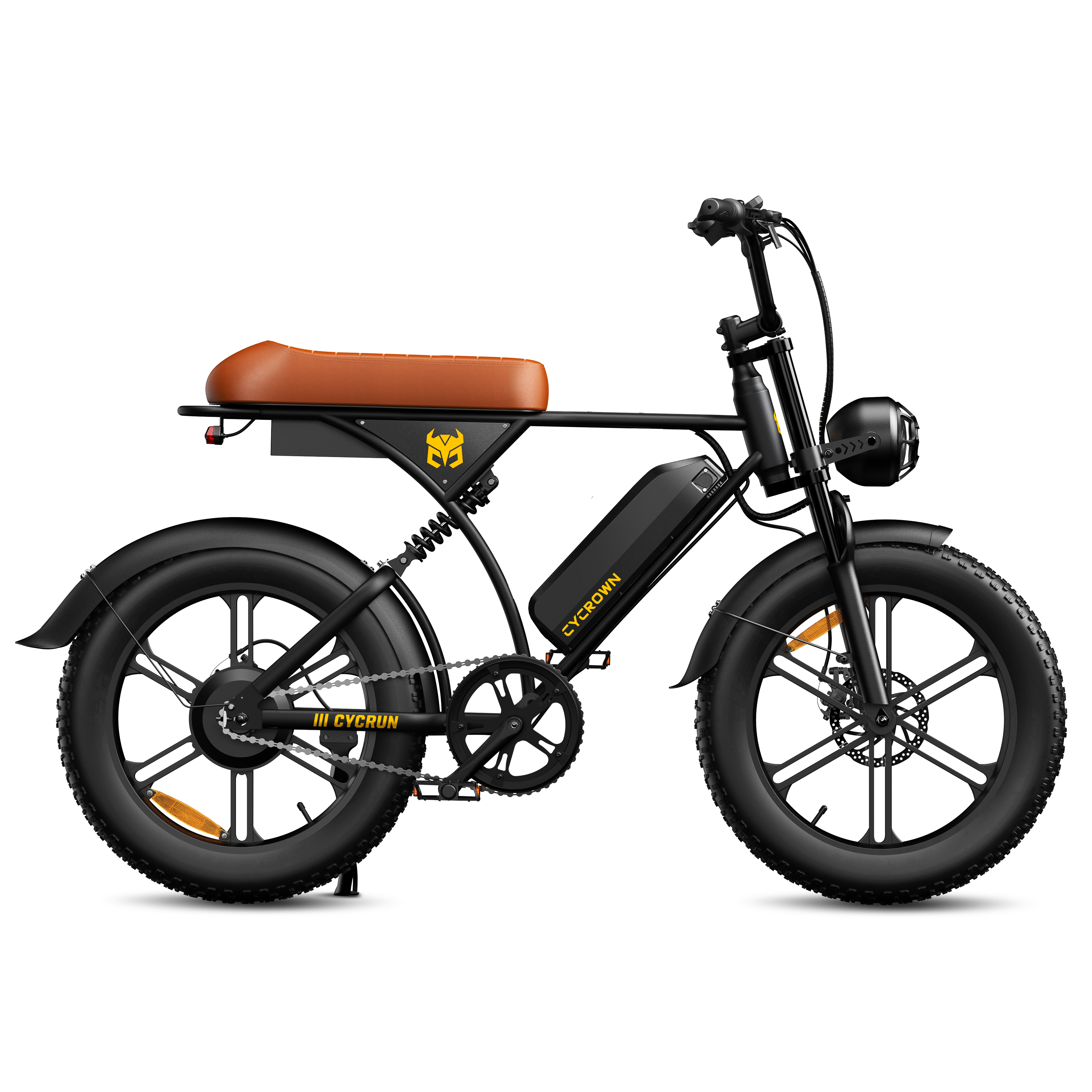
The Nomad Pro isn't sold as a child hauler, but several features line up with what a family-oriented e-bike needs.
Comfort and Control
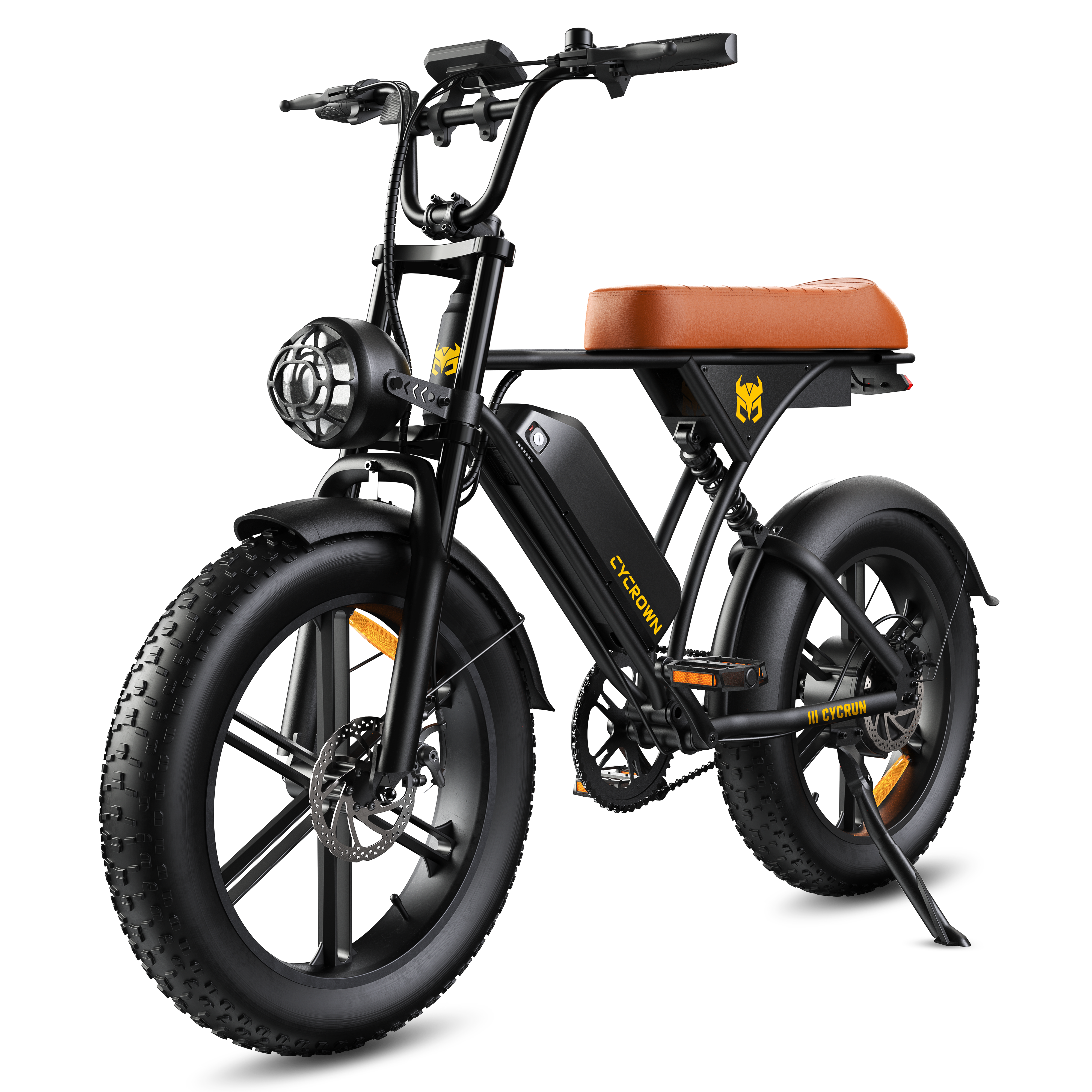
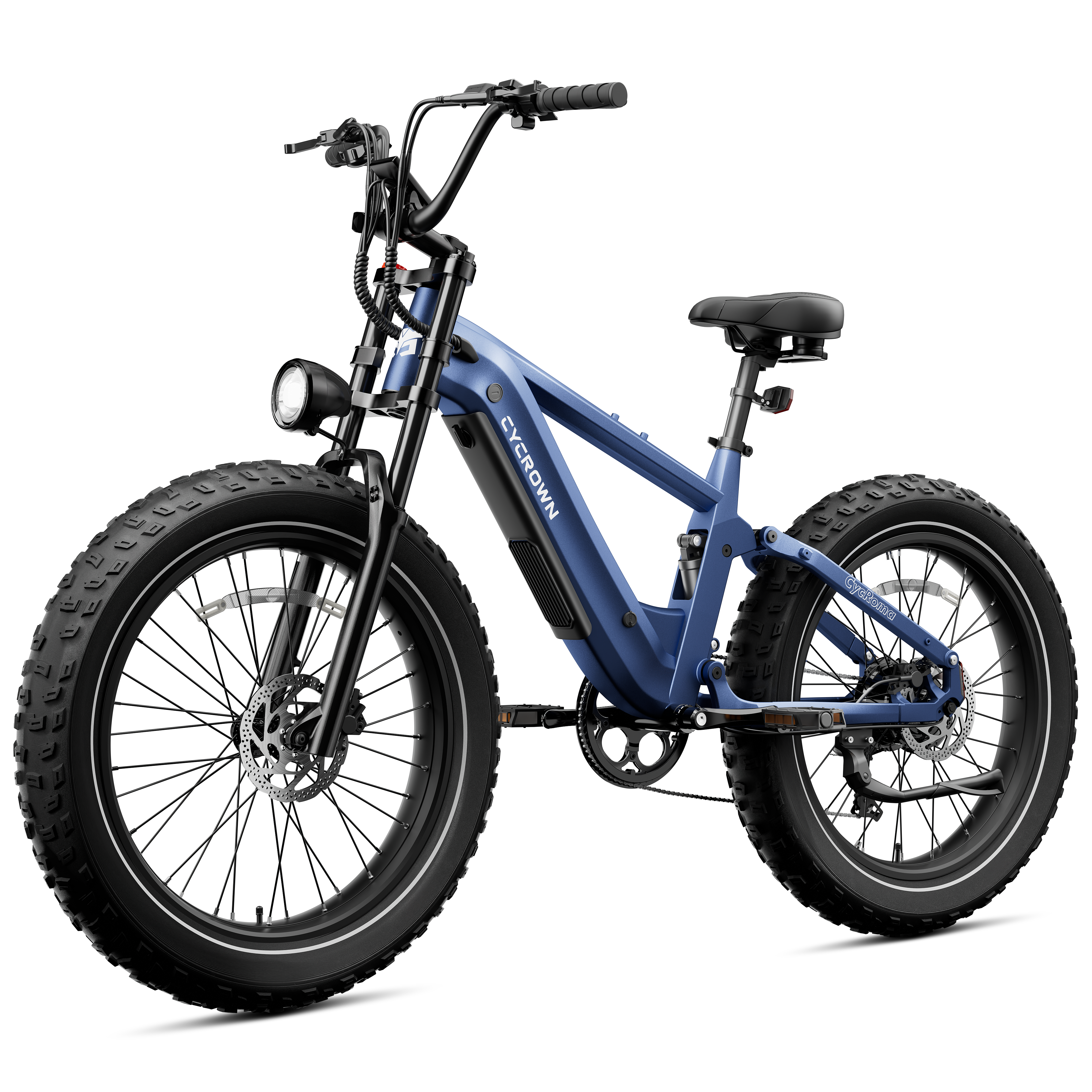
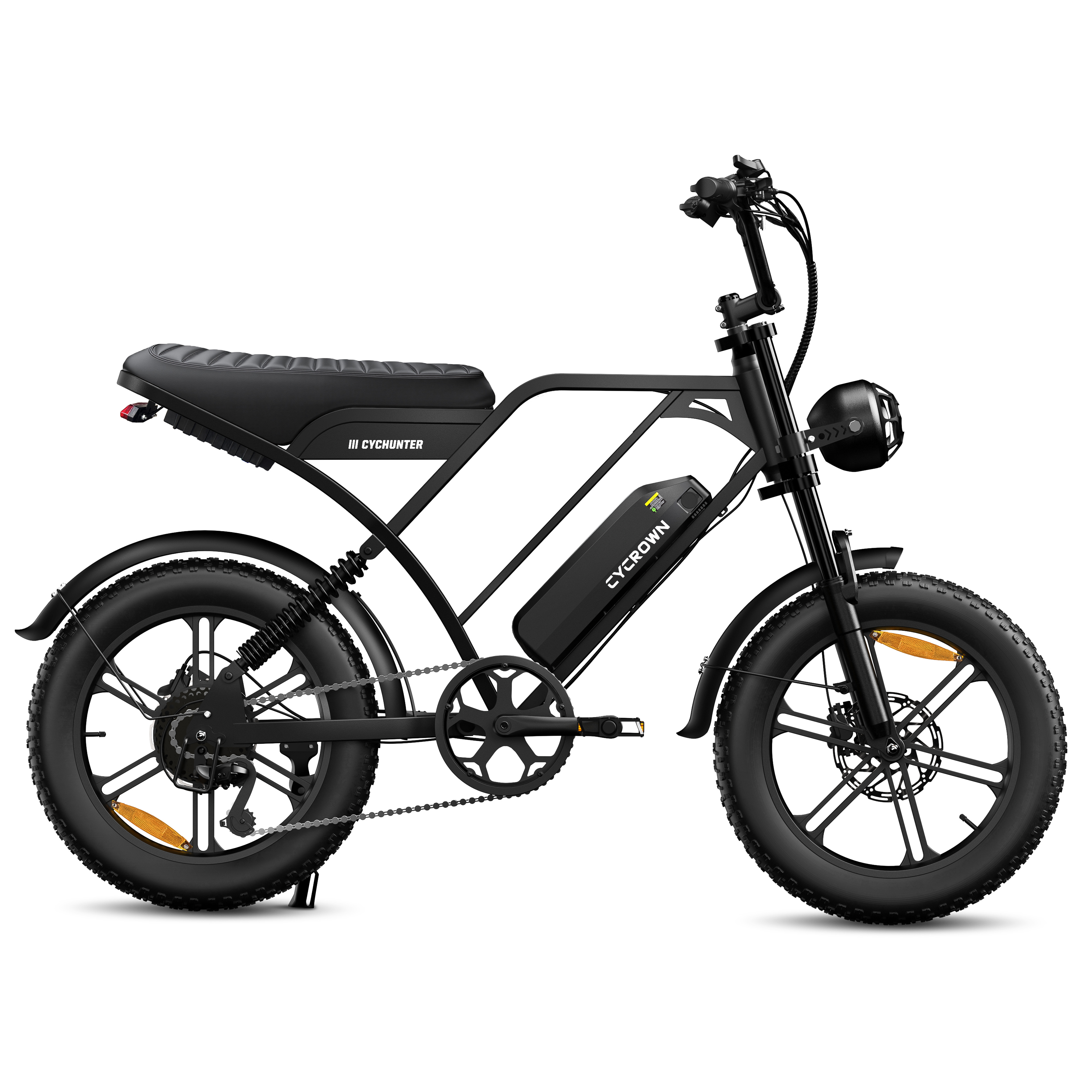
The Nomad Pro uses 26 x 4.0-inch fat tires, a hydraulic front fork with lockout, and a wide saddle with built-in suspension. These features can help provide a more comfortable ride over cracked pavement and other uneven surfaces. Its flat handlebar supports a more upright riding position, while hydraulic disc brakes provide controlled stopping.
Range and Everyday Capacity
The Nomad Pro uses a 48V 20Ah battery with a claimed range of up to 90 miles under ideal conditions. Its torque sensor is designed to provide smoother pedal assistance, while the bike's rated payload provides capacity for a rider and everyday cargo such as groceries or bags. A compatible rear rack is also available for additional carrying space.
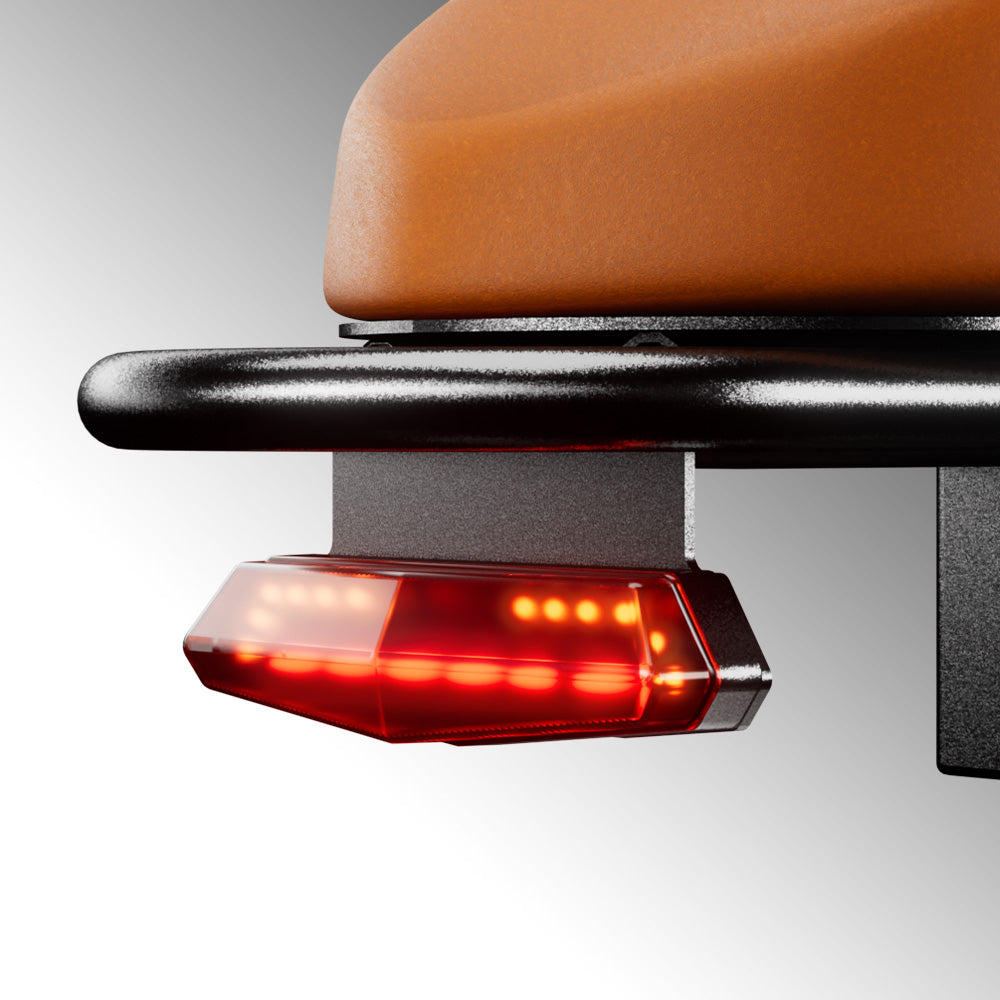
For visibility, the Nomad Pro includes a 70-lux headlight and a taillight with brake and turn signals. The trade-off is weight: at 93.7 pounds, it can take considerable effort to move around a garage or storage area.
How Families Can Use an E-Bike in Everyday Routines
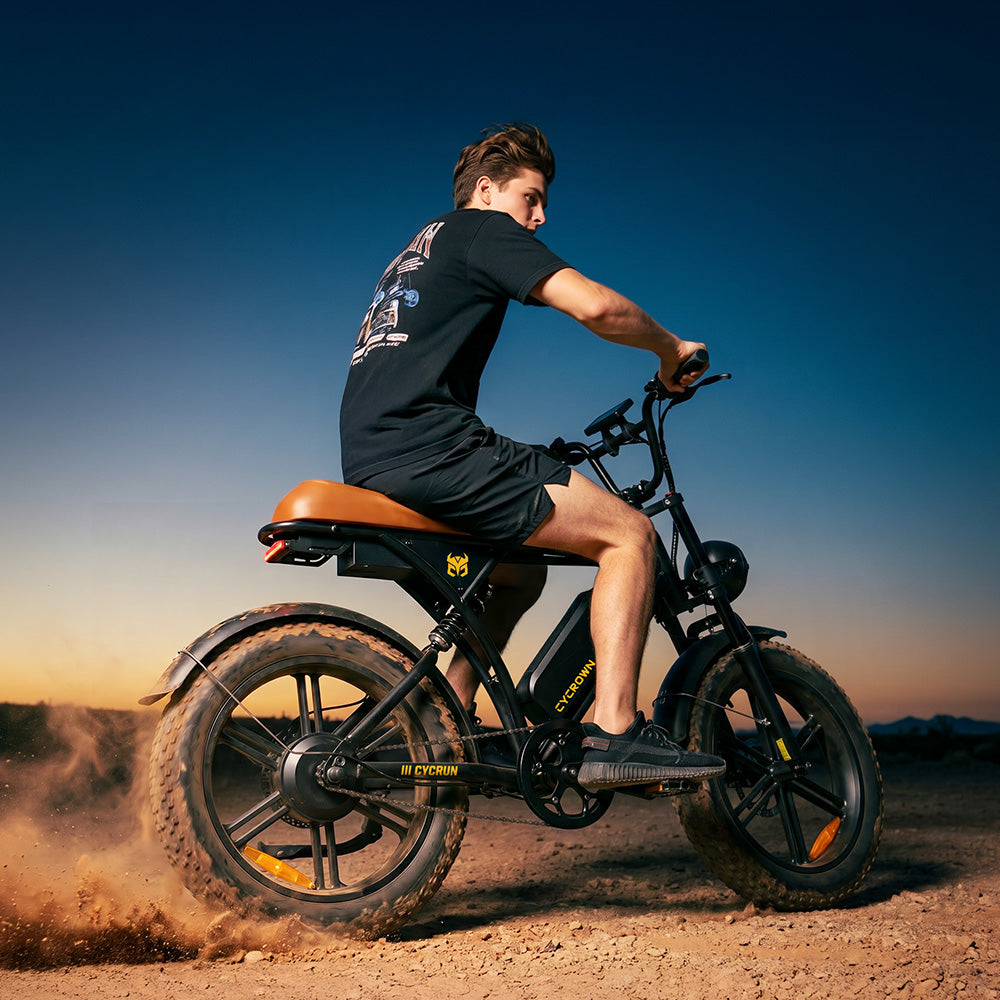
Many families can start by using an e-bike to replace short car trips: a market run, pharmacy visit, appointment, or trip to a local activity. Others may use one for weekday commuting and relaxed rides on a local greenway or multi-use trail on weekends.
An e-bike for everyday errands can also make short trips more convenient by avoiding some traffic and parking challenges. Adults can share an e-bike for different errands when the bike fits each rider and its setup allows it. For ideas on where to start, see our list of the best e-bike routes for beginners in the U.S..
What Should Families Consider Before Choosing an E-Bike?
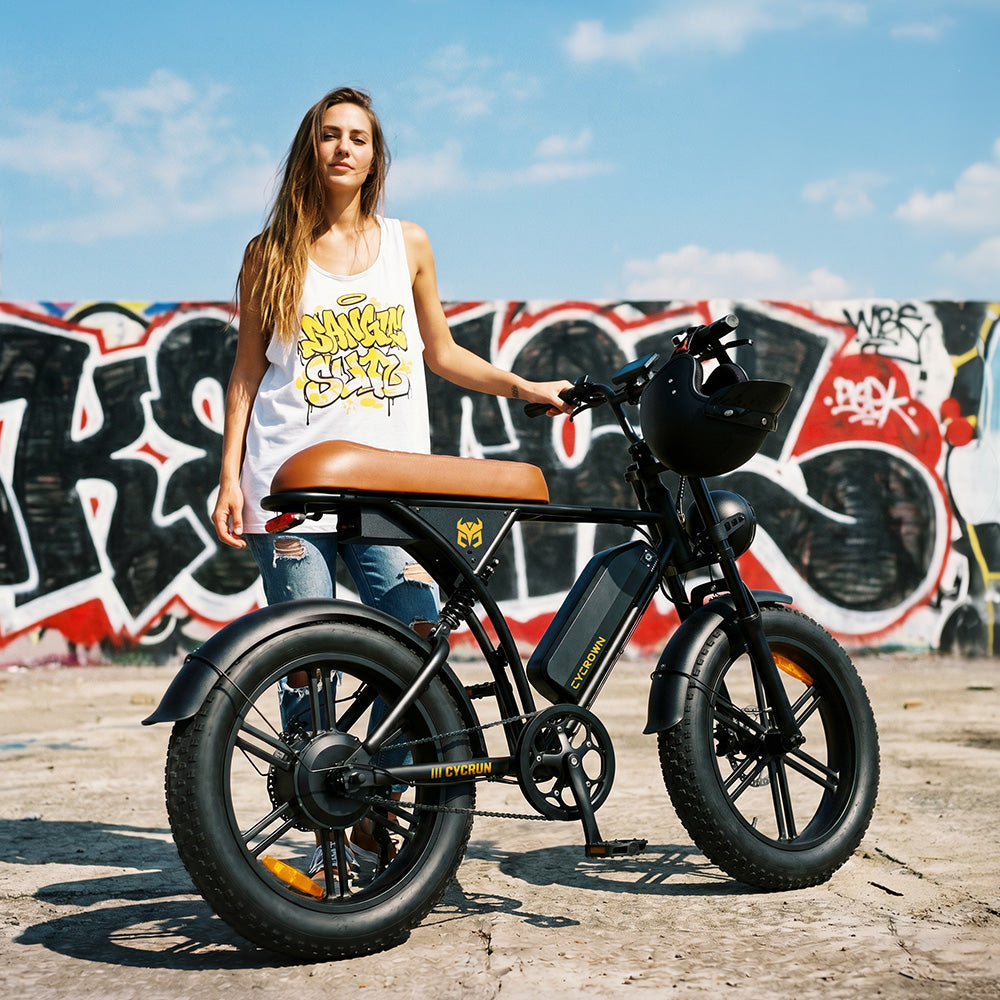
Start with rider fit. Check saddle height, handlebar position, and standover comfort for everyone who will ride the bike. Review state and local rules, since requirements can vary by motor power, speed, rider age, and where e-bikes can be used.
Also plan for storage and charging, especially if the bike is heavy or has a large frame. Budget for routine maintenance and basic safety equipment such as helmets, lights, and a lock. Finally, compare your usual trips with the bike's real-world range, weight, and rated payload. The best family-oriented e-bike is one that fits your household's actual riding habits rather than simply having the highest specifications.
Is the Nomad Pro a Good Fit for Family-Oriented Riding?
It can be a good fit for adults who want a comfortable, stable, long-range e-bike for errands, commuting, and weekend rides. Its comfort features, torque-sensor assist, and available rear-rack option support everyday use, while its rated payload provides room for a rider and typical cargo.
The trade-off is size and weight. At 93.7 pounds, the Nomad Pro may be difficult for some riders to move or store, so consider rider fit and available storage space before choosing it. If you plan to carry children or another passenger, confirm the manufacturer's approved setup and local requirements first. The best family-oriented e-bike is the one that matches how your household actually rides.
Quick Answers for Families Considering an E-Bike
What is a family-oriented e-bike?
It's an e-bike designed around comfort, stability, range, and practical daily use rather than speed alone.
Can an e-bike for families carry children?
Only if the manufacturer's rated capacity, approved accessories, and local laws allow it. Always confirm the approved setup before carrying a child.
How much range does a family-friendly e-bike need?
Enough to cover your busiest typical day with battery to spare. Consider hills, weather, rider weight, and assist level when estimating real-world range.
What is e-bike carrying capacity?
It's the total weight a bike is rated to carry, including the rider, cargo, and applicable accessories.
How much can the Nomad Pro carry?
Check the current manufacturer-rated payload before loading the bike, and remember that the bike's total payload limit and rear rack limit may be different.


