










Make Your Ride a Habit, Not a Hobby
To build an e-bike routine, start with two or three trips you already make each week. Ride them on consistent days and create simple habits for charging, packing, and parking. Once these steps become familiar, using an e-bike for work and errands can feel like a natural part of your schedule rather than extra planning.
This guide walks through a typical week so e-bike commuting, grocery stops, and appointments fit together.
What Does an E-Bike Routine Look Like?
A daily e-bike routine is a set of repeatable habits. You might ride to work on certain days, use your e-bike for quick errands, and follow the same steps before and after each trip. A good routine is less about riding far and more about making short, useful trips consistently.
For example, you could use your e-bike for work two or three days a week, combine a grocery stop with your commute, and reserve weekends for longer rides or local errands. Give each trip a clear purpose so using your bike becomes an easy part of your week.
Start by Mapping Your Regular Trips
Write down the trips you make during a normal week, including work, groceries, appointments, and social plans. Note the approximate distance, time of day, and what you need to carry.
Then group them by how easy they are to fit into your routine:
Easy wins: Short trips with convenient routes and light loads.
Worth planning: Longer trips where battery charge, traffic, terrain, or cargo need more attention.
Not yet: Trips that are unusually long, require heavy loads, or involve conditions you are not comfortable riding in.
Start with the easiest trips and add more as you become comfortable with your routine.
Build Your Work Commute Around Your Schedule
Test the Route Before You Rely on It
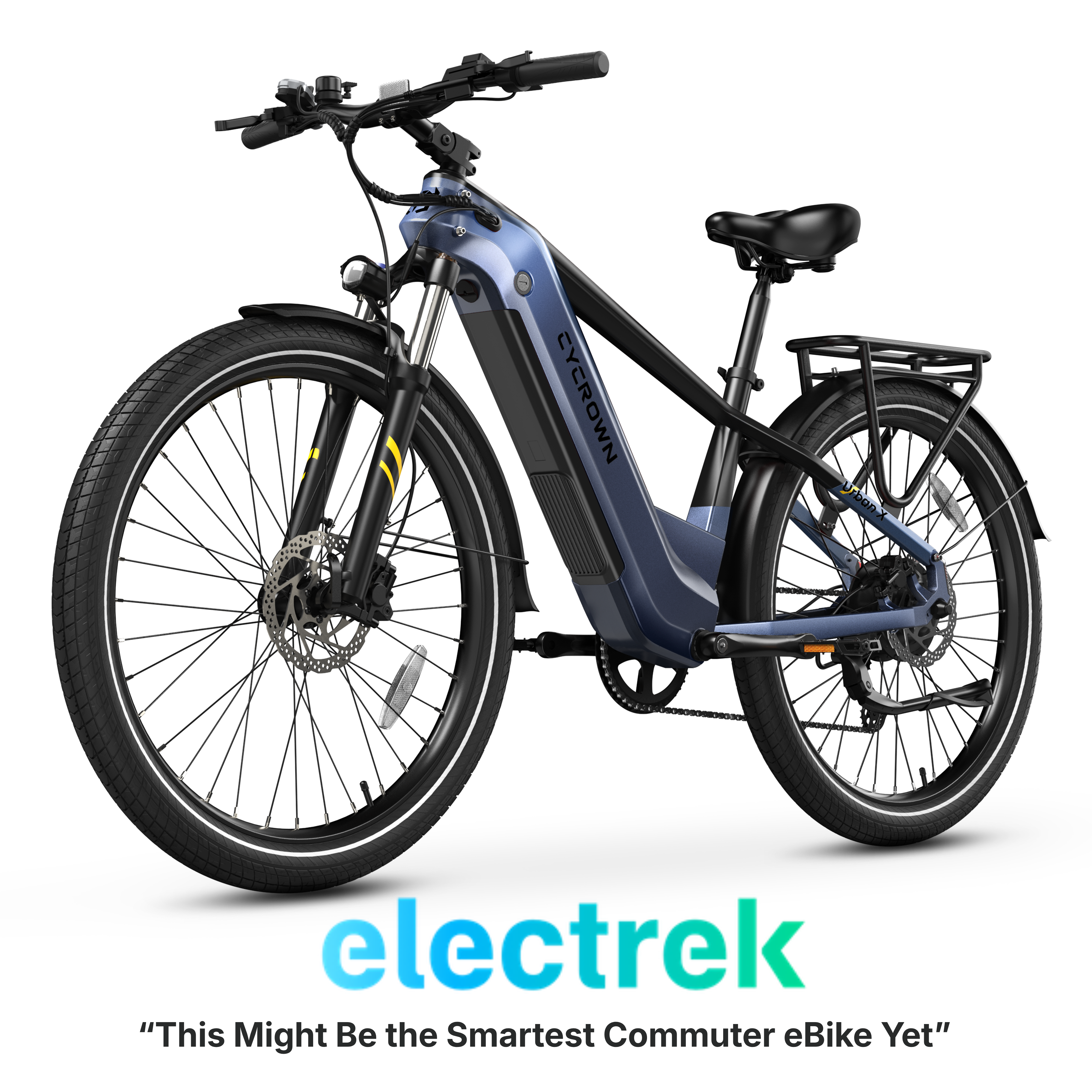
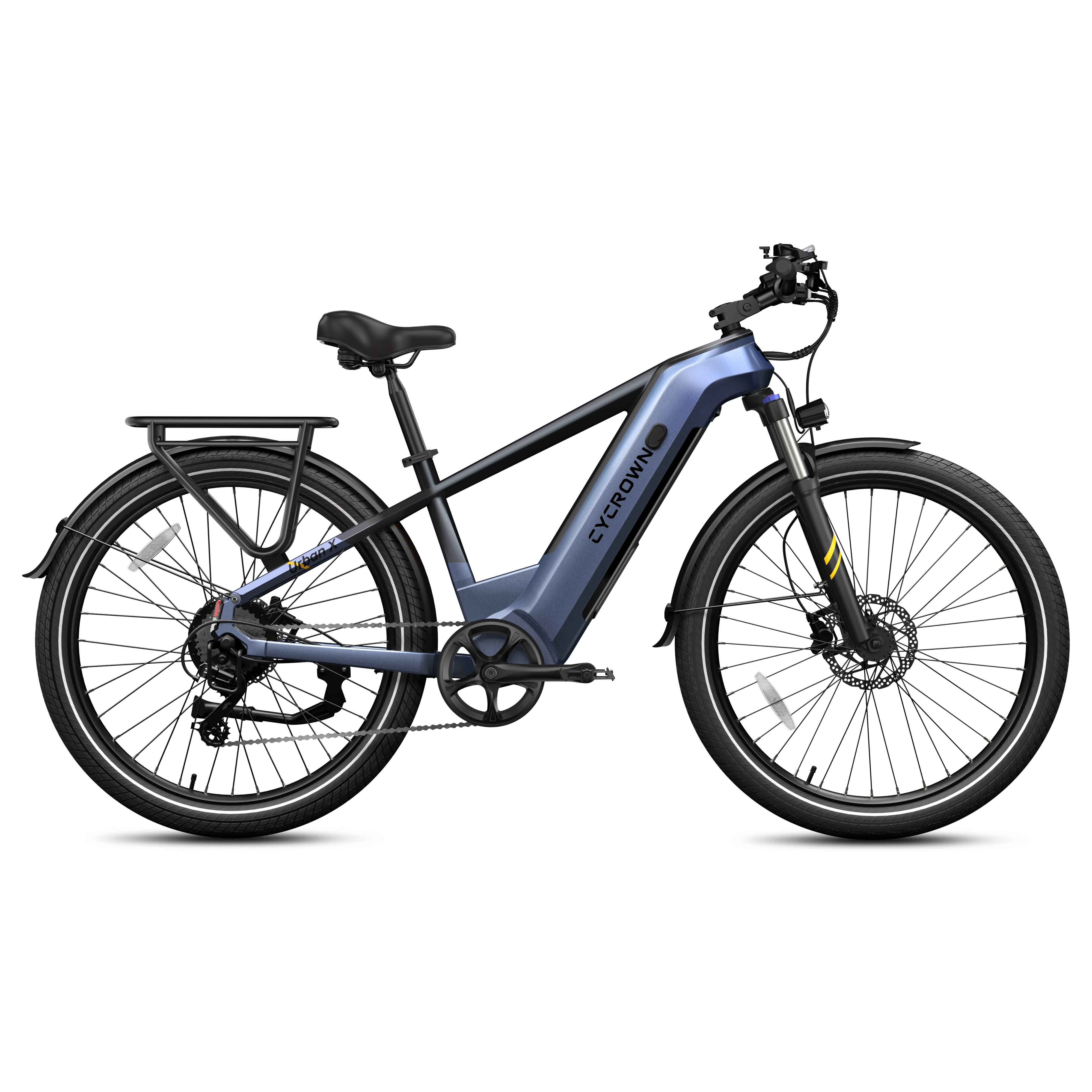
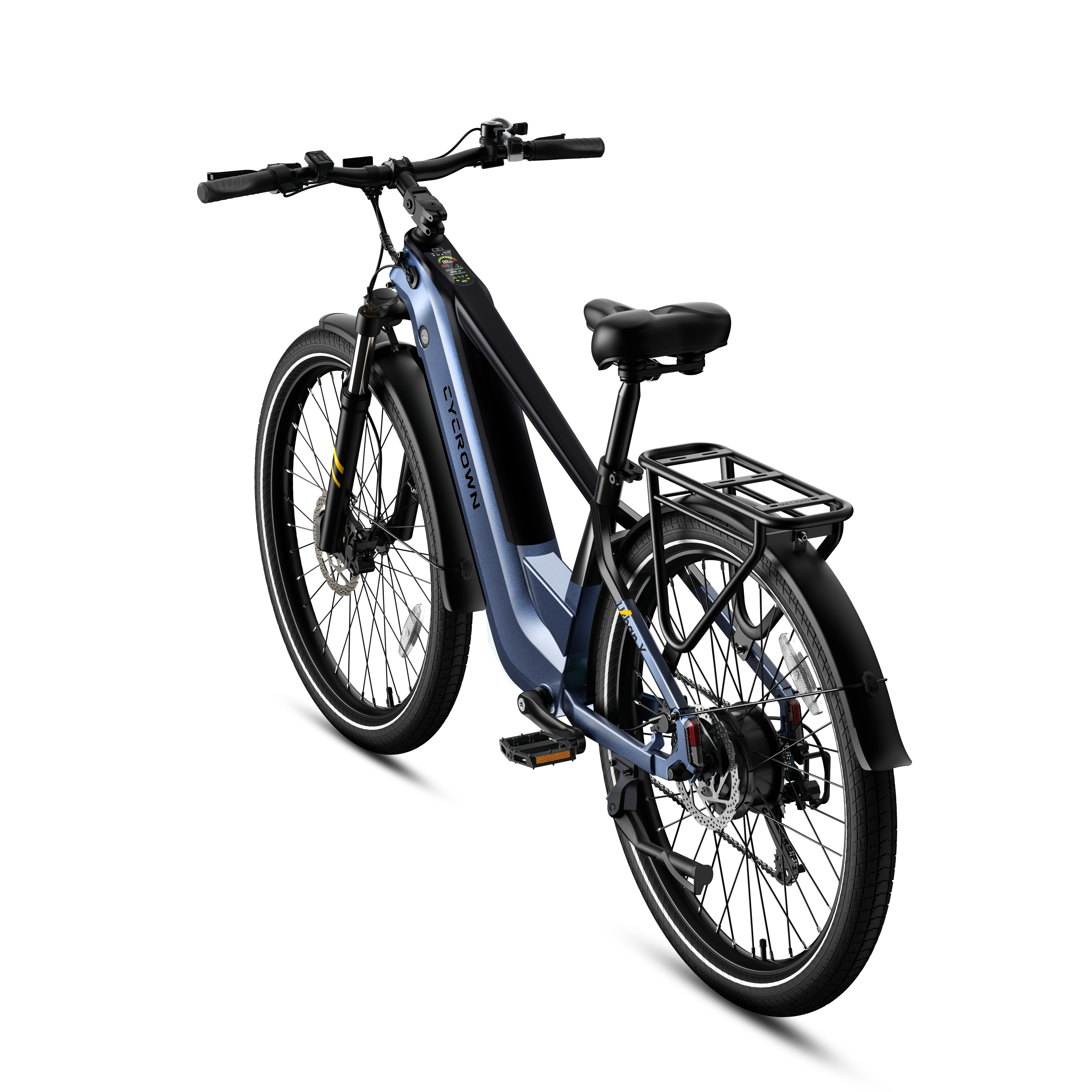
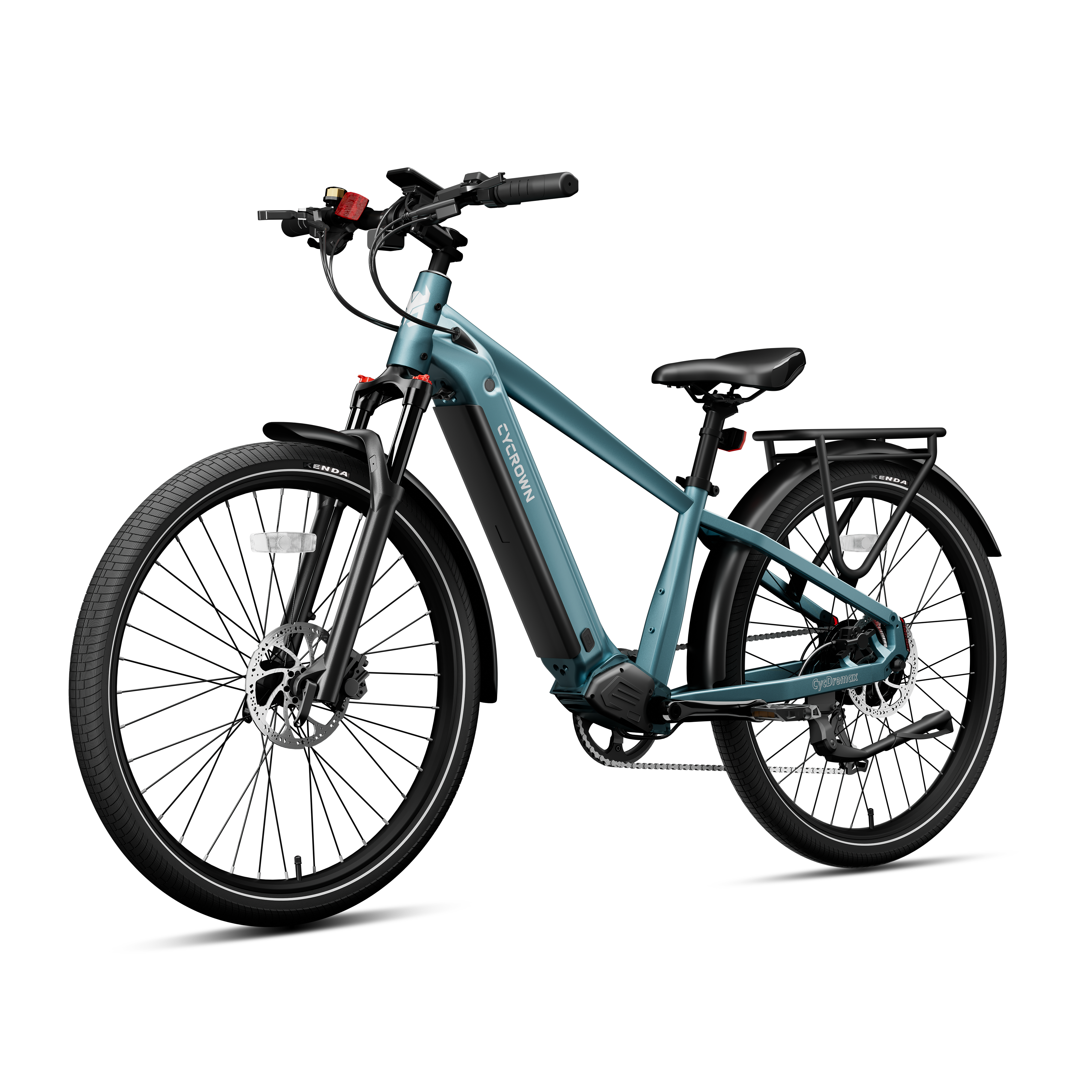
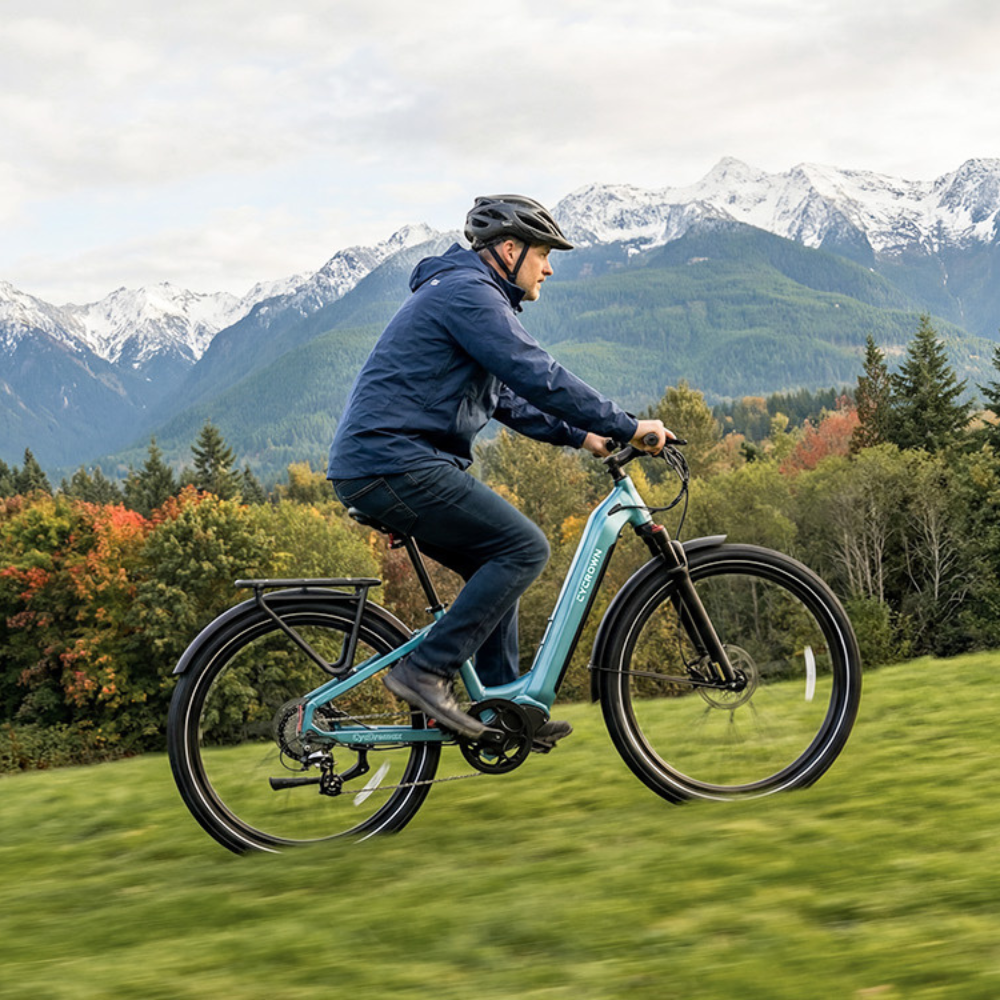
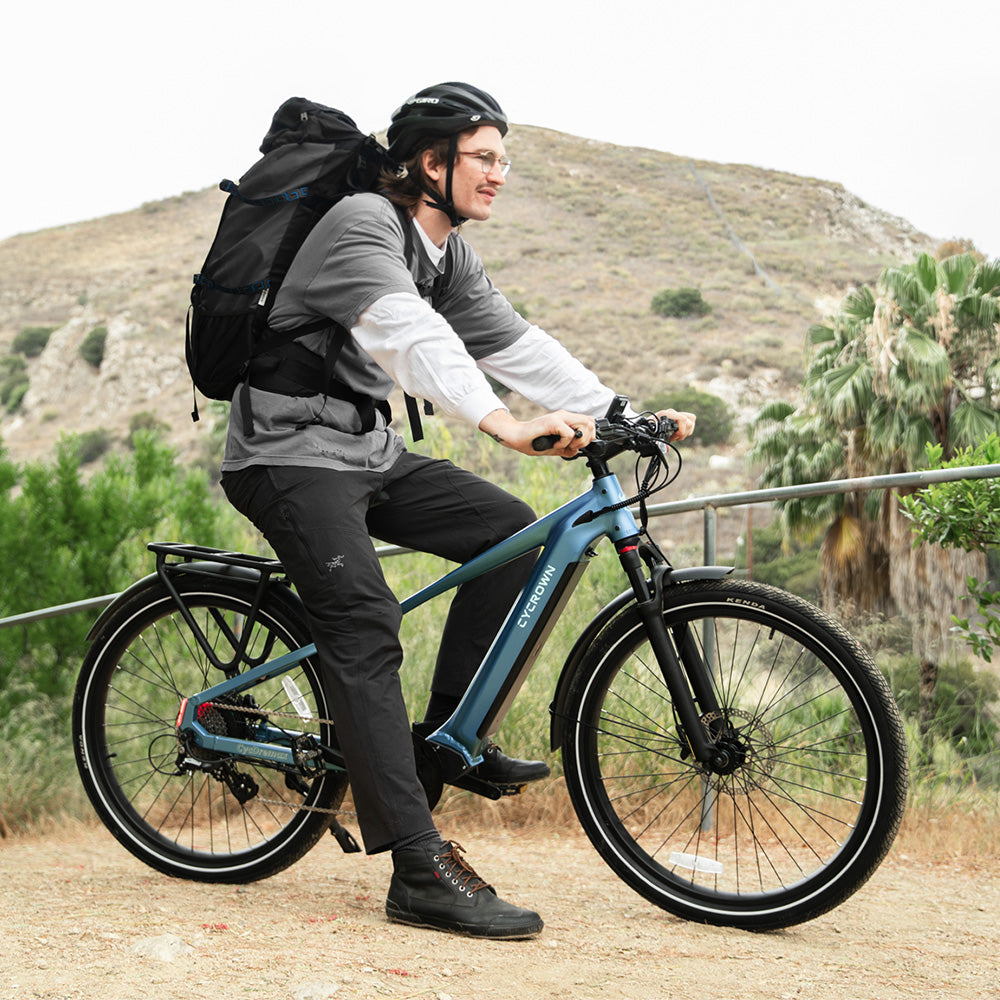
Ride your commute once on a weekend and time it. Then add about ten minutes for locking up, cooling down, and changing clothes. A commuter-style bike like the Urban X is designed around this kind of steady weekday trip, but any electric bike that fits you and carries your gear can work for e-bike commuting.
Testing your route also helps you find quieter streets, bike lanes, parking areas, and places to stop if needed. Choose a route that feels manageable and predictable rather than simply the shortest option.
Choose Routes That Fit Your Hours
The best road at 8 a.m. may feel stressful at dusk. Look for protected bike lanes, quieter streets, and paths like a local rail-trail where you can. A route that adds three minutes but avoids a busy intersection usually feels better every single day.
If you finish work after dark, pick well-lit roads and use front and rear lights. New to riding in traffic? See Best E-Bike Routes for Beginners in the U.S.
Combine Work Trips With Everyday Errands
The biggest time saver in a daily e-bike routine is linking stops. Instead of driving to work and making three more trips later, ride once and chain your errands together.
Think in a line: work, coffee shop, grocery store, post office, then home. Put the heaviest stop near the end so you are not carrying the load longer than necessary. For appointments, leave enough time to park and arrive without rushing.
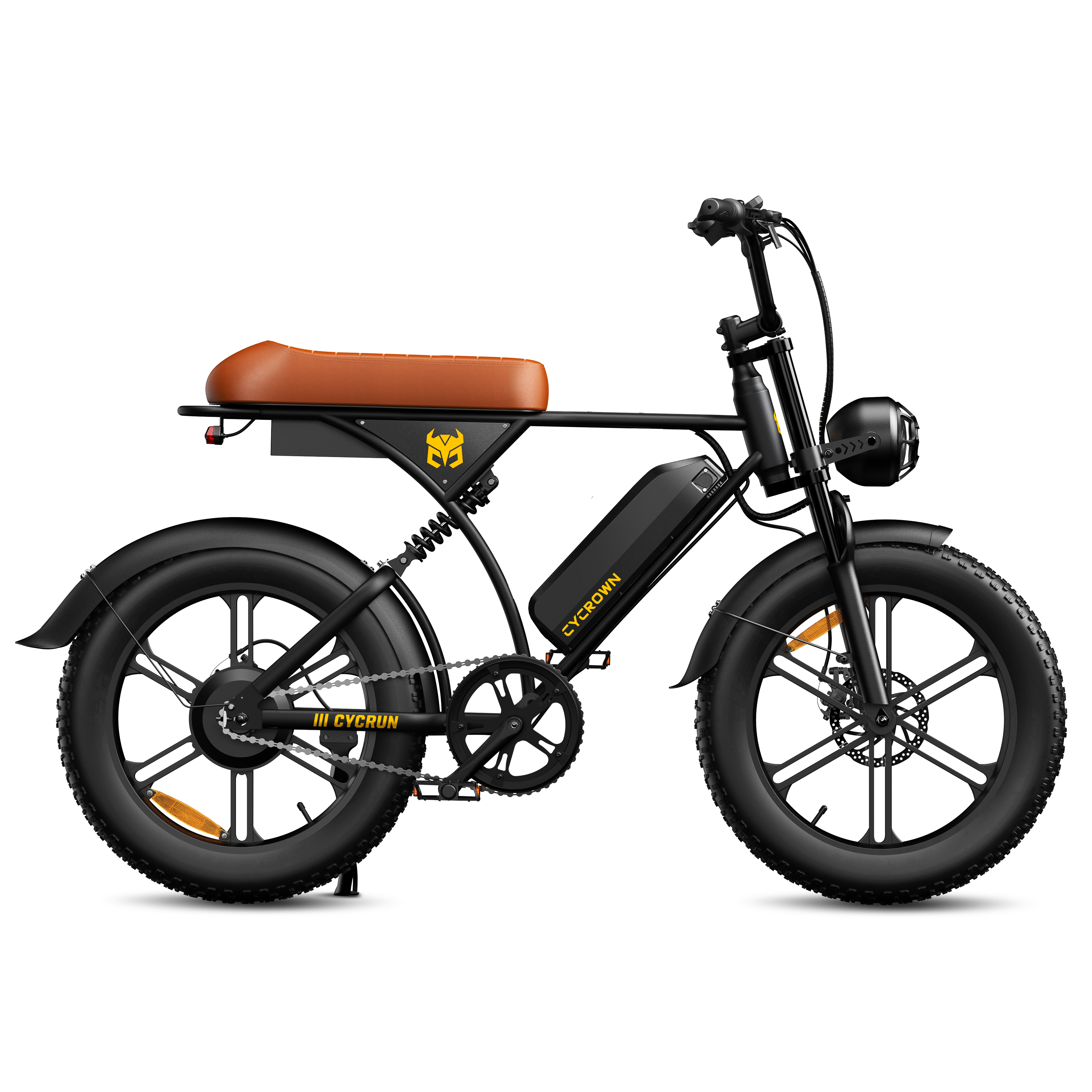
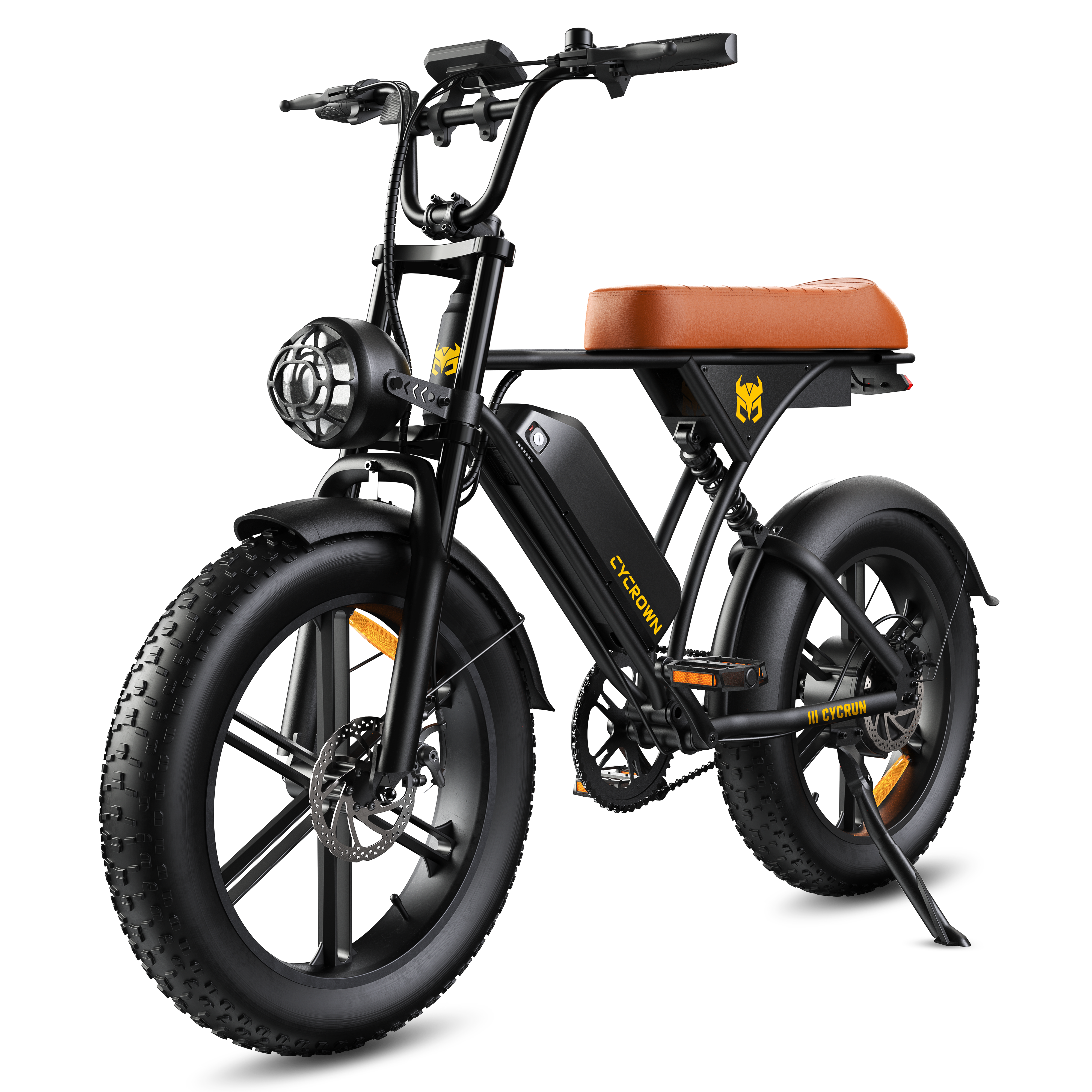
Cargo planning also makes errands easier. A rear rack, basket, or pannier bags can keep bags secure and reduce the need to carry everything on your back. For short, stop-and-go trips, a compact model such as the CycRun 2.0 can be considered, depending on your route and local requirements.
Prepare What You Need Before Each Ride
Small habits make an e-bike routine easier to maintain. Keep your essentials in one place near the door and check them the night before:
Battery level and charger
Rain layer or spare shirt
Grocery bags or panniers
Tire pressure once a week
The goal is to make leaving as simple as possible. When your bike and gear are ready to go, a busy morning requires less preparation.

(Roma)
Plan Charging, Weather, and Bike Care Together
Charge on a Schedule
Plug in at a consistent time, such as after you get home, so charging becomes part of your routine. Treat the bike's rated range as an estimate rather than a guarantee because hills, wind, cargo, riding mode, and temperature can affect real-world range. Plan enough charge for your full trip and keep a reasonable buffer rather than relying on the battery's maximum range. For more battery-care tips, read How Many Miles Can an E-Bike Last?
In colder weather, follow the battery manufacturer's storage and charging guidance. Keeping the battery at an appropriate indoor temperature when possible can help avoid cold-related performance issues.
Adjust for the Weather
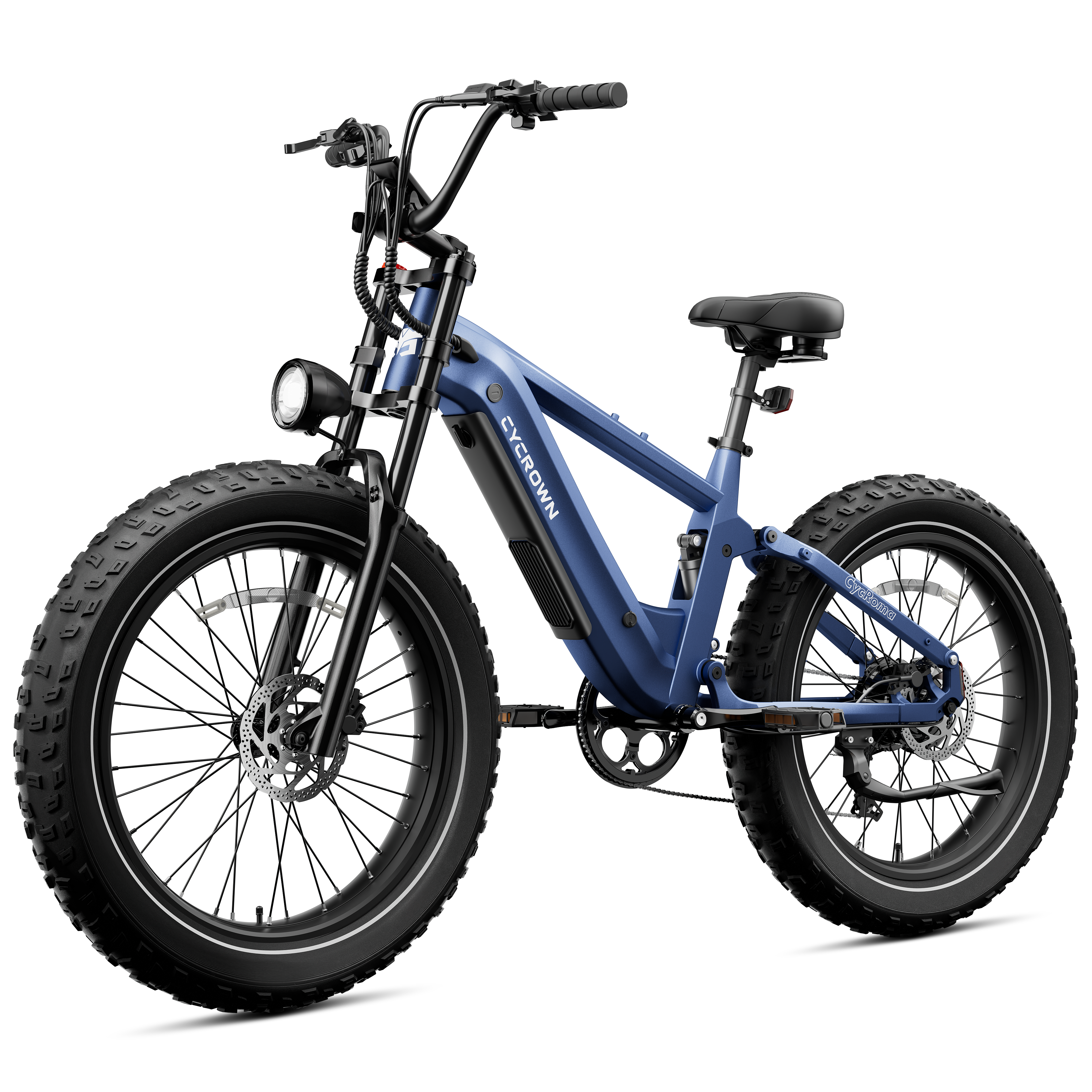
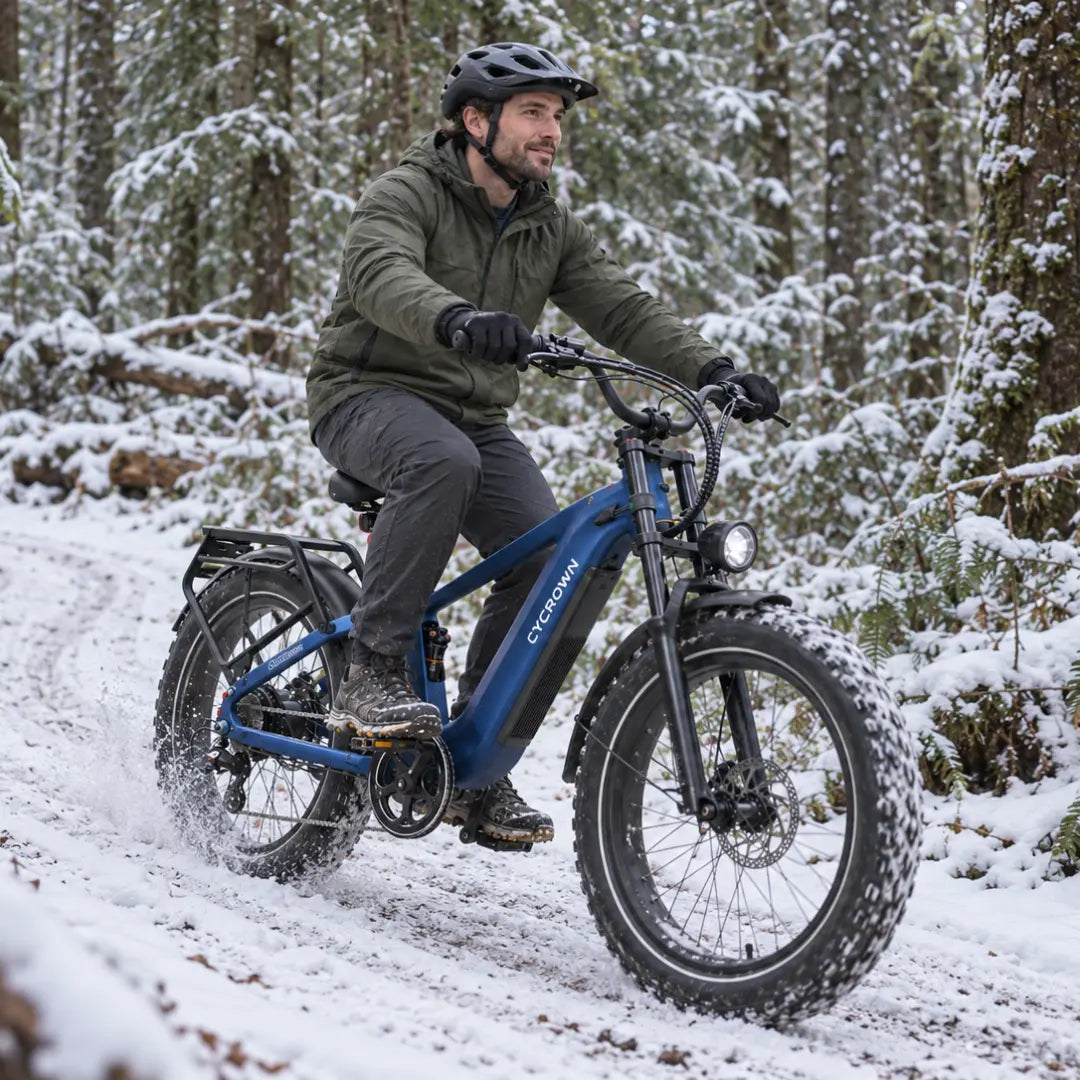
Check the forecast before leaving and adjust your plans when conditions change. Fenders can help keep spray off you and the e-bike, while wet roads require slower speeds, smoother braking, and extra attention to traction and visibility. Features such as wider tires, like those found on the Nomad Pro, may suit some riders and routes, but equipment does not replace careful riding.
Keep a backup option for severe weather, such as public transportation or another way home. Missing one ride does not mean you have to abandon the routine.
Give Your Bike a Weekly Check
Once a week, check tire pressure, test the brakes, wipe the chain, and look for loose bolts. Store it indoors or covered, and lock it even in a garage.
Make Your E-Bike Routine Last Long Term
Start small. Using an e-bike for work two days a week for two weeks is plenty, then add a third day. Note the time you saved and what went wrong. If a route feels stressful, change it.
Review your routine each month and again when the seasons change. Shorter days, colder mornings, or changes in your work schedule may require different gear, routes, or riding days. If you are still choosing an e-bike for commuting, CYCROWN's Best Commuter Electric Bike for Beginners 2026 covers some factors to consider.
Small Habits, Steady Miles
A useful e-bike routine does not need to be complicated. Start with a few regular trips, prepare your gear ahead of time, charge consistently, and adjust your route when weather or schedules change. With those habits in place, commuting and errands can become a practical part of your normal week.
Quick Answers for New Routine Builders
How many days a week should I ride first?
Two or three days is a good start for a new e-bike routine, and you can add more once charging and packing feel natural.
Can I use my e-bike for errands in bad weather?
Light rain may be manageable with appropriate gear, good visibility, and slower riding. In severe weather or unsafe road conditions, use a backup transportation option instead.
How much range do I need for a daily commute?
Add your round-trip commute and planned errands, then allow extra range for hills, wind, cargo, temperature, and route changes. Avoid planning around the bike's maximum rated range.
Where should I store my e-bike during the workday?
When using an e-bike for work, park it indoors if you can, or lock the frame to a fixed rack in a busy, well-lit spot.


